Liquid Cooling System: Direct Thermal Management for AI & HPC

All Categories
Efficient Thermal Management for High-Performance Equipment

Efficient Thermal Management for High-Performance Equipment

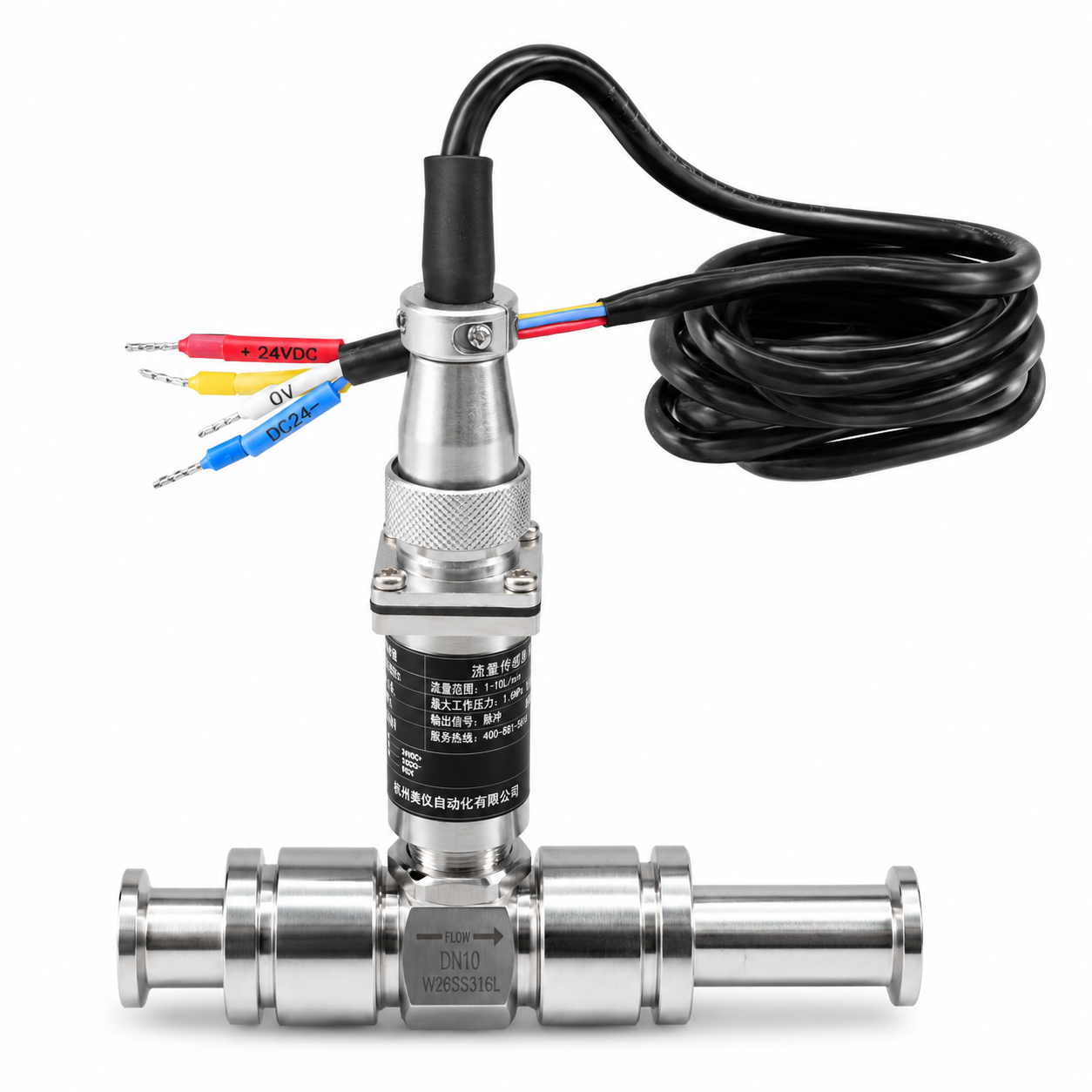
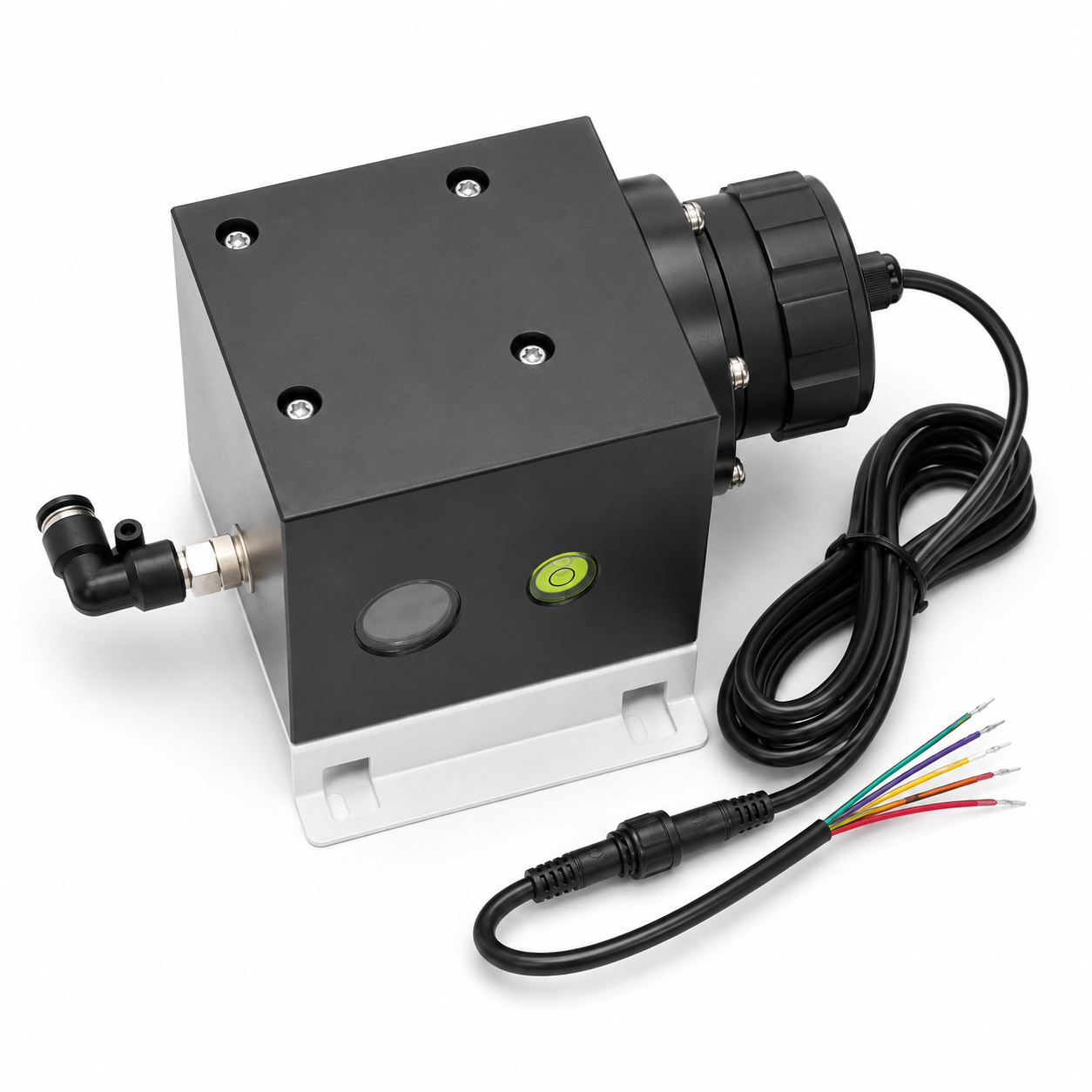
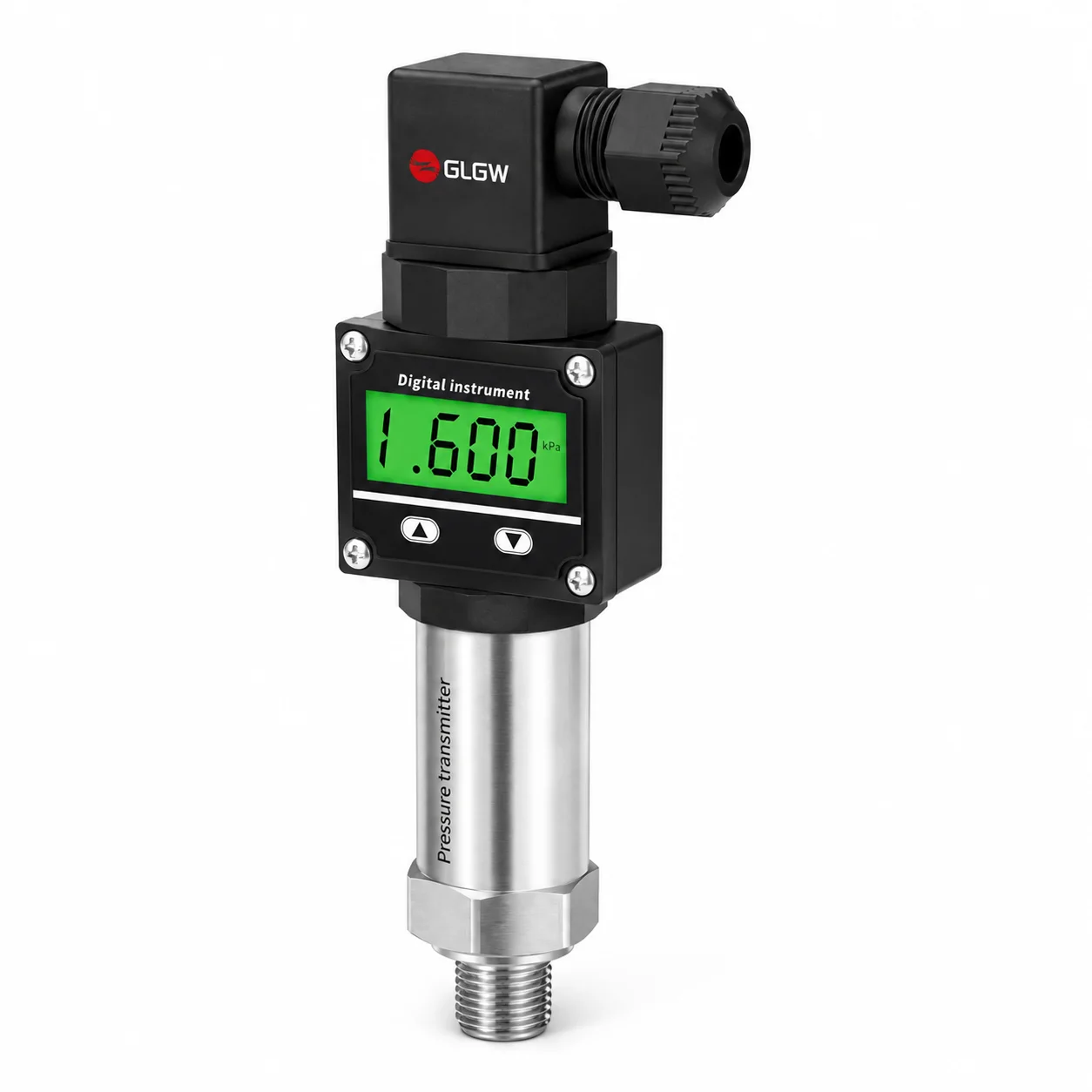
A liquid cooling system transfers heat away from high-performance equipment through a controlled circulation of liquid between heat-generating components and heat rejection equipment. It can be applied to data centers, AI infrastructure, high-performance computing, industrial electronics, power equipment, and other applications with concentrated thermal loads. Depending on the system architecture, components may include cold plates, pumps, manifolds, tubing, heat exchangers, cooling distribution units, valves, sensors, and control equipment. System design should consider heat load, flow rate, operating temperature, pressure, fluid characteristics, material compatibility, installation space, and future expansion. A properly engineered liquid cooling system can provide direct heat transfer near major heat sources while reducing dependence on conventional airflow. Monitoring temperature, pressure, and flow also helps operators manage system conditions and plan maintenance.
Get A Quote

Case Study

AI Data Center Cooling

An AI data center was deploying high-performance servers with increasing processor heat output and higher rack power density. Engineers implemented a liquid cooling system using cold plates connected to a controlled circulation loop. The architecture incorporated pumps, manifolds, cooling distribution equipment, and heat exchangers sized around the expected thermal load. Supply and return temperatures, flow requirements, and available facility capacity were evaluated during system planning. Monitoring sensors provided operating information for temperature and circulation conditions. The system was initially deployed across high-density computing racks, with distribution capacity considered for future expansion. This created a structured cooling architecture for demanding AI workloads and evolving data center requirements.

Industrial Electronics Cooling

An industrial equipment manufacturer required consistent heat removal from electronic components operating under continuous workloads. A liquid cooling system was configured around the equipment's thermal output, installation space, and operating environment. Engineers evaluated cooling plate design, pump capacity, fluid properties, tubing connections, and heat exchanger requirements before integration. The circulation loop was arranged to move cooling liquid between the primary heat sources and heat rejection equipment. Temperature and flow monitoring helped technicians observe system conditions during operation. The modular configuration allowed selected components to be adjusted as equipment requirements changed. This provided a controlled thermal management solution for industrial electronics while supporting future equipment upgrades.

High-Performance Computing Facility

A research computing facility was upgrading processors that generated substantially more heat than previous equipment. Engineers introduced a liquid cooling system for selected high-performance servers, connecting direct cooling components to a centralized distribution architecture. The design considered processor heat load, required flow rate, pressure, operating temperature, and facility cooling capacity. Pumps and heat exchangers were coordinated with the server-side cooling loop, while sensors monitored temperature and circulation. Additional connections were planned for future computing clusters. This approach allowed the facility to manage concentrated thermal loads through direct liquid heat transfer while developing a scalable infrastructure that could grow alongside computational requirements.

Related products

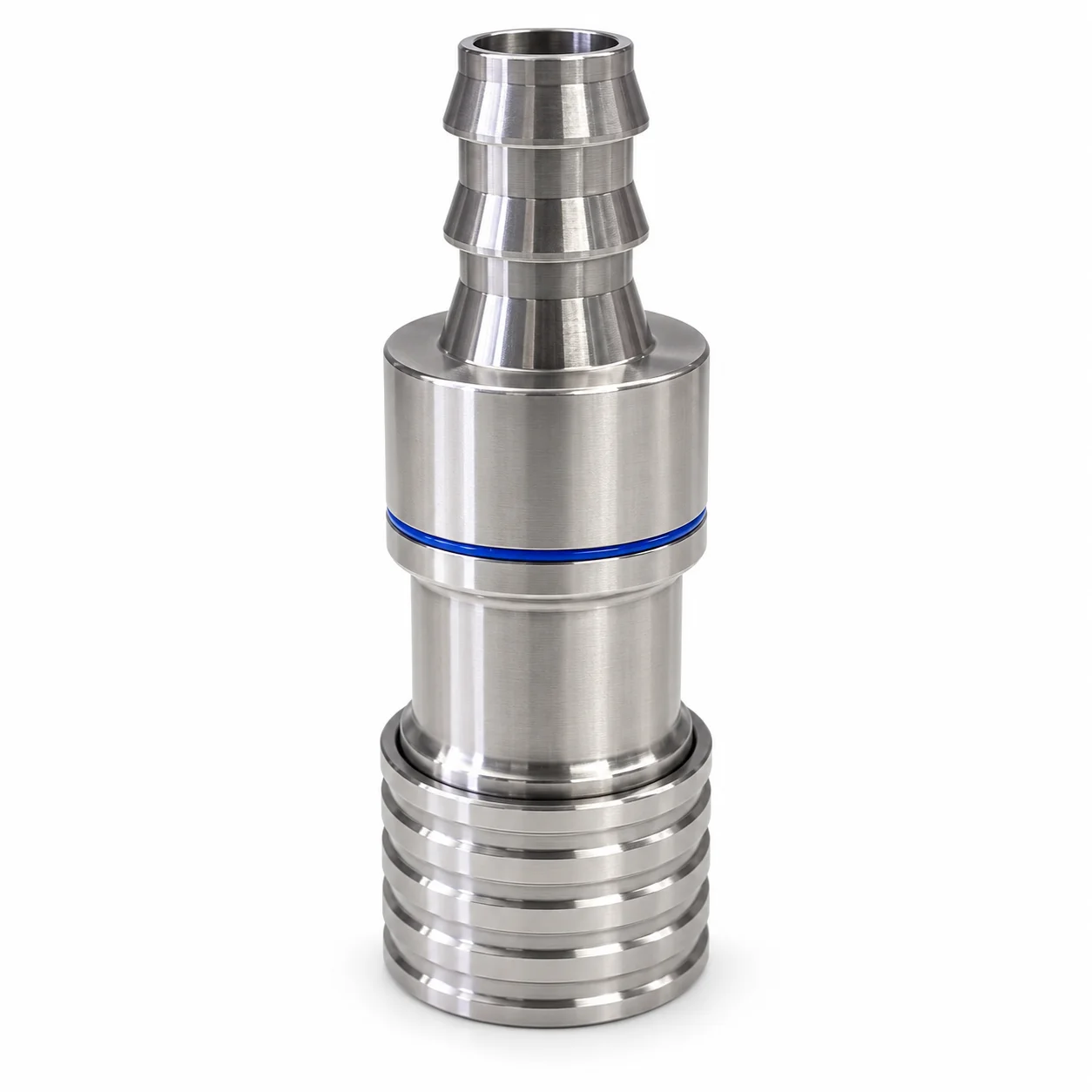
A liquid cooling system is an integrated thermal management solution that uses circulating liquid to remove heat from equipment and transfer it toward a heat rejection system. Common configurations include direct-to-chip cooling, cold plate systems, liquid circulation loops, rear-door heat exchangers, and immersion cooling. Depending on the application, a complete system can include cooling plates, pumps, manifolds, tubing, fittings, heat exchangers, cooling distribution units, valves, sensors, filters, and control equipment. Liquid cooling is increasingly used in AI data centers, high-performance computing, cloud infrastructure, industrial electronics, and other environments with high thermal density. System design should begin with equipment heat output and consider flow rate, operating temperature, pressure, fluid characteristics, material compatibility, facility infrastructure, and expansion requirements. Monitoring temperature, pressure, and flow can support operational management. A modular architecture can also allow cooling capacity to develop as computing equipment and workloads increase.
Frequently Asked Questions

What is a liquid cooling system?

A liquid cooling system uses circulating fluid to transfer heat away from equipment. It can include cold plates, pumps, manifolds, heat exchangers, cooling distribution units, tubing, sensors, and controls that work together to maintain a controlled thermal management loop.
They are used in AI data centers, high-performance computing facilities, cloud infrastructure, industrial electronics, power equipment, and specialized machinery. They are especially relevant to applications where equipment generates concentrated heat that requires direct thermal management.
Cooling liquid circulates through components positioned near heat sources, absorbs thermal energy, and carries it toward a heat exchanger or other heat rejection equipment. The cooled liquid then returns through the loop to continue the process.
Important factors include total heat load, required flow rate, operating temperature, pressure, fluid characteristics, material compatibility, equipment layout, connection standards, monitoring requirements, maintenance access, and available capacity for future expansion.
Yes. System components can be configured according to equipment type, thermal load, rack density, facility infrastructure, cooling architecture, and installation conditions. Pumps, cooling plates, manifolds, heat exchangers, and monitoring components can be selected to meet specific project requirements.

Related article

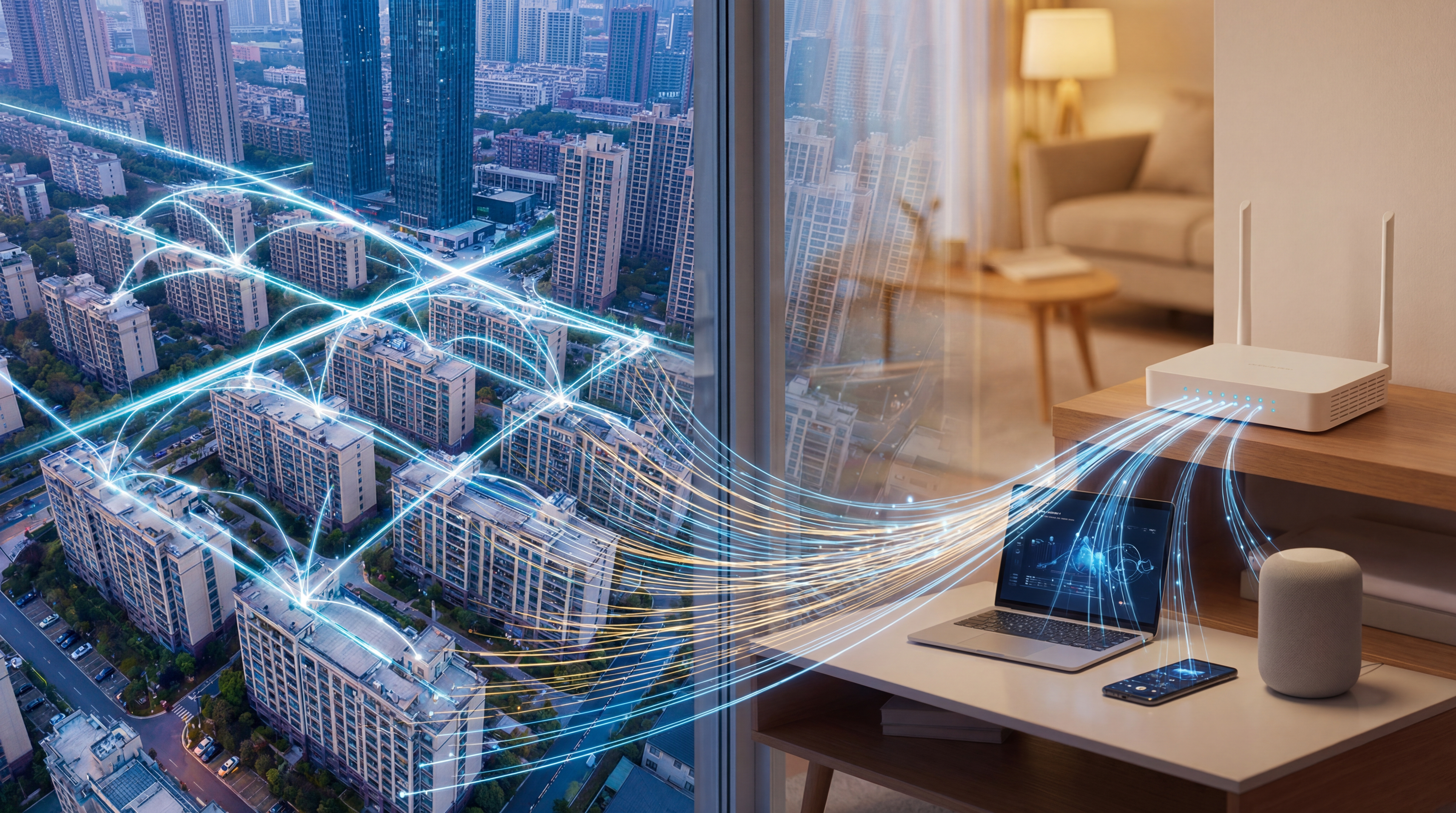
2026 Trends: Smart AI Needs Better Cables for Big Computer Buildings and Homes

08

May

2026 Trends: Smart AI Needs Better Cables for Big Computer Buildings and Homes

View More
Intelligent Cabling Solutions for Future Networks

21

May

Intelligent Cabling Solutions for Future Networks

View More
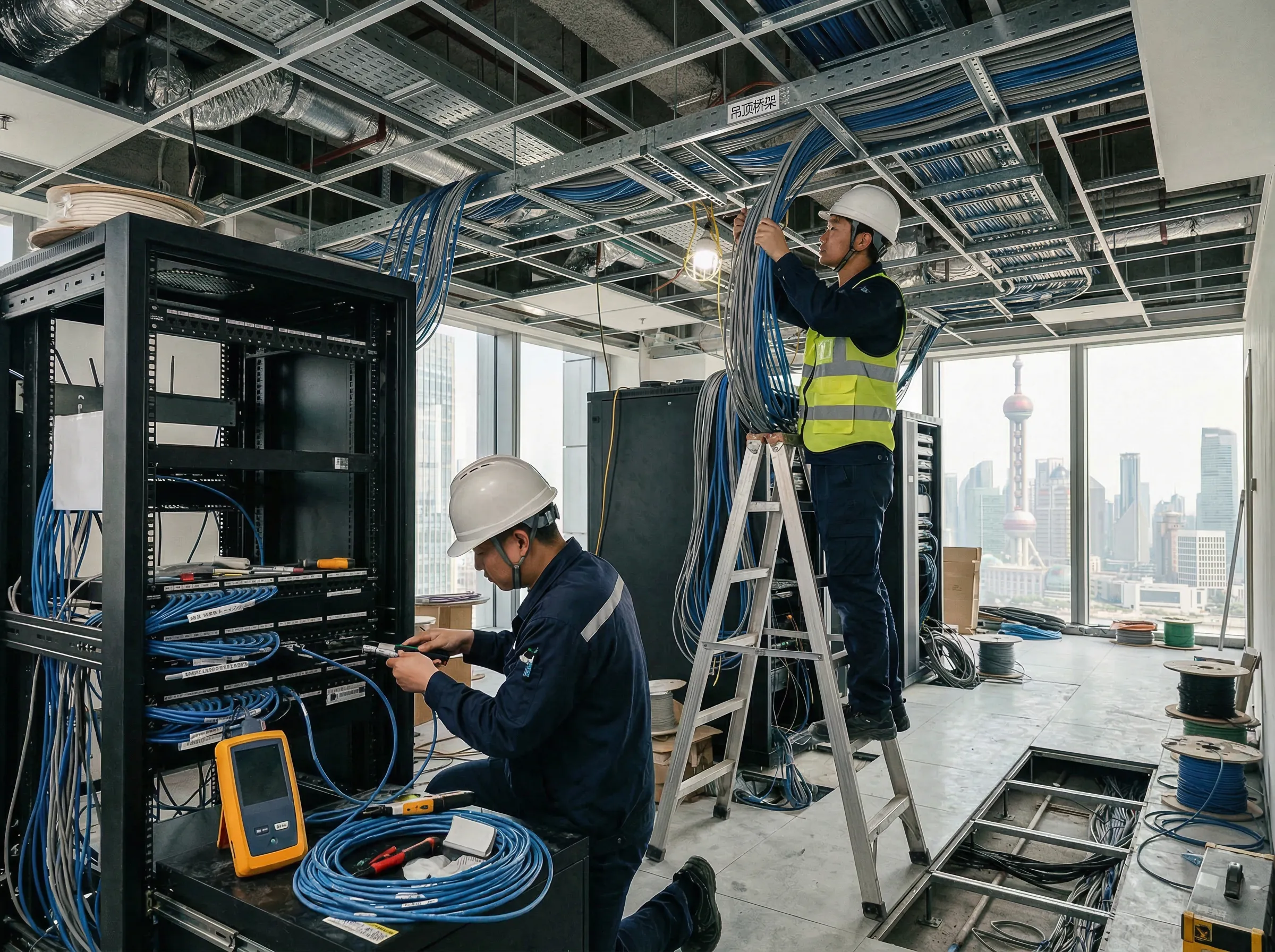
Fiber Optic Cable Deployment for Data Center Backbone.

25

Jun

Fiber Optic Cable Deployment for Data Center Backbone.

Real-world Project Cases Reflecting the Value of Standardized Fiber Optic Cable Deployment With more than sixteen years working in structured cabling and data center infrastructure construction, I have taken charge of dozens of data center backbon...
View More
How to classify data cables by usage scenarios?

14

Jul

How to classify data cables by usage scenarios?

Real World Field Experiences with Multi Environment Network Deployments During a comprehensive network migration for a financial headquarters last spring, our deployment crew encountered major connectivity dropouts across different operational floo...
View More

Customer Testimonials

Ryan Mitchell

The liquid cooling system helped us manage higher server heat loads during a computing upgrade. Temperature and flow monitoring gave our engineering team better visibility into system operation.

Jason Parker

We integrated liquid cooling into selected high-density racks without changing the entire facility. The modular architecture provided a practical way to expand cooling capacity as equipment requirements increased.

Get a Free Quote

Our representative will contact you soon.
Email
Mobile/WhatsApp
Name
Company Name
Message
0/1000
Direct Heat Transfer

Direct Heat Transfer

A liquid cooling system can transfer heat directly from high-performance components through cooling plates or other liquid-based heat transfer devices. Cooling fluid absorbs thermal energy close to the heat source and transports it through a circulation loop toward a heat exchanger or facility cooling infrastructure. This approach is particularly useful for processors and equipment with concentrated thermal loads. Engineers can design the system around heat output, flow rate, operating temperature, pump capacity, and heat exchange requirements. Cooling plates, manifolds, tubing, pumps, and distribution units must work together as part of the complete thermal path. Proper integration helps maintain controlled fluid circulation and provides a structured approach to thermal management for demanding computing workloads.
Integrated System Architecture

Integrated System Architecture

A complete liquid cooling system requires coordination between multiple components and operating conditions. Pumps establish circulation, manifolds distribute fluid, cooling plates absorb heat, and heat exchangers transfer thermal energy away from the liquid loop. Sensors and controls can monitor temperature, pressure, flow, and other operating conditions. Engineers should evaluate fluid compatibility with tubing, seals, fittings, cooling plates, and other wetted components during system selection. Facility-side infrastructure must also provide sufficient cooling capacity for the expected thermal load. By treating the cooling loop as an integrated architecture rather than a collection of separate parts, designers can create a more organized and manageable solution for data centers and industrial applications.
Scalable Thermal Infrastructure

Scalable Thermal Infrastructure

Liquid cooling systems can be designed to support gradual increases in equipment density and thermal demand. A facility may initially deploy liquid cooling for selected AI servers or high-performance computing racks before extending the architecture to additional equipment. Cooling distribution units, pumps, manifolds, heat exchangers, and monitoring systems can be sized around current requirements while allowing future expansion. Engineers should consider additional connection points, facility cooling capacity, redundancy, maintenance access, and projected rack power during the planning stage. The exact expansion method depends on the selected architecture and site infrastructure. With appropriate planning, liquid cooling provides a flexible foundation for evolving computing and industrial thermal management requirements.

Get a Free Quote

Our representative will contact you soon.
Email
Mobile/WhatsApp
Name
Company Name
Message
0/1000