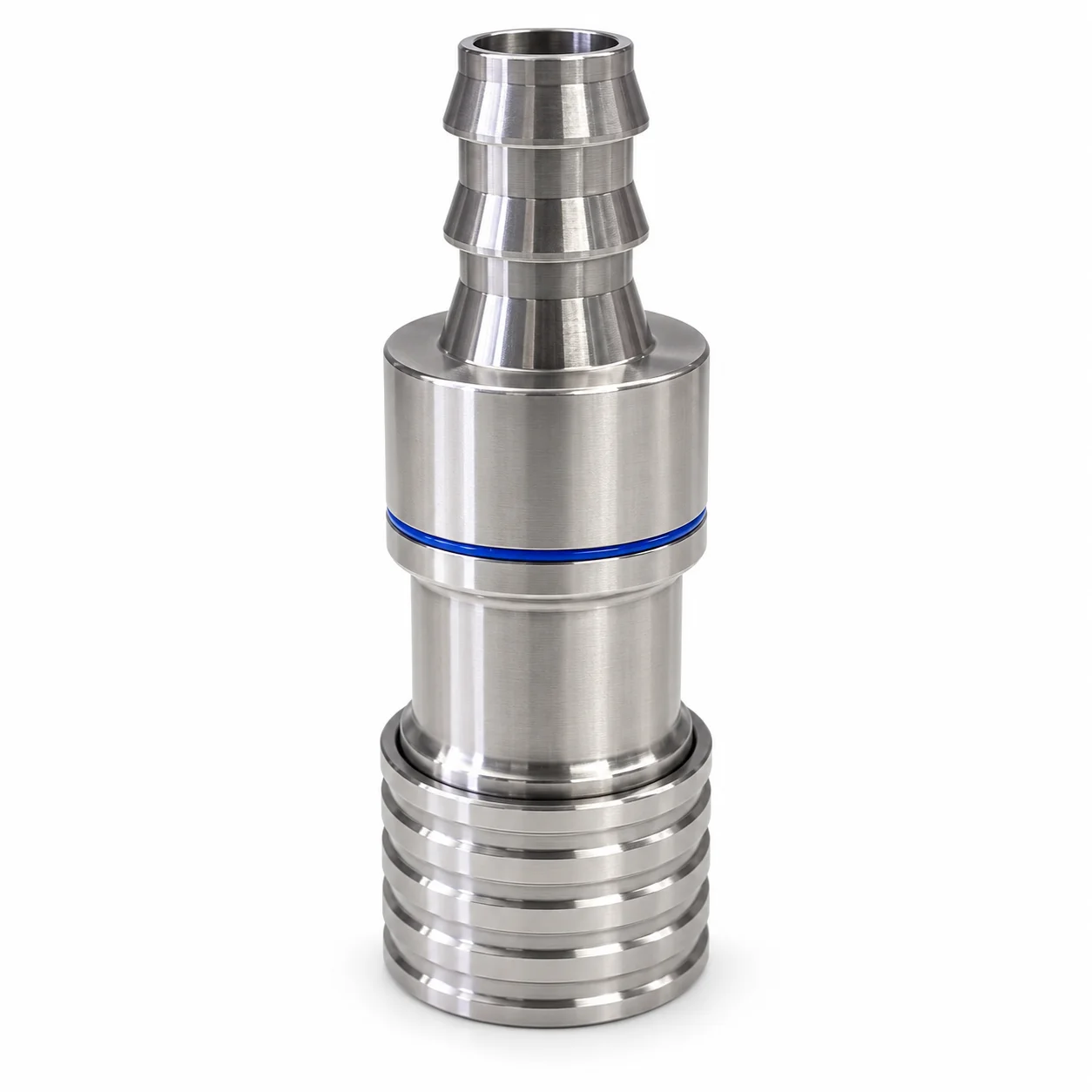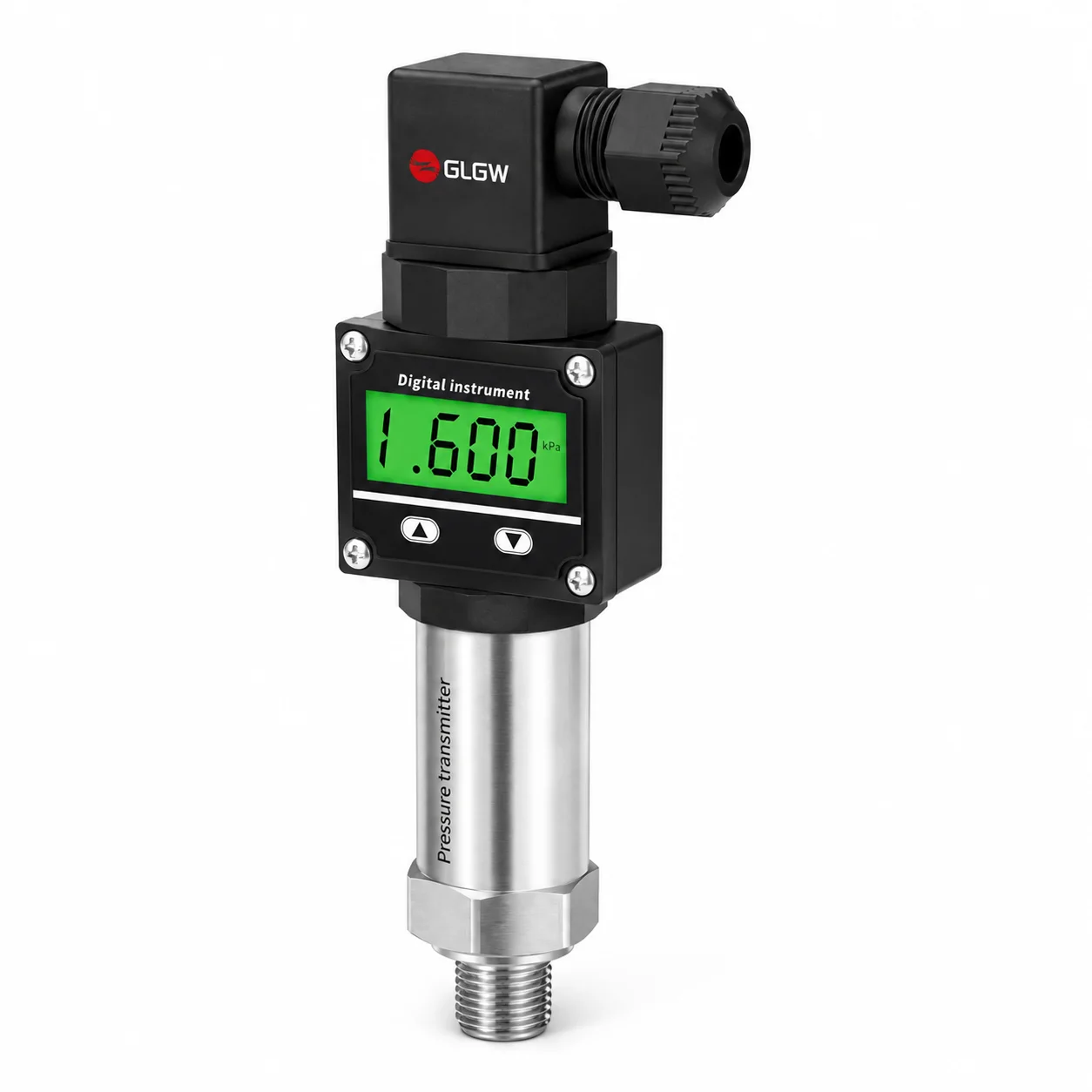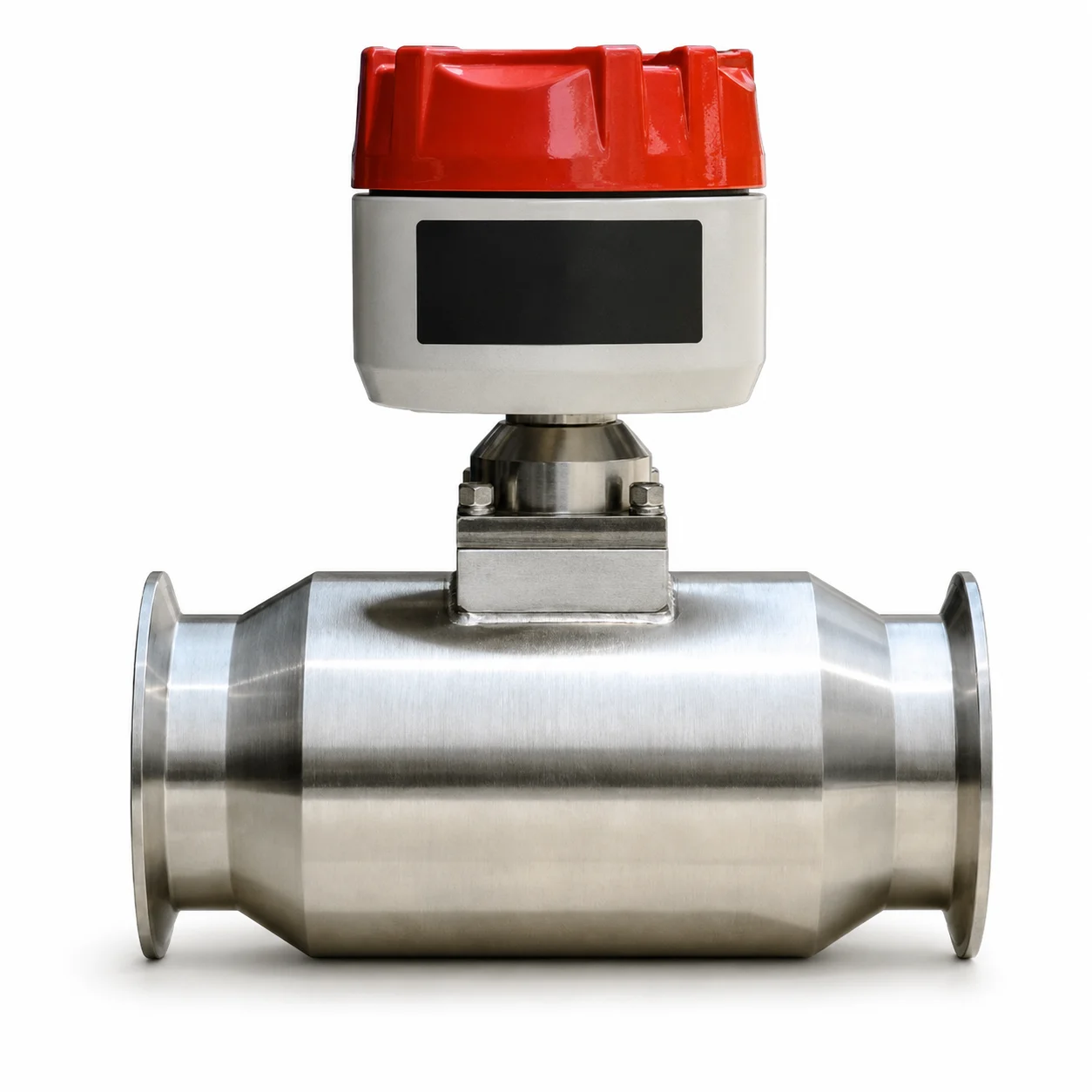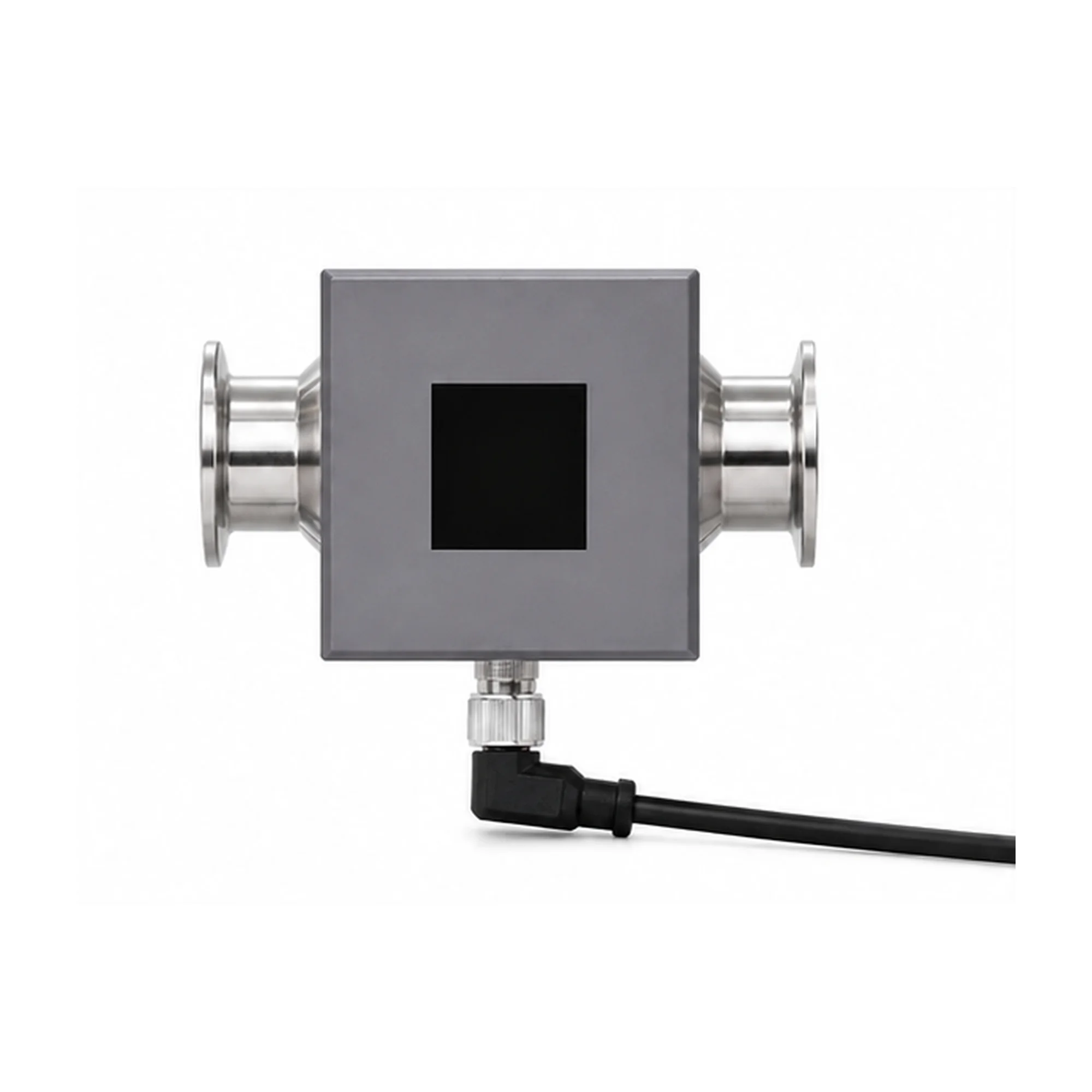
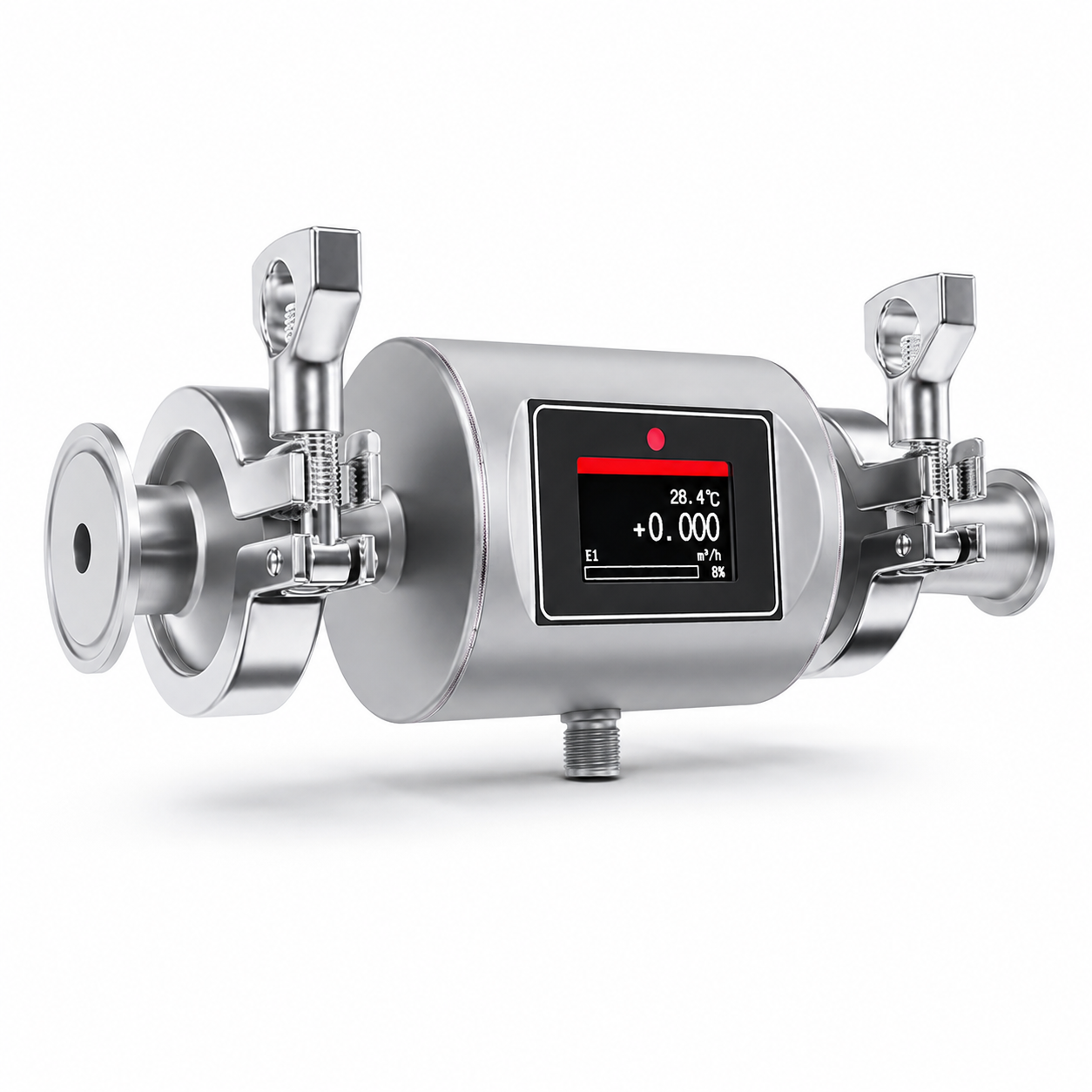
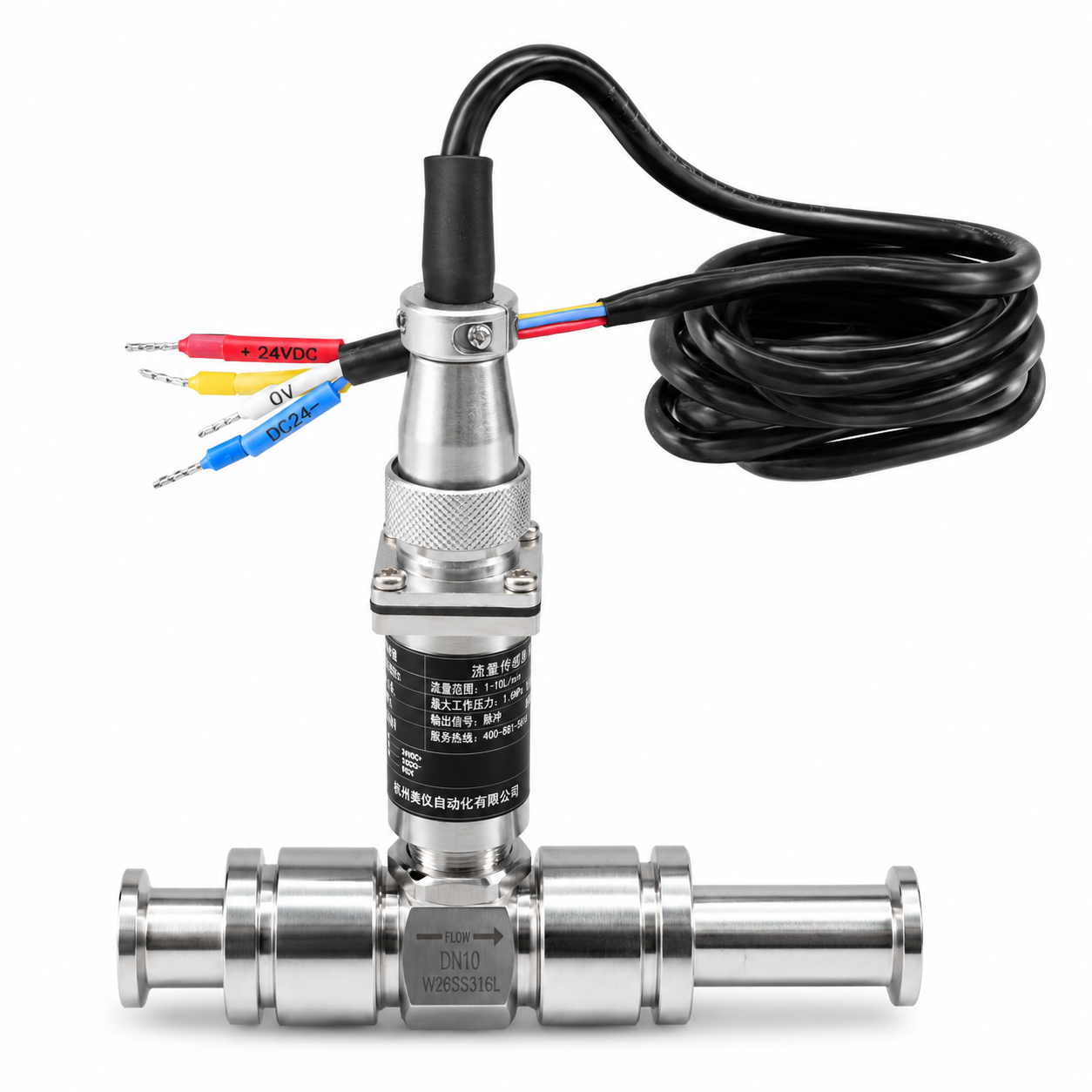
A liquid cooling system is an integrated thermal management solution that uses circulating liquid to remove heat from equipment and transfer it toward a heat rejection system. Common configurations include direct-to-chip cooling, cold plate systems, liquid circulation loops, rear-door heat exchangers, and immersion cooling. Depending on the application, a complete system can include cooling plates, pumps, manifolds, tubing, fittings, heat exchangers, cooling distribution units, valves, sensors, filters, and control equipment. Liquid cooling is increasingly used in AI data centers, high-performance computing, cloud infrastructure, industrial electronics, and other environments with high thermal density. System design should begin with equipment heat output and consider flow rate, operating temperature, pressure, fluid characteristics, material compatibility, facility infrastructure, and expansion requirements. Monitoring temperature, pressure, and flow can support operational management. A modular architecture can also allow cooling capacity to develop as computing equipment and workloads increase.

08
May
21
May
25
Jun
14
Jul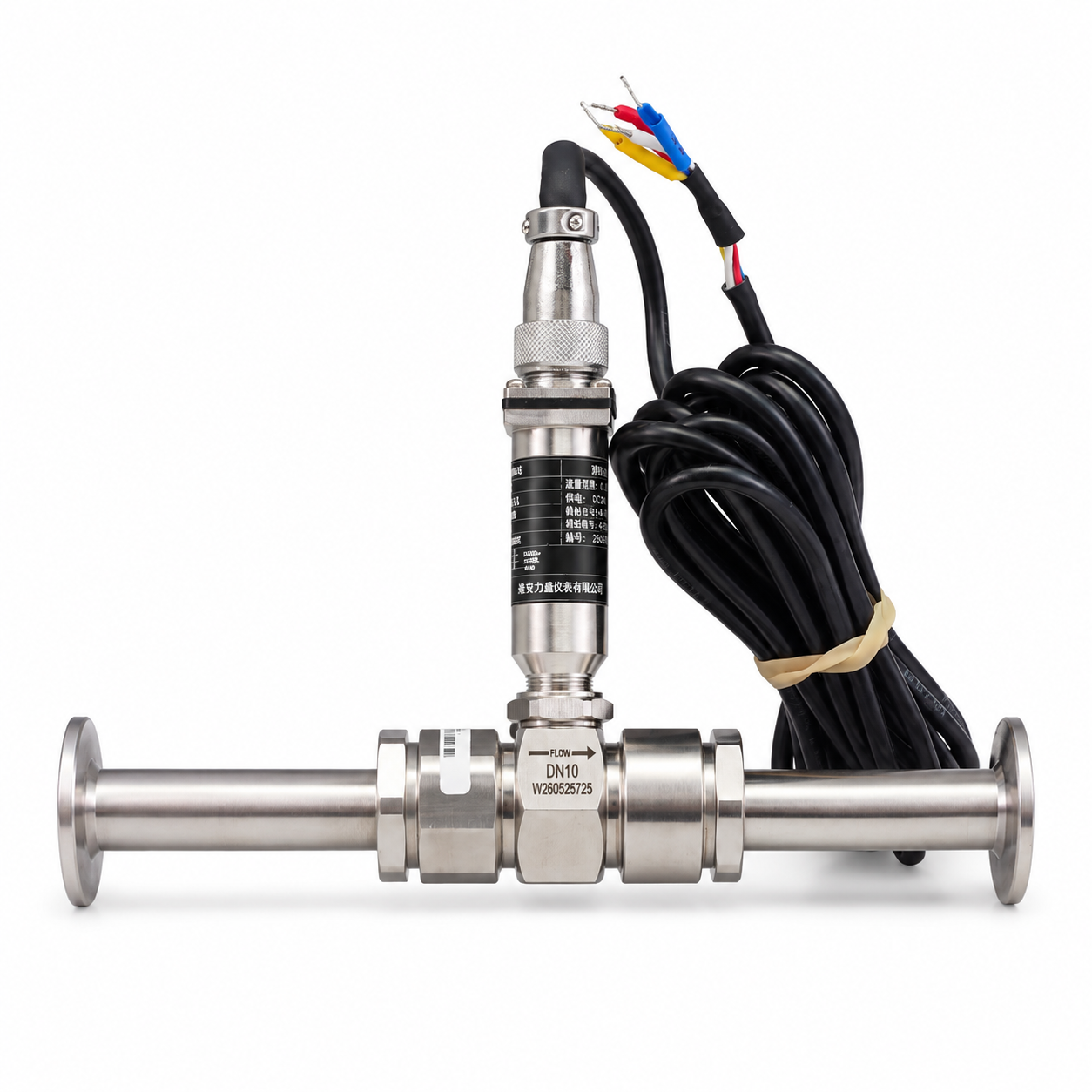
Copyright © 2026 by Ningbo GLGW Nova Materials Technology Co., Ltd. - Privacy policy
 EN
EN