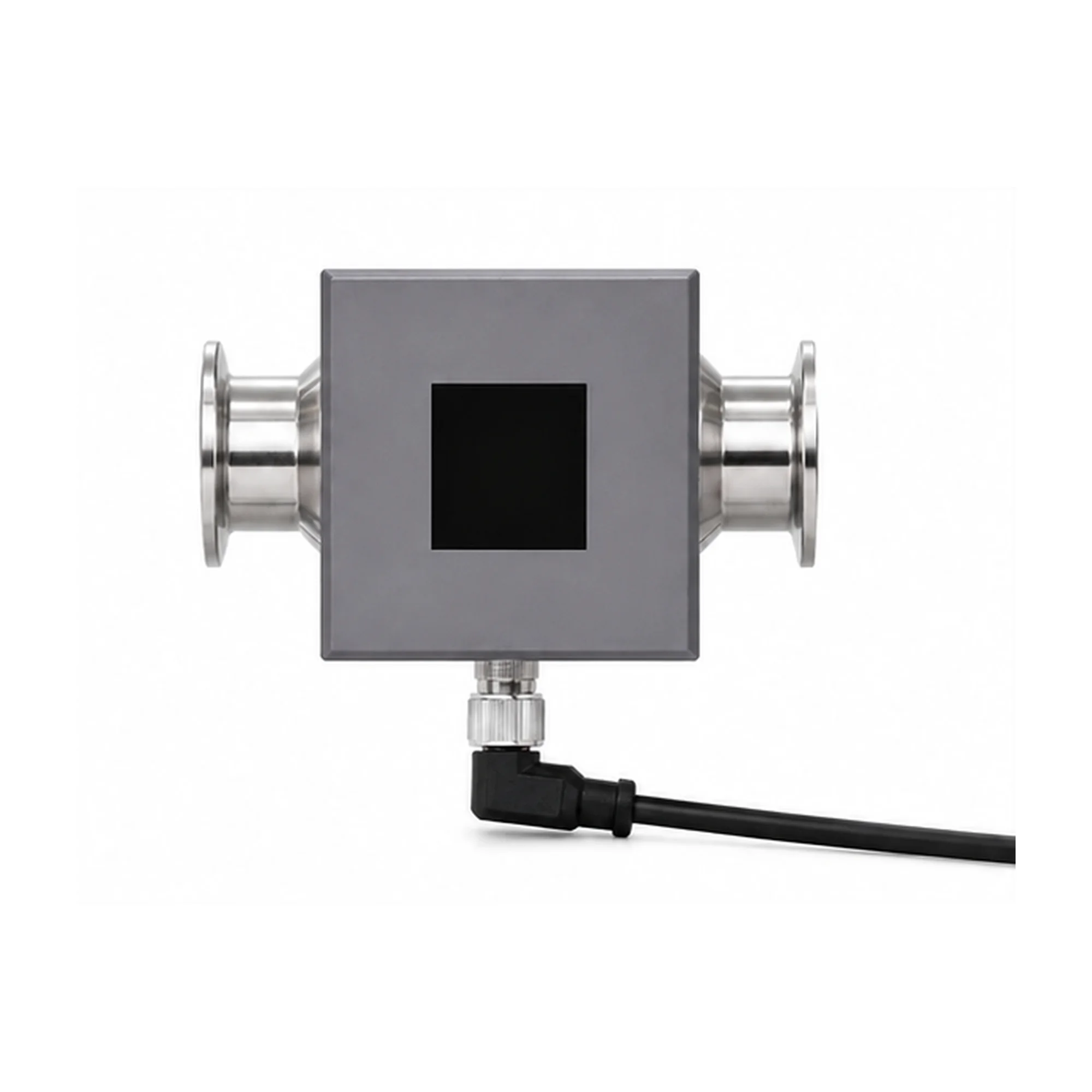
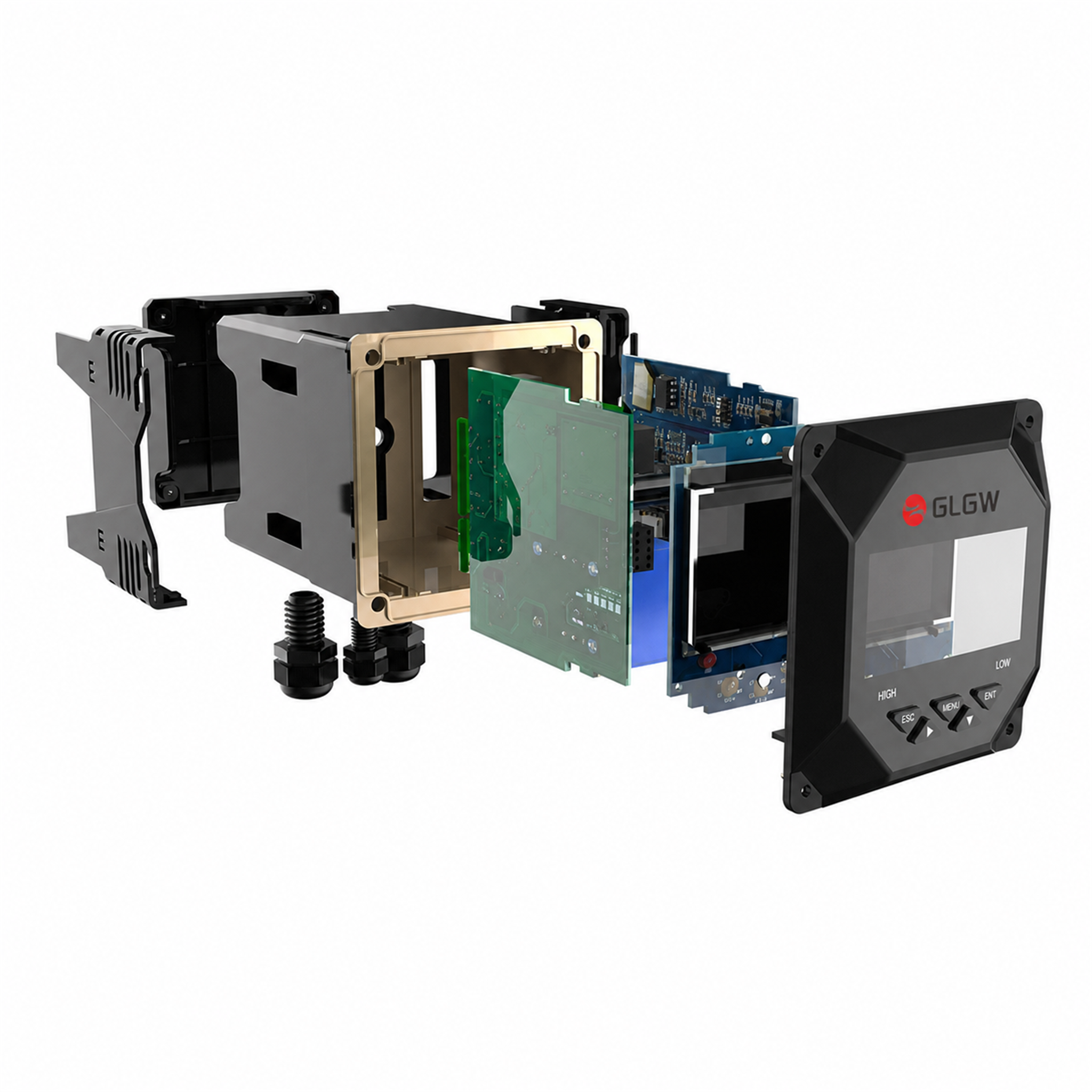
Liquid Cooling Kit for Data Centers & High-Performance Equipment

All Categories
Complete Cooling Components for High-Performance Equipment

Complete Cooling Components for High-Performance Equipment

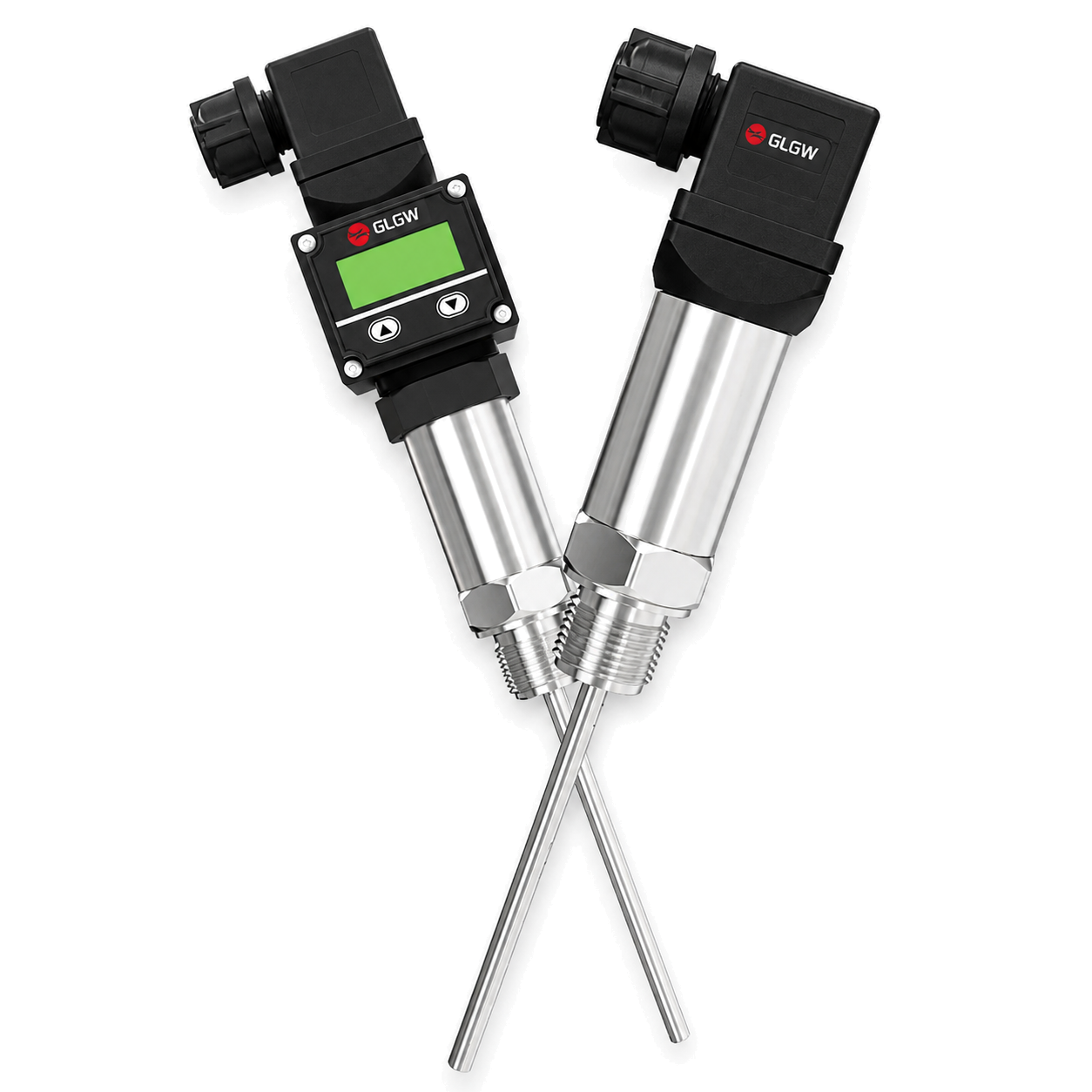
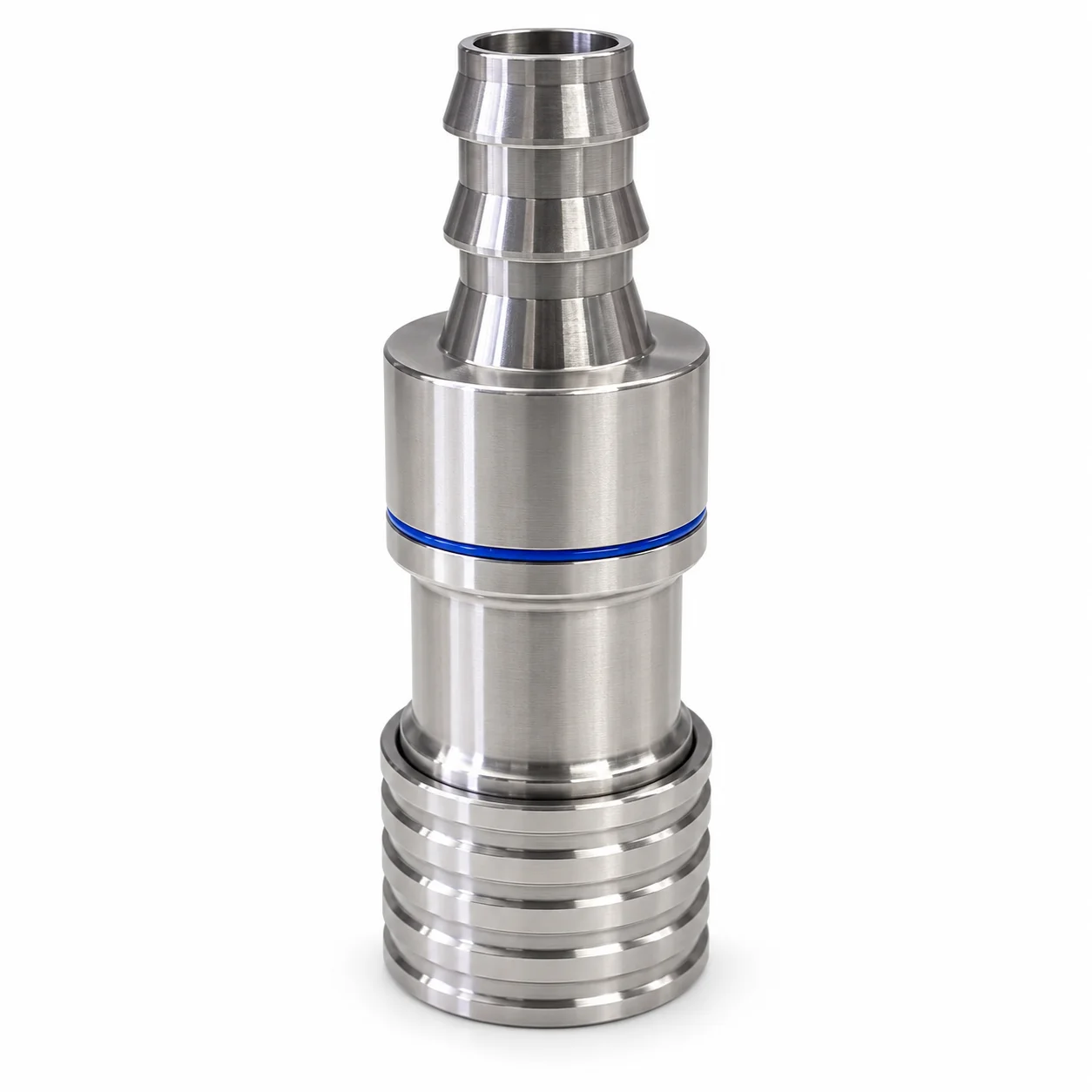
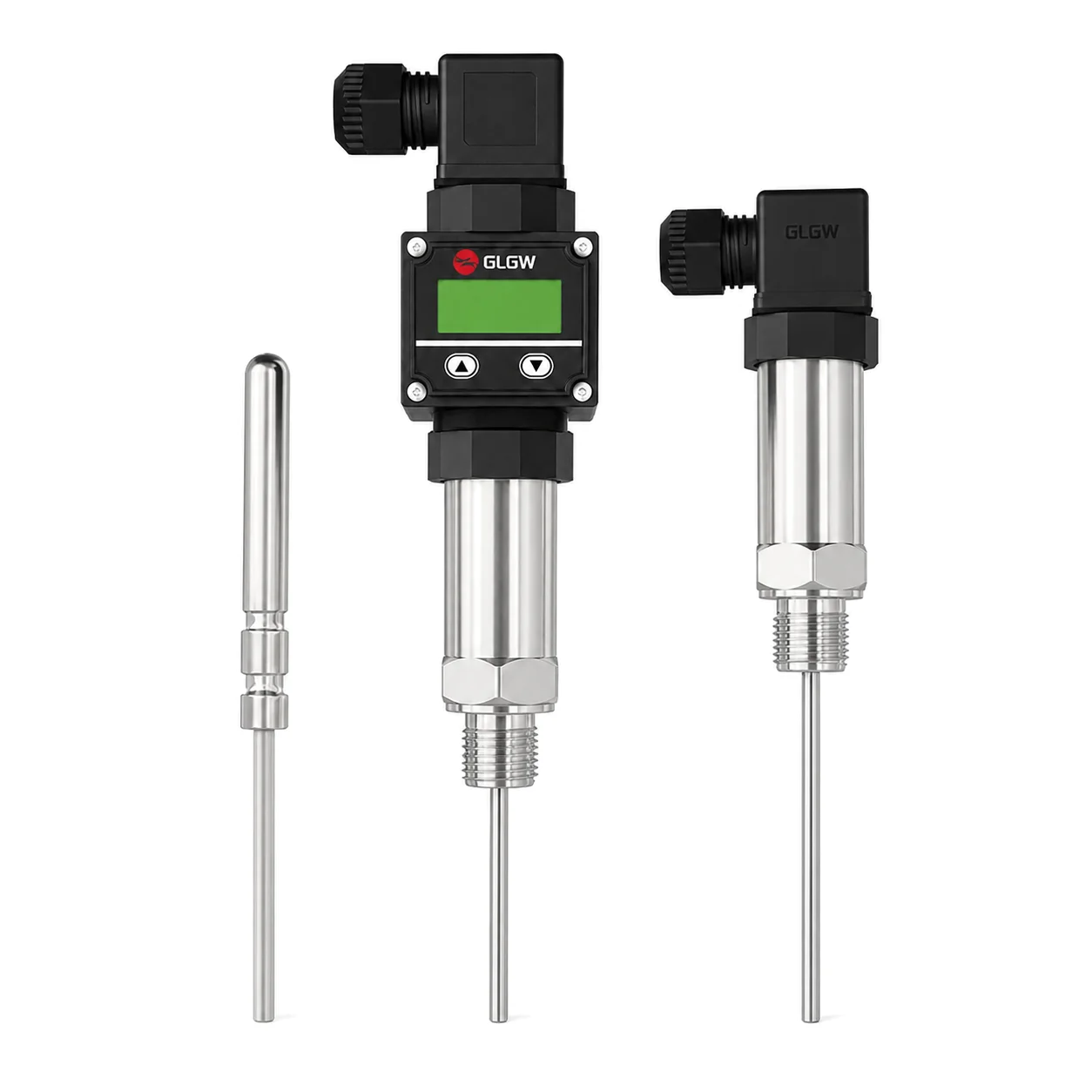
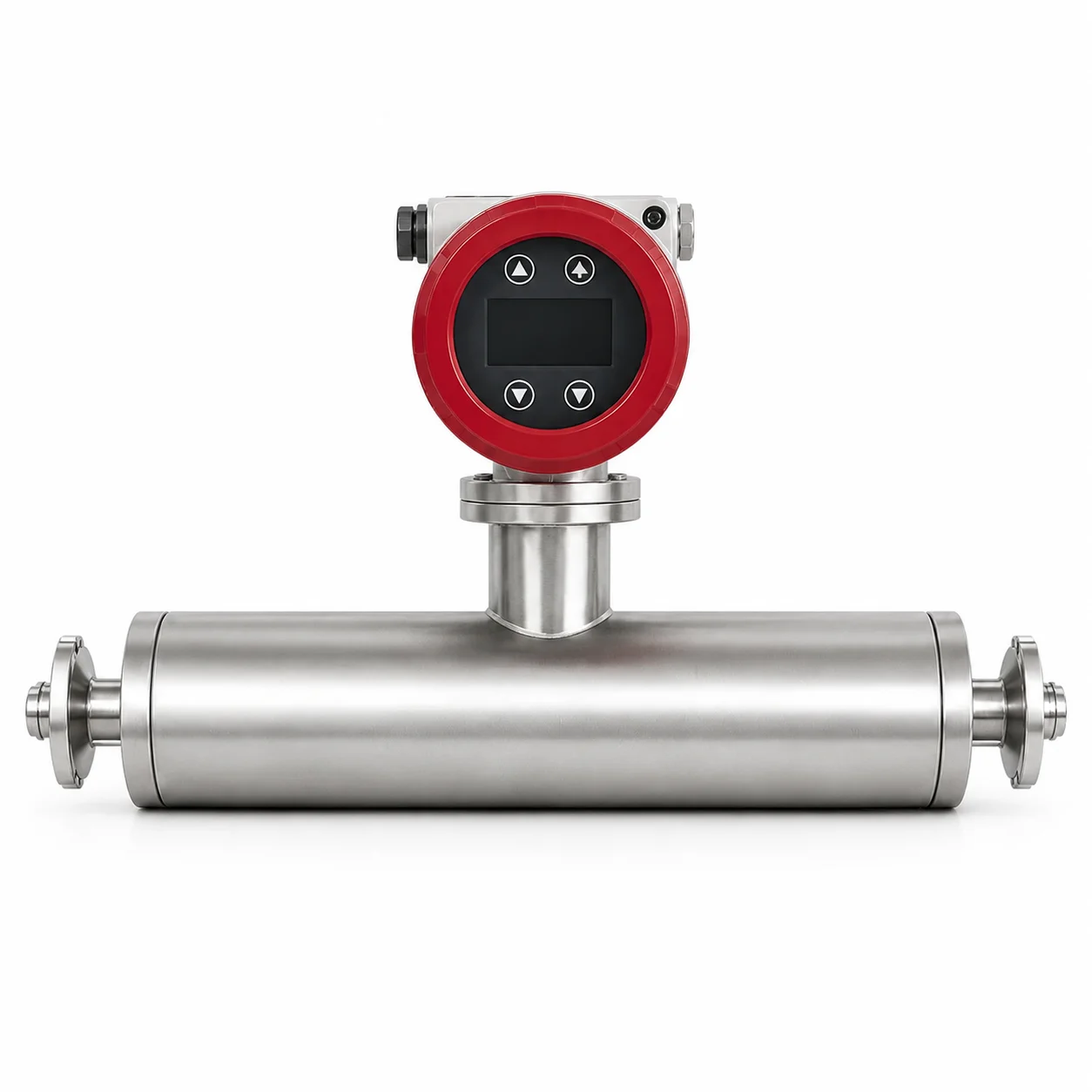
A liquid cooling kit combines essential components for transferring heat away from high-performance electronic equipment through a controlled liquid circulation system. It can be used for data center equipment, industrial electronics, computing hardware, power systems, and other applications where thermal loads exceed the practical range of conventional air cooling. Depending on system requirements, a kit may include cooling plates, pumps, tubing, fittings, manifolds, reservoirs, sensors, or related connection components. Selecting the right configuration requires consideration of heat load, flow rate, operating temperature, fluid compatibility, connection standards, and available installation space. A properly matched liquid cooling kit can simplify system integration while providing a structured approach to thermal management. Modular component selection also allows cooling infrastructure to be adapted as equipment configurations and heat-generation requirements change.
Get A Quote

Case Study

High-Density Computing Equipment

A computing facility needed a compact cooling arrangement for equipment generating concentrated heat during continuous operation. Engineers used a liquid cooling kit with cooling components positioned close to the primary heat sources. The configuration was selected according to expected thermal load, flow requirements, operating temperature, and available installation space. Tubing and fittings were arranged to create an organized circulation path between the heat source and heat rejection equipment. Temperature and flow monitoring were also incorporated to support routine operation. The modular setup provided a practical way to manage thermal conditions while leaving room for additional cooling capacity as the computing environment expanded.

Industrial Equipment Cooling

An industrial equipment manufacturer required a dedicated cooling system for electronic components operating under sustained workloads. A liquid cooling kit was configured around the equipment's thermal output and installation environment. Engineers evaluated cooling plate dimensions, pump capacity, tubing connections, fluid compatibility, and operating temperature before selecting the required components. The cooling loop was arranged to maintain consistent circulation between the heat source and heat exchanger. Monitoring points were included to help technicians observe temperature and flow conditions during operation. The resulting configuration offered a compact thermal management solution that could be integrated into existing equipment while allowing future adjustments to cooling capacity.

Data Center Equipment Upgrade

A data center was upgrading selected racks with higher-performance computing equipment that created additional thermal demand. Instead of redesigning the entire cooling infrastructure, the engineering team introduced liquid cooling kits for targeted equipment groups. Each configuration was planned around the expected heat output, connection requirements, flow rate, and available rack space. Cooling plates, pumps, tubing, fittings, and monitoring components were arranged as part of the cooling loop. The modular approach simplified installation and provided a pathway for future upgrades. As additional high-density equipment is introduced, similar cooling configurations can be added or adjusted according to the facility's thermal management requirements.

Related products

A liquid cooling kit provides a combination of components needed to establish a liquid-based thermal management loop for electronic and industrial equipment. Depending on the application, a kit can be configured with cooling plates, pumps, tubing, fittings, manifolds, reservoirs, sensors, and other supporting components. Typical applications include data centers, high-performance computing, industrial electronics, power equipment, and specialized machinery with concentrated heat generation. The correct configuration should be determined by equipment heat load, required flow rate, operating temperature, connection dimensions, fluid characteristics, and installation space. Material compatibility is also important because tubing, seals, fittings, cooling plates, and other components must work reliably with the selected cooling medium. A modular kit can simplify system integration by bringing compatible cooling components together for a defined application. Additional monitoring and control equipment can be incorporated when the installation requires temperature, pressure, or flow management.
Frequently Asked Questions

What is included in a liquid cooling kit?

A liquid cooling kit may include cooling plates, pumps, tubing, fittings, manifolds, reservoirs, sensors, and other supporting components. The exact configuration depends on the equipment being cooled, thermal load, installation space, connection requirements, and selected cooling architecture.
Liquid cooling kits can be used for data center equipment, high-performance computing systems, industrial electronics, power equipment, and specialized machinery. They are suitable for applications where controlled liquid-based heat transfer is required to manage concentrated thermal loads.
Consider the equipment heat load, required flow rate, operating temperature, cooling method, connection dimensions, fluid compatibility, available installation space, and future expansion requirements. These factors help determine the appropriate combination of cooling components for the application.
Yes. A kit can be configured around different cooling plates, pumps, tubing, fittings, manifolds, sensors, and connection requirements. Customization allows the cooling system to match equipment dimensions, thermal requirements, installation conditions, and the intended circulation architecture.
Maintenance requirements depend on the system design and operating environment. Routine inspection may include checking fluid condition, connections, tubing, filters, pump operation, temperature, and flow. Regular monitoring can help identify abnormal conditions before they affect cooling performance.

Related article

Looking for Reliable PDU & Fibre Optic Cable Suppliers in China? Visit GLGW at the Global Sources Hong Kong Show (Booth 9B43)

08

May

Looking for Reliable PDU & Fibre Optic Cable Suppliers in China? Visit GLGW at the Global Sources Hong Kong Show (Booth 9B43)

View More
Fiber Optic Cable Deployment for Data Center Backbone.

25

Jun

Fiber Optic Cable Deployment for Data Center Backbone.

Real-world Project Cases Reflecting the Value of Standardized Fiber Optic Cable Deployment With more than sixteen years working in structured cabling and data center infrastructure construction, I have taken charge of dozens of data center backbon...
View More
What Connector Types for Ethernet Patch Cable?

18

Jul

What Connector Types for Ethernet Patch Cable?

Real World Field Challenges with Commercial Network Overhauls During a massive network overhaul for an e-commerce fulfillment hub last year, my deployment team faced an unexpected wave of packet drops and intermittent link drops across the main pac...
View More
How to lay bulk cable along pipelines safely?

21

Jul

How to lay bulk cable along pipelines safely?

Real World Field Experiences with Industrial Co Location Routing During an extensive industrial network expansion across a remote coastal oil terminal three summers ago, my installation team faced a massive challenge with electromagnetic interferen...
View More

Customer Testimonials

Daniel Wilson

The liquid cooling kit simplified our equipment upgrade because the main cooling components could be configured together. Installation was straightforward, and temperature monitoring helped our team manage system performance.

Robert Miller

We used a customized cooling kit for industrial electronics with continuous operating loads. The component arrangement reduced installation complexity and provided a practical foundation for future cooling system adjustments.

Get a Free Quote

Our representative will contact you soon.
Email
Mobile/WhatsApp
Name
Company Name
Message
0/1000
Matched Cooling Components

Matched Cooling Components

A liquid cooling kit brings compatible thermal management components together according to a defined application. Cooling plates, pumps, tubing, fittings, manifolds, and sensors can be selected based on heat load, flow requirements, equipment dimensions, and installation conditions. This helps engineers avoid mismatched components that may complicate installation or system operation. The configuration can also be adjusted for different cooling architectures, from localized component cooling to larger circulation loops. By planning the complete component relationship before installation, users can establish a more organized cooling pathway. This approach is especially useful for data centers, industrial electronics, and high-performance equipment where space and thermal requirements need careful coordination.
Flexible System Configuration

Flexible System Configuration

Liquid cooling kits can be configured for different equipment layouts and thermal management requirements. Depending on the application, components can be arranged around cold plates, circulation loops, heat exchangers, or other cooling structures. Tubing lengths, fitting types, pump capacity, and connection points can be selected according to the installation environment. This flexibility allows engineers to adapt the cooling arrangement to compact equipment spaces or larger infrastructure. Monitoring components can also be incorporated where temperature, pressure, and flow information are required. A configurable approach makes it easier to integrate liquid cooling into existing systems while maintaining the option to modify or expand the cooling architecture when equipment requirements change.
Scalable Thermal Management

Scalable Thermal Management

As computing performance and industrial workloads increase, cooling requirements can change significantly. A modular liquid cooling kit provides a practical foundation for developing thermal management capacity alongside equipment upgrades. Additional cooling components or larger-capacity equipment can be introduced according to the system architecture and available infrastructure. Engineers can plan around current heat loads while allowing space for future expansion, reducing the need for complete system redesigns. Proper selection of pumps, cooling plates, tubing, fittings, and monitoring components is important for maintaining compatibility throughout the cooling loop. With suitable planning and regular inspection, modular liquid cooling configurations can support evolving thermal management requirements.

Get a Free Quote

Our representative will contact you soon.
Email
Mobile/WhatsApp
Name
Company Name
Message
0/1000