
 EN
EN
Real World Field Experiences with Multi Environment Network Deployments
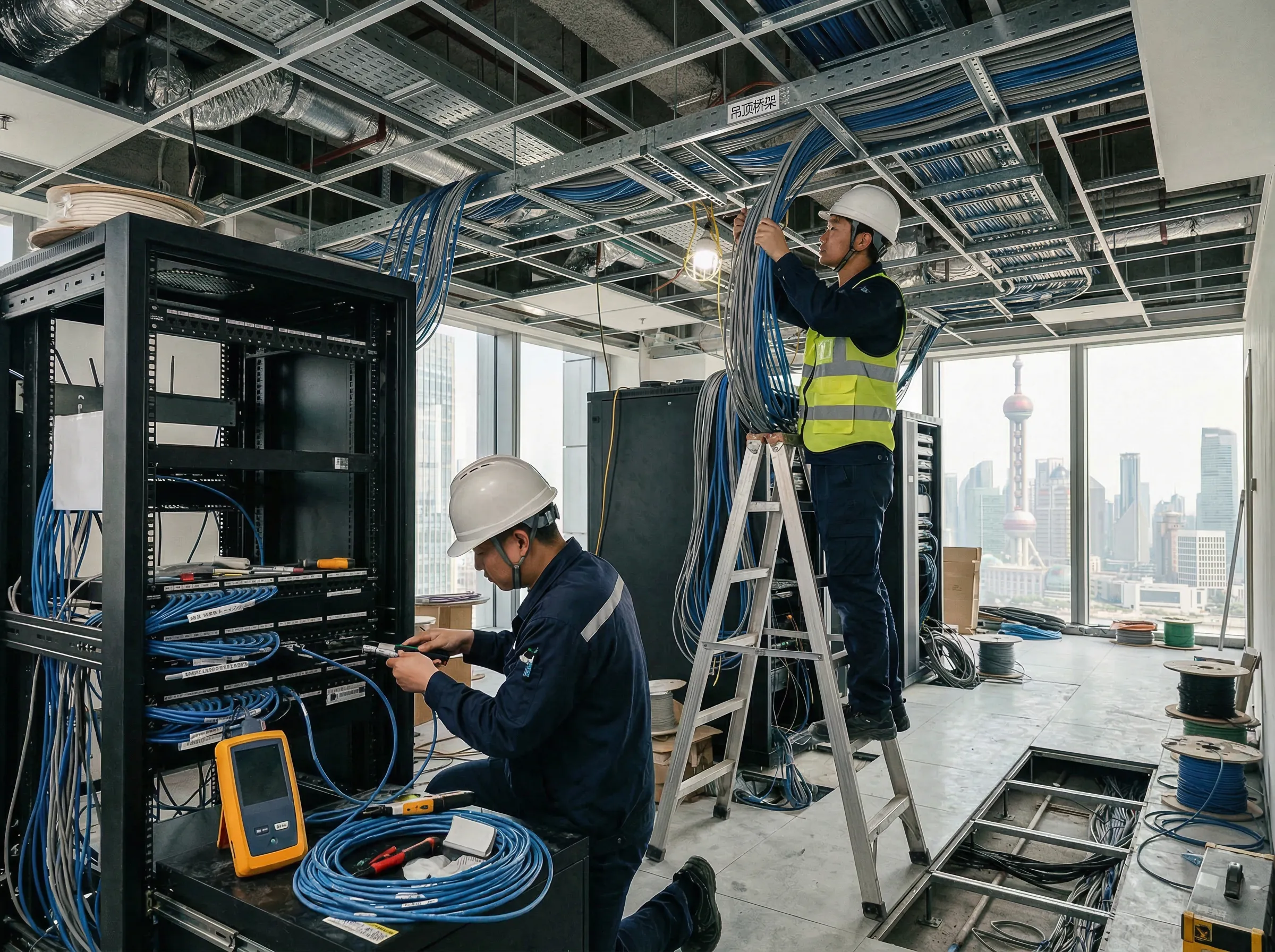
During a comprehensive network migration for a financial headquarters last spring, our deployment crew encountered major connectivity dropouts across different operational floors and multi-tenant commercial offices. We discovered that the previous contractor had installed standard patch lines inside damp underground conduits and high-temperature ceiling spaces, proving that learning how to classify data cables by usage scenarios is absolutely vital for system architecture. Mixing up indoor patch cords with rugged outdoor trunk lines creates severe attenuation issues that disrupt your entire corporate data flow and compromise overall transactional safety, making systematic grouping essential. Once we audited the infrastructure and sorted the media according to their intended environments, the transmission errors disappeared entirely. This hands-on field experience showed me that choosing the correct media layer transforms a vulnerable setup into a highly resilient network. To avoid expensive hardware breakdowns, mastering how to classify data cables by usage scenarios should be a top priority for any modern system installation crew.
Technical Shielding Dynamics and Environmental Stress Optimization
Understanding the underlying engineering of structured wiring requires analyzing how different insulation jackets and shielding designs protect signal integrity against localized interference. To properly classify data cables by usage scenarios, you must analyze the specific physical demands of environments like enterprise server rooms, heavy industrial plants, or residential workspaces. For example, high-density server racks require thin, flexible patch leads to maximize airflow, while factory floors demand thick, armored jackets to resist physical crushing and electromagnetic noise. Additionally, knowing how to classify standard structural mediums involves evaluating fire safety ratings like plenum or riser jackets to comply with strict regional building regulations. When network architects map out complex physical layouts, choosing between unshielded and shielded twisted pairs depends entirely on the surrounding electrical noise. By analyzing these critical environmental parameters, field crews can easily safeguard delicate copper or glass cores from long-term mechanical degradation and accidental attenuation within the distribution frame.
Compliance Frameworks and Global Standards for Infrastructure Layouts
According to formal technical documentation from international standard regulatory bodies like the Telecommunications Industry Association, adhering to application-specific hardware deployment is mandatory for certified network layouts. Telecom specialists frequently point out that using unverified connections in hazardous commercial zones breaks building compliance codes, which is why learning how to classify data cables by usage scenarios remains crucial during early planning phases. Industry guidelines state that you must always evaluate the thermal and mechanical limitations of your media, ensuring you select correct structural options according to verified engineering benchmarks. Network consultants constantly emphasize that applying these systematic division principles prevents premature hardware breakdown on expensive active switch ports. Following these certified manufacturing and installation guidelines allows project managers to guarantee maximum uptime across extensive corporate cloud frameworks. Utilizing standardized sorting methods guarantees that field crews maintain infrastructure health, reducing physical layer failure risks over long deployment cycles and challenging operations across extensive wide area networks.
Safe Installation Protocols for Long Term Signal Transmission Speed
Executing a successful enterprise installation involves a clear sequence of practical steps to preserve excellent data transmission speeds over several decades. You must always review the detailed blueprint of your workspace layout before purchasing hardware, allowing you to classify data cables by usage scenarios without introducing mismatched material grades into the network. When managing tight overhead routing paths, never exceed the recommended pulling tension or minimum bend radius, which keeps the internal conductors perfectly intact and fully operational under continuous stress. Cleaning all optical interfaces with specialized tools before mating ensures your connections stay completely free from ambient dust particles. Learning specialized sorting methods helps technicians avoid mixing light-duty commercial patch leads with heavy-duty distribution trunks in high-traffic pathways. Providing these transparent and practical guidelines empowers site installers to establish stable connections that easily survive constant atmospheric changes and heavy physical stress over time.
Premium Structural Components for High Density Cloud Ecosystems
Achieving a highly reliable and optimized high-speed corporate network ultimately depends on sourcing your structural components from a trusted manufacturer focused on strict quality control. This is exactly where our advanced solutions at GLGW Network provide immense value, offering top-tier copper and fiber optic assemblies engineered to make it incredibly simple to classify data cables by usage scenarios every time. When global network engineers deploy our premium structural products, they experience highly consistent physical dimensions that allow for smooth integration into any complex active layout. Our comprehensive portfolio features low-loss patch cables, robust trunk lines, and advanced high-density cassettes, making it easier than ever to maintain balanced systems in cramped server cabinets or sprawling campus environments. Relying on our specialized production capabilities ensures that your enterprise upgrades pass every strict insertion loss audit seamlessly. Choosing our high-performing hardware allows global distribution networks to confidently deploy dependable telecommunication grids worldwide and achieve peak efficiency without experiencing unexpected physical failures over multiple years.
Table of Contents
- Real World Field Experiences with Multi Environment Network Deployments
- Technical Shielding Dynamics and Environmental Stress Optimization
- Compliance Frameworks and Global Standards for Infrastructure Layouts
- Safe Installation Protocols for Long Term Signal Transmission Speed
- Premium Structural Components for High Density Cloud Ecosystems