
Server Rack Cooling Hose: Optimize Liquid Cooling for AI & HPC

All Categories
Efficient Coolant Delivery for High-Density Server Racks

Efficient Coolant Delivery for High-Density Server Racks

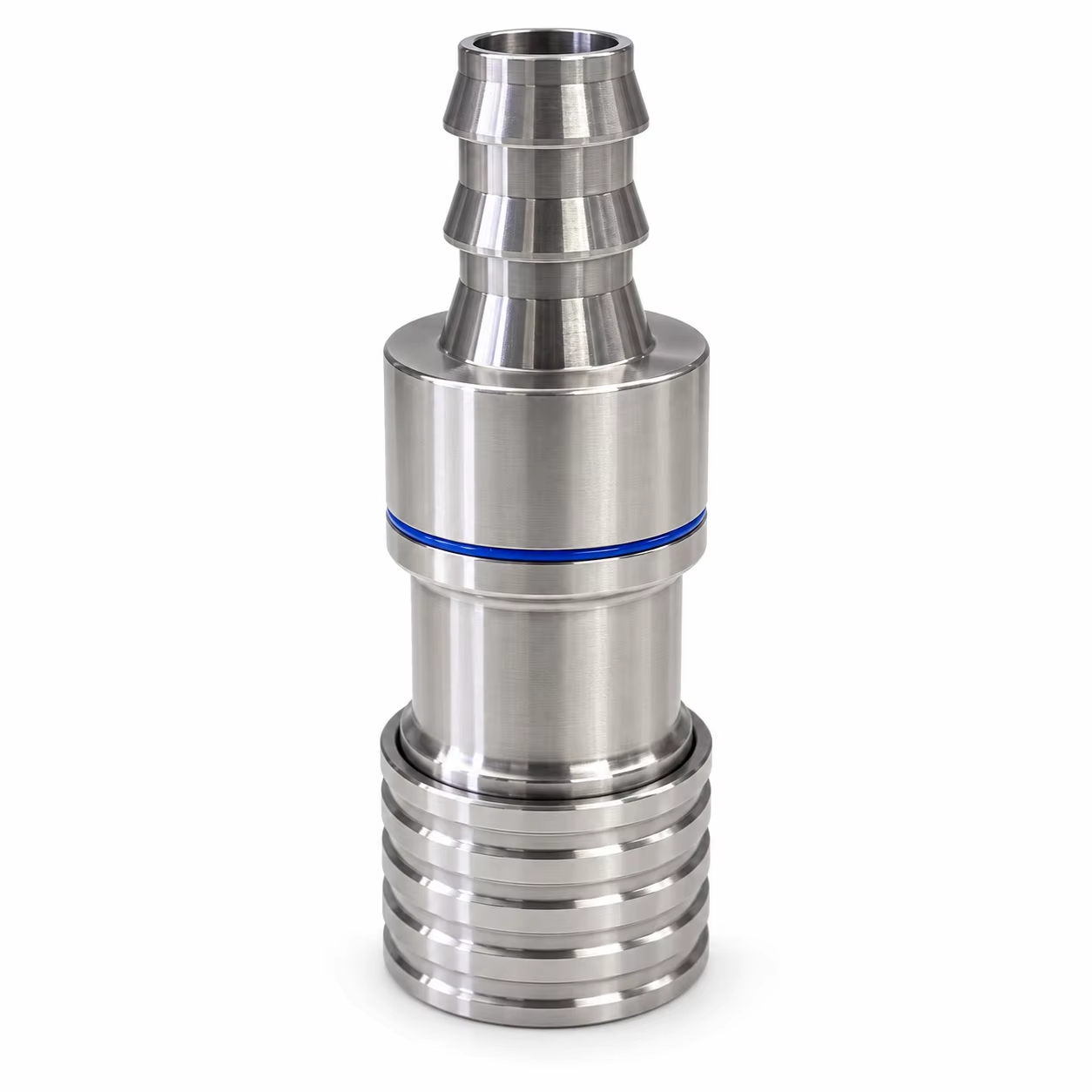
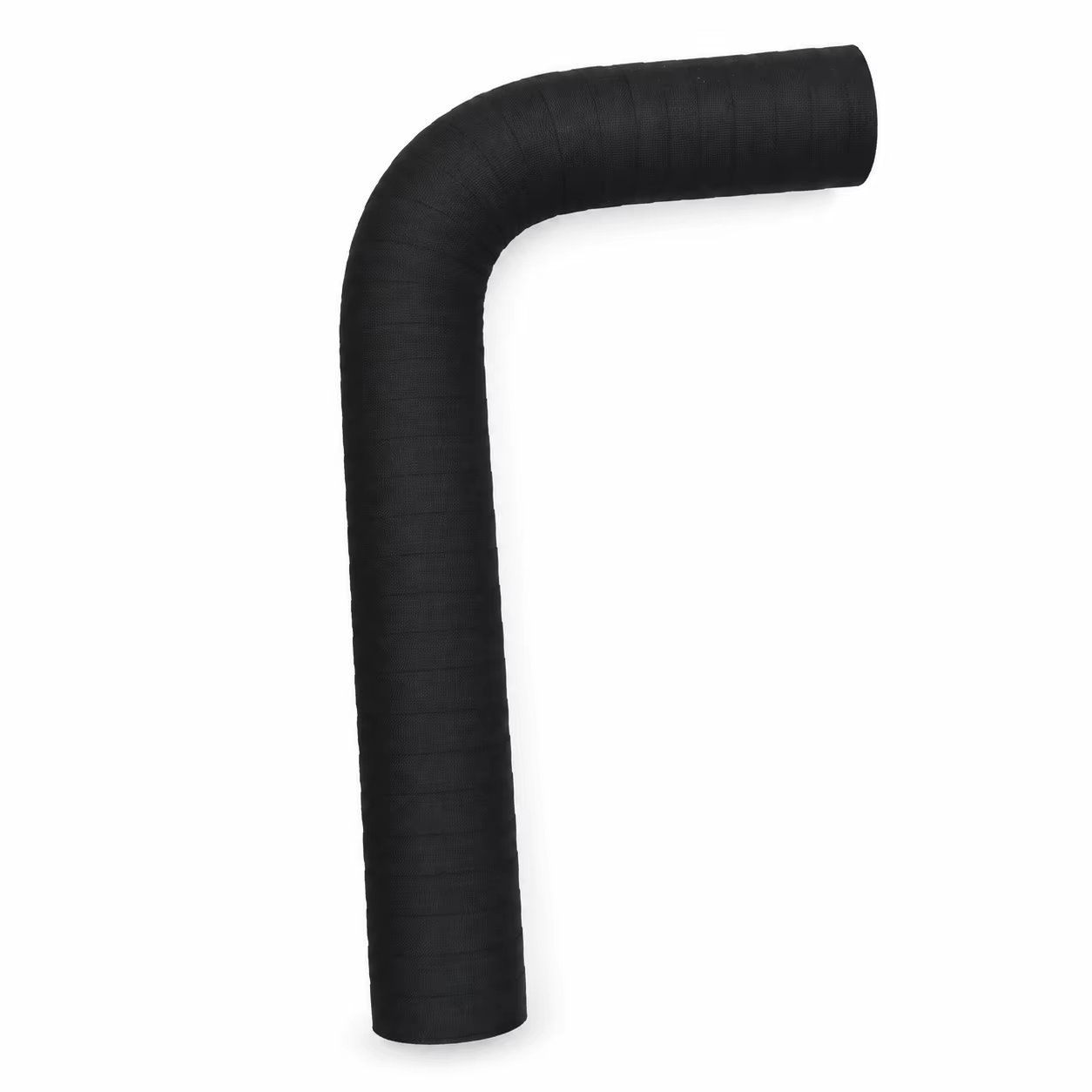
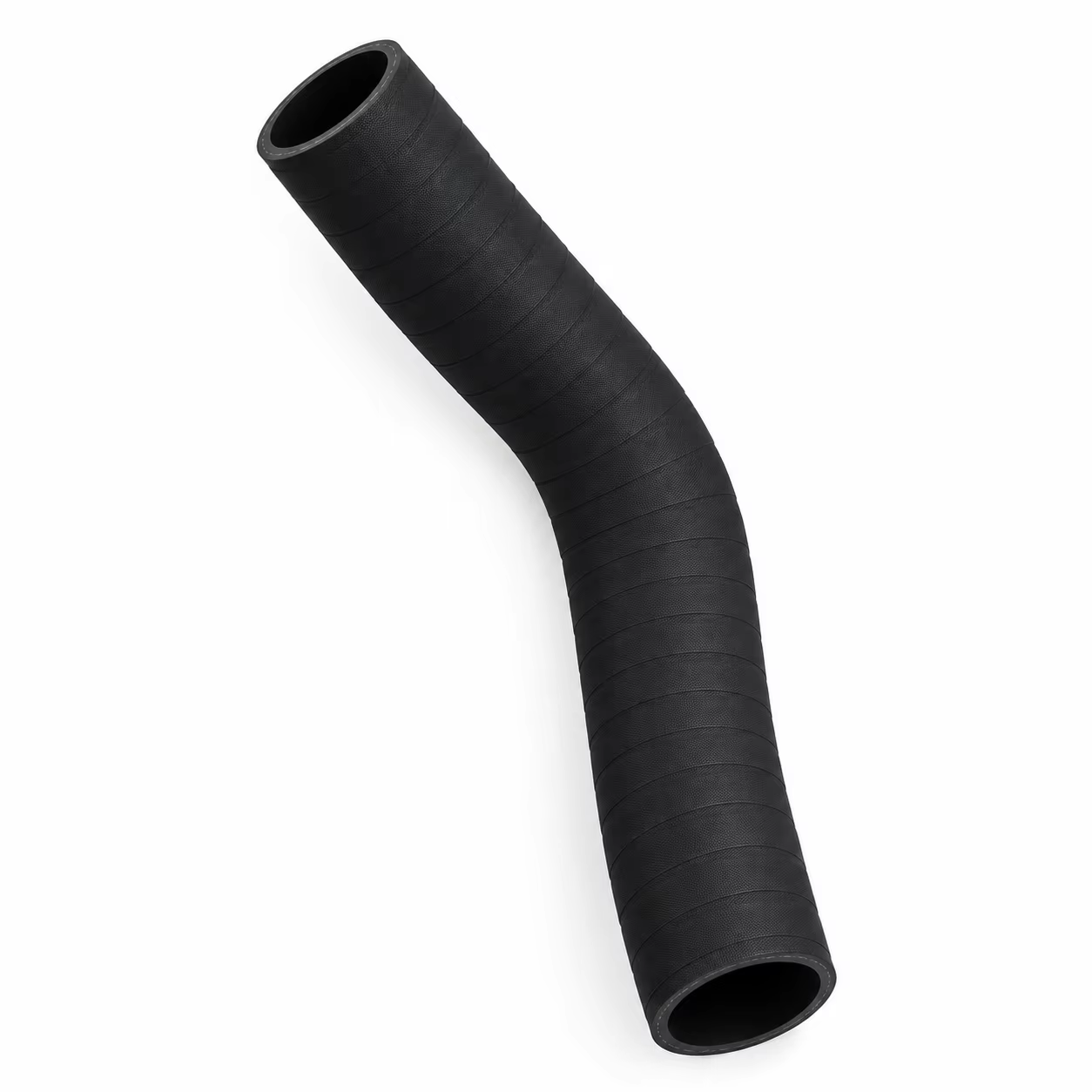
A server rack cooling hose is designed to transport coolant between cooling distribution units, rack manifolds, liquid-cooled servers, and heat transfer components. It plays an important role in maintaining coolant circulation throughout liquid cooling systems used in modern data centers. Depending on deployment requirements, cooling hoses can be selected according to flow capacity, pressure rating, coolant compatibility, flexibility, connection interface, and routing configuration. Proper hose selection helps create organized cooling infrastructure while supporting maintenance accessibility and future scalability. Server rack cooling hoses are widely used in AI computing environments, GPU clusters, HPC systems, cloud infrastructure, and enterprise data centers where thermal management requirements continue to increase.
Get A Quote

Case Study

AI Server Rack Deployment

AI servers equipped with high-performance GPUs often generate substantial heat within a single rack. Server rack cooling hoses provide coolant pathways between cooling distribution units and liquid-cooled equipment, supporting the thermal management needs of these systems. Hose assemblies can be selected according to rack layout, coolant flow requirements, operating pressure, and connection architecture. Organized hose routing helps technicians maintain access to equipment while supporting efficient cooling infrastructure. As AI deployments expand, properly planned hose systems can simplify cooling integration across multiple server racks.

GPU Cluster Infrastructure

GPU clusters used for machine learning, simulation, and accelerated computing frequently rely on liquid cooling to manage thermal loads. Server rack cooling hoses connect cooling components throughout the rack environment, allowing coolant to circulate between CDUs, manifolds, and server hardware. Flexible hose routing can support different rack configurations while helping reduce congestion around densely packed equipment. By maintaining reliable coolant delivery, the hose system contributes to a structured liquid cooling architecture that can adapt to future capacity expansion.

Enterprise Data Center Upgrade

Organizations upgrading from conventional air cooling to liquid cooling can utilize server rack cooling hoses to connect new cooling infrastructure with liquid-cooled equipment. During deployment, considerations may include hose length, routing paths, connection style, coolant compatibility, and service access. Proper planning supports efficient installation and simplifies future maintenance activities. As rack densities continue to grow, structured hose management can help organizations maintain organized cooling infrastructure while preparing for future technology adoption.

Related products

A server rack cooling hose is a fluid transfer component used within liquid cooling systems to transport coolant between cooling distribution equipment and liquid-cooled IT hardware. These hoses may connect cooling distribution units, rack manifolds, cold plates, heat exchangers, and server platforms to create a complete cooling loop. Depending on system requirements, hose assemblies can be specified according to coolant type, operating pressure, temperature range, flow rate, connection interface, hose diameter, and routing flexibility. Common applications include AI servers, GPU clusters, HPC systems, cloud computing platforms, and enterprise data centers. When selecting a server rack cooling hose, factors such as installation environment, maintenance accessibility, coolant chemistry, bend radius, and future expansion plans should be evaluated. Properly designed hose assemblies help support organized cooling infrastructure and efficient thermal management across modern high-density computing environments.

Frequently Asked Questions

What is a server rack cooling hose?

A server rack cooling hose is a coolant transfer hose used in liquid cooling systems to circulate cooling fluid between cooling infrastructure and liquid-cooled servers. It forms part of the cooling loop that removes heat from high-performance computing equipment.
They are commonly used in AI data centers, GPU clusters, HPC facilities, cloud infrastructure, and enterprise server environments. Typical applications include connections between CDUs, manifolds, cold plates, and liquid-cooled servers.
Important considerations include coolant compatibility, operating pressure, temperature range, flow requirements, hose diameter, connection type, routing flexibility, installation space, bend radius, and maintenance accessibility.
Yes. Server rack cooling hoses are frequently used in GPU server deployments where liquid cooling systems help manage high thermal loads generated by accelerators and processors. Hose specifications should align with cooling system requirements.
Effective hose management helps maintain coolant flow, improve maintenance access, reduce rack congestion, and support future expansion. Organized routing also contributes to a cleaner and more serviceable liquid cooling infrastructure.

Related article

LC-LC 12F OM4 Fiber Trunk Assembly for High-Density Data Centers

21

May

LC-LC 12F OM4 Fiber Trunk Assembly for High-Density Data Centers

GLGW LC-LC 12F OM4 Fiber Trunk Assembly is designed for high-density data center connectivity, offering reliable performance, flexible installation, and clean cable management. With 12-fiber OM4 multimode fiber, LC-LC connectors, customizable lengths, and a 360° bendable flex boot, it provides an efficient solution for server racks, network cabinets, structured cabling systems, and modern data center infrastructure.
View More

Reliable Data and Power Transmission Solutions for Modern Infrastructure

21

May

Reliable Data and Power Transmission Solutions for Modern Infrastructure

View More
Data cables overall planning for office network construction.

12

Jun

Data cables overall planning for office network construction.

Practical Field Experience in Early Demand Assessment for Office Network Cabling When it comes to office network cabling, many business owners and project managers tend to focus solely on immediate connectivity needs and overlook long-term operati...
View More
How Does Fiber Optic Transmit Light Signals?

20

Jun

How Does Fiber Optic Transmit Light Signals?

Practical Project Experiences Showing Real-World Performance of Fiber Optic Signal Transmission Over sixteen years working in the global structured cabling and network connectivity industry, I have taken charge of countless projects that rely heav...
View More

Customer Testimonials

Jason Reed

“The cooling hoses integrated smoothly into our rack design and provided enough flexibility to route coolant lines efficiently. Maintenance access remained convenient after installation.”

Matthew Turner

“We deployed these hose assemblies as part of a GPU cluster liquid cooling project. The organized routing helped simplify installation and provided a scalable solution for future rack additions.”

Get a Free Quote

Our representative will contact you soon.
Email
Mobile/WhatsApp
Name
Company Name
Message
0/1000
Optimized for Rack-Level Cooling

Optimized for Rack-Level Cooling

Server rack cooling hoses provide the physical connection between cooling infrastructure and liquid-cooled equipment. They enable coolant circulation through manifolds, cold plates, heat exchangers, and server platforms while supporting rack-level thermal management. Hose assemblies can be selected according to coolant chemistry, flow requirements, pressure conditions, and installation constraints. Properly specified hoses help maintain reliable coolant delivery throughout the cooling loop and contribute to a structured liquid cooling architecture. This makes them suitable for a wide range of data center environments where high-density computing systems require advanced cooling solutions.
Flexible Integration Across Rack Designs

Flexible Integration Across Rack Designs

Different server rack configurations require adaptable cooling infrastructure. Server rack cooling hoses can be specified in various lengths, diameters, connection types, and routing configurations to accommodate unique installation requirements. Flexible hose assemblies help technicians route coolant lines around equipment while maintaining access for maintenance and upgrades. Proper routing can reduce congestion and support organized infrastructure management within densely populated racks. This flexibility is particularly valuable in AI, GPU, and HPC environments where equipment layouts may evolve as computing requirements change.
Supports Scalable Data Center Growth

Supports Scalable Data Center Growth

As organizations continue expanding liquid cooling deployments, server rack cooling hoses provide a scalable component within the broader cooling infrastructure. Hose systems can be planned around current thermal requirements while allowing for future rack additions and cooling capacity increases. Standardized connections and organized routing strategies can simplify integration across multiple cooling loops and rack environments. By considering installation space, coolant flow requirements, maintenance accessibility, and long-term infrastructure objectives, operators can develop liquid cooling systems that support ongoing growth while maintaining efficient and manageable cooling operations.

Get a Free Quote

Our representative will contact you soon.
Email
Mobile/WhatsApp
Name
Company Name
Message
0/1000