Liquid Cooling Hose: Flexible Thermal Solutions for AI & HPC

All Categories
Flexible Fluid Connections for Liquid Cooling Systems

Flexible Fluid Connections for Liquid Cooling Systems

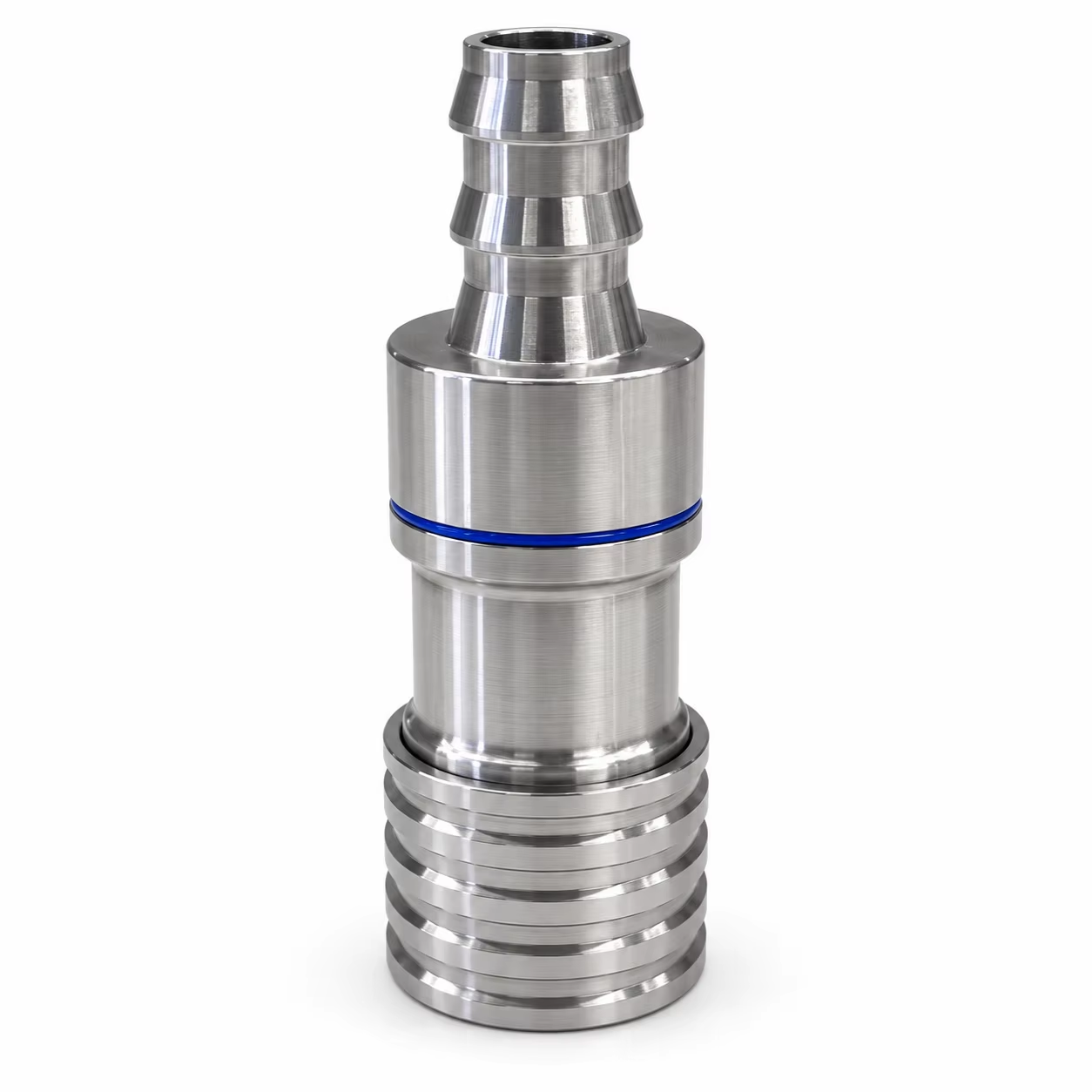
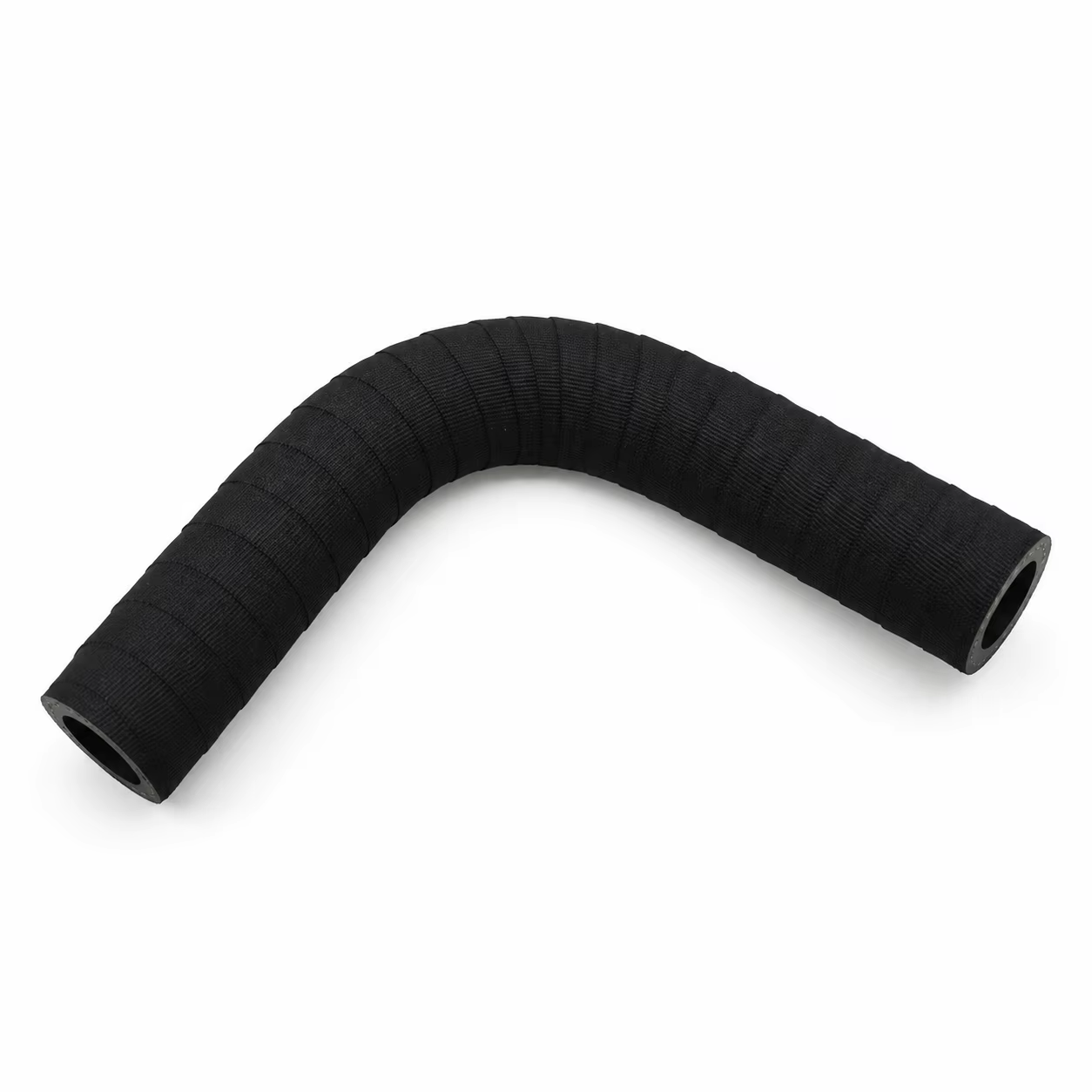
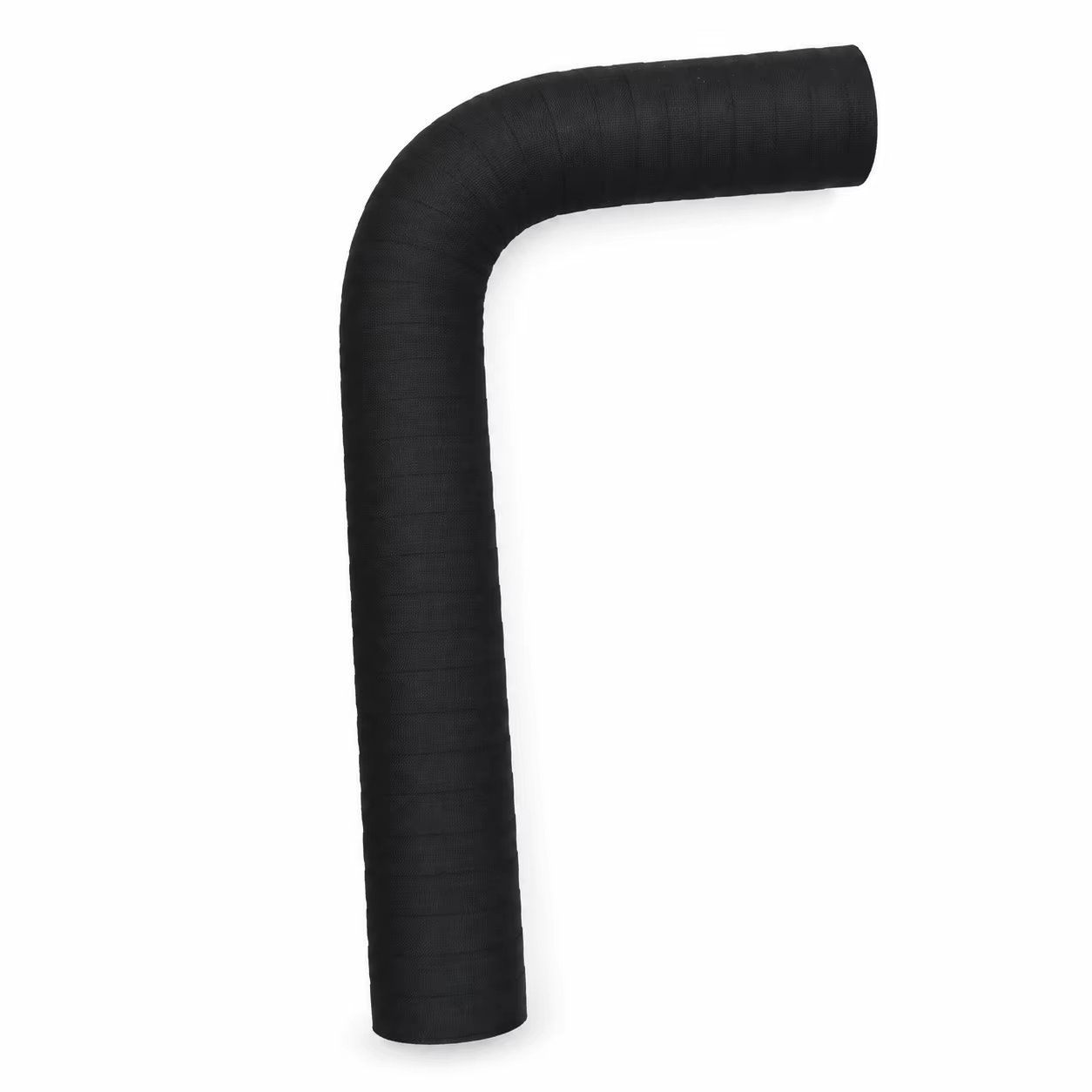
A liquid cooling hose provides a flexible pathway for coolant circulation in thermal management systems for servers, GPUs, CPUs, and other high-power electronics. It can connect cold plates, manifolds, pumps, cooling distribution units, heat exchangers, and quick disconnect couplings to form organized supply and return circuits. Depending on the application, hose configurations can be designed around coolant compatibility, working pressure, operating temperature, flow rate, internal diameter, bend radius, and connection type. Flexible routing helps accommodate compact equipment layouts while making installation and maintenance more practical. For AI servers, HPC systems, and high-density data centers, properly selected hoses can support direct-to-chip liquid cooling architectures. Configurations can be adapted to different rack layouts, thermal loads, and system requirements.
Get A Quote

Case Study

GPU Server Thermal Management:

A high-density GPU server deployment uses liquid cooling hoses to connect cold plates with rack-level manifolds and a cooling distribution unit. The hose assemblies provide separate coolant supply and return paths while accommodating the limited space around server components. Engineers select the configuration according to coolant compatibility, flow requirements, operating pressure, and bend radius. Flexible connections also make individual server maintenance easier because components can be accessed without rebuilding the entire cooling loop.

AI Data Center Cooling:

An AI data center introduces direct-to-chip liquid cooling for servers with high thermal loads. Hoses connect GPU and CPU cold plates to distribution manifolds, allowing coolant to circulate between the computing equipment and CDU. The cooling design considers rack density, hose routing, pressure, temperature, and required flow rate. A flexible hose configuration can simplify integration where multiple servers share rack-level cooling infrastructure and where future equipment changes may require adaptable connection points.

HPC Liquid Cooling System:

An HPC installation requires continuous thermal management for processors operating under sustained computational workloads. Liquid cooling hoses form connections between cold plates, manifolds, pumps, and heat exchange equipment. The system is configured around the required coolant flow, pressure conditions, temperature range, and connection interfaces. Flexible hose routing helps accommodate different server positions and provides practical access for maintenance. The modular approach can also support future expansion as additional computing equipment is introduced.

Related products

A liquid cooling hose is a flexible connection component used to transport coolant through thermal management systems. In server and data center applications, it can connect cold plates with manifolds, pumps, cooling distribution units, heat exchangers, and quick disconnect couplings. The hose may carry coolant toward a heat source or return warmed fluid to the cooling infrastructure as part of a closed circulation loop. Selection depends on the complete cooling system. Important factors include coolant compatibility, temperature range, working pressure, flow rate, internal diameter, flexibility, bend radius, and connection interface. For direct-to-chip cooling, the hose must work with the cold plate and distribution components while fitting the physical layout of the server or rack. Properly configured assemblies can support CPU and GPU cooling in AI servers, HPC systems, edge computing equipment, and high-density data centers. Flexible routing also helps simplify installation, maintenance, and future equipment changes.

Frequently Asked Questions

What is a liquid cooling hose?

A liquid cooling hose is a flexible tube used to transport coolant between components in a liquid cooling system. It can connect cold plates, manifolds, pumps, CDUs, heat exchangers, and quick disconnects to establish supply and return fluid paths.
Liquid cooling hoses are used in server cooling, GPU and CPU thermal management, AI computing, HPC systems, industrial equipment, and data center infrastructure. The specific hose design depends on the coolant, thermal load, pressure, temperature, and connection requirements.
Consider coolant compatibility, working pressure, operating temperature, flow rate, internal diameter, bend radius, flexibility, and connection type. The hose should also match the requirements of the pump, cold plate, manifold, and other components in the cooling loop.
Yes. Liquid cooling hoses can connect direct-to-chip cold plates with manifolds, CDUs, or other coolant distribution components. They are commonly incorporated into CPU and GPU cooling loops where flexible connections are needed around server and rack components.
They can be suitable when the hose is correctly specified for the system's coolant, pressure, temperature, and flow conditions. Flexible routing can also help accommodate compact rack layouts and simplify access during server installation, replacement, and maintenance.

Related article

Intelligent Cabling Solutions for Future Networks

21

May

Intelligent Cabling Solutions for Future Networks

View More
How Does Fiber Optic Transmit Light Signals?

20

Jun

How Does Fiber Optic Transmit Light Signals?

Practical Project Experiences Showing Real-World Performance of Fiber Optic Signal Transmission Over sixteen years working in the global structured cabling and network connectivity industry, I have taken charge of countless projects that rely heav...
View More
What Connector Types for Ethernet Patch Cable?

18

Jul

What Connector Types for Ethernet Patch Cable?

Real World Field Challenges with Commercial Network Overhauls During a massive network overhaul for an e-commerce fulfillment hub last year, my deployment team faced an unexpected wave of packet drops and intermittent link drops across the main pac...
View More
How to Strip Fiber Cable Without Damaging Fibers?

07

Aug

How to Strip Fiber Cable Without Damaging Fibers?

Stripping a fiber optic cable requires extreme precision. Because the glass cladding and core are extremely thin and fragile, even a microscopic scratch or nick can lead to severe signal loss (attenuation), microbends, or complete fiber failure und...
View More

Customer Testimonials

James Carter

The flexible hose assemblies made it easier to connect our cold plates with the rack manifold. Routing around the GPU servers was clean, and maintenance access was more convenient than with fixed connections.

Robert Hayes

We selected the hose according to our coolant, pressure, flow, and connection requirements. The configuration integrated smoothly with our liquid cooling loop and helped organize the supply and return paths.

Get a Free Quote

Our representative will contact you soon.
Email
Mobile/WhatsApp
Name
Company Name
Message
0/1000
Flexible Coolant Routing

Flexible Coolant Routing

Liquid cooling hoses provide adaptable fluid connections between different components in a thermal management system. In data center applications, they can route coolant between cold plates, manifolds, CDUs, pumps, heat exchangers, and quick disconnect couplings. Their flexibility is useful when server components are positioned within compact rack spaces or when connection points need to accommodate equipment movement. Proper routing should maintain an appropriate bend radius and avoid excessive mechanical stress on fittings. Engineers can also plan supply and return paths around maintenance access and cable management requirements. Depending on the system design, hose assemblies can be configured for individual servers, rack-level cooling loops, or larger liquid distribution infrastructure. This makes flexible hose connections practical for evolving computing environments.
Coolant Compatibility and Flow

Coolant Compatibility and Flow

The liquid cooling hose is part of the fluid circuit, so its construction should be compatible with the selected coolant and operating conditions. Engineers can evaluate pressure rating, temperature range, flow rate, internal diameter, and connection design when specifying a hose assembly. Correct sizing helps the cooling loop deliver the required coolant volume without creating unnecessary flow restrictions. Material compatibility should also be considered when water-based or other engineered cooling fluids are used. For high-power CPU and GPU applications, hose performance needs to be evaluated alongside cold plate capacity, pump performance, manifold design, and CDU operation. A properly matched configuration helps maintain a sealed and organized coolant path while supporting stable thermal management under demanding computing workloads.
Scalable Server Cooling Infrastructure

Scalable Server Cooling Infrastructure

As server power density increases, liquid cooling infrastructure needs to accommodate different rack configurations and changing thermal requirements. Liquid cooling hoses can support modular system designs by connecting individual cold plates with rack-level distribution components. Flexible assemblies make it easier to route connections around servers and adapt the cooling loop when equipment is replaced or expanded. This is particularly relevant for AI and HPC environments where GPU and CPU configurations may change as computing capacity grows. Engineers can plan hose layouts according to rack dimensions, coolant flow, pressure conditions, temperature requirements, and service access. When combined with suitable cold plates, manifolds, pumps, CDUs, and quick disconnects, liquid cooling hoses can provide practical connections for scalable direct-to-chip and high-density data center cooling systems.

Get a Free Quote

Our representative will contact you soon.
Email
Mobile/WhatsApp
Name
Company Name
Message
0/1000