Data Center Cooling Hose: Flexible Liquid Cooling Solutions

All Categories
Flexible Cooling Connections for Modern Data Centers

Flexible Cooling Connections for Modern Data Centers

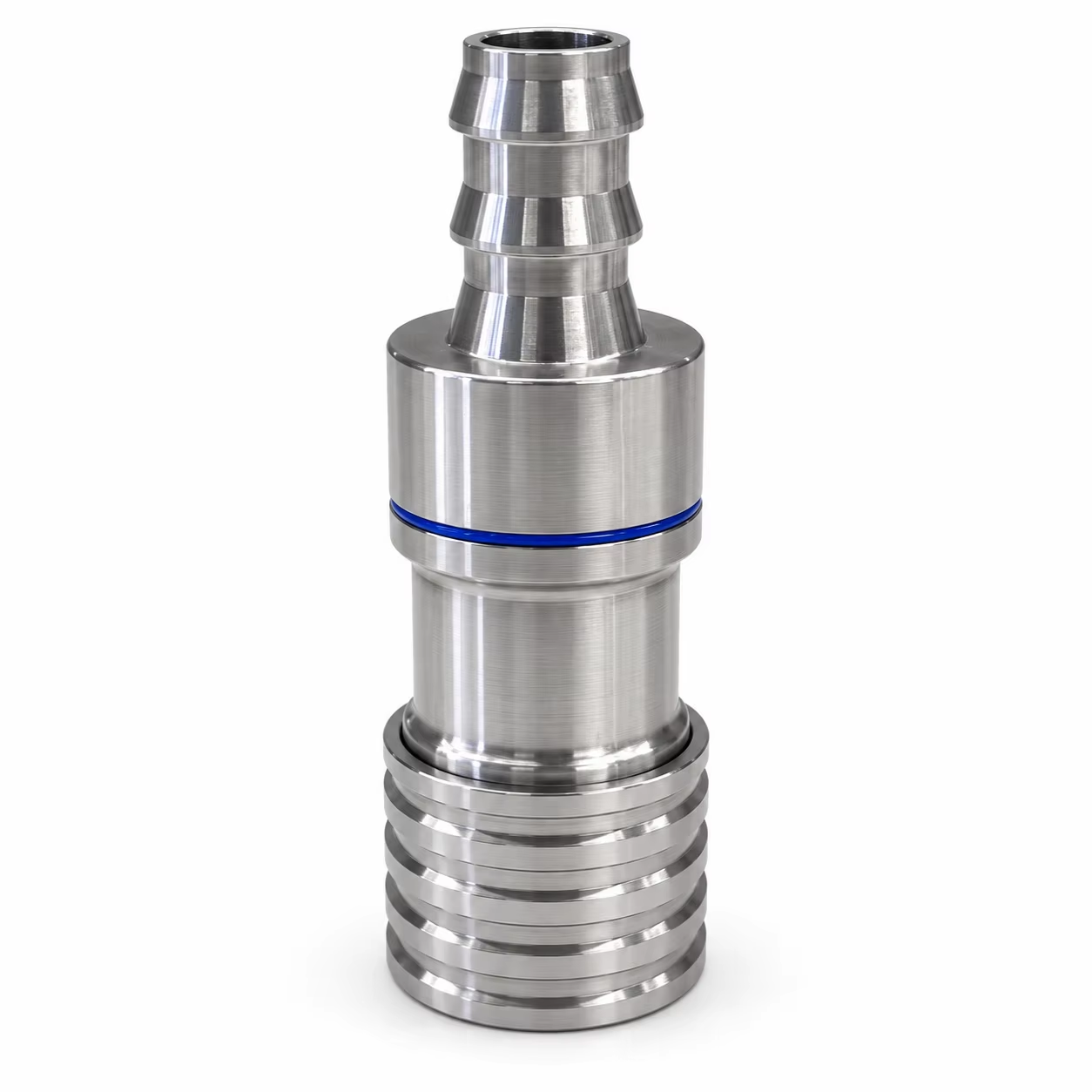
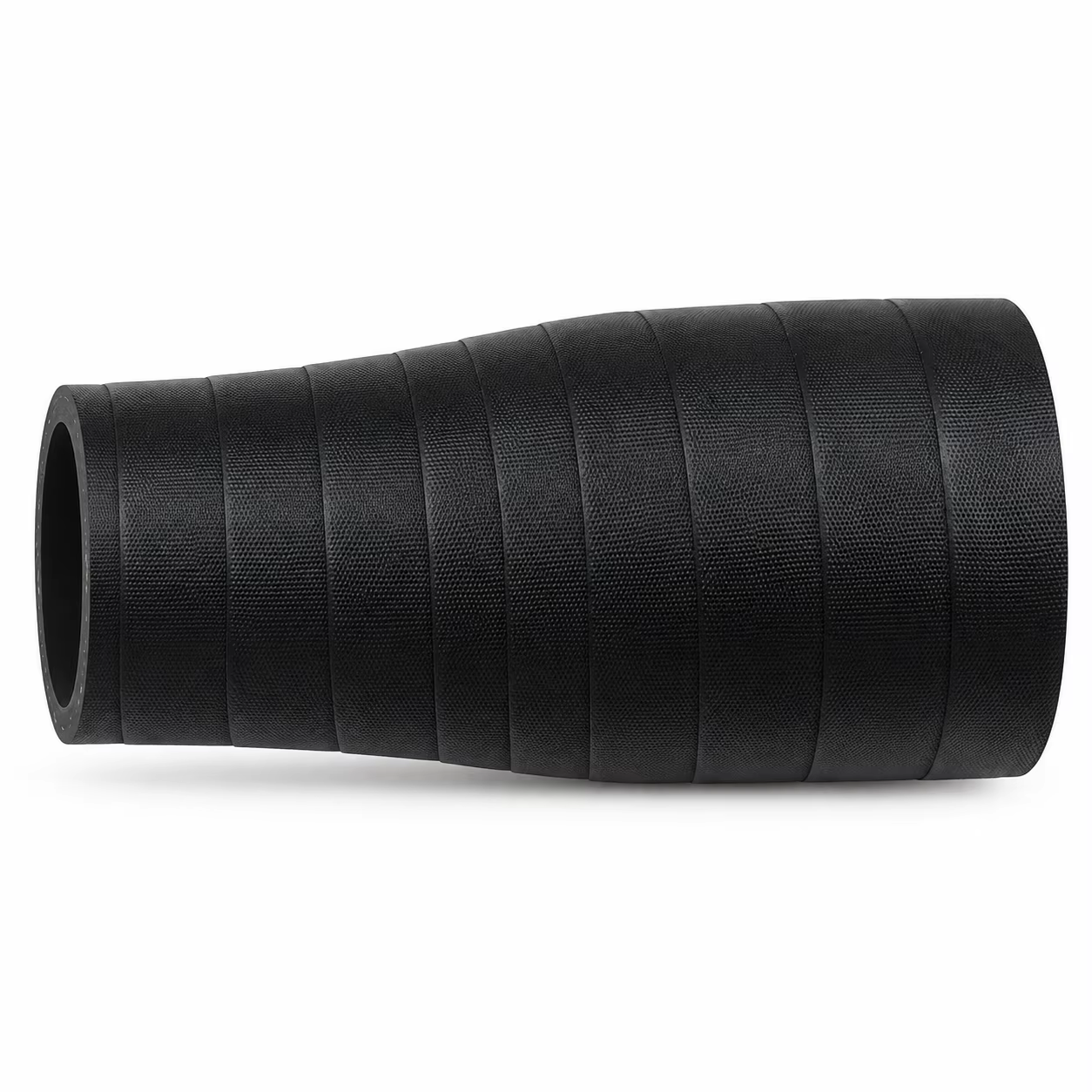
A data center cooling hose provides a flexible fluid connection for liquid cooling infrastructure used in high-density server environments. It can connect cold plates, manifolds, cooling distribution units, pumps, heat exchangers, and quick disconnect couplings within a complete cooling loop. Depending on the system design, hoses can support CPU and GPU cooling in AI servers, HPC clusters, and other high-performance computing applications. Selection typically considers coolant compatibility, operating temperature, pressure rating, flow rate, internal diameter, bend radius, and connection interface. Flexible routing helps accommodate different rack layouts and simplifies installation around densely populated equipment. Properly configured hose assemblies can also support maintenance and component replacement by providing practical access to individual cooling connections without redesigning the entire liquid cooling infrastructure.
Get A Quote

Case Study

High-Density GPU Rack Cooling:

A data center deploying high-power GPU servers integrates liquid cooling hoses between server cold plates and rack-level manifolds. The hose routing is planned to maintain suitable bend radius while keeping supply and return paths organized. Engineers evaluate coolant compatibility, pressure, flow requirements, and connection interfaces before selecting the hose assembly. This configuration supports direct heat removal from GPU components and provides flexible connections for future server maintenance. The modular arrangement can also accommodate changes in server positioning as computing capacity expands across the rack.

AI Computing Cooling Infrastructure:

An AI computing facility uses direct-to-chip cooling to manage the thermal load generated by densely installed processors and accelerators. Data center cooling hoses connect cold plates to manifolds and cooling distribution units, creating dedicated coolant circulation paths. Flexible hoses help simplify connections in areas where rigid piping would be difficult to route around server components. During system design, the cooling team considers flow rate, operating temperature, working pressure, hose diameter, and service clearance to establish an appropriate cooling loop for continuous AI workloads.

HPC Server Liquid Cooling:

A high-performance computing environment requires efficient thermal management for processors operating under sustained workloads. Cooling hoses are installed between server-level cold plates and the broader liquid distribution system. The configuration allows coolant to move through supply and return circuits while maintaining practical routing inside the rack. Hose specifications are matched with the selected coolant, pump capacity, pressure conditions, and connection hardware. Flexible assemblies also make it easier to access individual servers during maintenance without unnecessarily disturbing neighboring equipment.

Related products

Data center cooling hose is designed to provide flexible coolant connections throughout liquid cooling systems for modern computing infrastructure. In a typical application, hoses carry coolant between cold plates and components such as manifolds, pumps, cooling distribution units, heat exchangers, and quick disconnect couplings. They can form both supply and return paths in direct-to-chip cooling architectures. The appropriate hose configuration depends on the cooling system and operating environment. Key considerations include coolant compatibility, working pressure, temperature range, required flow rate, internal diameter, flexibility, bend radius, and connection type. In AI and HPC data centers, properly routed hoses can help connect high-density GPU and CPU servers with rack-level cooling infrastructure. Flexible assemblies can also simplify installation and maintenance where equipment layouts change frequently. Depending on project requirements, hose configurations can be adapted for different rack dimensions, cooling architectures, and service conditions.

Frequently Asked Questions

What is a data center cooling hose?

A data center cooling hose is a flexible fluid connection used in liquid cooling infrastructure. It transports coolant between components such as cold plates, manifolds, pumps, CDUs, and heat exchangers to support thermal management for servers and high-density computing equipment.
They are used in liquid-cooled servers, AI computing racks, HPC systems, and other high-density data center environments. Depending on the architecture, hoses can connect server cold plates to rack manifolds, CDUs, pumps, or facility-side heat exchange equipment.
Selection should consider coolant compatibility, operating temperature, pressure rating, flow rate, hose diameter, bend radius, flexibility, and connection interface. The hose should also match the pump capacity and overall cooling-loop design to maintain appropriate coolant circulation.
Yes. Cooling hoses can connect GPU cold plates with manifolds or other liquid distribution components in direct-to-chip systems. The specification should be matched to the GPU thermal load, coolant properties, required flow rate, pressure, and connection configuration.
They can make maintenance more practical by allowing flexible connections around servers and rack components. Properly routed hose assemblies can provide access for server replacement or servicing while reducing the need to modify rigid cooling infrastructure.

Related article

Intelligent Power Distribution, Precision Metering – An In-Depth Look at the GLGW PDU Series

21

May

Intelligent Power Distribution, Precision Metering – An In-Depth Look at the GLGW PDU Series

View More
Reliable Data and Power Transmission Solutions for Modern Infrastructure

21

May

Reliable Data and Power Transmission Solutions for Modern Infrastructure

View More
Data cables overall planning for office network construction.

12

Jun

Data cables overall planning for office network construction.

Practical Field Experience in Early Demand Assessment for Office Network Cabling When it comes to office network cabling, many business owners and project managers tend to focus solely on immediate connectivity needs and overlook long-term operati...
View More
How Does Fiber Optic Transmit Light Signals?

20

Jun

How Does Fiber Optic Transmit Light Signals?

Practical Project Experiences Showing Real-World Performance of Fiber Optic Signal Transmission Over sixteen years working in the global structured cabling and network connectivity industry, I have taken charge of countless projects that rely heav...
View More

Customer Testimonials

Andrew Miller

The flexible hose configuration made it easier to route coolant around our high-density GPU servers. We were able to organize supply and return connections without adding unnecessary rigid piping inside the rack.

Kevin Parker

The hose selection process was straightforward because we could match the assembly to our coolant, pressure, flow, and connection requirements. Installation and server maintenance were both easier afterward.

Get a Free Quote

Our representative will contact you soon.
Email
Mobile/WhatsApp
Name
Company Name
Message
0/1000
Flexible Rack Connectivity

Flexible Rack Connectivity

Data center cooling hoses provide flexible connections between server-level cooling components and rack or facility-level liquid infrastructure. This is particularly useful in densely populated racks where cold plates, manifolds, CDUs, and service points may have different positions. Flexible routing allows engineers to design practical supply and return paths while maintaining the recommended bend radius. Depending on the system architecture, hose assemblies can connect directly to cold plates, manifolds, pumps, heat exchangers, or quick disconnect couplings. This adaptability can simplify installation in both new data centers and cooling upgrades. Proper routing should account for equipment movement, maintenance access, connection orientation, and available rack space. A well-organized hose layout helps create a cleaner and more serviceable liquid cooling installation.
Stable Liquid Cooling Performance

Stable Liquid Cooling Performance

A liquid cooling system relies on consistent coolant circulation to transfer heat away from high-power electronic components. Cooling hoses form part of this circulation path, so their specifications should correspond with the thermal and hydraulic requirements of the system. Engineers can evaluate pressure rating, flow rate, temperature range, internal diameter, coolant compatibility, and connection type when selecting a suitable hose. Material compatibility is especially important because different cooling systems may use different coolant formulations. Properly matched hose assemblies help maintain sealed supply and return circuits while supporting reliable operation. For GPU and CPU cooling, hose performance should also be considered alongside pump capacity, cold plate design, manifold configuration, and CDU performance to establish a balanced liquid cooling loop.
Scalable Data Center Infrastructure

Scalable Data Center Infrastructure

Modern data centers increasingly require cooling infrastructure that can adapt to changing rack densities and computing workloads. Data center cooling hoses can support modular liquid cooling designs by connecting individual servers with rack-level distribution components. As additional GPU or CPU equipment is installed, flexible hose assemblies can be configured around new component positions without requiring every connection to follow a fixed rigid path. This makes them useful for AI, HPC, and other high-density computing environments where thermal requirements may evolve over time. Engineers can plan hose configurations according to rack layout, flow capacity, pressure conditions, coolant requirements, and maintenance access. When integrated with appropriate cold plates, manifolds, CDUs, and quick disconnects, flexible hoses can contribute to a practical and scalable liquid cooling infrastructure.

Get a Free Quote

Our representative will contact you soon.
Email
Mobile/WhatsApp
Name
Company Name
Message
0/1000