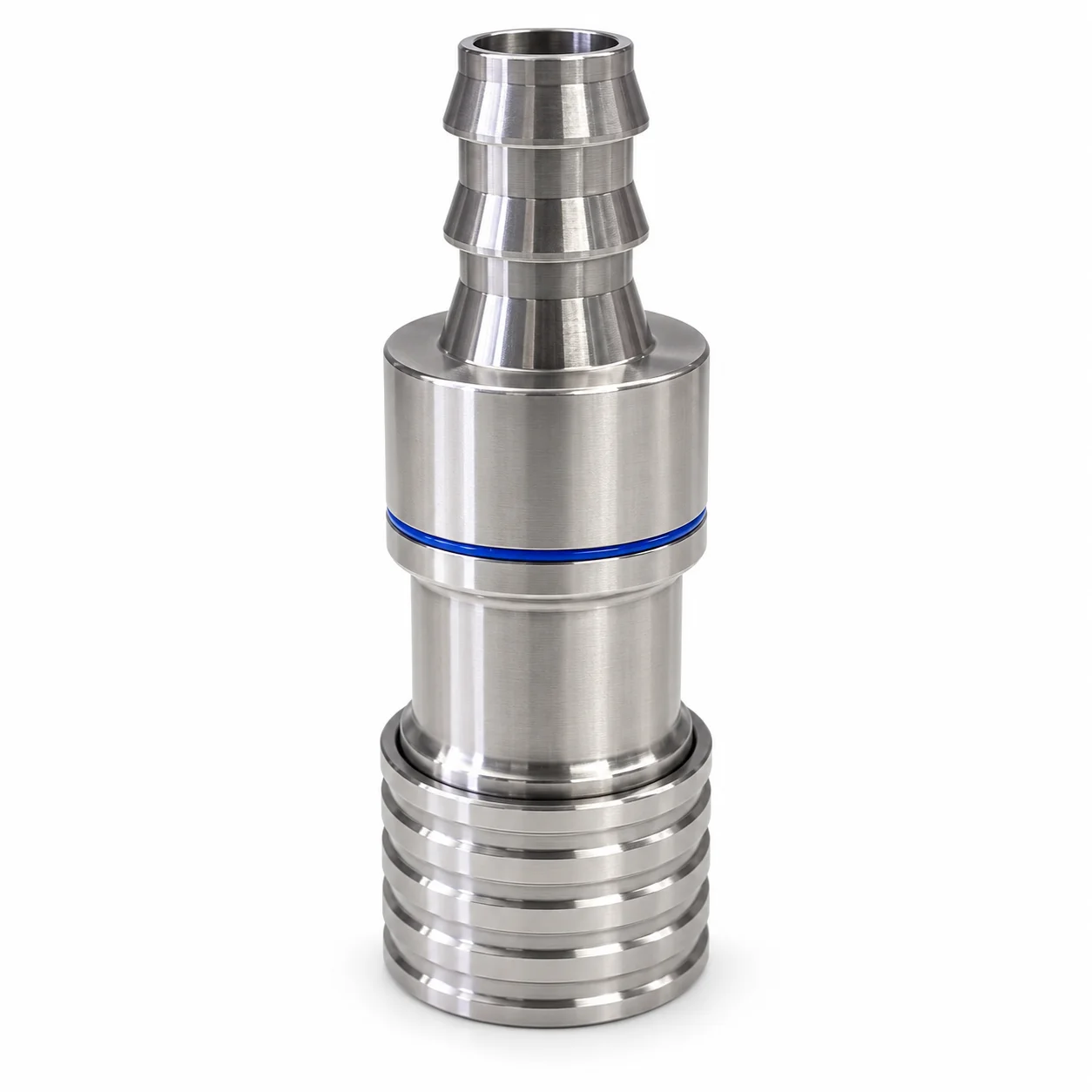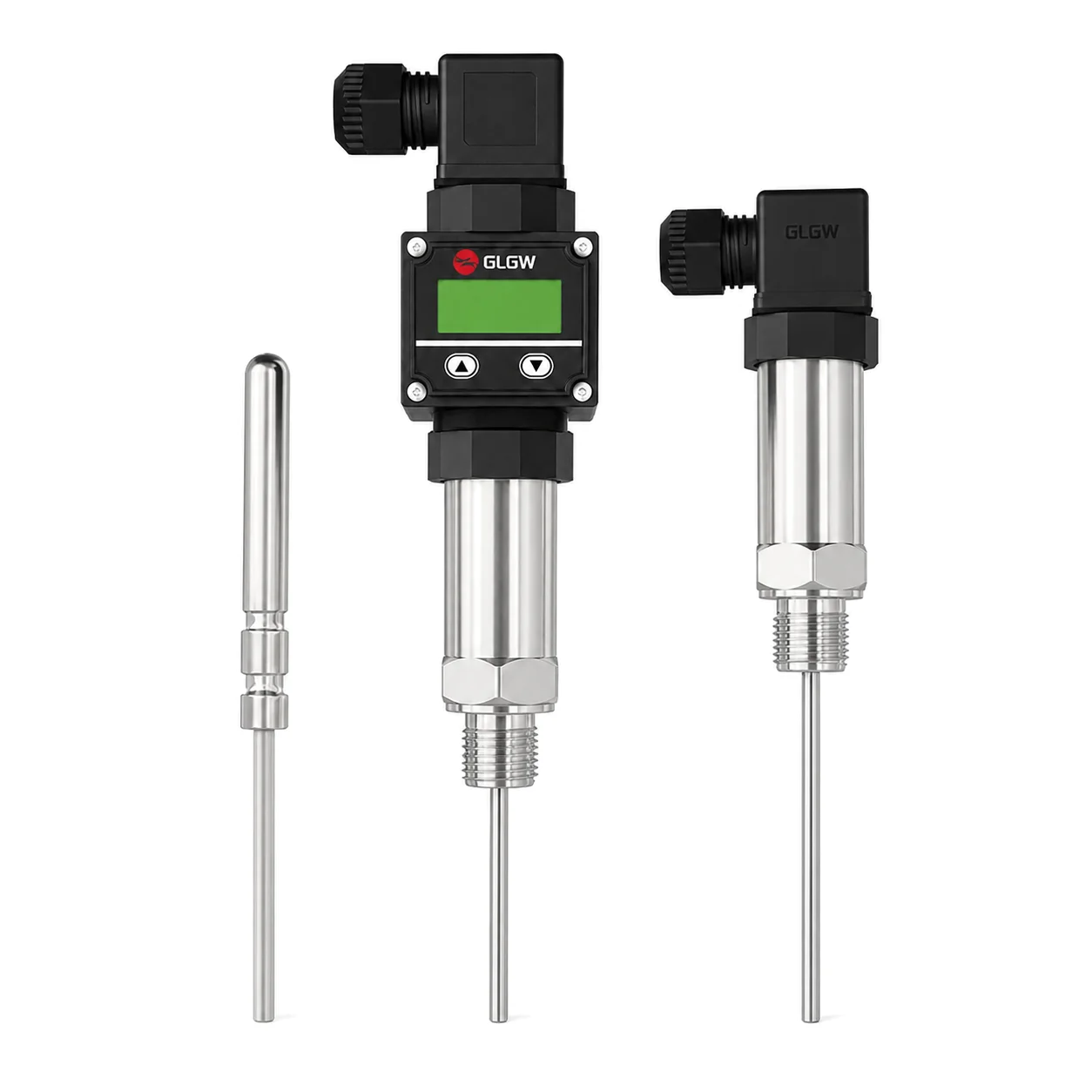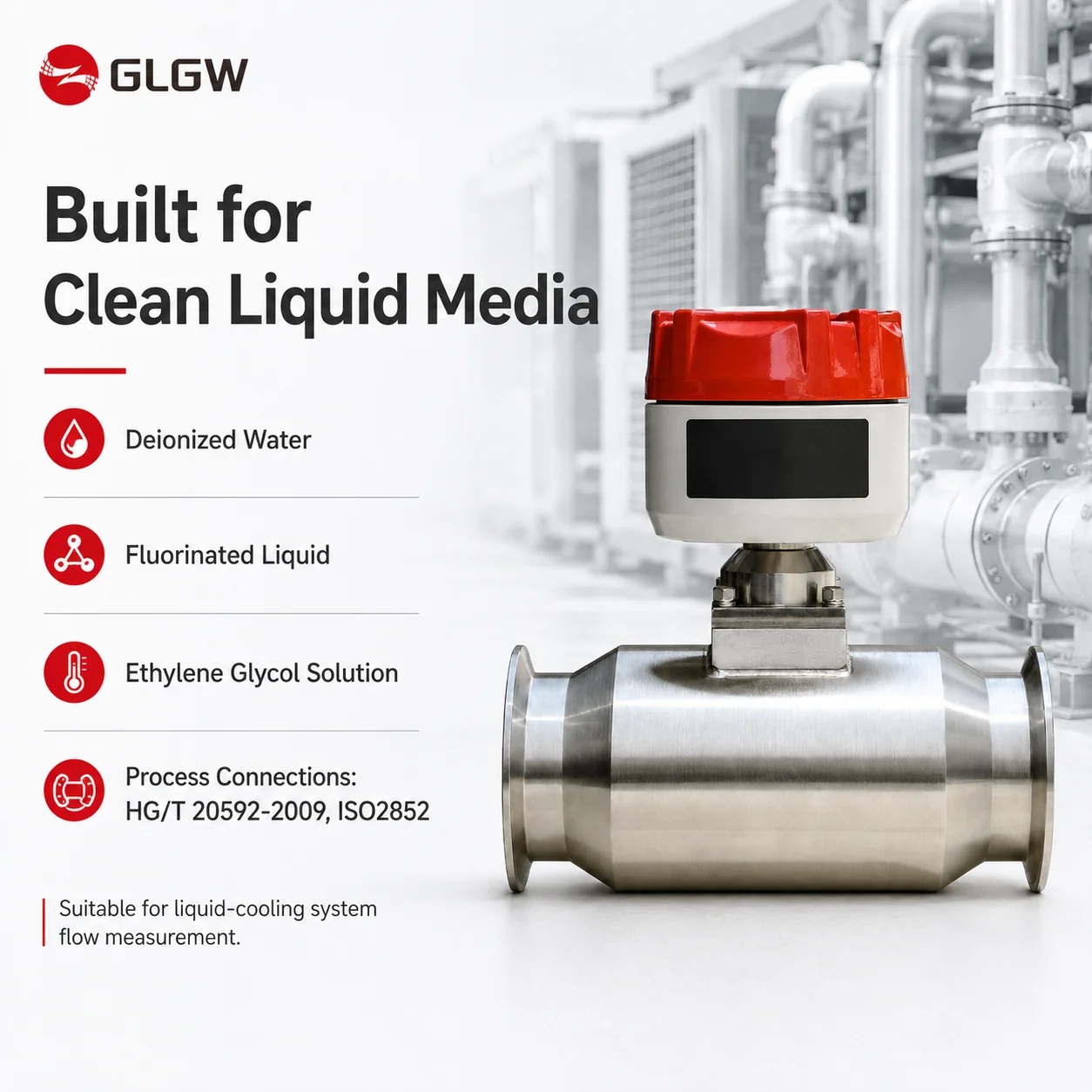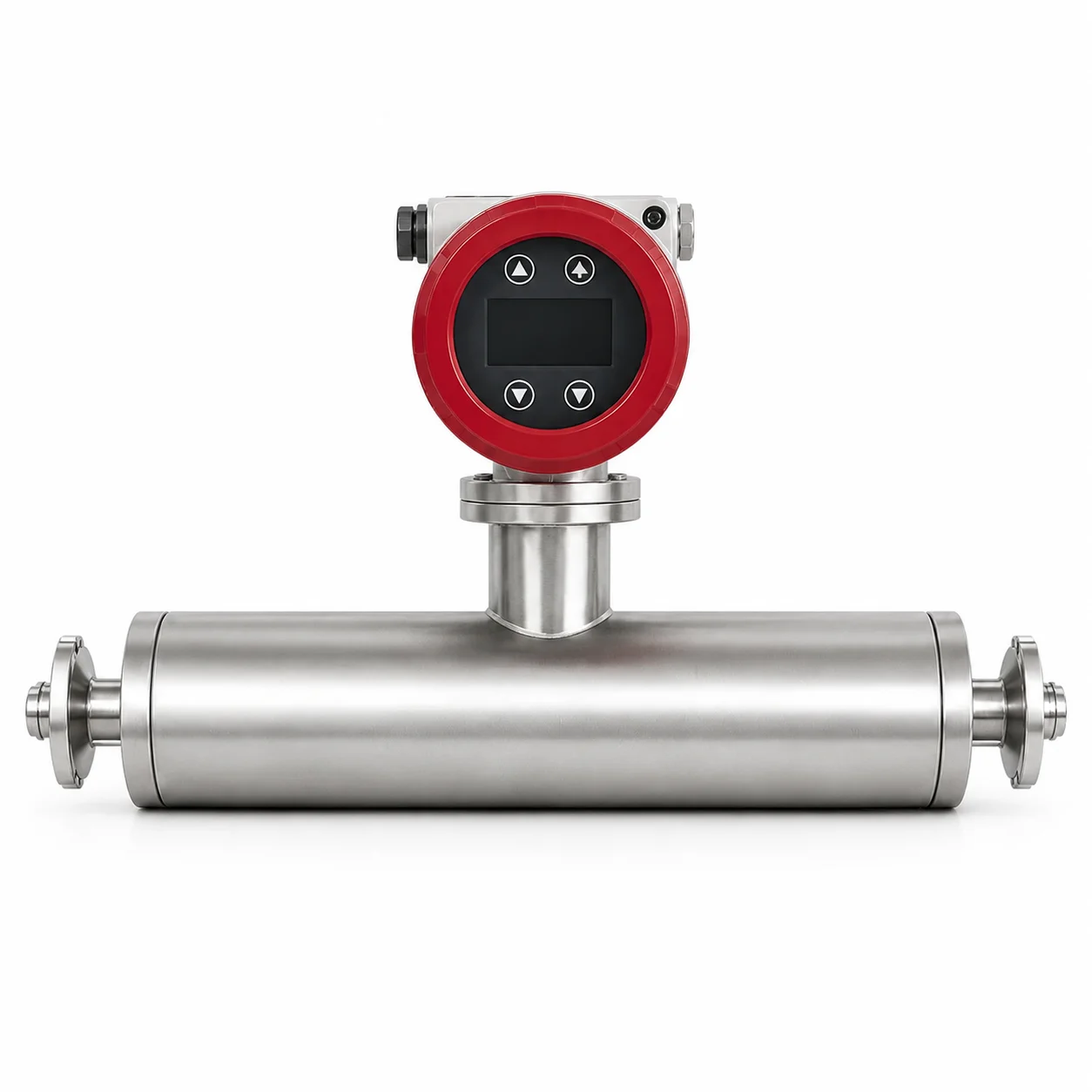
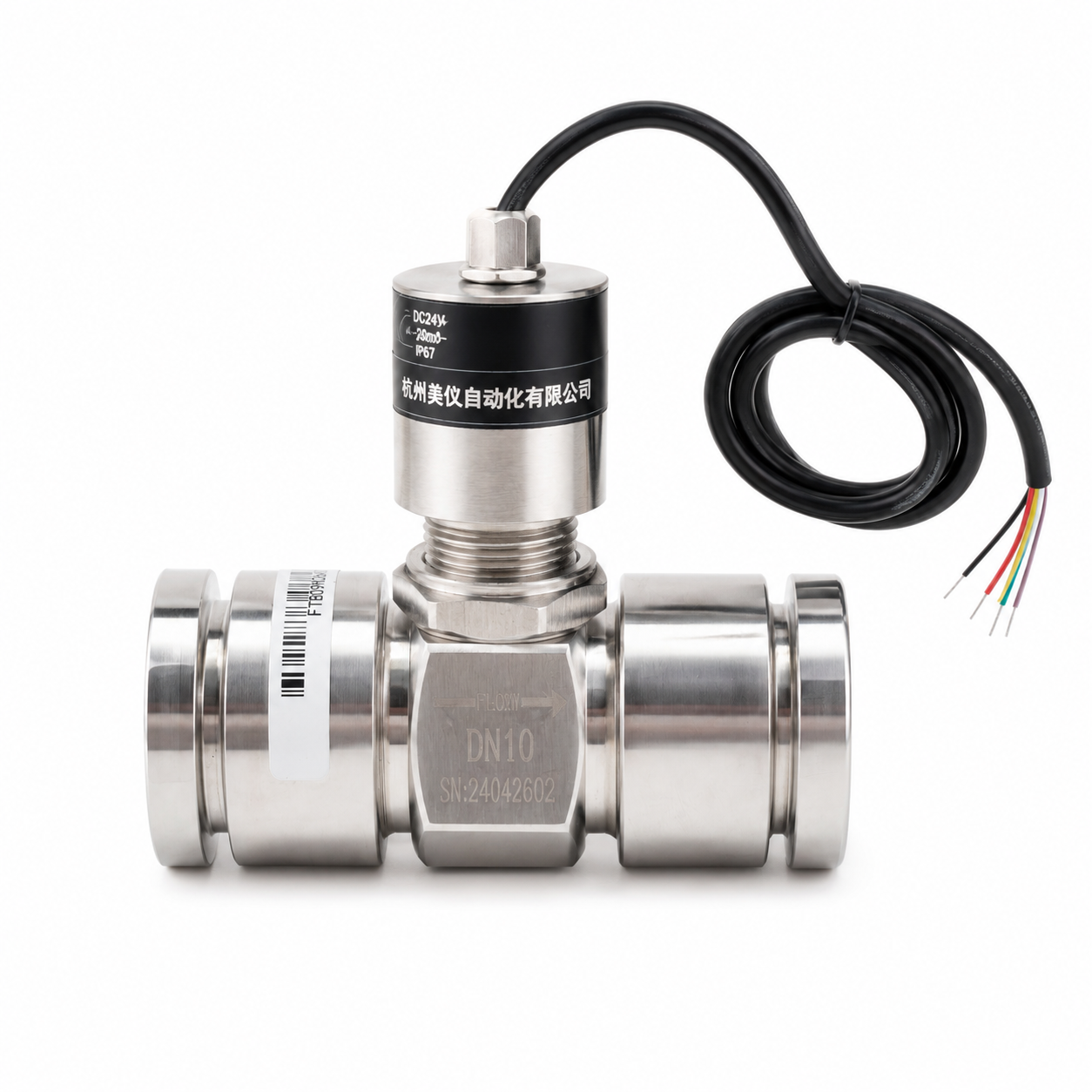
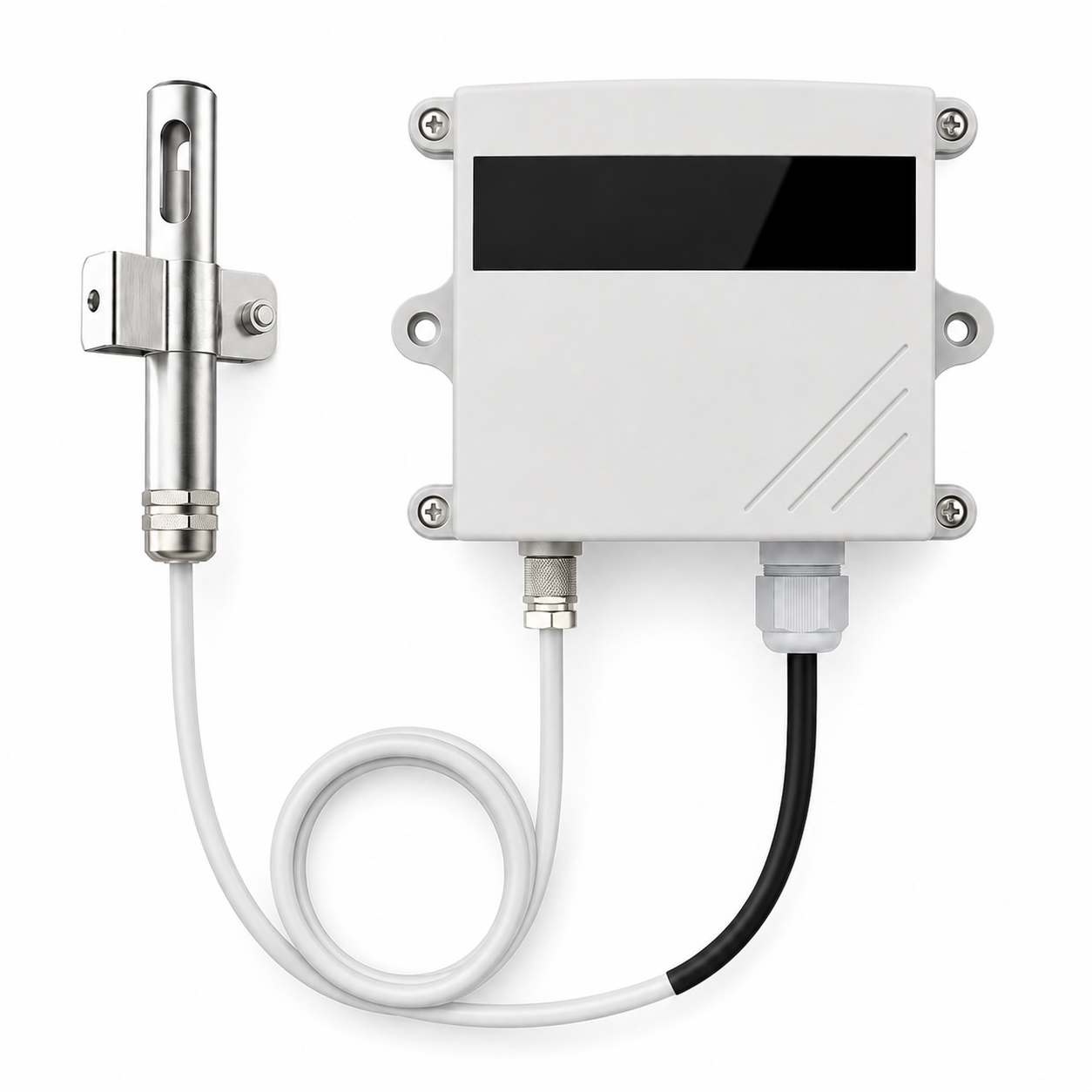
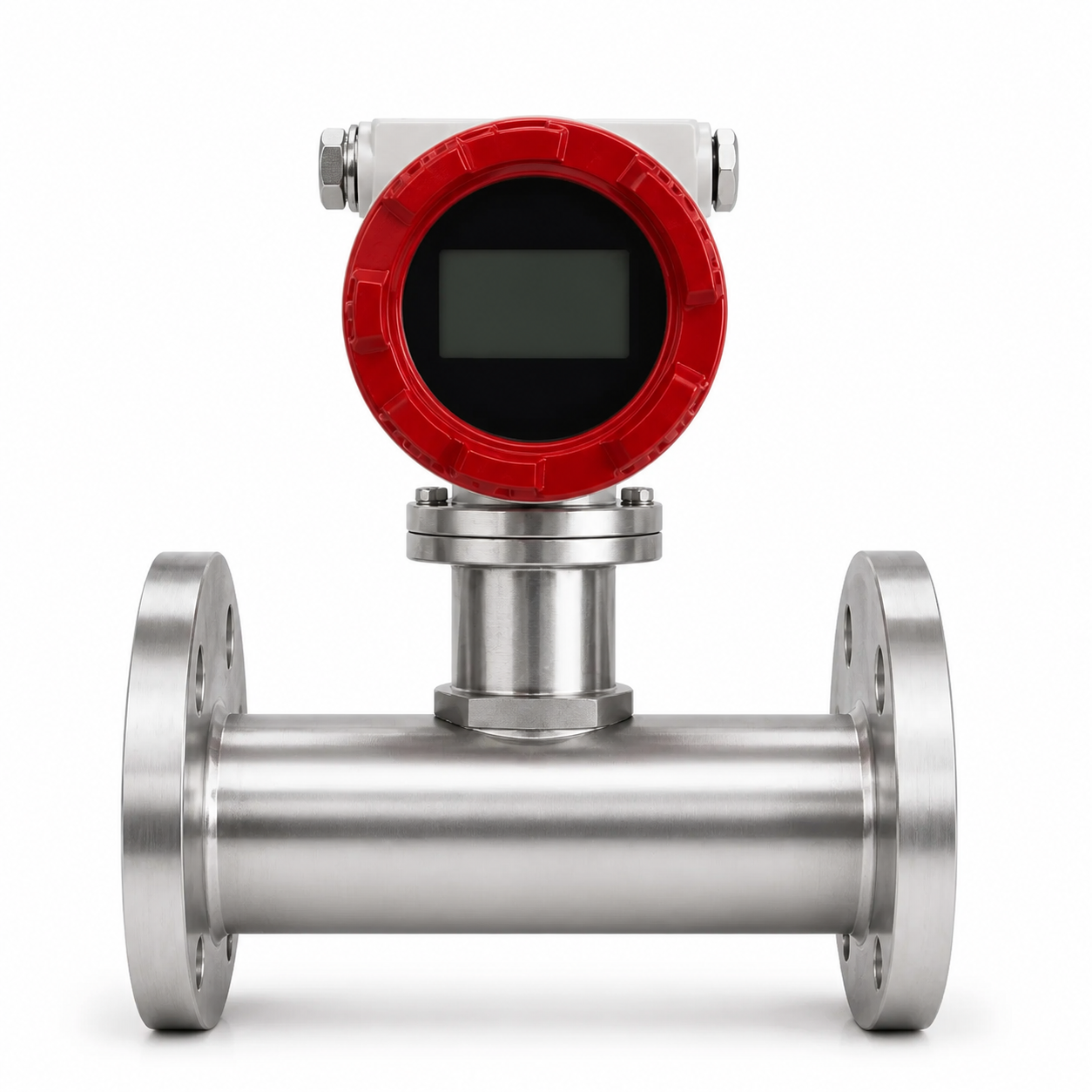
A liquid cooled server uses a liquid cooling system to transfer heat away from high-performance components more directly than conventional air-based cooling. Cold plates can be positioned against processors or other heat-generating components, allowing circulating fluid to absorb thermal energy and transport it toward a heat exchanger or cooling distribution unit. A complete system may include pumps, manifolds, tubing, fittings, sensors, valves, and control equipment. Liquid cooled servers are particularly relevant to AI infrastructure, high-performance computing, cloud data centers, scientific research, and enterprise environments with increasing rack power density. When designing a system, engineers should evaluate server heat load, required flow rate, operating temperature, fluid characteristics, pressure, connection requirements, and facility cooling capacity. Monitoring temperature, pressure, and flow can support system management and maintenance. A modular liquid cooling architecture can also provide a pathway for future server upgrades and increasing computational workloads.
08
May
11
Jul
14
Jul
18
Jul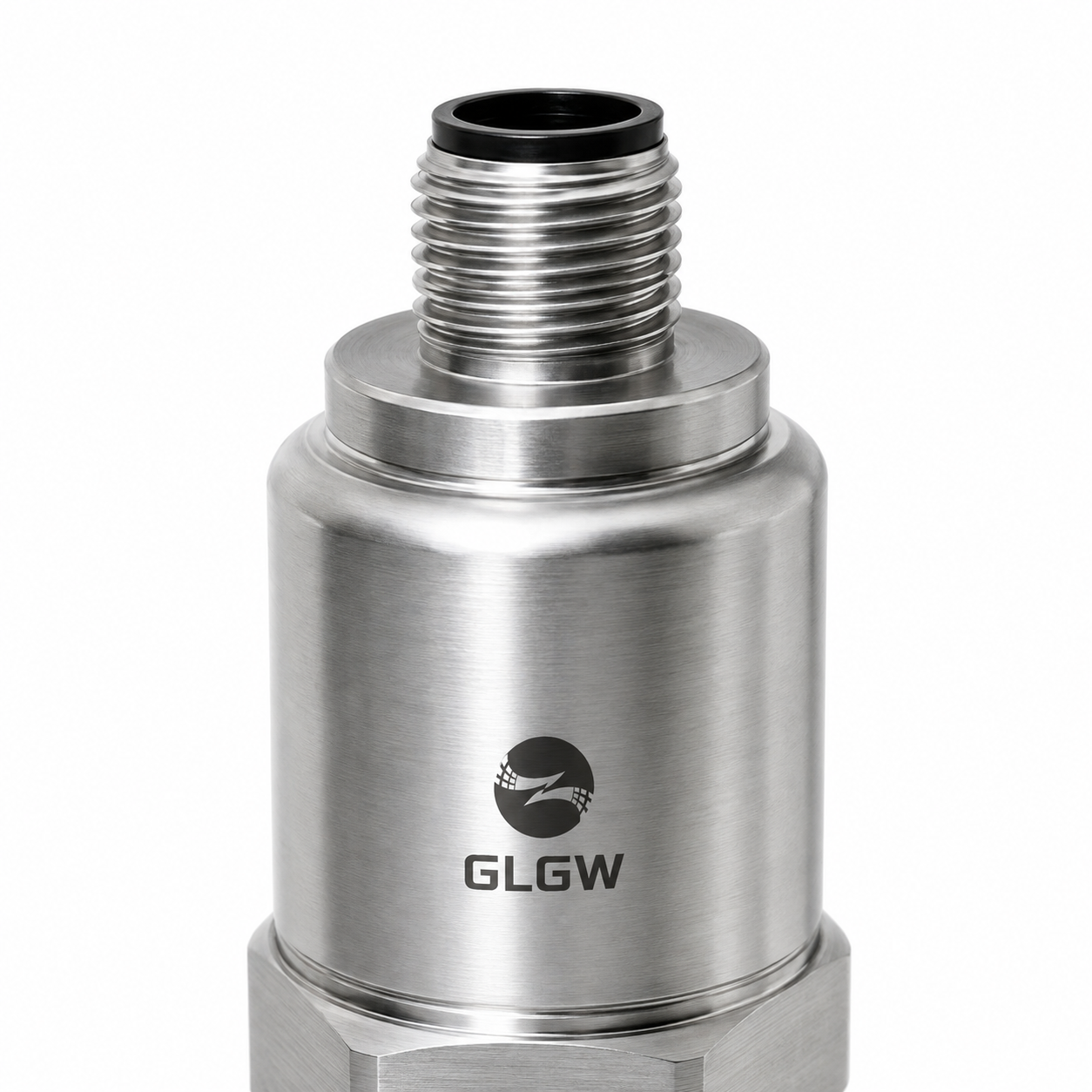
Copyright © 2026 by Ningbo GLGW Nova Materials Technology Co., Ltd. - Privacy policy
 EN
EN