Liquid Cooled Server Solutions for AI & HPC Data Centers

All Categories
Direct Thermal Management for High-Performance Server Systems

Direct Thermal Management for High-Performance Server Systems

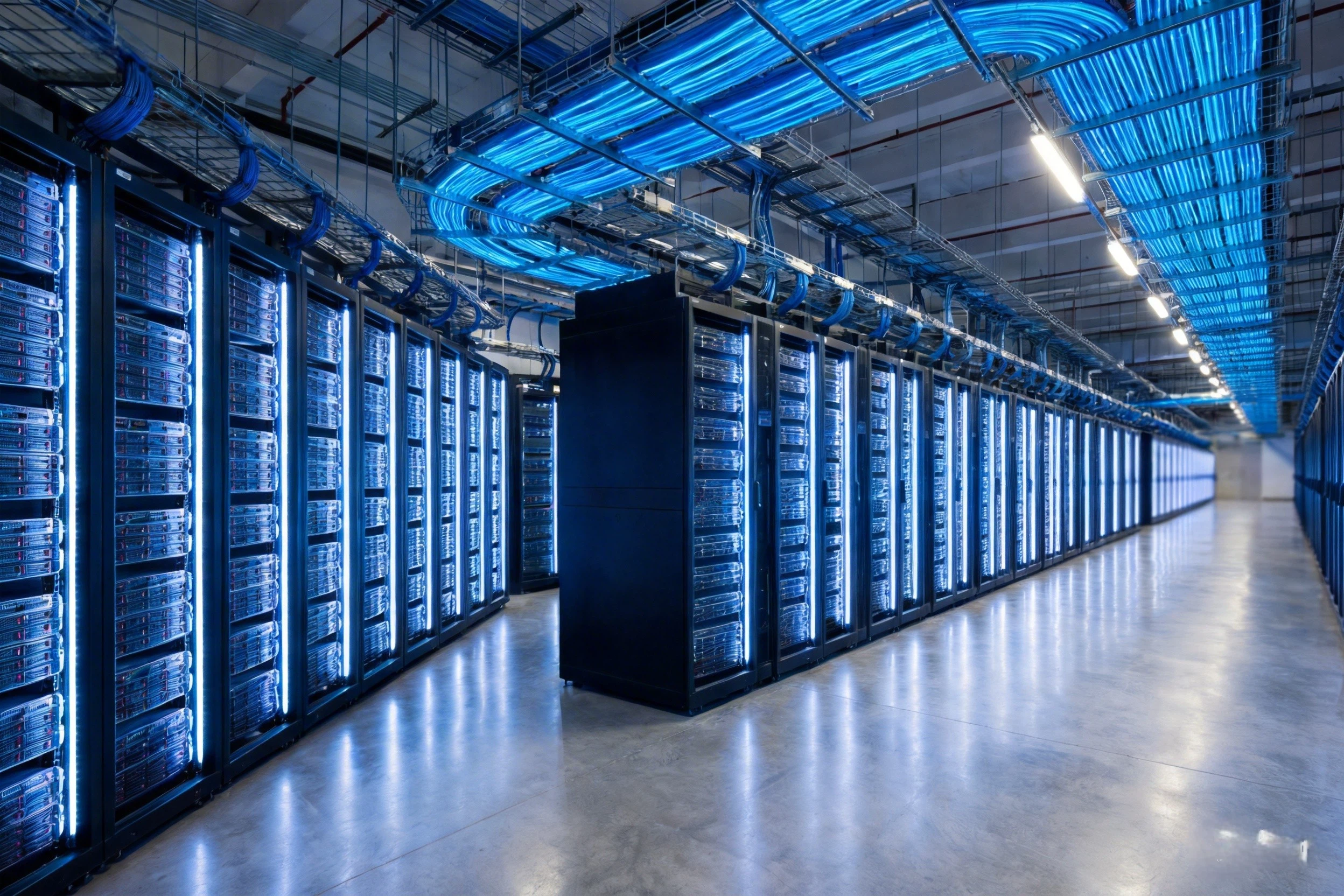
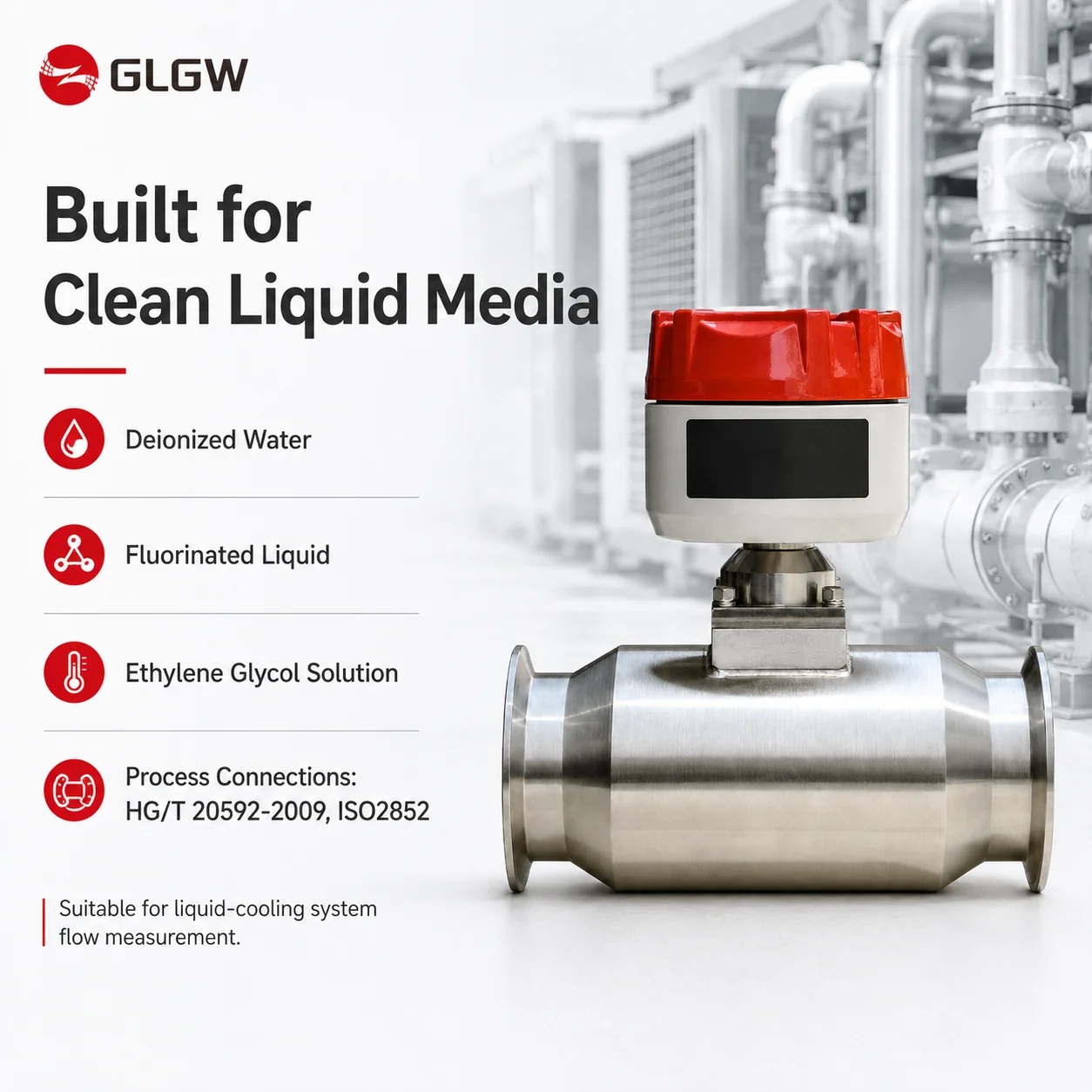
A liquid cooled server uses a liquid-based thermal management system to remove heat directly from high-performance computing components. It is designed for applications where increasing processor power and rack density create greater cooling demands than conventional air cooling can efficiently manage. Depending on the architecture, a liquid cooled server may use cold plates, pumps, manifolds, tubing, heat exchangers, and cooling distribution units to circulate cooling fluid through the system. Typical applications include AI computing, high-performance computing, cloud infrastructure, scientific research, and enterprise data centers. System design should consider processor heat output, required flow rate, operating temperature, fluid compatibility, connection requirements, and facility cooling capacity. A properly engineered liquid cooling system can provide controlled heat transfer while supporting higher-density computing environments and planned infrastructure expansion.
Get A Quote

Case Study

AI Server Deployment

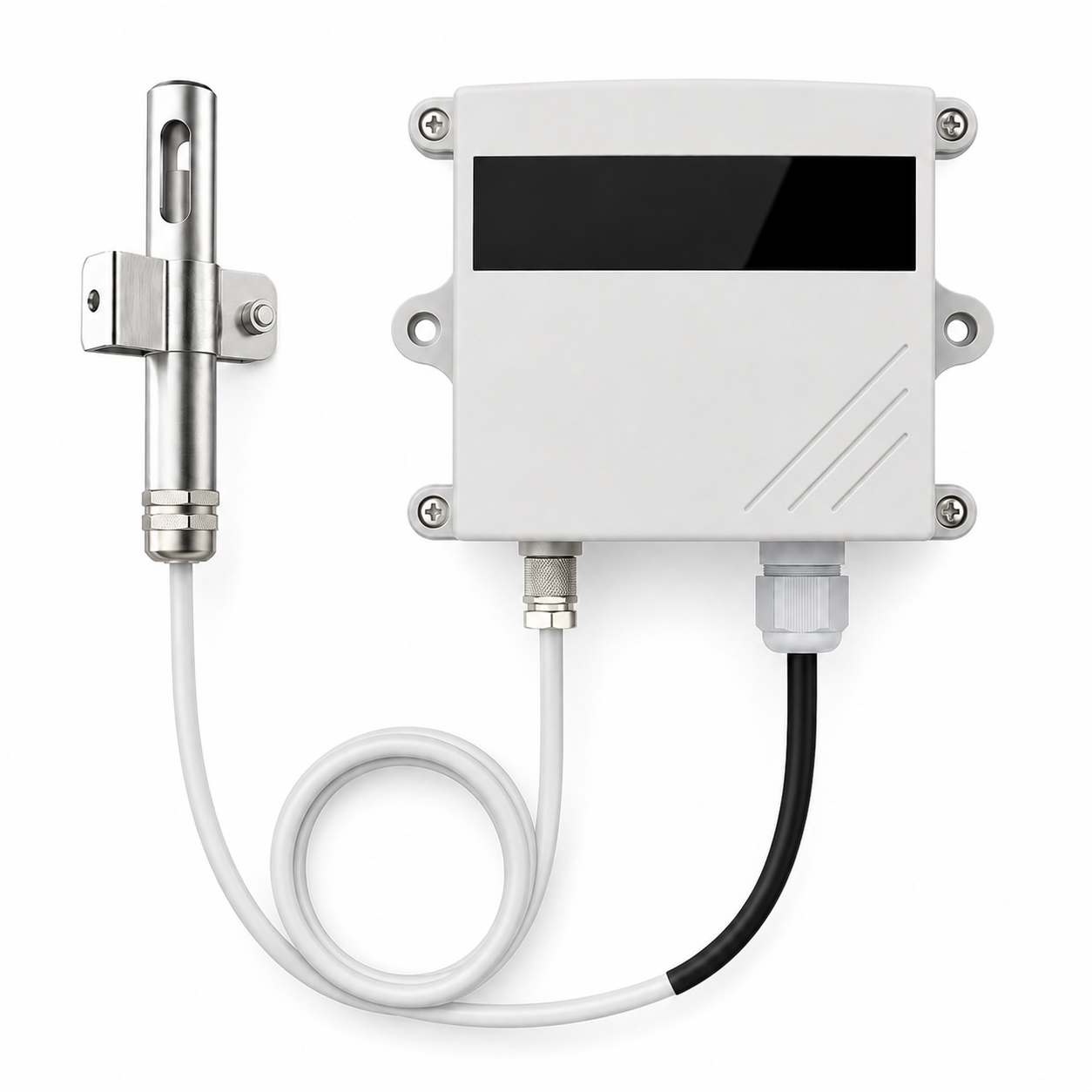
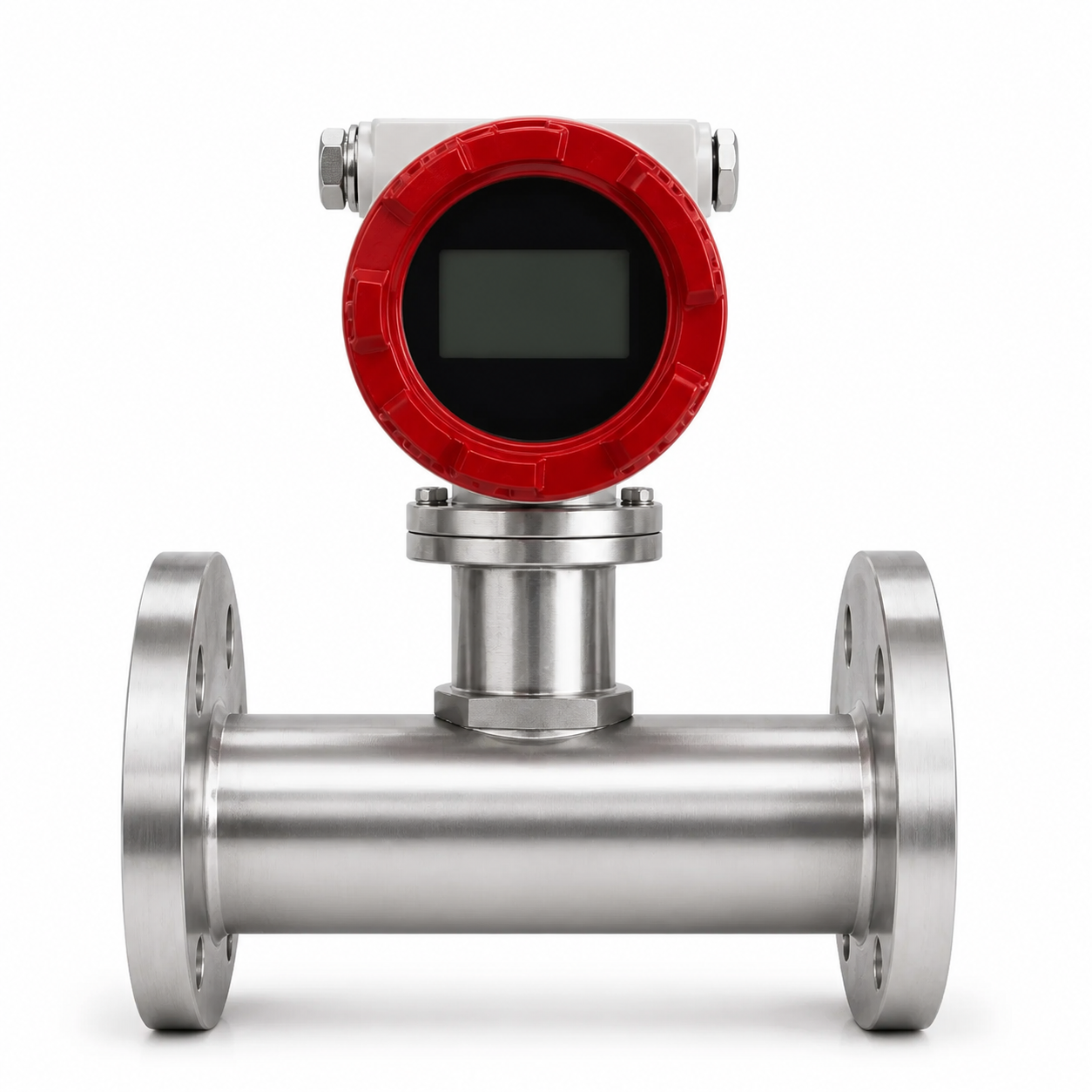
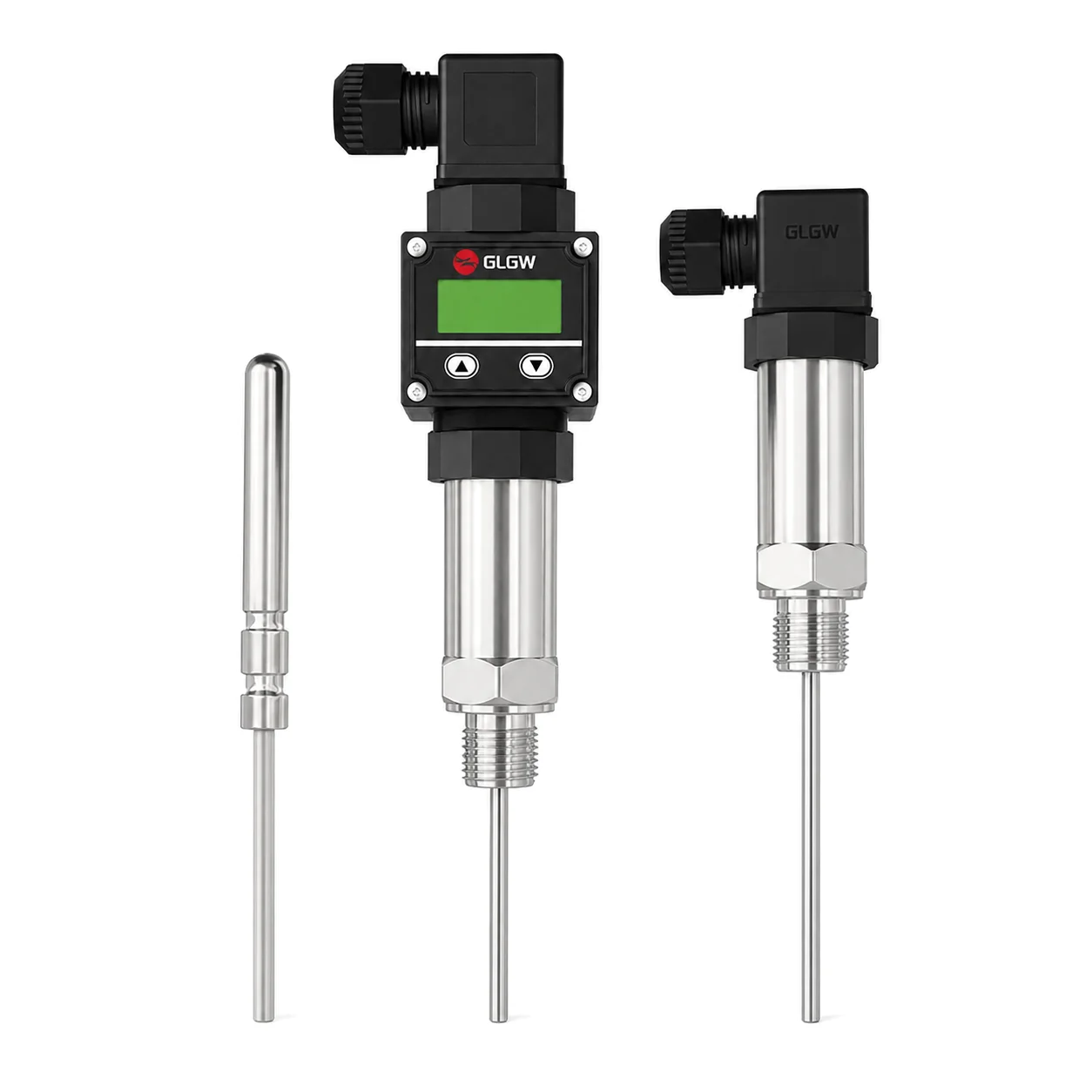
An AI computing facility was installing high-performance servers with processors generating substantial thermal loads during continuous model training. Engineers implemented liquid cooled server configurations using cold plates connected to a centralized cooling loop. The system was planned around processor heat output, required fluid flow, rack density, and available cooling distribution capacity. Pumps, manifolds, and heat exchangers were selected according to the complete circulation architecture. Sensors monitored temperature and flow conditions during operation, providing facility engineers with operating data. The liquid cooling arrangement allowed heat to be transferred directly from the primary heat sources, creating a structured thermal management approach for dense AI computing infrastructure and future server expansion.

High-Performance Computing

A research computing center needed additional cooling capacity as its processor performance increased. Liquid cooled server systems were integrated into selected computing racks using direct liquid cooling components. Engineers evaluated server thermal loads, cooling plate requirements, flow rates, pressure, operating temperatures, and connection layouts. A cooling distribution unit coordinated the server-side loop with the facility cooling infrastructure. Monitoring equipment tracked temperature and circulation conditions during demanding workloads. The modular architecture allowed additional liquid-cooled systems to be connected as computational requirements developed. This approach provided a dedicated cooling pathway for high-performance servers while allowing the facility to expand its thermal infrastructure in stages.

Cloud Data Center Upgrade

A cloud service provider was upgrading selected racks with higher-performance servers while maintaining existing data center infrastructure. Liquid cooled servers were introduced for equipment with higher thermal requirements, with cooling loops connected through a dedicated distribution system. Engineers considered rack layout, server heat output, fluid flow, connection standards, and facility cooling capacity during deployment. The cooling system incorporated pumps, manifolds, heat exchange equipment, and monitoring sensors. Liquid cooling was initially applied to the highest-density equipment and could be extended as server workloads increased. This phased approach provided a practical path for improving thermal management without requiring an immediate redesign of the entire facility.

Related products

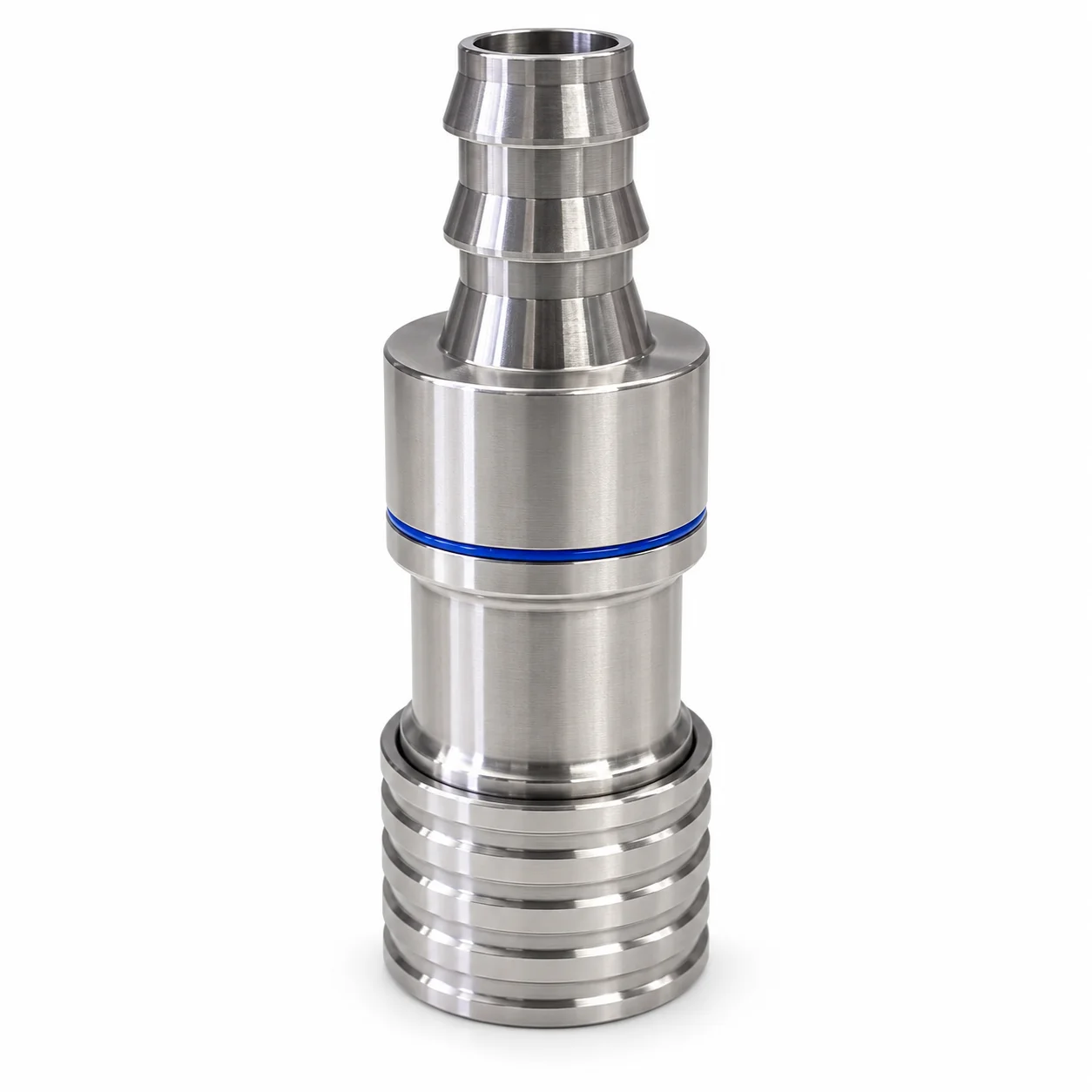
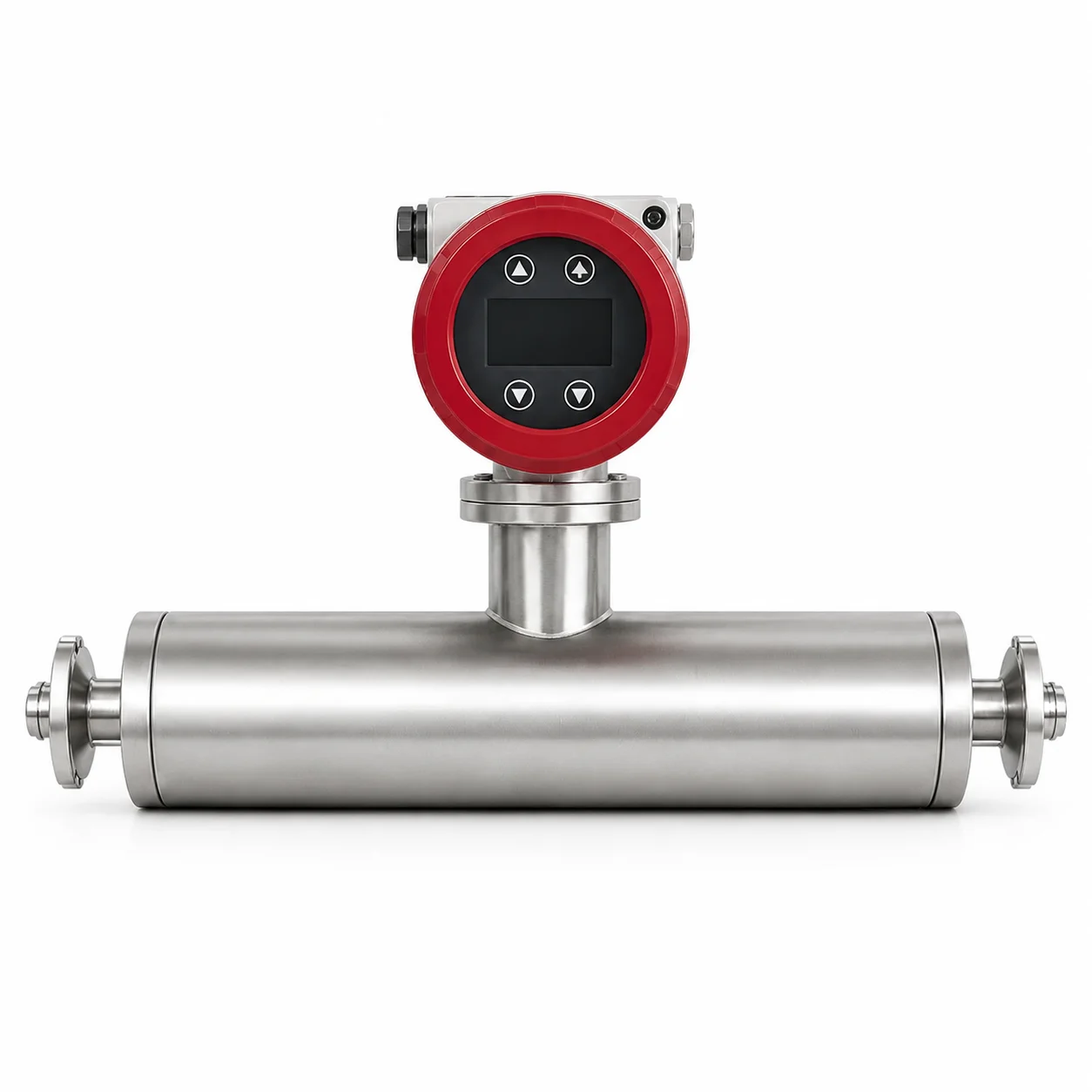
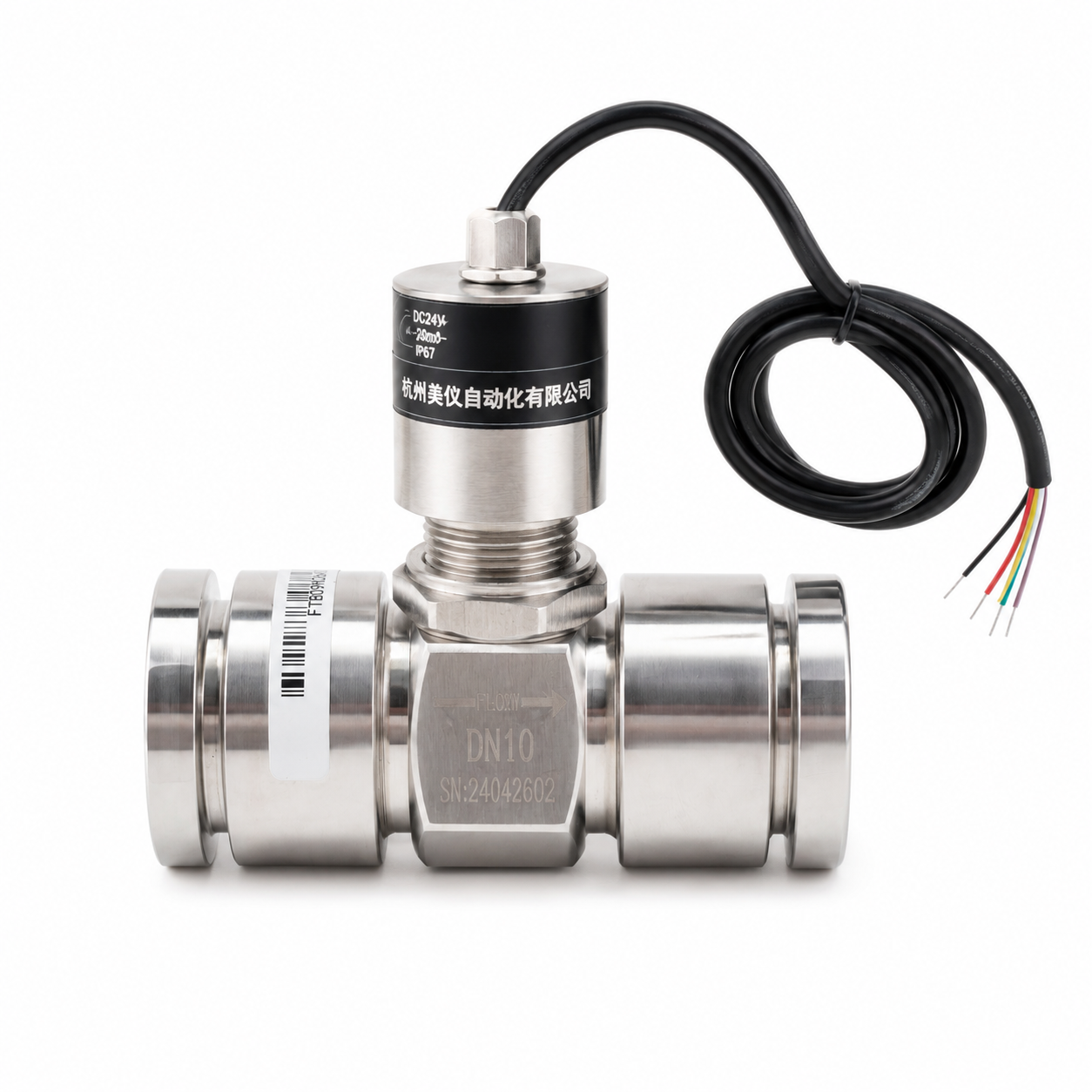
A liquid cooled server uses a liquid cooling system to transfer heat away from high-performance components more directly than conventional air-based cooling. Cold plates can be positioned against processors or other heat-generating components, allowing circulating fluid to absorb thermal energy and transport it toward a heat exchanger or cooling distribution unit. A complete system may include pumps, manifolds, tubing, fittings, sensors, valves, and control equipment. Liquid cooled servers are particularly relevant to AI infrastructure, high-performance computing, cloud data centers, scientific research, and enterprise environments with increasing rack power density. When designing a system, engineers should evaluate server heat load, required flow rate, operating temperature, fluid characteristics, pressure, connection requirements, and facility cooling capacity. Monitoring temperature, pressure, and flow can support system management and maintenance. A modular liquid cooling architecture can also provide a pathway for future server upgrades and increasing computational workloads.
Frequently Asked Questions

What is a liquid cooled server?

A liquid cooled server uses circulating liquid to transfer heat away from high-performance components. Cooling plates or related heat transfer components are positioned close to heat sources, while pumps and heat exchangers move and reject the absorbed thermal energy.
Liquid cooling provides direct heat transfer near high-load components and can support environments with increasing rack power density. It is commonly considered for AI servers, high-performance computing, cloud infrastructure, and other demanding computing applications.
A liquid cooling architecture may include cold plates, pumps, manifolds, tubing, fittings, heat exchangers, cooling distribution units, sensors, and control equipment. The exact configuration depends on server design, thermal load, facility infrastructure, and cooling method.
Yes. Liquid cooled servers can be integrated into data centers with suitable cooling infrastructure. Engineers should evaluate facility water systems, cooling distribution, rack configuration, connection requirements, monitoring, maintenance access, and available capacity before deployment.
A properly planned architecture can support future expansion. Additional cooling capacity, distribution connections, pumps, or heat exchange equipment can be introduced according to the facility design and increasing server thermal requirements.

Related article

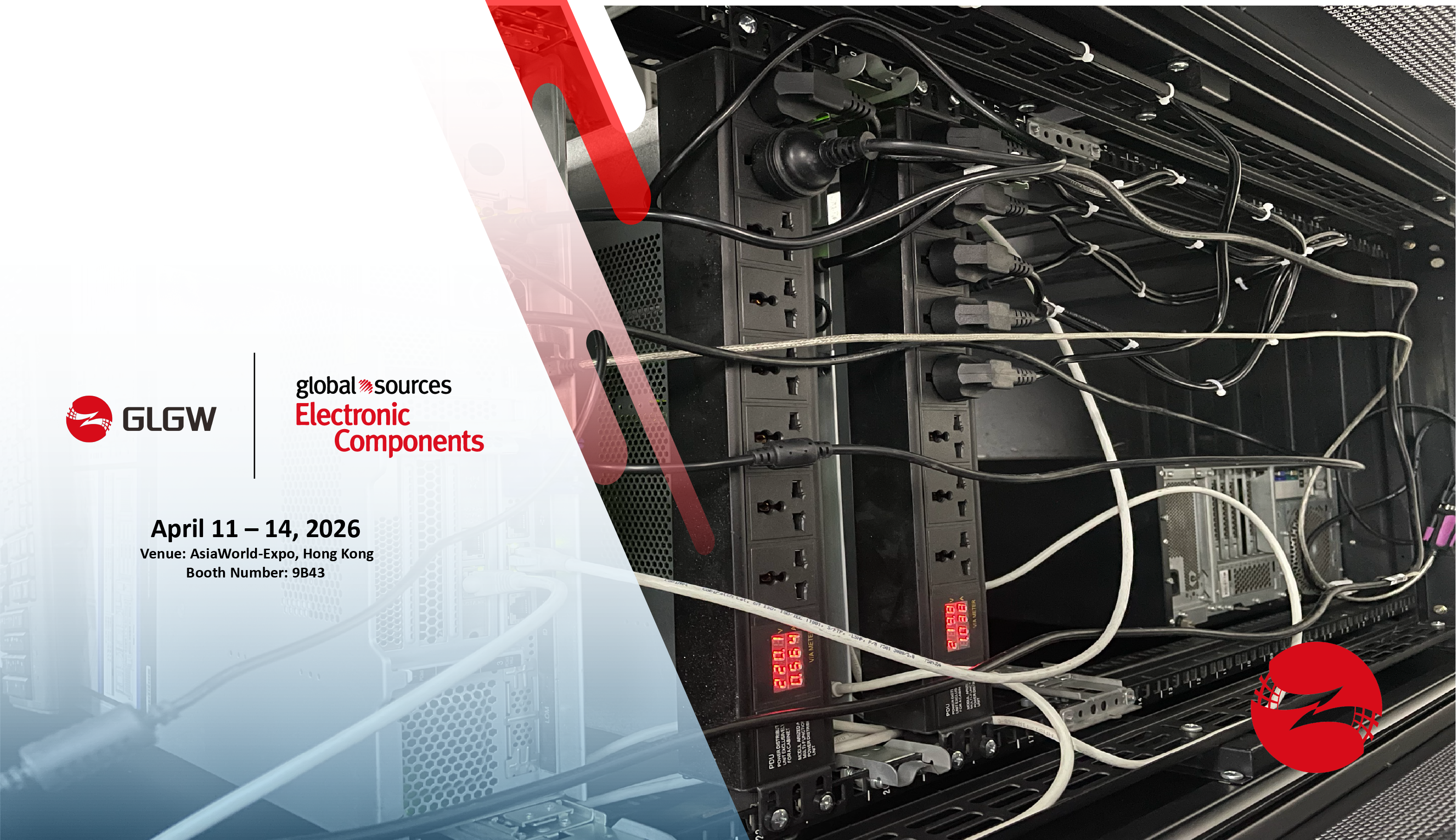
Looking for Reliable PDU & Fibre Optic Cable Suppliers in China? Visit GLGW at the Global Sources Hong Kong Show (Booth 9B43)

08

May

Looking for Reliable PDU & Fibre Optic Cable Suppliers in China? Visit GLGW at the Global Sources Hong Kong Show (Booth 9B43)

View More
Patch cord matching rules for communication projects.

11

Jul

Patch cord matching rules for communication projects.

Real World Field Experiences with Multi Floor Network Deployments Managing a sprawling multi-floor campus network installation a few years ago taught me that ignoring infrastructure details always leads to signal loss. We noticed severe intermitten...
View More
How to classify data cables by usage scenarios?

14

Jul

How to classify data cables by usage scenarios?

Real World Field Experiences with Multi Environment Network Deployments During a comprehensive network migration for a financial headquarters last spring, our deployment crew encountered major connectivity dropouts across different operational floo...
View More
What Connector Types for Ethernet Patch Cable?

18

Jul

What Connector Types for Ethernet Patch Cable?

Real World Field Challenges with Commercial Network Overhauls During a massive network overhaul for an e-commerce fulfillment hub last year, my deployment team faced an unexpected wave of packet drops and intermittent link drops across the main pac...
View More

Customer Testimonials

Chris Morgan

Our high-performance servers required a more direct cooling approach. The liquid cooled configuration provided stable thermal management, and temperature monitoring gave our engineering team useful operating data.

Peter Johnson

We introduced liquid cooling to selected racks during a server upgrade. The modular cooling architecture helped us handle increased thermal loads while keeping the deployment compatible with our existing infrastructure.

Get a Free Quote

Our representative will contact you soon.
Email
Mobile/WhatsApp
Name
Company Name
Message
0/1000
Direct Heat Transfer

Direct Heat Transfer

Liquid cooled servers can transfer heat directly from high-performance components through cooling plates or other liquid-based heat transfer devices. The cooling fluid absorbs thermal energy close to the source and carries it through a circulation loop toward a heat exchanger or cooling distribution unit. This approach can reduce the reliance on room-level airflow for managing concentrated processor heat. System performance depends on factors including cooling plate design, fluid flow, thermal load, pump capacity, and heat exchange capability. Engineers should evaluate the complete cooling path rather than individual components in isolation. With suitable integration, direct liquid cooling can provide controlled thermal management for processors and other components operating under intensive computing workloads.
High-Density Computing Support

High-Density Computing Support

Modern AI and high-performance computing systems can generate substantial heat within a relatively small rack footprint. Liquid cooled servers provide an architecture for addressing these concentrated thermal loads through direct liquid circulation. A complete system can connect server cooling plates to manifolds, pumps, cooling distribution units, and facility heat rejection equipment. Engineers can size the infrastructure around current rack power while considering future increases in computing density. Temperature, pressure, and flow sensors can provide operating information for facility management. Proper connection planning, fluid compatibility, and maintenance access are also important. This coordinated architecture supports thermal management for computing environments where traditional air cooling becomes increasingly challenging.
Scalable Liquid Cooling

Scalable Liquid Cooling

Liquid cooled server infrastructure can be deployed progressively as computing requirements increase. A data center may initially apply liquid cooling to AI servers or other equipment with the highest thermal loads, then extend the architecture to additional racks. Cooling distribution units, pumps, manifolds, heat exchangers, and monitoring systems can be planned around current and expected capacity. The ability to expand depends on facility infrastructure and the selected cooling architecture. Engineers should consider available cooling capacity, connection points, redundancy, maintenance requirements, and future rack density during the initial design. With appropriate planning, liquid cooling can provide a flexible foundation for supporting increasingly demanding server workloads.

Get a Free Quote

Our representative will contact you soon.
Email
Mobile/WhatsApp
Name
Company Name
Message
0/1000