Water Cooled Server Solutions for AI & HPC Data Centers

All Categories
Efficient Thermal Management for High-Performance Servers

Efficient Thermal Management for High-Performance Servers

A water cooled server uses liquid-based thermal management to remove heat from processors, memory, power components, or other high-load hardware. Compared with conventional air cooling, liquid circulation can bring the cooling medium closer to heat-generating components, making it suitable for high-density computing environments. Water cooled server configurations can be designed around cold plates, pumps, manifolds, heat exchangers, cooling distribution units, and monitored circulation loops. System planning should consider heat load, flow rate, operating temperature, water quality, material compatibility, connection design, and facility infrastructure. These factors help establish a reliable cooling pathway for demanding workloads such as artificial intelligence, high-performance computing, cloud services, and enterprise data processing. A properly engineered liquid cooling architecture can also provide a scalable foundation as server performance and rack density continue to increase
Get A Quote

Case Study

AI Computing Data Center

An AI computing facility was deploying high-performance servers with substantially higher processor heat loads than its previous infrastructure. Engineers introduced water cooled server configurations using cold plates connected to a centralized liquid circulation system. The design was developed around processor heat output, required flow rates, rack layout, and available cooling distribution capacity. Pumps and heat exchangers were selected according to the complete loop requirements, while temperature and flow monitoring supported system management. The liquid cooling infrastructure allowed thermal management to be concentrated around the primary heat sources rather than relying entirely on room-level airflow. This provided a structured approach for supporting dense AI computing workloads and future server expansion.

High-Performance Computing Facility

A research computing center needed to upgrade its cooling infrastructure as processor performance increased. Water cooled server systems were integrated with dedicated cooling plates and a controlled circulation loop. Engineers evaluated server heat loads, water flow requirements, operating temperatures, piping resistance, and connection points during system planning. A heat exchanger transferred thermal energy from the server cooling loop to the facility's heat rejection infrastructure. Sensors were incorporated to monitor temperature and circulation conditions during operation. The resulting configuration provided direct liquid-based heat removal for high-performance computing equipment while maintaining a modular architecture that could accommodate additional servers as computational requirements developed.

Enterprise Server Upgrade

An enterprise data center was upgrading selected racks with higher-performance servers while maintaining existing facility space. Water cooled server configurations were considered for equipment with concentrated thermal loads that placed greater demands on conventional airflow. Engineers planned the cooling system around cold plates, pumps, manifolds, tubing, and heat exchange capacity. Rack-level requirements were evaluated together with facility water infrastructure, connection arrangements, and monitoring needs. The solution allowed liquid cooling to be introduced to targeted server groups without requiring every rack to use the same cooling architecture. This provided a flexible path for managing increasing server density while supporting phased infrastructure upgrades.

Related products

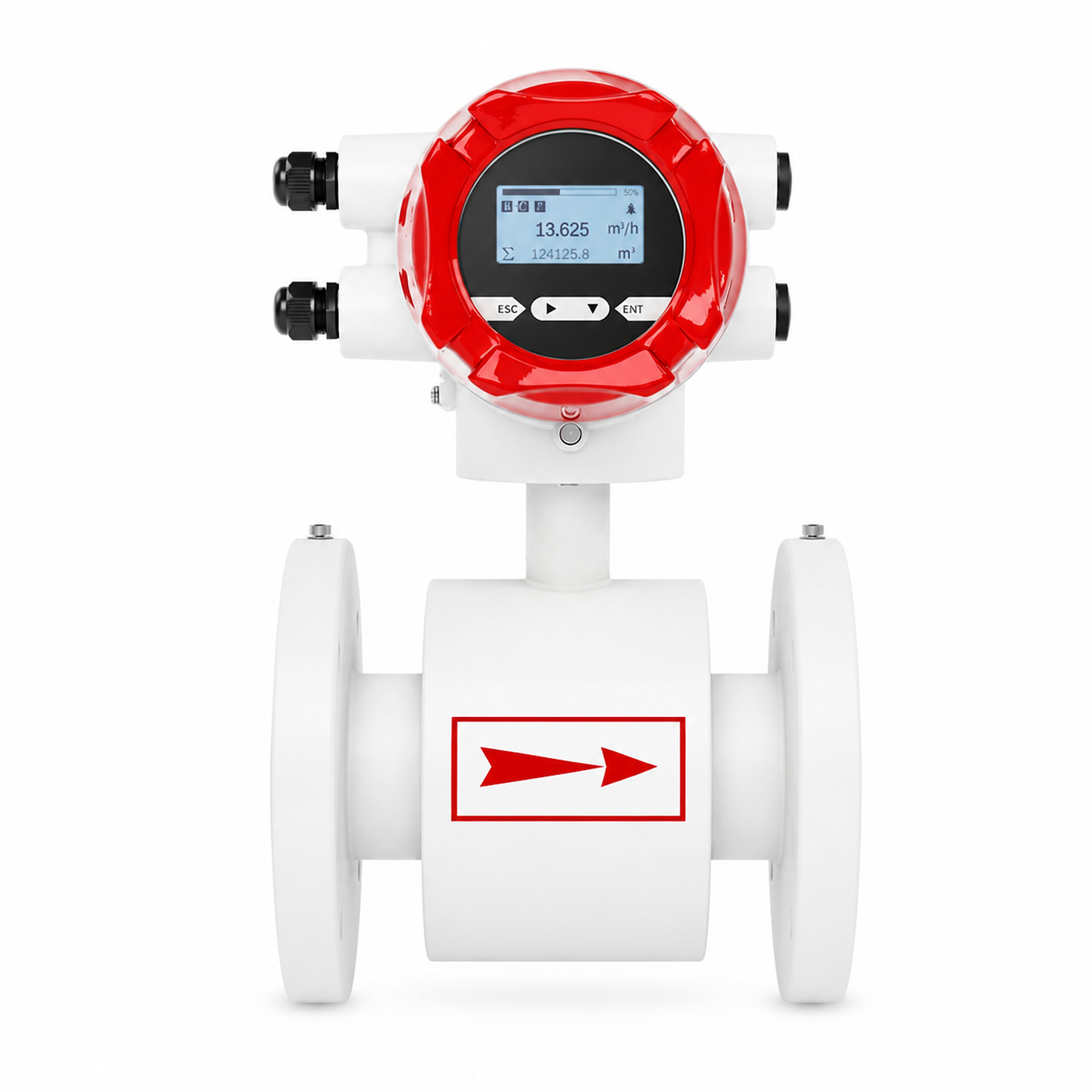
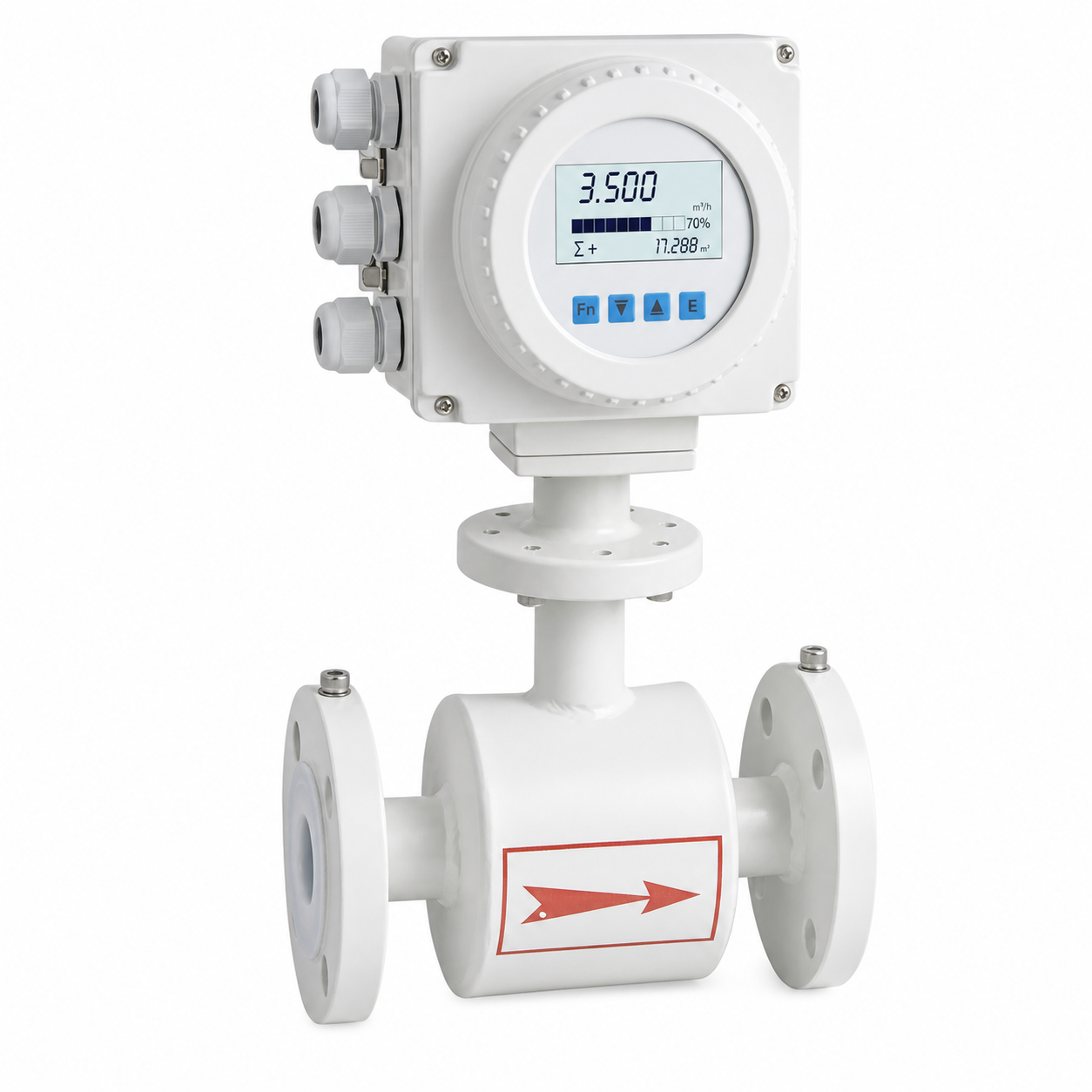
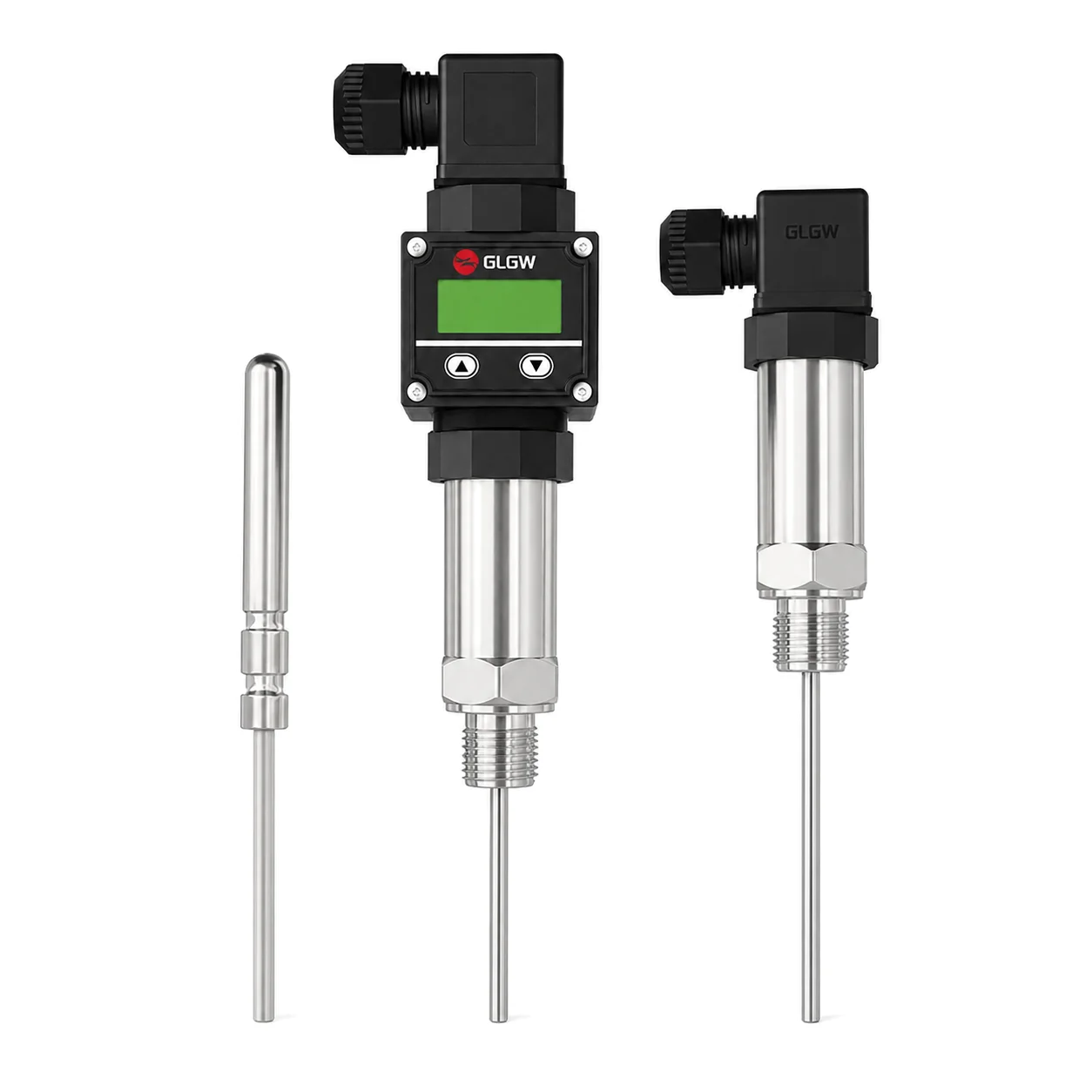
A water cooled server uses a liquid cooling system to transfer heat away from high-performance computing hardware. Instead of depending solely on air moving through the server chassis, cooling water or another compatible liquid can circulate through cold plates positioned near major heat sources such as processors. The cooling loop can include pumps, manifolds, tubing, heat exchangers, cooling distribution units, sensors, and control components. Water cooled servers are increasingly relevant to AI infrastructure, high-performance computing, cloud data centers, scientific research, and enterprise environments with growing rack power density. System design should consider server heat output, required flow rate, water quality, operating temperature, pressure, connection standards, material compatibility, and facility infrastructure. Monitoring temperature, pressure, and flow can support system management and maintenance. A well-designed water cooling architecture can provide a scalable thermal management approach for demanding computing workloads and future equipment expansion.
Frequently Asked Questions

What is a water cooled server?

A water cooled server uses a liquid cooling system to transfer heat away from high-performance components. Water or another compatible cooling medium circulates through cooling plates and related components, carrying thermal energy toward a heat exchanger or facility cooling system.
Water cooling can provide direct heat transfer close to high-load components, making it useful for servers with substantial thermal output. It is particularly relevant to AI, HPC, cloud computing, and other environments where rack density continues to increase.
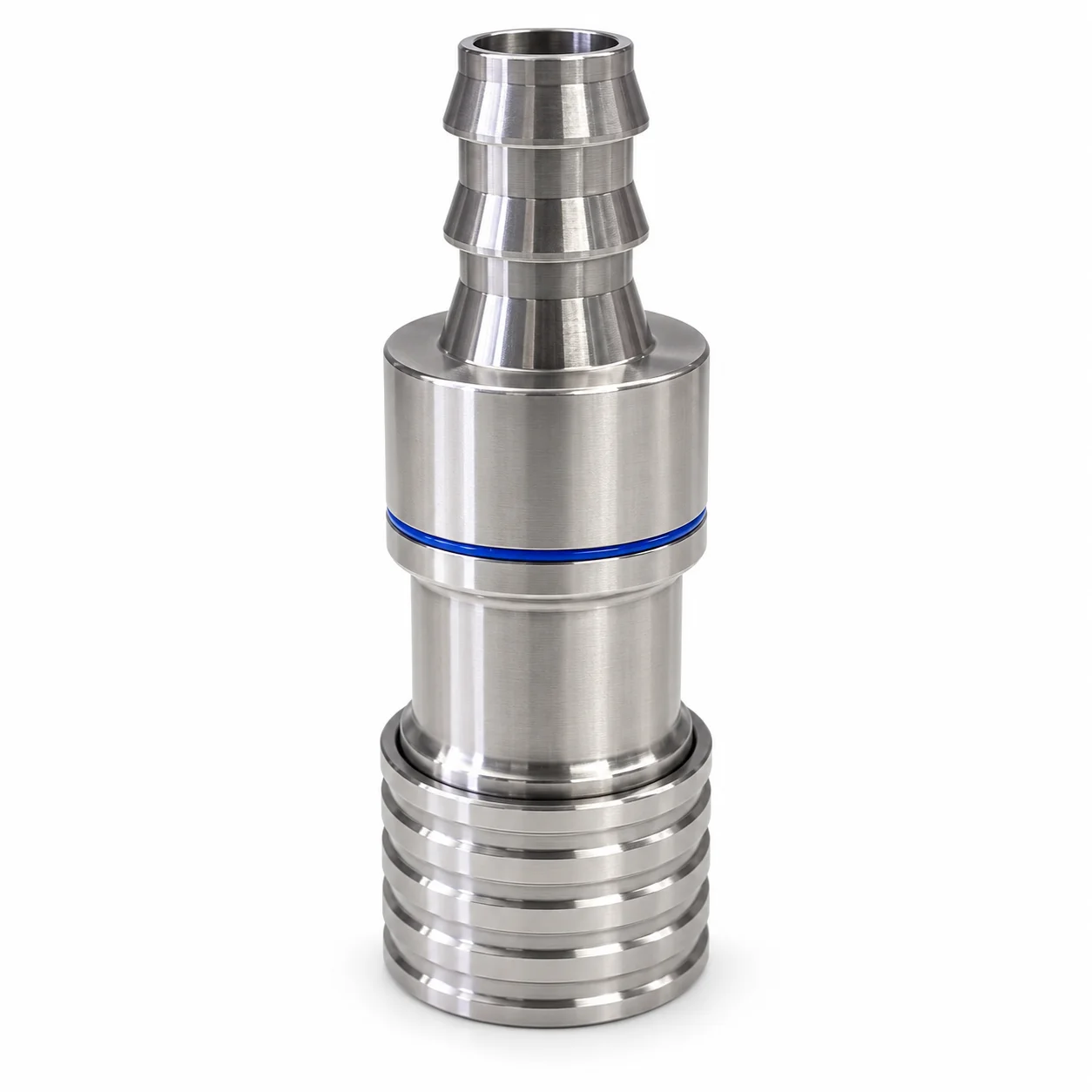
A typical system may include cold plates, pumps, manifolds, tubing, fittings, heat exchangers, cooling distribution units, sensors, and control equipment. The exact configuration depends on server design, heat load, facility infrastructure, and cooling architecture.
Yes. Water cooling can be designed for high-density racks where thermal loads exceed the practical capacity of conventional airflow. The system should be sized according to server heat output, required flow, facility cooling capacity, and planned rack expansion.
Maintenance can include checking fluid quality, connections, tubing, pumps, filters, temperature, pressure, and flow conditions. Regular monitoring helps identify abnormal system behavior and supports preventive maintenance of the liquid cooling infrastructure.

Related article

2026 Trends: Smart AI Needs Better Cables for Big Computer Buildings and Homes

08

May

2026 Trends: Smart AI Needs Better Cables for Big Computer Buildings and Homes

View More
Looking for Reliable PDU & Fibre Optic Cable Suppliers in China? Visit GLGW at the Global Sources Hong Kong Show (Booth 9B43)

08

May

Looking for Reliable PDU & Fibre Optic Cable Suppliers in China? Visit GLGW at the Global Sources Hong Kong Show (Booth 9B43)

View More
Fiber Optic Cable Deployment for Data Center Backbone.

25

Jun

Fiber Optic Cable Deployment for Data Center Backbone.

Real-world Project Cases Reflecting the Value of Standardized Fiber Optic Cable Deployment With more than sixteen years working in structured cabling and data center infrastructure construction, I have taken charge of dozens of data center backbon...
View More
How to classify data cables by usage scenarios?

14

Jul

How to classify data cables by usage scenarios?

Real World Field Experiences with Multi Environment Network Deployments During a comprehensive network migration for a financial headquarters last spring, our deployment crew encountered major connectivity dropouts across different operational floo...
View More

Customer Testimonials

Andrew Wilson

Our high-density computing servers required more direct heat removal. The water cooling system provided stable thermal management, while temperature and flow monitoring helped our team manage extended workloads.

Thomas Miller

We introduced liquid cooling to selected server racks during an infrastructure upgrade. The modular configuration helped us manage increased thermal loads without redesigning the entire facility.

Get a Free Quote

Our representative will contact you soon.
Email
Mobile/WhatsApp
Name
Company Name
Message
0/1000
Direct Component Cooling

Direct Component Cooling

Water cooled servers can use cold plates positioned directly against high-heat components to create a short and controlled heat transfer path. Cooling fluid absorbs thermal energy from processors and other critical components before moving toward a heat exchanger or cooling distribution system. This architecture is particularly relevant to servers used for AI workloads, high-performance computing, scientific applications, and other demanding tasks. Engineers can design the cooling loop around server heat output, required flow rate, operating temperature, and available facility infrastructure. Monitoring temperature and flow conditions provides additional visibility into system operation. With appropriate component selection and system integration, direct liquid cooling can support demanding server workloads while maintaining a structured thermal management architecture.
High-Density Rack Cooling

High-Density Rack Cooling

Increasing server performance can raise the amount of heat generated within a single rack. Water cooled server infrastructure provides a way to address concentrated thermal loads by transferring heat directly from high-performance components into a liquid circulation system. Depending on the installation, the architecture may include rack manifolds, cooling distribution units, pumps, heat exchangers, and monitored supply and return lines. Engineers can plan cooling capacity around current rack requirements while allowing additional capacity for future equipment. Facility considerations such as water quality, connection points, pressure, temperature, and maintenance access should be evaluated during system design. This coordinated approach supports thermal management in increasingly dense computing environments.
Scalable Liquid Cooling

Scalable Liquid Cooling

Water cooled server systems can be introduced as part of a phased data center cooling strategy. Instead of converting every server rack at once, operators can deploy liquid cooling for equipment with the highest thermal requirements and expand coverage as computing demand grows. Modular pumps, manifolds, cooling distribution units, and heat exchangers can be planned around current and future capacity. Monitoring systems can track temperature, pressure, and flow to support operational management. The scalability of the architecture depends on facility infrastructure and system design, but careful planning can reduce the complexity of future upgrades. This makes water-based cooling relevant to data centers preparing for higher server performance and rack density.

Get a Free Quote

Our representative will contact you soon.
Email
Mobile/WhatsApp
Name
Company Name
Message
0/1000