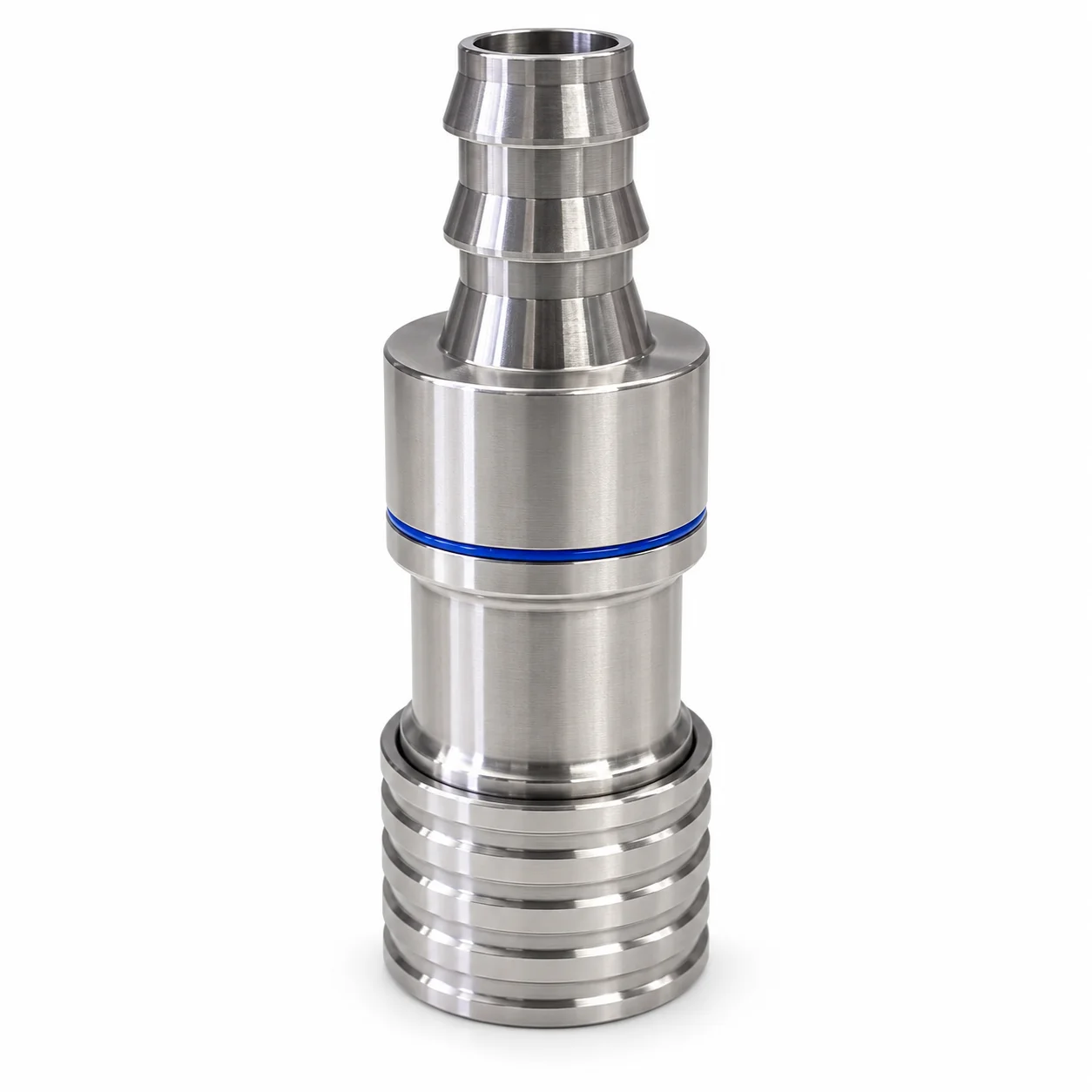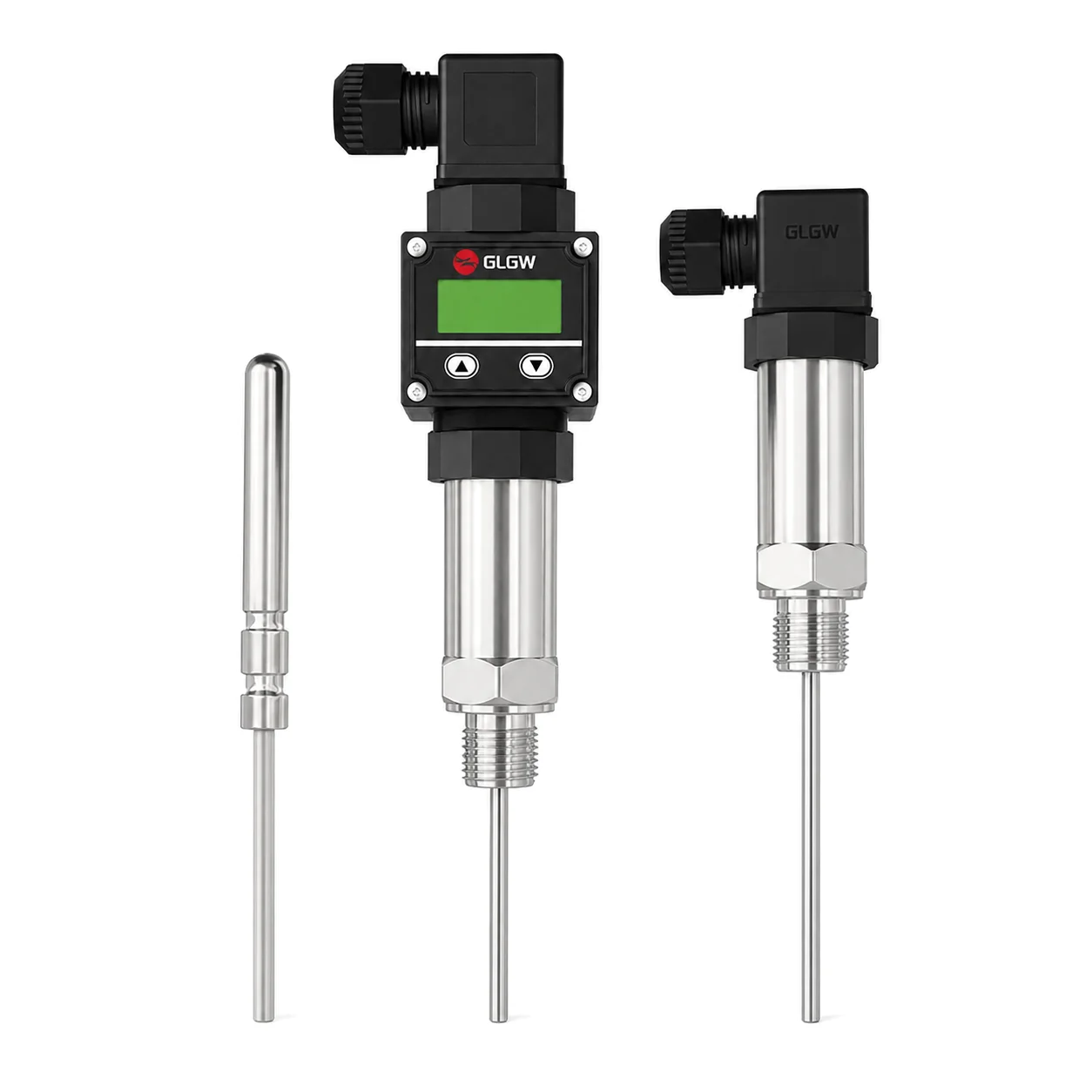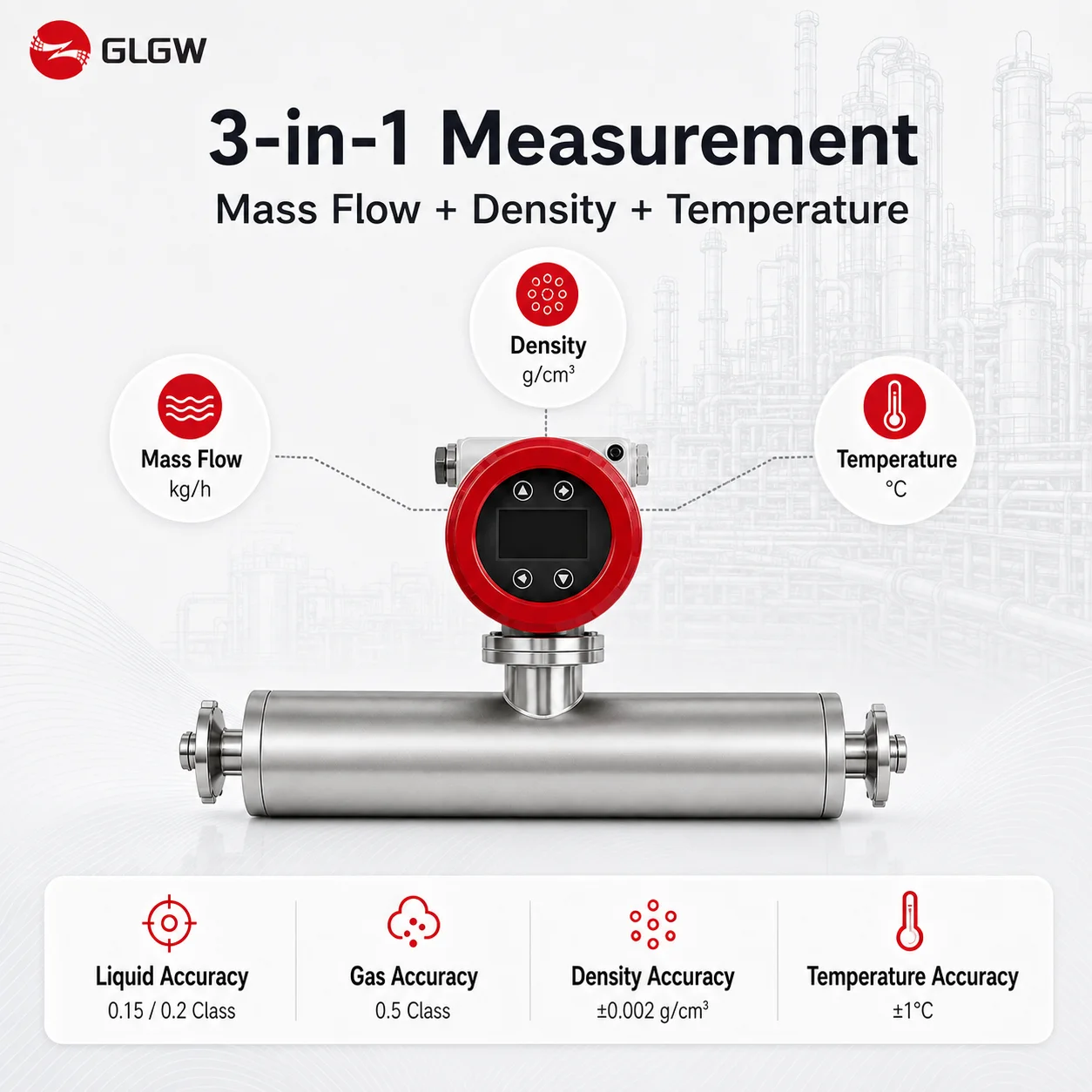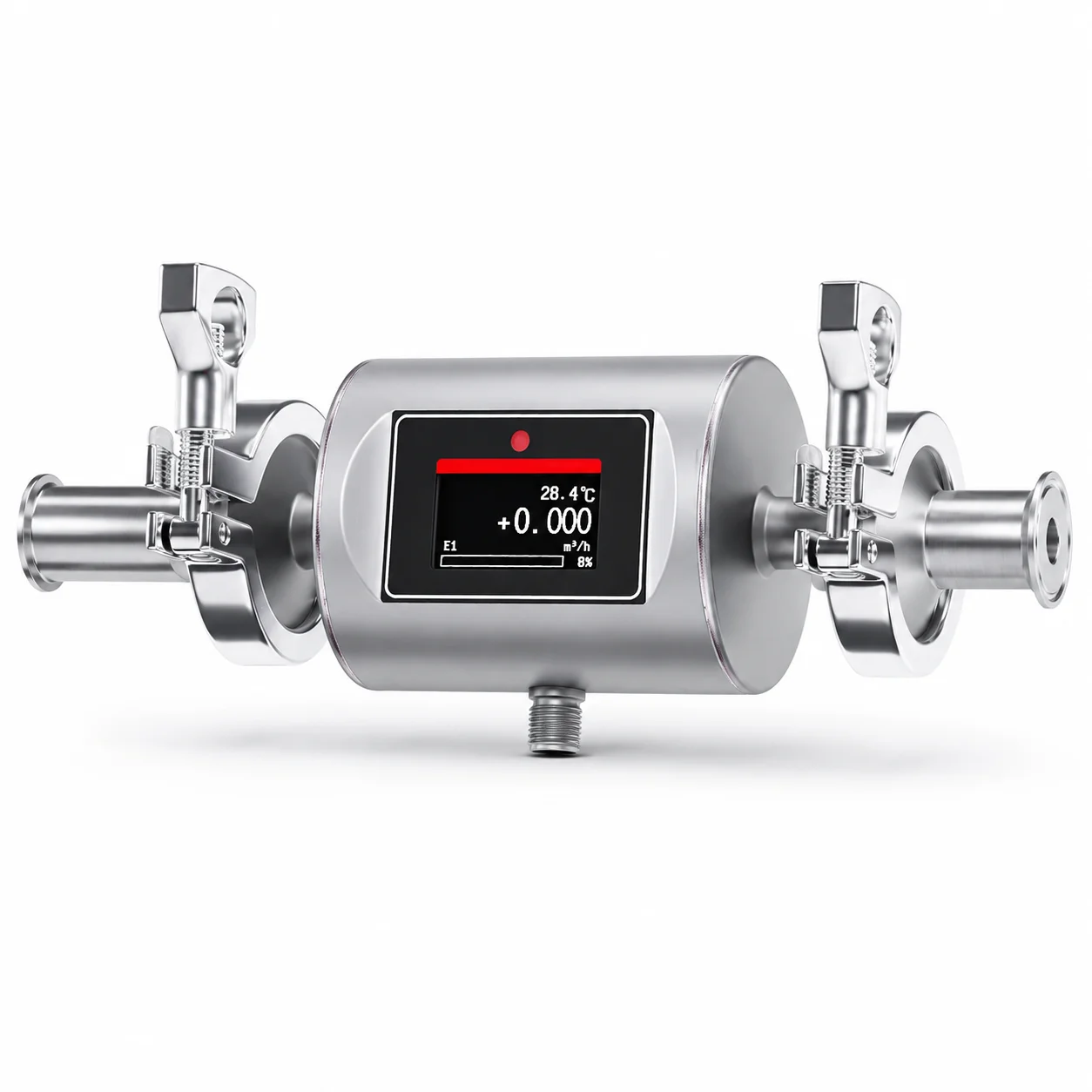
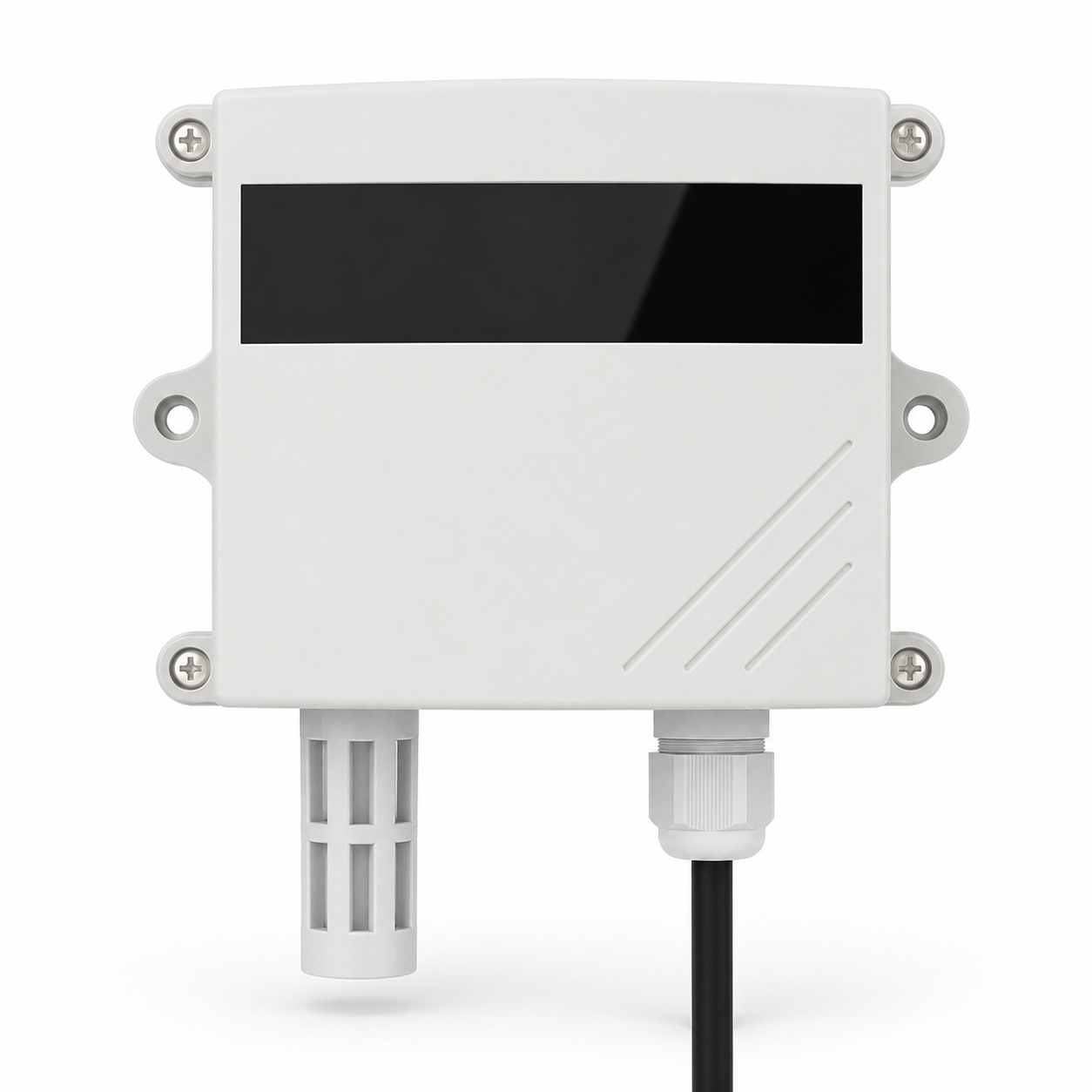
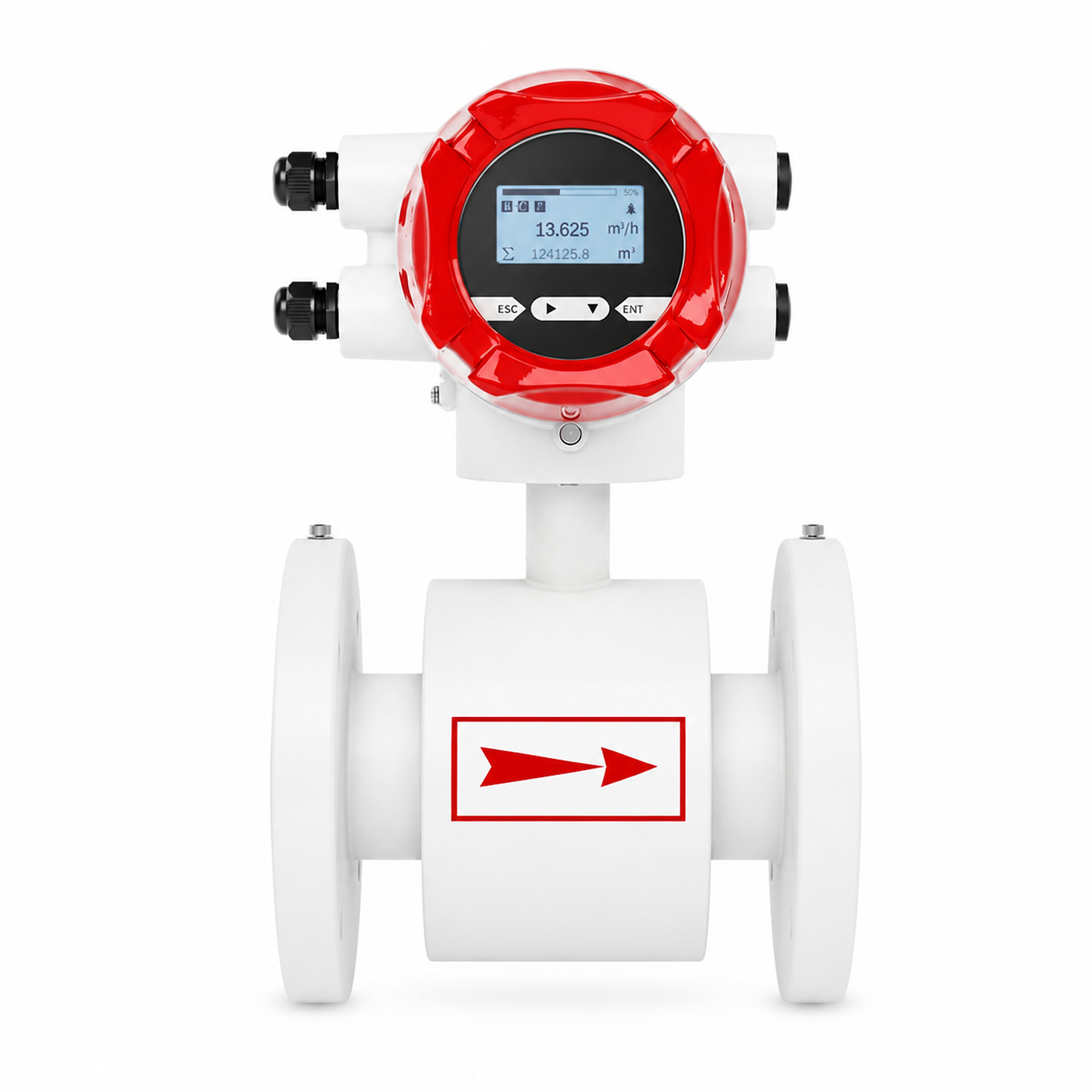
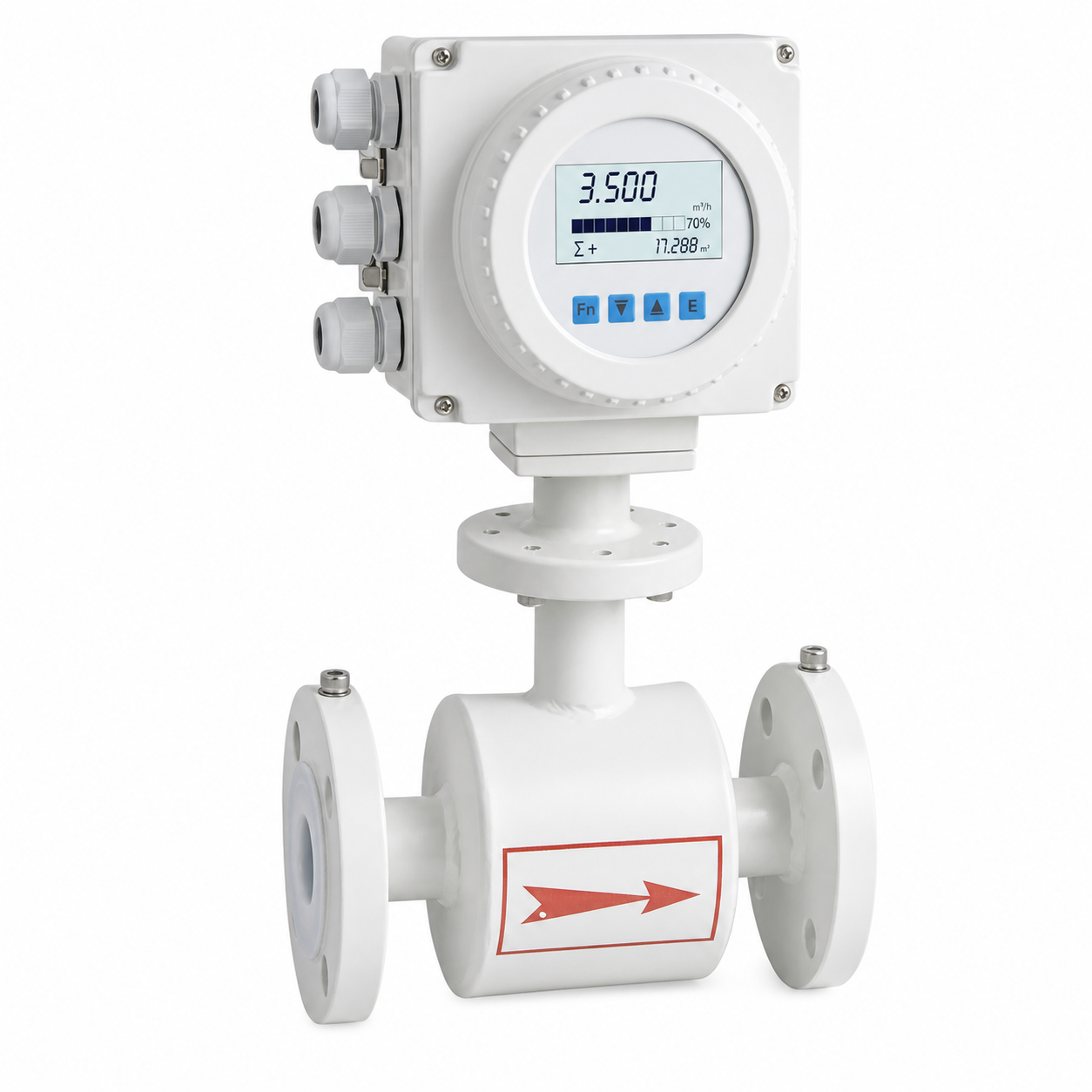
A water cooled server uses a liquid cooling system to transfer heat away from high-performance computing hardware. Instead of depending solely on air moving through the server chassis, cooling water or another compatible liquid can circulate through cold plates positioned near major heat sources such as processors. The cooling loop can include pumps, manifolds, tubing, heat exchangers, cooling distribution units, sensors, and control components. Water cooled servers are increasingly relevant to AI infrastructure, high-performance computing, cloud data centers, scientific research, and enterprise environments with growing rack power density. System design should consider server heat output, required flow rate, water quality, operating temperature, pressure, connection standards, material compatibility, and facility infrastructure. Monitoring temperature, pressure, and flow can support system management and maintenance. A well-designed water cooling architecture can provide a scalable thermal management approach for demanding computing workloads and future equipment expansion.
08
May
08
May
25
Jun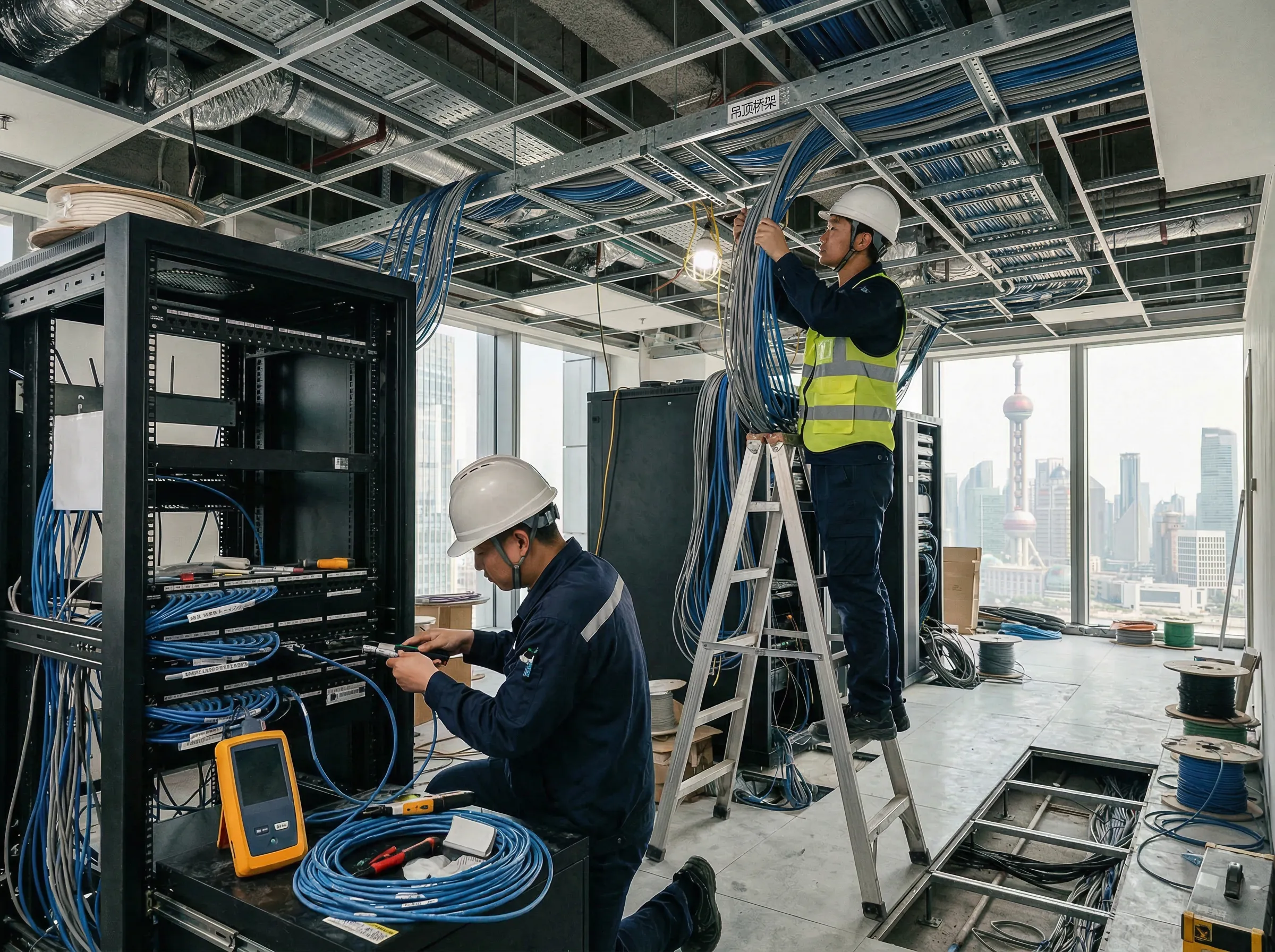
14
Jul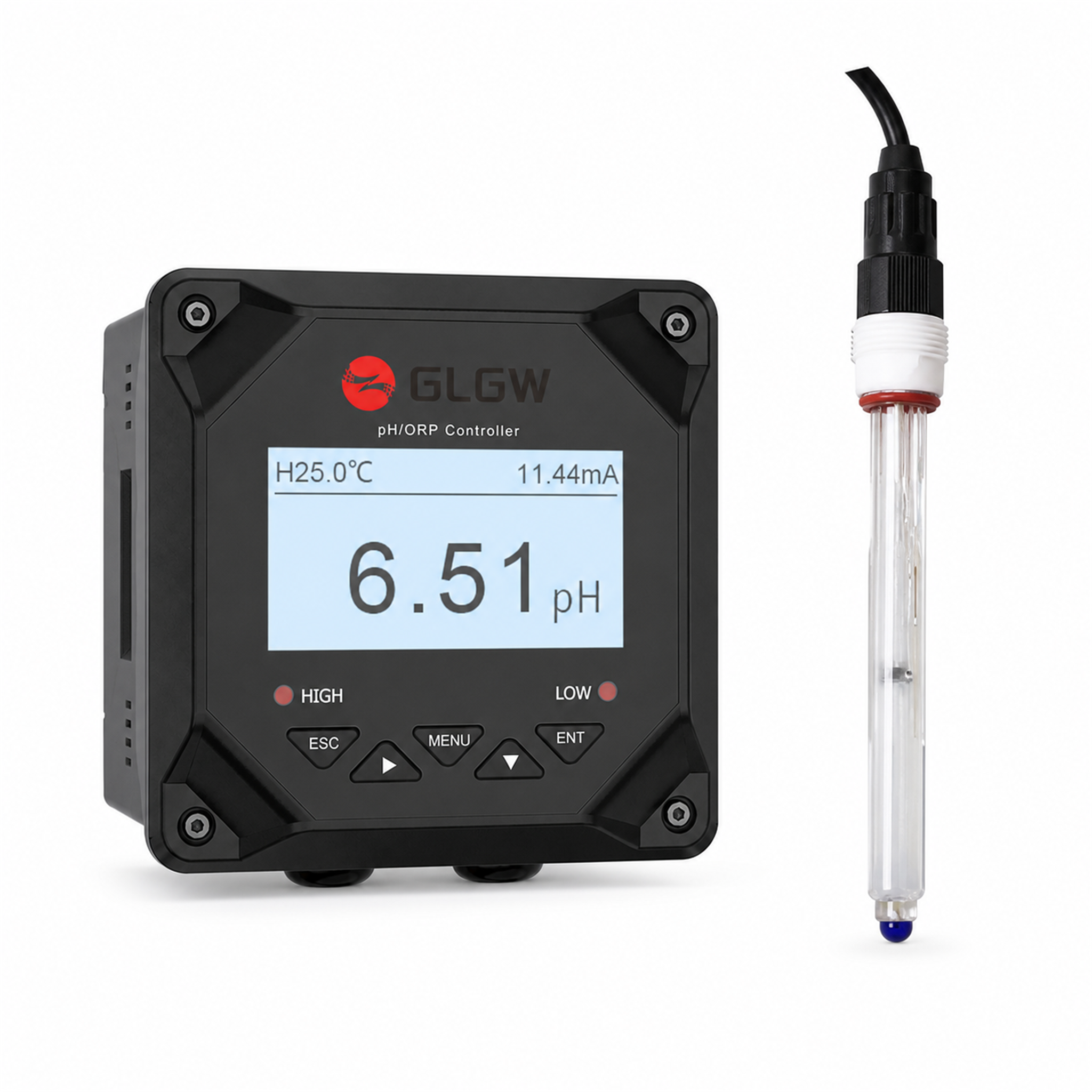
Copyright © 2026 by Ningbo GLGW Nova Materials Technology Co., Ltd. - Privacy policy
 EN
EN