Targeted Thermal Management for High-Power Computing
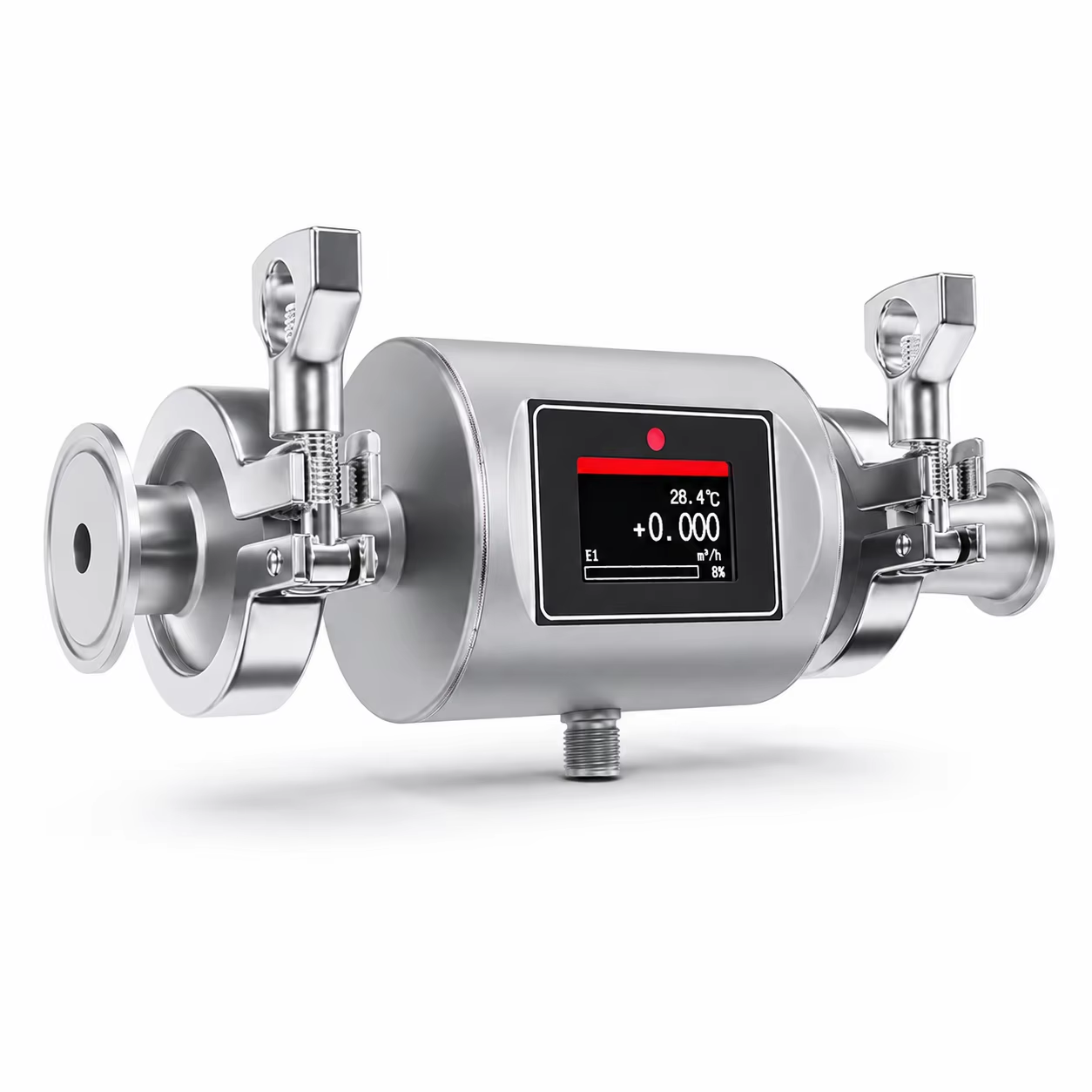
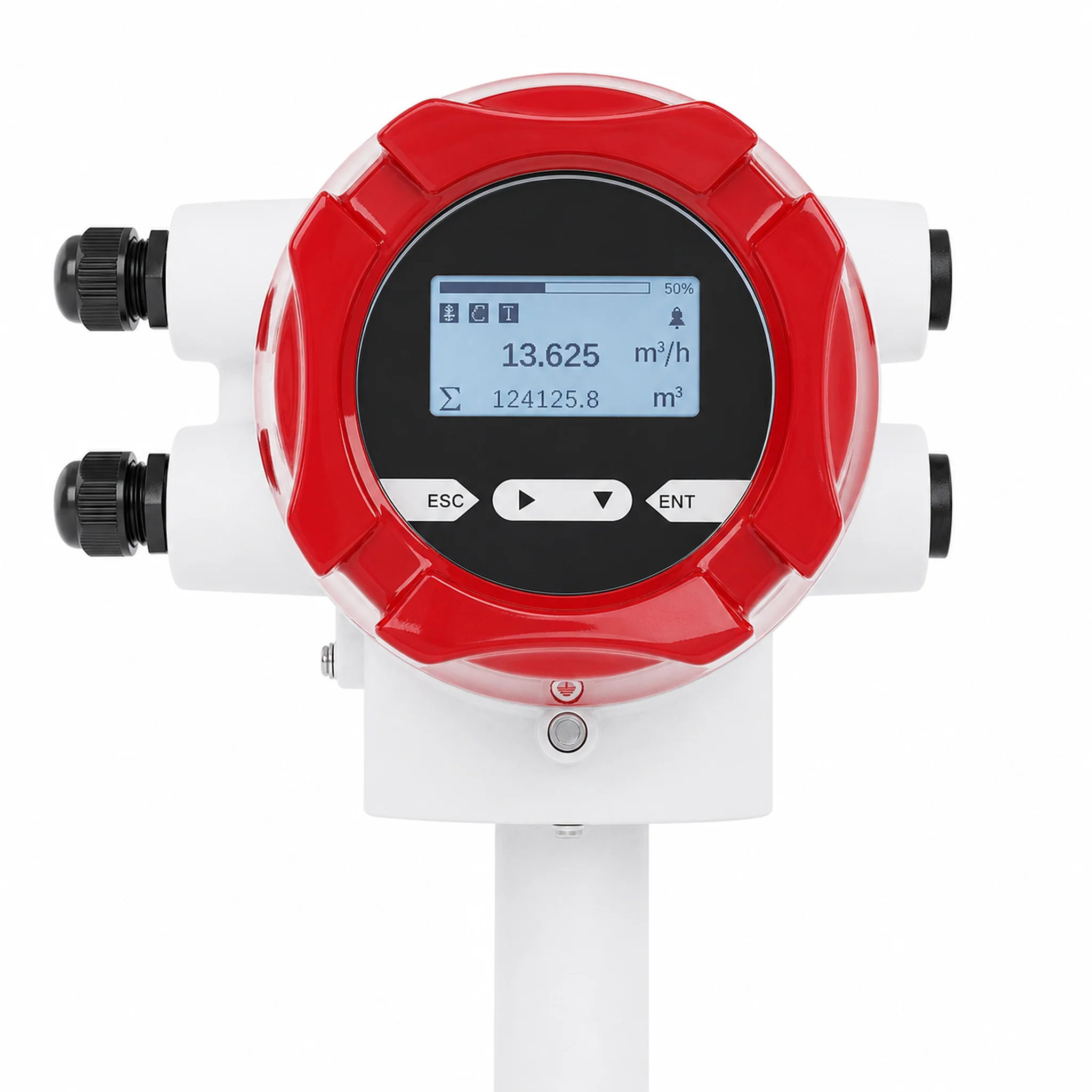
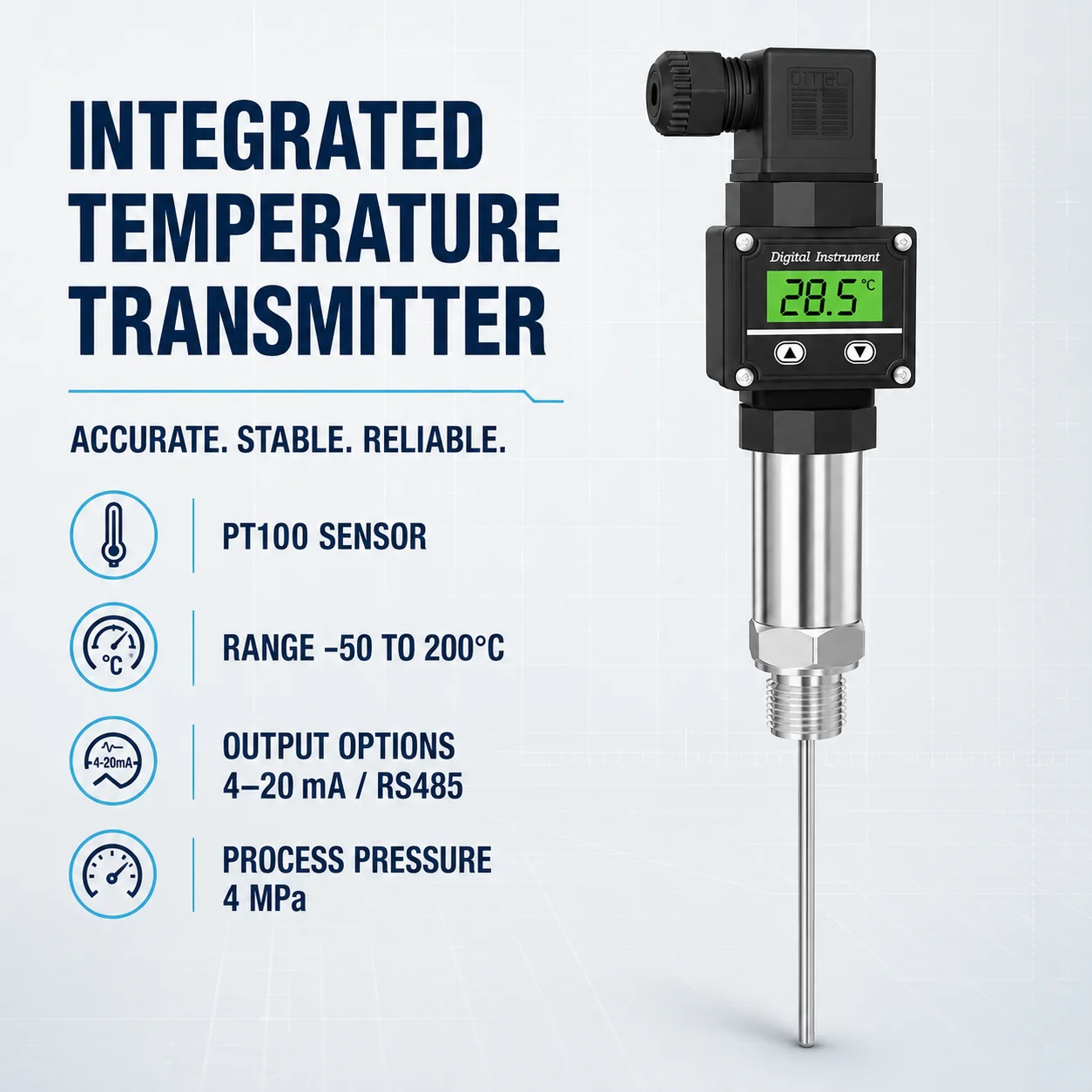
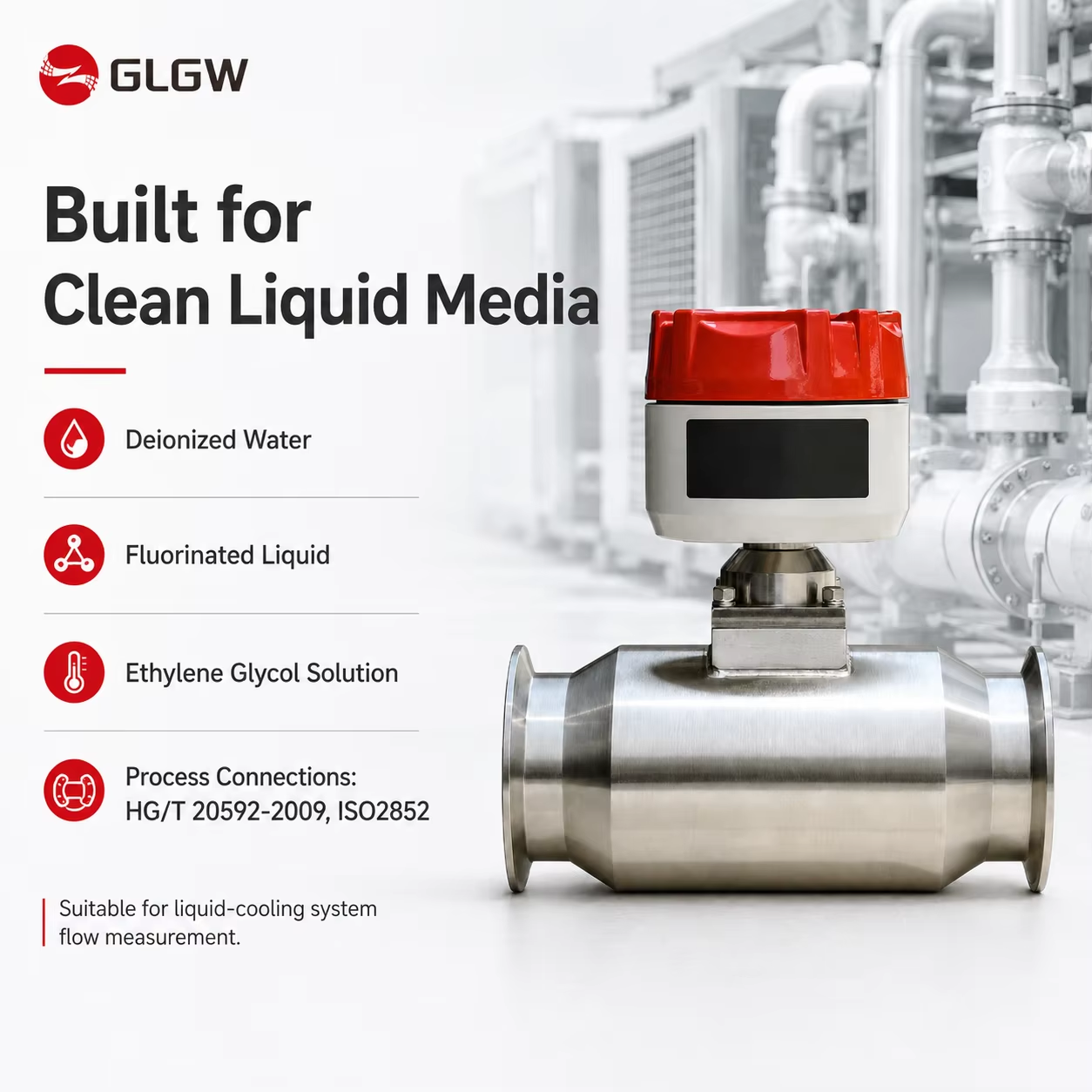
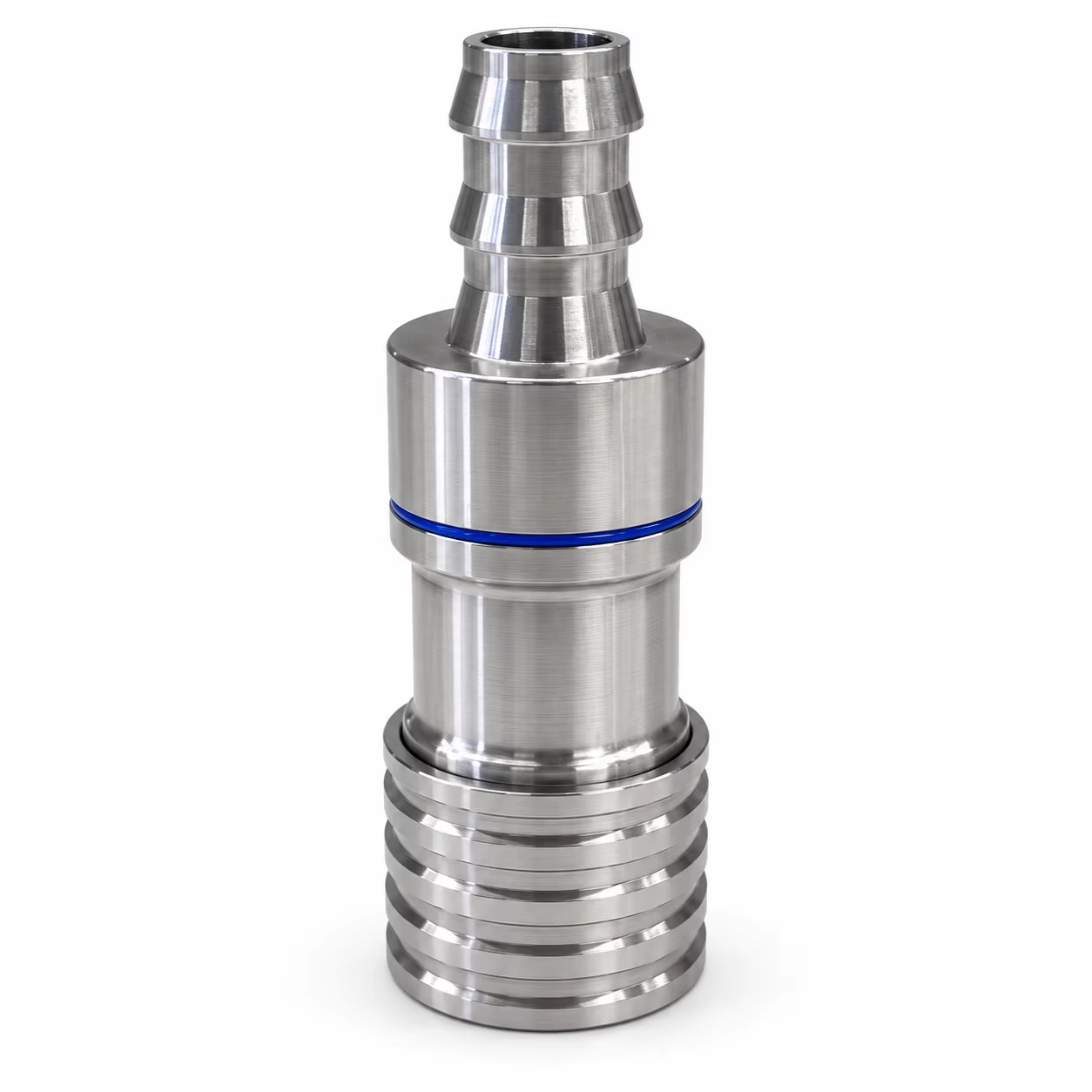
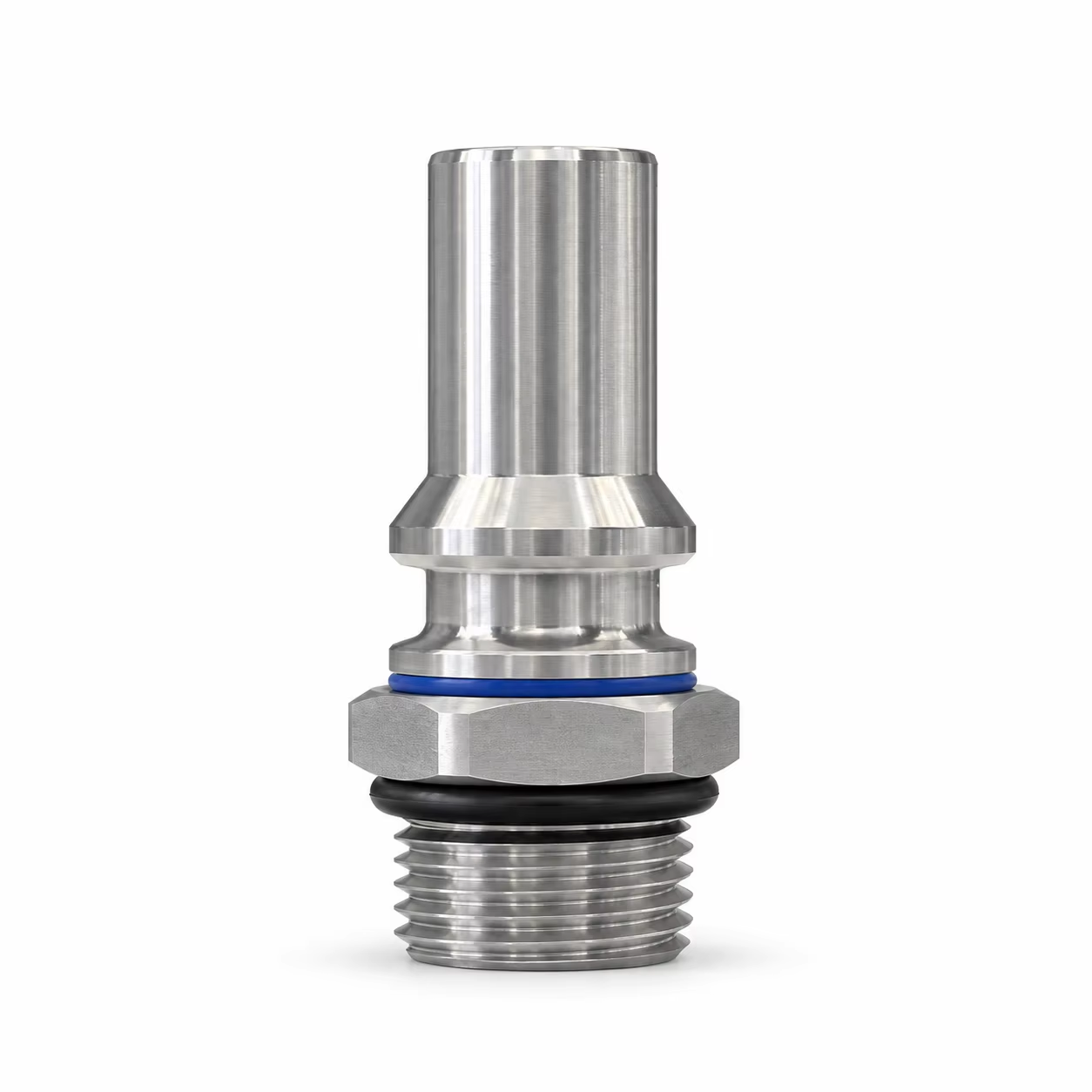
Direct liquid cooling transfers heat from high-power electronic components into a circulating coolant loop through a thermal interface positioned close to the heat source. This architecture is designed for applications where CPUs, GPUs, accelerators, or power modules generate concentrated thermal loads that can challenge conventional air cooling. Depending on system requirements, the configuration can include cold plates, pumps, manifolds, hoses, quick disconnects, coolant distribution units, heat exchangers, and monitoring components. System design can be matched to thermal load, coolant flow, pressure drop, supply and return temperatures, fluid compatibility, and equipment dimensions. Direct liquid cooling is suitable for AI servers, HPC systems, data centers, cloud infrastructure, telecom equipment, and other high-density computing environments requiring controlled and scalable heat management.
Get A Quote

 EN
EN