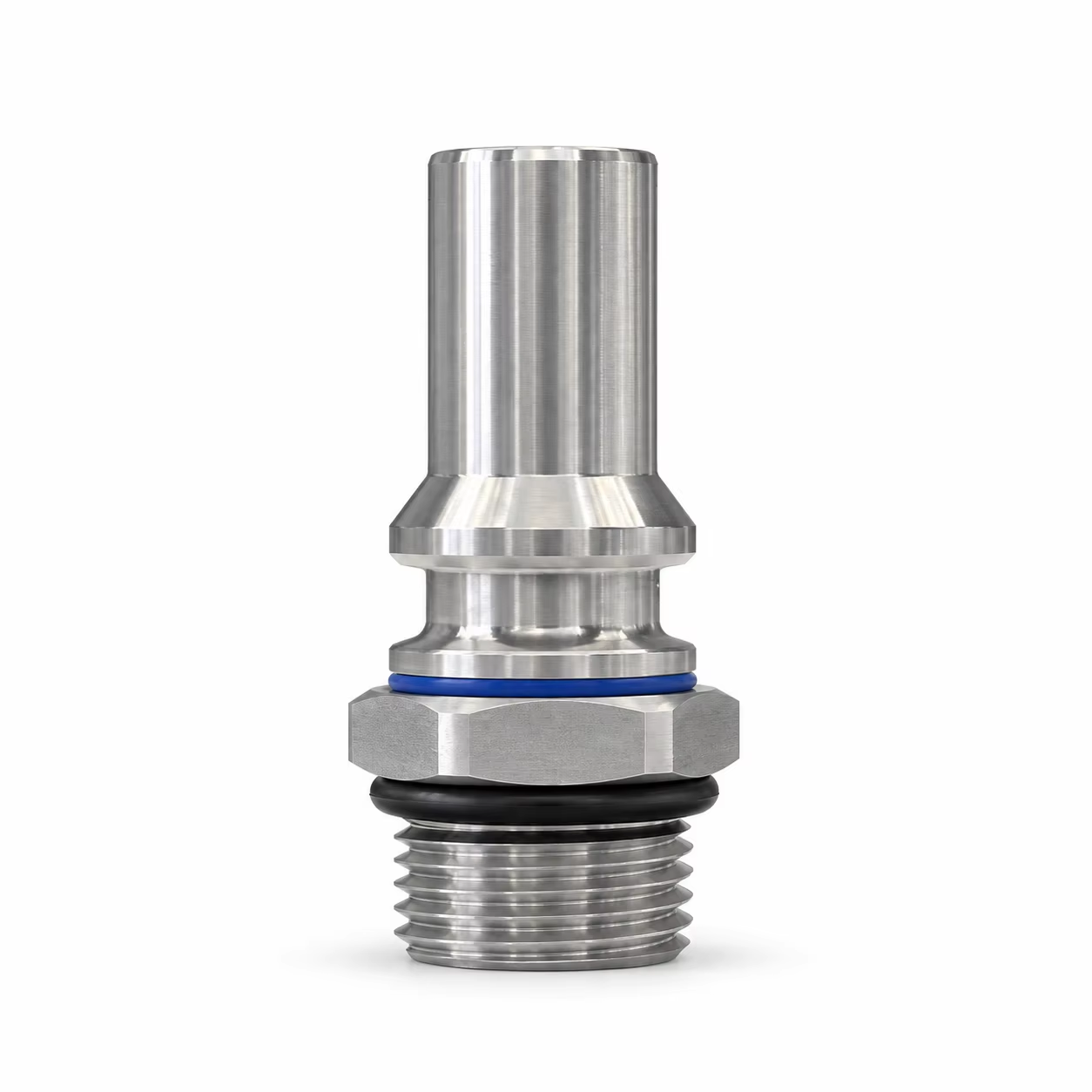
Direct Liquid Cooling for AI & HPC: Scalable Thermal Management

All Categories
Targeted Thermal Management for High-Power Computing

Targeted Thermal Management for High-Power Computing

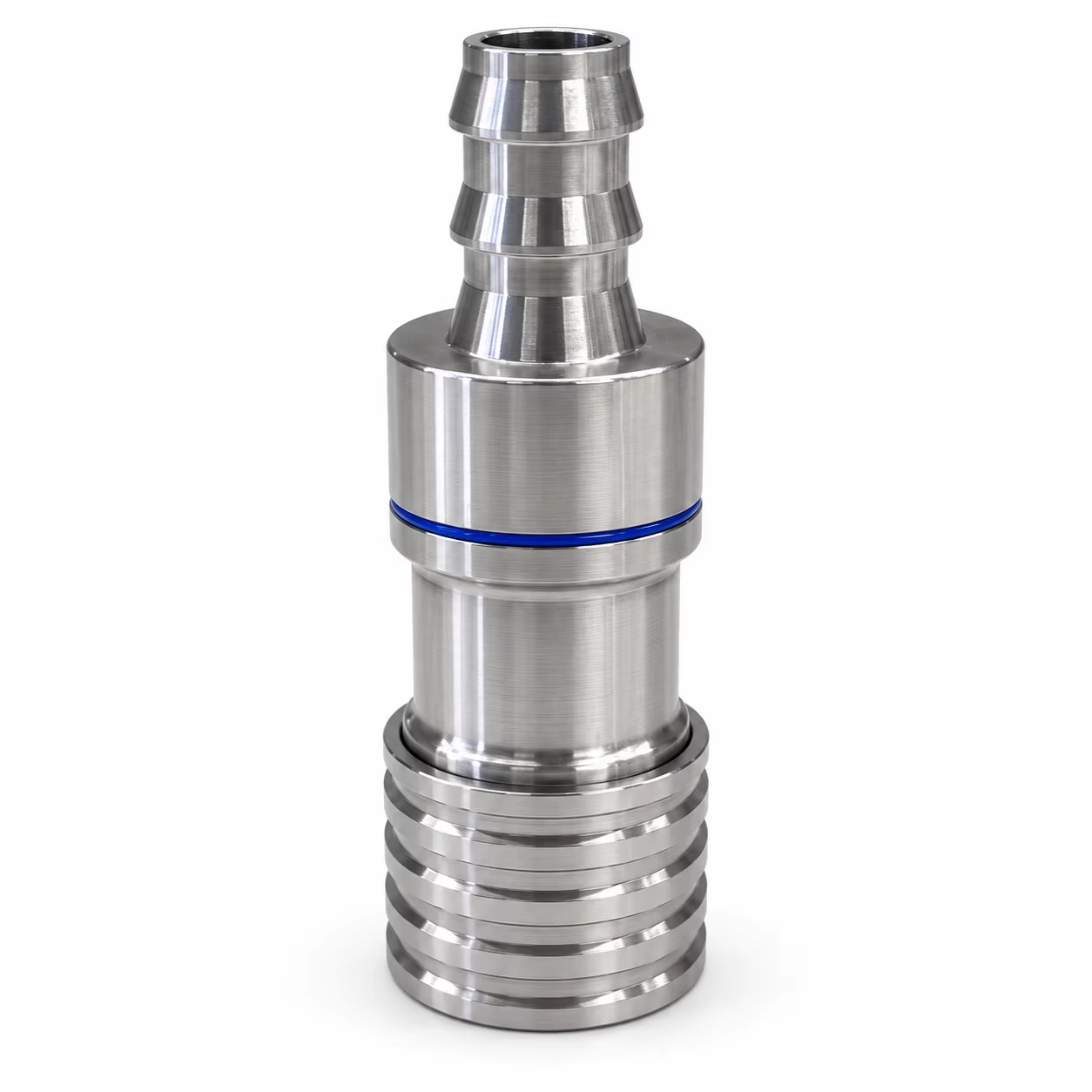
Direct liquid cooling transfers heat from high-power electronic components into a circulating coolant loop through a thermal interface positioned close to the heat source. This architecture is designed for applications where CPUs, GPUs, accelerators, or power modules generate concentrated thermal loads that can challenge conventional air cooling. Depending on system requirements, the configuration can include cold plates, pumps, manifolds, hoses, quick disconnects, coolant distribution units, heat exchangers, and monitoring components. System design can be matched to thermal load, coolant flow, pressure drop, supply and return temperatures, fluid compatibility, and equipment dimensions. Direct liquid cooling is suitable for AI servers, HPC systems, data centers, cloud infrastructure, telecom equipment, and other high-density computing environments requiring controlled and scalable heat management.
Get A Quote

Case Study

Direct Cooling for AI Accelerators

An AI server platform required a more targeted approach to managing heat from densely installed GPU accelerators. A direct liquid cooling architecture was configured with cold plates mounted directly to the GPU packages and connected to a coolant distribution loop. The design considered accelerator dimensions, thermal load, required flow rate, pressure drop, coolant compatibility, and service access. Manifolds distributed coolant across multiple processors, while quick disconnect couplings supported equipment maintenance. Heat collected from the GPU cold plates was transferred toward the heat rejection system through the liquid loop. This architecture provided a structured approach to managing processor-level heat within a high-density rack and allowed additional cooled nodes to be integrated as computing capacity expanded.

HPC Processor Cooling

A high-performance computing cluster required stable thermal management for CPUs and accelerators operating under sustained workloads. Direct liquid cooling was introduced at the processor level using application-specific cold plates and a controlled coolant loop. The cooling design incorporated manifolds, pumps, hoses, and heat exchange equipment according to the cluster's thermal requirements. Key considerations included processor heat output, coolant flow, supply temperature, return temperature, pressure limits, and cold plate mounting. Because the cooling interface was positioned directly at the primary heat sources, the architecture could concentrate liquid cooling where it was most needed. The modular configuration also supported maintenance access and future expansion across additional high-performance computing nodes.

Data Center Cooling Upgrade

A data center preparing for higher server power density evaluated direct liquid cooling for selected AI and HPC racks. Cold plates were installed at the CPU and GPU level and connected to rack distribution infrastructure through hoses, manifolds, and quick disconnects. A CDU could separate the technology cooling loop from the facility water circuit while providing controlled coolant distribution. Deployment planning considered rack heat load, coolant temperature, available flow capacity, pipe routing, pressure drop, and maintenance requirements. Rather than replacing every existing cooling system, the operator could introduce direct liquid cooling in areas with higher thermal demands. This phased architecture provided a practical framework for integrating new high-density computing equipment into an existing facility.

Related products

Direct liquid cooling is a component-level thermal management method that transfers heat from processors and other high-power electronics into a circulating liquid. A typical system can use cold plates positioned directly against CPUs, GPUs, or accelerators, with coolant supplied through manifolds, pumps, hoses, and quick disconnect fittings. Depending on the installation, the loop may also include a CDU, heat exchanger, reservoir, sensors, and control components. Important design parameters include processor dimensions, thermal load, coolant type, flow rate, pressure drop, supply and return temperature, mounting configuration, and connection layout. Direct liquid cooling can be configured for individual servers, multi-GPU platforms, complete racks, or larger data center deployments. It is particularly relevant to AI computing, HPC, cloud infrastructure, telecom systems, and other applications where high component-level heat generation requires localized thermal management and a scalable cooling architecture.

Frequently Asked Questions

What is direct liquid cooling?

Direct liquid cooling is a thermal management method that delivers coolant close to the primary heat source, typically through a cold plate mounted directly on a CPU, GPU, or accelerator. Heat transfers from the device into the liquid, which then circulates toward a heat exchanger or cooling distribution unit.
A cold plate absorbs heat from the processor while coolant flows through internal channels. The warmed coolant travels through hoses or manifolds to a CDU or heat exchanger, where heat is transferred away before the coolant returns to the cooling loop. Flow, pressure, and temperature are controlled according to system requirements.
Yes. Direct liquid cooling can be designed for GPU accelerators used in AI and HPC servers. The cold plate must match the GPU package, mounting pattern, thermal load, coolant requirements, and available flow conditions. Multiple GPU cold plates can be connected through manifolds to support multi-accelerator server configurations.
A system may include cold plates, pumps, manifolds, hoses, quick disconnects, a CDU, heat exchanger, reservoir, sensors, and control valves. The exact configuration depends on the equipment and facility. Some applications use a simple closed loop, while larger data centers require rack-level distribution and facility-side heat rejection.
Selection should consider total thermal load, processor dimensions, coolant type, flow rate, pressure drop, supply and return temperatures, mounting requirements, fluid compatibility, connection interfaces, and maintenance access. For rack deployments, designers should also evaluate distribution capacity, CDU requirements, facility infrastructure, and future equipment expansion.

Related article

Fiber Optic Patch Panel: High-Density Modular Rack-Mount Solution for Reliable Network Management

21

May

Fiber Optic Patch Panel: High-Density Modular Rack-Mount Solution for Reliable Network Management

Discover how a high-density fiber optic patch panel improves cable organization, network reliability, scalability, and maintenance for data centers, telecom, FTTX, and enterprise networks.
View More
Patch cord bending radius affects network performance.

17

Jun

Patch cord bending radius affects network performance.

Real-world cases showing the impact of improper bending on daily network operation Working in the structured cabling and network connectivity sector for over sixteen years, I have witnessed countless network faults traced back to unreasonable bend...
View More
How to classify data cables by usage scenarios?

14

Jul

How to classify data cables by usage scenarios?

Real World Field Experiences with Multi Environment Network Deployments During a comprehensive network migration for a financial headquarters last spring, our deployment crew encountered major connectivity dropouts across different operational floo...
View More
What Connector Types for Ethernet Patch Cable?

18

Jul

What Connector Types for Ethernet Patch Cable?

Real World Field Challenges with Commercial Network Overhauls During a massive network overhaul for an e-commerce fulfillment hub last year, my deployment team faced an unexpected wave of packet drops and intermittent link drops across the main pac...
View More

Customer Testimonials

Ryan Mitchell

We integrated direct liquid cooling into a dense GPU server platform and found the component-level approach practical for managing concentrated heat. The modular connections also supported our maintenance workflow.

Daniel Brooks

The cooling configuration gave our HPC team a structured way to connect processor cold plates with rack distribution equipment while keeping installation and future expansion considerations manageable.

Get a Free Quote

Our representative will contact you soon.
Email
Mobile/WhatsApp
Name
Company Name
Message
0/1000
Component-Level Heat Transfer

Component-Level Heat Transfer

Direct liquid cooling places the cooling interface at or very close to the processor, allowing heat to move directly from the device into a circulating coolant. Cold plates can be engineered with internal channels designed around the processor footprint, thermal load, coolant characteristics, and required flow conditions. This approach is useful for CPUs, GPUs, accelerators, and other components that generate concentrated heat. The warmed coolant then travels through the distribution loop toward a CDU or heat exchanger for heat rejection. By focusing cooling capacity on major heat sources, the architecture can provide localized thermal management within servers and racks. Cold plate mounting, sealing, pressure, and connection design remain important parts of the overall system.
Flexible System Integration

Flexible System Integration

A direct liquid cooling system can be built from modular components according to the application. Cold plates provide the device interface, while manifolds distribute coolant across multiple processors and pumps maintain circulation through the loop. Hoses and quick disconnect couplings can simplify equipment connections and service procedures. Larger installations may incorporate a CDU, heat exchanger, reservoir, valves, and sensors for controlled thermal management. System designers can configure the architecture around supply and return temperatures, flow rate, pressure drop, coolant compatibility, and available facility infrastructure. This flexibility allows direct liquid cooling to be implemented in individual servers, multi-GPU platforms, complete racks, or larger data center environments without requiring a single fixed system architecture.
Scalable AI and HPC Cooling

Scalable AI and HPC Cooling

AI and HPC platforms continue to increase computing density, creating greater thermal management requirements at the processor level. Direct liquid cooling provides a framework for addressing these concentrated loads through dedicated cold plates and controlled coolant distribution. A system can begin with selected high-power processors and expand across additional servers or racks as requirements change. Deployment planning can evaluate rack heat density, processor thermal load, coolant flow, CDU capacity, heat rejection requirements, pipe routing, and maintenance access. Modular manifolds and quick disconnects can help organize connections between server-level cooling assemblies and rack infrastructure. This architecture supports applications ranging from AI accelerator clusters to enterprise data centers and specialized high-performance computing environments.

Get a Free Quote

Our representative will contact you soon.
Email
Mobile/WhatsApp
Name
Company Name
Message
0/1000