Liquid Cooled Cold Plate: Direct-to-Chip Thermal Management for AI & HPC

All Categories
Efficient Thermal Management for High-Density Electronics

Efficient Thermal Management for High-Density Electronics

A liquid cooled cold plate provides direct and efficient heat transfer from high-power electronic components to a circulating coolant. By integrating internal channels or flow paths, the cold plate can remove heat from CPUs, GPUs, power modules, and other high-density devices while supporting controlled thermal performance. Depending on system requirements, designs can use copper, aluminum, or other thermally conductive materials and be configured for different mounting patterns, coolant types, flow rates, and pressure conditions. A liquid cooled cold plate can be integrated with pumps, manifolds, hoses, quick disconnects, heat exchangers, or CDUs to create a complete cooling loop. This architecture is suitable for AI servers, HPC systems, data centers, telecom equipment, and industrial electronics.
Get A Quote

Case Study

Direct Cooling for High-Power GPUs

An AI computing deployment required more effective heat removal from densely installed GPU accelerators. A liquid cooled cold plate was positioned directly against each GPU package to transfer heat into a circulating coolant loop. The cooling architecture included manifolds, hoses, quick disconnects, and a centralized heat rejection system. Cold plate selection considered GPU dimensions, mounting interfaces, thermal load, coolant compatibility, flow rate, and allowable pressure drop. This configuration helped create a more controlled thermal environment while reducing reliance on conventional air cooling around high-power processors. The modular approach also allowed individual cooling assemblies to be serviced or expanded as the computing platform increased its accelerator density.

CPU Cooling for High-Density Servers

A high-performance server platform required liquid cooling for processors operating under sustained computational workloads. A liquid cooled cold plate was selected according to CPU package dimensions, mounting requirements, thermal design power, and available coolant flow. The cold plate connected to a manifold and distribution loop, allowing coolant to circulate through engineered internal channels before returning to the heat exchanger. This design provided a direct thermal path between the processor and cooling fluid, helping maintain more stable operating temperatures. The solution can be adapted for different server architectures and integrated with rack-level cooling infrastructure where multiple CPU nodes require coordinated thermal management.

Data Center Thermal Upgrade

A data center upgrading from traditional air cooling needed a liquid-based solution for increasing rack heat density. Liquid cooled cold plates were installed on selected processors and connected to a controlled distribution loop through hoses and quick disconnect fittings. System planning considered heat load, coolant temperature, flow requirements, pressure drop, maintenance access, and compatibility with existing rack infrastructure. A CDU or heat exchanger can be incorporated between the facility water loop and technology cooling loop when isolation or fluid management is required. This approach allows cooling capacity to be concentrated where heat is generated, supporting gradual deployment without requiring every rack to be redesigned at the same time.

Related products

A liquid cooled cold plate is a heat transfer component designed to remove thermal energy directly from CPUs, GPUs, power electronics, laser modules, and other high-power devices. The plate typically contains engineered internal channels that guide coolant across the heat-generating area, transferring heat from the device interface into the liquid loop. Depending on the application, the cold plate can be manufactured with copper, aluminum, or other suitable materials and configured around specific component dimensions and mounting patterns. Key parameters include thermal load, coolant type, flow rate, pressure drop, operating temperature, channel configuration, sealing method, and connection interface. For data center and HPC applications, the cold plate can work with manifolds, pumps, hoses, quick disconnects, heat exchangers, or cooling distribution units. This modular architecture supports direct-to-chip cooling and can be scaled across single processors, multi-GPU servers, or complete high-density racks.

Frequently Asked Questions

What is a liquid cooled cold plate?

A liquid cooled cold plate is a thermal management component that transfers heat from an electronic device into circulating coolant. Internal channels distribute liquid through the plate while the mounting surface contacts the heat source. It is commonly used for CPUs, GPUs, power modules, and other high-heat components.
Liquid cooling can provide a direct thermal path from the device to the coolant, allowing efficient heat removal from high-density components. Compared with conventional air cooling, a cold plate solution can concentrate cooling at specific heat sources and support higher thermal loads when properly designed.
Copper and aluminum are commonly considered because of their thermal conductivity, weight, manufacturing characteristics, and system requirements. Material selection also depends on coolant chemistry, corrosion considerations, operating temperature, pressure, weight limitations, and compatibility with the electronic package and surrounding cooling infrastructure.
Yes. Cold plates can be designed for CPU, GPU, accelerator, and other electronic packages. The configuration should match the component footprint, mounting pattern, thermal load, allowable pressure drop, coolant flow, and interface requirements. Different devices may require different channel layouts and mechanical designs.
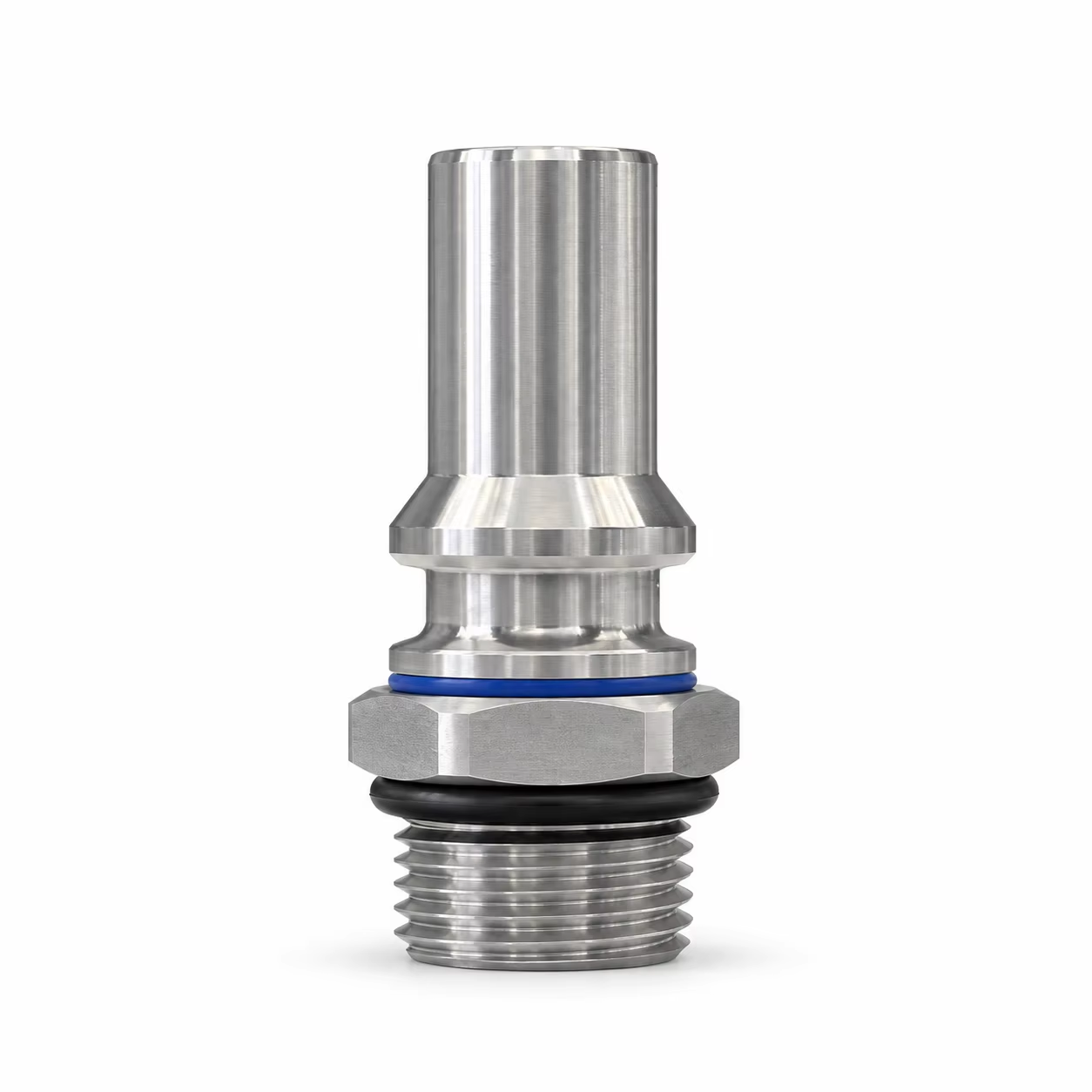
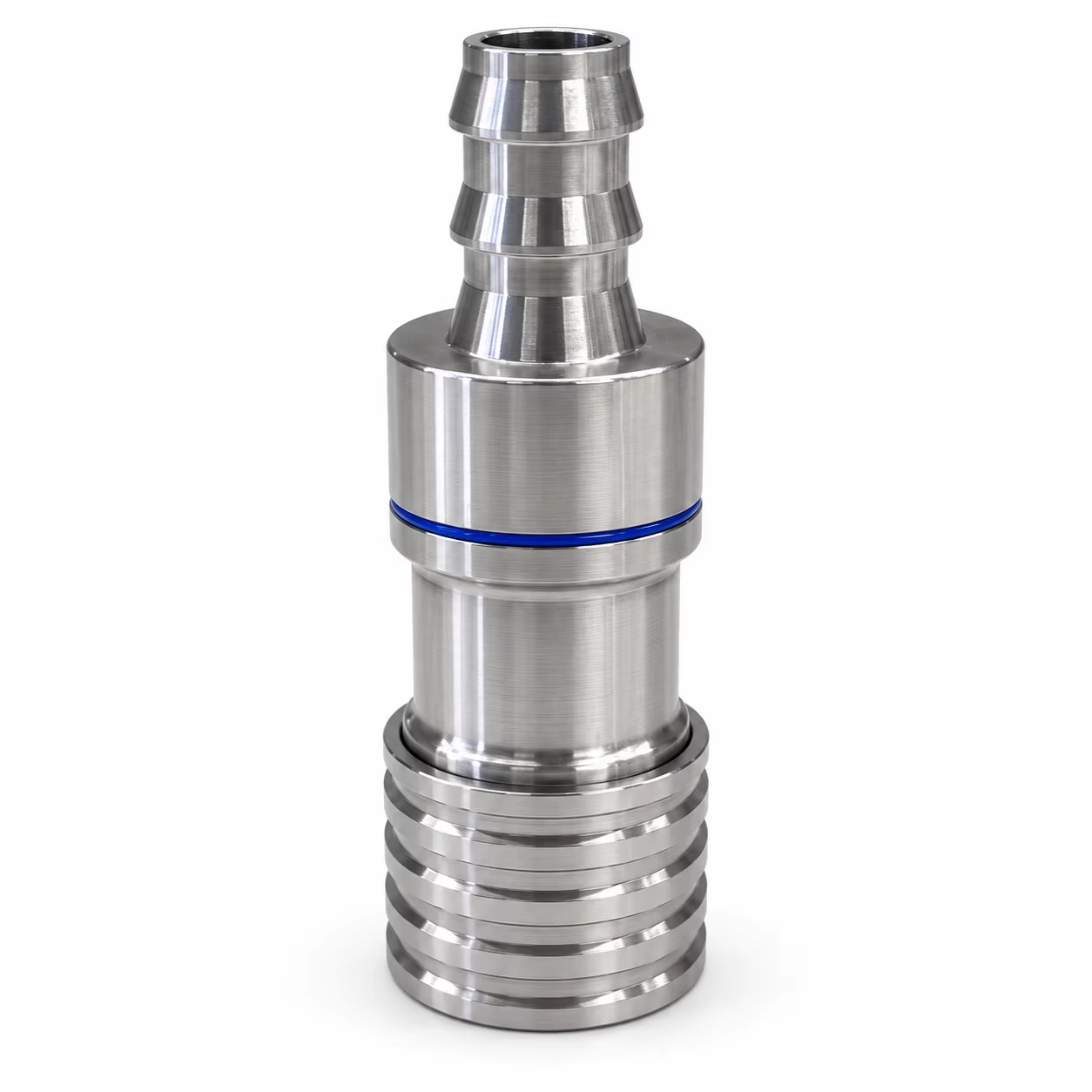
The cold plate can connect to a cooling loop using hoses, fittings, manifolds, or quick disconnect couplings. In larger systems, multiple plates may connect to a distribution manifold and CDU. Connection design should consider flow direction, pressure, sealing, service access, and the required coolant volume.

Related article

Intelligent Power Distribution, Precision Metering – An In-Depth Look at the GLGW PDU Series

21

May

Intelligent Power Distribution, Precision Metering – An In-Depth Look at the GLGW PDU Series

View More
Fiber Optic Patch Panel: High-Density Modular Rack-Mount Solution for Reliable Network Management

21

May

Fiber Optic Patch Panel: High-Density Modular Rack-Mount Solution for Reliable Network Management

Discover how a high-density fiber optic patch panel improves cable organization, network reliability, scalability, and maintenance for data centers, telecom, FTTX, and enterprise networks.
View More
Fiber Optic Cable Deployment for Data Center Backbone.

25

Jun

Fiber Optic Cable Deployment for Data Center Backbone.

Real-world Project Cases Reflecting the Value of Standardized Fiber Optic Cable Deployment With more than sixteen years working in structured cabling and data center infrastructure construction, I have taken charge of dozens of data center backbon...
View More
How to classify data cables by usage scenarios?

14

Jul

How to classify data cables by usage scenarios?

Real World Field Experiences with Multi Environment Network Deployments During a comprehensive network migration for a financial headquarters last spring, our deployment crew encountered major connectivity dropouts across different operational floo...
View More

Customer Testimonials

Brian Turner

The cold plate helped us manage thermal loads across a dense GPU platform. The customized mounting and connection layout made integration with our existing liquid cooling loop straightforward.

Michael Foster

We used the cold plates for high-performance CPU servers and achieved more controlled processor temperatures under sustained workloads. The modular connection design also simplified maintenance planning.

Get a Free Quote

Our representative will contact you soon.
Email
Mobile/WhatsApp
Name
Company Name
Message
0/1000
Direct Heat Transfer

Direct Heat Transfer

A liquid cooled cold plate places the cooling interface close to the primary heat source, reducing the distance thermal energy must travel before reaching the coolant. Engineered internal channels can distribute liquid across the active cooling area and improve contact between the coolant and heat transfer surface. This architecture is particularly useful for processors and accelerators that generate concentrated heat in a relatively small footprint. Depending on the thermal design, channel geometry, plate thickness, material, and flow conditions can be adjusted to meet application requirements. For AI and HPC systems, direct heat removal can help create a more manageable thermal environment around high-power computing components while supporting integration with broader liquid cooling infrastructure.
Flexible Cooling Loop Integration

Flexible Cooling Loop Integration

Cold plates can be integrated into different liquid cooling architectures according to equipment requirements. A typical configuration may include the cold plate, manifold, pump, hoses, quick disconnects, heat exchanger, reservoir, sensors, and CDU. The cold plate receives coolant through an inlet and returns warmed fluid through an outlet after absorbing heat from the device. Flow rate, pressure drop, supply temperature, return temperature, and coolant compatibility are important when designing the complete loop. Multiple cold plates can also be connected within a distribution system for multi-CPU or multi-GPU platforms. This modular structure provides flexibility when deploying direct-to-chip cooling across servers, racks, or specialized industrial equipment.
Scalable High-Density Cooling

Scalable High-Density Cooling

As computing platforms become more powerful, thermal loads can increase faster than conventional air cooling infrastructure can accommodate. Liquid cooled cold plates provide a scalable method for addressing concentrated heat at the component level. They can be designed for individual CPUs or GPUs and expanded across multiple processors within the same server or rack. System designers can evaluate thermal load, coolant flow, operating temperature, pressure, mounting requirements, and available space before selecting the appropriate configuration. Cold plates can also connect with rack-level distribution and facility-side heat rejection systems, creating a coordinated cooling architecture. This makes them suitable for AI servers, HPC clusters, data centers, telecom systems, and other high-density electronic environments.

Get a Free Quote

Our representative will contact you soon.
Email
Mobile/WhatsApp
Name
Company Name
Message
0/1000