CDU Cooling Hose: Reliable Coolant Transfer for AI & HPC Data Centers

All Categories
Reliable Coolant Transfer Between CDU and IT Equipment

Reliable Coolant Transfer Between CDU and IT Equipment

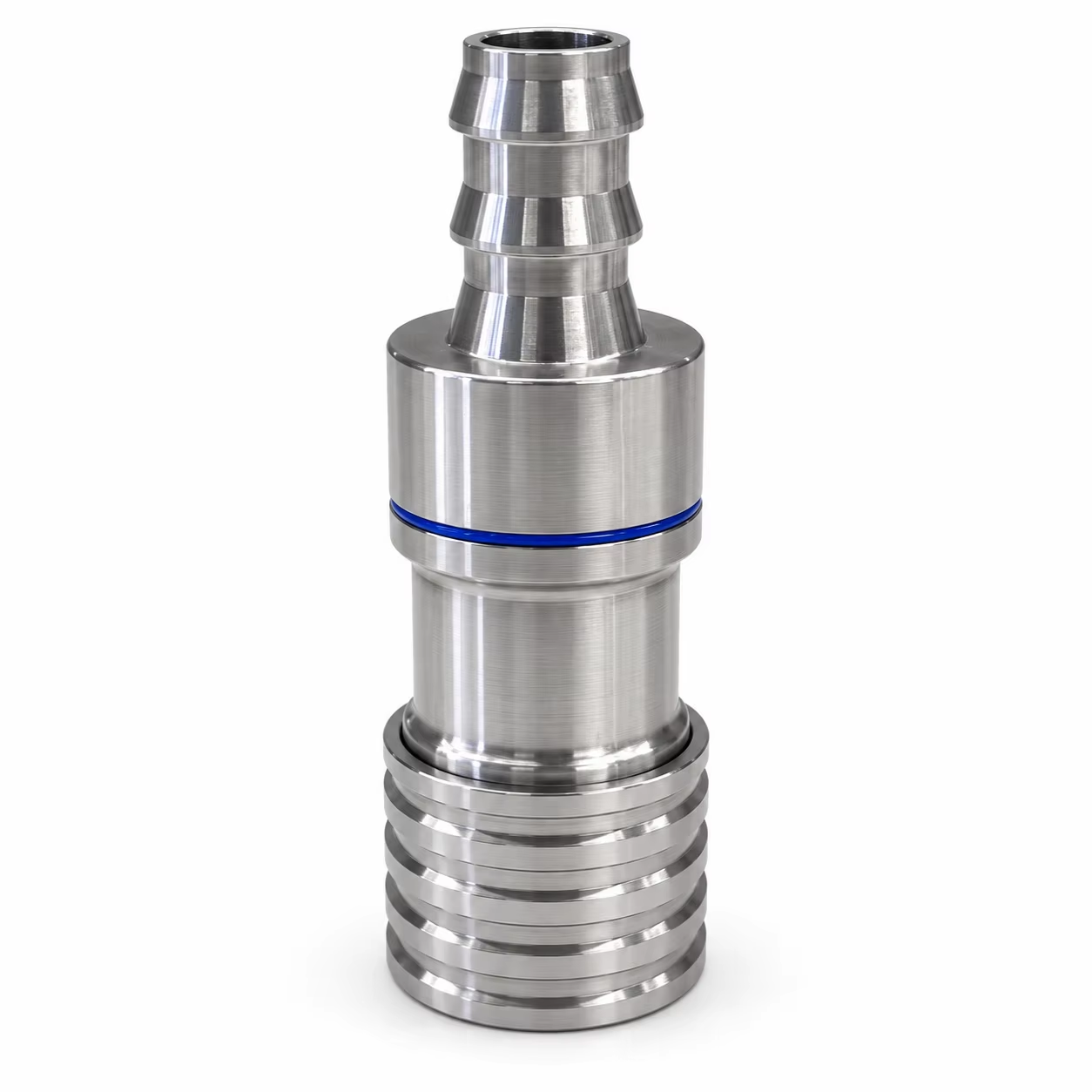
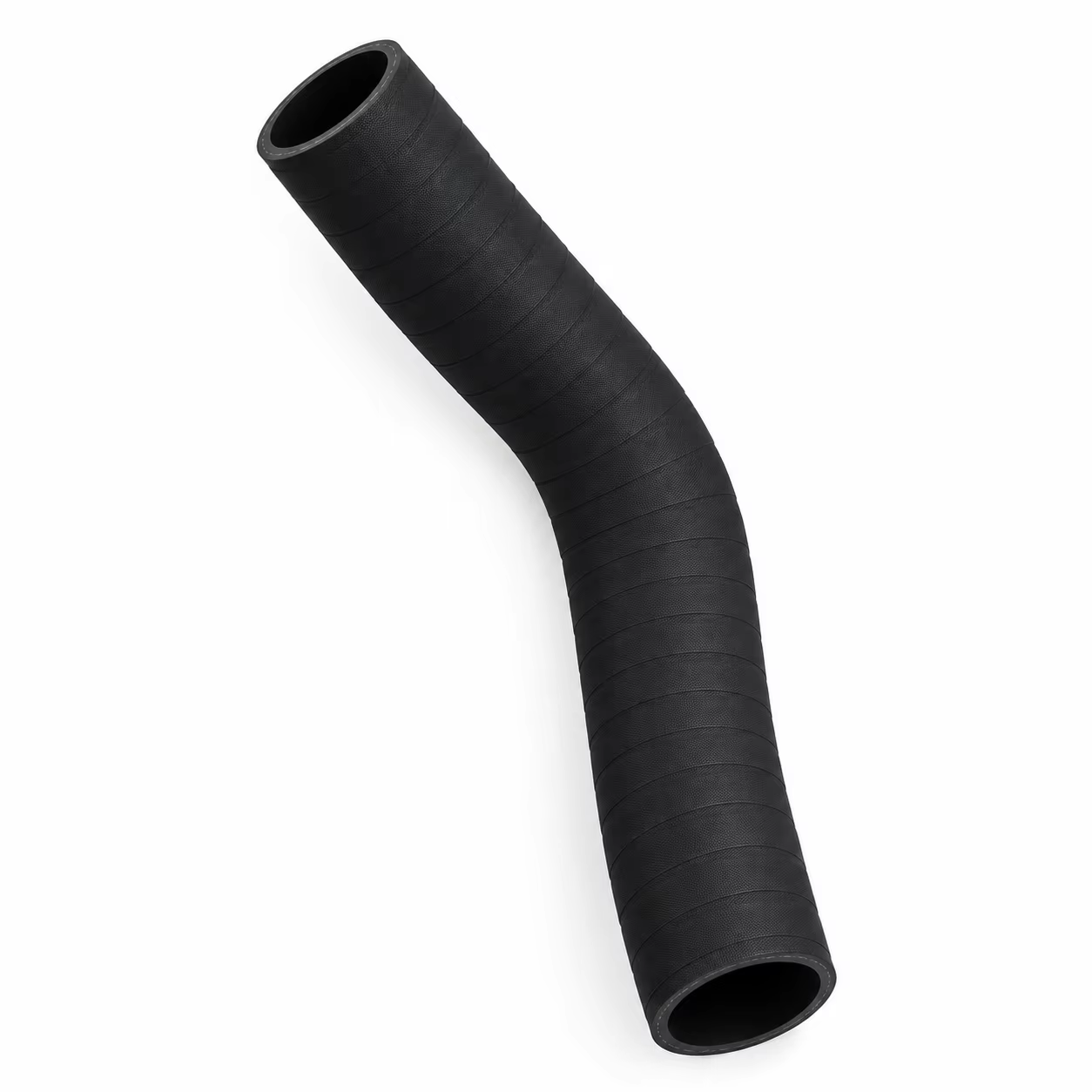
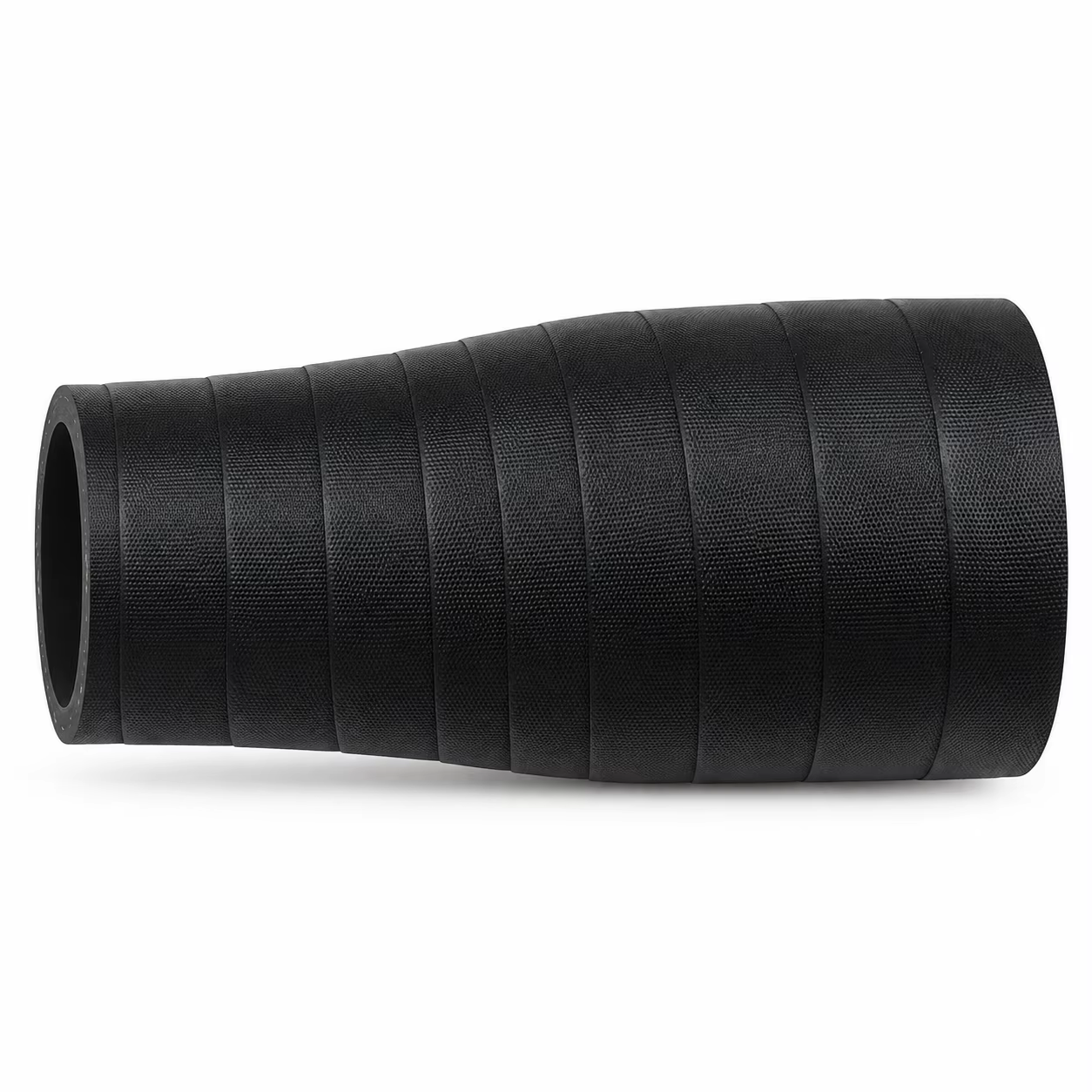
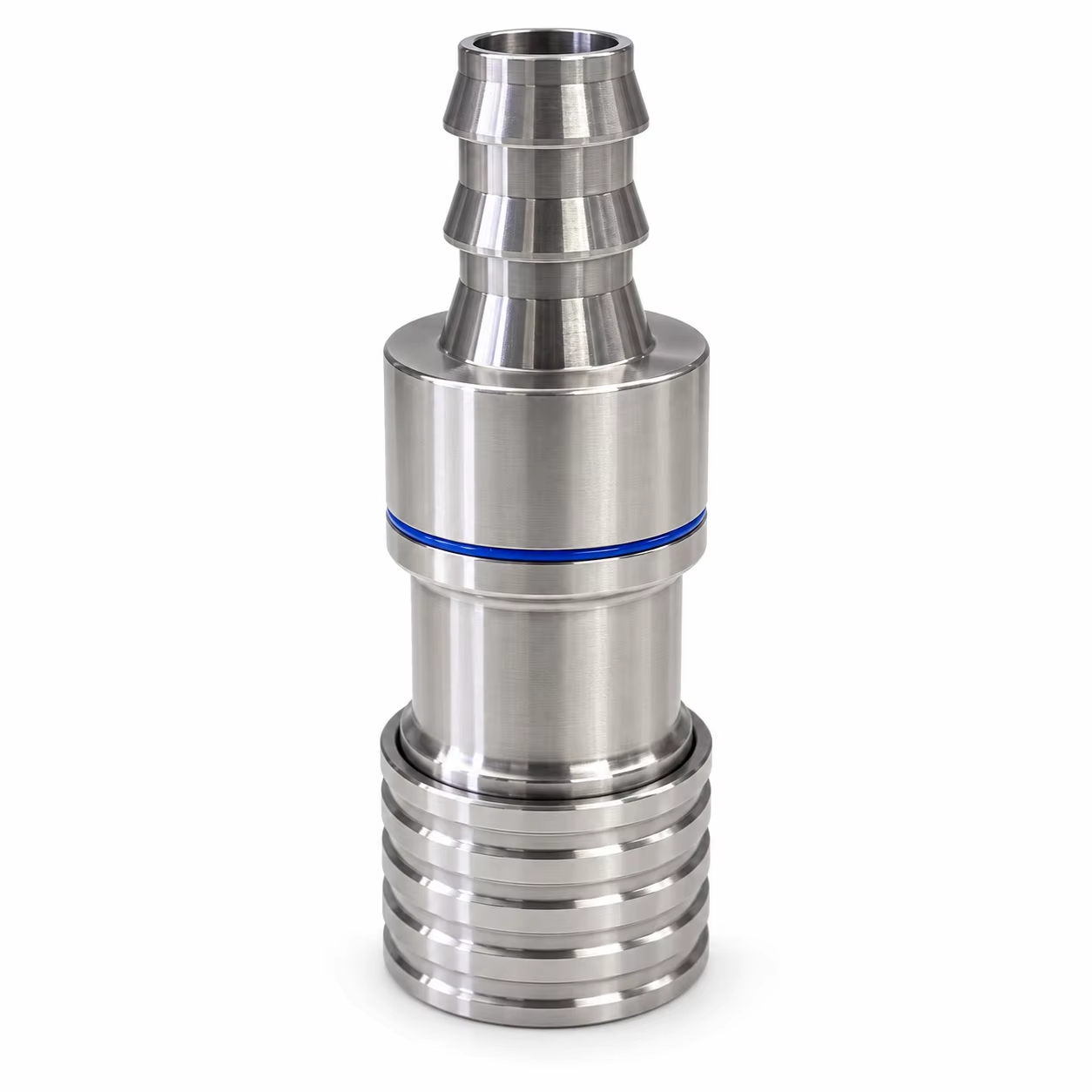
A CDU cooling hose is designed to transport coolant between a cooling distribution unit (CDU), manifolds, cold plates, and liquid-cooled servers. As a critical component of liquid cooling infrastructure, the hose supports controlled coolant circulation while helping maintain stable thermal conditions in high-density computing environments. Depending on project requirements, CDU cooling hoses can be selected according to coolant compatibility, operating pressure, flow rate, connection type, hose diameter, flexibility, and routing requirements. Proper hose selection contributes to organized cooling infrastructure and supports maintenance, expansion, and efficient operation in AI data centers, GPU clusters, HPC facilities, and enterprise server environments.
Get A Quote

Case Study

AI Data Center Deployment

In AI computing facilities, CDU cooling hoses connect cooling distribution units to rack manifolds and liquid-cooled servers. These hoses provide a pathway for coolant circulation between cooling infrastructure and high-performance equipment. Depending on the cooling architecture, hose assemblies can be configured according to flow requirements, pressure conditions, connection interfaces, and rack layouts. Organized routing helps technicians maintain serviceability while supporting the thermal demands of GPU-intensive workloads. As AI clusters expand, properly designed hose systems can simplify cooling infrastructure deployment across multiple racks.

HPC Cluster Cooling

High-performance computing systems often rely on liquid cooling to manage heat generated by processors and accelerators. CDU cooling hoses form part of the coolant distribution network, connecting CDUs with server cooling loops and heat transfer components. Hose selection may consider coolant properties, operating temperatures, pressure ratings, and installation constraints. By creating reliable fluid pathways, the hose system supports consistent coolant delivery throughout the HPC environment. Flexible routing options can also help reduce congestion in densely populated rack installations.

Enterprise Liquid Cooling Upgrade

Organizations implementing liquid cooling can use CDU cooling hoses to connect new cooling infrastructure with liquid-cooled server equipment. Installation planning may include hose length, routing paths, connection style, and future expansion requirements. A structured hose layout helps maintain accessibility for maintenance activities while supporting organized rack infrastructure. This approach provides flexibility as additional liquid-cooled equipment is introduced and cooling capacity requirements continue to increase.

Related products

A CDU cooling hose is used in liquid cooling systems to transfer coolant between cooling distribution units and IT equipment. These hoses support the circulation of cooling fluid through manifolds, cold plates, heat exchangers, and liquid-cooled servers, creating a complete thermal management loop. Depending on system requirements, hose assemblies can be specified according to pressure rating, coolant compatibility, operating temperature range, connection interface, flexibility, hose diameter, and routing configuration. Common applications include AI computing platforms, GPU clusters, HPC systems, cloud infrastructure, and enterprise data centers. When selecting a CDU cooling hose, considerations may include coolant type, flow requirements, installation environment, maintenance accessibility, bend radius, and long-term scalability. Properly specified hose assemblies help create a structured cooling architecture that supports efficient operation and future infrastructure growth.

Frequently Asked Questions

What is a CDU cooling hose?

A CDU cooling hose is a fluid transfer hose used in liquid cooling systems to transport coolant between a cooling distribution unit and liquid-cooled IT equipment. It helps create the circulation path required for thermal management in data center environments.
They are commonly used in AI data centers, GPU clusters, HPC facilities, enterprise server environments, and other liquid-cooled computing infrastructures. Typical connections include CDUs, manifolds, cold plates, and liquid-cooled servers.
Key considerations include coolant compatibility, operating pressure, temperature range, hose diameter, flow requirements, flexibility, bend radius, connection interface, installation environment, and maintenance requirements.
Yes. CDU cooling hoses are frequently used in AI server deployments where liquid cooling systems manage the heat generated by GPUs and other high-performance components. The hose specification should align with the cooling system design requirements.
Proper hose routing helps maintain coolant flow, improve maintenance access, reduce congestion within racks, and support organized infrastructure management. Routing plans should also account for serviceability and future expansion requirements.

Related article

Intelligent Cabling Solutions for Future Networks

21

May

Intelligent Cabling Solutions for Future Networks

View More
Reliable Data and Power Transmission Solutions for Modern Infrastructure

21

May

Reliable Data and Power Transmission Solutions for Modern Infrastructure

View More
Data cables overall planning for office network construction.

12

Jun

Data cables overall planning for office network construction.

Practical Field Experience in Early Demand Assessment for Office Network Cabling When it comes to office network cabling, many business owners and project managers tend to focus solely on immediate connectivity needs and overlook long-term operati...
View More
How to Strip Fiber Cable Without Damaging Fibers?

07

Aug

How to Strip Fiber Cable Without Damaging Fibers?

Stripping a fiber optic cable requires extreme precision. Because the glass cladding and core are extremely thin and fragile, even a microscopic scratch or nick can lead to severe signal loss (attenuation), microbends, or complete fiber failure und...
View More

Customer Testimonials

Michael Evans

“The CDU cooling hoses worked well within our rack layout and made it easier to connect liquid-cooled servers with the cooling infrastructure. The flexible routing helped simplify installation.”

Christopher Hall

“We used the hose assemblies in a GPU cluster deployment and appreciated the organized routing options. Maintenance access remained convenient even after expanding the rack configuration.”

Get a Free Quote

Our representative will contact you soon.
Email
Mobile/WhatsApp
Name
Company Name
Message
0/1000
Essential CDU Connectivity

Essential CDU Connectivity

A CDU cooling hose serves as a critical connection between cooling distribution units and liquid-cooled IT equipment. It enables coolant to circulate through the cooling loop, supporting heat removal from processors, GPUs, and other high-performance components. Depending on the application, hose assemblies may connect CDUs with manifolds, cold plates, heat exchangers, or rack-level cooling systems. Selection criteria can include coolant compatibility, operating pressure, flow requirements, and installation conditions. Properly specified hose assemblies contribute to reliable thermal management and help maintain organized cooling infrastructure within modern data centers.
Designed for High-Density Computing

Designed for High-Density Computing

High-density computing environments often require liquid cooling to manage increasing thermal loads. CDU cooling hoses are designed to support these applications by providing coolant transfer pathways between infrastructure and equipment. Flexible routing options allow installation within complex rack layouts while maintaining accessibility for maintenance activities. Whether deployed in AI clusters, HPC systems, or enterprise liquid cooling projects, hose assemblies can be selected according to specific cooling architecture requirements. This flexibility helps support evolving cooling strategies as rack power densities continue to increase.
Scalable Liquid Cooling Infrastructure

Scalable Liquid Cooling Infrastructure

As organizations expand liquid cooling deployments, CDU cooling hose systems must support both immediate operational requirements and future growth. Hose assemblies can be configured to accommodate different cooling capacities, rack layouts, and connection architectures. Standardized routing approaches may simplify the integration of additional racks, cooling loops, and server platforms over time. By considering factors such as coolant flow, maintenance accessibility, installation space, and expansion planning, operators can develop a structured liquid cooling infrastructure capable of supporting long-term data center growth and technology evolution.

Get a Free Quote

Our representative will contact you soon.
Email
Mobile/WhatsApp
Name
Company Name
Message
0/1000