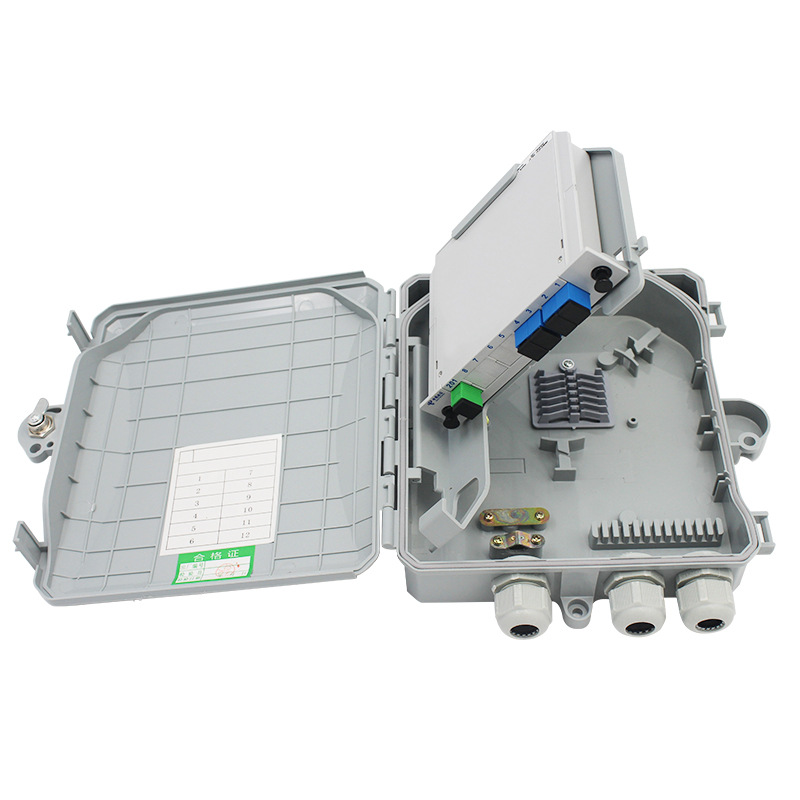
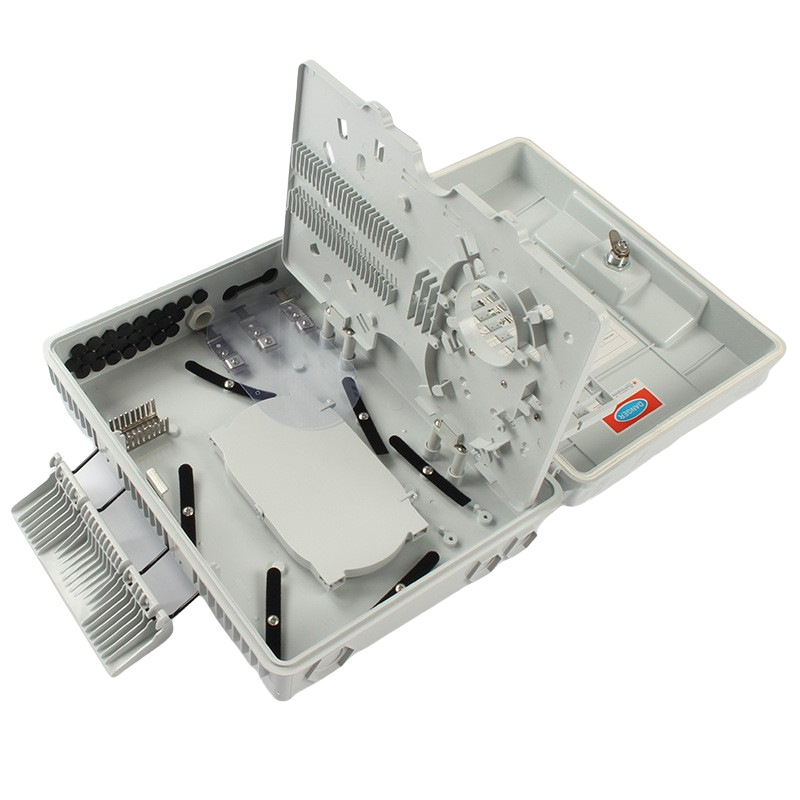
Fiber Entrance Cabinet: Secure Outdoor-to-Indoor Fiber Transition

All Categories
Secure Fiber Entry with Efficient Cable Management and Scalable Protection

Secure Fiber Entry with Efficient Cable Management and Scalable Protection

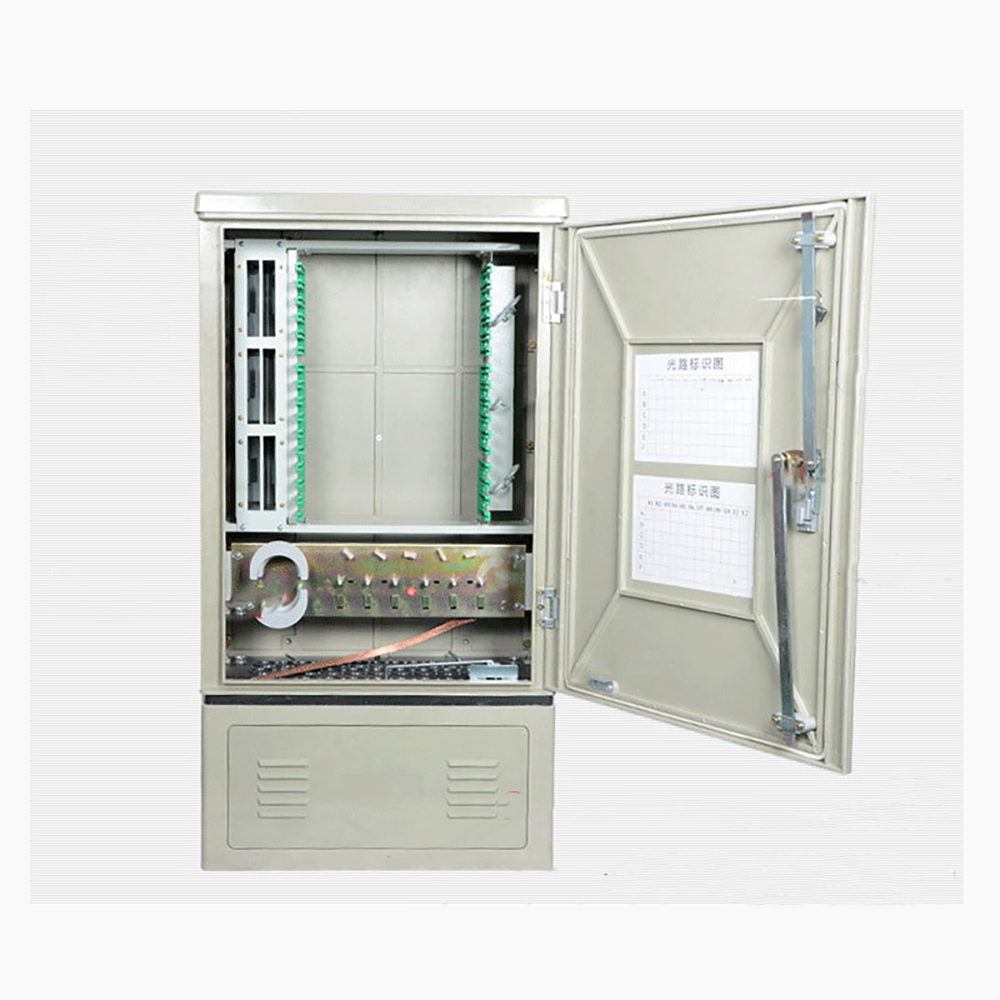
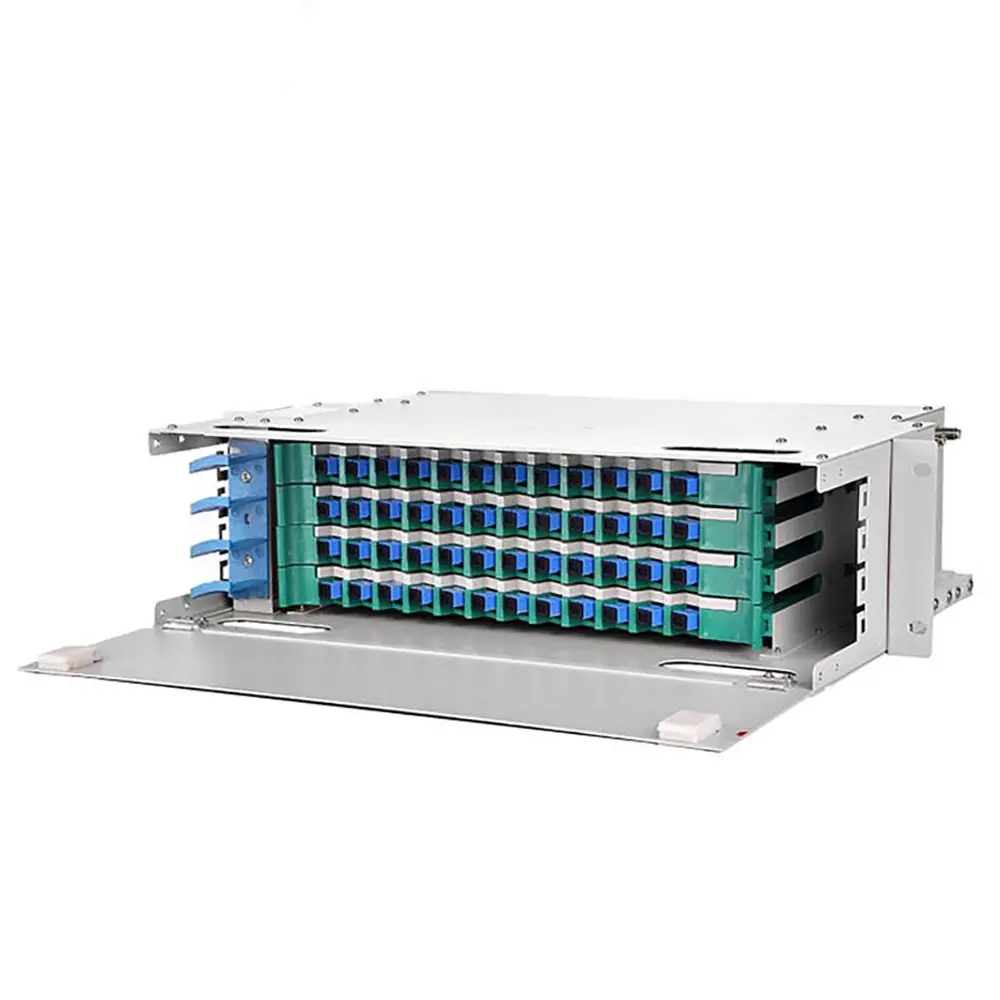
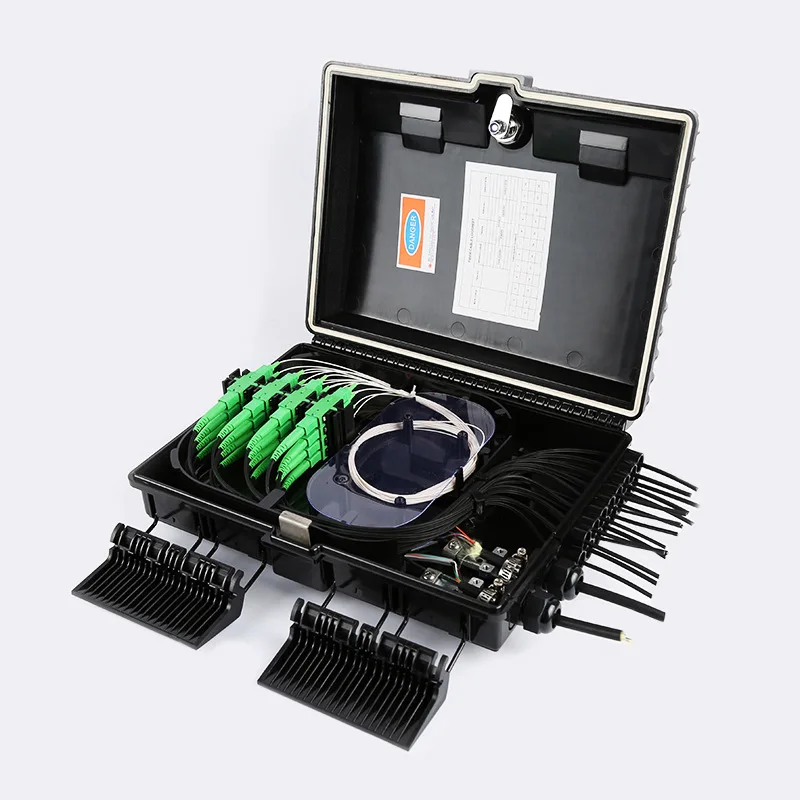
A fiber entrance cabinet provides a controlled point for bringing outside fiber cables into data centers, telecom rooms, and network facilities. GLGW Network solutions are designed to organize incoming cables, protect sensitive fibers, and simplify future maintenance. In a typical 19-inch rack environment, structured cable routing can reduce installation clutter and make fiber identification faster for technicians. The cabinet supports applications including carrier interconnection, backbone networks, FTTH infrastructure, and data center deployments. Practical projects can combine splice trays, adapter panels, fiber management modules, and patching components within one enclosure. With organized entry protection and scalable internal capacity, operators can manage growing fiber counts while reducing unnecessary cable movement, improving accessibility, and supporting reliable long-term network operation.
Get A Quote

Case Study

Data Center Backbone Fiber Entry

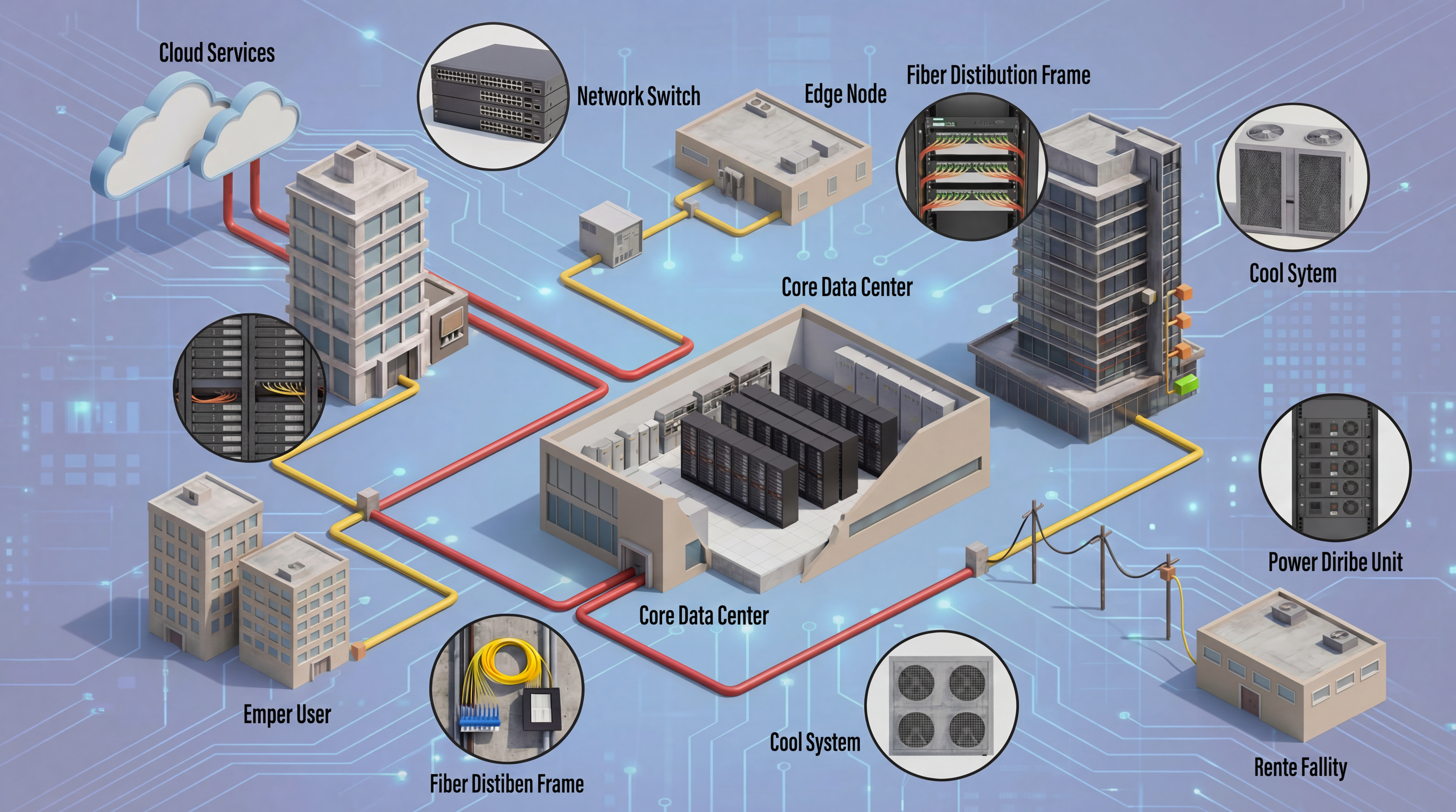
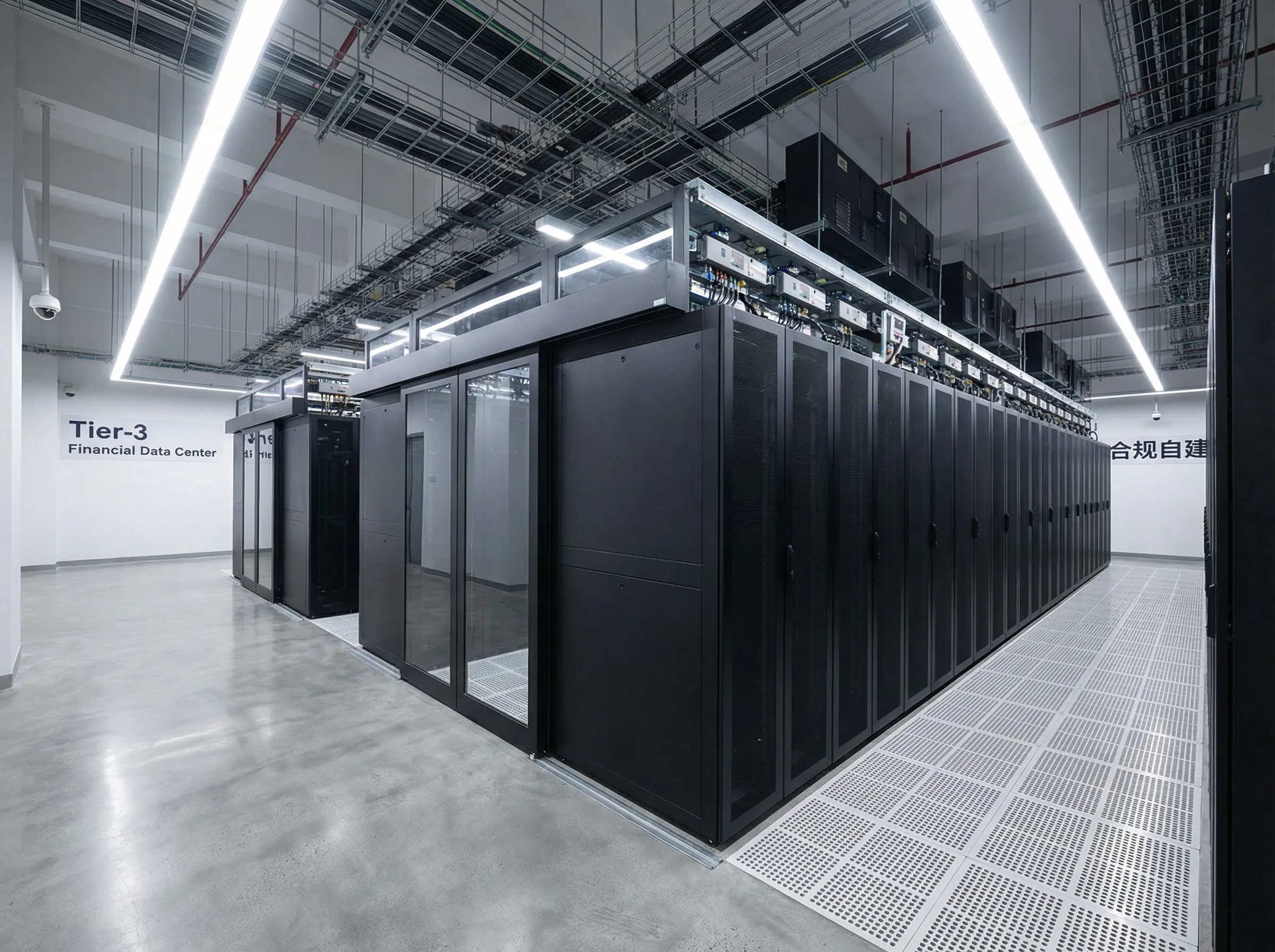
A regional data center used a fiber entrance cabinet to organize incoming backbone cables before connecting them to distribution equipment. The project required controlled cable routing, splice protection, and convenient access for maintenance teams. By separating incoming fibers from active equipment connections, technicians could identify cable paths more efficiently during installation and service work. The cabinet accommodated multiple fiber management components while maintaining a structured rack layout. This configuration helped the facility prepare for additional backbone connections without redesigning the entire entry area. The project demonstrates how a dedicated fiber entrance point can support organized infrastructure in environments where high fiber density, clear identification, and service accessibility are important operational requirements.

Telecom Room Fiber Consolidation

A telecom operator needed to consolidate several outdoor fiber routes entering a centralized communication room. The fiber entrance cabinet provided a dedicated enclosure for cable entry, fiber splicing, and transition management. Technicians used internal routing accessories to maintain suitable bend control and separate incoming cables from outgoing patch connections. The installation supported multiple network distribution points while leaving room for future expansion. During maintenance, organized fiber paths made individual connections easier to trace and reduced unnecessary handling of neighboring cables. This approach is useful for telecom rooms, central offices, and access networks where several fiber routes converge at one location and require a protected, serviceable transition between external and internal infrastructure.

FTTH Network Entry and Distribution

An FTTH deployment required a centralized entry cabinet for managing feeder fibers before they reached downstream distribution equipment. The installation used structured fiber routing and splice management to create a clear transition between external cables and indoor network components. The cabinet supported organized connections for multiple service areas while keeping sensitive fiber sections protected inside the enclosure. Field technicians could access splice and patching areas without disturbing unrelated cables, which helped simplify routine troubleshooting. For expanding access networks, this type of cabinet provides a practical foundation for managing additional feeder fibers, improving infrastructure visibility, and maintaining a cleaner installation as subscriber coverage and network capacity increase over time.

Related products

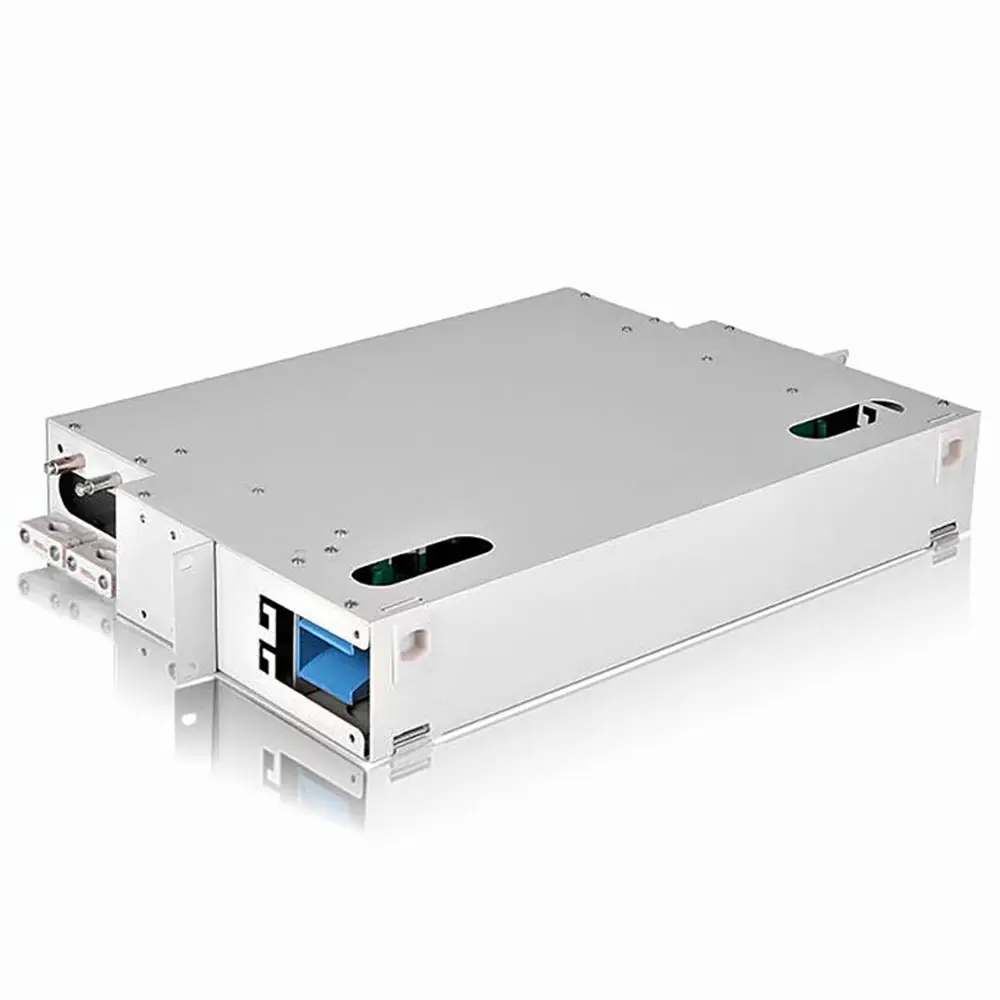
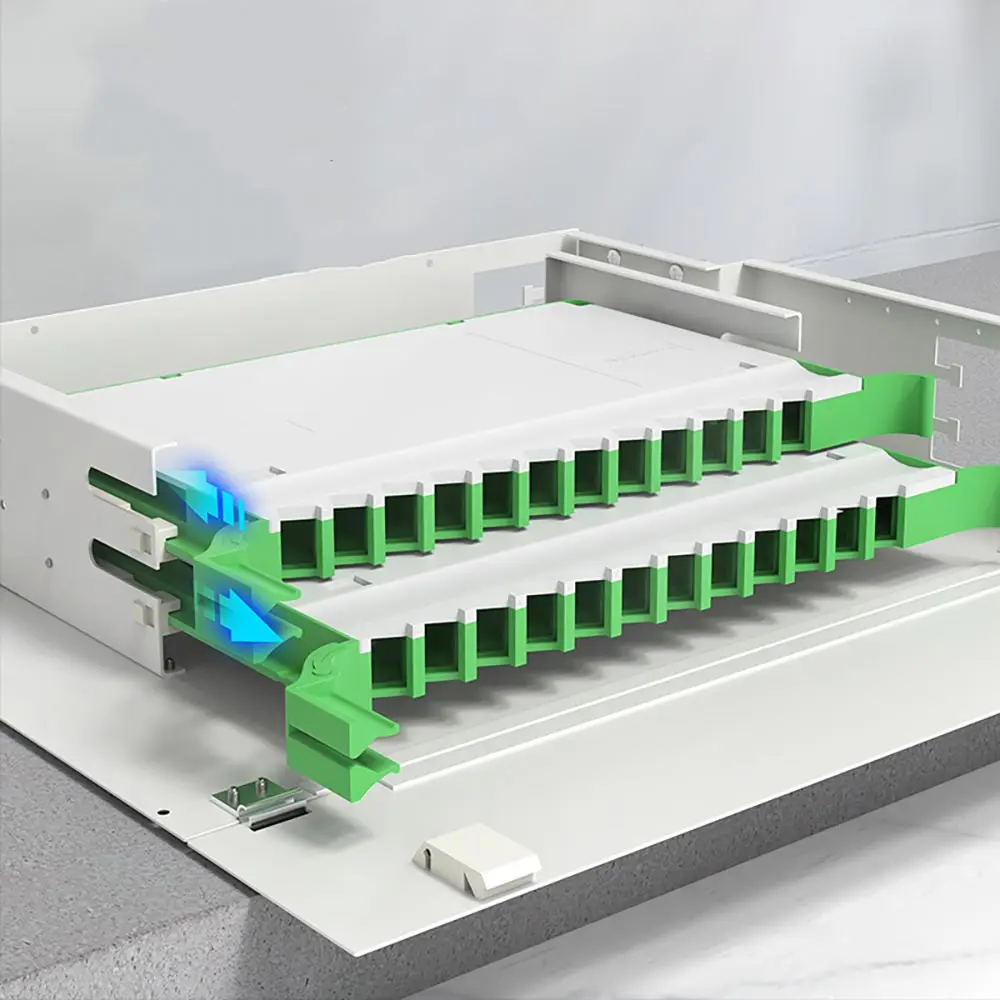
GLGW Network fiber entrance cabinets are designed to create an organized transition between external fiber cables and internal network equipment. The cabinet can integrate cable entry points, splice trays, adapter panels, patching modules, and fiber management accessories according to project requirements. Its structured internal layout helps maintain controlled routing and appropriate bend management while protecting fibers during installation and maintenance. For data centers, telecom facilities, FTTH networks, and backbone projects, a dedicated entrance cabinet can simplify the movement from outside plant cables to indoor distribution systems. In a practical deployment, technicians can separate feeder, splice, and patching areas to improve identification and service access. The modular configuration also allows capacity to grow as new fiber routes are added. By combining protection, organization, and flexible component integration, the cabinet supports efficient network construction and long-term infrastructure management for professional communication environments.

Frequently Asked Questions

What is a fiber entrance cabinet used for?

A fiber entrance cabinet provides a protected transition point where external fiber cables enter a facility. It organizes cable routing, splicing, patching, and fiber management before connections reach distribution or active network equipment. This structure is commonly used in data centers, telecom rooms, central offices, and FTTH infrastructure where multiple fiber routes require controlled entry and maintenance access.
Yes. A properly configured fiber entrance cabinet can accommodate components such as splice trays, adapter panels, patch panels, cable management modules, and related accessories. The exact configuration depends on fiber count, connector type, installation method, and rack requirements. This modular approach allows customers to build an entry system that matches current network architecture while retaining space for future expansion.
Fiber entrance cabinets are commonly installed in data centers, telecommunications facilities, network operation rooms, central offices, and FTTH infrastructure. They are particularly useful where outdoor feeder cables enter an indoor environment and need controlled routing, splicing, or patching. The cabinet creates a structured transition zone that helps technicians manage fiber connections without unnecessarily disturbing active equipment or adjacent cable systems.
Organized internal routing makes fiber paths easier to identify and access during installation, inspection, and troubleshooting. Technicians can separate incoming cables, splice areas, and patching connections instead of working through unmanaged cable bundles. This arrangement can reduce unnecessary fiber movement and make service procedures more predictable, particularly in facilities with multiple network routes and frequent connection changes.
Yes. Many fiber entrance cabinet configurations can be planned with additional rack space, management modules, splice capacity, or adapter positions for future requirements. For growing data centers and access networks, this flexibility helps accommodate new feeder cables without completely rebuilding the existing entry infrastructure. Capacity planning should consider expected fiber counts, cable types, equipment layout, and future connection requirements.

Related article

How to Strip Fiber Cable Without Damaging Fibers?

07

Aug

How to Strip Fiber Cable Without Damaging Fibers?

Stripping a fiber optic cable requires extreme precision. Because the glass cladding and core are extremely thin and fragile, even a microscopic scratch or nick can lead to severe signal loss (attenuation), microbends, or complete fiber failure und...
View More
High-Flex Ethernet Patch Cable for Data Center Connections.

18

Aug

High-Flex Ethernet Patch Cable for Data Center Connections.

High-density data center environments present severe mechanical and spatial challenges for network cabling. As rack densities increase with switch port counts climbing to 48 or 64 ports per rack unit (RU), traditional thick, rigid copper patch cord...
View More
High durability patch cord for industrial network systems.

07

Sep

High durability patch cord for industrial network systems.

Industrial Patch Cord Explained: Construction, Durability, and Selection Guide for Harsh Environments What Is an Industrial Patch Cord and Why Is It Different from Standard Network Cables? An industrial patch cord is a specially designed Ethernet c...
View More
LAN Cable Quality Standards for Enterprise Local Area Networks.

17

Sep

LAN Cable Quality Standards for Enterprise Local Area Networks.

Enterprise LAN Cable Selection Guide: Categories, Shielding, Standards, and Performance Why Choosing the Right LAN Cable Matters for Enterprise Networks A reliable LAN cable is the foundation of modern enterprise network infrastructure. Although wi...
View More

Customer Testimonials

James Carter

The cabinet helped our team organize 144 incoming fibers, simplify splice access, and reduce cable handling during commissioning. Maintenance technicians also reported faster fiber identification after installation.

Michael Brown

We integrated 96 feeder fibers into a compact telecom room while keeping entry, splicing, and patching clearly separated. The structured layout made routine maintenance noticeably easier for our field team.

Get a Free Quote

Our representative will contact you soon.
Email
Mobile/WhatsApp
Name
Company Name
Message
0/1000
High-Density Fiber Management

High-Density Fiber Management

The fiber entrance cabinet is designed for environments where numerous incoming cables must be organized within a controlled enclosure. By integrating splice trays, adapter panels, and cable management accessories, the system can accommodate different network architectures without creating unnecessary cable congestion. In one telecom deployment, a structured cabinet configuration supported 144 incoming fibers while maintaining separate routing paths for feeder and patch connections. This arrangement helped technicians identify individual fiber routes more efficiently during commissioning and maintenance. The modular structure also supports project-specific capacity planning, allowing installers to select suitable management components according to fiber count and rack space. Such flexibility makes the cabinet practical for data centers, carrier facilities, FTTH networks, and other high-density communication environments.
Protected Transition from Outdoor to Indoor Networks

Protected Transition from Outdoor to Indoor Networks

A fiber entrance cabinet creates a defined transition between outdoor cable infrastructure and indoor network equipment. This is particularly valuable in telecom rooms and data centers where external feeder cables must enter, terminate, splice, or connect to internal distribution systems. A controlled entry arrangement helps protect sensitive fiber sections from unnecessary movement while keeping routing paths visible to service technicians. In an FTTH project handling 96 feeder fibers, structured entry and splice management allowed the installation team to maintain clear separation between incoming routes and downstream connections. The cabinet can also be configured with appropriate panels and management accessories as network requirements change. This practical design supports cleaner installations, easier troubleshooting, and more organized infrastructure expansion.

Get a Free Quote

Our representative will contact you soon.
Email
Mobile/WhatsApp
Name
Company Name
Message
0/1000