FDC Fiber Cabinets for FTTH: Scalable, IP65-Rated Solutions

All Categories
Efficient FDC Fiber Management for FTTH and Telecom Networks

Efficient FDC Fiber Management for FTTH and Telecom Networks

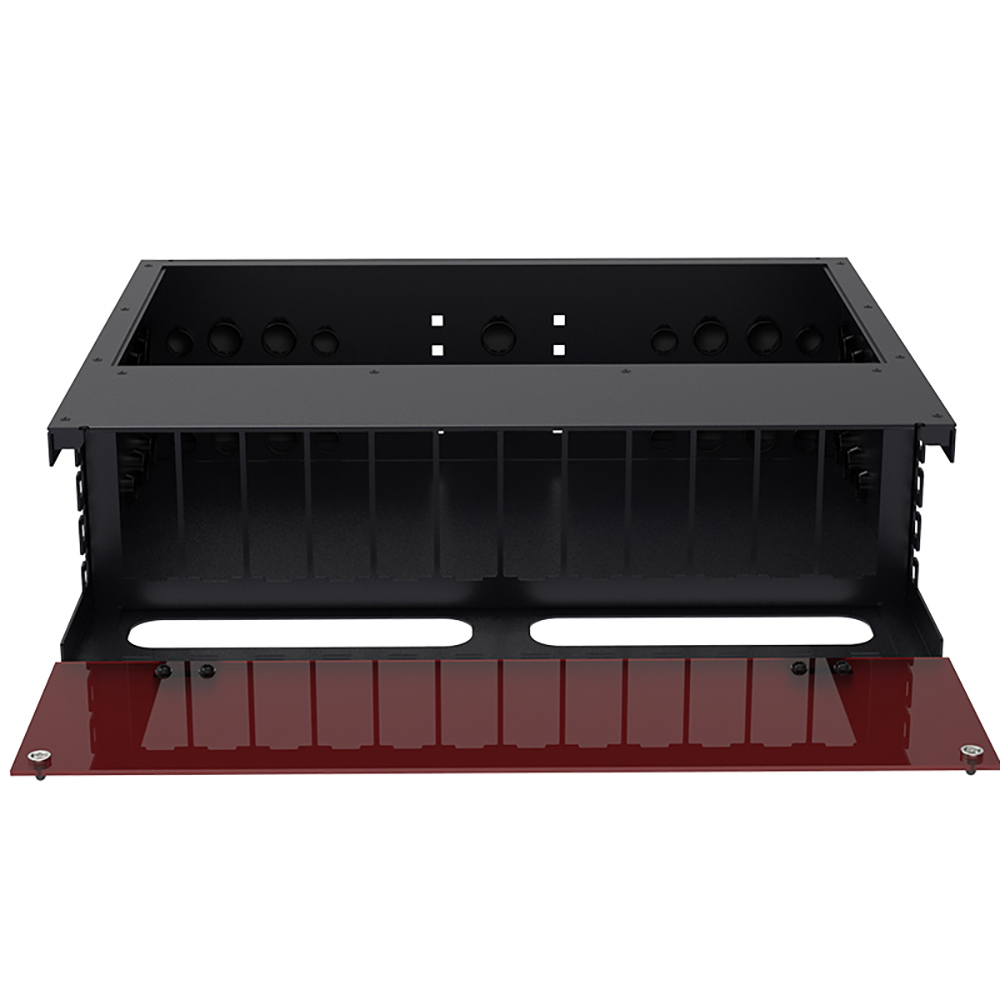
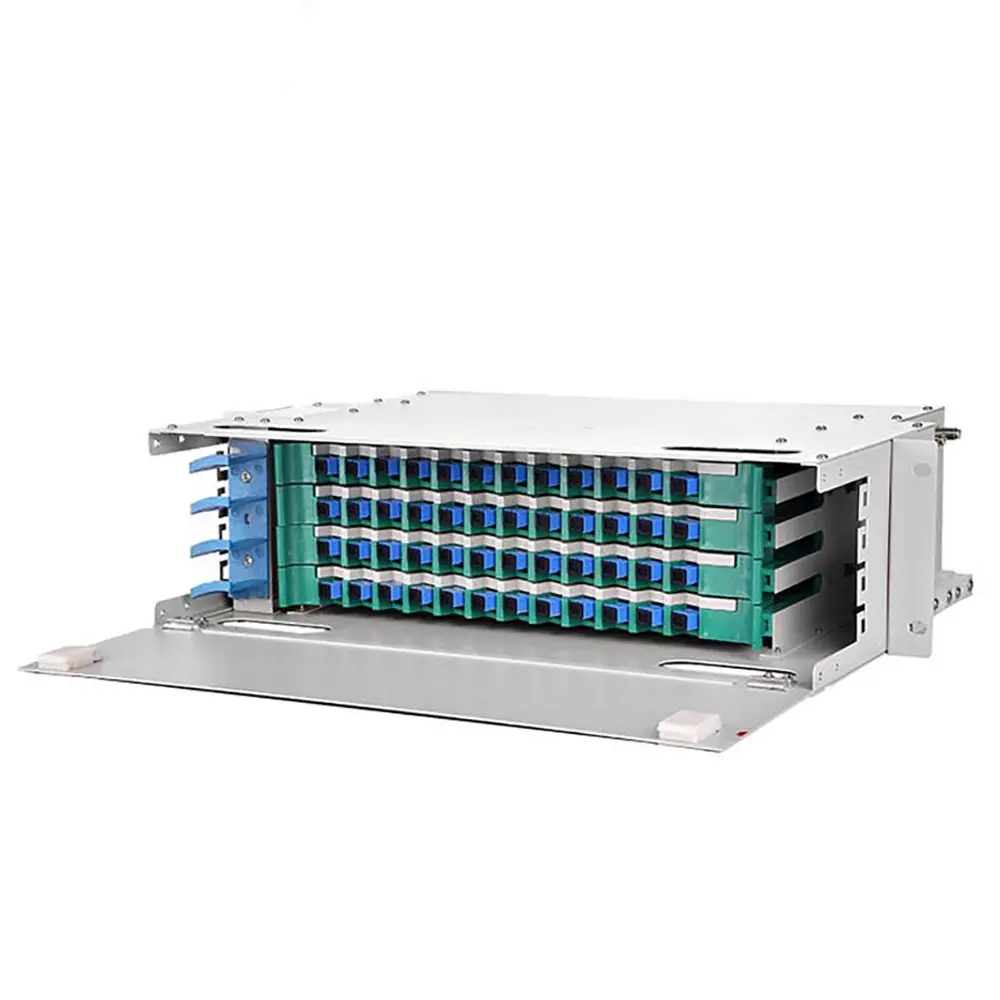
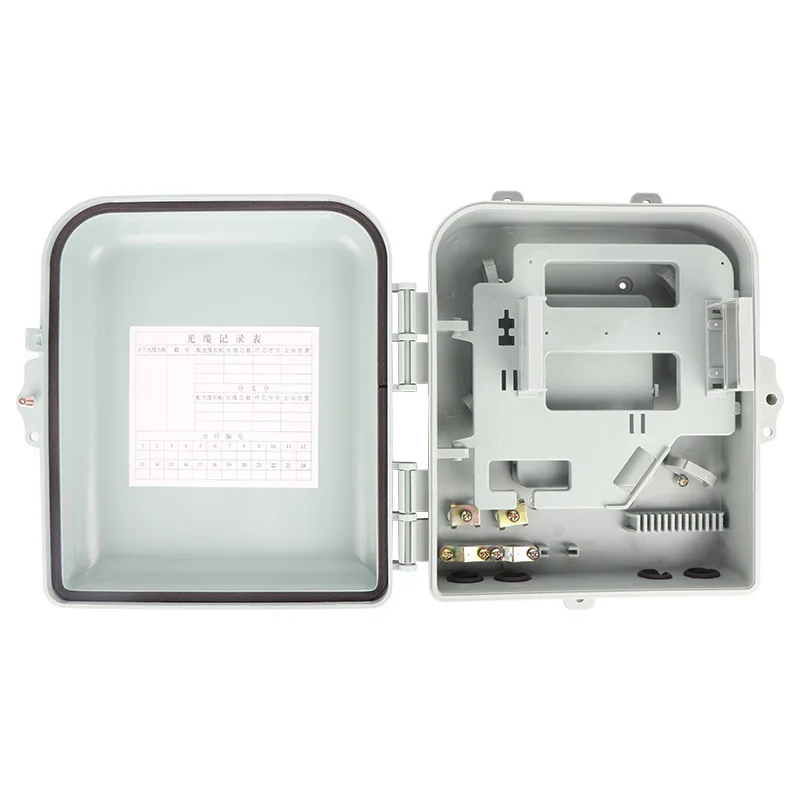
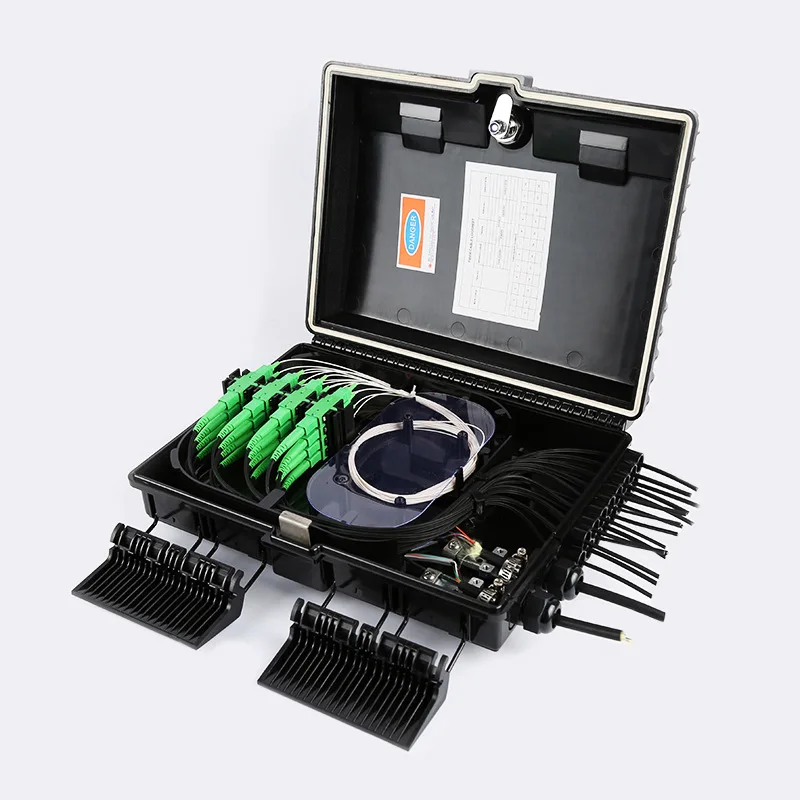
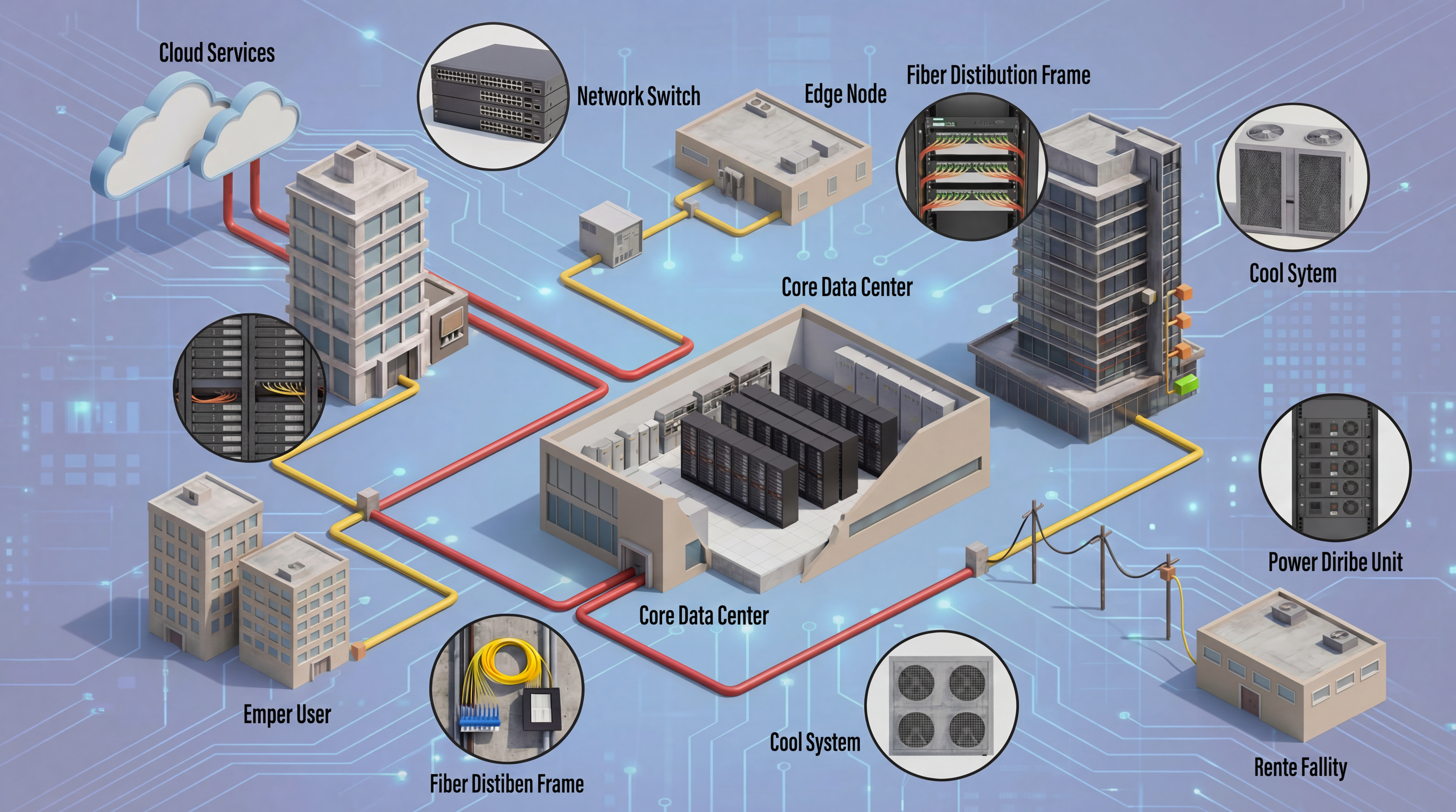
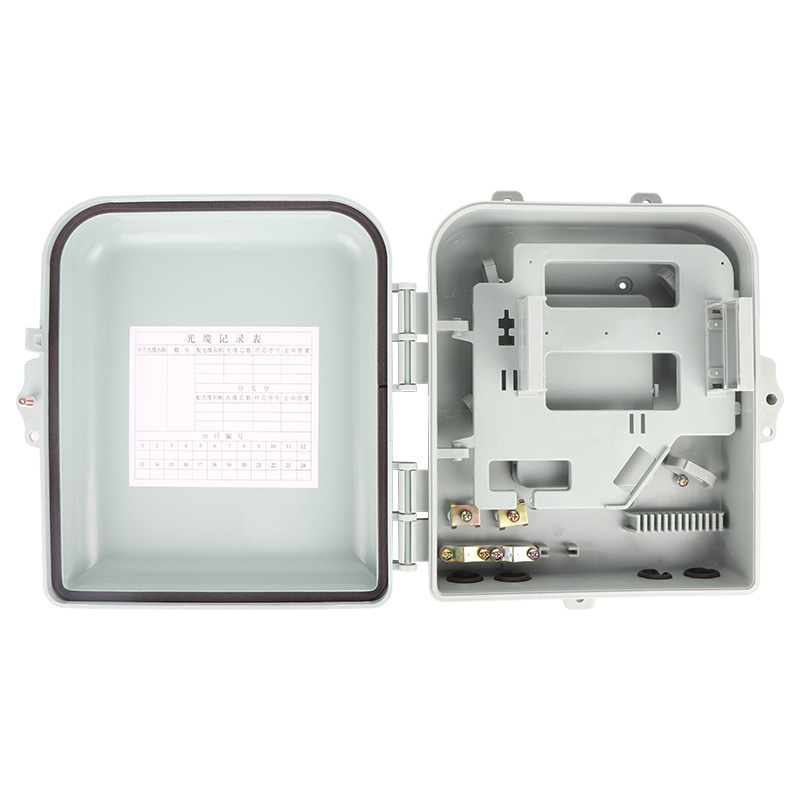
FDC Fiber solutions provide centralized infrastructure for fiber distribution, cross connection, splicing, and cable management in FTTH and telecom networks. A properly configured Fiber Distribution Cabinet helps organize feeder and distribution fibers while providing technicians with convenient access for testing, patching, and maintenance. For example, an FDC serving more than 200 residential fiber connections can centralize multiple cable routes within one structured enclosure, reducing congestion and simplifying future expansion. GLGW Network focuses on practical fiber distribution configurations that support efficient installation, organized routing, secure access, and scalable network development. These solutions are suitable for telecom operators, FTTH contractors, data communication projects, and other applications requiring reliable centralized fiber management.
Get A Quote

Case Study

FDC Fiber for FTTH Distribution

An FTTH contractor required a centralized fiber distribution point for a residential development with more than 200 subscriber connections. An FDC fiber cabinet was used to organize feeder cables, distribution fibers, patching components, and splice management within a structured enclosure. The arrangement allowed technicians to identify individual fiber routes more efficiently during installation and maintenance. Dedicated cable management reduced congestion and created additional working space for future connections. As the residential network expanded, the cabinet provided practical capacity for additional fiber distribution requirements without replacing the complete infrastructure. The project demonstrated how centralized FDC fiber management can improve installation efficiency while supporting organized and scalable FTTH network development.

Telecom FDC Fiber Distribution

A telecom operator needed centralized fiber distribution infrastructure at several regional access locations. FDC fiber cabinets were installed to manage feeder and distribution cables while providing organized space for patching, splicing, and cross connection. Each cabinet supported multiple fiber routes and allowed technicians to access individual connection groups without disturbing unrelated cables. The structured arrangement improved cable identification during testing and simplified routine maintenance. Additional internal capacity was reserved for future network expansion as service coverage increased. For telecom infrastructure serving multiple neighborhoods, this centralized approach helped create a cleaner distribution architecture while reducing cable congestion. The project showed how FDC fiber systems can support efficient, accessible, and scalable network management.

FDC Fiber for Broadband Expansion

A broadband provider required fiber distribution cabinets to support network expansion across several service areas. FDC fiber infrastructure was deployed to centralize feeder-to-distribution connections and organize splice and patching components. The project managed more than 150 fiber connections across multiple distribution points, making consistent cable routing important for maintenance and troubleshooting. The cabinets provided technicians with clear access to fiber connection groups while leaving room for additional distribution capacity. As new customers were connected, the structured cabinet arrangement helped simplify network upgrades and reduce unnecessary cable changes. This application demonstrated how FDC fiber infrastructure can provide a practical foundation for growing broadband networks and long-term fiber management.

Related products

FDC fiber infrastructure, commonly associated with Fiber Distribution Cabinets, provides centralized space for managing feeder and distribution fibers in FTTH, telecom, and broadband networks. A properly designed FDC can integrate fiber patching, splicing, cross connection, cable routing, and distribution components within one organized enclosure. This structure helps technicians identify fiber routes, perform maintenance, and introduce new connections more efficiently. For example, an FDC serving more than 200 residential connections can centralize multiple feeder and distribution cables while maintaining organized working space for future expansion. GLGW Network develops fiber infrastructure solutions with attention to fiber capacity, connection density, cable management, accessibility, and installation requirements. Configurations can be planned around fiber count, splice capacity, adapter arrangements, cable entry methods, and deployment conditions. This practical approach helps telecom operators and FTTH contractors build cleaner distribution points that support efficient installation, maintenance, network upgrades, and long-term broadband expansion.

Frequently Asked Questions

What does FDC fiber mean?

FDC fiber commonly refers to fiber infrastructure managed through a Fiber Distribution Cabinet. The cabinet provides centralized space for feeder and distribution fiber connections, patching, splicing, and cable management. It is widely used in FTTH and telecom networks where multiple fiber routes need to be organized and accessed efficiently for maintenance and expansion.
An FDC fiber cabinet is used to organize and distribute fiber connections between feeder cables and distribution networks. It can accommodate patch panels, splice trays, adapters, and cable management components. By centralizing these connections, the cabinet helps technicians perform patching, testing, maintenance, and network expansion with better organization.
FDC fiber cabinets can be installed in FTTH distribution points, telecom access networks, broadband infrastructure, communication facilities, and suitable outdoor network locations. The appropriate configuration depends on fiber capacity, connection density, environmental conditions, cable entry requirements, available installation space, and the level of technician access required for maintenance.
Yes. An FDC can be configured with additional internal capacity for future adapters, splice trays, patch panels, and fiber connections. This is particularly useful for FTTH networks where subscriber numbers increase over time. Planning expansion space during the initial installation can reduce future replacement work and simplify network upgrades.
Selection should consider fiber count, splice capacity, connection density, cabinet dimensions, cable entry, equipment arrangement, installation environment, access requirements, and future expansion. A detailed network design helps determine the required cabinet capacity. For projects serving hundreds of connections, sufficient internal working space and organized cable management are especially important.

Related article

High-Flex Ethernet Patch Cable for Data Center Connections.

18

Aug

High-Flex Ethernet Patch Cable for Data Center Connections.

High-density data center environments present severe mechanical and spatial challenges for network cabling. As rack densities increase with switch port counts climbing to 48 or 64 ports per rack unit (RU), traditional thick, rigid copper patch cord...
View More
What Is the Difference Between LAN Cable and WAN Cable?

01

Sep

What Is the Difference Between LAN Cable and WAN Cable?

Understanding LAN Cable: Types, Standards, Performance, and How to Choose the Right Cable What Is a LAN Cable and Why Is It Important for Modern Networks? A LAN cable is a physical network cable used to connect computers, servers, switches, routers...
View More
High durability patch cord for industrial network systems.

07

Sep

High durability patch cord for industrial network systems.

Industrial Patch Cord Explained: Construction, Durability, and Selection Guide for Harsh Environments What Is an Industrial Patch Cord and Why Is It Different from Standard Network Cables? An industrial patch cord is a specially designed Ethernet c...
View More
LC-LC 12F OM4 Fiber Trunk Assembly for High-Density Data Centers

21

May

LC-LC 12F OM4 Fiber Trunk Assembly for High-Density Data Centers

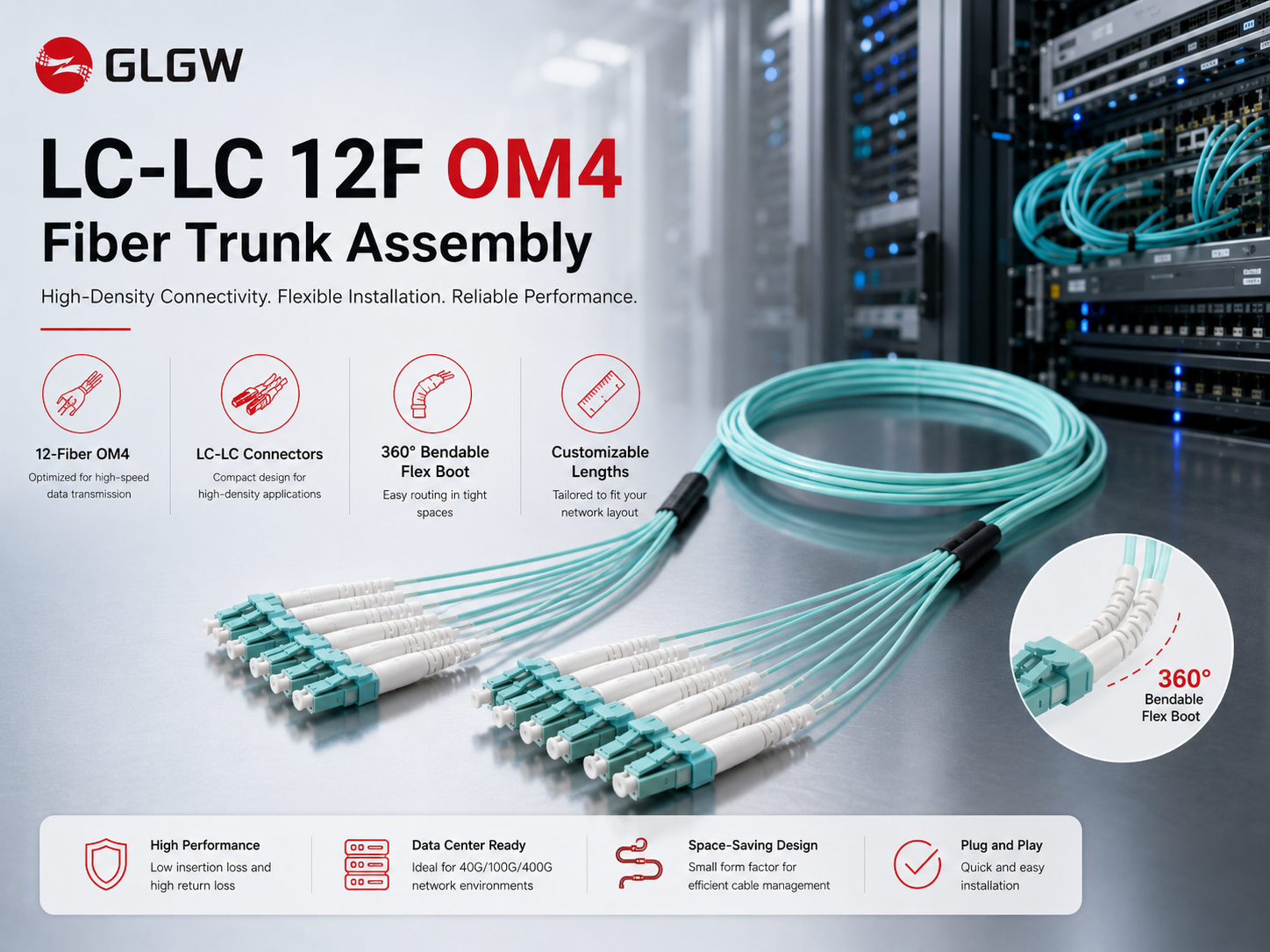
GLGW LC-LC 12F OM4 Fiber Trunk Assembly is designed for high-density data center connectivity, offering reliable performance, flexible installation, and clean cable management. With 12-fiber OM4 multimode fiber, LC-LC connectors, customizable lengths, and a 360° bendable flex boot, it provides an efficient solution for server racks, network cabinets, structured cabling systems, and modern data center infrastructure.
View More

Customer Testimonials

Daniel Carter

Our FDC cabinet organized more than 200 fiber connections at one residential distribution point. Cable identification improved, and technicians completed patching and maintenance more efficiently during network expansion.

Michael Reed

We deployed FDC cabinets across seven telecom locations. The structured fiber layout reduced cable congestion and gave technicians easier access during testing, upgrades, and routine network maintenance.

Get a Free Quote

Our representative will contact you soon.
Email
Mobile/WhatsApp
Name
Company Name
Message
0/1000
Centralized Fiber Distribution for High-Density Networks

Centralized Fiber Distribution for High-Density Networks

As FTTH and broadband networks grow, feeder and distribution fibers can become difficult to manage without a centralized structure. FDC fiber cabinets provide dedicated space for patching, splicing, cross connection, and cable routing, helping technicians maintain clearer fiber paths. For example, an FDC serving more than 200 connections can centralize multiple feeder and distribution routes while keeping individual connection groups accessible. Organized internal management also reduces cable congestion and helps technicians complete testing or maintenance without unnecessarily disturbing neighboring fibers. GLGW Network focuses on practical FDC configurations that balance capacity, accessibility, connection density, and installation efficiency. This creates a structured distribution point capable of supporting current network requirements and future broadband expansion.
Flexible FDC Capacity for Future FTTH Expansion

Flexible FDC Capacity for Future FTTH Expansion

FTTH networks frequently require additional fiber connections as new homes, businesses, and service areas are added. An FDC fiber cabinet with suitable expansion capacity provides a practical foundation for this growth. For example, a distribution point initially supporting 150 connections may later require additional patching, splicing, and feeder capacity as subscriber numbers increase. Planning cabinet space and cable routing from the beginning can reduce disruptive replacement work during future upgrades. GLGW Network develops FDC solutions around fiber count, splice requirements, connection density, equipment arrangement, cable entry, and expected network growth. This flexible approach helps telecom operators maintain organized infrastructure while adapting efficiently to changing broadband requirements and increasing fiber distribution demand.

Get a Free Quote

Our representative will contact you soon.
Email
Mobile/WhatsApp
Name
Company Name
Message
0/1000