Fiber Cabinet Solutions for FTTH & Telecom Networks

All Categories
Flexible Fiber Cabinet Solutions for Telecom and FTTH Networks

Flexible Fiber Cabinet Solutions for Telecom and FTTH Networks

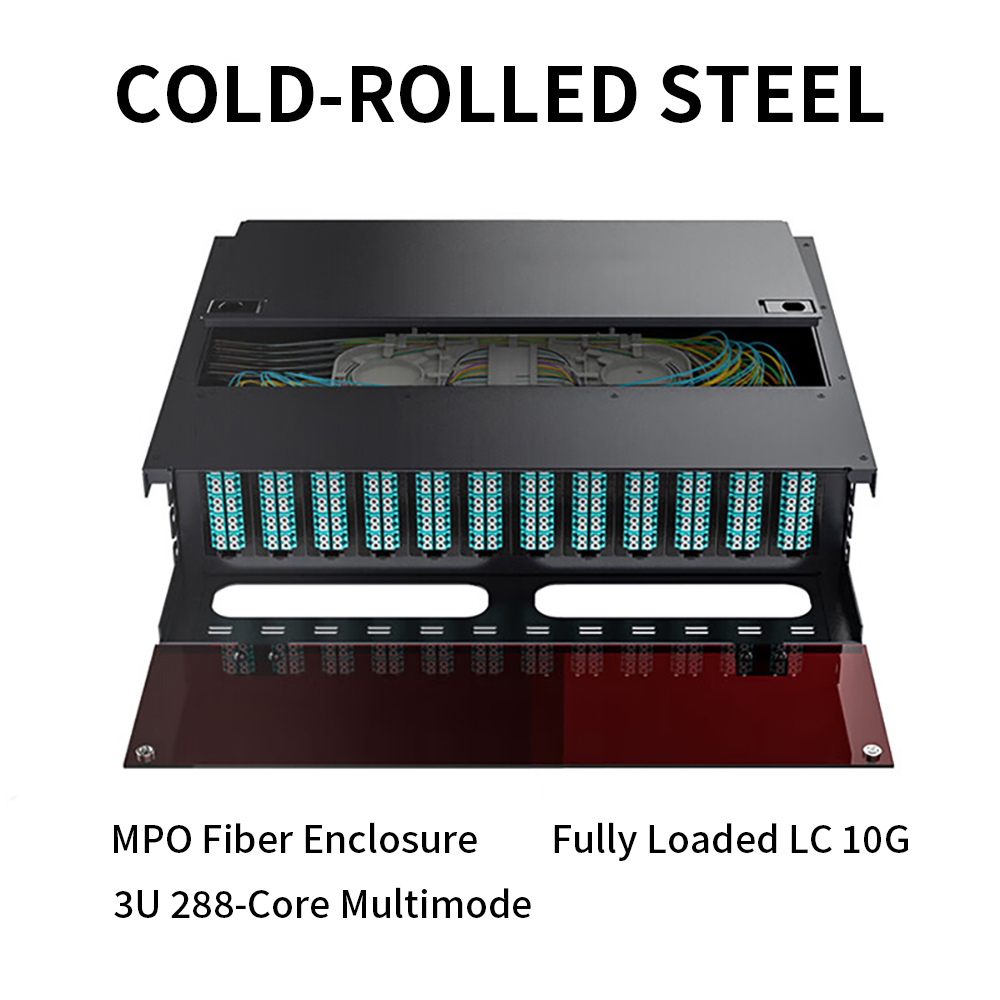
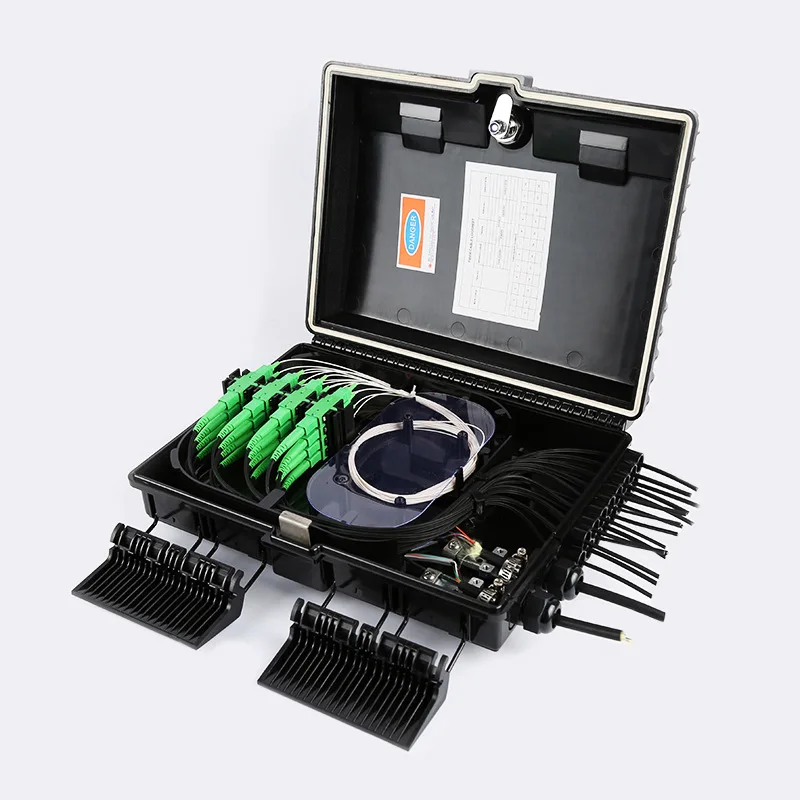
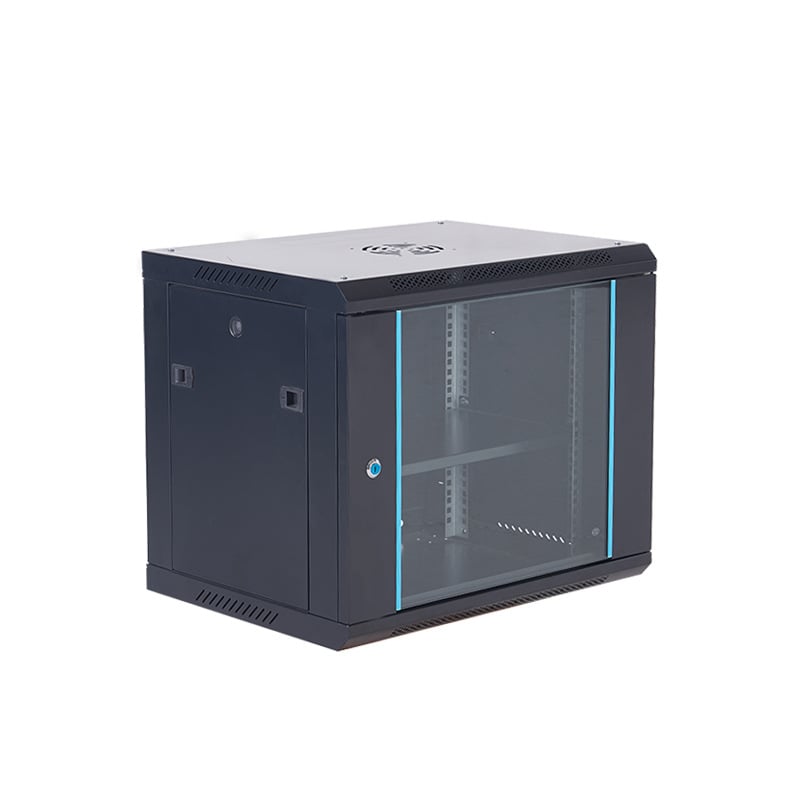
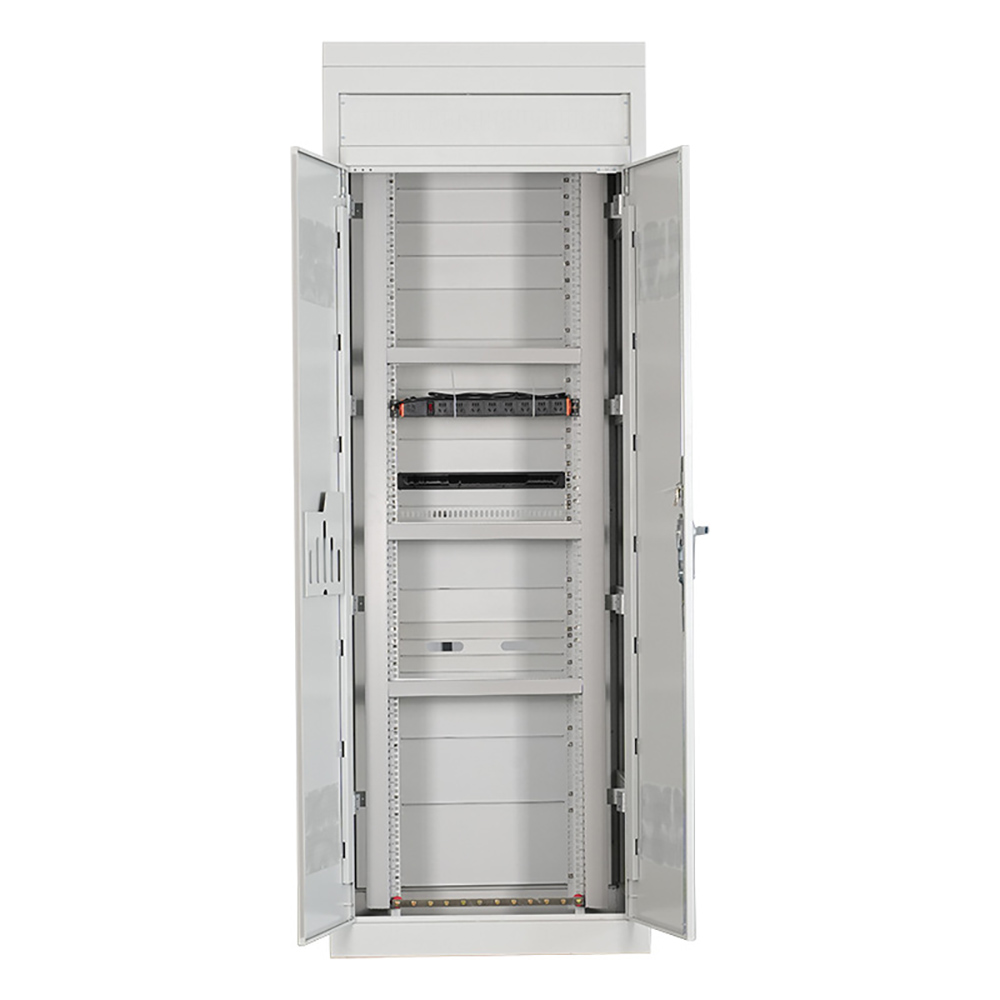
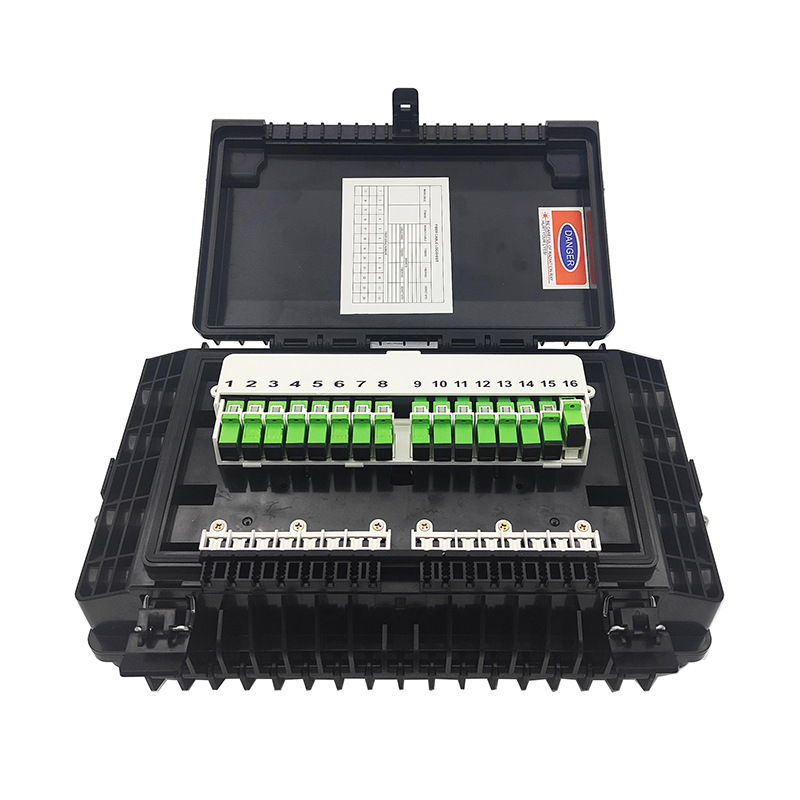
A fiber cabinet provides a structured enclosure for organizing, protecting, and managing optical fiber connections across telecom and broadband networks. It can accommodate feeder fibers, distribution fibers, splice trays, adapter panels, patch cords, and optional PLC splitters in a centralized configuration. Modular internal layouts support different connection densities and make routine maintenance more efficient. For FTTH, FTTB, and access network deployments, a fiber cabinet helps separate incoming and outgoing fiber routes while keeping cable bending and routing under control. Configurations can be designed around 96, 120, or 144 fiber connections depending on project requirements. This makes fiber cabinets suitable for central offices, outdoor communication networks, distribution points, and enterprise infrastructure requiring organized optical connectivity.
Get A Quote

Case Study

FTTH Distribution Network

An FTTH project needed a centralized point to manage feeder and distribution fibers before connections were routed toward multiple residential areas. A fiber cabinet was configured with splice trays, adapter panels, and organized cable routing to simplify fiber allocation. With a structured layout supporting up to 120 connections, technicians could identify individual fiber paths more quickly during installation and maintenance. The cabinet also provided room for future expansion without redesigning the entire distribution point. This approach helped create a cleaner access network while reducing cable congestion around the distribution area. It is suitable for telecom operators, fiber network contractors, and system integrators building scalable last-mile broadband infrastructure.

Telecom Fiber Distribution

A regional telecom network required a dedicated enclosure for managing feeder and distribution fiber connections between the backbone and local access points. The selected fiber cabinet provided separate routing areas for incoming and outgoing cables, helping technicians maintain clear fiber identification. A 144-fiber configuration allowed multiple network segments to be organized within one centralized cabinet. Splice management and patching areas made troubleshooting more practical when service changes were required. The installation was designed for long-term network expansion, allowing additional fiber connections to be introduced as demand increased. This type of cabinet is suitable for telecom distribution hubs, broadband infrastructure projects, and network upgrade programs.

Data Center Fiber Management

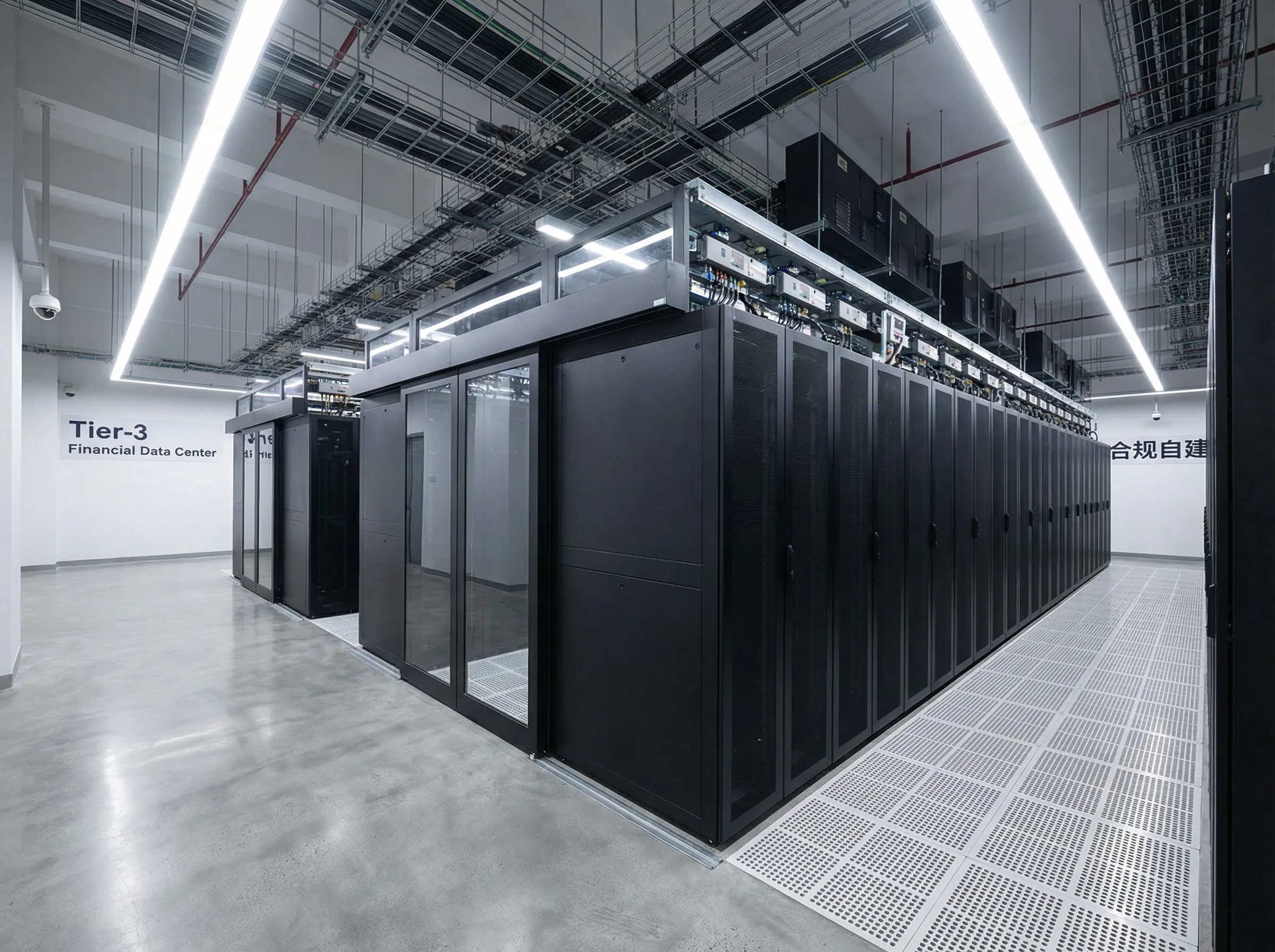
A data center expansion required a compact fiber management solution for connecting backbone links with equipment rooms and distribution areas. A fiber cabinet was used to consolidate patching, splicing, and cable routing while keeping optical connections accessible for technicians. The configuration supported high-density fiber organization and allowed different adapter types to be arranged according to network requirements. By separating cable paths and maintaining controlled routing, the installation reduced unnecessary cable crossing around the rack area. Additional connection positions were reserved for future deployment, helping the facility scale without replacing the main enclosure. This solution fits data centers, telecom rooms, enterprise networks, and other high-density fiber environments.

Related products

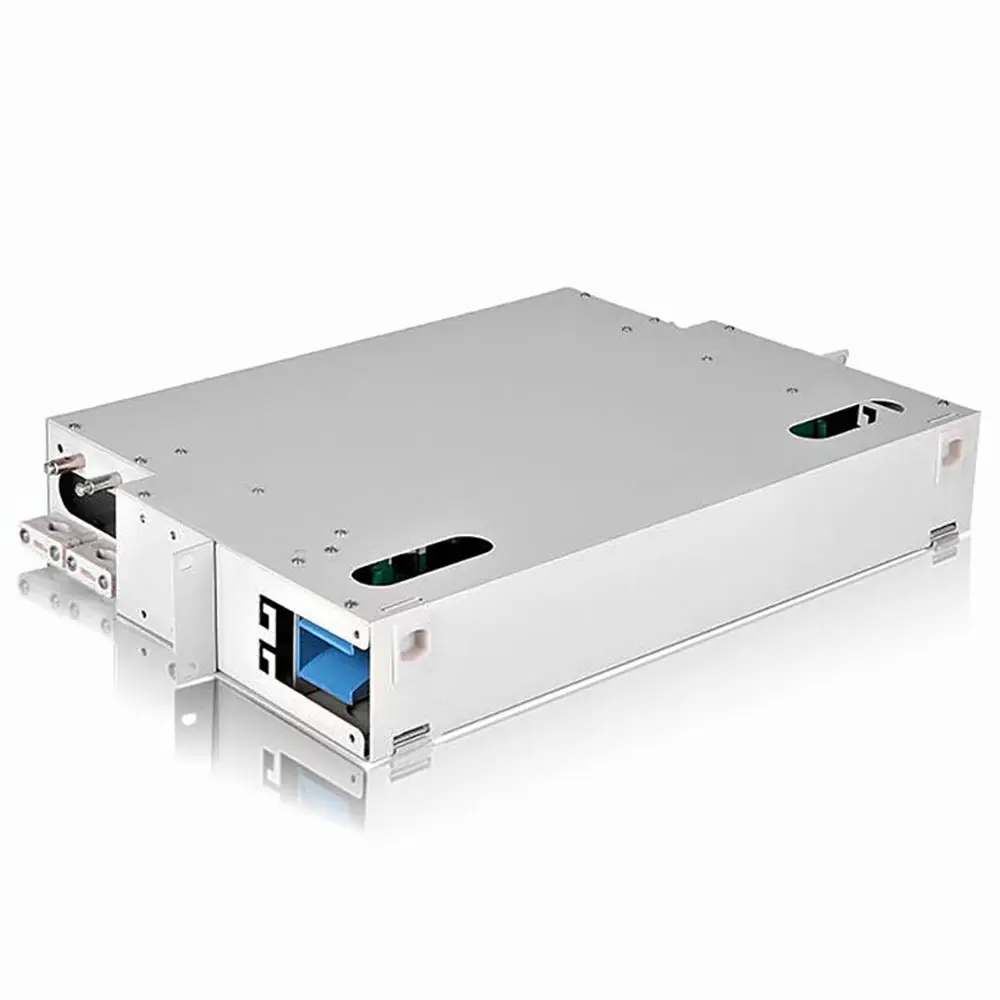
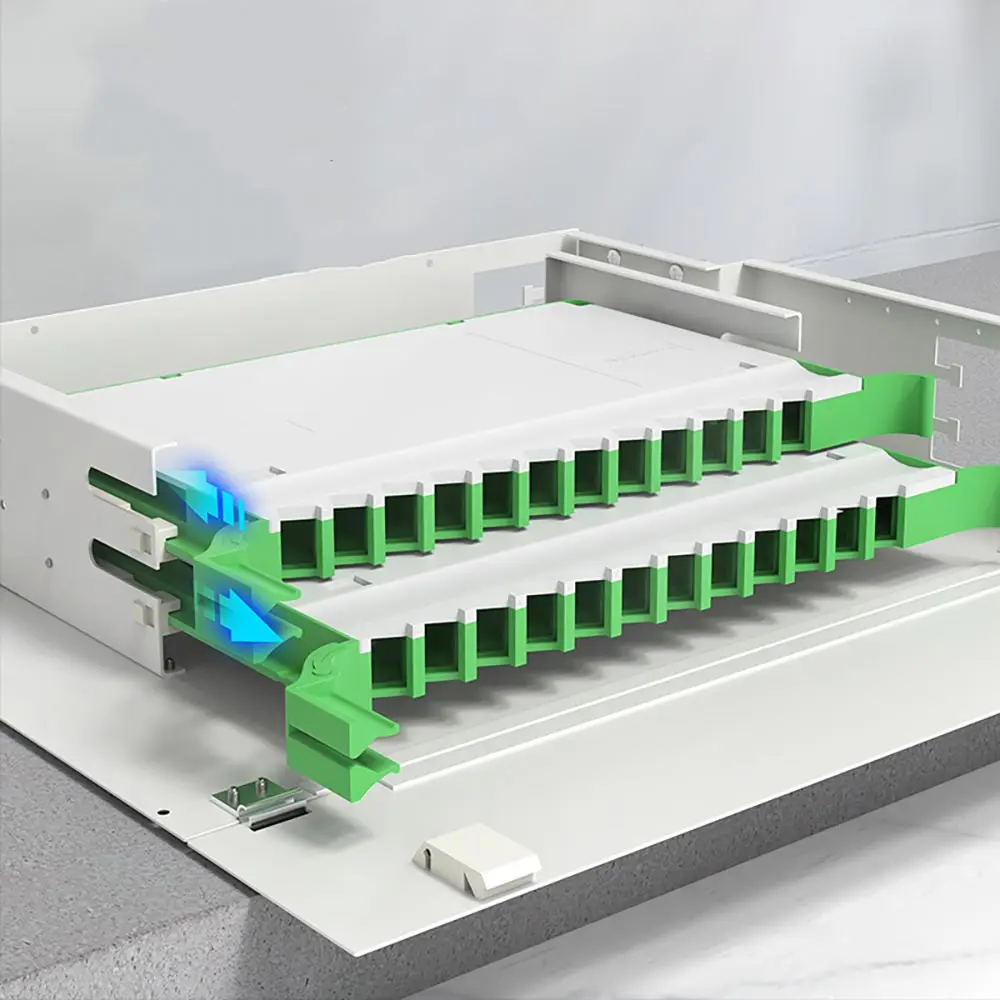
A fiber cabinet is designed to centralize optical fiber termination, splicing, patching, and distribution in a protected and organized enclosure. It can be configured with splice trays, adapter panels, patch panels, cable management components, and splitter modules according to project requirements. In FTTH networks, the cabinet can manage feeder and distribution fibers between upstream network equipment and local access points. For telecom rooms and data centers, it provides a practical structure for organizing high-density fiber connections while keeping patching areas accessible. Different fiber counts and internal layouts can be considered for applications ranging from smaller distribution points to larger network hubs. Clear routing paths help reduce cable congestion and simplify maintenance. With space reserved for additional connections, a fiber cabinet can support phased network deployment and future capacity expansion.

Frequently Asked Questions

What is a fiber cabinet used for?

A fiber cabinet is used to organize, terminate, splice, patch, and distribute optical fiber connections. It can connect feeder and distribution fibers in FTTH, telecom, broadband, and data center networks while providing structured cable management and easier access for installation, testing, maintenance, and future expansion.
Depending on the configuration, a fiber cabinet can include splice trays, adapter panels, patch panels, fiber management units, PLC splitters, cable routing accessories, and other optical connectivity components. The internal arrangement can be selected according to fiber count, connection type, installation environment, and network architecture.
Fiber capacity depends on the cabinet size and internal configuration. Typical project configurations may be designed around 96, 120, or 144 fiber connections. Higher-density layouts can also be considered when required. The final capacity should be selected according to the number of fibers, adapters, splice trays, and expansion requirements.
Fiber cabinets can be used in telecom distribution areas, FTTH networks, broadband access points, central offices, data centers, enterprise facilities, and communication rooms. Depending on the design, they can support indoor or outdoor deployment requirements and provide centralized management for optical fiber connections.
A structured fiber cabinet separates cable routes and provides designated areas for splicing, patching, and fiber identification. Technicians can locate connections more easily, perform network changes with less cable disruption, and reserve space for future connections. This can make troubleshooting and routine maintenance more efficient.

Related article

How to Strip Fiber Cable Without Damaging Fibers?

07

Aug

How to Strip Fiber Cable Without Damaging Fibers?

Stripping a fiber optic cable requires extreme precision. Because the glass cladding and core are extremely thin and fragile, even a microscopic scratch or nick can lead to severe signal loss (attenuation), microbends, or complete fiber failure und...
View More
High durability patch cord for industrial network systems.

07

Sep

High durability patch cord for industrial network systems.

Industrial Patch Cord Explained: Construction, Durability, and Selection Guide for Harsh Environments What Is an Industrial Patch Cord and Why Is It Different from Standard Network Cables? An industrial patch cord is a specially designed Ethernet c...
View More
Shielded structure improves anti-interference of data cables.

11

Sep

Shielded structure improves anti-interference of data cables.

Shielded Data Cable Explained: How It Prevents EMI and Improves Network Reliability What Is a Shielded Data Cable? A shielded data cable is a type of network cable designed with an additional conductive layer around the internal wires to protect da...
View More
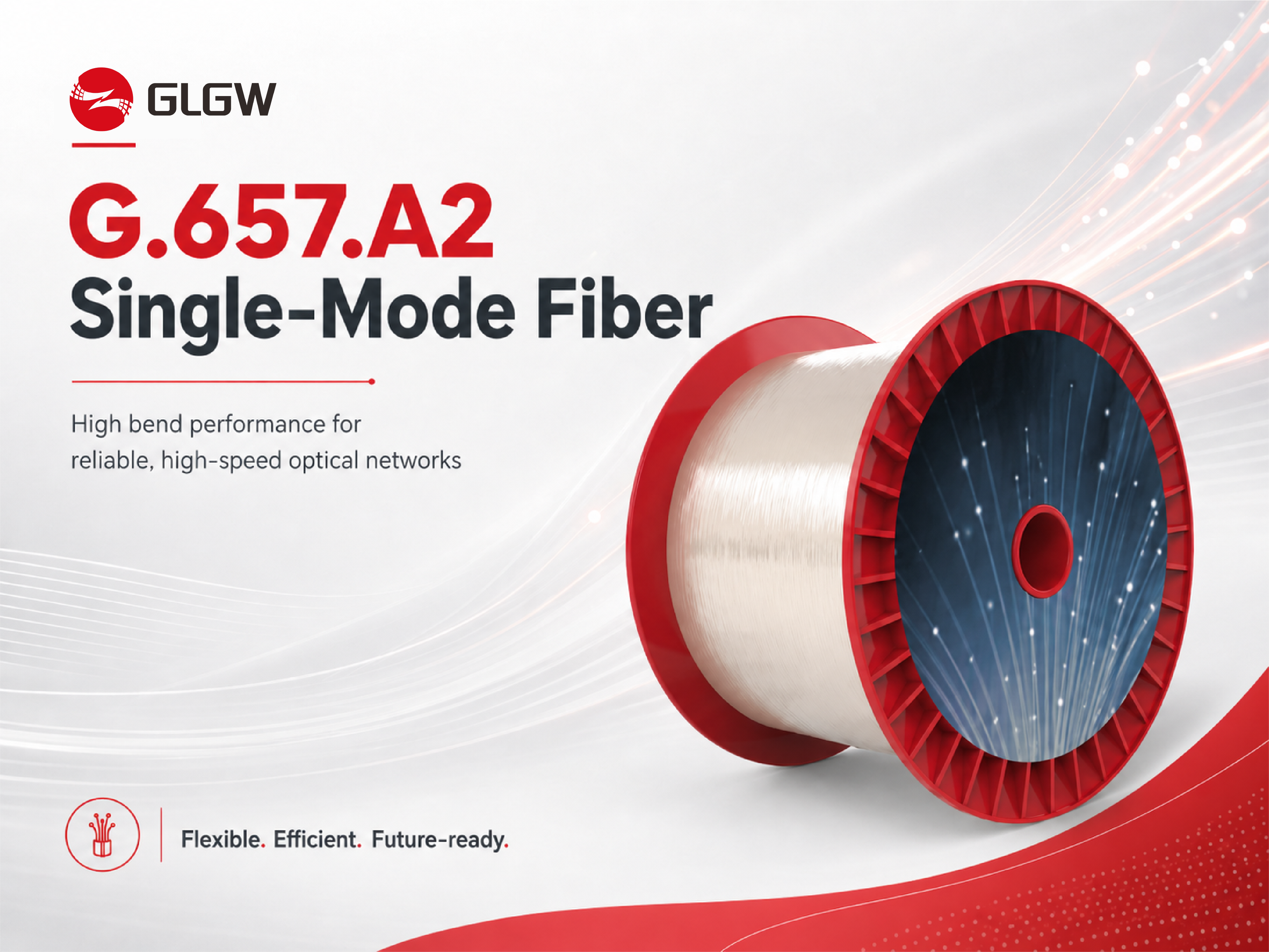
G.657.A2 Single-Mode Fiber for Reliable High-Speed Optical Networks

09

May

G.657.A2 Single-Mode Fiber for Reliable High-Speed Optical Networks

G.657.A2 single-mode fiber offers excellent bend performance, stable transmission, and flexible installation for FTTH, indoor cabling, access networks, and high-speed optical communication systems.
View More

Customer Testimonials

David Miller

“The cabinet gave our technicians a cleaner way to manage feeder and distribution fibers. The structured layout reduced cable congestion and made fiber identification noticeably faster during installation.”

Kevin Turner

“We used the cabinet for a 120-fiber access project. The available routing space made expansion easier and helped our team keep patching and splice management organized.”

Get a Free Quote

Our representative will contact you soon.
Email
Mobile/WhatsApp
Name
Company Name
Message
0/1000
High-Density Fiber Organization

High-Density Fiber Organization

Fiber cabinets provide a structured environment for managing large numbers of optical connections within a centralized enclosure. Internal layouts can be configured with splice trays, adapter panels, patching areas, and cable management components to match different network architectures. For example, a 144-fiber configuration can consolidate multiple distribution routes while maintaining clear identification between feeder and outgoing fibers. Organized routing helps prevent unnecessary cable crossing and makes individual connections easier to locate. This is particularly useful in FTTH distribution hubs, telecom rooms, central offices, and data center environments where connection density continues to increase. A well-planned cabinet layout also leaves room for additional connections, supporting gradual network expansion without requiring immediate replacement of the main enclosure.
Flexible Configuration for FTTH

Flexible Configuration for FTTH

Fiber cabinets can be configured around the requirements of different FTTH and broadband deployment models. A project may need dedicated areas for feeder fiber splicing, distribution fiber patching, PLC splitter installation, or subscriber-side connections. By combining these functions within one organized enclosure, network contractors can simplify the transition between backbone and access segments. Fiber counts such as 96, 120, or 144 can be considered according to project scale and connection density. Cable routing can also be arranged to support easier installation and maintenance. This flexibility allows the same basic cabinet concept to serve residential broadband networks, multi-dwelling buildings, commercial properties, and regional fiber distribution projects with different connectivity requirements.
Built for Maintenance and Expansion

Built for Maintenance and Expansion

Long-term fiber infrastructure requires more than initial connection capacity; it also needs practical access for maintenance and future upgrades. A fiber cabinet provides designated areas for splicing, patching, and cable routing, helping technicians work with individual fiber paths without disturbing unrelated connections. Clear organization can reduce the time required to identify a specific route when testing or troubleshooting. Space can also be reserved for additional adapters, splice trays, or network segments as the system grows. In telecom and broadband projects, this approach supports phased deployment and helps operators expand network capacity according to demand. The result is a more manageable fiber distribution point that can accommodate changing connectivity requirements over time.

Get a Free Quote

Our representative will contact you soon.
Email
Mobile/WhatsApp
Name
Company Name
Message
0/1000