Water Cooling Kit for Data Centers & Industrial Electronics

All Categories
Complete Components for Reliable Liquid-Based Thermal Management

Complete Components for Reliable Liquid-Based Thermal Management

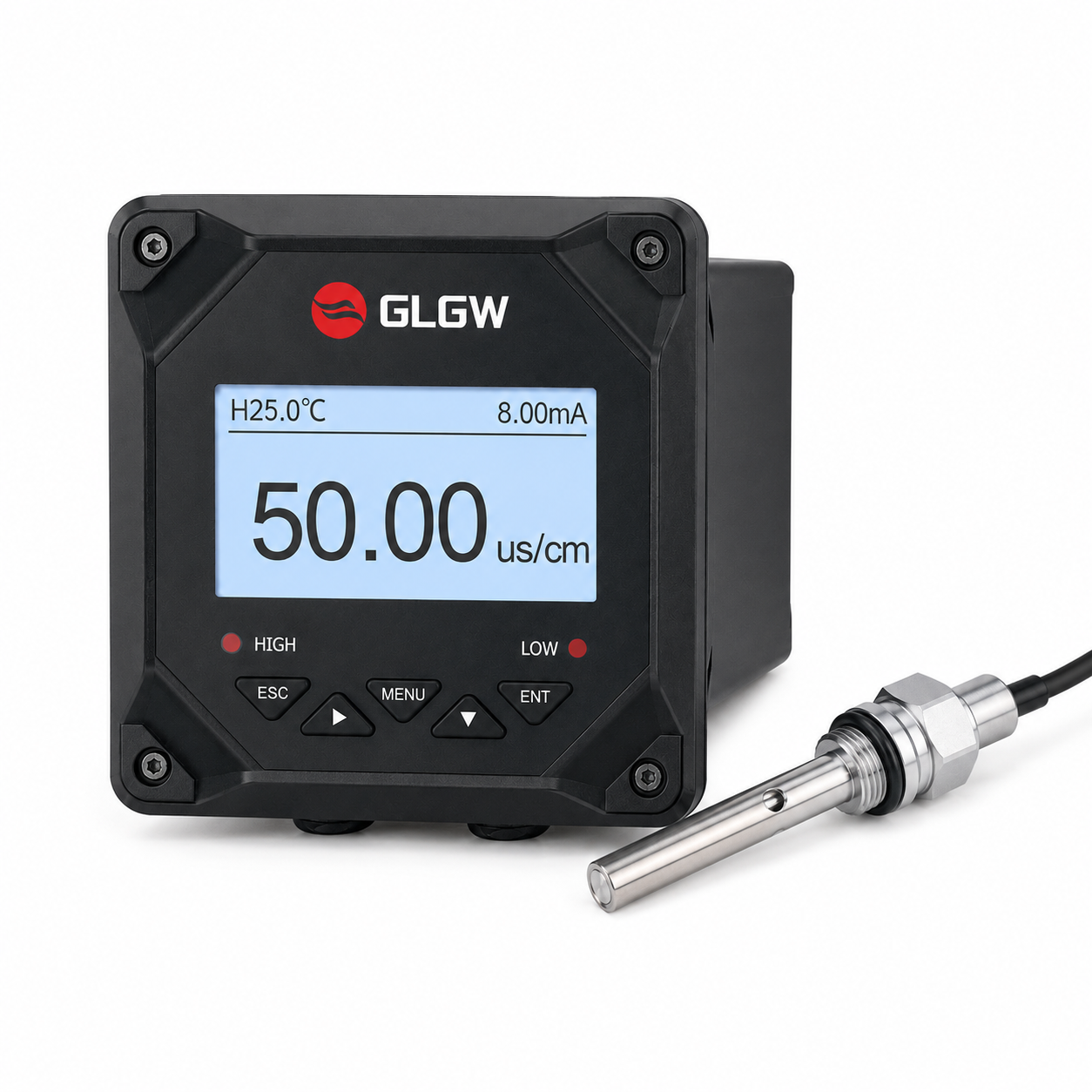
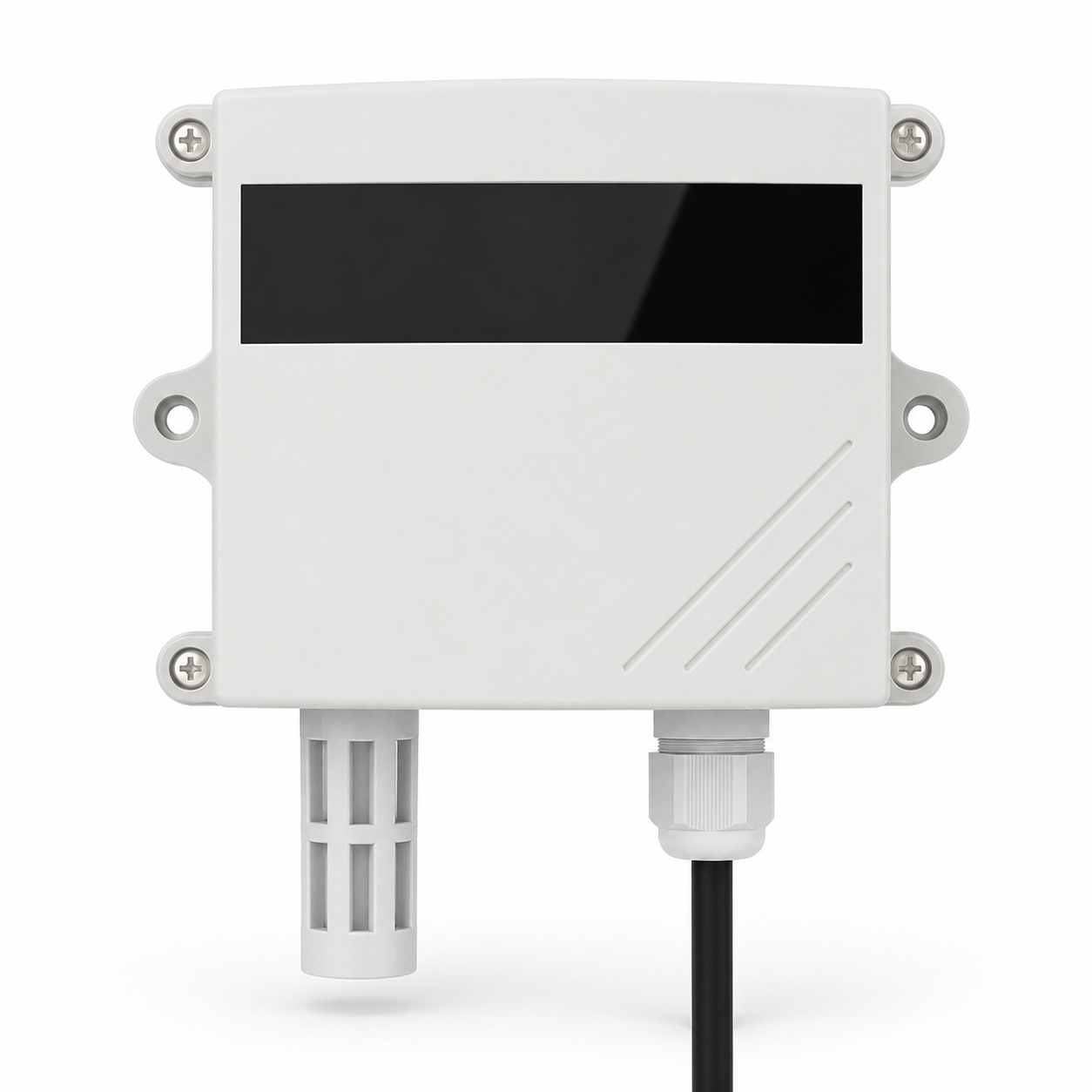
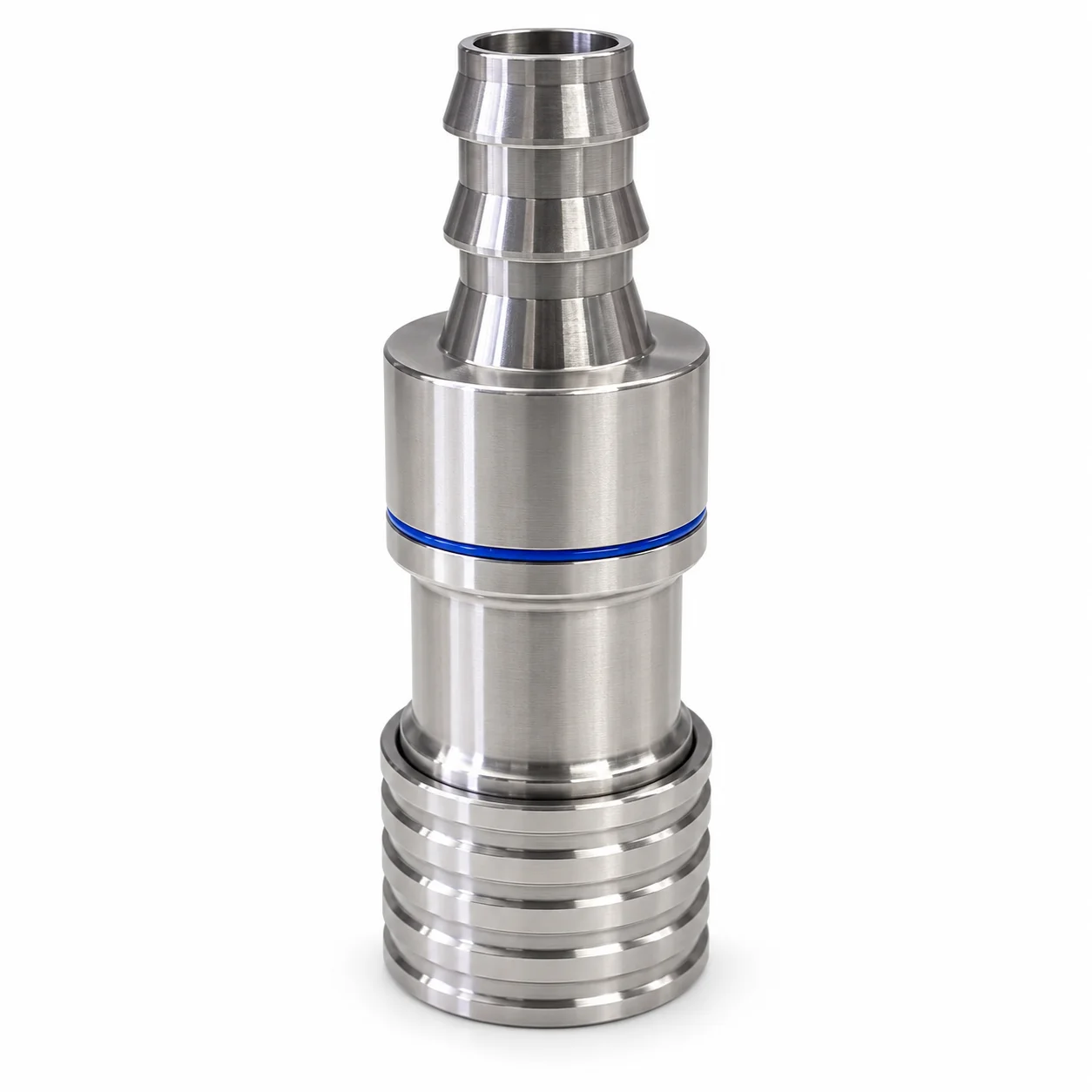
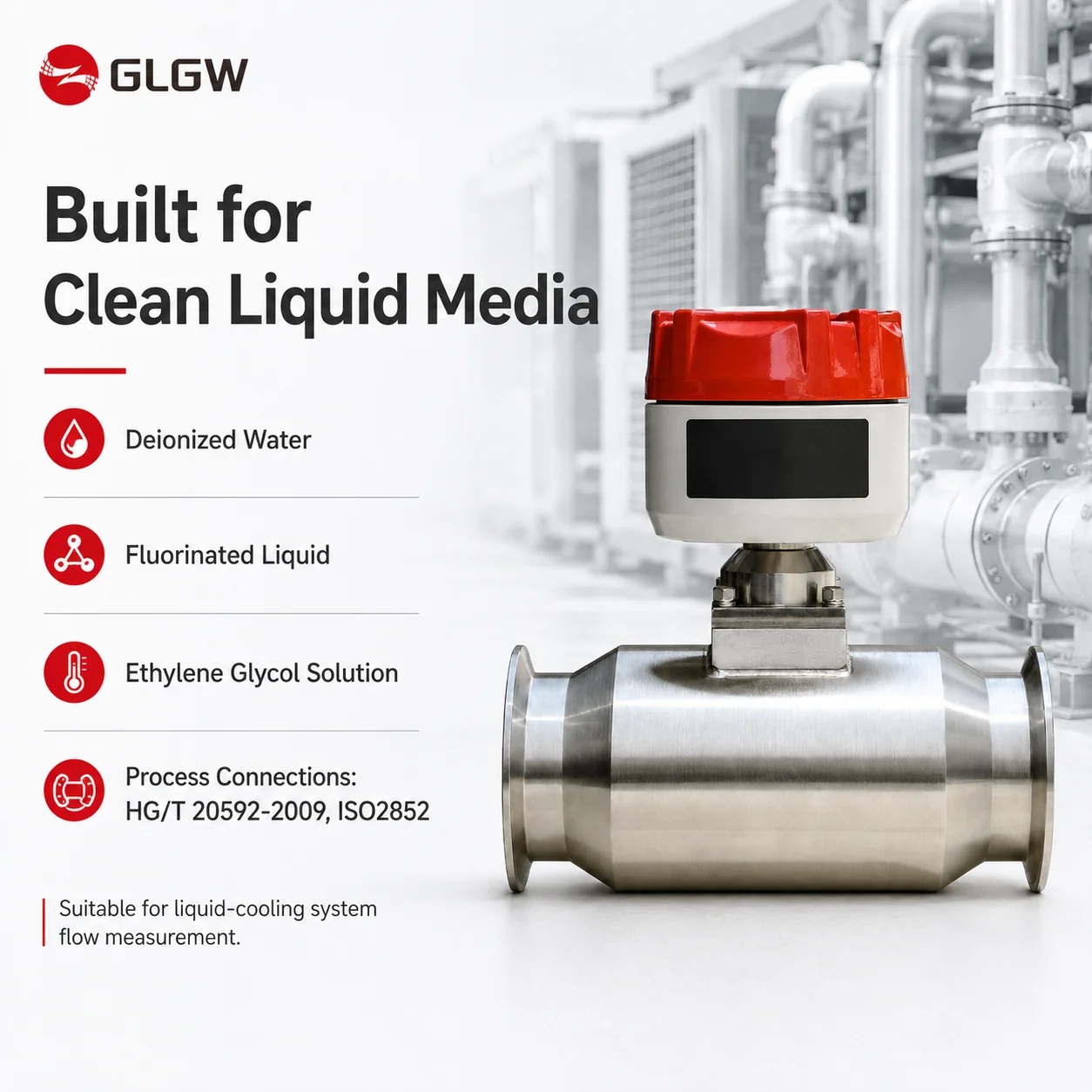
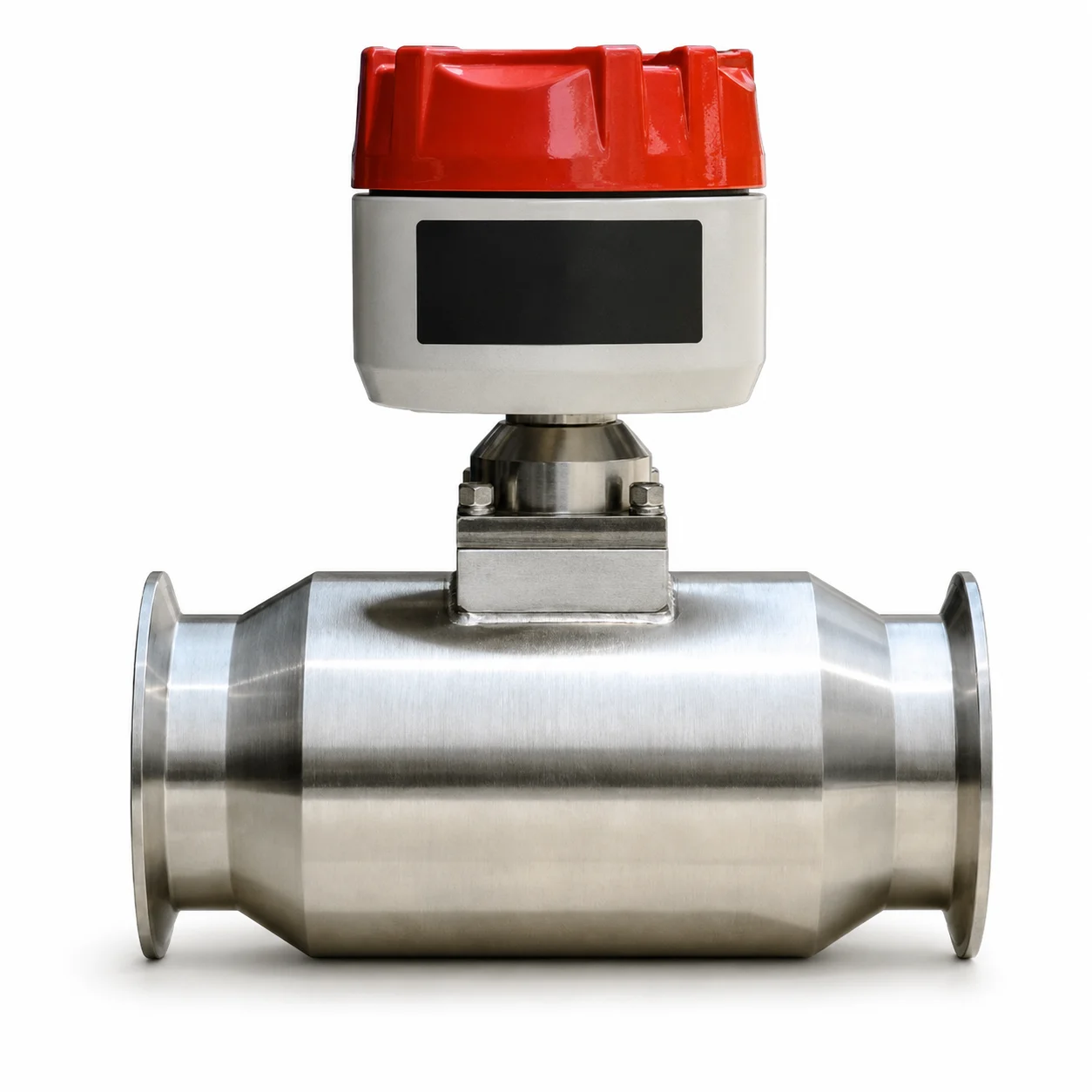
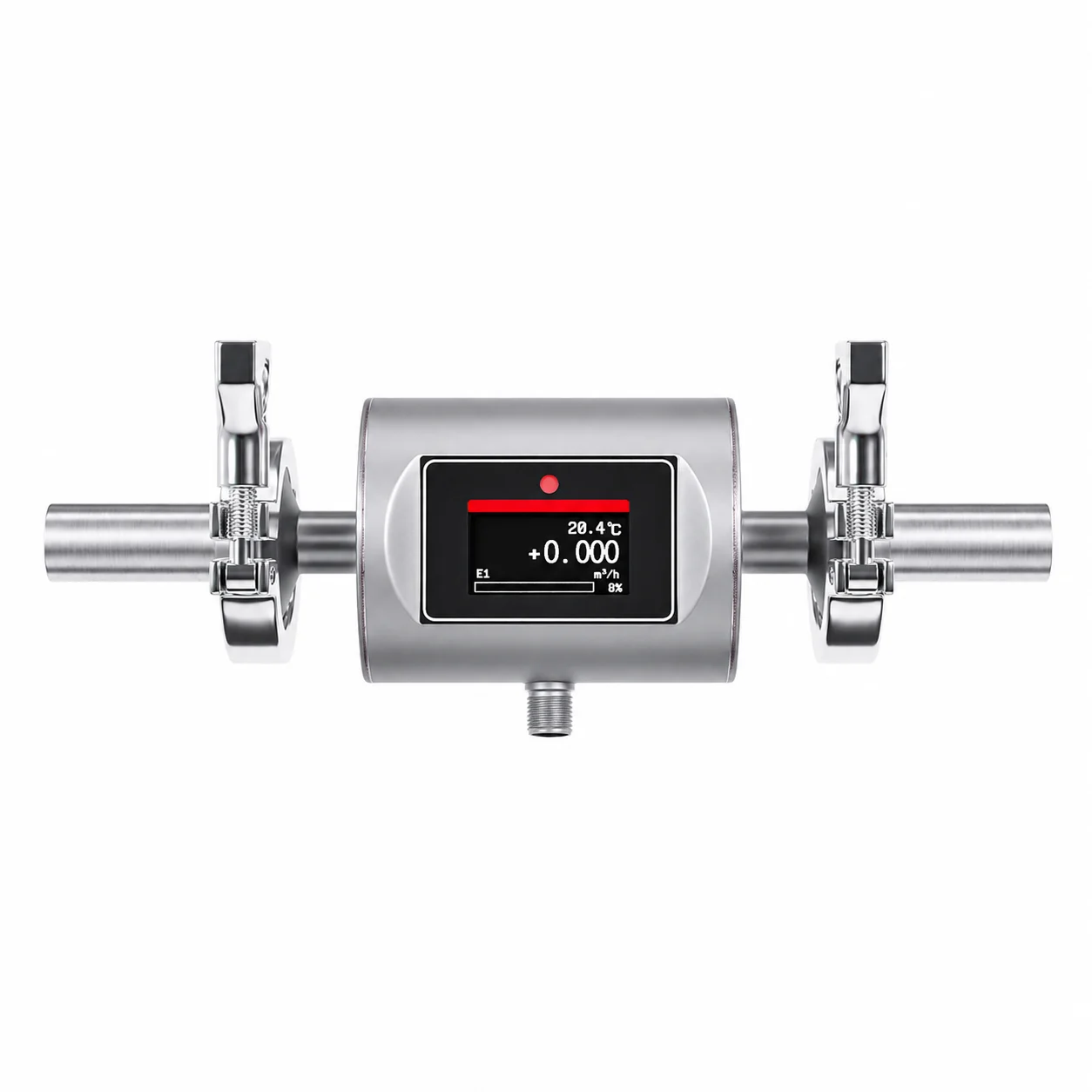
A water cooling kit combines essential components for transferring heat away from servers, processors, industrial electronics, and other heat-generating equipment through a controlled water circulation system. Depending on the application, a kit can include cooling plates, pumps, tubing, fittings, manifolds, reservoirs, sensors, valves, and other supporting components. It provides a practical approach for applications where direct liquid cooling is required to manage concentrated thermal loads. System selection should consider equipment heat output, required flow rate, operating temperature, water quality, pressure, connection dimensions, material compatibility, and available installation space. A properly configured water cooling kit can simplify installation while creating an organized circulation path between heat sources and heat rejection equipment. Modular components can also support future modifications when equipment configurations or cooling requirements change.
Get A Quote

Case Study

High-Performance Server Cooling

A data center was upgrading server hardware for workloads with higher processor heat output. Engineers introduced a water cooling kit to provide localized liquid cooling for selected high-performance servers. The configuration included cooling plates, circulation components, tubing, fittings, and monitoring points matched to the equipment requirements. Flow rate and operating temperature were evaluated alongside the server thermal load and available facility cooling capacity. The system connected the server-side cooling loop with heat rejection equipment through an organized supply and return path. This modular approach allowed the facility to target equipment with higher thermal requirements while maintaining flexibility for future server upgrades and cooling expansion.

Industrial Electronics Cooling

An industrial equipment manufacturer required a compact cooling arrangement for electronic components operating continuously under demanding conditions. A water cooling kit was configured around the equipment's heat output, available installation space, and required circulation rate. Engineers evaluated cooling plate dimensions, pump capacity, tubing connections, fluid compatibility, and operating temperature before integration. Sensors were added to monitor key operating conditions, while the circulation loop connected the heat source with a heat exchanger. The resulting configuration provided controlled water-based heat transfer within the equipment enclosure. Its modular structure also allowed selected components to be adjusted if the equipment's thermal requirements increased during future production upgrades.

Computing Infrastructure Upgrade

A computing facility needed to introduce liquid cooling without completely replacing its existing thermal infrastructure. Engineers used water cooling kits for selected equipment with concentrated heat loads. Each kit was configured according to processor heat output, flow requirements, connection standards, and available installation space. Cooling plates transferred heat from the equipment into the circulating water loop, while pumps and heat exchange equipment maintained fluid movement and heat rejection. Temperature and flow monitoring supported system operation and maintenance. Because the cooling architecture could be deployed in stages, the facility was able to introduce water cooling to priority equipment first and extend the system as computing capacity expanded.

Related products

A water cooling kit provides a combination of components used to establish a water-based thermal management loop for servers, processors, industrial electronics, and other high-heat equipment. Depending on the application, the kit may include cooling plates, pumps, tubing, fittings, manifolds, reservoirs, valves, sensors, and related connection components. Water circulates through the cooling loop and absorbs heat from designated components before transferring that thermal energy to a heat exchanger or facility cooling system. Common applications include data centers, high-performance computing, AI infrastructure, industrial electronics, and specialized equipment. The correct configuration should be based on thermal load, flow rate, operating temperature, pressure, water quality, connection dimensions, and material compatibility. Monitoring temperature, pressure, and flow can help maintain stable operation. A modular water cooling kit can also simplify system integration and provide flexibility for future equipment changes or increased cooling requirements.
Frequently Asked Questions

What is a water cooling kit?

A water cooling kit is a group of components designed to circulate water around heat-generating equipment. It may include cooling plates, pumps, tubing, fittings, manifolds, reservoirs, sensors, and other parts required to establish a controlled cooling loop.
Water cooling kits can be used for servers, AI computing systems, high-performance computers, industrial electronics, power equipment, and specialized machinery. They are particularly useful where concentrated thermal loads require direct liquid-based heat transfer.
Depending on the application, a kit may contain cooling plates, pumps, tubing, fittings, manifolds, reservoirs, valves, sensors, and connection accessories. The configuration should be matched to equipment dimensions, thermal requirements, flow demand, and installation conditions.
Consider the equipment heat load, required water flow, operating temperature, pressure, water quality, connection dimensions, available space, material compatibility, and future expansion needs. These factors determine whether the selected components can work effectively as one cooling system.
Yes. Maintenance may include checking water condition, connections, tubing, pumps, filters, cooling plates, temperature, pressure, and flow. Regular inspection helps identify leaks, circulation issues, or abnormal operating conditions before they affect the cooling system.

Related article

2026 Trends: Smart AI Needs Better Cables for Big Computer Buildings and Homes

08

May

2026 Trends: Smart AI Needs Better Cables for Big Computer Buildings and Homes

View More
Looking for Reliable PDU & Fibre Optic Cable Suppliers in China? Visit GLGW at the Global Sources Hong Kong Show (Booth 9B43)

08

May

Looking for Reliable PDU & Fibre Optic Cable Suppliers in China? Visit GLGW at the Global Sources Hong Kong Show (Booth 9B43)

View More
How to insert MPO connectors correctly?

07

Jul

How to insert MPO connectors correctly?

Real World Field Experiences with High Density Fiber Networks When managing an emergency data center migration last winter, my engineering team ran into an unexpected drop in performance on our main 40G trunk lines. After spending hours checking so...
View More
How to classify data cables by usage scenarios?

14

Jul

How to classify data cables by usage scenarios?

Real World Field Experiences with Multi Environment Network Deployments During a comprehensive network migration for a financial headquarters last spring, our deployment crew encountered major connectivity dropouts across different operational floo...
View More

Customer Testimonials

Brian Cooper

The water cooling kit helped us integrate liquid cooling into several high-performance servers. The matched components simplified installation, while flow monitoring gave our team better control of operating conditions.

Eric Martin

We used a customized water cooling kit for industrial electronics with continuous thermal loads. The compact component arrangement fit our equipment layout and provided consistent heat transfer.

Get a Free Quote

Our representative will contact you soon.
Email
Mobile/WhatsApp
Name
Company Name
Message
0/1000
Complete Cooling Configuration

Complete Cooling Configuration

A water cooling kit brings multiple thermal management components together into one coordinated cooling arrangement. Depending on the application, the configuration can include cooling plates, pumps, tubing, fittings, manifolds, reservoirs, valves, and monitoring sensors. Each component has a role in maintaining water circulation between the heat source and heat rejection equipment. Engineers can select the combination according to equipment heat output, flow requirements, operating temperature, and installation space. This approach helps simplify system planning compared with sourcing every component independently. For servers and industrial electronics, a properly matched kit can create an organized cooling pathway while allowing the system to be adapted when equipment dimensions, thermal loads, or installation requirements change.
Direct Water Cooling

Direct Water Cooling

Water cooling kits provide a direct method of transferring heat away from high-load components. Cooling plates can be installed close to processors or other heat-generating parts, allowing circulating water to absorb thermal energy before moving toward a heat exchanger. This architecture is useful for high-performance servers, AI systems, industrial electronics, and other equipment with concentrated heat output. System performance depends on water flow, cooling plate design, pump capacity, heat exchanger efficiency, and operating temperature. Engineers should also consider water quality and material compatibility when selecting components. With suitable system integration, direct water cooling can provide controlled thermal management for equipment operating under sustained and demanding workloads.
Flexible and Scalable Design

Flexible and Scalable Design

A modular water cooling kit can be adapted as equipment requirements evolve. Data centers and industrial facilities may begin by cooling selected high-heat equipment before expanding liquid cooling to additional systems. Additional pumps, cooling plates, distribution components, or heat exchange capacity can be incorporated according to the overall cooling architecture. Engineers can also plan connection points and monitoring locations for future expansion during the initial installation. System scalability depends on available facility cooling capacity and the selected component configuration. By considering current thermal loads alongside future requirements, users can develop a more flexible cooling infrastructure that supports equipment upgrades without requiring a complete redesign of the entire thermal management system.

Get a Free Quote

Our representative will contact you soon.
Email
Mobile/WhatsApp
Name
Company Name
Message
0/1000