
 EN
EN
Real World Field Experiences with High Density Fiber Networks
When managing an emergency data center migration last winter, my engineering team ran into an unexpected drop in performance on our main 40G trunk lines. After spending hours checking software configurations, we discovered that a junior technician had rushed through the physical layer setup and failed to insert MPO connectors correctly across the patch panels. This small oversight caused severe insertion loss and disrupted the entire network schedule, proving that understanding how to insert MPO connectors correctly is absolute key for infrastructure reliability. Many field installers assume that fiber patching is completely foolproof, but failing to handle components properly can instantly damage delicate transceiver modules. Once we re-terminated the links and trained the staff, the signal degradation vanished entirely. This hands-on experience taught me that proper hardware handling transforms a chaotic installation into a seamless deployment. To avoid costly network downtime, mastering the basic methods to maintain fiber links must be a top priority for any modern data center installation crew.
Structural Design and Pin Alignment Mechanics of Multifiber Fasteners
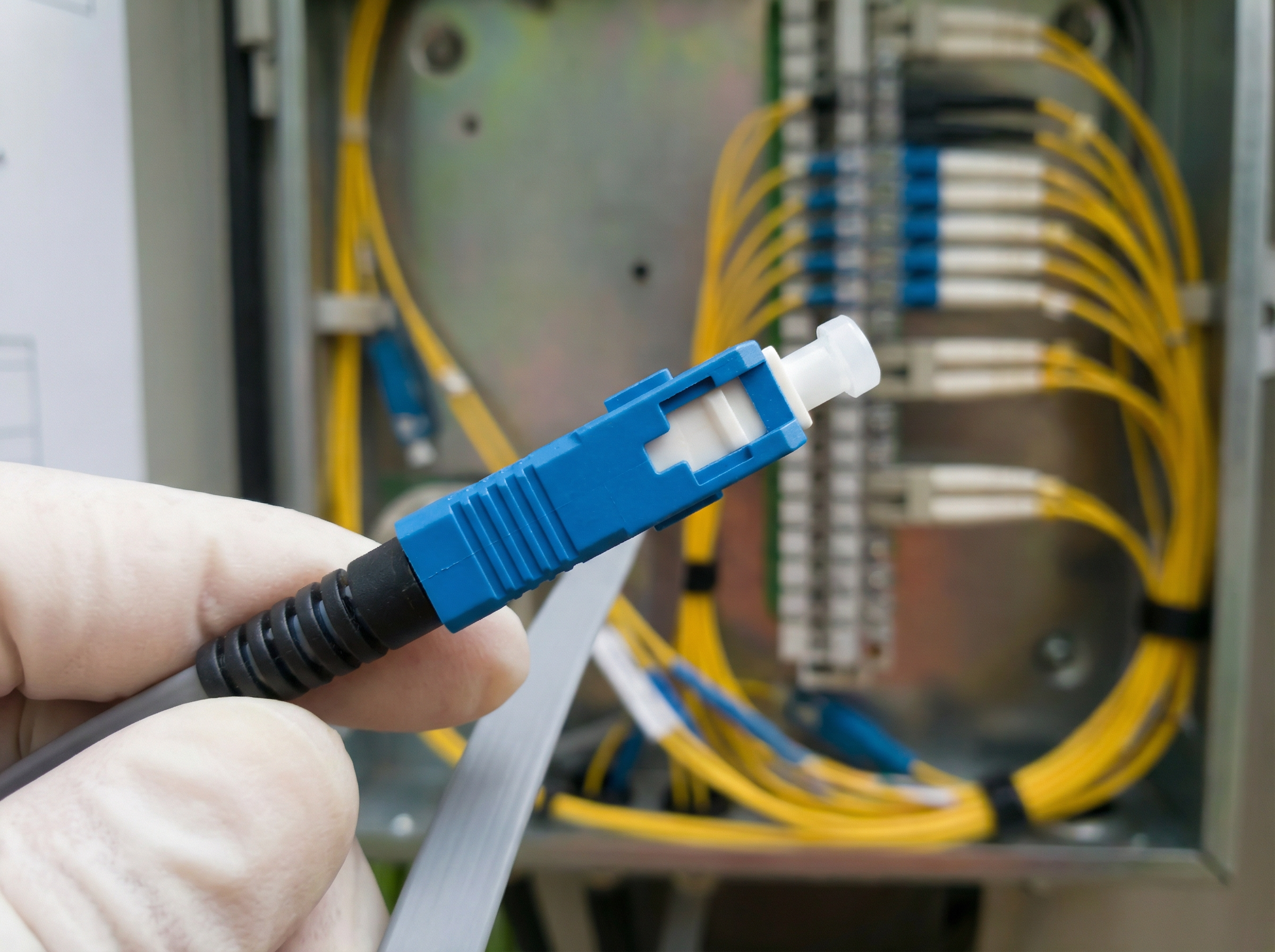
Understanding the engineering behind high-density fiber optics requires analyzing how the multi-fiber push-on mechanism maintains physical contact across twelve or twenty-four distinct fiber strands simultaneously. To insert MPO connectors correctly, you must recognize the vital role of the precise guide pins in male components mating with the matching guide holes of female assemblies. If you attempt to mate two female ends or force mismatched hardware together, you will fail to build a good link, causing permanent alignment error. Additionally, the housing features a specific key-up or key-down configuration that governs network polarity, meaning that knowing how to insert MPO connectors correctly is essential to keep your transmit and receive paths properly aligned. When network operators manage layouts, the internal spring-loaded mechanism ensures even pressure across the MT ferrule surface. This structural precision prevents microscopic air gaps that lead to signal reflection and high return loss values. By analyzing these mechanical parameters, technicians can easily protect the internal glass cores from structural stress.
Compliance Frameworks and Industry Standards for Optical Networking
According to official specifications from international standard bodies like the International Electrotechnical Commission, maintaining clean and precise optical interfaces is mandatory for high-speed enterprise data transfer. Network experts emphasize that a single dust particle can destroy signal transmission, which is why learning how to insert MPO connectors correctly requires following strict inspection protocols before mating. Industry guidelines dictate that you must always clean and inspect both mating faces, ensuring you maintain clean networks according to the recognized standards. Telecommunication engineers constantly state that knowing how to insert MPO connectors correctly prevents premature hardware wear on expensive optical modules. Adhering to these strict manufacturing and installation guidelines allows project managers to guarantee optimal performance across complex backbone architectures. Utilizing standardized procedures ensures that technicians maintain system health, mitigating the risks of physical layer failure during critical enterprise updates. Following these established parameters ensures that your high-density optical fiber grids deliver maximum performance without unexpected downtime.
Safe Installation Techniques for Long Term Signal Integrity
Executing a flawless installation involves following a reliable set of practical steps to maintain excellent data transmission over many years. You should always remove the protective dust caps only immediately before mating the components, ensuring you insert MPO connectors correctly without exposing the ferrule to ambient debris. When holding the assembly, grip the outer sliding sleeve instead of pulling the strain relief boot, which helps you align everything by ensuring a perfectly straight approach into the adapter slot. Align the orientation key with the corresponding slot on the adapter, then gently push the body straight forward until a distinct tactile and audible click confirms a secure lock. Learning how to insert MPO connectors correctly means you never twist or rotate the hardware during the insertion process. If you encounter any physical friction or resistance, stop immediately and inspect the alignment instead of forcing the connection forward. Providing these clear and honest guidelines helps technicians achieve a secure connection that stands up to continuous environmental vibrations effortlessly.
Precision Manufacturing Standards for Global Enterprise Telecommunication Frameworks
Achieving a completely stable and efficient high-speed enterprise network ultimately depends on sourcing your structural patch cables from a trusted manufacturer focused on strict quality control. This is exactly where our advanced solutions at GLGW Network deliver massive value, offering top-tier multi-fiber trunk cables and cassettes engineered to make it simple to insert MPO connectors correctly every time. When international network engineers deploy our premium fiber products, they experience highly consistent dimensions that ensure they handle hardware without experiencing physical tolerance issues. Our extensive selection of fiber assemblies features premium ferrules and robust outer housings, making it easier than ever to insert MPO connectors correctly in cramped overhead cable trays or dense server racks. Relying on our specialized production capabilities ensures that your enterprise upgrades pass every strict insertion loss audit seamlessly. Choosing our high-performing hardware allows global distribution networks to confidently deploy dependable systems, ensuring that field crews can achieve optimal data throughput across extensive telecommunication grids.
Table of Contents
- Real World Field Experiences with High Density Fiber Networks
- Structural Design and Pin Alignment Mechanics of Multifiber Fasteners
- Compliance Frameworks and Industry Standards for Optical Networking
- Safe Installation Techniques for Long Term Signal Integrity
- Precision Manufacturing Standards for Global Enterprise Telecommunication Frameworks