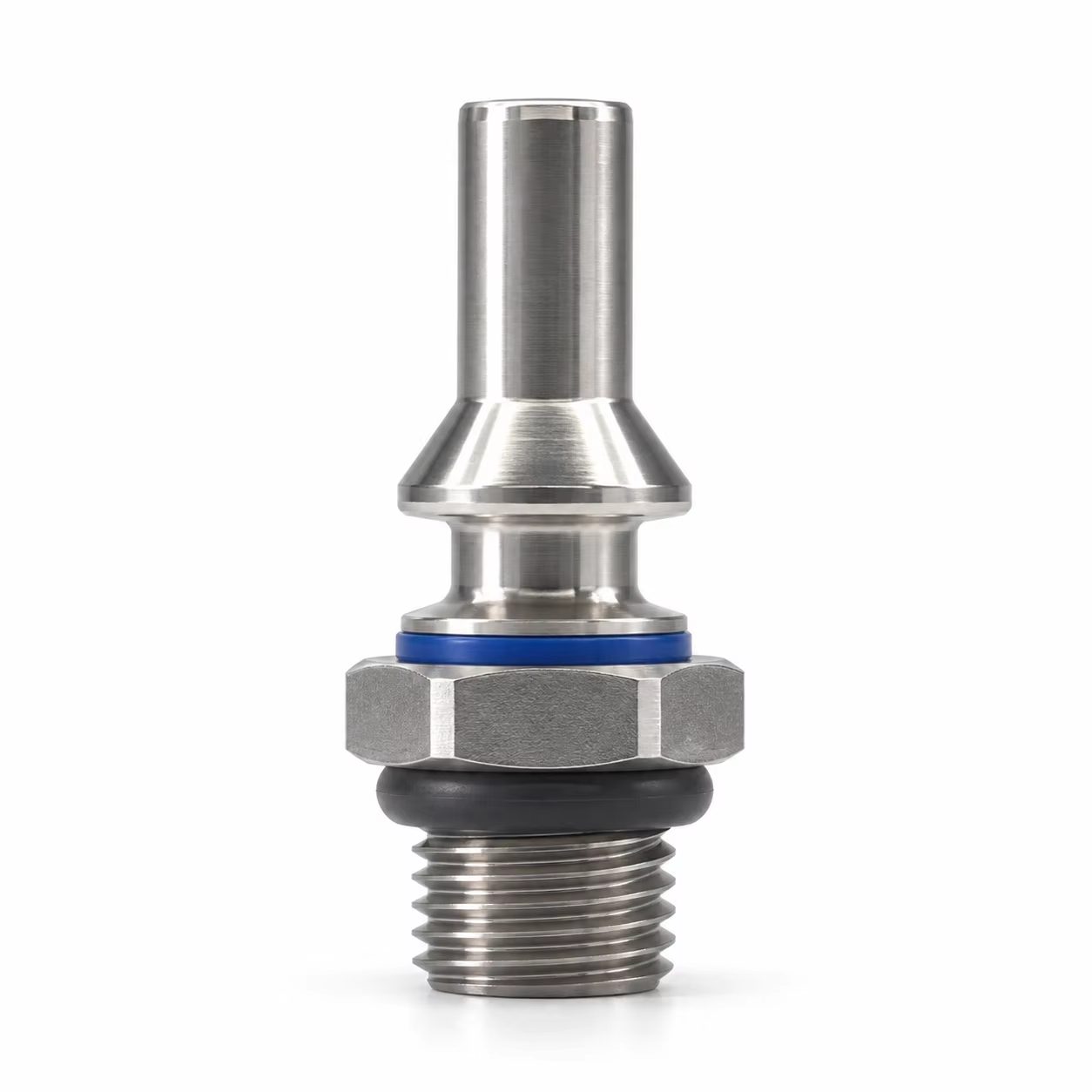
Quick Disconnect Coupling for Data Center Liquid Cooling | UQD Series

All Categories
Advantages of Quick Disconnect Coupling

Advantages of Quick Disconnect Coupling

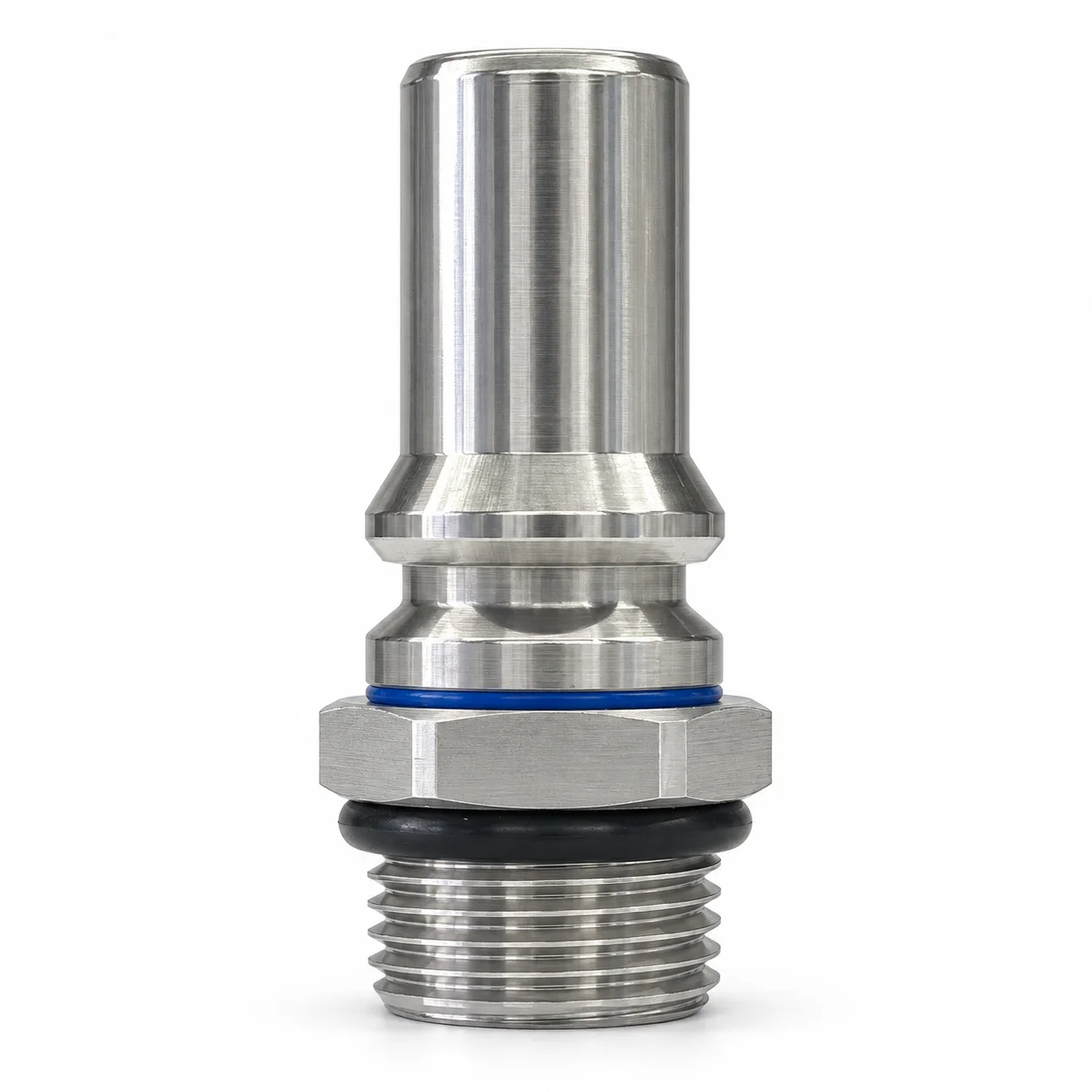
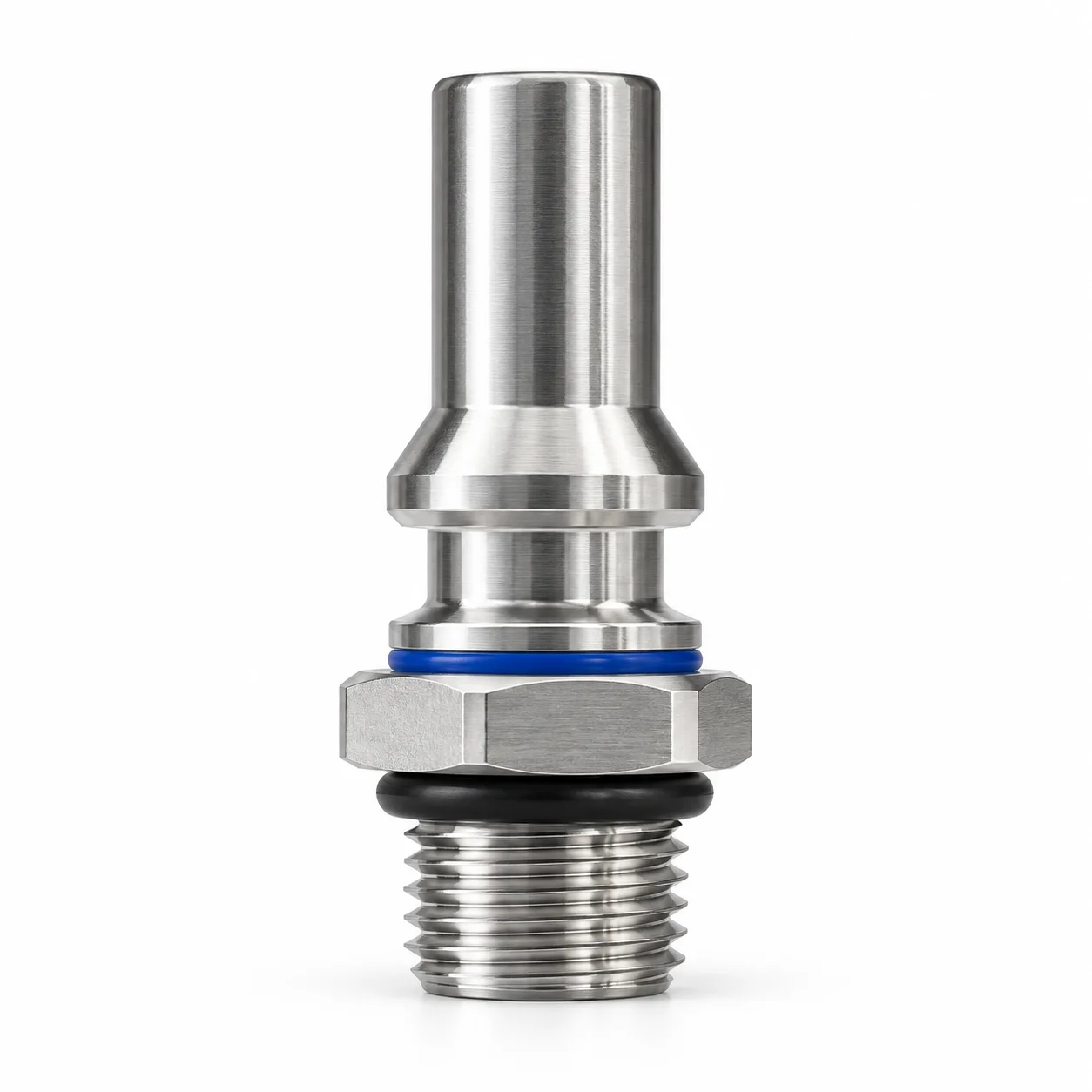
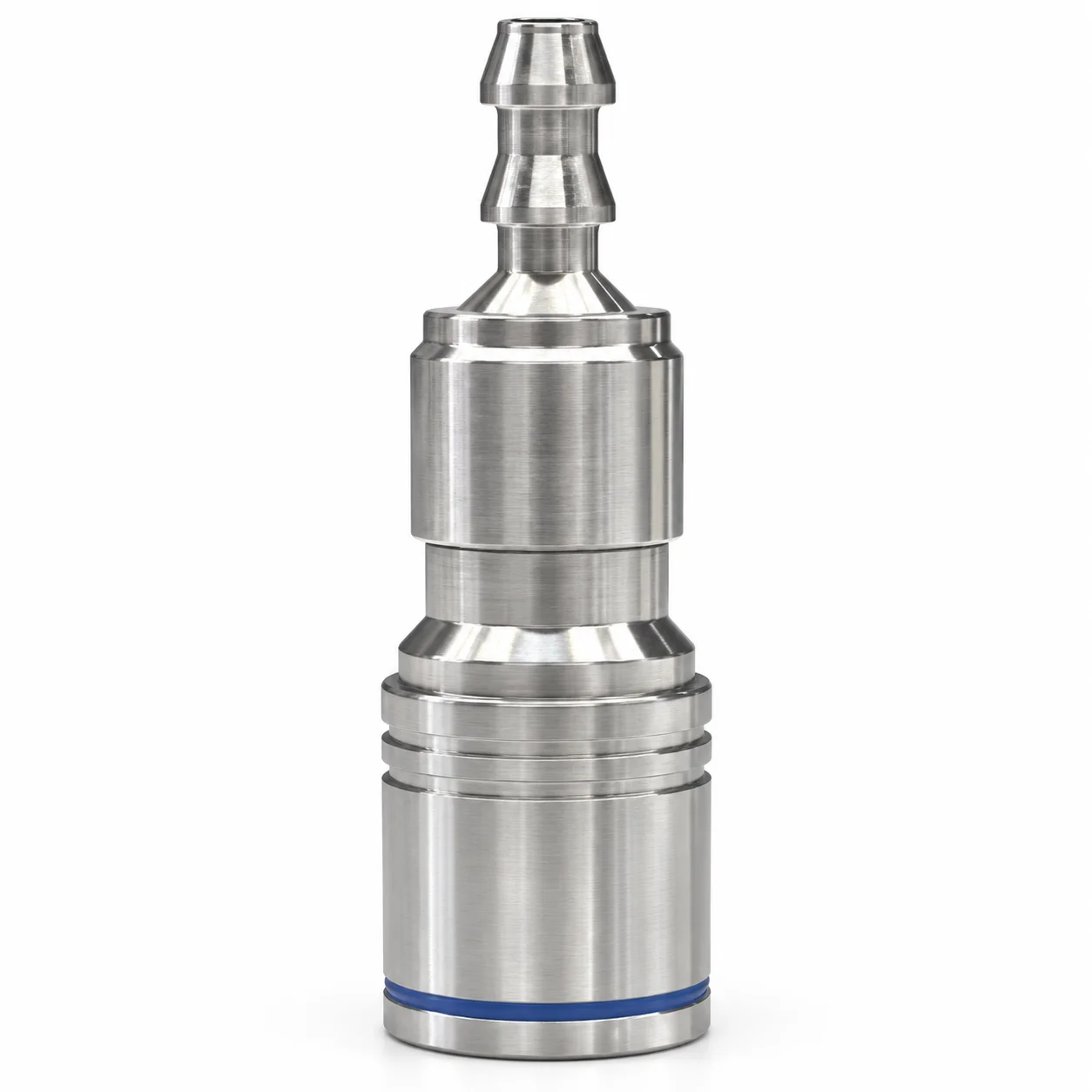
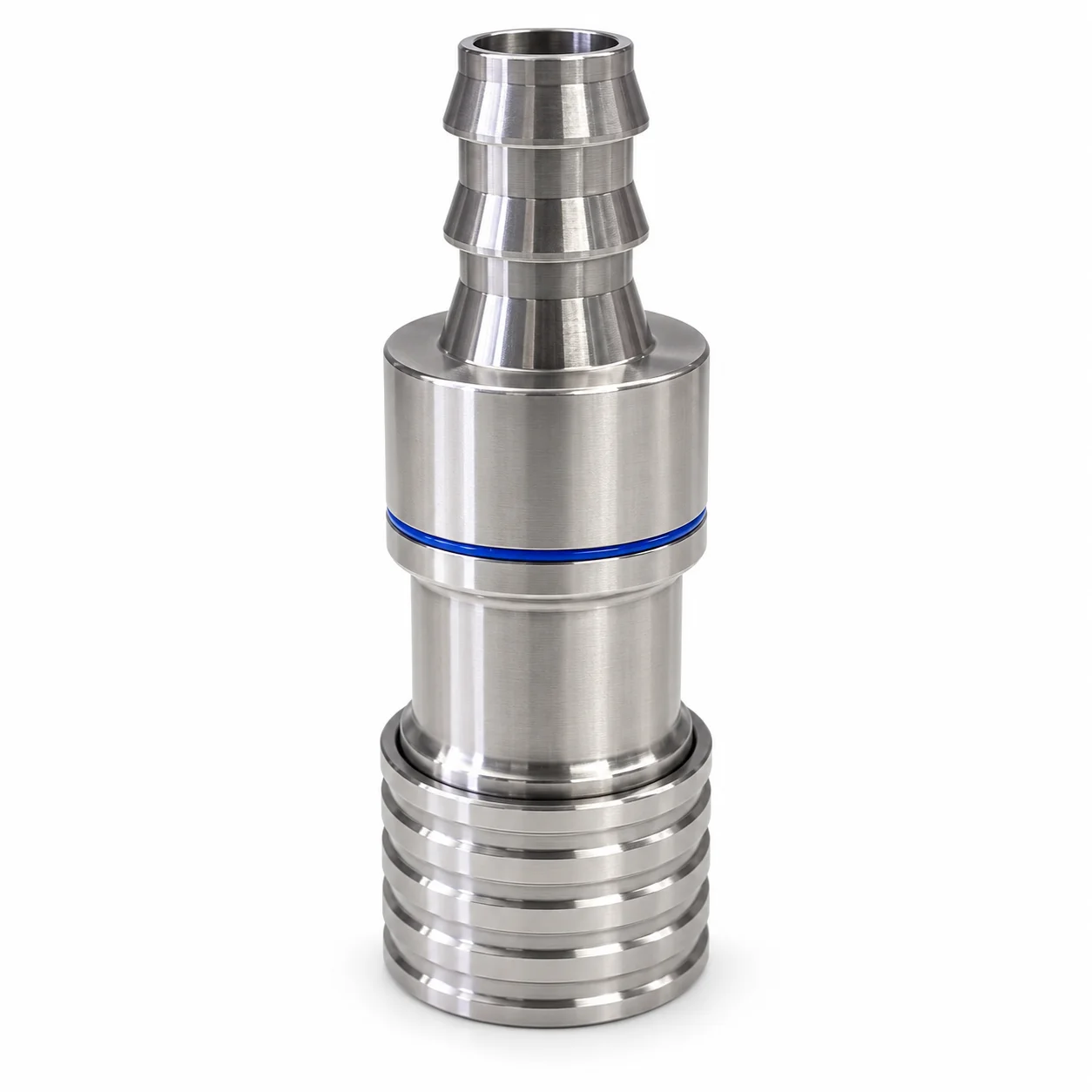
Quick disconnect coupling provides a practical way to connect and separate fluid lines without lengthy installation procedures. It can be used in liquid cooling systems, industrial equipment, hydraulic circuits, thermal management units, and data center infrastructure where service efficiency matters. Depending on the application, coupling configurations can be selected according to connection size, working pressure, flow requirements, fluid compatibility, and installation space. A properly matched coupling helps reduce downtime during equipment maintenance and simplifies component replacement. For liquid cooling applications, quick disconnect coupling can support clean connections between hoses, manifolds, cooling units, and equipment while helping maintain a controlled fluid path. Different connection structures and sealing options can be considered for specific operating conditions and system requirements.
Get A Quote

Case Study

Data Center Liquid Cooling

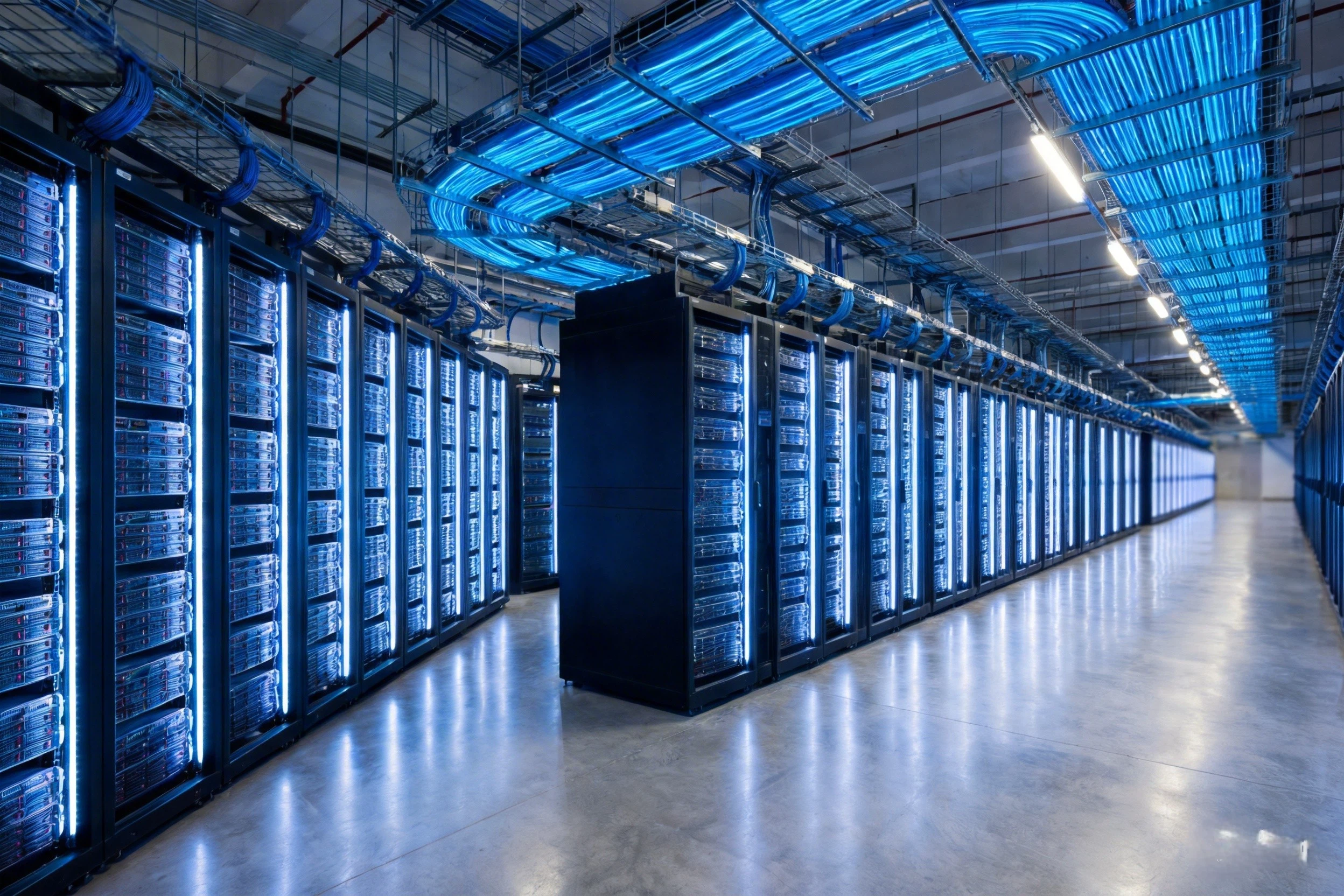
A high-density server cooling system can use quick disconnect coupling to simplify connections between cooling distribution equipment and rack-level circuits. During maintenance, technicians can isolate and disconnect selected cooling lines without rebuilding the entire loop. For example, a rack cooling configuration serving multiple servers can incorporate couplings at service points, making component replacement more manageable. Connection size, flow rate, pressure rating, and coolant compatibility should be evaluated before selection. This approach is useful for data centers supporting AI servers, HPC workloads, and other systems where thermal loads are increasing and maintenance access needs to remain practical.

Industrial Cooling Equipment

Industrial cooling equipment often requires flexible connections between pumps, heat exchangers, manifolds, and process lines. Quick disconnect coupling can provide convenient connection points when equipment needs inspection, cleaning, replacement, or relocation. In a production environment, reducing the number of permanent disconnections can help streamline routine service work. A suitable configuration may be selected according to hose diameter, operating pressure, temperature range, and fluid characteristics. For example, a cooling skid with multiple service points can use detachable connections to make individual components easier to access while maintaining an organized fluid distribution layout.

Electronic Equipment Cooling

Electronic equipment with concentrated heat loads may require compact liquid cooling connections around cold plates and heat transfer assemblies. Quick disconnect coupling can help connect cooling hoses while allowing selected components to be removed for inspection or replacement. In a compact server or industrial computing system, connection dimensions and bending space are important because crowded layouts can restrict installation access. Couplings can be positioned at practical service points between the cooling circuit and equipment. The final configuration should consider coolant type, pressure, temperature, flow rate, sealing requirements, and the available space around the equipment.

Related products

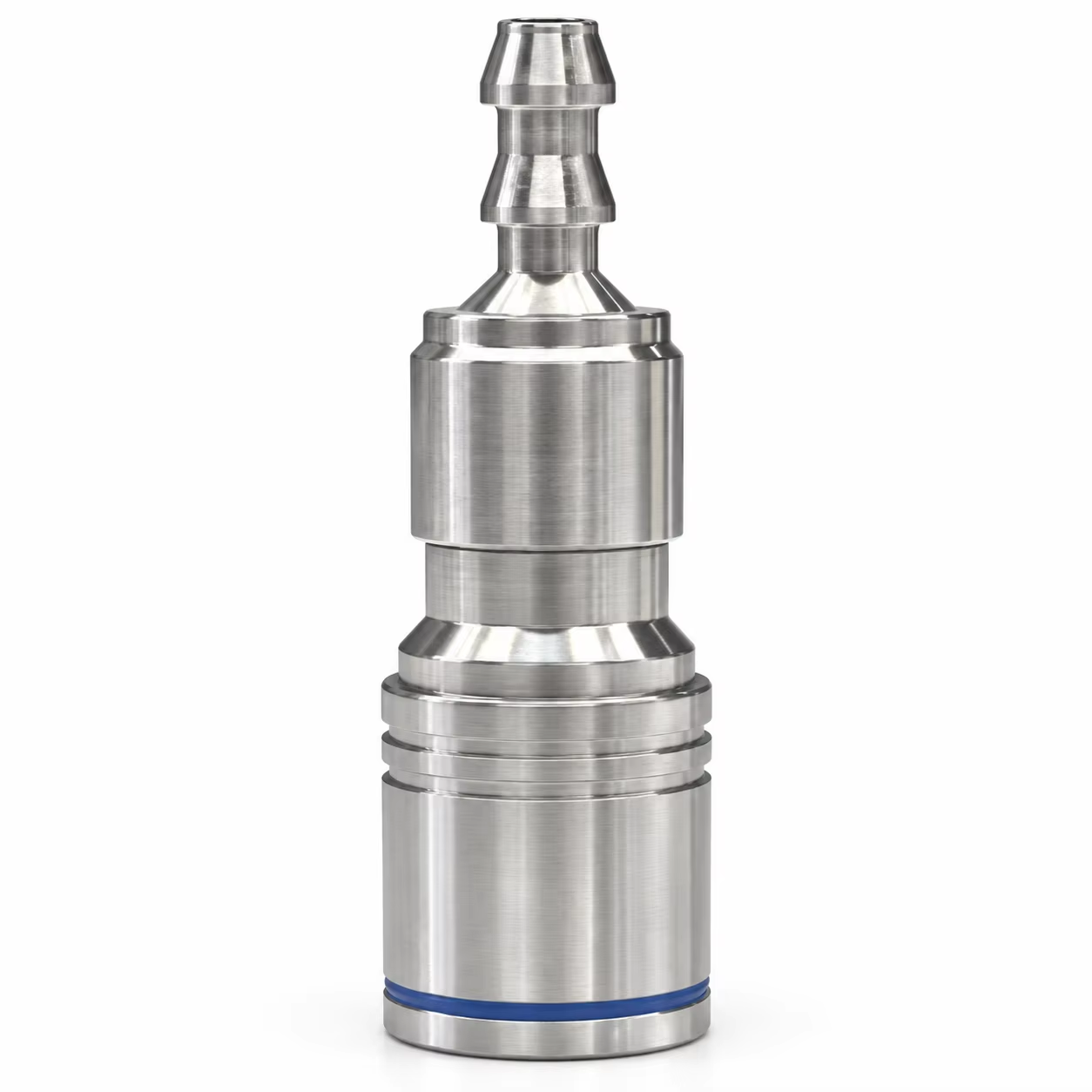
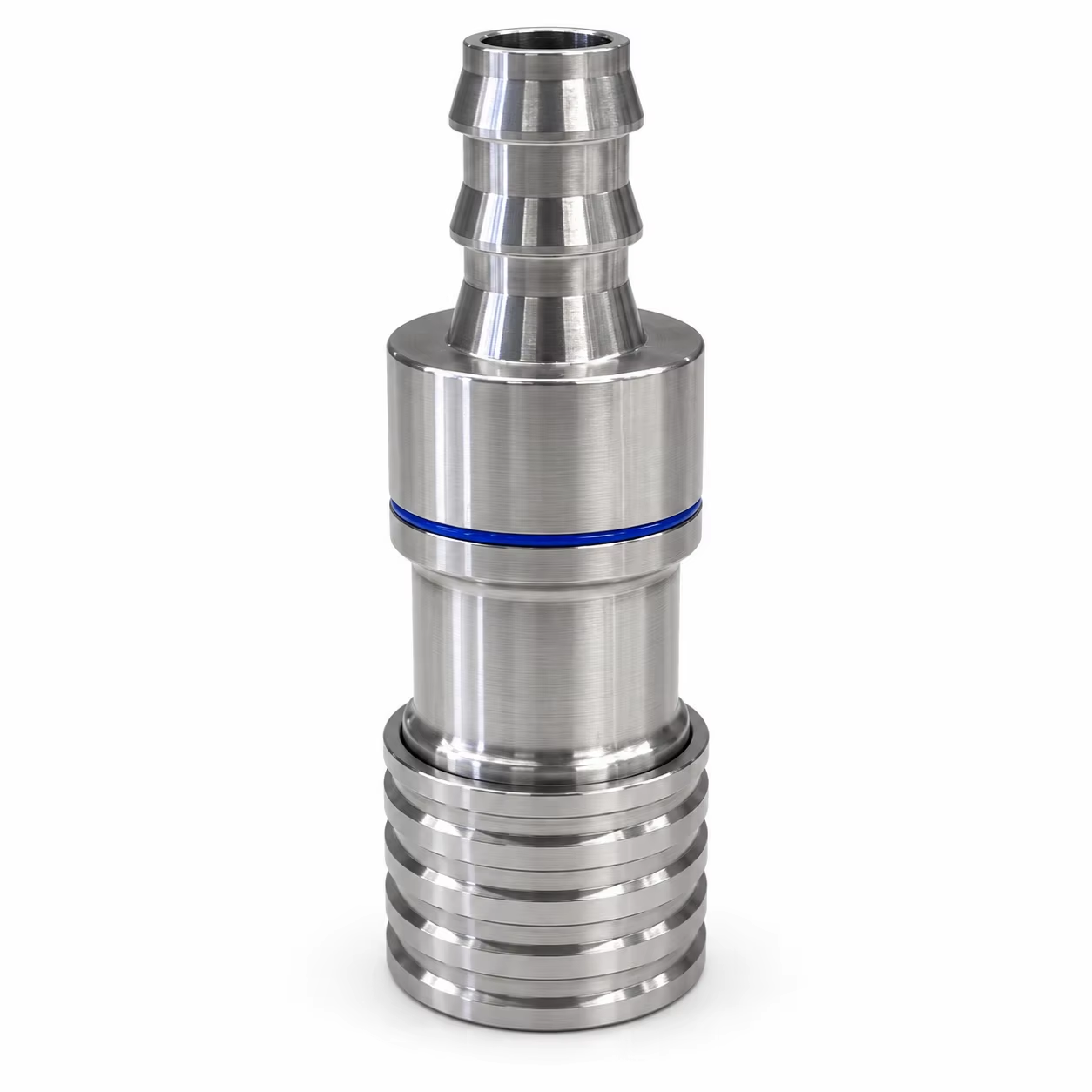
Quick disconnect coupling is designed to provide a detachable connection between fluid lines and cooling components. In a liquid cooling system, it can be integrated with hoses, cold plates, pumps, manifolds, cooling distribution units, heat exchangers, or other fluid-handling components. Its main value is service convenience: technicians can disconnect selected sections of a cooling circuit when replacing components, changing equipment, or performing maintenance. For data center and industrial applications, coupling selection should consider connection diameter, flow demand, working pressure, operating temperature, coolant composition, sealing materials, and installation environment. A compact coupling can be useful where rack space or equipment clearance is limited, while larger configurations may be considered for higher-flow circuits. The connection layout should also minimize unnecessary bends and pressure losses. Depending on system requirements, quick disconnect coupling can be incorporated into direct-to-chip cooling, rack-level liquid cooling, industrial thermal management, and electronic equipment cooling systems.

Frequently Asked Questions

What is a quick disconnect coupling?

A quick disconnect coupling is a detachable fluid connection that allows hoses or components to be connected and separated efficiently. It is commonly used where equipment requires regular maintenance, component replacement, or flexible installation. In cooling systems, it can connect hoses, manifolds, cold plates, pumps, and other fluid-handling components.
Quick disconnect coupling can be used in liquid cooling, industrial machinery, hydraulic equipment, electronic cooling, thermal management systems, and data center infrastructure. The appropriate configuration depends on fluid type, flow rate, pressure, temperature, connection size, and installation conditions. It is particularly useful where service access and equipment replacement are important.
Selection should consider connection size, flow requirements, working pressure, temperature range, coolant compatibility, sealing material, and available installation space. The coupling should match the hose or pipe configuration and expected operating conditions. For liquid cooling, fluid properties and required thermal performance should also be reviewed before choosing a suitable connection structure.
Yes, quick disconnect coupling can be incorporated into liquid cooling circuits when its materials, seals, pressure rating, temperature range, and flow capacity are suitable for the application. It can connect cooling equipment, hoses, manifolds, and rack-level circuits while providing convenient service access during maintenance or component replacement.
Maintenance requirements depend on the operating environment and system design. Connections should be inspected periodically for leakage, seal wear, contamination, or mechanical damage. Cooling systems should also maintain appropriate fluid quality and operating conditions. Following the selected coupling manufacturer's installation and maintenance recommendations helps support reliable long-term operation.

Related article

Reliable Data and Power Transmission Solutions for Modern Infrastructure

21

May

Reliable Data and Power Transmission Solutions for Modern Infrastructure

View More
How to classify data cables by usage scenarios?

14

Jul

How to classify data cables by usage scenarios?

Real World Field Experiences with Multi Environment Network Deployments During a comprehensive network migration for a financial headquarters last spring, our deployment crew encountered major connectivity dropouts across different operational floo...
View More
What Connector Types for Ethernet Patch Cable?

18

Jul

What Connector Types for Ethernet Patch Cable?

Real World Field Challenges with Commercial Network Overhauls During a massive network overhaul for an e-commerce fulfillment hub last year, my deployment team faced an unexpected wave of packet drops and intermittent link drops across the main pac...
View More
What Is the Difference Between LAN Cable and WAN Cable?

01

Sep

What Is the Difference Between LAN Cable and WAN Cable?

Understanding LAN Cable: Types, Standards, Performance, and How to Choose the Right Cable What Is a LAN Cable and Why Is It Important for Modern Networks? A LAN cable is a physical network cable used to connect computers, servers, switches, routers...
View More

Customer Testimonials

Daniel Moore

The detachable connections made our cooling loop easier to service. Technicians could replace selected components without rebuilding the complete circuit, reducing maintenance work during scheduled equipment inspections.

Kevin Zhang

The coupling design worked well within a compact cooling assembly. Our engineering team had more flexibility when routing hoses between the manifold and equipment, particularly where installation space was limited.

Get a Free Quote

Our representative will contact you soon.
Email
Mobile/WhatsApp
Name
Company Name
Message
0/1000
Efficient Service Connections

Efficient Service Connections

Quick disconnect coupling can create practical service points throughout a fluid cooling circuit. Instead of permanently joining every component, selected sections can be designed for easier disconnection during maintenance or replacement. This is especially useful in systems containing pumps, cold plates, manifolds, heat exchangers, and cooling distribution equipment. Engineers can position detachable connections according to equipment access, hose routing, and expected maintenance procedures. A well-planned connection layout can reduce unnecessary disassembly and help technicians isolate individual components more efficiently. For data center and industrial environments, this approach can support maintenance planning while keeping the cooling architecture organized and adaptable to future equipment changes.
Liquid Cooling Compatibility

Liquid Cooling Compatibility

For liquid cooling applications, coupling performance depends on more than physical connection size. The selected configuration should be matched with coolant composition, operating temperature, pressure, flow rate, sealing requirements, and material compatibility. This is important for systems using water-based coolants or specialized thermal fluids because unsuitable materials can affect sealing performance or long-term reliability. Quick disconnect coupling can be integrated between cooling hoses, manifolds, cold plates, pumps, and distribution units when these technical parameters are properly evaluated. By considering the complete fluid path during system design, engineers can establish connection points that support both thermal performance and practical equipment servicing.
Flexible Equipment Integration

Flexible Equipment Integration

Quick disconnect coupling supports flexible integration where cooling components may need to be replaced, relocated, or upgraded. In a server rack, industrial machine, or electronic cooling assembly, detachable connections can provide greater freedom when arranging hoses and service points. Engineers can consider coupling placement together with hose length, bending radius, equipment clearance, and expected maintenance access. For example, a rack-level cooling loop may use dedicated connection points near a manifold so individual equipment sections can be serviced without extensive work on the complete system. This design approach can make future modifications more manageable while supporting organized fluid routing and efficient installation.

Get a Free Quote

Our representative will contact you soon.
Email
Mobile/WhatsApp
Name
Company Name
Message
0/1000