
 EN
EN
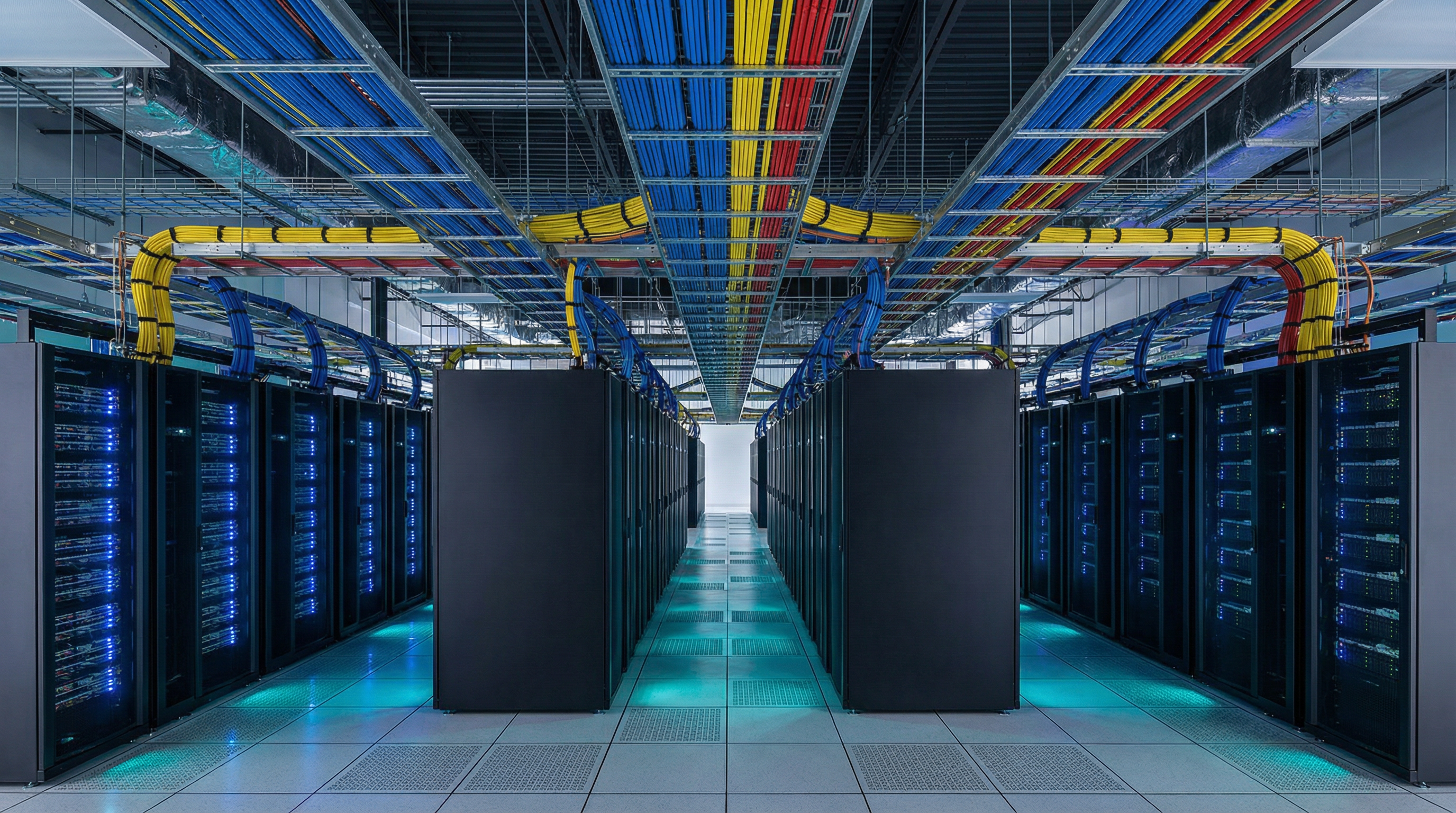
Understanding LAN Cable: Types, Standards, Performance, and How to Choose the Right Cable
What Is a LAN Cable and Why Is It Important for Modern Networks?
A LAN cable is a physical network cable used to connect computers, servers, switches, routers, wireless access points, and other network devices within a local area network (LAN). It provides a stable connection for data transmission and remains one of the most important components in modern business networking infrastructure.
Unlike wireless connections, Ethernet LAN cables offer lower latency, higher reliability, and consistent bandwidth, making them widely used in offices, data centers, industrial facilities, and commercial buildings. A properly installed LAN cable system ensures smooth operation for applications such as cloud computing, video conferencing, IP phones, security monitoring systems, and enterprise software platforms.
Most LAN cables use twisted-pair copper wiring with an RJ45 connector, which has become the standard interface for Ethernet networks. With the development of Power over Ethernet (PoE) technology, a single LAN cable can now transmit both data and electrical power, allowing businesses to install devices such as IP cameras, wireless access points, and VoIP phones without additional power cables.
For companies building reliable network infrastructure, selecting the right LAN cable type is essential for maintaining performance, scalability, and long-term operational stability.
LAN Cable Categories: From Cat5e to Cat8 Explained
Ethernet LAN cables are classified into different categories based on transmission speed, bandwidth capacity, and supported frequency. The most common categories used today range from Cat5e to Cat8.
| Cable Category | Maximum Speed | Maximum Distance | Bandwidth | Common Applications |
|---|---|---|---|---|
| Cat5e | 1 Gbps | 100 meters | 100 MHz | Home networks, small offices |
| Cat6 | Up to 10 Gbps* | 55-100 meters | 250 MHz | Business networks, high-speed Ethernet |
| Cat6a | 10 Gbps | 100 meters | 500 MHz | Enterprise networks, data centers |
| Cat7 | 10 Gbps | 100 meters | 600 MHz | Industrial and shielded network environments |
| Cat8 | 25/40 Gbps | 30 meters | 2000 MHz | High-performance data centers |
*Cat6 can support 10 Gbps transmission under specific conditions, typically up to 55 meters.
For most commercial networks, Cat6 and Cat6a LAN cables provide the best balance between cost and performance. Cat5e remains suitable for basic applications, while Cat8 is mainly designed for short-distance, high-speed connections inside data centers.
Although these cable categories share similar RJ45 interfaces, higher-performance cables usually require better shielding, improved manufacturing quality, and stricter installation standards to achieve their rated performance.
Factors That Affect LAN Cable Performance in Real Applications
The performance of a LAN cable depends on more than just its category rating. Installation environment, cable quality, and network design all influence actual transmission results.
Cable length is one of the most important factors. Higher-category cables can support faster speeds, but maximum performance decreases as distance increases. For example, Cat8 cable can achieve extremely high transmission speeds but is generally designed for shorter connections, while Cat6a can maintain 10Gbps performance over 100 meters.
Electromagnetic interference (EMI) is another factor that affects network reliability. In environments with heavy electrical equipment, industrial machinery, or dense cable installations, shielded twisted pair (STP) cables can help reduce signal interference and improve stability.
Proper installation also plays a critical role. Excessive bending, poor cable termination, incorrect patch panels, and insufficient separation from power cables can reduce signal quality. Professional network installers typically use certification testing equipment to verify that the installed LAN cable system meets industry performance standards.
For industrial applications, businesses may also require specialized LAN cables with durable jackets that can withstand vibration, temperature changes, moisture, or chemical exposure.
Is There Really a "WAN Cable"? Understanding WAN Connectivity
Why WAN Cable Is Not a Standard Cable Category
Many people search for “WAN cable” when comparing network cables, but technically, there is no specific cable category called a WAN cable.
A Wide Area Network (WAN) connects multiple locations across cities, countries, or even continents. Unlike a LAN, which usually relies on structured Ethernet cabling inside a building, WAN connectivity depends on service providers and various communication technologies.
The physical connection used for WAN services can include fiber optic cables, coaxial cables, copper telephone lines, or wireless transmission systems. The actual medium depends on the Internet Service Provider (ISP), network design, and required bandwidth.
For example, an enterprise branch office may connect to a headquarters network through a fiber-based WAN service, while another location may use a broadband connection delivered through coaxial or copper infrastructure. In both cases, users are accessing a WAN connection, but the physical cables involved are different.
Therefore, businesses should not look for a special “WAN cable.” Instead, they should focus on choosing the appropriate WAN service, network equipment, and connection method.
Common Physical Media Used in WAN Networks
WAN networks rely on different transmission media depending on distance, speed requirements, and cost considerations.
Fiber optic cables are widely used for long-distance WAN connections because they provide extremely high bandwidth, low signal loss, and strong resistance to electromagnetic interference. They are commonly deployed in backbone networks, metropolitan networks, and enterprise connections.
Copper-based twisted pair cables are still used in some WAN access solutions, including DSL connections. Although they cannot match fiber performance, they remain practical in areas where existing copper infrastructure is available.
Coaxial cable is another type of transmission medium used in cable internet networks. It can support high-speed broadband services and continues to play an important role in hybrid fiber-coaxial (HFC) networks.
The key point is that WAN connectivity is determined by network architecture and service providers, not by a single cable type.
LAN Cable vs WAN Port: Understanding the Real Difference
LAN and WAN Are Different Network Functions, Not Different Cable Types
One common misunderstanding is that LAN cables and WAN cables are physically different products. In reality, the difference between LAN and WAN mainly comes from their network functions.
A LAN port on a router or switch connects devices inside the local network, such as computers, printers, and access points. It manages communication within the same internal network.
A WAN port connects the local network to an external network, usually through an Internet Service Provider. It serves as the gateway between the internal LAN environment and the wider internet.
Both LAN and WAN ports may use the same RJ45 connector and the same Ethernet cable. The difference lies in how the network equipment processes and routes the data.
This means a standard Ethernet LAN cable can often physically connect to either a LAN port or a WAN port, but the purpose of the connection is completely different.
How WAN Protocols Work Across Different Network Media
WAN communication depends on networking protocols that allow data to travel across different physical infrastructures.
Technologies such as PPPoE, MPLS, and IPsec enable reliable communication between locations even when different transmission media are involved. For example, data may start from a computer connected through an Ethernet LAN cable, travel through a router, pass across a fiber optic backbone, and finally reach another office location.
These protocols separate network communication from the physical cable itself, allowing businesses to build flexible and scalable network systems.
How to Choose the Right LAN Cable for Your Network
Choosing the correct LAN cable depends on your network speed requirements, installation environment, and future expansion plans.
For small offices and basic network applications, Cat5e or Cat6 cables are usually sufficient. Businesses requiring higher bandwidth for servers, video transmission, or large-scale data transfer should consider Cat6a or higher categories.
Enterprise and industrial environments should also evaluate shielding requirements, cable durability, and compliance with installation standards.
Working with an experienced LAN cable manufacturer or supplier can help businesses select suitable cable solutions based on network requirements, application conditions, and long-term performance goals.
Frequently Asked Questions About LAN Cable
What is the main purpose of a LAN cable?
A LAN cable connects network devices within a local area network and enables high-speed data communication between computers, switches, routers, and other equipment.
Which LAN cable category is best for business networks?
Cat6 and Cat6a are currently the most popular choices for business networks because they provide reliable gigabit and 10Gbps performance with reasonable cost.
Is WAN cable the same as LAN cable?
No. WAN cable is not an official cable category. WAN connections may use fiber optic cables, coaxial cables, or copper cables depending on the service provider and network design.
Can one Ethernet cable be used for both LAN and WAN ports?
Yes. The same Ethernet cable can physically connect to both types of ports, but LAN and WAN ports perform different networking functions.
How long can a LAN cable run?
Most Ethernet LAN cables support a maximum distance of 100 meters under standard conditions. Higher-speed cables may have shorter effective distances.
Table of Contents
- Understanding LAN Cable: Types, Standards, Performance, and How to Choose the Right Cable
- What Is a LAN Cable and Why Is It Important for Modern Networks?
- LAN Cable Categories: From Cat5e to Cat8 Explained
- Factors That Affect LAN Cable Performance in Real Applications
- Is There Really a "WAN Cable"? Understanding WAN Connectivity
- Why WAN Cable Is Not a Standard Cable Category
- Common Physical Media Used in WAN Networks
- LAN Cable vs WAN Port: Understanding the Real Difference
- LAN and WAN Are Different Network Functions, Not Different Cable Types
- How WAN Protocols Work Across Different Network Media
- How to Choose the Right LAN Cable for Your Network
- Frequently Asked Questions About LAN Cable
- What is the main purpose of a LAN cable?
- Which LAN cable category is best for business networks?
- Is WAN cable the same as LAN cable?
- Can one Ethernet cable be used for both LAN and WAN ports?
- How long can a LAN cable run?