Fiber Optic Cabinet: 144-Core Scalable Solutions for Telecom & Data Centers

All Categories
Scalable Fiber Optic Cabinet Solutions for High-Density Fiber Networks

Scalable Fiber Optic Cabinet Solutions for High-Density Fiber Networks

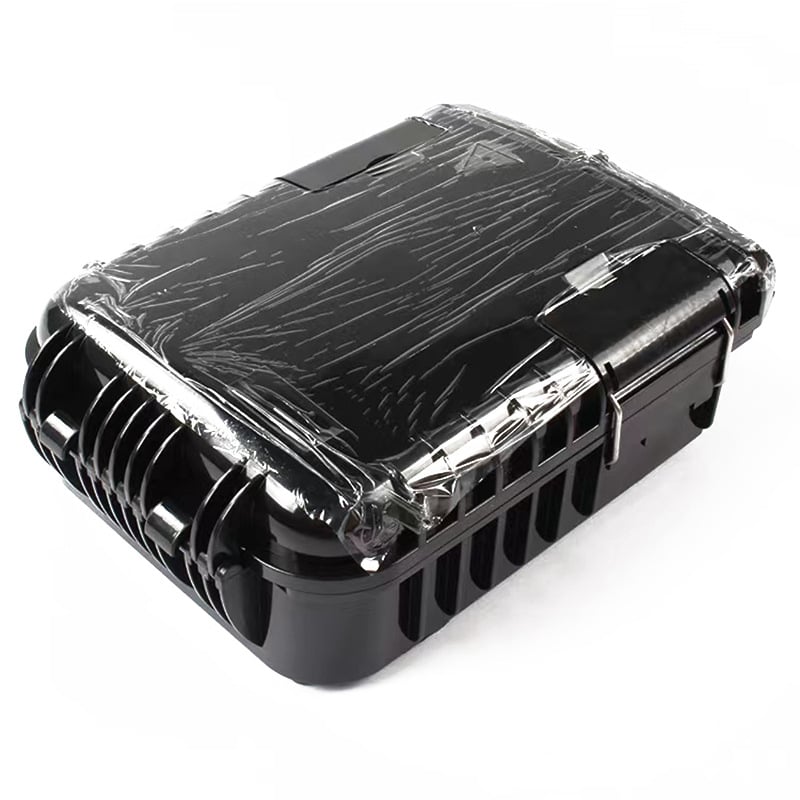
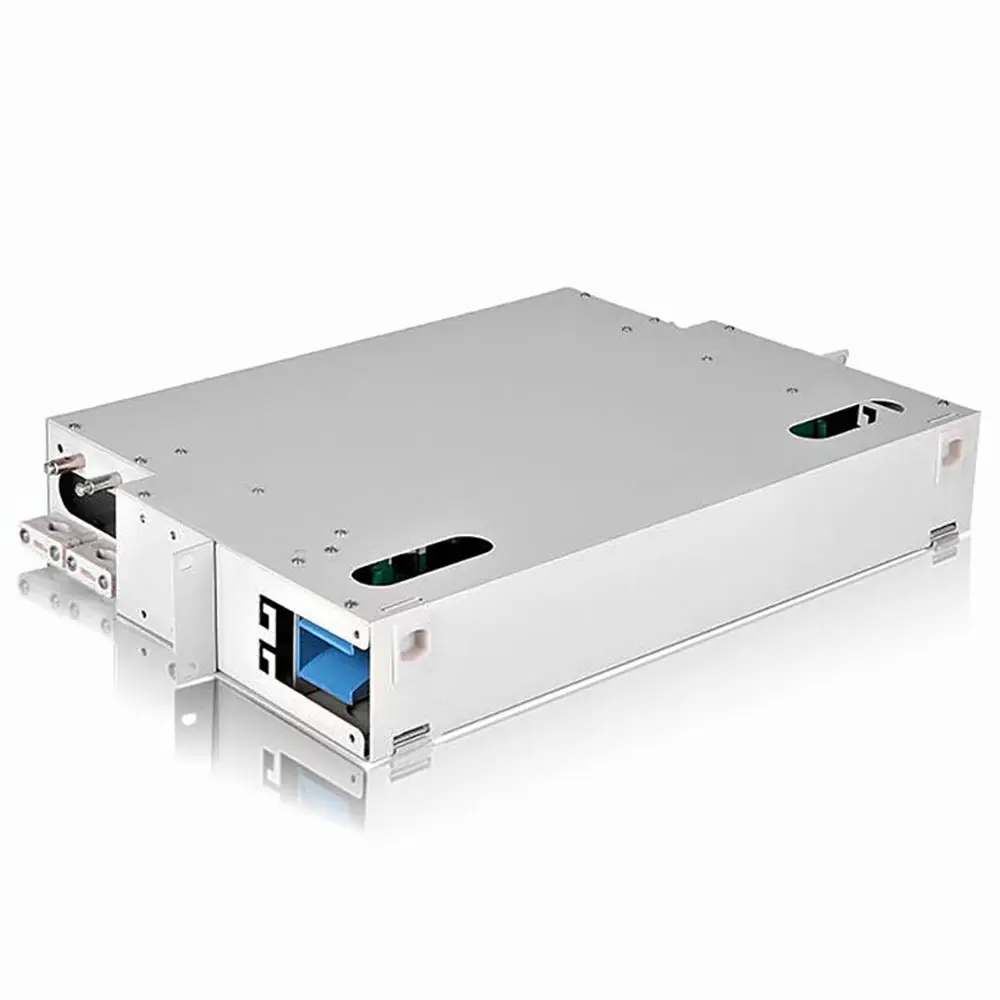
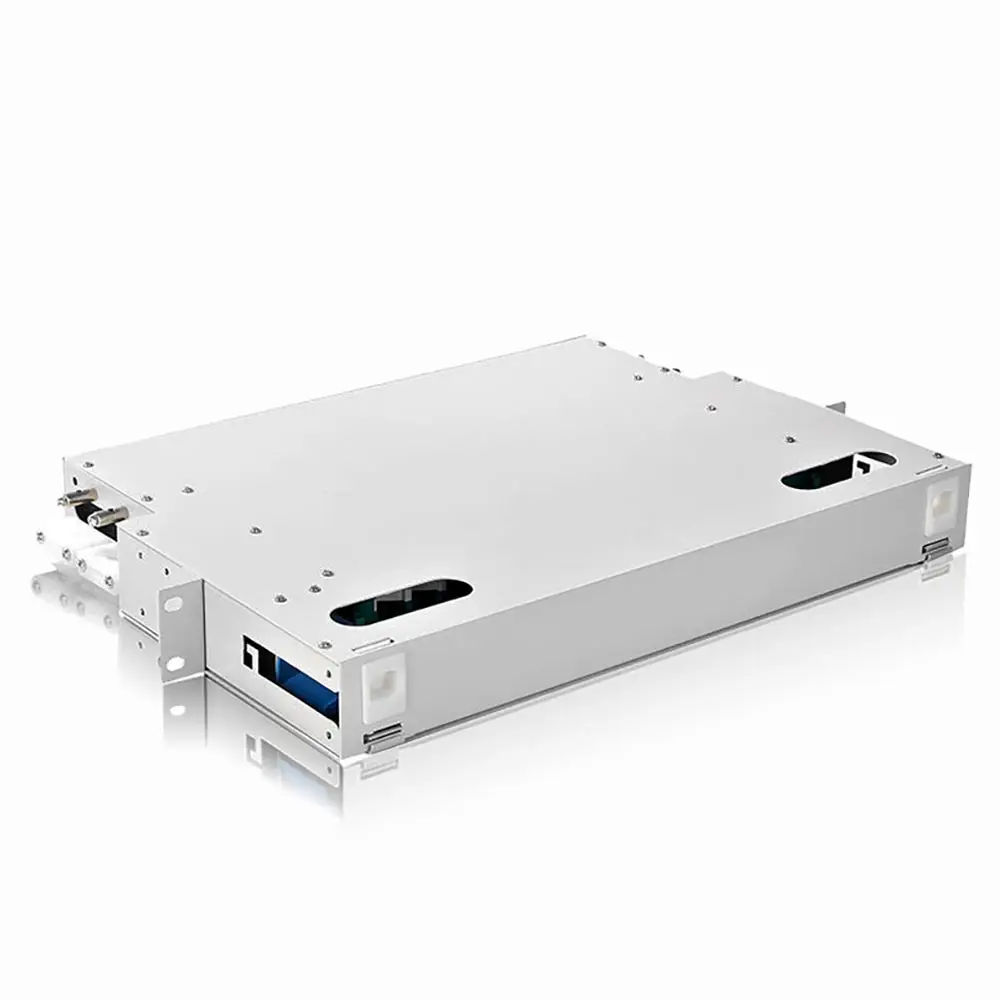
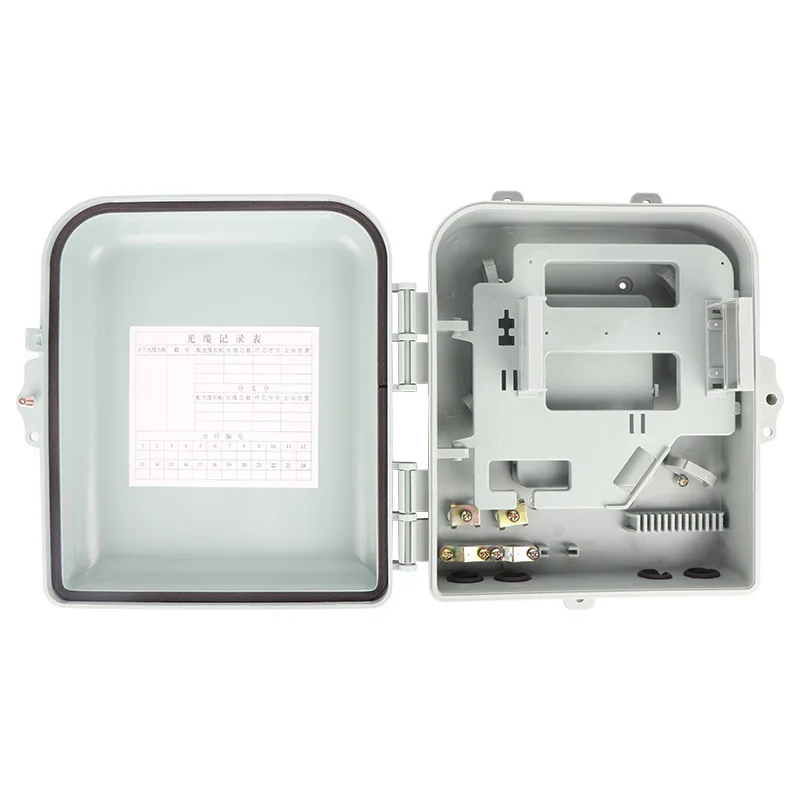
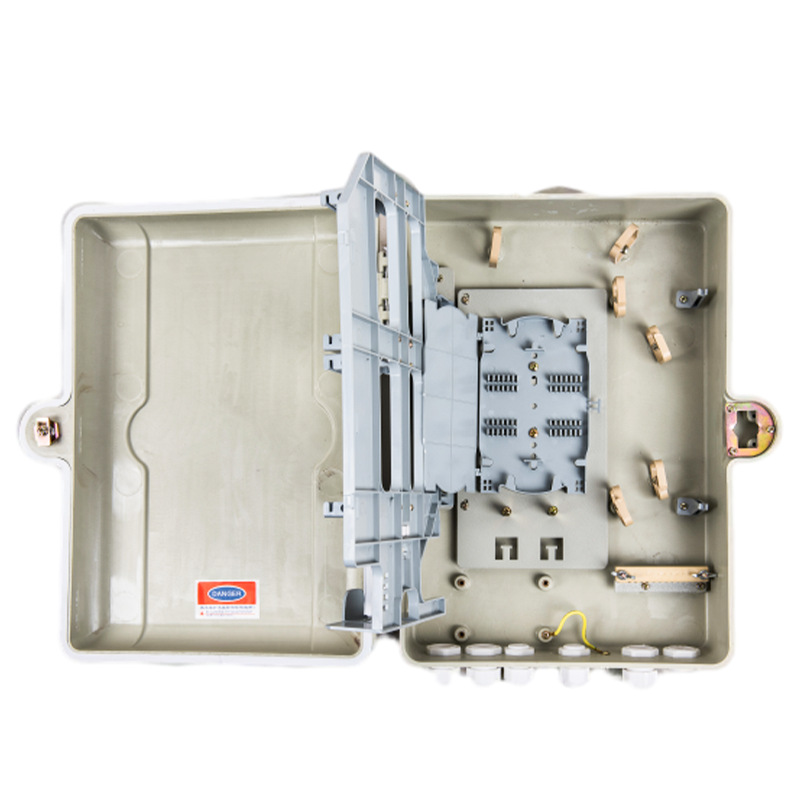
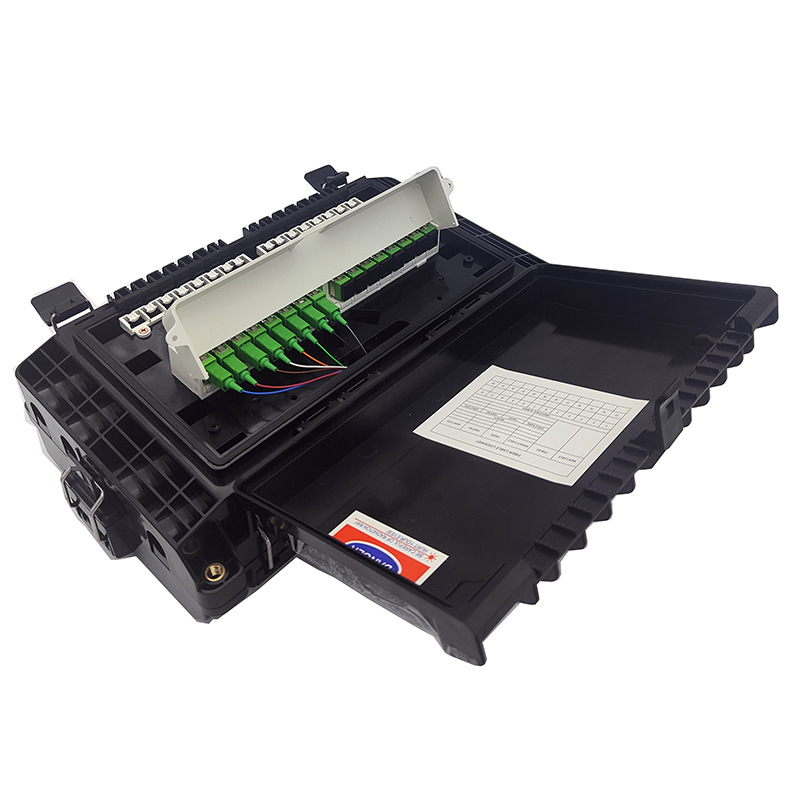
A fiber optic cabinet provides a centralized enclosure for terminating, splicing, patching, and organizing optical fiber connections. GLGW Network configurations can integrate adapter panels, splice trays, patch panels, pigtails, and cable management accessories according to project requirements. In a practical telecom installation, one cabinet can organize up to 144 fiber connections while maintaining clear separation between feeder and distribution routes. This structure helps technicians identify individual fibers efficiently and reduces unnecessary cable handling during maintenance. The modular design also allows additional fiber management components to be added as network capacity grows. Fiber optic cabinets are suitable for data centers, FTTH networks, telecom rooms, central offices, and backbone infrastructure requiring organized, accessible, and scalable fiber management.
Get A Quote

Case Study

Data Center Fiber Distribution

A regional data center required a fiber optic cabinet to organize high-density connections between backbone fibers and network equipment. The cabinet integrated adapter panels, splice trays, and cable management modules to create dedicated areas for termination and patching. The completed configuration managed 144 fiber connections while keeping incoming and outgoing routes clearly separated. Technicians could access individual fiber sections without disturbing adjacent connections, making commissioning and maintenance more efficient. Additional capacity was reserved for future fiber modules as the facility expanded. This application demonstrates how a fiber optic cabinet can provide a structured and scalable solution for data centers requiring high-density optical connections, clear routing, and convenient service access.

Telecom Fiber Connection Management

A telecom operator deployed a fiber optic cabinet to consolidate feeder and distribution fibers inside a centralized communication room. The cabinet provided organized space for splicing, patching, adapter panels, and cable routing components. One installation supported 96 optical connections while maintaining dedicated management areas for different network routes. Field technicians could identify individual fibers more efficiently because connections were arranged in clearly defined sections. This reduced unnecessary cable handling during troubleshooting and service changes. The cabinet also retained capacity for future network expansion without requiring a complete infrastructure redesign. This deployment shows how fiber optic cabinets can improve fiber organization, connection accessibility, and long-term maintenance across professional telecom environments.

FTTH Fiber Network Deployment

An FTTH project required a fiber optic cabinet to manage feeder fibers before distribution to multiple service areas. The cabinet combined splice trays, adapter panels, and patching components to create a centralized fiber management point. The installation organized 120 optical connections while keeping feeder and distribution routes clearly separated. Technicians could access individual splice and patch sections without disturbing unrelated cables during commissioning and maintenance. Spare capacity was incorporated for additional connections as subscriber coverage expanded. This application demonstrates how fiber optic cabinets can support growing FTTH networks by providing structured fiber termination, efficient cable management, and flexible capacity for future network upgrades.

Related products

GLGW Network fiber optic cabinets are designed to provide organized termination, splicing, patching, and distribution for professional optical communication infrastructure. The cabinet can integrate adapter panels, splice trays, patch panels, pigtails, and fiber management accessories according to project specifications. Its modular structure allows installers to configure capacity based on fiber count, connector type, rack dimensions, and network architecture. In a practical data center deployment, one cabinet can organize 144 fiber connections while maintaining separate routing for feeder, splice, and patching sections. This arrangement helps technicians identify individual fibers and access service areas without unnecessary cable movement. The system is suitable for data centers, telecom rooms, FTTH networks, central offices, and backbone infrastructure. By combining structured cable management with flexible component integration, fiber optic cabinets provide a practical foundation for reliable network deployment, efficient maintenance, and future optical capacity expansion.

Frequently Asked Questions

What is a fiber optic cabinet used for?

A fiber optic cabinet is used to organize, terminate, splice, patch, and distribute optical fiber connections. It provides a centralized management point for feeder and distribution fibers in data centers, telecom facilities, FTTH networks, and enterprise communication rooms. The structured enclosure makes fiber connections easier to access during installation, testing, maintenance, and network expansion.
Capacity depends on cabinet dimensions, adapter panels, splice trays, connector types, and internal management components. Configurations can support dozens or hundreds of optical connections. For example, a professional installation may organize 96, 120, or 144 fibers within one cabinet. The appropriate capacity should be selected according to current requirements and projected network expansion.
Yes. Fiber optic cabinets can be configured with adapter panels supporting different connector types according to project requirements. Common options include LC, SC, and FC interfaces. The appropriate configuration depends on equipment compatibility, fiber type, connection density, and installation specifications. Modular panels make it easier to adapt the cabinet to different optical network architectures.
Fiber optic cabinets are commonly installed in data centers, telecom rooms, FTTH facilities, central offices, enterprise network rooms, and backbone infrastructure. They are particularly useful where numerous optical connections require centralized termination and management. The cabinet provides dedicated space for organized fiber routing while keeping connections accessible for technicians during service and network upgrades.
A structured fiber optic cabinet separates termination, splicing, and patching areas into organized sections. Technicians can identify and access individual connections without unnecessarily disturbing surrounding fibers. This reduces cable handling during troubleshooting and service changes. The organized layout is especially useful in high-density networks where many optical connections must remain accessible and clearly identified.

Related article

How to Strip Fiber Cable Without Damaging Fibers?

07

Aug

How to Strip Fiber Cable Without Damaging Fibers?

Stripping a fiber optic cable requires extreme precision. Because the glass cladding and core are extremely thin and fragile, even a microscopic scratch or nick can lead to severe signal loss (attenuation), microbends, or complete fiber failure und...
View More
What Is the Difference Between LAN Cable and WAN Cable?

01

Sep

What Is the Difference Between LAN Cable and WAN Cable?

Understanding LAN Cable: Types, Standards, Performance, and How to Choose the Right Cable What Is a LAN Cable and Why Is It Important for Modern Networks? A LAN cable is a physical network cable used to connect computers, servers, switches, routers...
View More
LAN Cable Quality Standards for Enterprise Local Area Networks.

17

Sep

LAN Cable Quality Standards for Enterprise Local Area Networks.

Enterprise LAN Cable Selection Guide: Categories, Shielding, Standards, and Performance Why Choosing the Right LAN Cable Matters for Enterprise Networks A reliable LAN cable is the foundation of modern enterprise network infrastructure. Although wi...
View More
Intelligent Power Distribution, Precision Metering – An In-Depth Look at the GLGW PDU Series

21

May

Intelligent Power Distribution, Precision Metering – An In-Depth Look at the GLGW PDU Series

View More

Customer Testimonials

James Wilson

Our fiber optic cabinet organized 144 connections while keeping feeder and patching sections separated. Technicians found fiber identification and maintenance more efficient during commissioning and network upgrades.

Michael Harris

The cabinet managed 96 optical connections and provided dedicated areas for splicing and patching. Our technicians experienced easier access during troubleshooting and routine network service work.

Get a Free Quote

Our representative will contact you soon.
Email
Mobile/WhatsApp
Name
Company Name
Message
0/1000
High-Density Optical Fiber Management

High-Density Optical Fiber Management

A fiber optic cabinet provides a centralized platform for managing high-density optical connections in telecom and data center environments. By integrating adapter panels, splice trays, patching modules, and cable management accessories, the cabinet can be configured around specific fiber density requirements. In one data center application, the cabinet organized 144 fiber connections while keeping feeder, splice, and patching areas clearly separated. This arrangement allowed technicians to access individual sections without unnecessarily disturbing neighboring fibers. The modular structure can also accommodate additional components as network capacity increases. For operators managing complex optical infrastructure, fiber optic cabinets support organized routing, convenient maintenance, scalable capacity, and cleaner installations within professional communication environments.
Flexible Fiber Termination and Distribution

Flexible Fiber Termination and Distribution

Fiber optic cabinets combine fiber termination, splicing, patching, and cable management in one structured enclosure. This design creates a controlled transition between incoming feeder cables and downstream network connections. In one FTTH deployment, 120 optical connections were organized into dedicated feeder, splice, and distribution sections. Technicians could access individual connections without disturbing unrelated fiber routes, simplifying commissioning and service work. Additional adapter positions and management capacity can be incorporated during initial planning to support future network growth. For FTTH networks, central offices, telecom rooms, and data centers, this approach provides organized fiber infrastructure with efficient access, clearer routing, and flexible capacity for long-term optical network development.

Get a Free Quote

Our representative will contact you soon.
Email
Mobile/WhatsApp
Name
Company Name
Message
0/1000