Cabinet Fibre Solutions for Telecom & Data Centers

All Categories
Organized Cabinet Fibre Solutions for Reliable Network Infrastructure

Organized Cabinet Fibre Solutions for Reliable Network Infrastructure

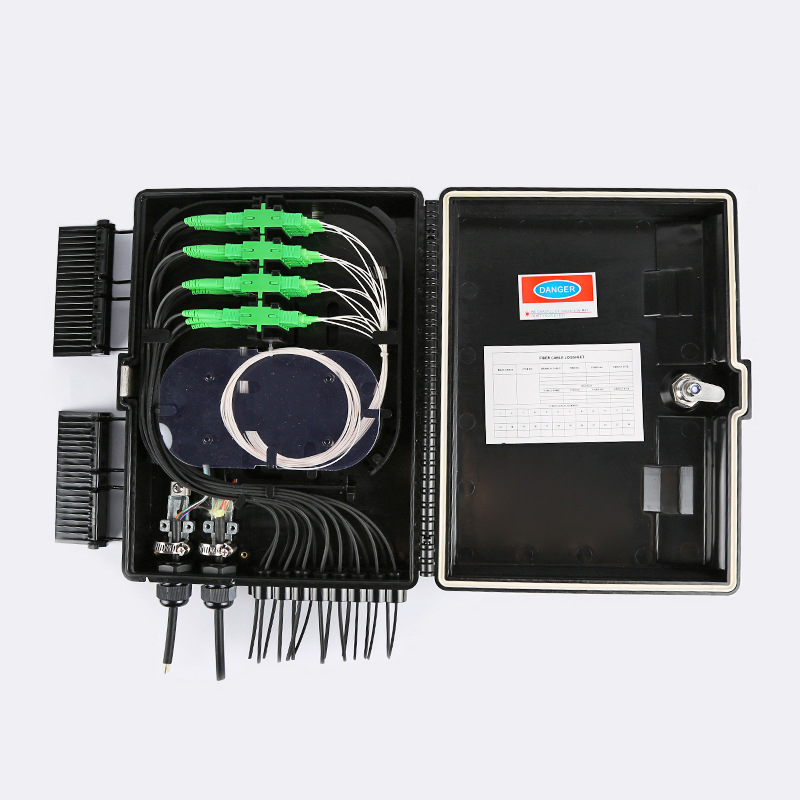
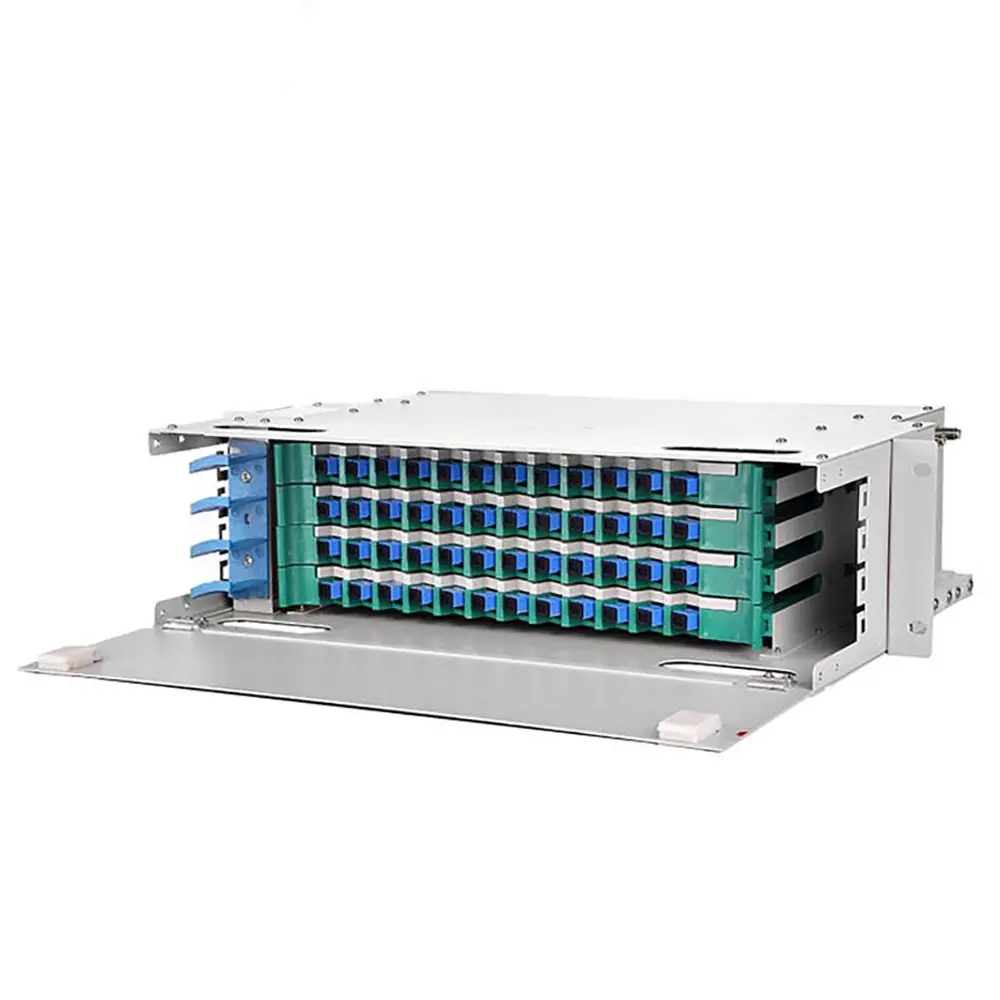
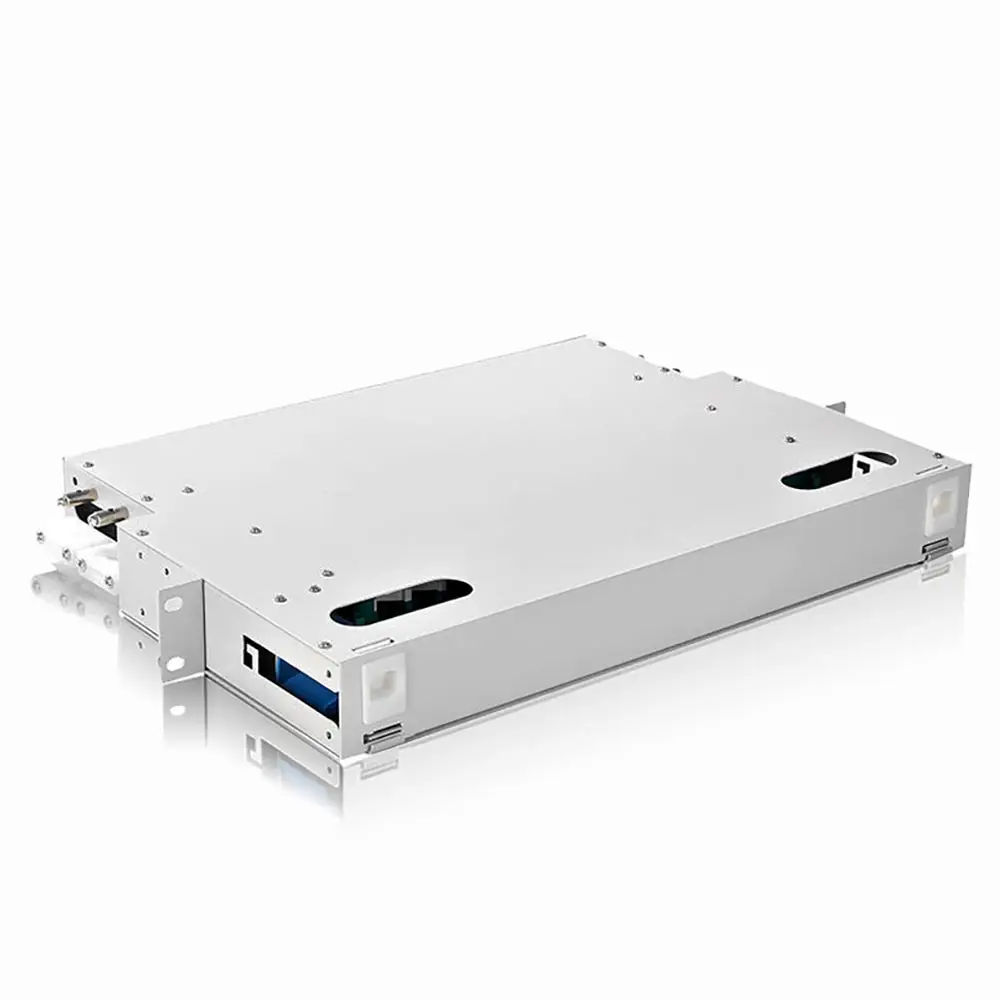
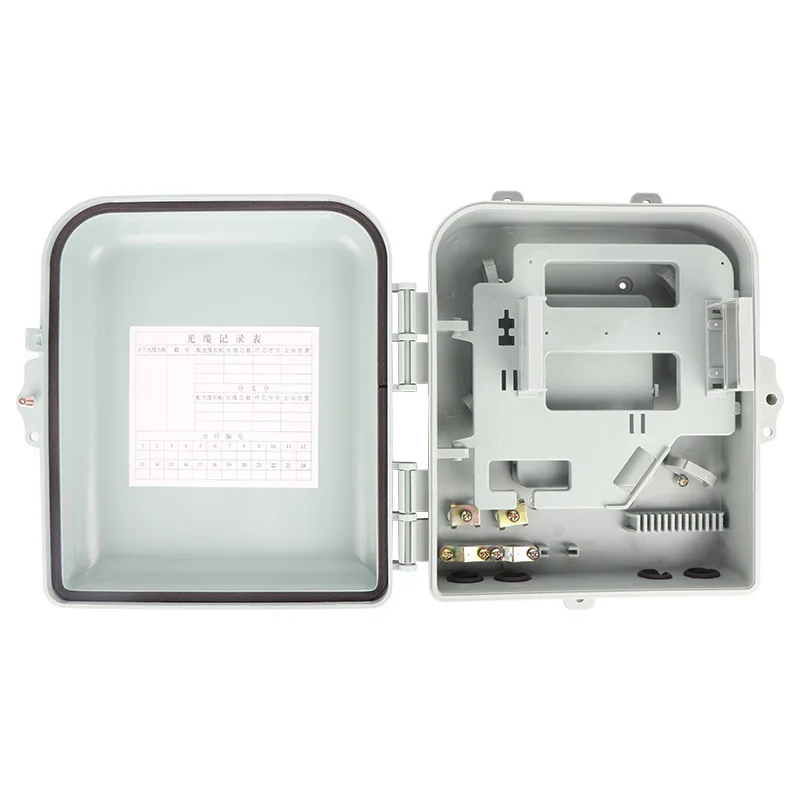
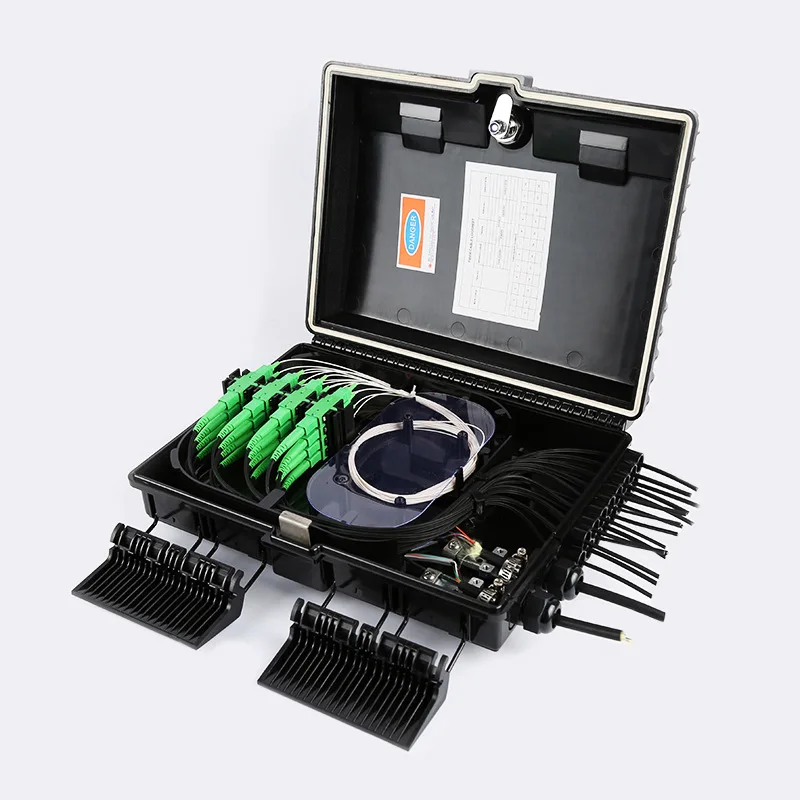
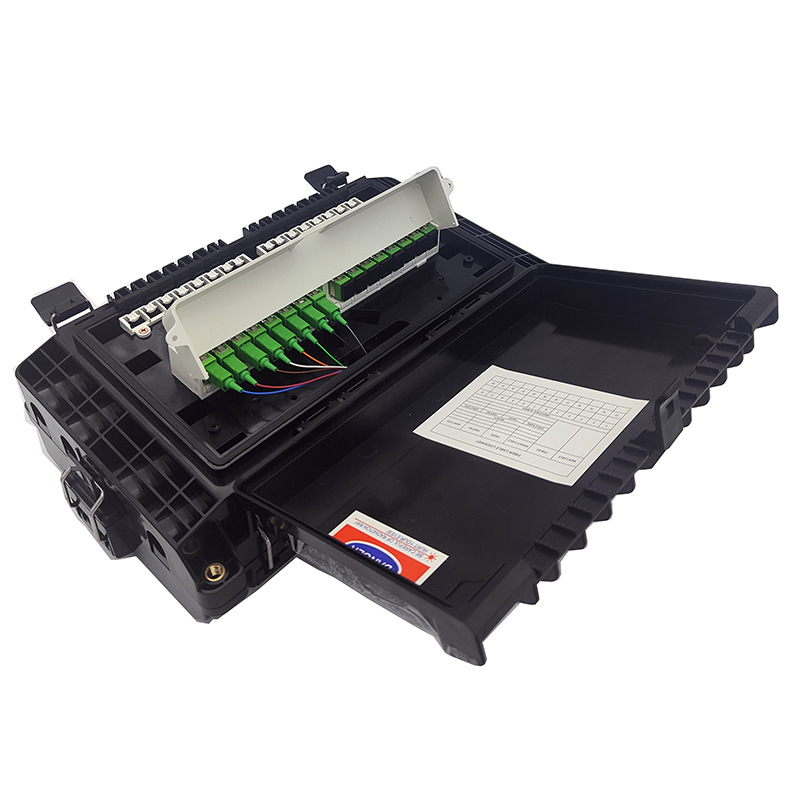
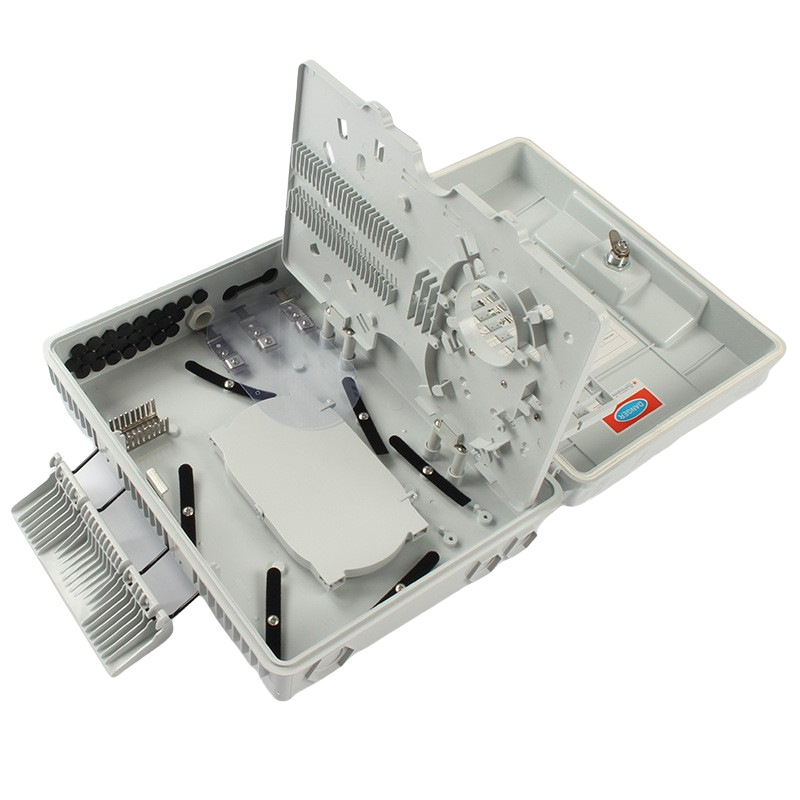
Cabinet Fibre solutions provide structured space for managing fiber cables, connections, distribution components, and network equipment in telecom and data communication environments. A properly configured cabinet helps reduce cable congestion while improving accessibility for installation, testing, and maintenance. This is particularly useful in FTTH, data centers, enterprise networks, and regional communication systems where multiple fiber routes converge. For example, a distribution cabinet supporting more than 200 fiber connections can centralize patching and cable management, making network changes easier to control. GLGW Network focuses on practical fiber cabinet configurations that support organized routing, efficient equipment integration, secure access, and future capacity expansion for professional network infrastructure projects.
Get A Quote

Case Study

FTTH Cabinet Fibre Distribution

An FTTH deployment required centralized fiber management for a residential development with more than 200 connections. Cabinet fibre infrastructure was used to organize incoming feeder cables, distribution fibers, patching components, and splice management within dedicated cabinet space. The structured arrangement helped technicians identify individual fiber routes more efficiently during installation and maintenance. It also provided room for additional connections as the number of subscribers increased. By keeping fiber components organized in one accessible location, the project reduced cable congestion and created a cleaner distribution environment. The application demonstrated how cabinet-based fiber management can support both current network requirements and future FTTH expansion without unnecessary infrastructure changes.

Enterprise Network Fibre Cabinet

An enterprise communication project needed a structured fiber cabinet system to connect multiple building network areas with centralized communication equipment. Cabinet fibre solutions provided organized space for patch panels, fiber adapters, cable routing, and supporting components. The installation allowed technicians to separate different network connections clearly, reducing confusion during testing and upgrades. More than 100 fiber connections were managed through the cabinet infrastructure, while additional space was reserved for future expansion. The organized configuration also improved accessibility during routine maintenance because technicians could locate specific connection groups without disturbing unrelated cables. This approach created a more professional and manageable fiber infrastructure for a growing enterprise communication network.

Data Center Fibre Cabinet Management

A data center expansion required organized fiber management between external network connections and internal communication systems. Cabinet fibre infrastructure was introduced to centralize patching, termination, and cable routing while keeping high-density connections accessible. The structured cabinet layout helped technicians manage more than 150 fiber connections and maintain clearer separation between different network routes. Proper cable organization reduced congestion around equipment and supported easier inspection during maintenance. Additional cabinet capacity was also considered to accommodate future network links as bandwidth requirements increased. This application showed how centralized fiber cabinet infrastructure can help data centers maintain organized, scalable communication systems while providing technicians with practical access to critical fiber connections and supporting equipment.

Related products

Cabinet fibre infrastructure provides organized housing for fiber cables, patch panels, adapters, splice trays, and related network components. It is widely used in FTTH, telecom, data centers, enterprise networks, security systems, and other fiber communication environments where multiple connections need centralized management. A well-designed fiber cabinet helps technicians control cable routing, identify individual connections, and access network components during installation or maintenance. For example, a cabinet supporting more than 200 fiber connections can centralize patching and distribution while maintaining dedicated space for future additions. GLGW Network develops fiber infrastructure solutions with attention to cabinet capacity, cable management, equipment compatibility, accessibility, and installation efficiency. Configurations can be adapted according to fiber count, connection density, equipment arrangement, mounting requirements, and deployment environment. This practical approach helps contractors create cleaner network installations while supporting easier maintenance, efficient upgrades, and long-term fiber infrastructure expansion.

Frequently Asked Questions

What is cabinet fibre used for?

Cabinet fibre refers to fiber infrastructure organized within a dedicated cabinet for distribution, patching, termination, splicing, and cable management. It is commonly used in FTTH, telecom, data centers, enterprise networks, and security systems. A centralized cabinet helps keep fiber connections protected, accessible, and systematically arranged for installation and maintenance.
Cabinet fibre solutions can be deployed in telecom rooms, data centers, FTTH distribution points, enterprise facilities, network exchanges, security infrastructure, and suitable outdoor locations. The cabinet design should match the installation environment, fiber capacity, equipment requirements, cable entry configuration, protection needs, and available space for technicians to perform maintenance.
Yes. Fiber cabinets can be configured for different connection densities depending on cabinet dimensions, patch panel capacity, adapter types, splice requirements, and cable management arrangements. High-density configurations can support hundreds of fiber connections when properly planned. The final design should consider both current capacity and expected network expansion.
Depending on the configuration, a fiber cabinet can accommodate patch panels, fiber adapters, splice trays, cable management components, distribution modules, and other supporting network equipment. The internal arrangement should be designed around fiber count, connection type, equipment dimensions, cable routing, and accessibility requirements to maintain an organized installation.
Consider fiber capacity, connection density, cabinet dimensions, equipment type, cable routing, installation environment, access requirements, and future expansion. Projects with hundreds of connections may require higher-capacity cabinets and more structured cable management. A detailed network layout and equipment list can help determine the appropriate cabinet configuration before installation.

Related article

How to Strip Fiber Cable Without Damaging Fibers?

07

Aug

How to Strip Fiber Cable Without Damaging Fibers?

Stripping a fiber optic cable requires extreme precision. Because the glass cladding and core are extremely thin and fragile, even a microscopic scratch or nick can lead to severe signal loss (attenuation), microbends, or complete fiber failure und...
View More
What Is the Difference Between LAN Cable and WAN Cable?

01

Sep

What Is the Difference Between LAN Cable and WAN Cable?

Understanding LAN Cable: Types, Standards, Performance, and How to Choose the Right Cable What Is a LAN Cable and Why Is It Important for Modern Networks? A LAN cable is a physical network cable used to connect computers, servers, switches, routers...
View More
LAN Cable Quality Standards for Enterprise Local Area Networks.

17

Sep

LAN Cable Quality Standards for Enterprise Local Area Networks.

Enterprise LAN Cable Selection Guide: Categories, Shielding, Standards, and Performance Why Choosing the Right LAN Cable Matters for Enterprise Networks A reliable LAN cable is the foundation of modern enterprise network infrastructure. Although wi...
View More
Intelligent Power Distribution, Precision Metering – An In-Depth Look at the GLGW PDU Series

21

May

Intelligent Power Distribution, Precision Metering – An In-Depth Look at the GLGW PDU Series

View More

Customer Testimonials

Andrew Wilson

Our cabinet organized over 200 fiber connections in one distribution point. Cable identification became easier, and technicians completed routine patching and maintenance more efficiently during the network expansion.

Kevin Brown

We deployed cabinet fibre infrastructure across five communication locations. The structured layout reduced cable congestion and gave technicians easier access during connection testing and network upgrades.

Get a Free Quote

Our representative will contact you soon.
Email
Mobile/WhatsApp
Name
Company Name
Message
0/1000
Centralized Management for High-Density Fiber Networks

Centralized Management for High-Density Fiber Networks

As fiber networks grow, unmanaged cables and connection points can create congestion and make maintenance increasingly difficult. Cabinet fibre infrastructure provides a centralized environment where patch panels, adapters, splice trays, and cables can be arranged systematically. For a network managing more than 200 fiber connections, structured cabinet organization can make individual routes easier to identify during testing, upgrades, and troubleshooting. Proper cable management also helps technicians work without unnecessarily disturbing neighboring connections. GLGW Network focuses on practical cabinet configurations that balance fiber capacity, equipment integration, accessibility, and installation efficiency. This approach gives telecom contractors, data center operators, and enterprise network teams a cleaner foundation for managing current fiber connections and future network expansion.
Flexible Fibre Cabinet Capacity for Future Expansion

Flexible Fibre Cabinet Capacity for Future Expansion

Fiber infrastructure must often accommodate additional connections after the initial installation. A properly planned cabinet fibre solution provides organized capacity for current requirements while leaving practical room for future patch panels, adapters, splice trays, and cable routes. For example, a cabinet initially supporting 120 fiber connections may later need additional capacity as a network expands into new buildings or service areas. Planning internal space in advance can reduce disruptive replacement work and simplify future upgrades. GLGW Network develops fiber cabinet solutions around connection density, equipment dimensions, cable routing, installation conditions, and expected growth. This flexible approach helps network operators maintain organized infrastructure while adapting efficiently to changing communication requirements and increasing fiber demand.

Get a Free Quote

Our representative will contact you soon.
Email
Mobile/WhatsApp
Name
Company Name
Message
0/1000