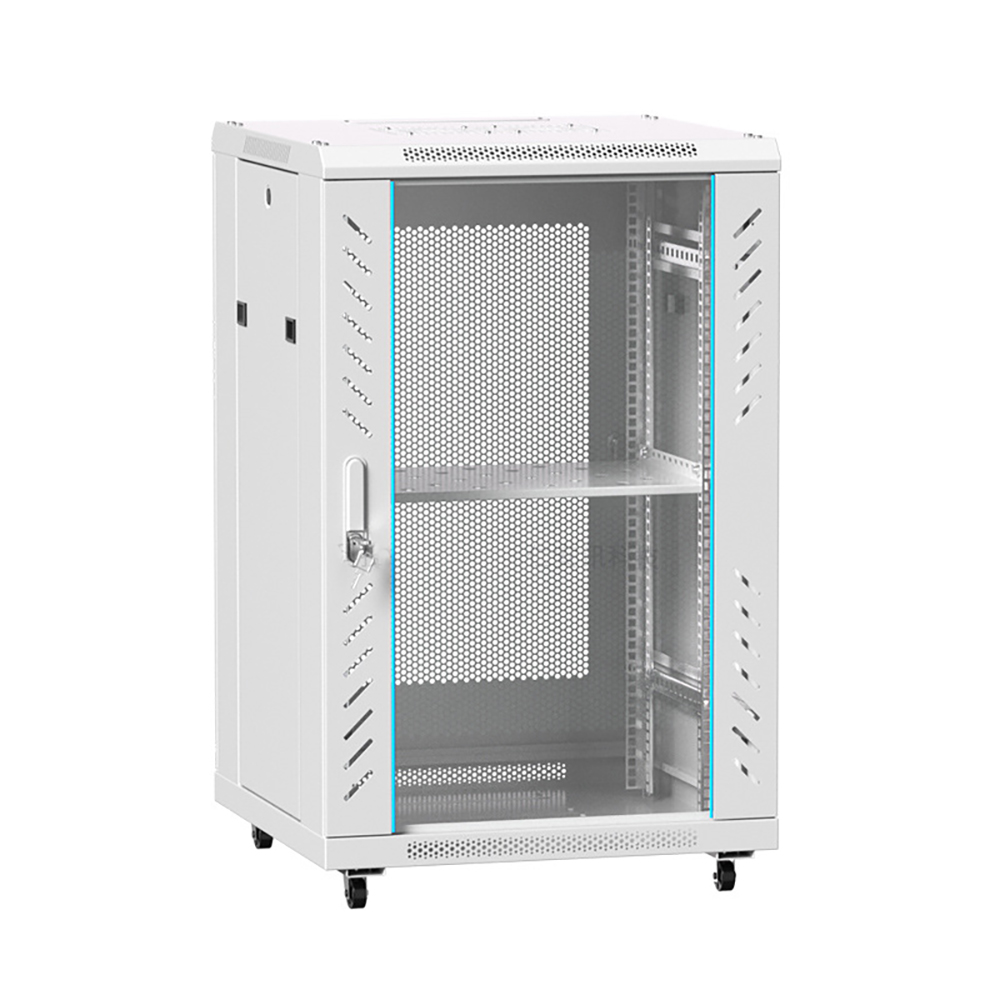
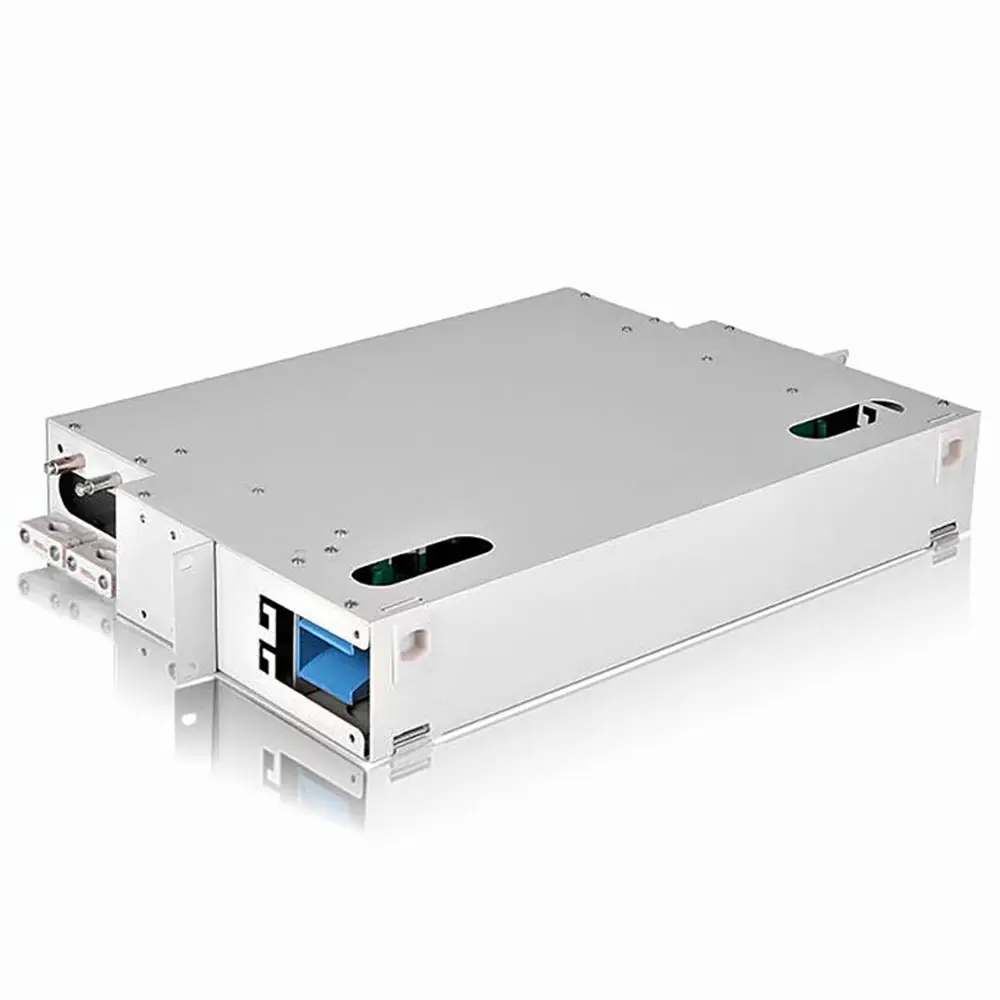
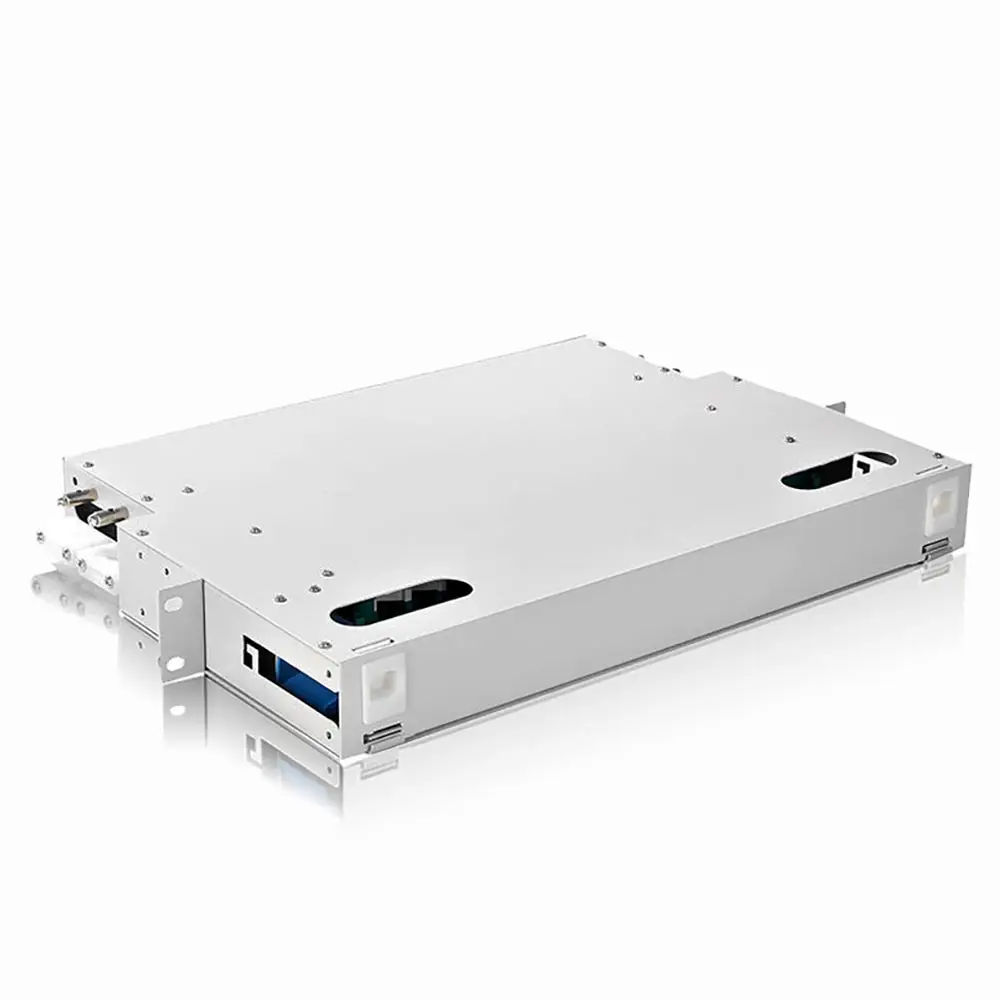
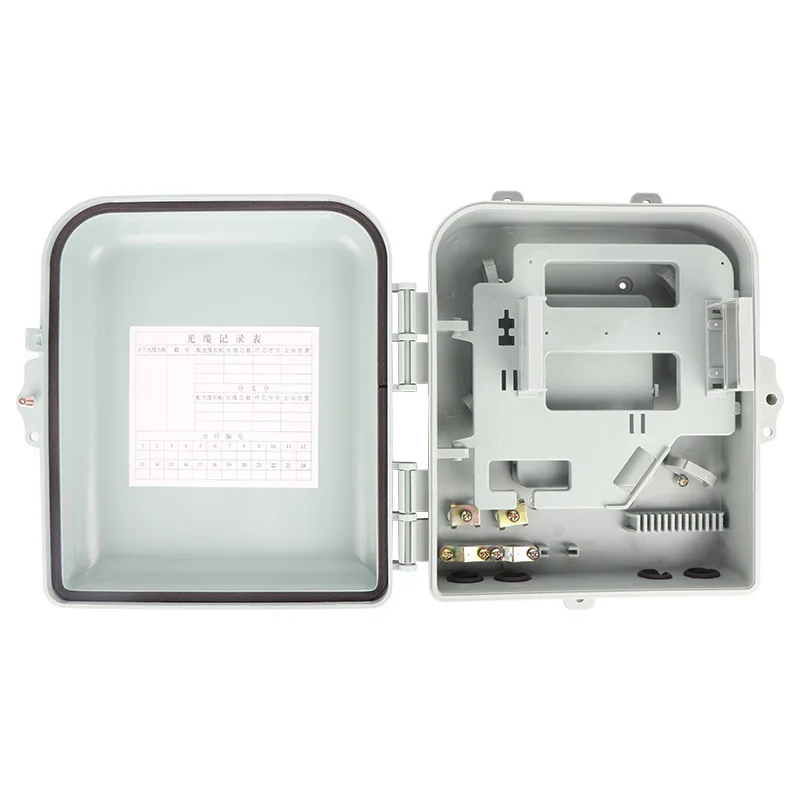
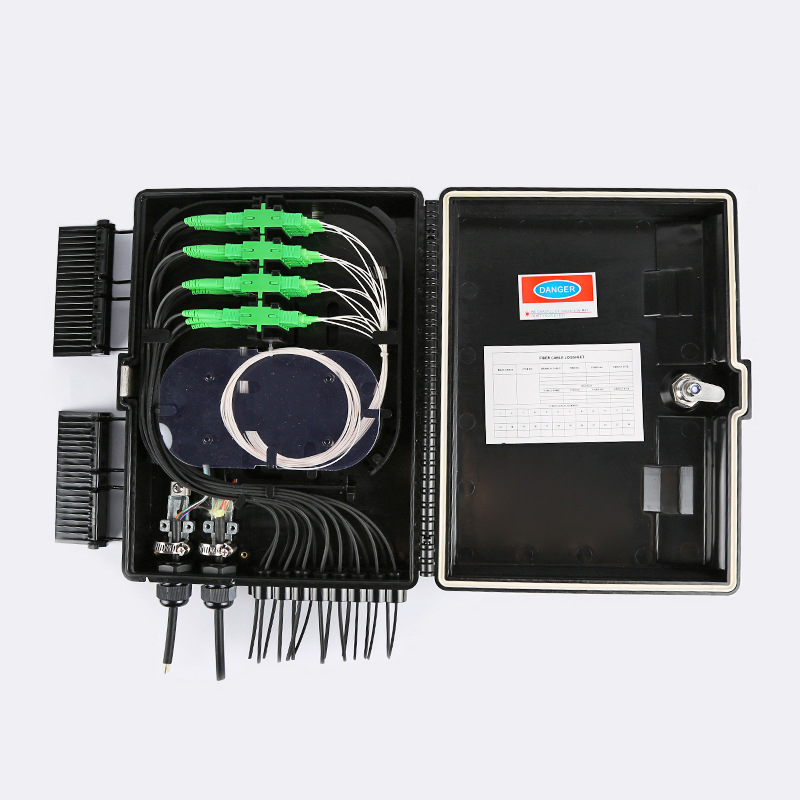
Fiber Splitter Cabinet: IP65 Outdoor & Rack Mount Options

All Categories
Reliable Fiber Management for FTTH and Telecom Networks

Reliable Fiber Management for FTTH and Telecom Networks

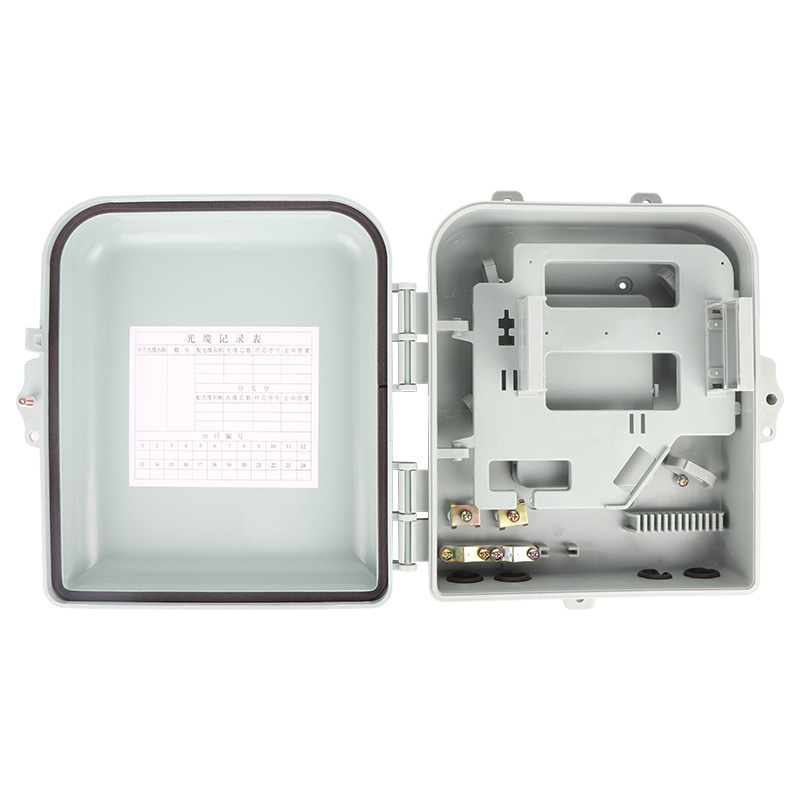
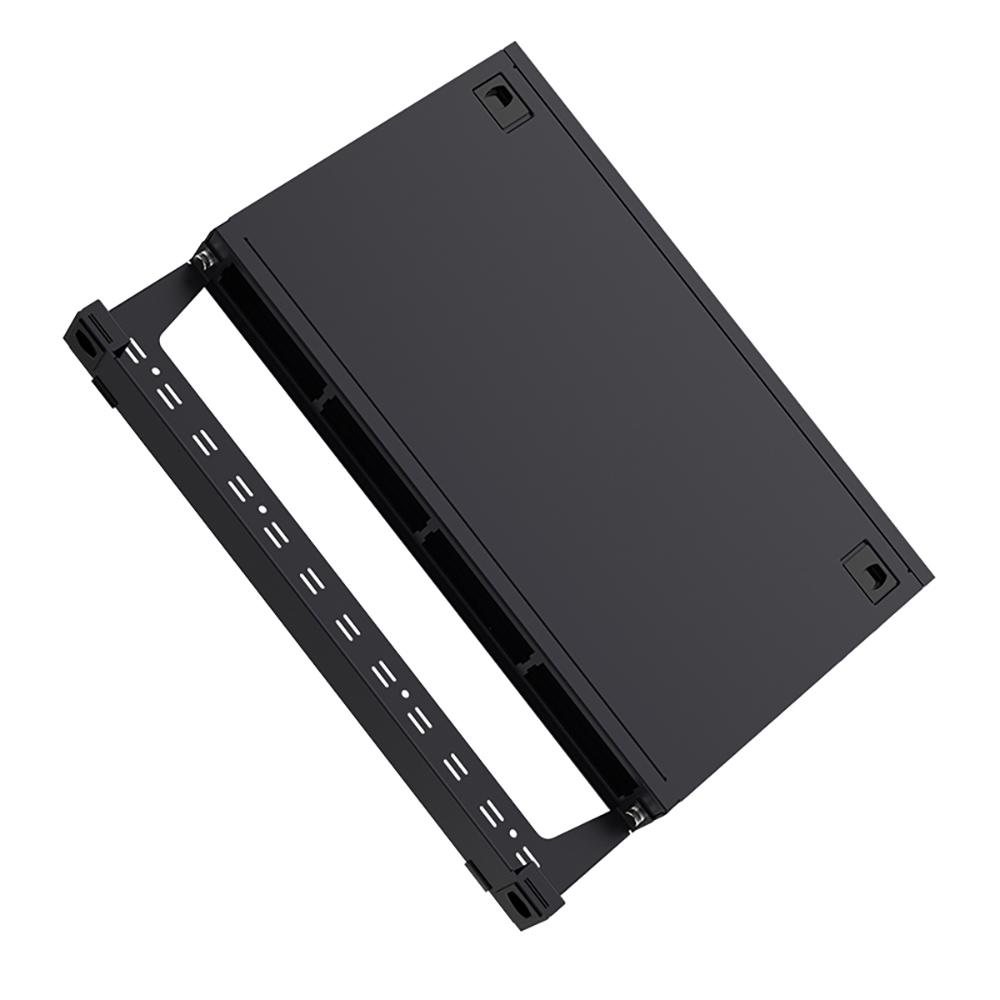
Fiber splitter cabinets organize PLC splitters, adapters, splicing units, and feeder fibers in a controlled enclosure for FTTH and telecom networks. They help operators protect optical connections while keeping routing accessible for maintenance and expansion. GLGW supports fiber distribution products and related outdoor enclosures, with standard configurations and custom builds available for project requirements. Its manufacturing process covers cutting, bending, welding, powder coating, and assembly under one roof. For demanding deployments, enclosure designs can be IP-tested, while fiber assemblies receive insertion- and return-loss testing before shipment. This approach supports residential broadband, regional access sites, telecom nodes, and enterprise networks where stable optical distribution and orderly cable management directly affect installation efficiency and long-term serviceability.
Get A Quote

Case Study

Residential FTTH Distribution Upgrade

A residential broadband project required centralized splitter management for a growing FTTH rollout. The deployment used fiber distribution equipment designed to keep splitter modules, adapters, and incoming fibers organized inside a compact enclosure. With clear routing and accessible connection points, technicians could complete subscriber-side work without disturbing adjacent optical paths. The project also benefited from GLGW’s broader fiber distribution portfolio, which includes distribution boxes and splice closures for access networks. Factory quality controls helped maintain consistent assembly before delivery, while the enclosure structure supported practical wall or pole installation requirements. The result was a cleaner distribution point for repeated installations, easier maintenance access, and a scalable arrangement that could accommodate additional connections as the residential network expanded.

Protected Outdoor Telecom Access

A regional telecom access project needed protected fiber distribution equipment for outdoor sites exposed to changing weather conditions. The cabinet concept combined splitter organization with enclosure protection, giving field technicians a dedicated location for optical management and service access. GLGW manufactures outdoor and telecom enclosures alongside fiber distribution products, allowing project teams to coordinate related equipment through one supply chain. Its production process includes metal fabrication, welding, coating, and final assembly, while enclosure products can undergo IP testing before shipment. For access networks with multiple remote nodes, this manufacturing approach helps maintain consistent cabinet construction across deployments. The resulting configuration supports orderly fiber routing, faster troubleshooting, and practical expansion when subscriber density increases over time.

High-Density Telecom Node Expansion

A telecom core-node expansion required higher-density optical management while preserving straightforward maintenance access. The solution combined fiber distribution infrastructure with organized splitter and connection management, helping technicians separate incoming feeder fibers from outgoing distribution paths. GLGW’s portfolio includes high-density optical distribution frames, fiber distribution boxes, splice closures, and related connectivity products, enabling projects to source complementary components from the same supplier. Engineering drawings can be reviewed before production, and factory test reports are available for fiber assemblies. This workflow is useful when network operators need repeatable configurations across multiple sites. The completed deployment provided a structured optical environment, reduced unnecessary cable handling, and created clearer pathways for future capacity additions.

Related products

A fiber splitter cabinet is designed to bring passive optical splitting and fiber management into one structured enclosure. For FTTH and telecom networks, the cabinet can organize PLC splitters, adapters, splice areas, feeder fibers, and distribution fibers so technicians can identify and service connections more efficiently. GLGW manufactures fiber distribution boxes, outdoor and telecom enclosures, high-density optical distribution frames, and related connectivity equipment. The company states that its manufacturing capabilities include cutting, bending, welding, powder coating, and assembly under one roof, supporting both standard configurations and non-standard builds based on engineering drawings. Fiber assemblies are insertion- and return-loss tested, while enclosure products can be IP-tested before shipment. With experience dating to 2009, GLGW serves global data-center, telecom, and FTTH projects through an integrated supply chain. This combination supports consistent production, practical customization, and coordinated sourcing for projects requiring scalable optical distribution infrastructure. This is especially relevant when one project combines indoor rooms with exposed outdoor access points.

Frequently Asked Questions

What is a fiber splitter cabinet used for?

Fiber splitter cabinets consolidate passive splitters, adapters, splicing, and fiber routing in one protected location. They are commonly used in FTTH, telecom access, and regional distribution networks where technicians need organized connections, clear cable paths, and practical maintenance access.
PLC splitters divide one optical input into multiple outputs for subscriber or distribution connections. Housing them inside a dedicated cabinet protects connections, simplifies routing, and creates a structured point for testing and maintenance. The exact split ratio and capacity depend on network design requirements.
Outdoor installations should consider enclosure protection, cable entry, mounting method, and environmental exposure. For exposed sites, an appropriately tested enclosure can help protect optical components from moisture, dust, and other conditions. Cabinet specifications should be selected according to the project location and installation requirements.
Yes. GLGW states that it supports non-standard sizes and capacities built to customer drawings. Engineering drawings can be reviewed before production, allowing teams to define dimensions, splitter capacity, cable entry arrangements, and other project-specific requirements before manufacturing begins.
GLGW combines fiber distribution products with outdoor enclosures, HDODF systems, splice closures, and related connectivity equipment. The company also states that fiber assemblies receive insertion- and return-loss testing and that enclosure products can undergo IP testing before shipment, supporting controlled project quality.

Related article

How to lay bulk cable along pipelines safely?

21

Jul

How to lay bulk cable along pipelines safely?

Real World Field Experiences with Industrial Co Location Routing During an extensive industrial network expansion across a remote coastal oil terminal three summers ago, my installation team faced a massive challenge with electromagnetic interferen...
View More
Shielded structure improves anti-interference of data cables.

11

Sep

Shielded structure improves anti-interference of data cables.

Shielded Data Cable Explained: How It Prevents EMI and Improves Network Reliability What Is a Shielded Data Cable? A shielded data cable is a type of network cable designed with an additional conductive layer around the internal wires to protect da...
View More
Intelligent Power Distribution, Precision Metering – An In-Depth Look at the GLGW PDU Series

21

May

Intelligent Power Distribution, Precision Metering – An In-Depth Look at the GLGW PDU Series

View More
G.657.A2 Single-Mode Fiber for Reliable High-Speed Optical Networks

09

May

G.657.A2 Single-Mode Fiber for Reliable High-Speed Optical Networks

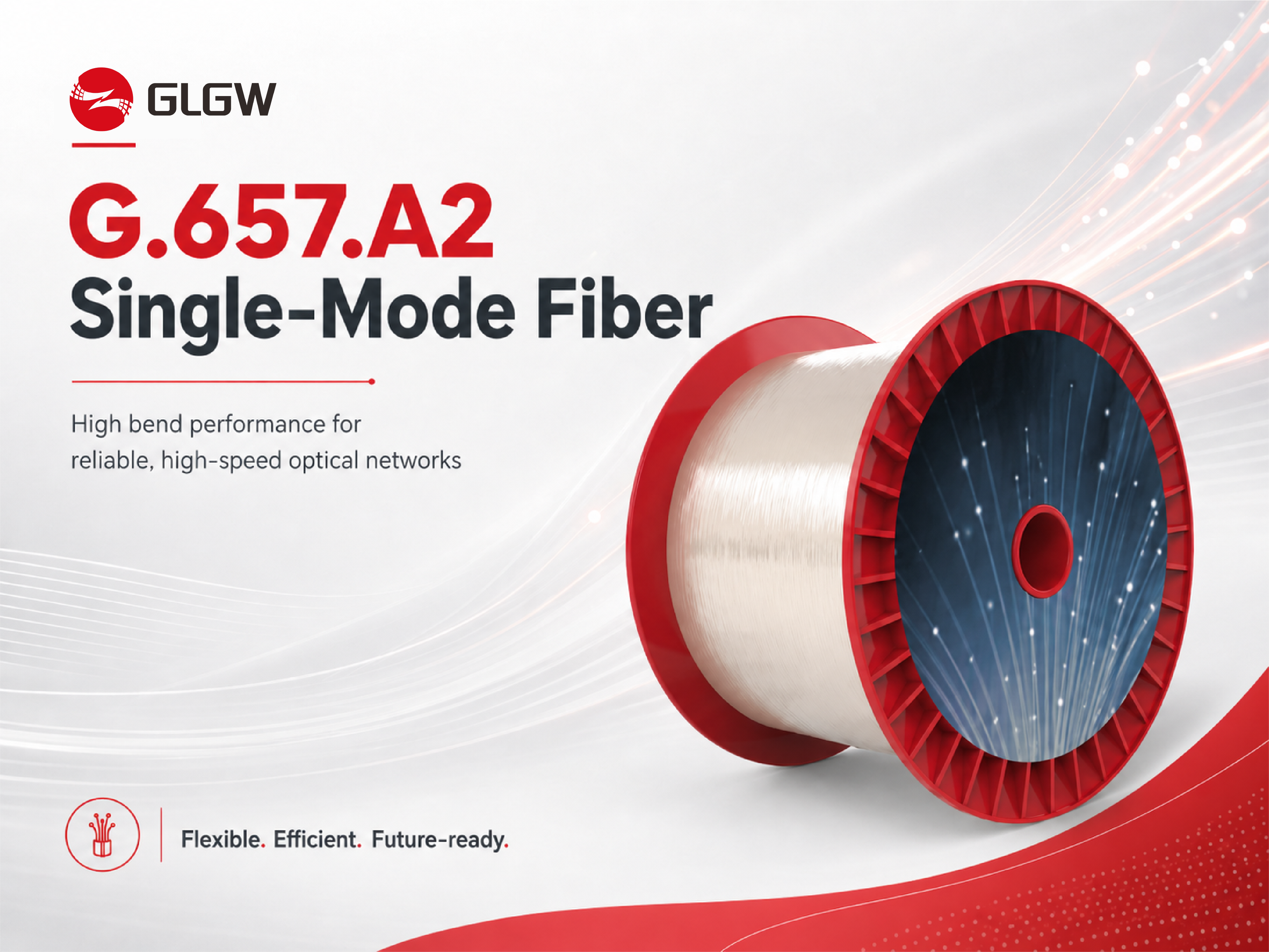
G.657.A2 single-mode fiber offers excellent bend performance, stable transmission, and flexible installation for FTTH, indoor cabling, access networks, and high-speed optical communication systems.
View More

Customer Testimonials

Daniel Carter

Installation became more organized across 48 FTTH distribution points, with clearer splitter routing and easier technician access during service work, reducing repeated cable handling during routine maintenance.

Michael Reed

The cabinet layout supported 96 optical connections per site, reducing cable handling time and making expansion planning more straightforward for our regional network during scheduled infrastructure upgrades.

Get a Free Quote

Our representative will contact you soon.
Email
Mobile/WhatsApp
Name
Company Name
Message
0/1000
Built for Structured Optical Distribution

Built for Structured Optical Distribution

A well-designed fiber splitter cabinet separates feeder and distribution fibers while keeping PLC splitters, adapters, and splice points accessible. In FTTH access networks, this organization reduces unnecessary cable movement during installation and service work. GLGW provides fiber distribution boxes, splice closures, HDODF systems, and outdoor enclosures, allowing project teams to coordinate several optical management requirements through one supplier. Its production line covers metal fabrication, welding, powder coating, and assembly, supporting repeatable cabinet construction. For outdoor deployments, enclosure products can be IP-tested before shipment. This is valuable for regional access sites where equipment may face moisture, dust, temperature changes, and frequent technician visits. The resulting cabinet structure supports cleaner routing, easier identification, and more predictable maintenance as subscriber counts grow.

Custom Capacity for Growing FTTH Networks

Custom Capacity for Growing FTTH Networks

Network expansion rarely follows a single standard cabinet size. A splitter cabinet may need different splitter ratios, adapter counts, cable entry arrangements, or installation dimensions depending on subscriber density and site conditions. GLGW supports standard configurations as well as non-standard sizes and capacities built to customer drawings. Its website reports that non-standard builds can move from drawing to first sample in seven days, helping project teams validate customized designs before larger production. This flexibility is useful for residential communities, regional access sites, and telecom nodes where cabinet space and fiber routing requirements vary. By combining engineering review, factory fabrication, assembly, and testing, the supplier can support repeatable deployment requirements while keeping optical distribution organized for future expansion.
Tested Quality for Telecom Deployment

Tested Quality for Telecom Deployment

Fiber distribution equipment must maintain consistent optical and mechanical performance across repeated installations. GLGW states that every fiber assembly is tested for insertion and return loss, while enclosure products are IP-tested before leaving the production line. These controls are relevant for telecom operators, system integrators, and distributors managing multiple deployment sites. A consistent testing process helps identify assembly or enclosure issues before field installation, reducing avoidable troubleshooting after delivery. GLGW also provides factory test reports for fiber assemblies, giving project teams documented quality information for procurement and acceptance workflows. For FTTH cabinets, outdoor distribution points, and telecom access infrastructure, this combination of testing and documentation supports more controlled deployment, easier quality verification, and dependable long-term fiber management.

Get a Free Quote

Our representative will contact you soon.
Email
Mobile/WhatsApp
Name
Company Name
Message
0/1000