Direct to Chip Cooling: Scalable AI & HPC Thermal Management

All Categories
Efficient Chip-Level Thermal Management

Efficient Chip-Level Thermal Management

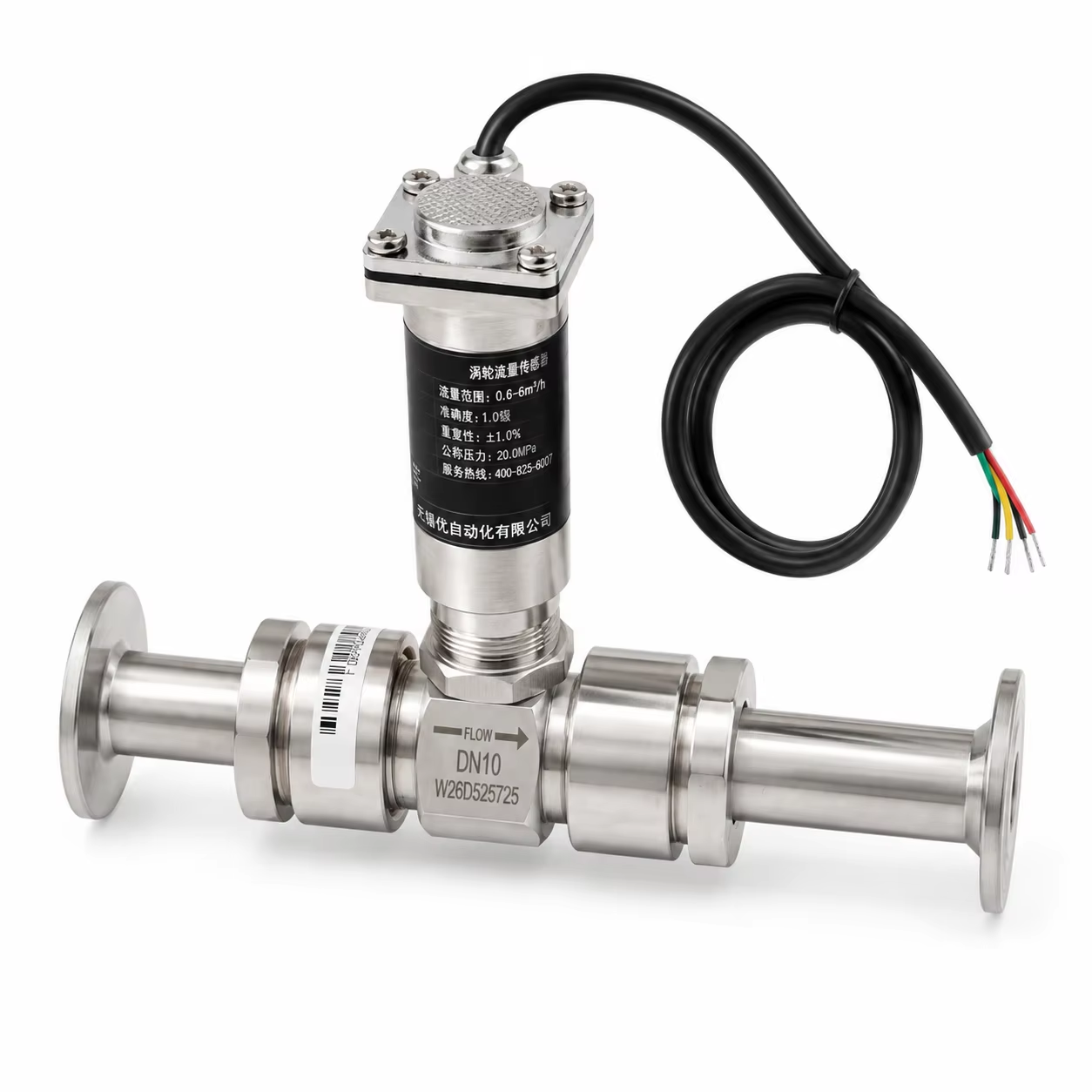
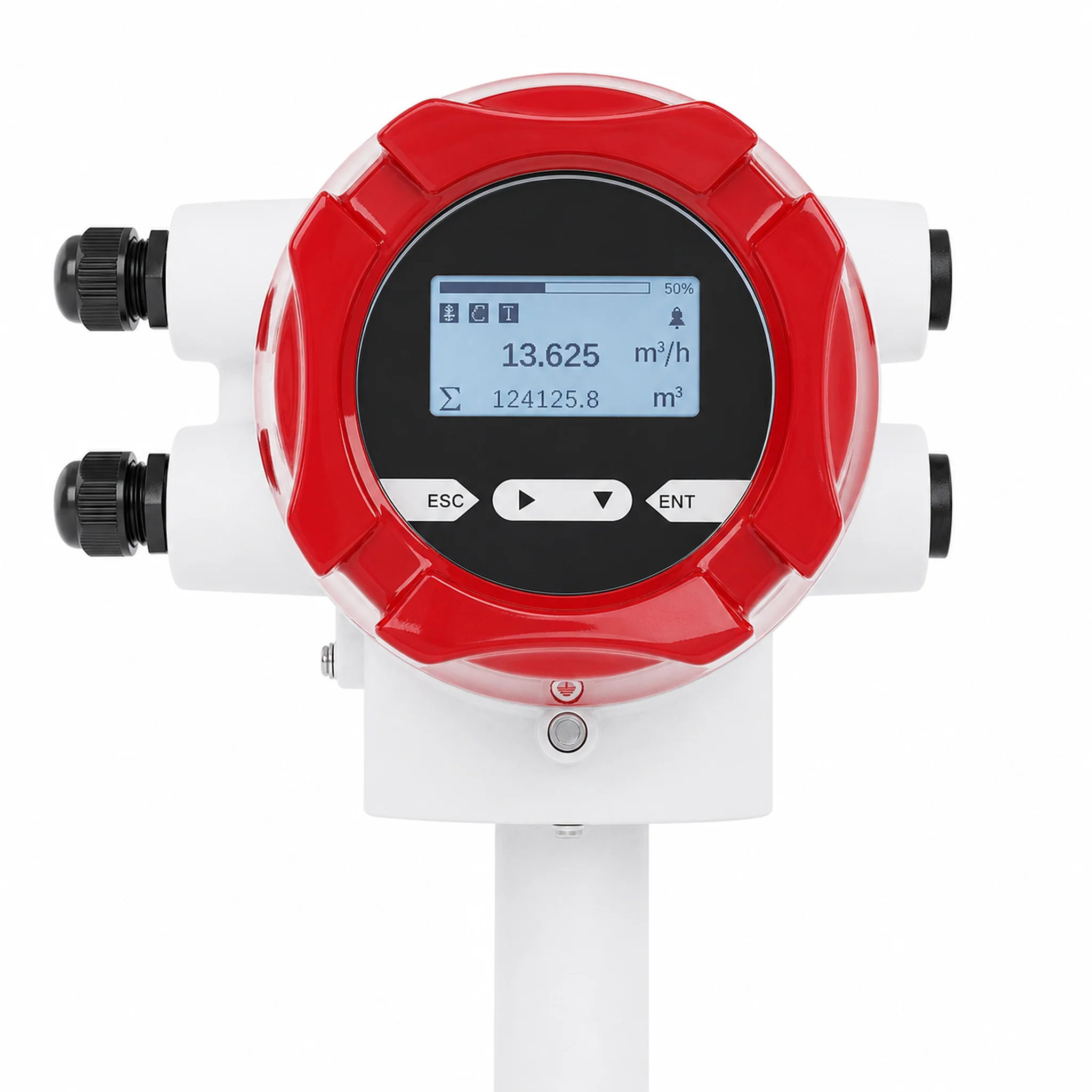
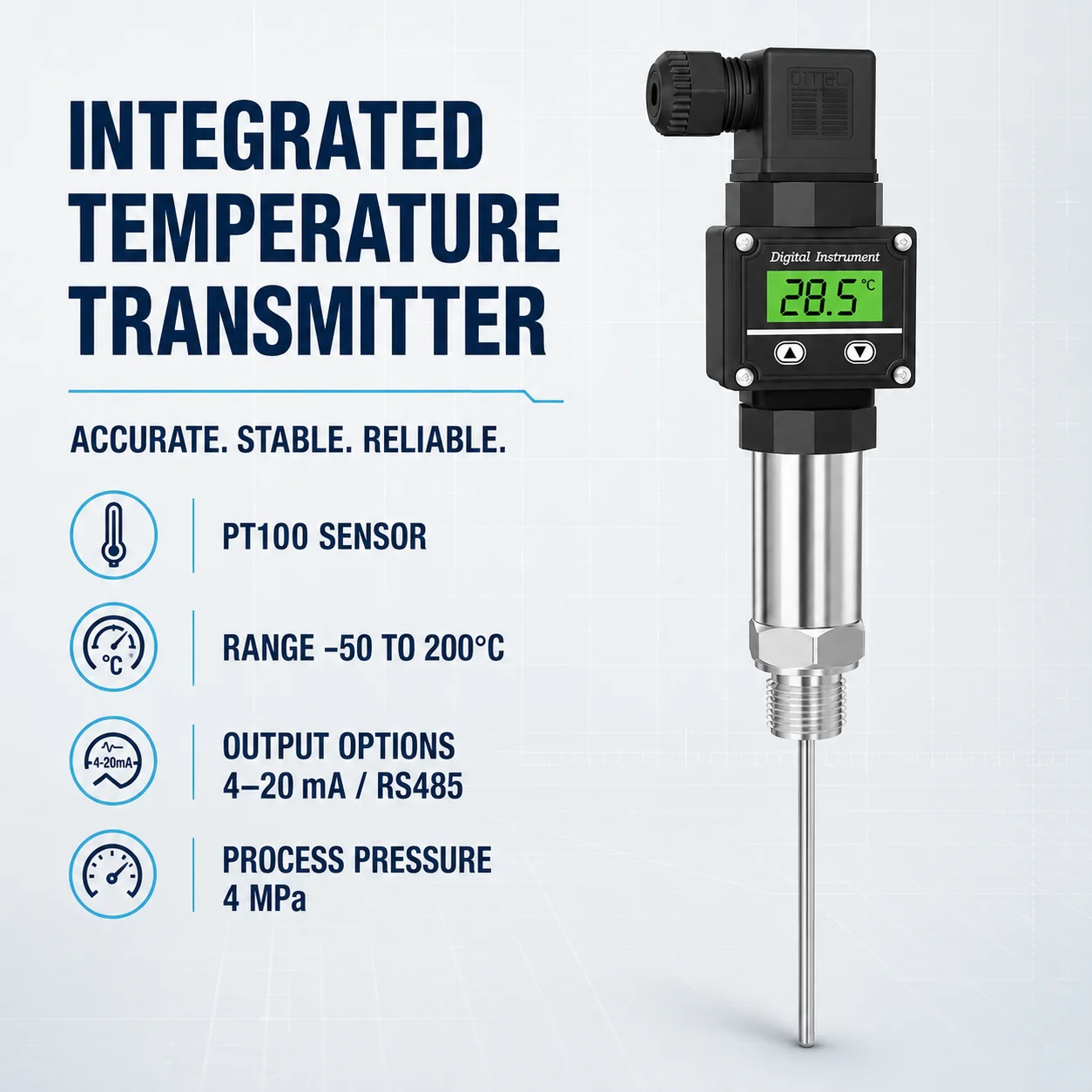
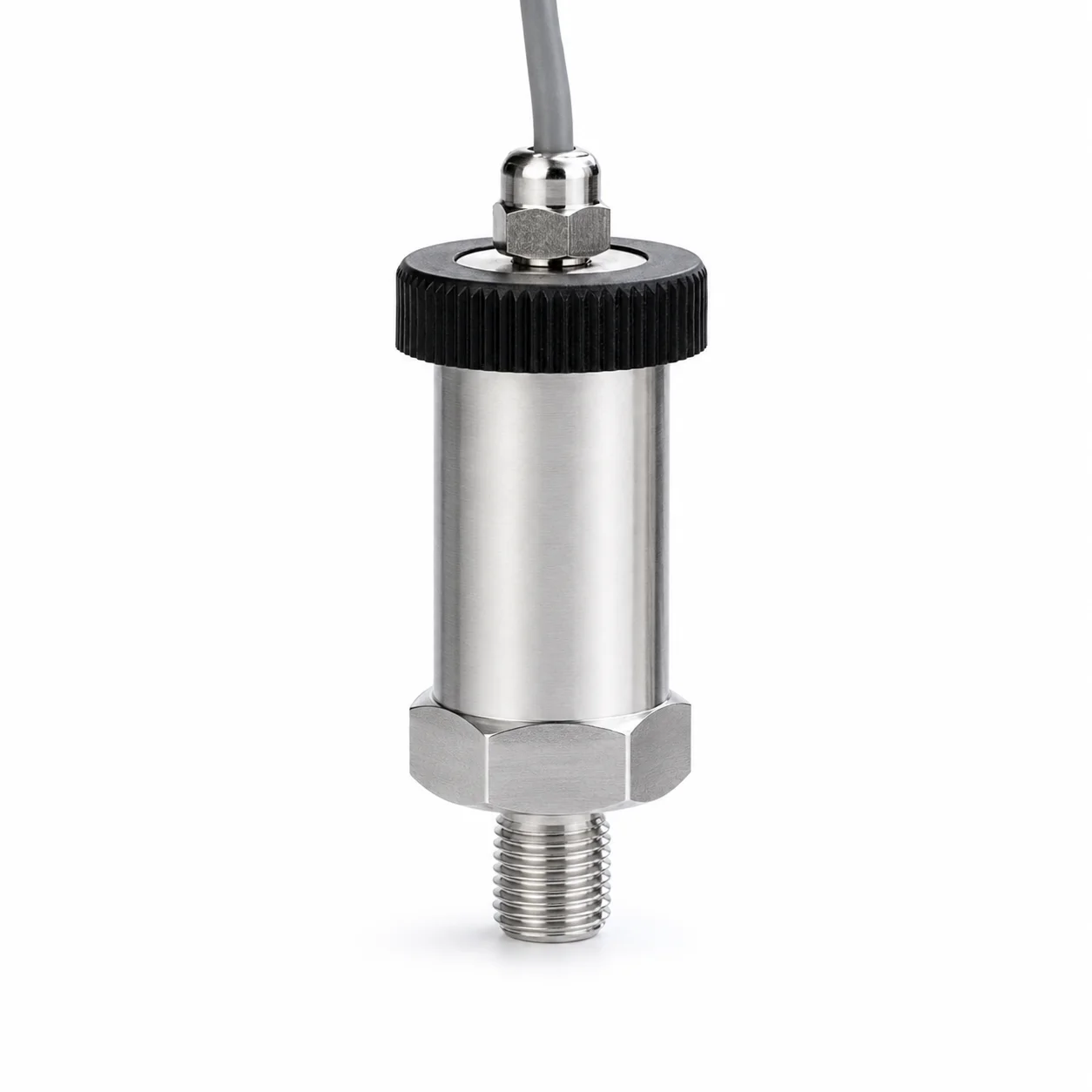
Direct to chip cooling removes heat at the processor level by placing a liquid cooling interface directly against CPUs, GPUs, or other high-power semiconductor devices. This architecture provides a dedicated path for transferring heat from the chip into circulating coolant, making it suitable for computing platforms with concentrated thermal loads. A complete configuration can include cold plates, manifolds, pumps, hoses, quick disconnects, coolant distribution units, heat exchangers, sensors, and control components. Depending on application requirements, the cooling loop can be designed around thermal load, coolant type, flow rate, pressure drop, supply and return temperatures, mounting interfaces, and available infrastructure. Direct to chip cooling can support AI servers, HPC clusters, cloud computing, telecom systems, and high-density data center deployments requiring localized and scalable thermal management.
Get A Quote

Case Study

GPU Accelerator Cooling

An AI computing platform required localized thermal management for multiple GPU accelerators installed in a high-density server configuration. Direct to chip cooling was implemented using cold plates mounted directly to the GPU packages and connected through a rack-level coolant distribution system. The design considered GPU thermal load, package dimensions, mounting requirements, coolant flow, pressure drop, and supply temperature. Manifolds distributed coolant to multiple accelerator plates, while quick disconnect couplings provided accessible service connections. Heat absorbed at the GPU interface was transferred through the liquid loop toward the heat rejection equipment. The modular architecture provided a structured approach to managing processor-level heat and allowed additional liquid-cooled nodes to be integrated as computing requirements increased.

HPC Processor Cooling

A high-performance computing installation needed a cooling architecture capable of managing sustained processor workloads across multiple server nodes. Direct to chip cooling connected CPU and accelerator cold plates to a controlled liquid loop using manifolds, hoses, and circulation equipment. Engineers evaluated thermal load, coolant characteristics, required flow rate, pressure limits, operating temperatures, and processor mounting patterns during system planning. The cold plates transferred heat directly from the processor interface into the circulating coolant before the warmed liquid moved toward a heat exchanger or CDU. Multiple cooling assemblies could be arranged within the same rack, providing flexibility for different server configurations while supporting organized maintenance and future expansion of the HPC infrastructure.

Data Center Rack Upgrade

A data center planned to deploy higher-power servers in selected racks and introduced direct to chip cooling for the processors generating the greatest thermal loads. CPU and GPU cold plates were connected to rack manifolds through hoses and quick disconnects, while a CDU managed the technology-side cooling loop. Deployment planning considered rack heat density, available coolant flow, supply and return temperatures, pressure drop, pipe routing, and maintenance access. The approach allowed liquid cooling to be deployed selectively rather than requiring an immediate facility-wide conversion. Existing compatible infrastructure could continue supporting other equipment, while high-density racks received dedicated processor-level cooling. The modular design also provided a pathway for expanding liquid cooling as server density increased.

Related products

Direct to chip cooling is a processor-level thermal management method designed to transfer heat directly from CPUs, GPUs, accelerators, and other high-power electronic devices into a liquid cooling loop. A cold plate is typically mounted against the processor package, with internal channels directing coolant across the heat transfer area. Depending on the system architecture, supporting components may include pumps, manifolds, hoses, quick disconnect couplings, CDUs, heat exchangers, reservoirs, sensors, and control valves. Key design parameters include thermal load, chip dimensions, mounting pattern, coolant type, flow rate, pressure drop, supply and return temperatures, and connection configuration. Direct to chip cooling can be deployed on individual servers, multi-GPU platforms, complete racks, or larger data center environments. It provides a modular foundation for AI, HPC, cloud, telecom, and other high-density computing applications where concentrated processor heat requires dedicated liquid-based thermal management.

Frequently Asked Questions

What is direct to chip cooling?

Direct to chip cooling is a thermal management method that transfers heat from a processor directly into a liquid cooling loop. A cold plate is positioned against the CPU, GPU, or accelerator, allowing circulating coolant to absorb heat before returning toward the heat rejection system through the connected cooling infrastructure.
Coolant flows through engineered channels inside a cold plate mounted on the processor. Heat moves from the chip into the plate and then into the liquid. The warmed coolant travels through hoses and manifolds toward a CDU or heat exchanger, where heat is transferred away before the coolant recirculates.
The architecture can be designed for CPUs, GPUs, AI accelerators, and other high-power semiconductor devices. Each cooling interface should match the device footprint, mounting arrangement, thermal load, coolant requirements, and operating conditions. Different processors may require different cold plate geometries and connection configurations.
Yes. Direct to chip cooling can be used for high-density data center servers, AI infrastructure, and HPC environments. It can address processor-level heat while integrating with rack manifolds, CDUs, facility-side heat rejection, and monitoring systems. The appropriate configuration depends on equipment density and available facility infrastructure.
Important factors include chip thermal load, package dimensions, cold plate material and geometry, coolant type, flow rate, pressure drop, supply and return temperatures, mounting requirements, and connection interfaces. Larger deployments also require consideration of rack density, CDU capacity, facility water conditions, heat rejection, and maintenance procedures.

Related article

Intelligent Power Distribution, Precision Metering – An In-Depth Look at the GLGW PDU Series

21

May

Intelligent Power Distribution, Precision Metering – An In-Depth Look at the GLGW PDU Series

View More
Fiber Optic Patch Panel: High-Density Modular Rack-Mount Solution for Reliable Network Management

21

May

Fiber Optic Patch Panel: High-Density Modular Rack-Mount Solution for Reliable Network Management

Discover how a high-density fiber optic patch panel improves cable organization, network reliability, scalability, and maintenance for data centers, telecom, FTTX, and enterprise networks.
View More
Fiber Optic Cable Deployment for Data Center Backbone.

25

Jun

Fiber Optic Cable Deployment for Data Center Backbone.

Real-world Project Cases Reflecting the Value of Standardized Fiber Optic Cable Deployment With more than sixteen years working in structured cabling and data center infrastructure construction, I have taken charge of dozens of data center backbon...
View More
What Connector Types for Ethernet Patch Cable?

18

Jul

What Connector Types for Ethernet Patch Cable?

Real World Field Challenges with Commercial Network Overhauls During a massive network overhaul for an e-commerce fulfillment hub last year, my deployment team faced an unexpected wave of packet drops and intermittent link drops across the main pac...
View More

Customer Testimonials

Robert Miller

We integrated direct-to-chip cooling into a multi-GPU server platform. The cold plate and manifold arrangement provided a practical way to organize processor cooling connections within the rack.

Andrew Wilson

The modular cooling configuration helped us introduce liquid cooling to selected high-density racks without changing the entire facility architecture. Service connections were also straightforward to plan.

Get a Free Quote

Our representative will contact you soon.
Email
Mobile/WhatsApp
Name
Company Name
Message
0/1000
Chip-Level Heat Transfer

Chip-Level Heat Transfer

Direct to chip cooling focuses thermal management at the point where heat is generated. A cold plate mounted directly against a CPU, GPU, or accelerator provides a dedicated interface between the processor and circulating coolant. Internal flow channels can be designed around the required heat transfer area, coolant characteristics, thermal load, and pressure conditions. As coolant passes through the plate, it absorbs heat before traveling toward the broader cooling loop. The warmed fluid can then move through manifolds, hoses, or a CDU to the heat rejection equipment. This architecture is particularly useful for high-density computing because cooling capacity can be concentrated around processors rather than distributed solely through room-level airflow systems.
Integrated Liquid Cooling Components

Integrated Liquid Cooling Components

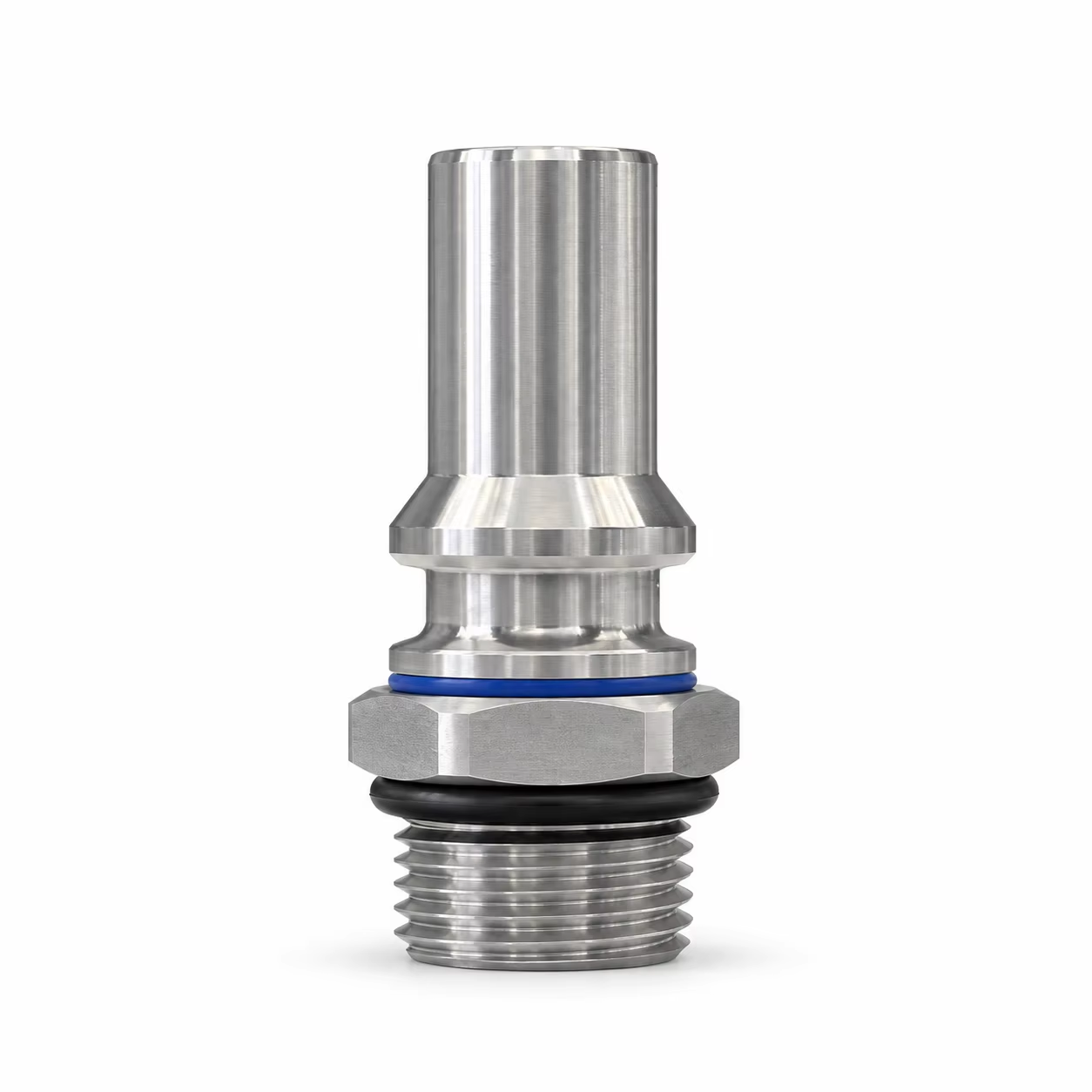
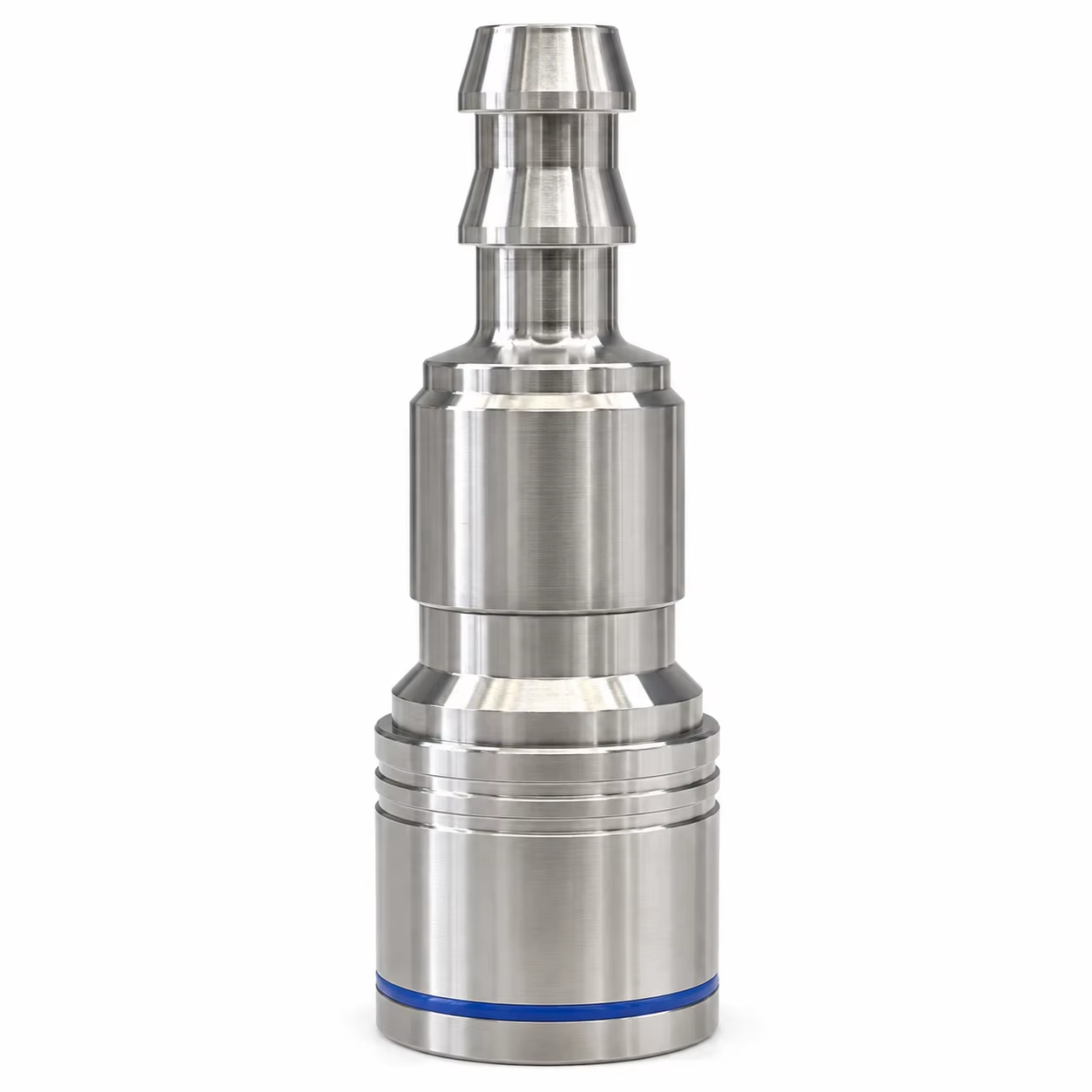
A direct to chip cooling architecture can incorporate multiple components to create a controlled and serviceable liquid loop. Cold plates provide the processor interface, while manifolds distribute coolant between multiple devices. Pumps maintain circulation, and hoses or quick disconnect couplings connect server-level assemblies with rack infrastructure. Larger systems may use a CDU, heat exchanger, reservoir, sensors, and valves to manage coolant conditions and facility-side heat transfer. Design parameters such as flow rate, pressure drop, supply temperature, return temperature, and fluid compatibility influence component selection. The modular structure allows cooling equipment to be configured for individual servers, multi-processor platforms, or complete racks according to thermal and infrastructure requirements.
Scalable Cooling for AI Infrastructure

Scalable Cooling for AI Infrastructure

AI servers and HPC platforms can generate concentrated heat as processor performance and rack density increase. Direct to chip cooling provides a scalable architecture for managing these thermal requirements at the component level. Cooling can begin with selected CPUs or GPUs and expand to additional servers or racks as computing capacity grows. Deployment planning can evaluate processor thermal load, rack heat density, coolant flow, CDU capacity, heat rejection, pipe routing, and service access. Standardized manifolds and quick disconnects can help organize connections between server cold plates and rack distribution equipment. This approach supports AI clusters, HPC systems, cloud infrastructure, telecom equipment, and enterprise data centers that require flexible liquid cooling for increasingly dense computing environments.

Get a Free Quote

Our representative will contact you soon.
Email
Mobile/WhatsApp
Name
Company Name
Message
0/1000