Data Center Liquid Cooling System: Direct-to-Chip Solutions for AI & HPC

All Categories
Scalable Thermal Management for Modern Data Centers

Scalable Thermal Management for Modern Data Centers

A data center liquid cooling system provides a controlled method for removing heat from high-density computing equipment where conventional air cooling may become less practical. The system can combine cold plates, coolant distribution units, pumps, manifolds, hoses, quick disconnects, heat exchangers, and monitoring components according to the facility design. Direct-to-chip configurations can transfer heat from CPUs, GPUs, and accelerators into a liquid loop, while rack-level architectures distribute cooling across multiple servers. System planning can consider rack heat density, coolant flow, supply and return temperatures, pressure, fluid compatibility, maintenance access, and available facility infrastructure. This approach is suitable for AI computing, HPC clusters, enterprise data centers, cloud infrastructure, telecom equipment, and other applications requiring reliable thermal management at increasing equipment densities.
Get A Quote

Case Study

High-Density AI Rack Deployment

An AI computing facility needed a liquid cooling architecture for racks containing high-power GPU servers. The data center liquid cooling system used direct-to-chip cold plates connected through manifolds, hoses, quick disconnects, and a cooling distribution unit. The design was developed around rack heat load, required coolant flow, supply and return temperatures, pressure limits, and available installation space. By delivering coolant directly to major heat sources, the system concentrated thermal management around the processors rather than depending entirely on room-level airflow. The modular architecture also allowed additional cooled racks to be integrated as computing capacity expanded, supporting a phased approach to liquid cooling deployment within the facility.

HPC Cluster Thermal Management

A high-performance computing environment required consistent cooling for processors operating under sustained workloads. A data center liquid cooling system was configured with cold plates, distribution manifolds, pumps, heat exchangers, and monitoring points. Each cooling loop was planned according to processor thermal load, coolant characteristics, flow rate, pressure drop, and operating temperature. The architecture helped transfer heat from CPUs and accelerators into the liquid loop before the warmed coolant reached the heat rejection equipment. Service connections and quick disconnects were incorporated to support equipment maintenance. This type of modular system can be adapted to different rack configurations while providing a structured foundation for future high-density computing expansion.

Existing Data Center Upgrade

An established data center was preparing for higher-density servers while retaining part of its existing infrastructure. Instead of replacing the entire cooling architecture, selected racks were equipped with liquid cooling components designed around their specific thermal requirements. A CDU provided separation between the facility-side water circuit and the technology cooling loop, while cold plates and manifolds managed heat at the server level. The upgrade planning considered rack power density, available floor space, pipe routing, coolant temperature, flow capacity, and maintenance procedures. This approach can support gradual adoption of liquid cooling, allowing operators to introduce higher-density computing equipment while continuing to operate compatible air-cooled infrastructure in other areas.

Related products

A data center liquid cooling system is an integrated thermal management architecture designed to remove heat from servers, GPUs, CPUs, and other high-density electronic equipment. Depending on the application, the system can include direct-to-chip cold plates, coolant distribution units, pumps, manifolds, hoses, quick disconnect couplings, heat exchangers, reservoirs, valves, and temperature or flow monitoring components. Direct liquid cooling transfers heat close to the processor, while rack-level distribution manages coolant delivery across multiple servers. Key design parameters include total thermal load, rack density, coolant type, supply and return temperature, flow rate, pressure drop, connection layout, and facility-side heat rejection capacity. The system can be configured for AI data centers, HPC environments, cloud infrastructure, telecom facilities, and enterprise server rooms. A modular architecture also makes it possible to expand cooling capacity as computing requirements increase.

Frequently Asked Questions

What is a data center liquid cooling system?

A data center liquid cooling system uses a circulating coolant to remove heat from servers and high-density computing equipment. Depending on the architecture, cooling can be delivered directly to CPUs and GPUs through cold plates or distributed at the rack level through manifolds, hoses, and coolant distribution units.
Liquid cooling can transfer heat efficiently from concentrated high-power components and provide more localized thermal management. It is particularly relevant for AI and HPC servers with increasing rack densities. The appropriate system depends on equipment thermal loads, facility infrastructure, coolant requirements, operating temperatures, and maintenance conditions.
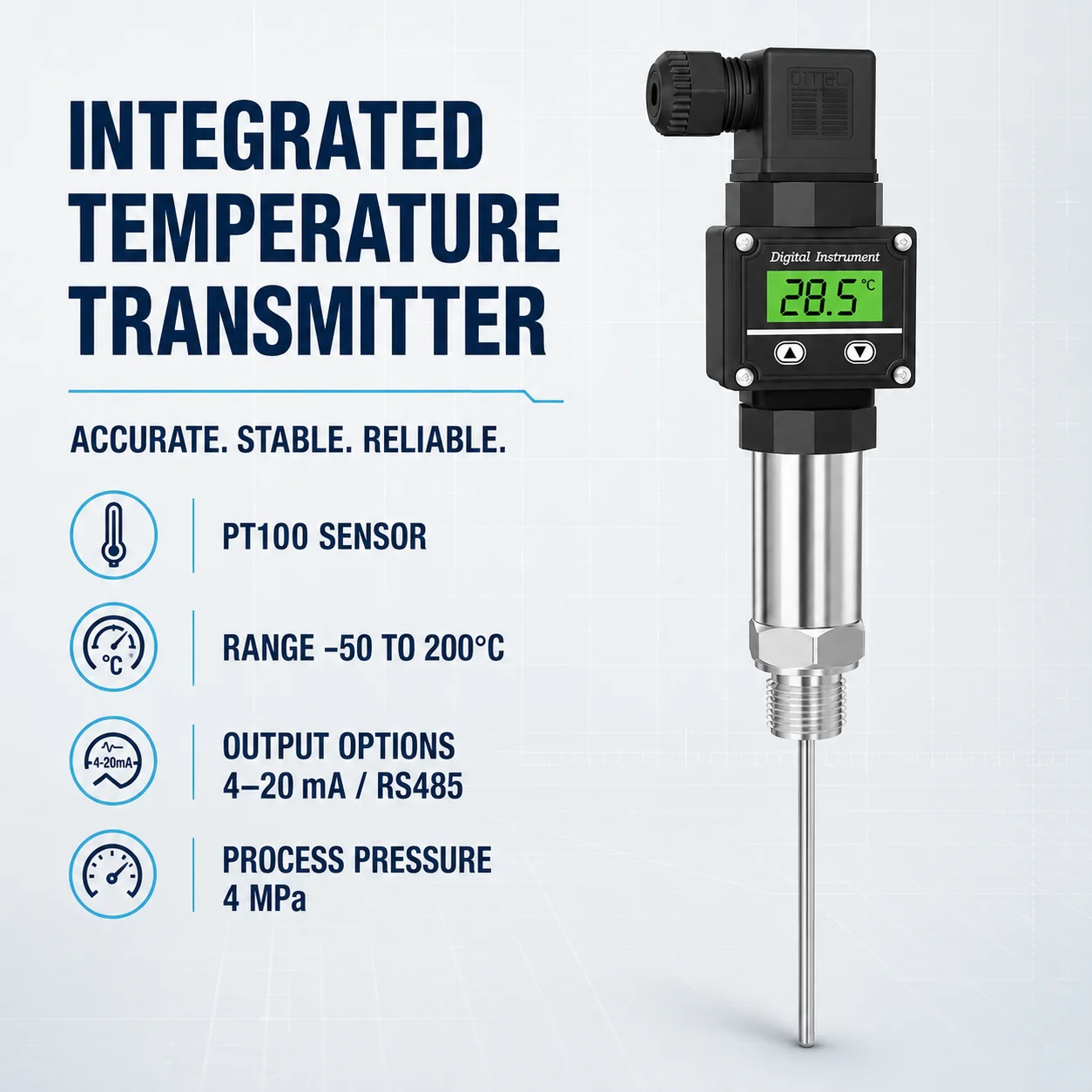
A typical configuration may include cold plates, pumps, manifolds, hoses, quick disconnects, coolant distribution units, heat exchangers, reservoirs, valves, and monitoring devices. Not every installation requires every component. The final configuration depends on rack architecture, cooling capacity, facility water conditions, equipment requirements, and the selected liquid cooling approach.
Yes. Liquid cooling is commonly considered for high-density AI and GPU computing because these systems can generate substantial localized heat. A suitable design can connect GPU or CPU cold plates to a controlled cooling loop. Selection should account for thermal load, flow rate, pressure, coolant compatibility, and server mounting requirements.
Design begins with the facility's computing load, rack density, equipment configuration, and available cooling infrastructure. Engineers can then evaluate coolant flow, supply and return temperatures, pressure, pipe routing, heat rejection capacity, monitoring, and maintenance access. The resulting architecture may use rack-level, direct-to-chip, or hybrid cooling.

Related article

Intelligent Power Distribution, Precision Metering – An In-Depth Look at the GLGW PDU Series

21

May

Intelligent Power Distribution, Precision Metering – An In-Depth Look at the GLGW PDU Series

View More
Fiber Optic Patch Panel: High-Density Modular Rack-Mount Solution for Reliable Network Management

21

May

Fiber Optic Patch Panel: High-Density Modular Rack-Mount Solution for Reliable Network Management

Discover how a high-density fiber optic patch panel improves cable organization, network reliability, scalability, and maintenance for data centers, telecom, FTTX, and enterprise networks.
View More
How to maintain patch cord for stable connection?

15

Jun

How to maintain patch cord for stable connection?

Daily visual inspection and routine troubleshooting of patch cord For anyone managing office networks, data centers or large-scale communication systems, patch cord maintenance is never a trivial task. Over my sixteen years working in the global s...
View More
How to classify data cables by usage scenarios?

14

Jul

How to classify data cables by usage scenarios?

Real World Field Experiences with Multi Environment Network Deployments During a comprehensive network migration for a financial headquarters last spring, our deployment crew encountered major connectivity dropouts across different operational floo...
View More

Customer Testimonials

David Morgan

The liquid cooling architecture gave our team a practical way to manage higher GPU rack densities. The modular CDU and distribution layout also made future rack expansion easier to plan.

James Carter

We integrated liquid cooling into an HPC environment without redesigning every server connection. The structured manifold and hose configuration helped simplify installation and maintenance planning.

Get a Free Quote

Our representative will contact you soon.
Email
Mobile/WhatsApp
Name
Company Name
Message
0/1000
Direct-to-Chip Heat Removal

Direct-to-Chip Heat Removal

Direct-to-chip cooling places a liquid cold plate directly against a processor or accelerator, creating a short thermal path between the heat source and circulating coolant. This approach can be applied to CPUs, GPUs, and other high-power semiconductor packages used in AI and HPC systems. The cold plate design can consider device dimensions, mounting pressure, channel geometry, coolant flow, thermal load, and allowable pressure drop. After absorbing heat, the coolant travels through manifolds and distribution components toward a CDU or heat exchanger for heat rejection. This architecture concentrates cooling where thermal energy is generated and can be incorporated into rack-level infrastructure when multiple processors require coordinated liquid cooling.
Integrated Cooling Infrastructure

Integrated Cooling Infrastructure

A complete data center liquid cooling system requires more than an individual cold plate. Supporting infrastructure can include pumps, manifolds, hoses, quick disconnect couplings, CDUs, heat exchangers, reservoirs, sensors, valves, and control components. These elements work together to circulate coolant, regulate operating conditions, and transfer recovered heat toward the appropriate facility-side heat rejection equipment. System integration should consider supply and return temperatures, flow distribution, pressure drop, fluid compatibility, connection standards, and service access. Depending on the data center layout, cooling loops can be arranged around individual servers, racks, or larger equipment groups. This modular structure allows different cooling architectures to be matched with specific operational and infrastructure requirements.
Scalable High-Density Deployment

Scalable High-Density Deployment

Data center computing requirements can change rapidly as AI, cloud, and HPC workloads expand. A scalable liquid cooling architecture allows operators to plan cooling capacity around current and future rack densities instead of treating every installation as a fixed configuration. Systems can be designed for individual GPU servers, complete racks, or larger groups of high-density equipment. Expansion planning can evaluate additional thermal loads, coolant flow capacity, CDU sizing, facility water availability, pipe routing, and monitoring requirements. Modular manifolds, hoses, and quick disconnects can simplify equipment connections and maintenance. This approach supports phased deployment across new or existing data center areas while accommodating different server generations and evolving thermal requirements.

Get a Free Quote

Our representative will contact you soon.
Email
Mobile/WhatsApp
Name
Company Name
Message
0/1000