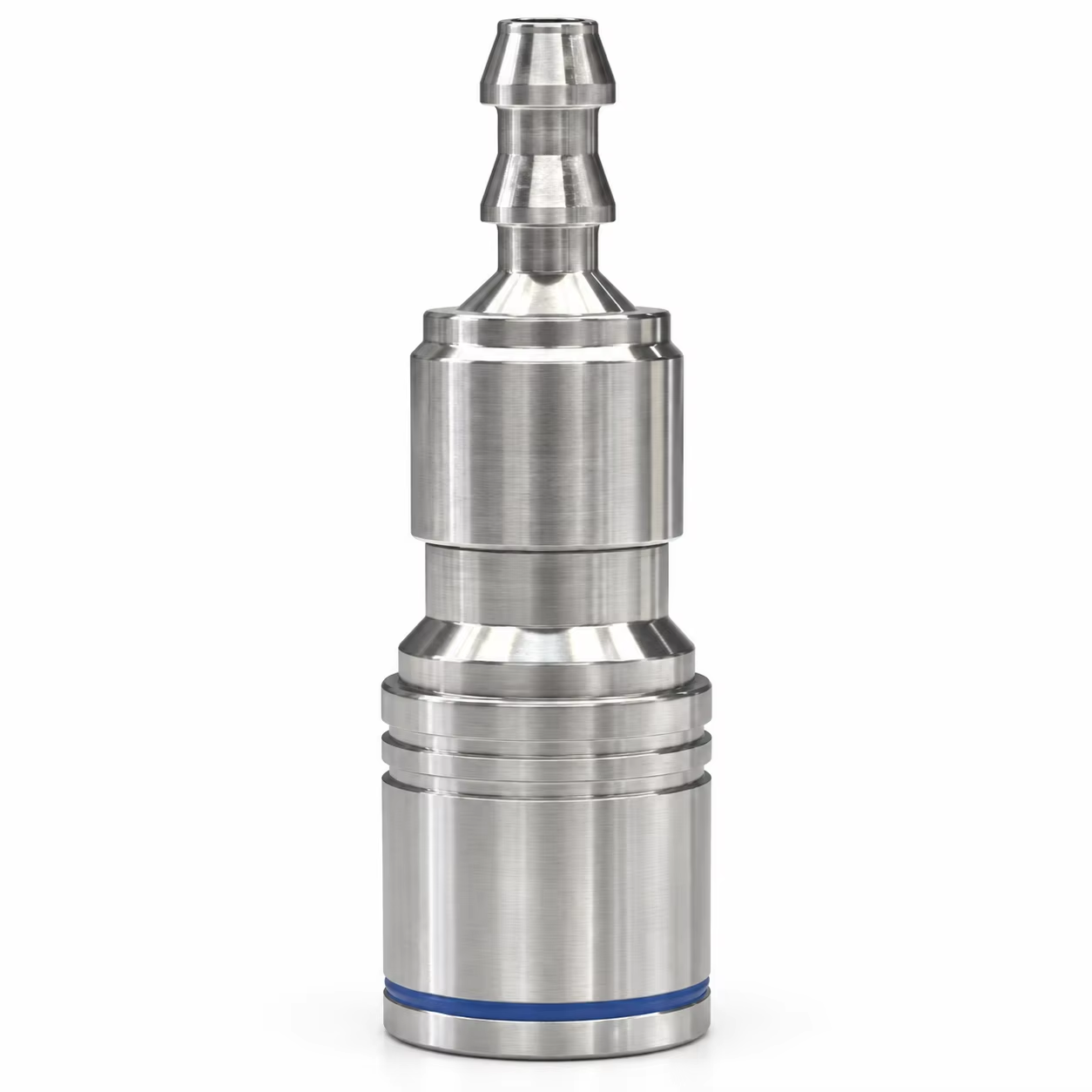
GPU Liquid Cooling Hose: Reliable Thermal Management for AI & HPC

All Categories
Reliable Coolant Flow for GPU Thermal Management

Reliable Coolant Flow for GPU Thermal Management

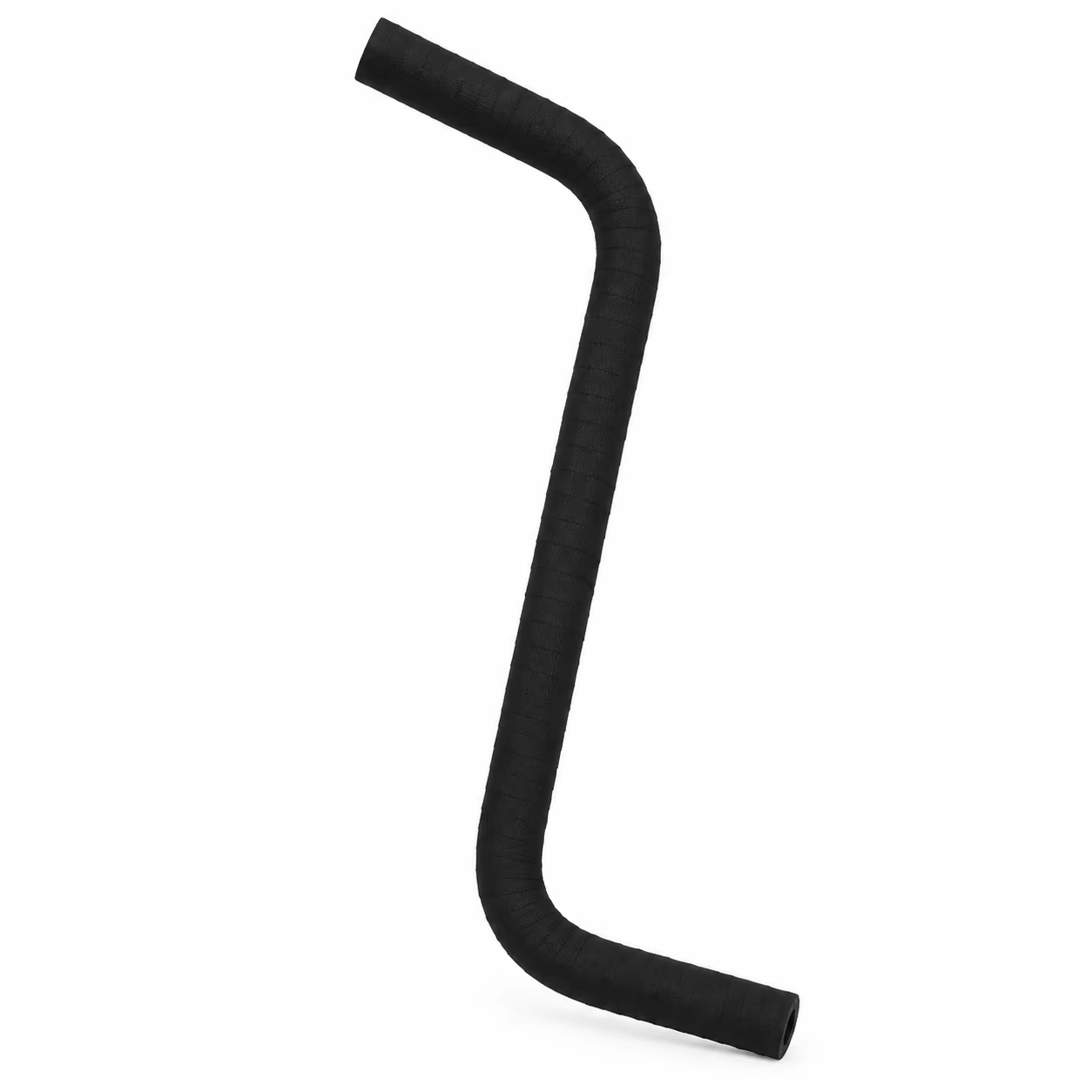
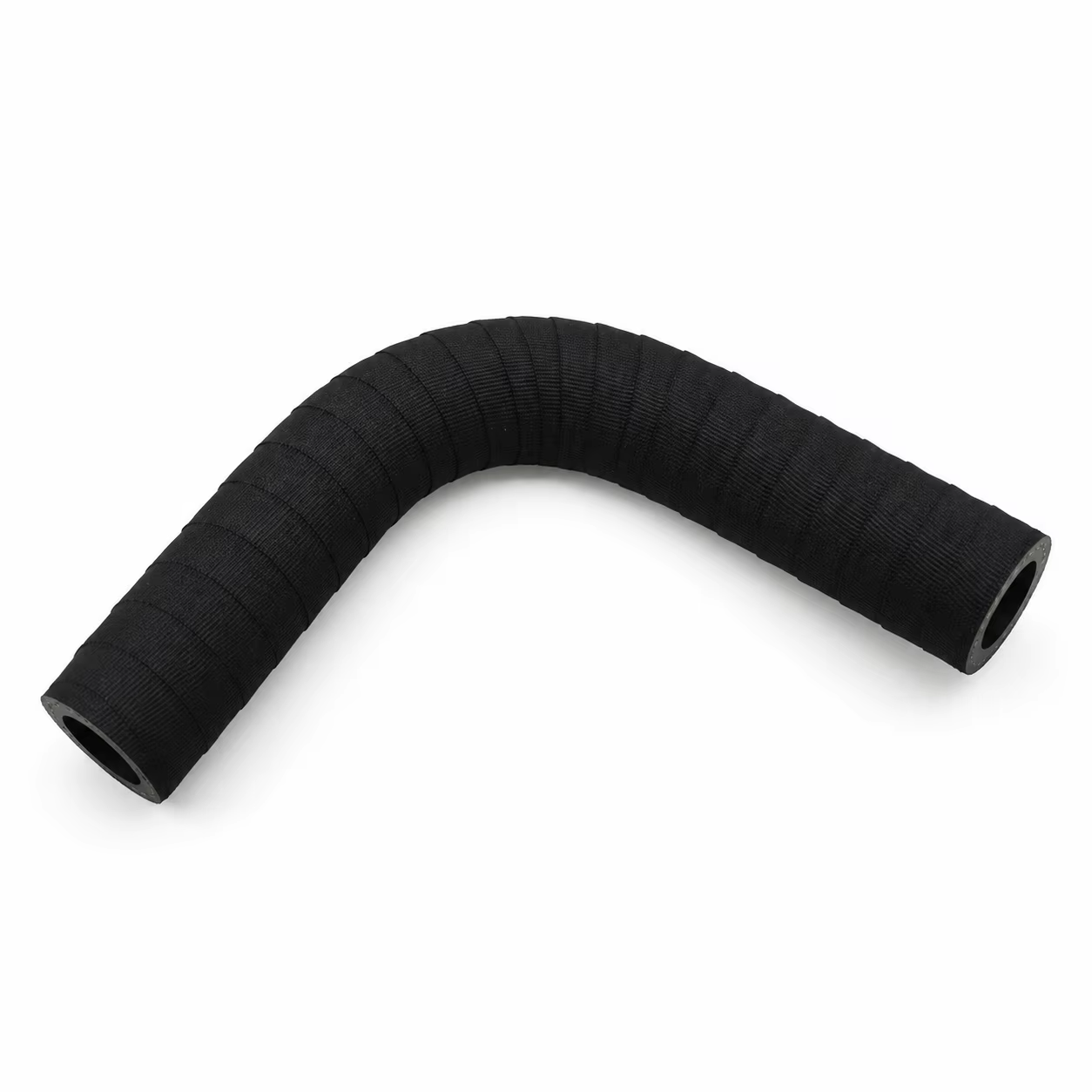
A GPU liquid cooling hose is designed to transport coolant between cooling distribution units, manifolds, cold plates, and GPU servers within liquid cooling systems. As GPU processing power continues to increase, efficient coolant circulation becomes an important part of maintaining thermal performance in AI, machine learning, HPC, and data center environments. Depending on project requirements, cooling hoses can be specified according to coolant compatibility, operating pressure, temperature range, flow requirements, flexibility, and connection interfaces. Proper hose selection helps create an organized cooling infrastructure while supporting maintenance accessibility, system reliability, and future expansion of liquid-cooled computing environments.
Get A Quote

Case Study

AI Training Clusters

AI training platforms often utilize large GPU clusters that generate significant thermal loads during continuous operation. GPU liquid cooling hoses provide coolant pathways between cooling infrastructure and server-level cooling components, helping support thermal management requirements. Hose assemblies can be configured according to rack layout, flow requirements, pressure conditions, and connection architecture. Organized routing also helps technicians maintain service access and cooling system manageability as the AI cluster expands over time.

High-Performance Computing Systems

HPC environments frequently deploy liquid cooling to support processors and accelerators operating under demanding workloads. GPU liquid cooling hoses connect cooling distribution units, manifolds, and cold plates to create a complete coolant circulation path. The hose specification can be selected according to coolant type, temperature range, operating pressure, and installation conditions. Proper routing contributes to a cleaner rack layout and supports efficient maintenance activities while accommodating future infrastructure upgrades.

GPU Data Center Expansion

As organizations increase the deployment of GPU-based servers, cooling infrastructure must scale alongside computing resources. GPU liquid cooling hoses provide flexible connections between cooling equipment and new server installations. Planning may include hose length, routing pathways, connection style, and maintenance requirements. A structured hose management strategy can help support future growth while maintaining organized cooling architecture across multiple racks and server platforms.

Related products

A GPU liquid cooling hose is a fluid transfer component used within liquid cooling systems designed for GPU servers and accelerated computing platforms. These hoses transport coolant between cooling distribution units, manifolds, cold plates, heat exchangers, and liquid-cooled equipment, creating the circulation pathway required for thermal management. Depending on system requirements, hose assemblies may be specified according to coolant compatibility, operating pressure, temperature range, flow capacity, hose diameter, flexibility, and connection interface. Common applications include AI computing infrastructure, machine learning clusters, HPC environments, cloud computing platforms, and enterprise data centers. When selecting a GPU liquid cooling hose, factors such as coolant chemistry, routing constraints, rack layout, service accessibility, bend radius, and future expansion objectives should be considered. Properly configured hose systems contribute to organized cooling infrastructure and support efficient thermal management across modern high-density computing environments.

Frequently Asked Questions

What is a GPU liquid cooling hose?

A GPU liquid cooling hose is a coolant transfer hose used in liquid cooling systems to transport coolant between cooling equipment and GPU servers. It forms part of the cooling loop that helps remove heat from GPUs and other high-performance computing components.
They are commonly used in AI data centers, machine learning clusters, HPC systems, cloud infrastructure, and enterprise computing environments that utilize liquid-cooled GPU servers.
Important factors include coolant compatibility, pressure rating, temperature range, flow requirements, hose diameter, flexibility, connection interface, routing constraints, bend radius, and maintenance accessibility.
Yes. GPU liquid cooling hoses are widely used in AI server racks where liquid cooling systems help manage the heat generated by GPUs, accelerators, and other high-performance processing components.
Proper routing supports efficient coolant circulation, improves maintenance access, reduces rack congestion, and helps create a more organized liquid cooling infrastructure. Routing should also accommodate future equipment expansion and service requirements.

Related article

Intelligent Power Distribution, Precision Metering – An In-Depth Look at the GLGW PDU Series

21

May

Intelligent Power Distribution, Precision Metering – An In-Depth Look at the GLGW PDU Series

View More
Reliable Data and Power Transmission Solutions for Modern Infrastructure

21

May

Reliable Data and Power Transmission Solutions for Modern Infrastructure

View More
What Connector Types for Ethernet Patch Cable?

18

Jul

What Connector Types for Ethernet Patch Cable?

Real World Field Challenges with Commercial Network Overhauls During a massive network overhaul for an e-commerce fulfillment hub last year, my deployment team faced an unexpected wave of packet drops and intermittent link drops across the main pac...
View More
How to Strip Fiber Cable Without Damaging Fibers?

07

Aug

How to Strip Fiber Cable Without Damaging Fibers?

Stripping a fiber optic cable requires extreme precision. Because the glass cladding and core are extremely thin and fragile, even a microscopic scratch or nick can lead to severe signal loss (attenuation), microbends, or complete fiber failure und...
View More

Customer Testimonials

Andrew Collins

“The hose assemblies integrated well with our GPU cooling infrastructure and provided flexible routing options throughout the rack. Installation and maintenance access were both straightforward.”

Nicholas Green

“We used these cooling hoses during an AI cluster deployment. The organized routing helped simplify installation and provided a practical foundation for future rack expansion.”

Get a Free Quote

Our representative will contact you soon.
Email
Mobile/WhatsApp
Name
Company Name
Message
0/1000
Supports GPU Thermal Management

Supports GPU Thermal Management

GPU liquid cooling hoses provide the coolant transfer pathways required for advanced liquid cooling systems. By connecting cooling distribution units, manifolds, cold plates, and server hardware, the hose assembly helps support heat removal from GPUs and other high-performance computing components. Selection criteria may include coolant compatibility, operating pressure, flow requirements, and installation constraints. Properly specified hose systems contribute to organized cooling infrastructure and can be integrated into AI, machine learning, HPC, and enterprise computing environments where thermal management plays a critical role in system operation.
Flexible Rack-Level Deployment

Flexible Rack-Level Deployment

Modern GPU racks often contain dense computing resources and complex cooling architectures. GPU liquid cooling hoses can be configured to accommodate different rack layouts, connection interfaces, and routing requirements. Flexible hose assemblies help technicians install and maintain cooling systems while preserving access to critical hardware components. Proper routing can also reduce congestion and support a cleaner infrastructure layout. This adaptability makes GPU liquid cooling hoses suitable for a wide range of liquid-cooled computing platforms and deployment scenarios.
Designed for Scalable Infrastructure

Designed for Scalable Infrastructure

As AI and GPU deployments continue to expand, liquid cooling systems must support increasing thermal loads and evolving infrastructure requirements. GPU liquid cooling hoses can be selected according to current cooling demands while providing flexibility for future growth. Standardized hose configurations and organized routing strategies can simplify the addition of new racks, cooling loops, and server platforms. By considering factors such as maintenance access, coolant flow, installation space, and long-term expansion objectives, operators can develop scalable liquid cooling environments capable of supporting future computing workloads.

Get a Free Quote

Our representative will contact you soon.
Email
Mobile/WhatsApp
Name
Company Name
Message
0/1000