Fiber Termination Boxes: IP65 Outdoor & Rack Mount Solutions

All Categories
Flexible Fiber Termination Boxes for Organized Splicing, Patching, and Optical Network Connections

Flexible Fiber Termination Boxes for Organized Splicing, Patching, and Optical Network Connections

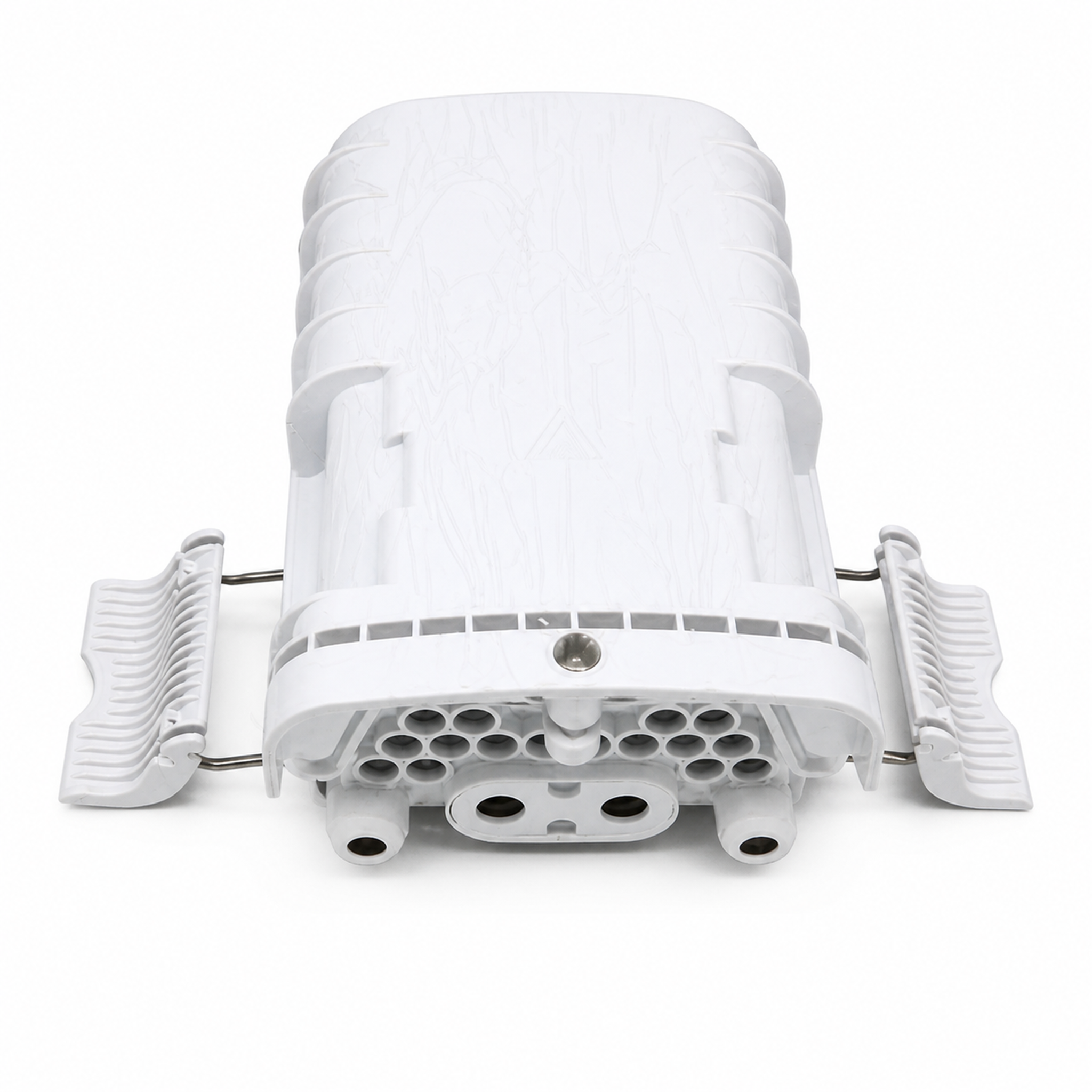
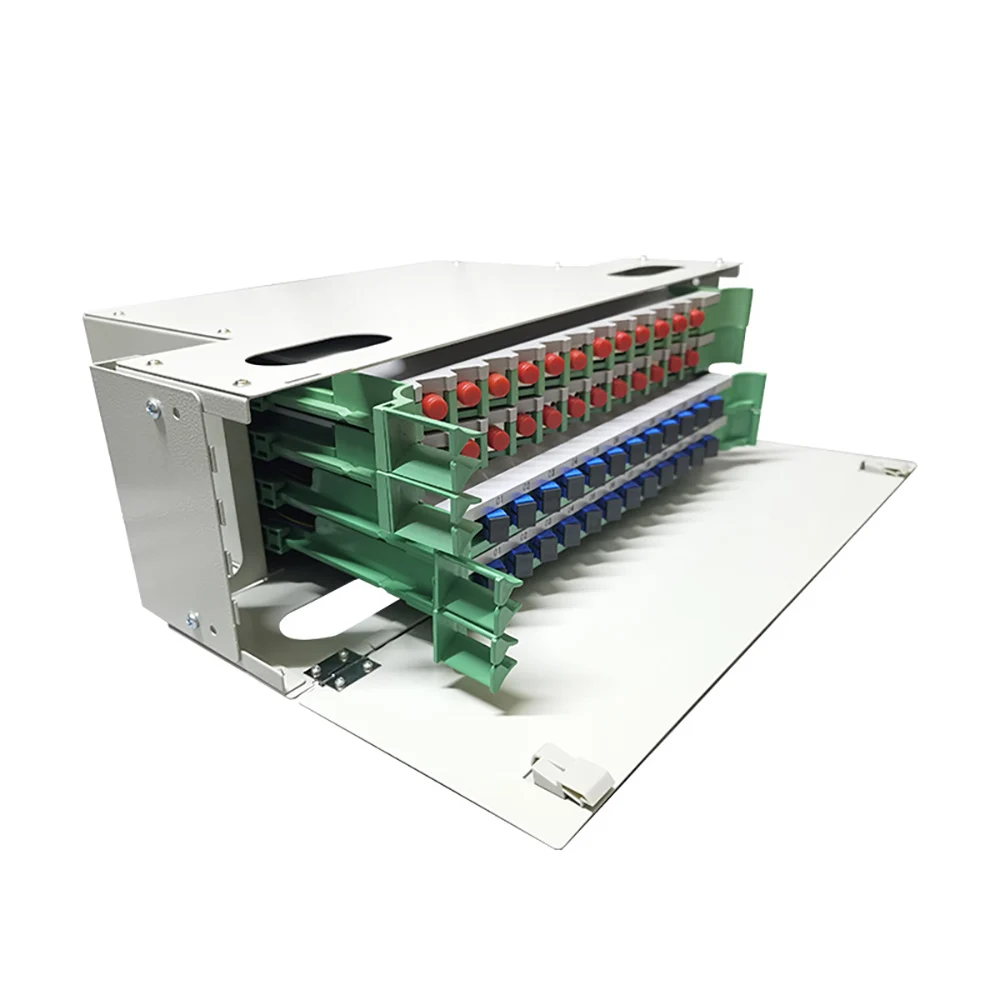
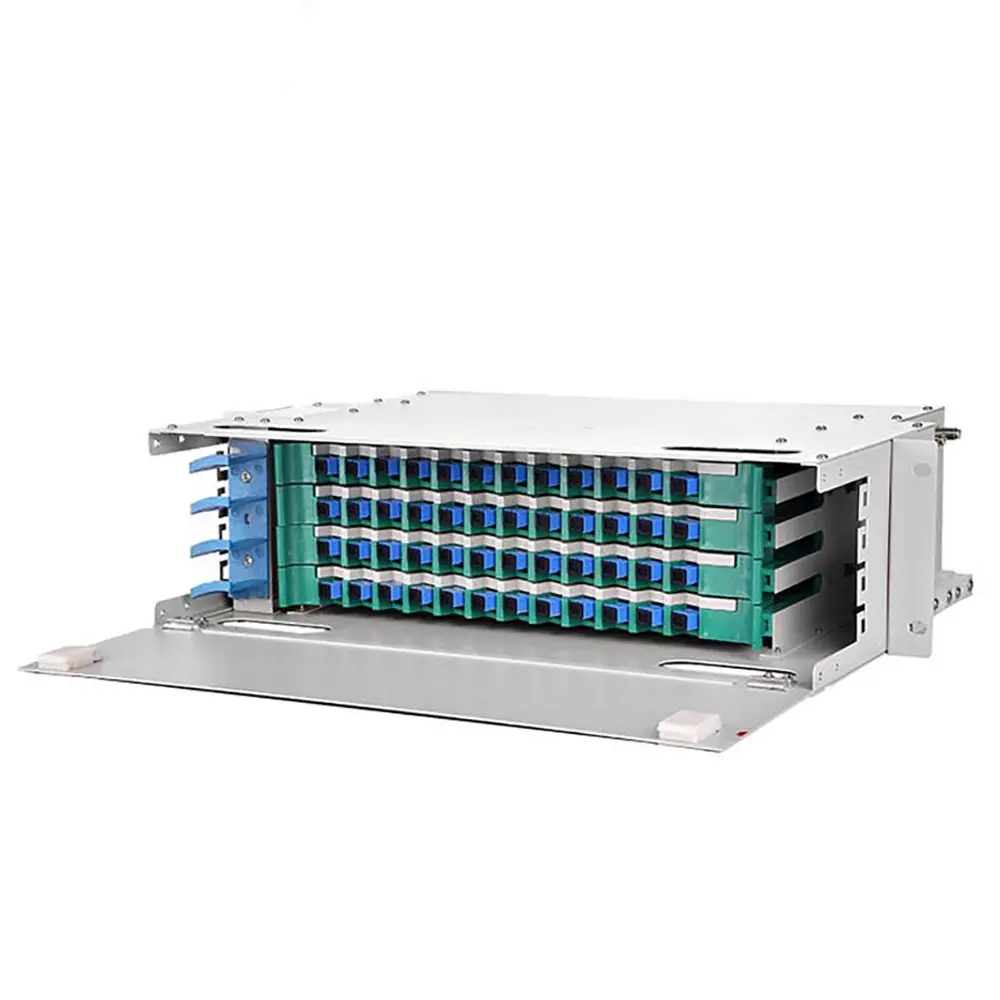
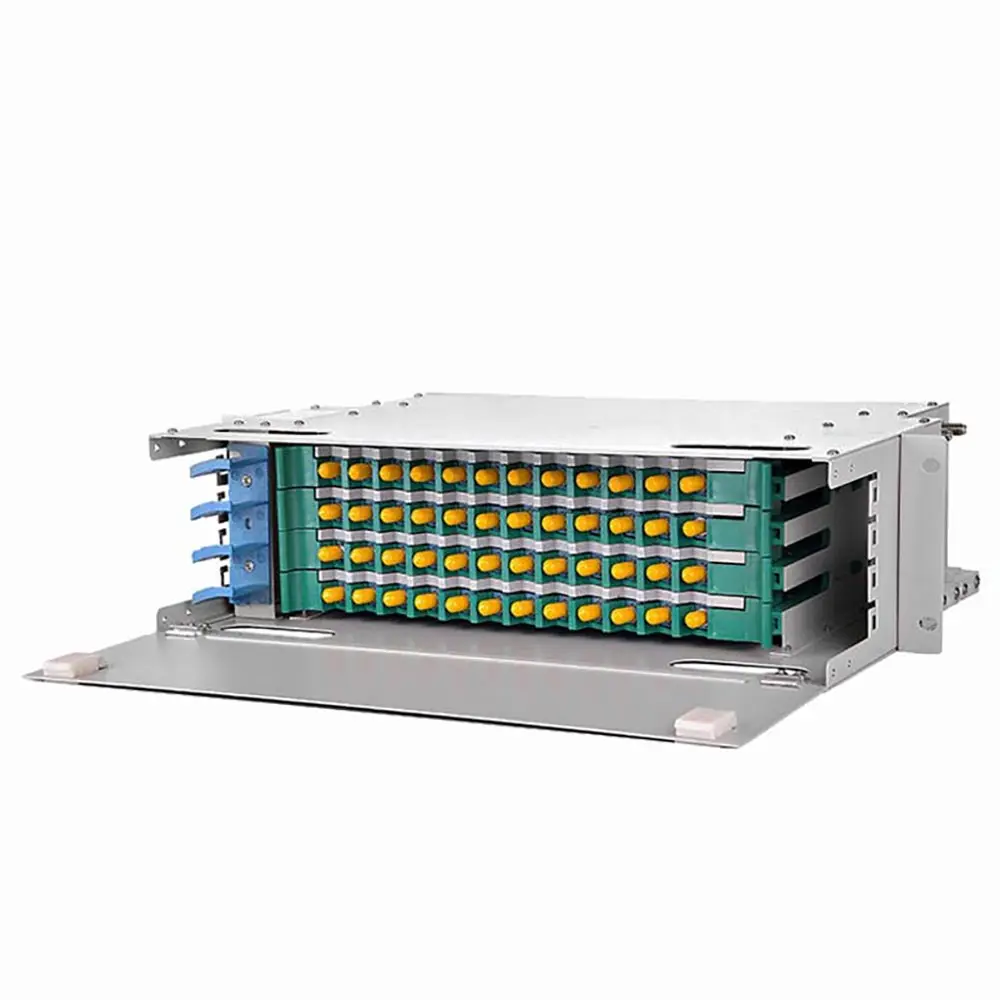
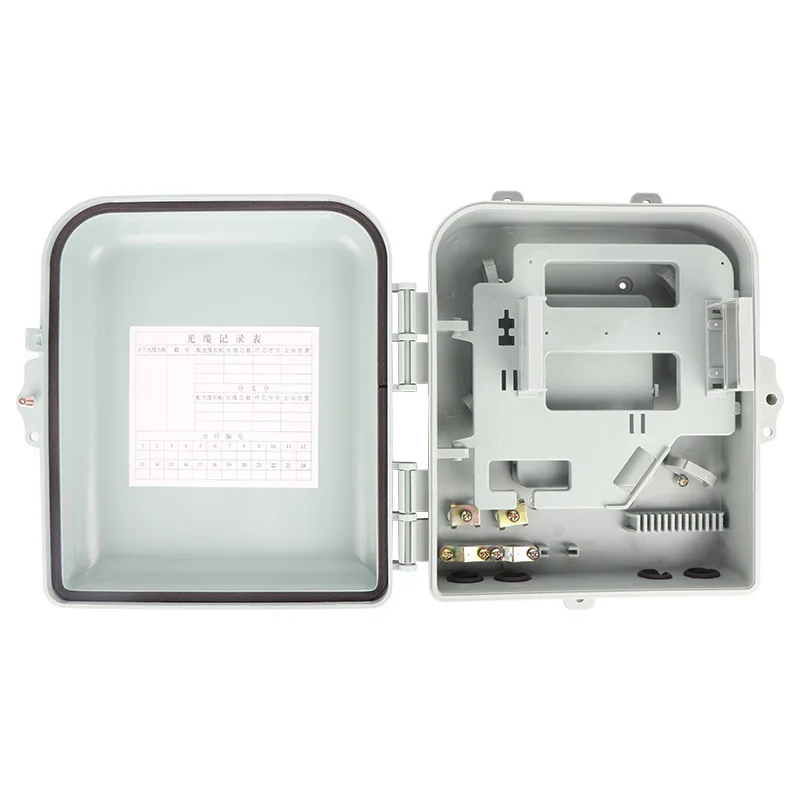
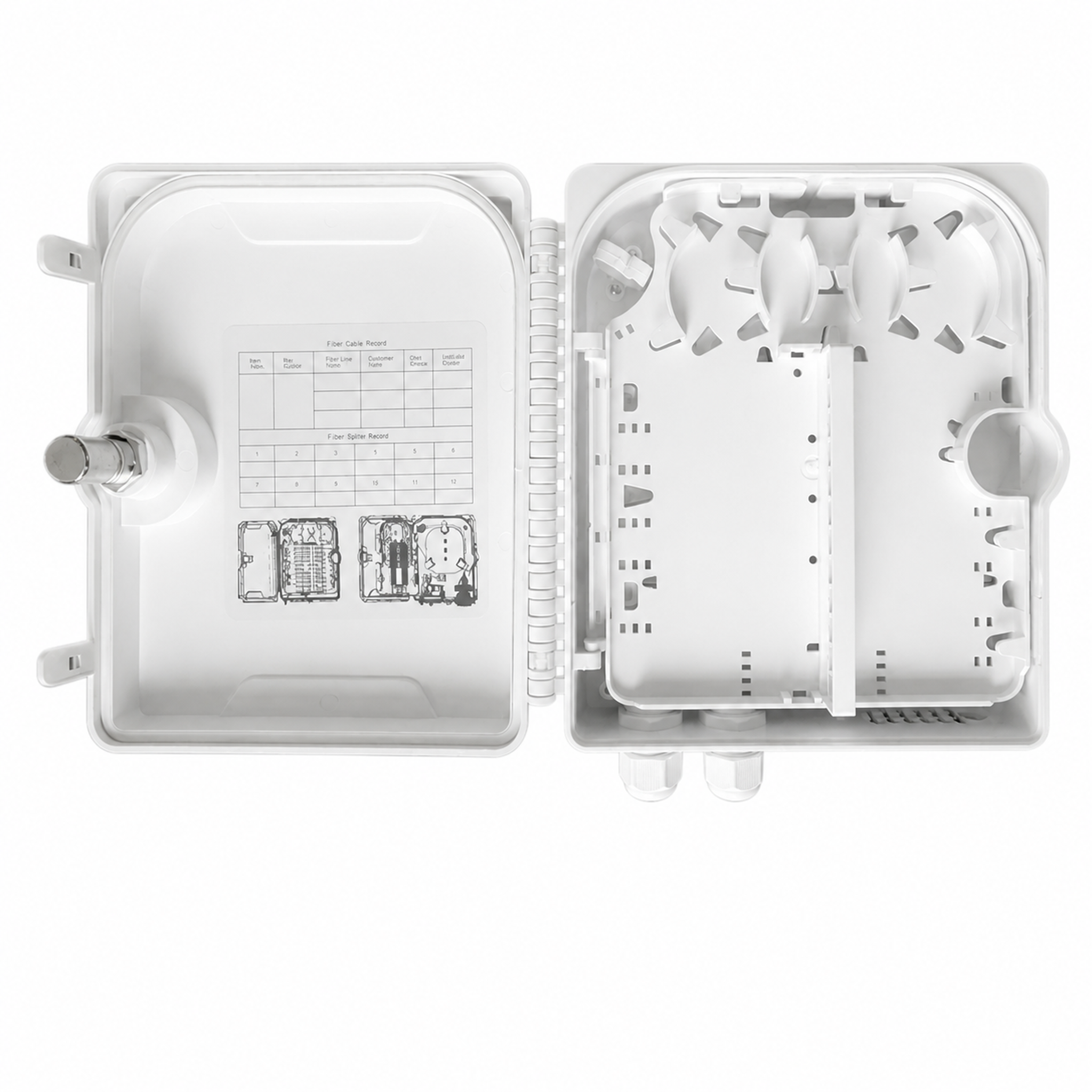
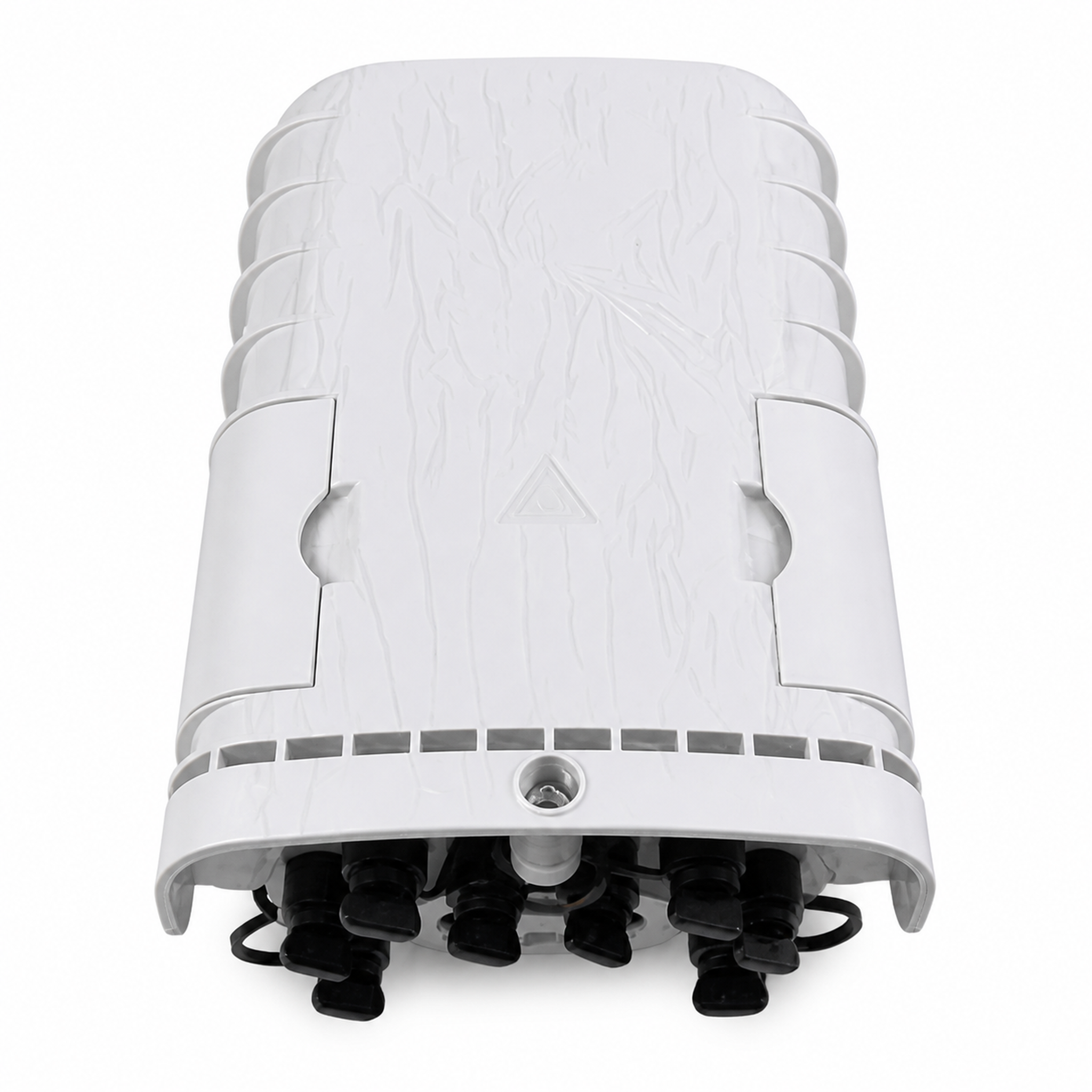
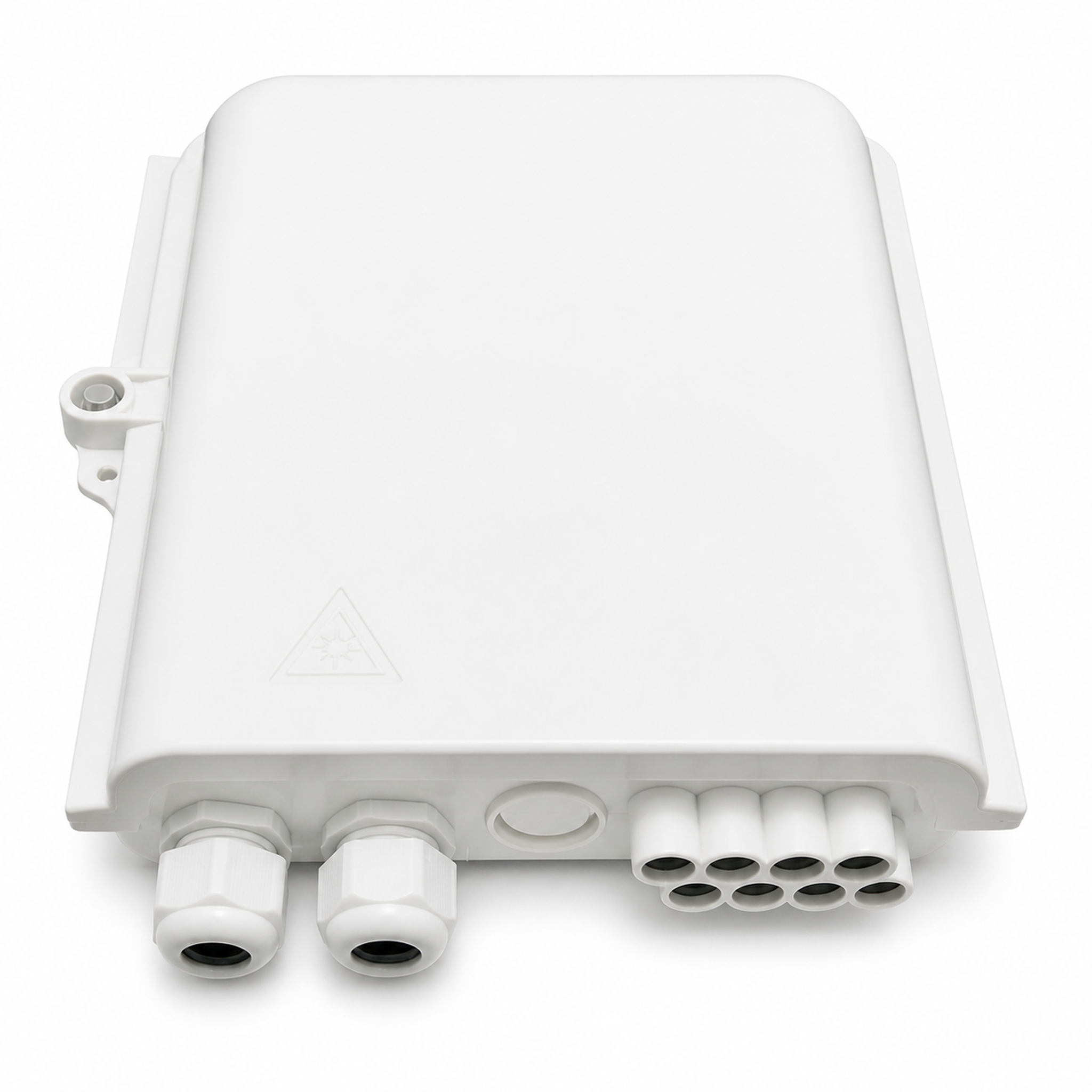
Fiber termination boxes provide a structured solution for terminating, splicing, and managing optical fiber connections in telecom, FTTH, enterprise, and building networks. They help organize incoming and outgoing fibers while keeping termination points accessible for installation, testing, troubleshooting, and maintenance. Depending on project requirements, configurations can accommodate different fiber capacities, adapter types, splice arrangements, cable diameters, and mounting methods. Their compact structure makes them practical for access points, communication rooms, equipment areas, and building distribution locations where efficient use of space is important. Proper cable routing can reduce congestion and make individual connections easier to identify. With suitable capacity planning, fiber termination boxes can also provide room for additional connections as network requirements increase, supporting organized deployment and convenient long-term fiber management.
Get A Quote

Case Study

FTTH Subscriber Connections

FTTH networks require organized termination points between feeder cables, distribution fibers, and subscriber connections. Fiber termination boxes can provide a convenient location for fiber splicing, adapter connections, and cable management within a compact enclosure. Installers can select the appropriate configuration based on subscriber density, fiber count, and network architecture. Organized routing helps technicians identify individual fibers during installation, testing, and maintenance. For residential communities, apartment buildings, and office developments, spare connection capacity can also be considered when planning the installation. This allows additional subscribers to be connected without significantly changing the existing distribution structure. Fiber termination boxes therefore provide a practical solution for maintaining clear and accessible optical connections throughout last-mile network deployment.

Telecom Access Distribution

Telecom access networks often contain multiple fiber routes that require clearly organized termination and splicing points. Fiber termination boxes can centralize these connections while providing defined areas for cable entry, fiber routing, splicing, and adapter installation. Configuration can be selected according to fiber capacity, connector requirements, and available installation space. A structured termination point helps technicians trace individual fiber paths during network testing and troubleshooting. It also makes routine maintenance and connection changes more manageable when service requirements develop. For telecom contractors and network integrators, these boxes provide a compact and practical way to organize optical connections at access points, helping maintain cleaner infrastructure and supporting future network expansion.

Building Communication Networks

Commercial buildings, residential properties, and industrial facilities often require compact fiber termination points between communication rooms and different network areas. Fiber termination boxes can organize optical connections while keeping spliced and terminated fibers accessible for maintenance. Depending on the project, different capacities and mounting options can be selected to suit the available space and network layout. Proper cable management makes it easier for technicians to identify individual connections when testing or troubleshooting. When additional rooms, floors, or equipment areas are connected, available capacity can support new fiber links without requiring a complete redesign. This makes fiber termination boxes suitable for structured building networks where efficient installation, organized connections, and convenient maintenance are important.

Related products

Fiber termination boxes are designed to provide organized connection points for optical fiber cables in FTTH, telecom, enterprise, and building communication networks. They can accommodate fiber termination, splicing, adapter connections, and cable routing within a compact enclosure, helping technicians maintain a clear and accessible fiber layout. The appropriate configuration can be selected according to fiber count, connector type, splice capacity, cable diameter, cable entry arrangement, and mounting requirements. In FTTH applications, fiber termination boxes can provide an organized transition point between feeder and distribution cables. In building and enterprise networks, they can help manage fiber links between communication rooms and equipment areas. Proper routing makes individual connections easier to identify during installation, testing, troubleshooting, and maintenance. With flexible configurations and efficient use of installation space, fiber termination boxes provide a practical foundation for structured optical fiber deployment and future network expansion.

Frequently Asked Questions

What are fiber termination boxes?

Fiber termination boxes are enclosures used to terminate, splice, connect, and organize optical fiber cables. They provide a defined location for managing fiber connections and help keep cable routing structured and accessible during installation, testing, maintenance, and future network changes.
They are commonly used in FTTH access networks, telecom infrastructure, building communication systems, enterprise networks, and equipment rooms. They are particularly useful where a compact and organized fiber termination point is required between incoming and outgoing optical cables.
Consider fiber capacity, splice requirements, adapter or connector type, cable diameter, cable entry method, mounting location, and available installation space. Future expansion should also be considered so the selected box can accommodate additional connections as network demand increases.
Yes. Depending on the configuration, fiber termination boxes can include dedicated space for fiber splicing and splice management. The required capacity depends on the number of fibers, splice count, cable construction, and overall network design.
They keep fiber connections and routing organized within a defined enclosure, making individual circuits easier to identify and access. This can simplify testing, troubleshooting, connection changes, and routine maintenance while reducing unnecessary cable congestion around termination points.

Related article

How to lay bulk cable along pipelines safely?

21

Jul

How to lay bulk cable along pipelines safely?

Real World Field Experiences with Industrial Co Location Routing During an extensive industrial network expansion across a remote coastal oil terminal three summers ago, my installation team faced a massive challenge with electromagnetic interferen...
View More
UTP LAN Cable Application for Office Local Networks.

04

Aug

UTP LAN Cable Application for Office Local Networks.

Implementing a structured Unshielded Twisted Pair (UTP) Local Area Network (LAN) cabling infrastructure is the cornerstone of any modern commercial workspace. While wireless technologies (Wi-Fi) provide mobility, high-density office environments wi...
View More
Bulk cable deployment for campus network construction.

13

Aug

Bulk cable deployment for campus network construction.

Deploying bulk fiber optic and structured copper cabling across a university campus, corporate park, or large institutional facility is vastly different from installing localized runs in a single server room or small office. Campus environments req...
View More
What Is the Difference Between LAN Cable and WAN Cable?

01

Sep

What Is the Difference Between LAN Cable and WAN Cable?

Understanding LAN Cable: Types, Standards, Performance, and How to Choose the Right Cable What Is a LAN Cable and Why Is It Important for Modern Networks? A LAN cable is a physical network cable used to connect computers, servers, switches, routers...
View More

Customer Testimonials

FTTH Project Manager

“The termination boxes gave our installers a clean way to organize subscriber fibers, making connection work and later maintenance much easier across the project.”

Network Engineer

“Connections were easier to identify during testing, and the organized internal routing helped our technicians complete maintenance work with less cable confusion.”

Get a Free Quote

Our representative will contact you soon.
Email
Mobile/WhatsApp
Name
Company Name
Message
0/1000
Compact Fiber Termination

Compact Fiber Termination

Fiber termination boxes provide a compact and organized solution for managing optical connections where installation space is limited. By combining fiber termination, splicing, adapter connections, and cable routing within a defined enclosure, they help installers maintain a cleaner and more manageable network structure. This is particularly useful for FTTH access points, building communication areas, telecom rooms, and enterprise network locations. A compact termination point also makes individual fibers easier to locate during installation and service work. Depending on the project, different capacities and connection configurations can be selected to match the required number of fibers. This practical design supports efficient fiber deployment without requiring a larger distribution cabinet for smaller or intermediate connection points.
Organized Splicing and Connections

Organized Splicing and Connections

Effective fiber management requires clear separation between incoming cables, splice points, terminated fibers, and outgoing connections. Fiber termination boxes provide a structured enclosure for organizing these elements according to the network layout. This helps reduce unnecessary cable crossing and makes individual connections easier to trace during testing and troubleshooting. Technicians can arrange fiber paths and connection points according to project requirements while maintaining convenient access for future maintenance. Depending on the configuration, the box can accommodate different adapter types and splice capacities. For telecom, FTTH, and building networks, organized splicing and termination can improve installation efficiency and make network changes easier to manage as additional fiber links are introduced.
Flexible Network Expansion

Flexible Network Expansion

Fiber networks often need to grow as new subscribers, buildings, equipment, or service areas are added. Fiber termination boxes can be selected with suitable spare capacity to provide a practical path for future connections. Fiber count, adapter type, splice capacity, cable entry, and mounting method can be considered during the initial configuration. This forward-looking approach can reduce the need for major changes when network requirements increase. During expansion, technicians can access existing connections and incorporate new fibers within the organized termination structure. For network operators, system integrators, and installation contractors, this flexibility supports both initial deployment and long-term infrastructure development while keeping optical connection points accessible and manageable.

Get a Free Quote

Our representative will contact you soon.
Email
Mobile/WhatsApp
Name
Company Name
Message
0/1000