Vertical Wire Manager: 5 Benefits for Data Center Cabling

All Categories
Why Use a Vertical Wire Manager?

Why Use a Vertical Wire Manager?

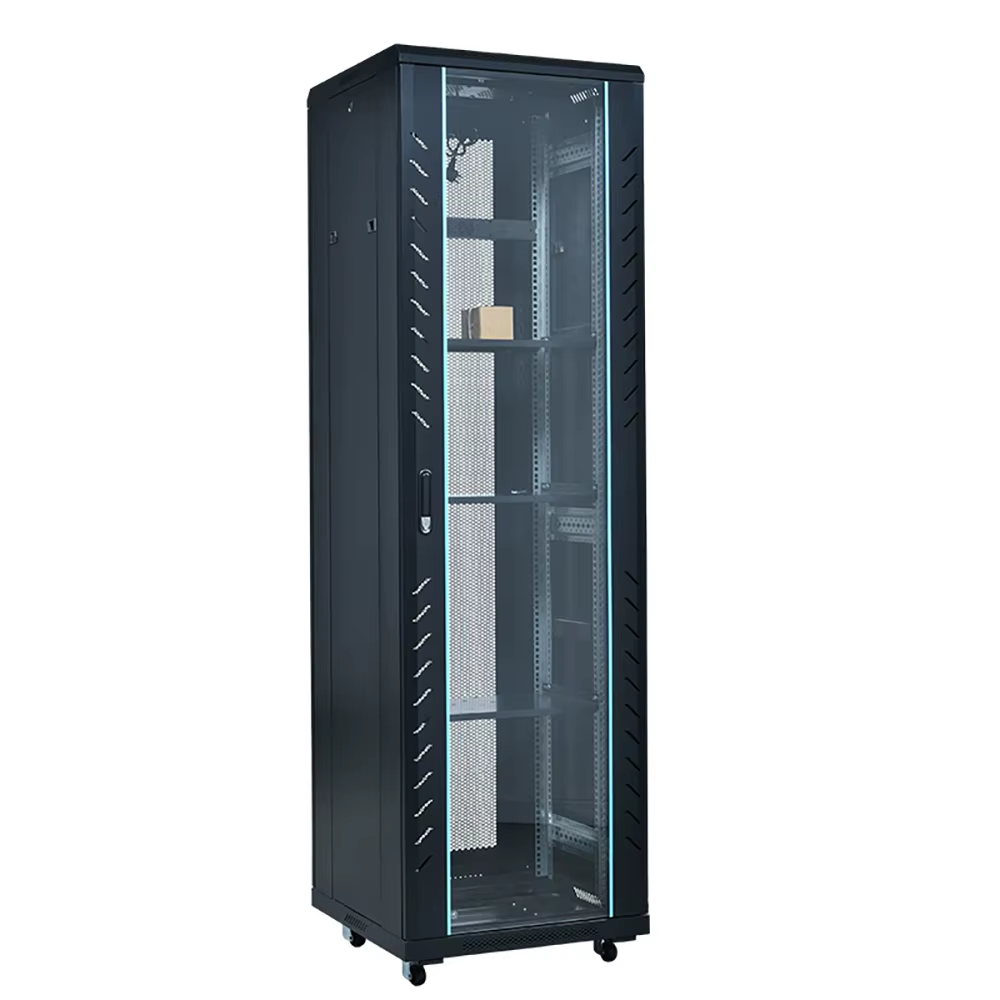
A vertical wire manager provides a dedicated pathway for organizing wires and cables along network racks, cabinets, and equipment frames. It helps control cable bundles, reduce crossover, and keep connections accessible during installation or maintenance. In data centers, telecom rooms, server rooms, and enterprise network facilities, vertical management can improve the overall structure of power, copper, and fiber cabling. The appropriate design can be selected according to rack height, cable volume, mounting position, routing direction, and available space. A well-organized vertical pathway also helps prevent cables from hanging across equipment interfaces or blocking access to ports. By establishing consistent routing zones, installers can create cleaner rack layouts and leave practical space for future connections, upgrades, and network expansion.
Get A Quote

Case Study

Data Center Wire Management

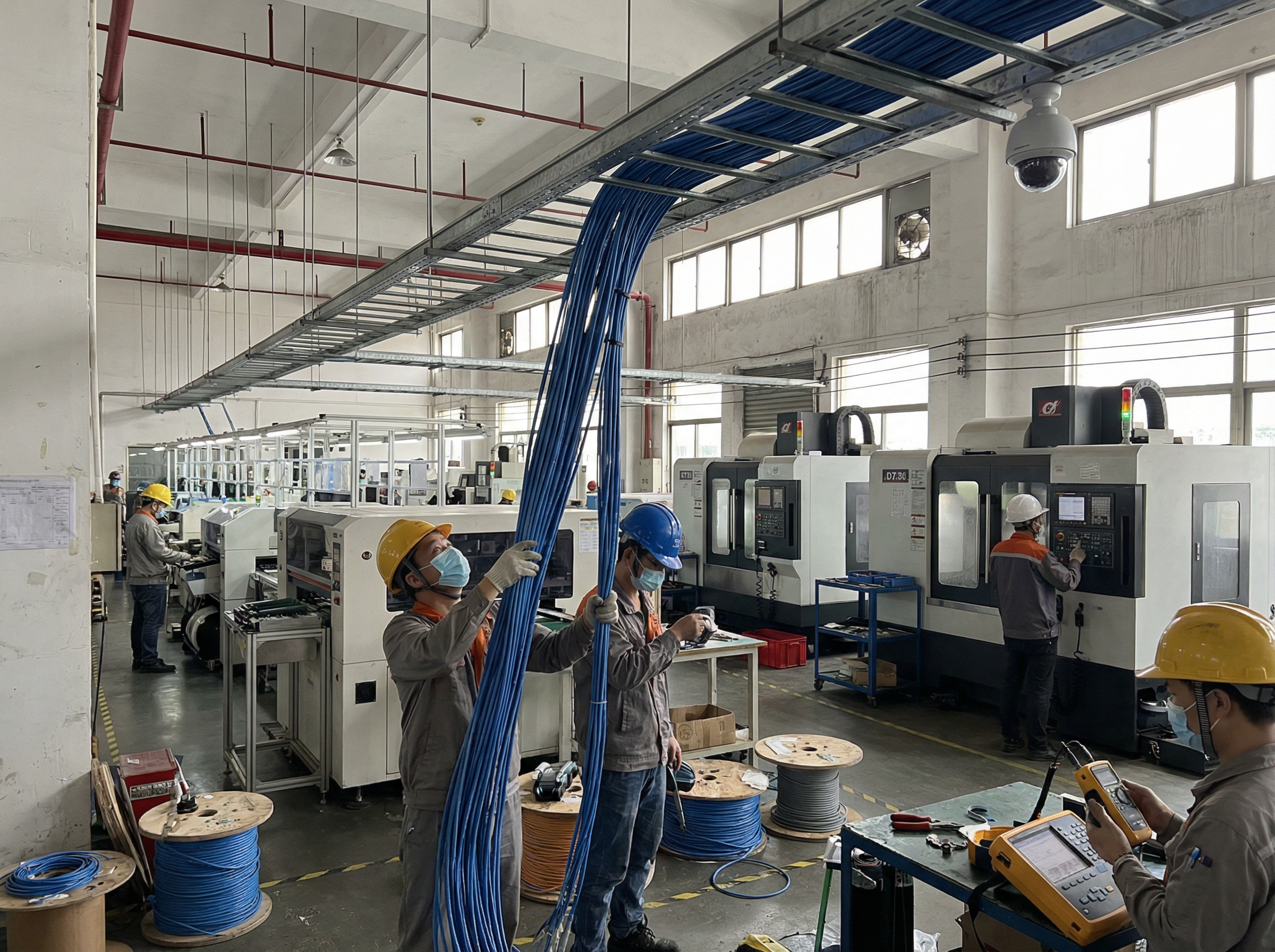
A data center was upgrading several equipment racks with additional switches and patch panels. As cable density increased, unmanaged wire bundles began crossing equipment interfaces and making maintenance more difficult. Vertical wire managers were installed alongside the racks to create dedicated pathways for patch cords and other cables. Installers could route connections according to rack position and destination, keeping the front of the equipment more accessible. The organized structure also made it easier to identify individual cable routes during testing and troubleshooting. Additional routing capacity was retained for future equipment upgrades. This approach provides a practical way to maintain structured wire management in high-density data center environments.

Telecom Cabinet Organization

A telecom room needed a more consistent method for routing cables between distribution equipment and network cabinets. Vertical wire managers were positioned beside the cabinets to guide cables toward patch panels, switches, and other connection points. Different cable groups could be arranged according to equipment location and routing direction, reducing unnecessary crossover between adjacent rack spaces. The improved layout gave technicians clearer access when adding or replacing connections. It also helped maintain a consistent appearance across multiple cabinets serving the same network. With spare management capacity included in the installation plan, the telecom room could accommodate future connections without immediately requiring major changes to the existing cable layout.

Enterprise Network Upgrade

An enterprise facility was adding new network switches and structured cabling to support increasing user and device connections. Existing racks had limited cable organization, creating crowded pathways around patch panels. Vertical wire managers were introduced to establish dedicated routing zones along the sides of the racks. Installation teams could separate cable paths based on rack position and connection direction, making the resulting infrastructure easier to access. The additional routing space also provided room for future network expansion. This type of wire management can be applied in offices, campus networks, server rooms, and equipment rooms where growing cable quantities need to remain organized without interfering with equipment installation or routine service work.

Related products

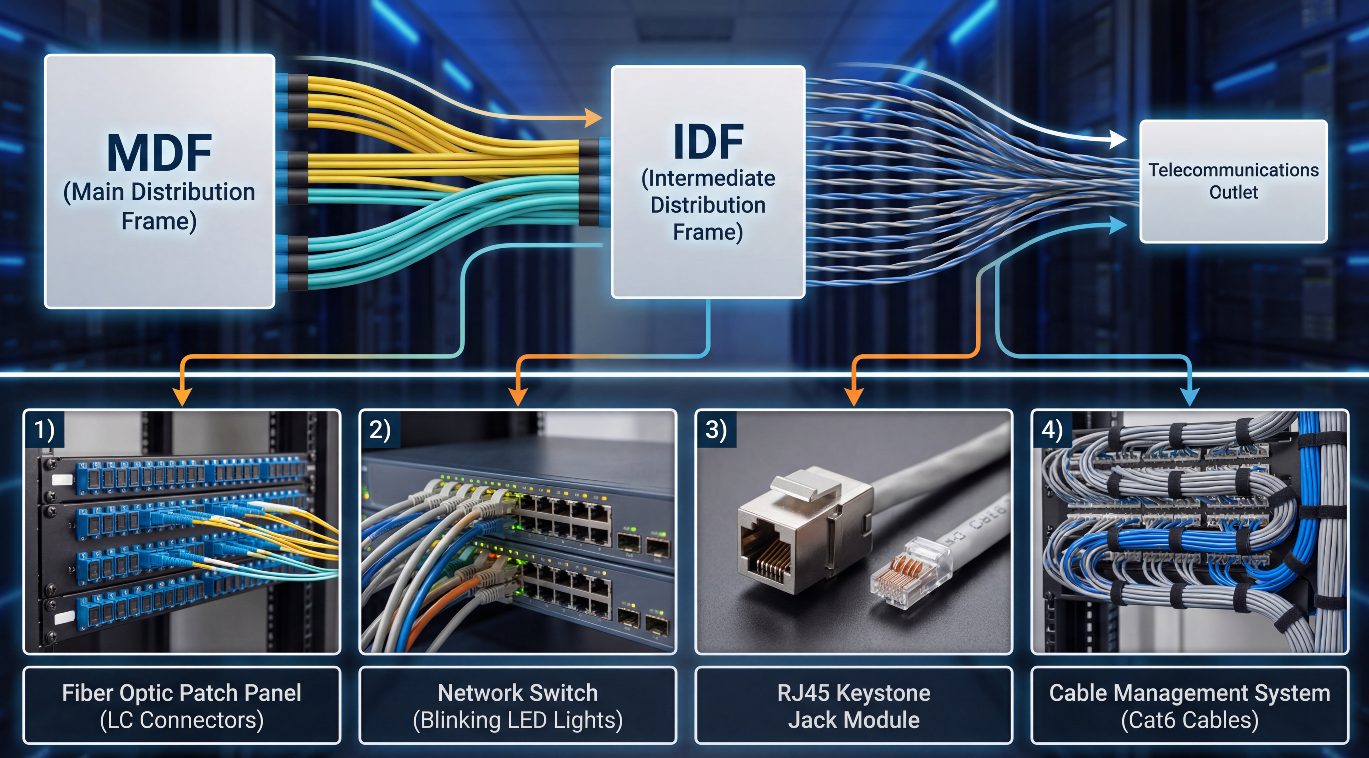
A vertical wire manager is designed to organize cables and wires along the sides of network racks, cabinets, and equipment frames. It creates a defined routing area that helps guide cables between switches, patch panels, servers, distribution equipment, and other network components. Depending on the installation, it can be used for Ethernet patch cords, fiber optic cables, power wiring, and other compatible cable types. Vertical wire management is especially useful where cable density is high and uncontrolled bundles can interfere with equipment access. When selecting a solution, installers can consider rack height, available side space, cable quantity, routing direction, bend radius, and expected network growth. The system can be used in data centers, telecom rooms, enterprise networks, server rooms, and structured cabling projects. Proper planning provides clearer cable paths while leaving additional capacity for future connections and equipment upgrades.

Frequently Asked Questions

What is a vertical wire manager?

A vertical wire manager is a cable organization component installed vertically beside a rack or cabinet. It provides a dedicated pathway for routing wires and cables between network equipment, helping reduce cable congestion and keeping connection areas more accessible for installation, maintenance, and troubleshooting.
Depending on the configuration, a vertical wire manager can organize Ethernet patch cords, fiber optic cables, power cables, and other compatible wiring. Cable type, bend radius, separation requirements, and routing density should be considered when planning the management layout.
They are commonly installed in data centers, telecom rooms, server rooms, enterprise network facilities, and equipment cabinets. They are particularly useful in rack environments where multiple cables need to travel vertically between switches, patch panels, servers, and distribution equipment.
Consider rack height, available installation space, cable quantity, routing direction, cable diameter, bend radius, and expected future growth. High-density applications may require a larger management pathway, while smaller network cabinets may benefit from a more compact design.
Yes. A properly planned vertical wire manager can reserve routing capacity for additional cables and equipment. Leaving available space during the initial installation makes it easier to add new switches, patch panels, and network connections without creating excessive cable congestion.

Related article

What Connector Types for Ethernet Patch Cable?

18

Jul

What Connector Types for Ethernet Patch Cable?

Real World Field Challenges with Commercial Network Overhauls During a massive network overhaul for an e-commerce fulfillment hub last year, my deployment team faced an unexpected wave of packet drops and intermittent link drops across the main pac...
View More
How to lay bulk cable along pipelines safely?

21

Jul

How to lay bulk cable along pipelines safely?

Real World Field Experiences with Industrial Co Location Routing During an extensive industrial network expansion across a remote coastal oil terminal three summers ago, my installation team faced a massive challenge with electromagnetic interferen...
View More
Bulk cable deployment for campus network construction.

13

Aug

Bulk cable deployment for campus network construction.

Deploying bulk fiber optic and structured copper cabling across a university campus, corporate park, or large institutional facility is vastly different from installing localized runs in a single server room or small office. Campus environments req...
View More
Fiber Cable Tensile Strength for Aerial Installation.

24

Aug

Fiber Cable Tensile Strength for Aerial Installation.

Deploying optical fiber cables in aerial spans across long distances—such as utility poles over valleys, mountain ridges, and expansive rural infrastructure—exposes the cable assembly to continuous mechanical, gravitational, and environ...
View More

Customer Testimonials

Brian Taylor

The vertical wire management setup gave our rack installation a much cleaner structure. Cables were easier to route and trace, while technicians had better access to patch panels during installation and maintenance.

Andrew Clark

We added vertical wire managers during a network expansion and found the cable paths much easier to maintain. The extra routing space also helped us prepare for additional connections.

Get a Free Quote

Our representative will contact you soon.
Email
Mobile/WhatsApp
Name
Company Name
Message
0/1000
Organized Vertical Routing

Organized Vertical Routing

A vertical wire manager creates a defined routing zone beside network equipment, helping prevent cables from spreading across the front or sides of a rack. This is useful for installations with many connections between switches, patch panels, servers, and distribution equipment. By guiding cables through a consistent vertical path, installers can create a more structured rack layout and improve access to equipment interfaces. The management area can also help separate different cable groups according to installation requirements. For data centers and telecom rooms, this organization makes cable routes easier to follow when technicians perform testing, replacement, or troubleshooting. It also provides a practical foundation for maintaining consistent rack infrastructure as connection density increases.
Flexible Installation Planning

Flexible Installation Planning

Vertical wire managers can be incorporated into different rack and cabinet arrangements according to available space and cable routing requirements. Installation planning can take rack height, cable volume, equipment position, and routing direction into account. They can guide cables from the upper or lower sections of a rack toward switches, patch panels, and other connection points. For larger network installations, multiple management sections can be used to establish consistent pathways across a rack row. This flexibility allows installers to maintain a more uniform cabling structure even when equipment configurations vary. Proper positioning also helps preserve equipment access and provides designated space for routing additional cables during future maintenance or network changes.
Scalable Cable Infrastructure

Scalable Cable Infrastructure

A vertical wire management system can support network growth by providing dedicated space for current and future cable routes. As new switches, patch panels, servers, or communication connections are introduced, additional cables can be guided through planned pathways rather than added to uncontrolled bundles. This approach helps reduce cable congestion and makes future changes easier to manage. When selecting the management capacity, installers can consider both existing cable quantities and anticipated expansion. In data centers, telecom rooms, enterprise networks, and server rooms, scalable vertical routing provides a practical way to maintain cable organization as infrastructure develops. It also helps technicians work with clearer cable paths during upgrades, service activities, and routine network maintenance.

Get a Free Quote

Our representative will contact you soon.
Email
Mobile/WhatsApp
Name
Company Name
Message
0/1000