Vertical Cable Manager: Optimize Rack Space & Reduce Congestion

All Categories
Efficient Vertical Cable Organization

Efficient Vertical Cable Organization

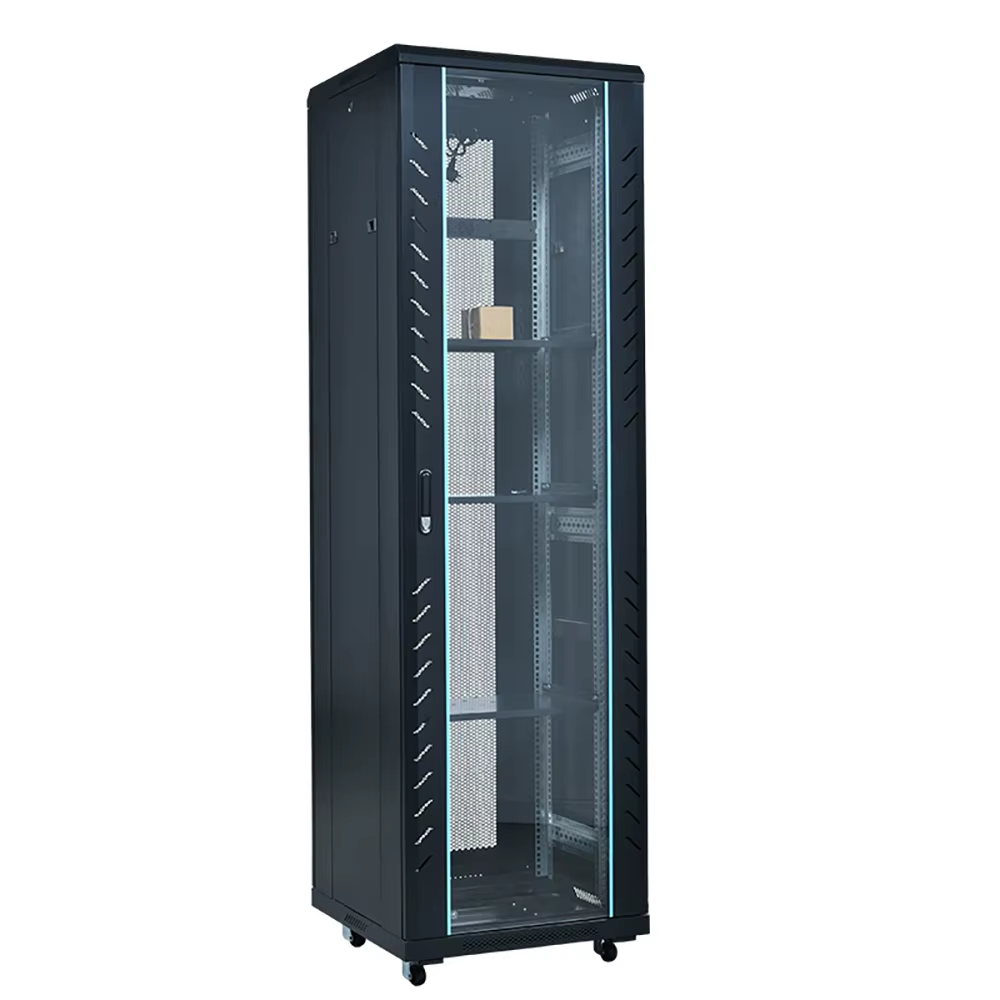
A vertical manager provides a dedicated pathway for organizing network cables along the side or full height of a server rack, network cabinet, or telecommunications enclosure. It helps route fiber optic cables, copper patch cords, and other connections between equipment levels while reducing cable congestion across the front of the rack. By using vertical cabinet space, the manager can preserve horizontal rack units for servers, switches, patch panels, and power equipment. The configuration can be selected according to rack dimensions, cable volume, cable diameter, bend radius, and mounting requirements. Vertical cable management is suitable for data centers, telecom rooms, enterprise networks, and structured cabling systems. A well-planned layout also makes individual connections easier to identify, access, maintain, and expand as network requirements increase.
Get A Quote

Case Study

Data Center Cable Management

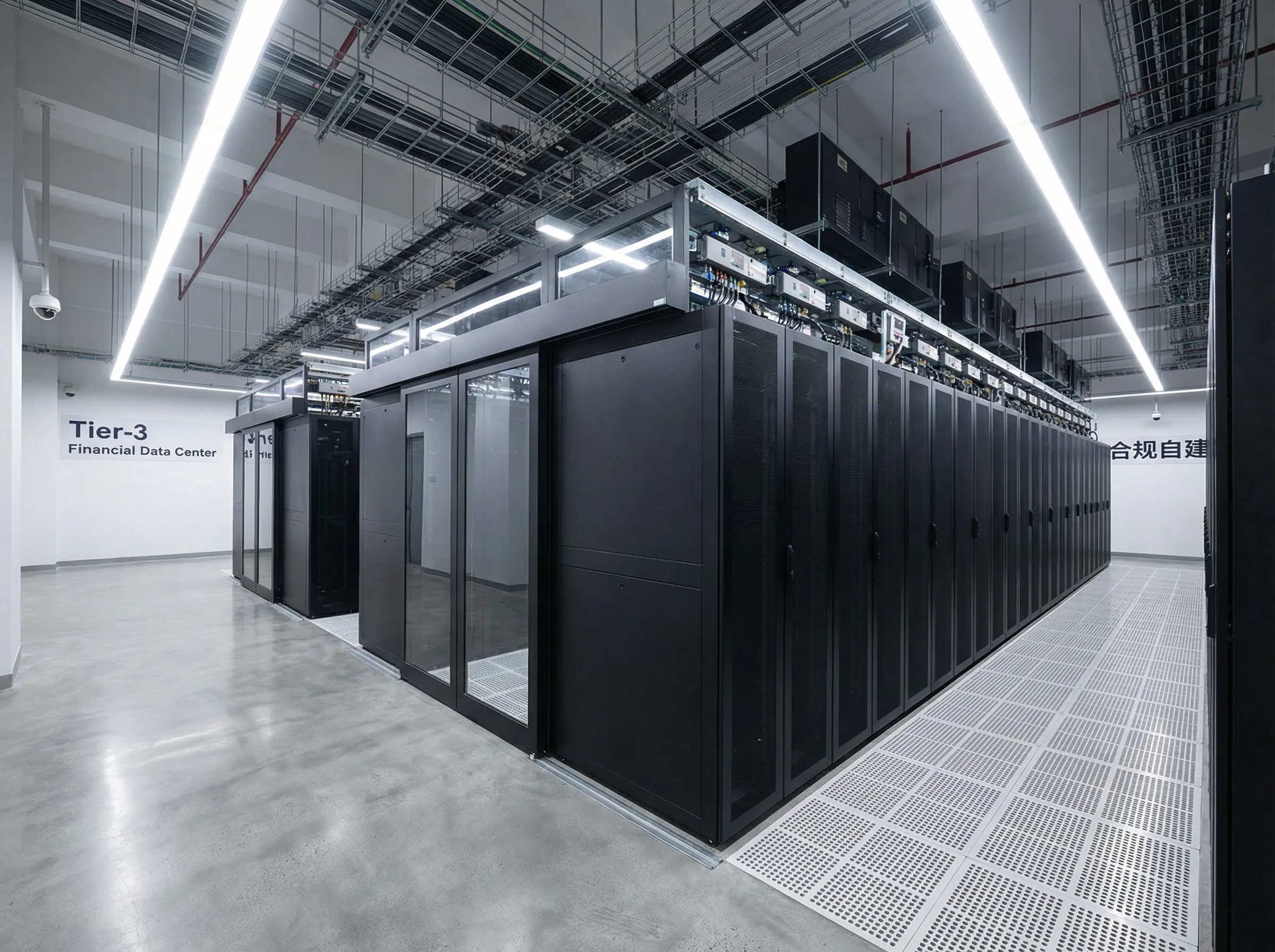
A data center needed to organize increasing numbers of fiber and copper connections across several server racks. Vertical managers were installed alongside the equipment to create dedicated pathways for cables running between switches, patch panels, and servers. This reduced large cable bundles across the front of the racks and made individual connections easier for technicians to trace. The installation team considered rack dimensions, cable volume, and bend radius when planning the routing layout. Because the management system used vertical cabinet space, horizontal rack units remained available for additional equipment. This approach is suitable for high-density data centers requiring scalable and accessible cable organization.

Telecom Rack Organization

A telecom room was upgrading its network cabinets and required additional cable management without sacrificing rack space. Vertical managers were installed along the cabinet sides to route patch cords between different equipment levels. Fiber and copper connections were organized according to their destinations, creating clearer paths through the cabinet. Technicians could access individual cables more easily during testing, replacement, and network changes. The project team also considered future connection growth when determining the required routing capacity. This configuration is suitable for telecom rooms, central offices, and enterprise communication facilities where cable density can increase as additional switches, patch panels, and fiber connections are introduced.

Enterprise Network Expansion

An enterprise network expansion added new switches and fiber patch panels to existing cabinets, increasing the number of connections between equipment levels. Vertical managers provided dedicated routing space along the cabinet frame, allowing new cables to be added without creating large unmanaged bundles. The project team planned the arrangement around cable quantity, cabinet width, bend radius, and equipment positioning. The organized pathways made it easier to identify individual patch cords and perform maintenance without disturbing unrelated connections. This solution is suitable for growing enterprise networks, campus infrastructure, and structured cabling installations where efficient use of cabinet space and long-term cable accessibility are important.

Related products

A vertical manager is designed to organize cables along the vertical space of a network rack or cabinet. It provides structured pathways for fiber optic cables, Ethernet cables, copper patch cords, and other network connections, helping route cables between switches, patch panels, servers, and related equipment. Unlike horizontal cable management that occupies rack units, a vertical manager can use available side or full-height cabinet space to preserve valuable U-space for active equipment. It is commonly used in data centers, telecom rooms, enterprise networks, server cabinets, and structured cabling systems. Selection should consider rack dimensions, available mounting space, cable volume, cable diameter, bend radius, access requirements, and future expansion. A suitable vertical routing arrangement can reduce cable congestion, improve port visibility, and make installation and maintenance more efficient. For growing infrastructure, sufficient routing capacity can also help accommodate additional patch cords and fiber connections without requiring a complete cabinet reorganization.
Frequently Asked Questions

What is a vertical manager used for?

A vertical manager organizes and routes network cables along the side or full height of a rack or cabinet. It helps manage fiber, copper, and patch cords while keeping horizontal rack units available for servers, switches, patch panels, and other equipment.
They are commonly installed in data centers, telecom rooms, enterprise server racks, network cabinets, and structured cabling environments. They are particularly useful where multiple cables run between equipment positioned at different rack levels.
Depending on the configuration, a vertical manager can organize fiber optic cables, Ethernet cables, copper patch cords, and other network cabling. The selected model should match cable quantity, diameter, bend radius, and cabinet routing requirements.
Yes. Because it uses vertical cabinet space instead of standard horizontal rack positions, a vertical manager can help preserve U-space for active equipment. This makes it practical for high-density racks where available mounting space is limited.
Consider rack height and width, available side space, cable capacity, mounting method, cable types, bend radius, access requirements, and future expansion. The routing area should provide sufficient capacity without interfering with equipment or cabinet doors.

Related article

2026 Trends: Smart AI Needs Better Cables for Big Computer Buildings and Homes

08

May

2026 Trends: Smart AI Needs Better Cables for Big Computer Buildings and Homes

View More
What Connector Types for Ethernet Patch Cable?

18

Jul

What Connector Types for Ethernet Patch Cable?

Real World Field Challenges with Commercial Network Overhauls During a massive network overhaul for an e-commerce fulfillment hub last year, my deployment team faced an unexpected wave of packet drops and intermittent link drops across the main pac...
View More
Bulk cable deployment for campus network construction.

13

Aug

Bulk cable deployment for campus network construction.

Deploying bulk fiber optic and structured copper cabling across a university campus, corporate park, or large institutional facility is vastly different from installing localized runs in a single server room or small office. Campus environments req...
View More
High durability patch cord for industrial network systems.

07

Sep

High durability patch cord for industrial network systems.

Industrial Patch Cord Explained: Construction, Durability, and Selection Guide for Harsh Environments What Is an Industrial Patch Cord and Why Is It Different from Standard Network Cables? An industrial patch cord is a specially designed Ethernet c...
View More

Customer Testimonials

Alex Turner

“The vertical manager helped us route fiber and copper cables along the cabinet side instead of across the equipment front. Our technicians found the connections easier to trace during maintenance.”

Matthew Lee

“We added vertical management to several enterprise racks as cable density increased. The dedicated pathways kept patch cords organized and left more horizontal rack space for equipment.”

Get a Free Quote

Our representative will contact you soon.
Email
Mobile/WhatsApp
Name
Company Name
Message
0/1000
Efficient Vertical Routing

Efficient Vertical Routing

A vertical manager creates dedicated pathways for routing cables along the side or full height of a network cabinet. This helps distribute fiber and copper connections between equipment levels without relying entirely on horizontal cable managers. The routing structure can keep patch cords closer to the cabinet sides, reducing congestion around switch and patch panel ports. Configuration can be planned according to rack dimensions, cable volume, cable diameter, and required bend radius. This makes vertical management useful for data centers, telecom rooms, enterprise networks, and structured cabling installations. A clearly organized vertical pathway can also help technicians identify cable routes more quickly during installation, testing, and maintenance.
Space-Saving Cabinet Design

Space-Saving Cabinet Design

Vertical cable management uses cabinet space that may otherwise remain underutilized, helping preserve standard rack units for active equipment. This can be particularly valuable in high-density server racks where switches, servers, patch panels, and power equipment require every available U-space. By moving cable routing to the cabinet side, a vertical manager reduces the need for additional horizontal management positions. The system can be configured around cabinet width, side clearance, cable quantity, and equipment placement. It is suitable for data centers, telecom facilities, enterprise networks, and network cabinets where efficient use of physical space is important. Proper routing also helps maintain easier access to equipment interfaces.
Scalable Cable Management

Scalable Cable Management

Network cable volumes often increase when new switches, servers, patch panels, or fiber links are added. A vertical manager provides a structured routing area that can accommodate existing connections while leaving capacity for future expansion. Project teams can evaluate current cable volume, expected growth, cabinet dimensions, and routing requirements before selecting the configuration. This approach helps prevent unmanaged cable bundles from developing as the network expands. It is especially useful for phased data center deployments, telecom upgrades, and enterprise network projects where equipment is added over time. Maintaining dedicated vertical pathways allows technicians to introduce new connections while keeping the cabinet accessible and organized throughout its service life.

Get a Free Quote

Our representative will contact you soon.
Email
Mobile/WhatsApp
Name
Company Name
Message
0/1000