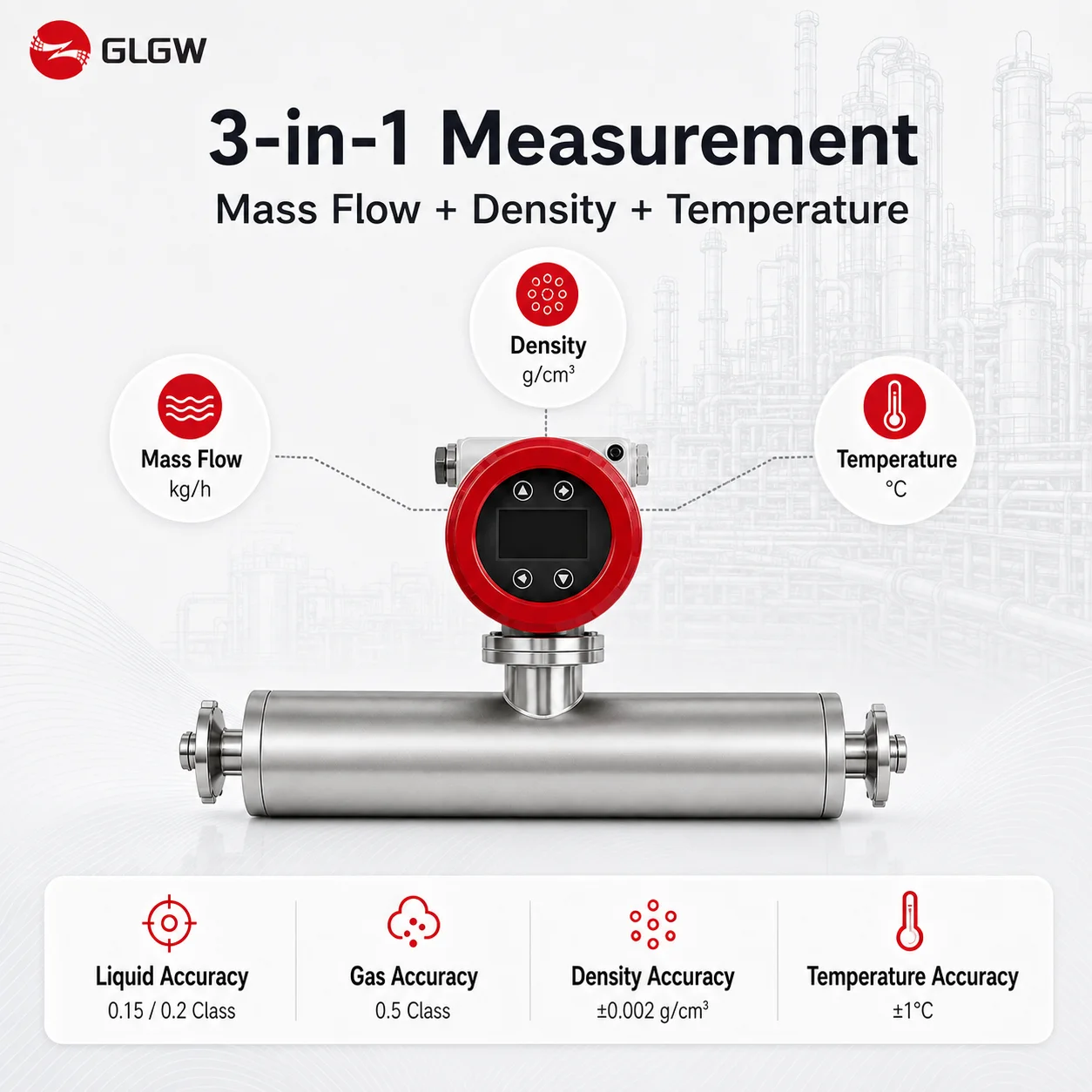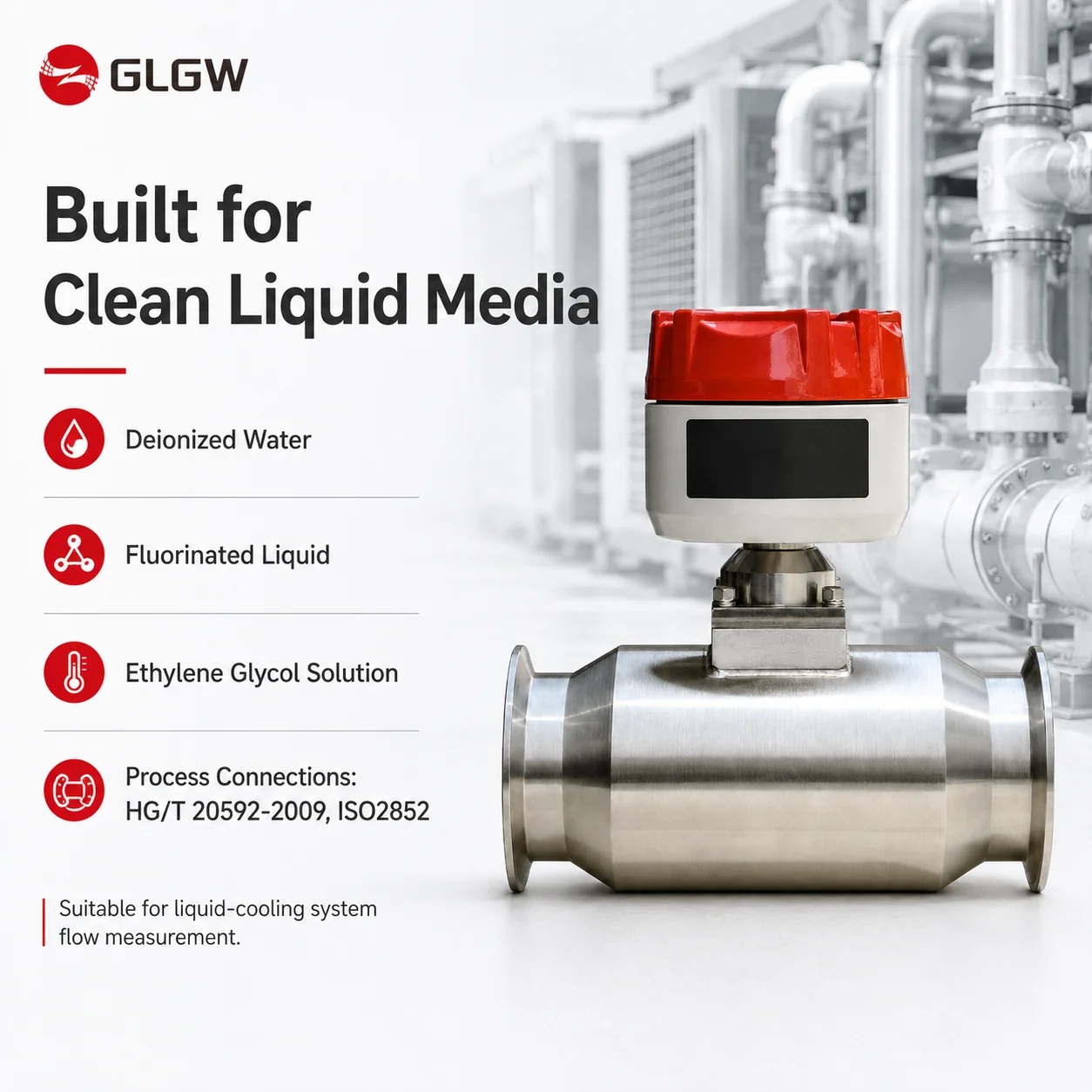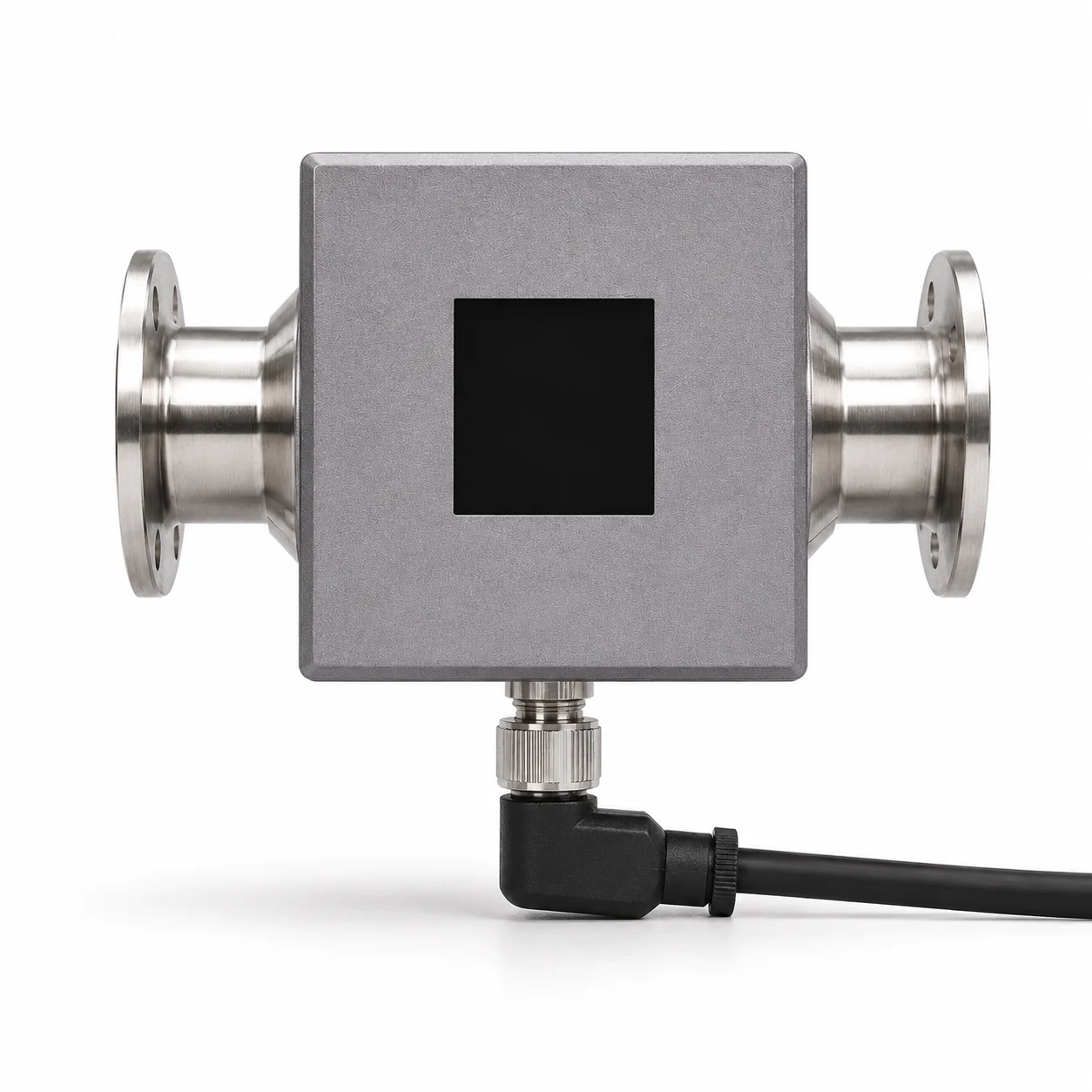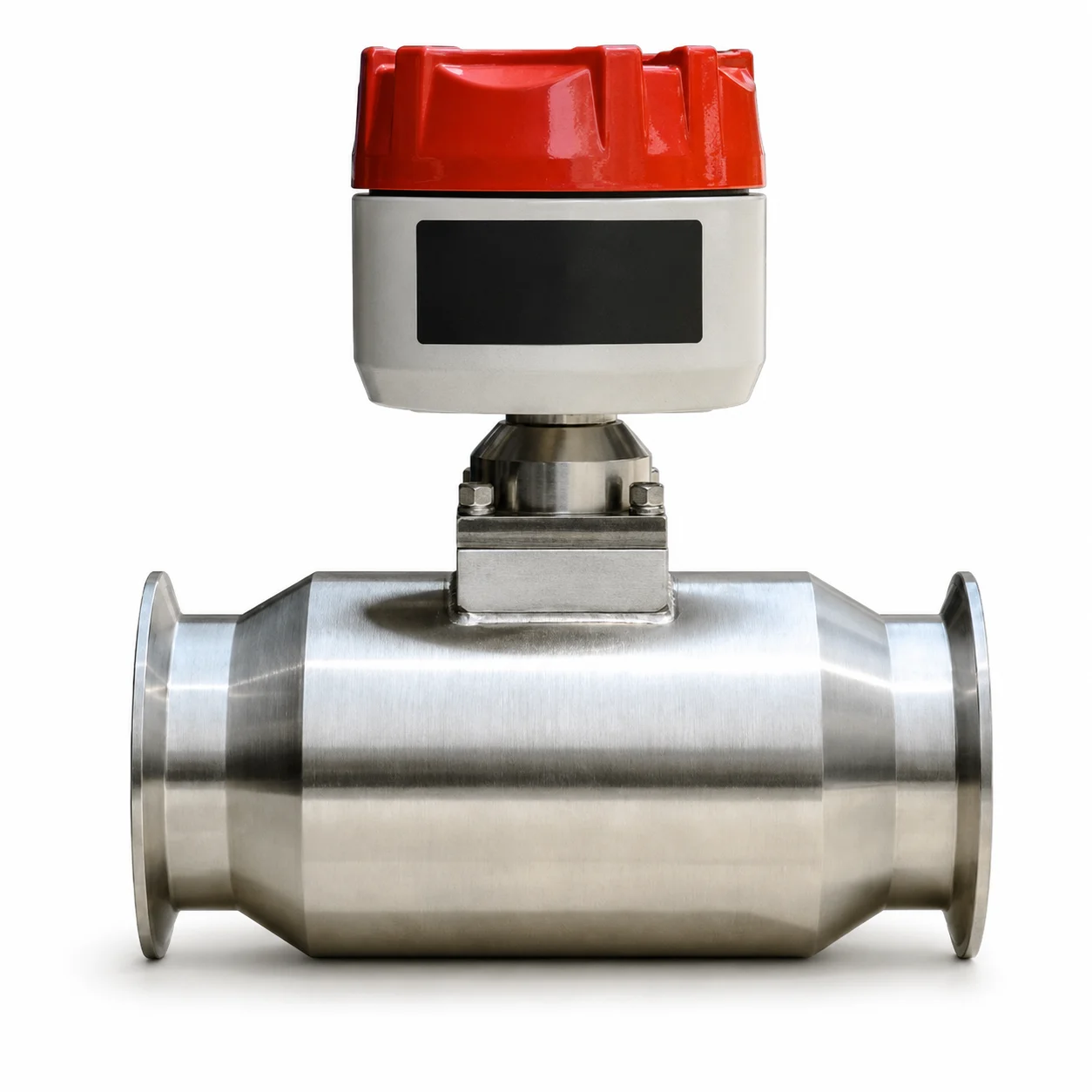
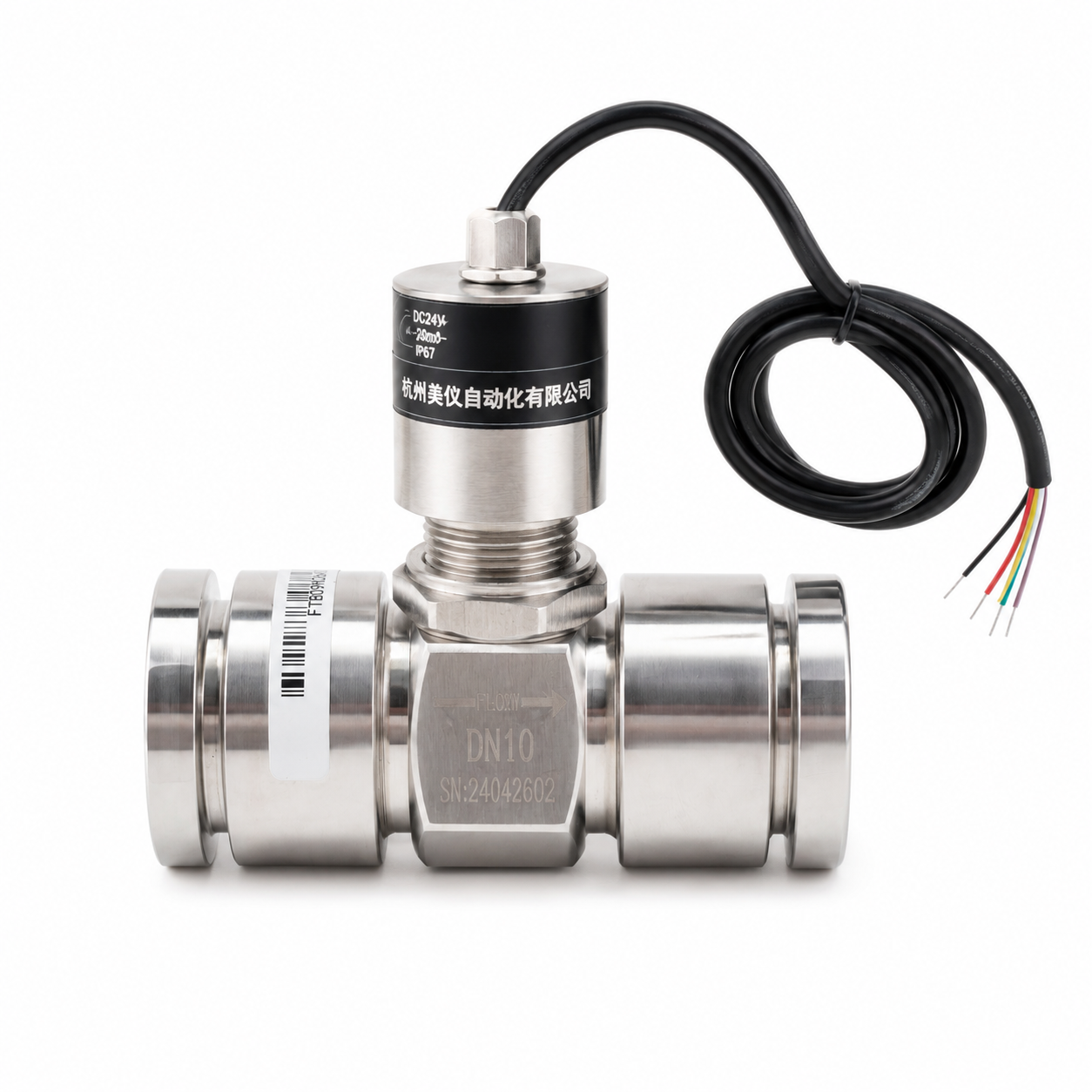
A CPU water cooling system is designed to transfer processor heat through a circulating liquid rather than relying only on air moving across a heatsink. The system typically uses a water block mounted directly to the CPU, where the cooling fluid absorbs heat before traveling through tubing toward a radiator or heat exchanger. A pump maintains circulation, while fittings, reservoirs, and sensors can complete the cooling loop. CPU water cooling is used in high-performance workstations, gaming computers, servers, AI computing systems, industrial computers, and other equipment with significant processor heat output. When selecting a system, engineers should consider CPU thermal load, water block mounting compatibility, required flow rate, pump capacity, radiator or heat exchanger performance, operating temperature, tubing dimensions, fluid compatibility, and available installation space. Properly configured, the system can provide a direct and controlled thermal pathway for processors operating under demanding workloads.

08
May
07
Jul
11
Jul
14
Jul
Copyright © 2026 by Ningbo GLGW Nova Materials Technology Co., Ltd. - Privacy policy
 EN
EN