High Density Fiber Patch Panel Loaded | Pre-Configured for Data Centers

All Categories
Pre-Loaded Fiber Patch Panel for High-Density Network Deployment

Pre-Loaded Fiber Patch Panel for High-Density Network Deployment

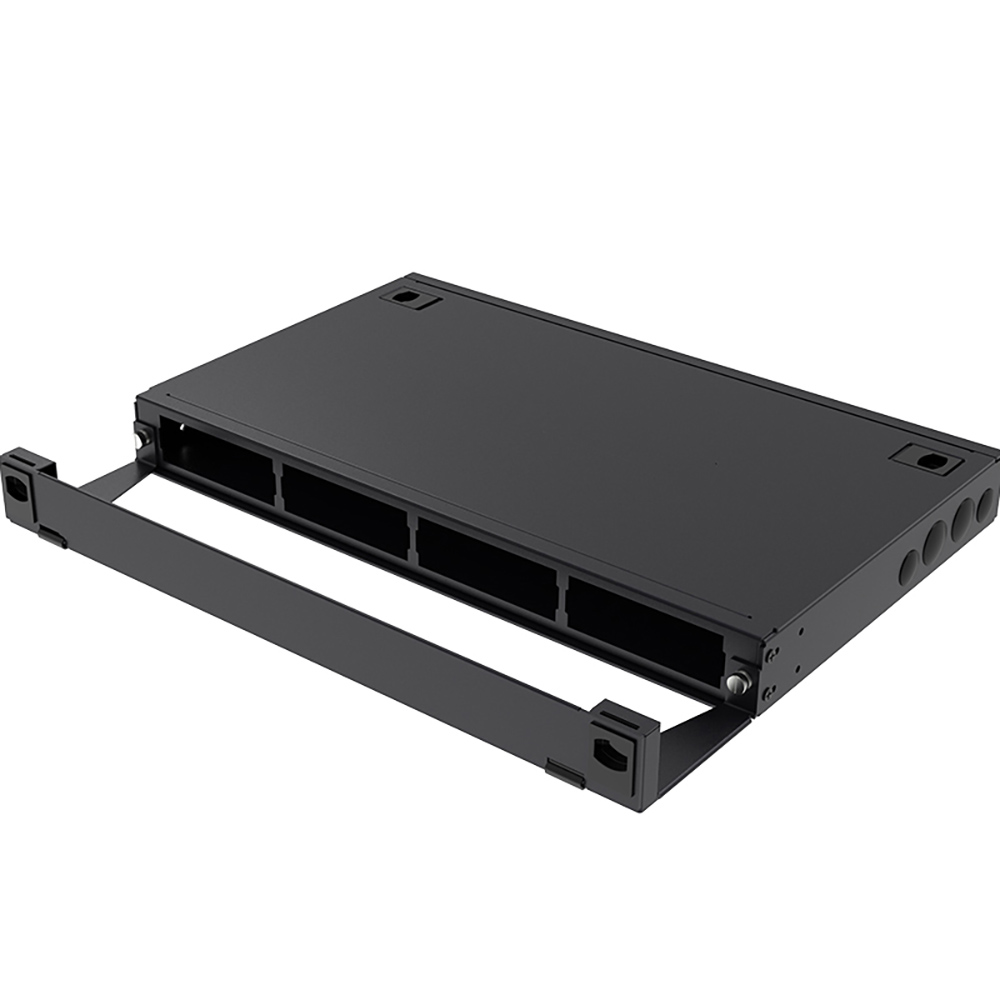
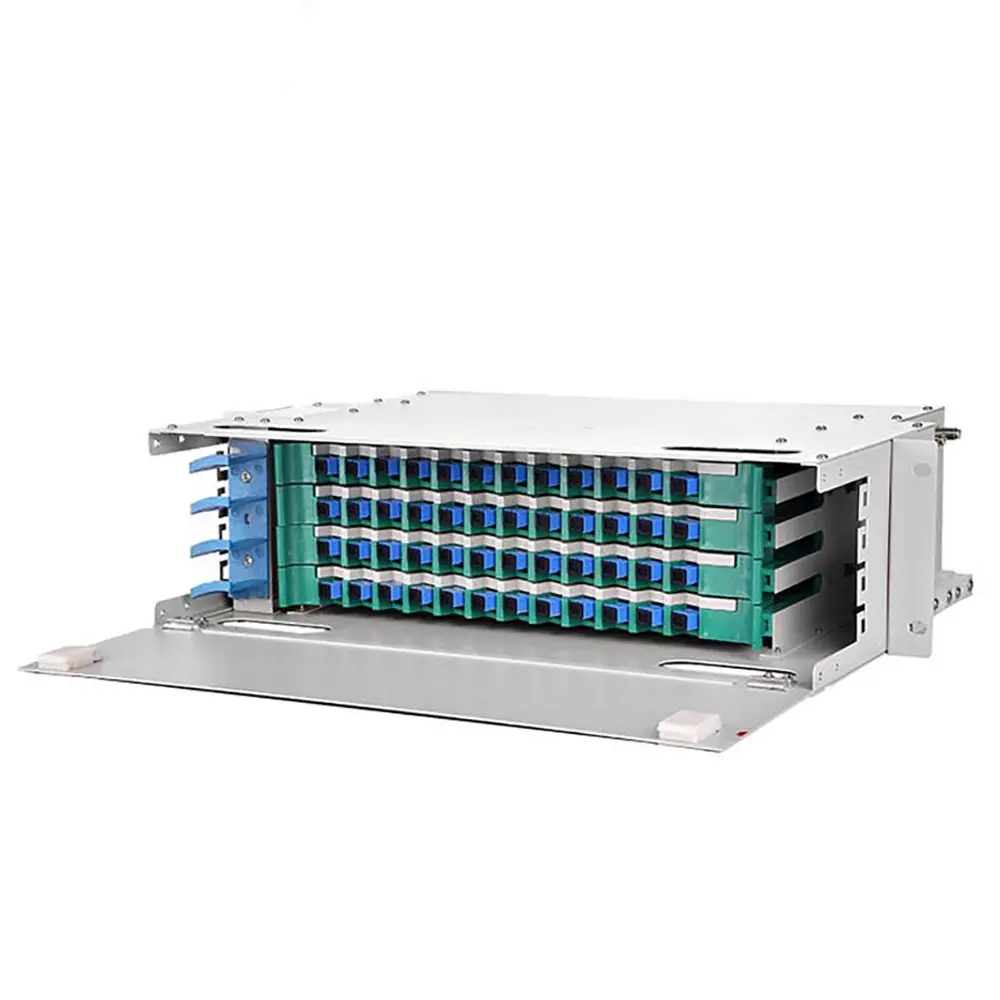
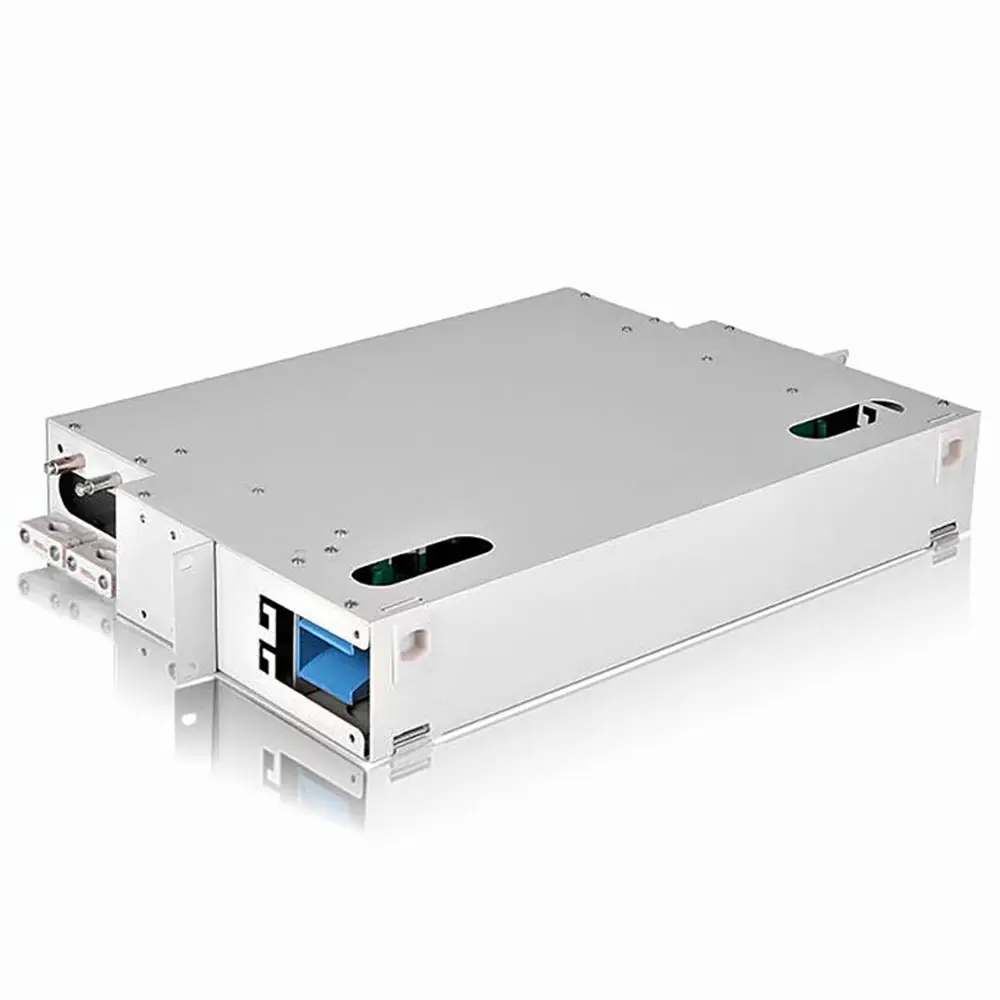
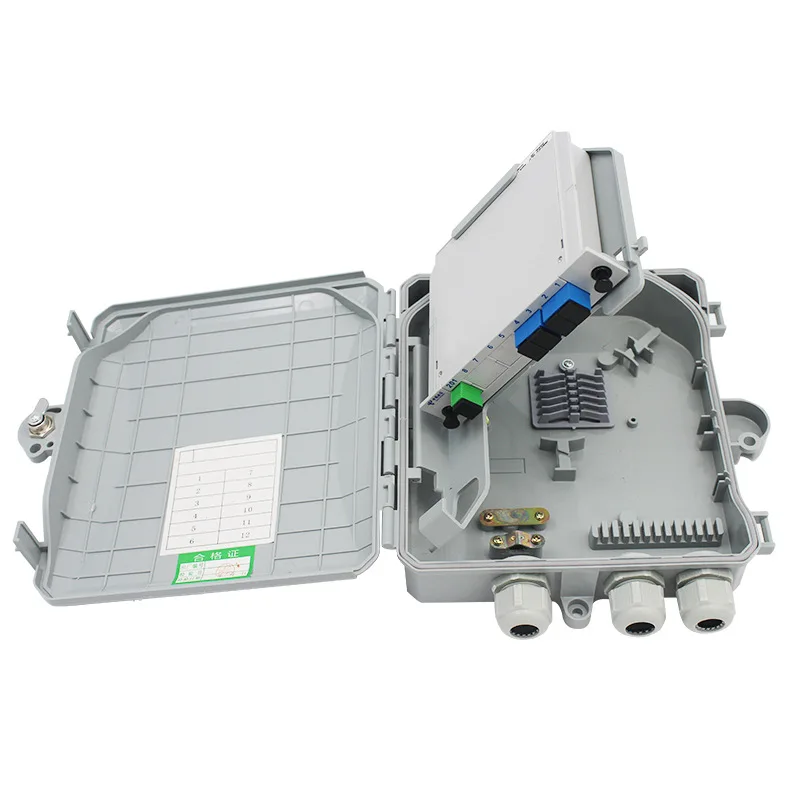
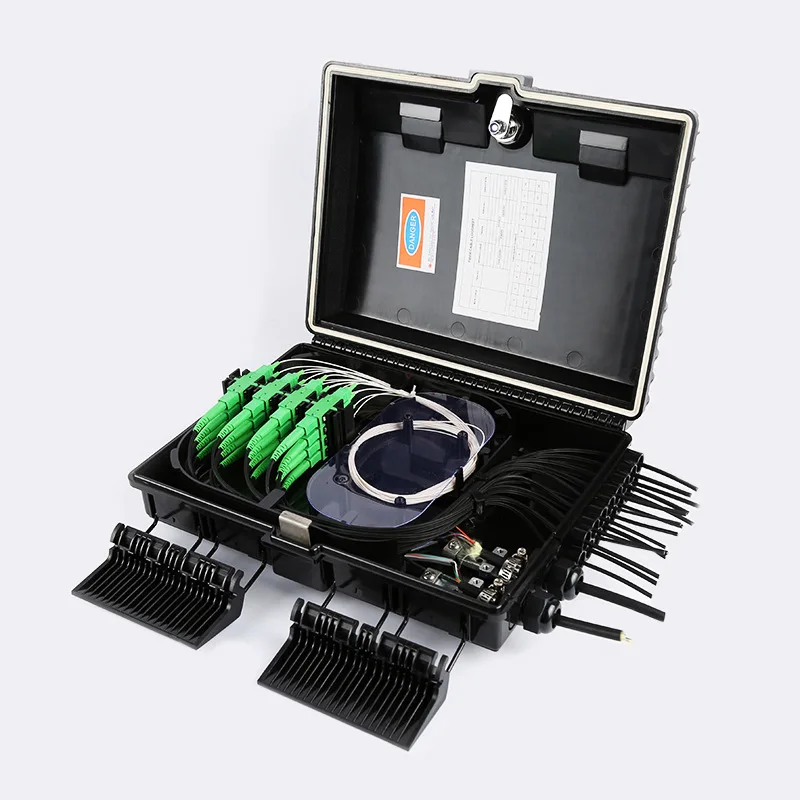
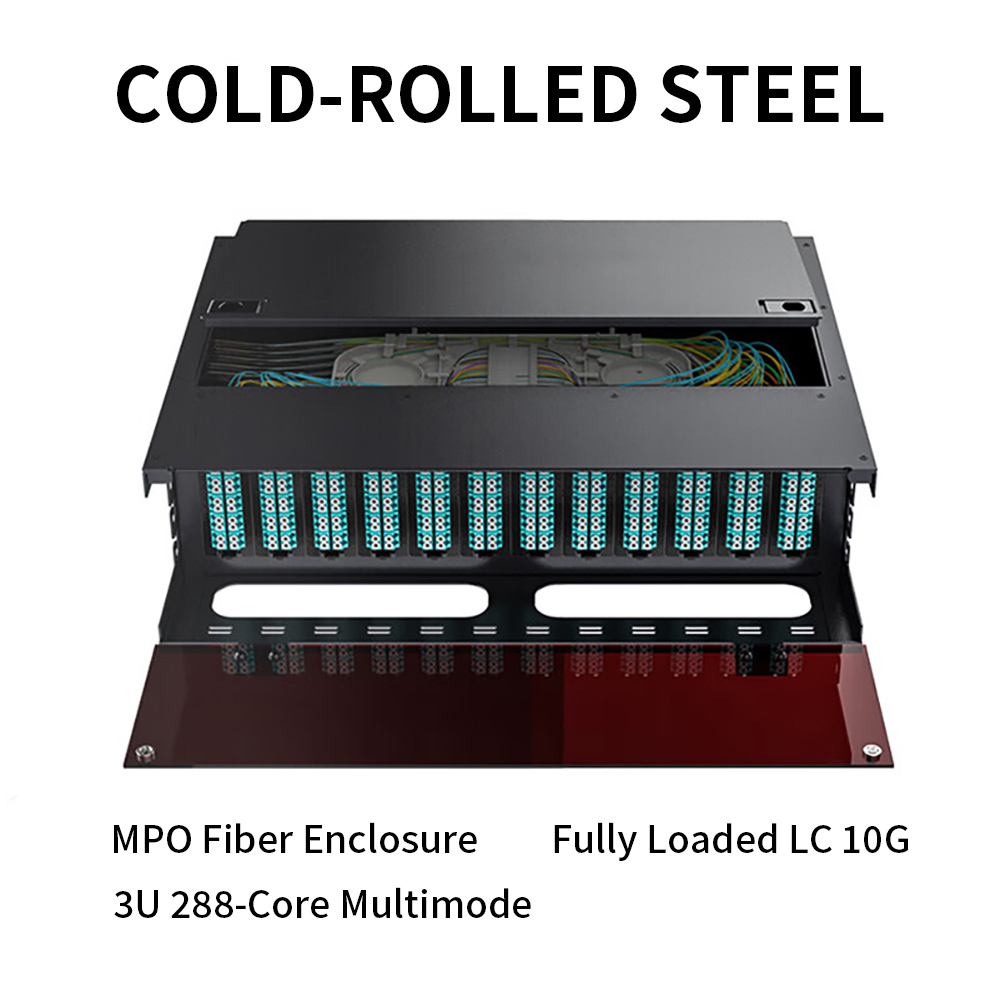
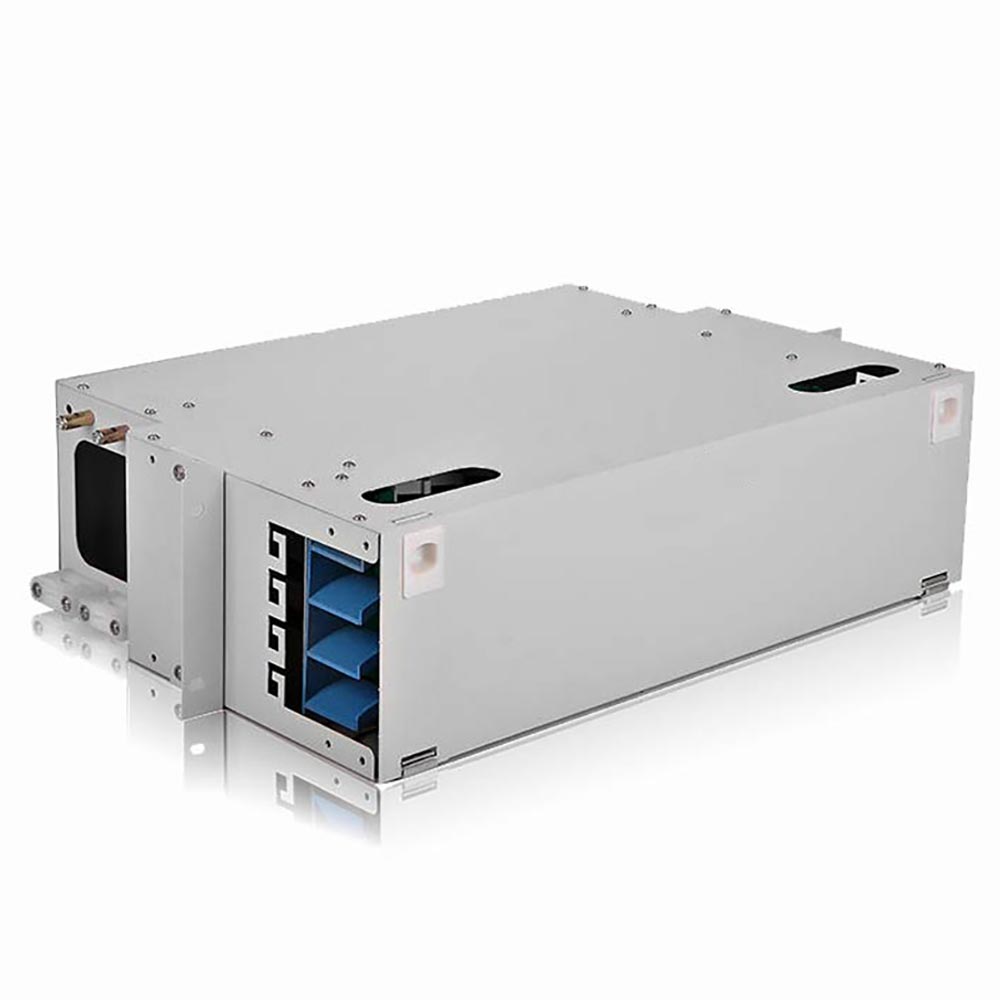
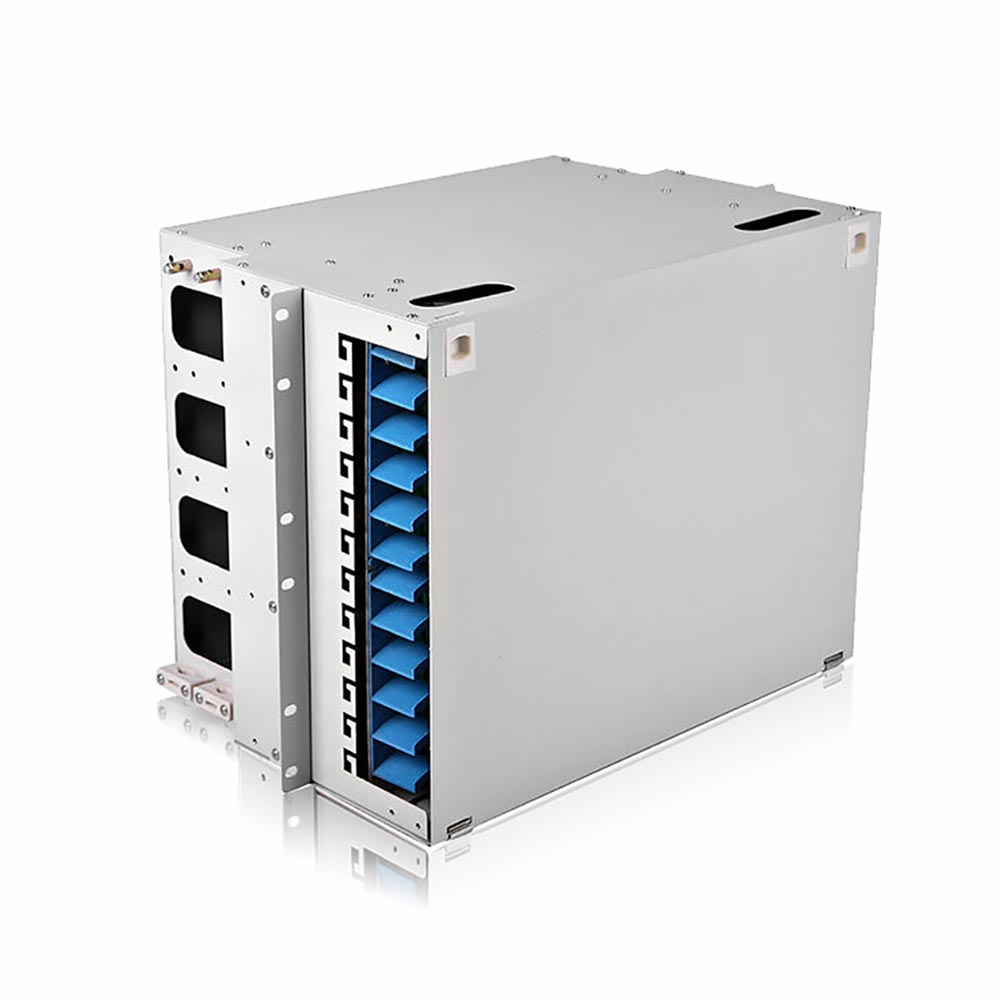
A high density fiber patch panel loaded provides a ready-to-deploy solution for organizing large numbers of optical connections within limited rack space. Unlike empty configurations, a loaded panel can be supplied with compatible adapter interfaces, fiber cassettes, splice modules, or other components according to project requirements. This helps reduce installation preparation and simplifies the deployment of structured fiber connectivity in data centers, telecom rooms, enterprise networks, and backbone systems. The pre-configured layout supports organized termination and patching while keeping cable routing manageable. Depending on the selected configuration, different fiber types, connector interfaces, and capacities can be accommodated. For example, a high-density deployment may organize 96 or 144 fiber connections within a compact rack footprint. Proper labeling and cable management further improve maintenance efficiency and make future network changes easier to manage.
Get A Quote

Case Study

High-Density Server Connectivity

A data center adding multiple high-speed server and switch connections can use a loaded high-density fiber patch panel to simplify backbone deployment. A pre-configured panel reduces the amount of component selection required during installation and provides an organized structure for optical patching. For example, a project requiring 96 or 144 fiber connections can consolidate interfaces within a compact rack area. Fiber routing and labeling help technicians identify individual links during testing or maintenance. By using a panel configured around the required connector type and fiber capacity, the installation team can establish a consistent connection layout while leaving the surrounding rack infrastructure easier to manage.

Telecom Fiber Distribution

A telecom operator deploying a new fiber distribution point can use a loaded patch panel to manage connections between feeder fibers, distribution equipment, and downstream network segments. The panel can be configured with appropriate adapter interfaces and fiber management components before deployment. This helps installers establish connections more efficiently at the site while maintaining organized cable routing. In a network supporting multiple distribution zones, clear labeling and structured patching make troubleshooting easier. The selected fiber capacity can be matched to the project, while additional rack space may be reserved for future expansion. This approach supports repeatable installation across different telecom locations.

Enterprise Network Upgrade

An enterprise replacing older network equipment may need to introduce additional fiber connections without redesigning the entire server room. A loaded fiber patch panel can provide a prepared interface for connecting switches, servers, and backbone links. The configuration can be selected according to the required fiber type, connector interface, and port capacity. During installation, technicians can focus on cable routing, testing, and equipment connection rather than assembling individual panel components. A structured patching layout also improves identification of active links. For phased upgrades, additional capacity can be planned from the beginning so the fiber management system remains practical as more network equipment is introduced.

Related products

A high density fiber patch panel loaded is a pre-configured optical connectivity solution designed to simplify fiber termination and patching in rack-mounted environments. Depending on project requirements, the panel can be equipped with compatible adapter panels, fiber cassettes, splice modules, and cable management components. This makes it suitable for data centers, telecom facilities, enterprise server rooms, and backbone network installations where numerous fiber connections must be organized efficiently. A loaded configuration can reduce installation preparation by providing a defined connection layout before the equipment reaches the site. Fiber routing and storage can be arranged to maintain appropriate bend radius and improve access for testing and maintenance. Configurations may support different connector interfaces and fiber capacities, with examples such as 48, 96, or 144 fibers depending on the selected design. The final configuration should match the network architecture, rack dimensions, fiber type, and future expansion requirements.

Frequently Asked Questions

What is a loaded high density fiber patch panel?

A loaded high density fiber patch panel is supplied with selected optical connectivity components already installed or configured. Depending on the project, these may include adapter panels, fiber cassettes, splice modules, and cable management elements. It provides a prepared solution for organized fiber termination and patching.
A loaded panel can reduce installation preparation because key components are configured before deployment. It also provides a consistent connection layout, which can simplify rack installation, cable identification, and testing. The exact benefit depends on the selected configuration and the complexity of the network deployment.
Capacity depends on the enclosure size, module design, connector type, and required fiber management arrangement. Configurations can be planned around different connection counts, with 48, 96, or 144 fiber examples possible depending on the specific design. The required capacity should be confirmed before ordering.
They are commonly used in data centers, telecom facilities, enterprise networks, backbone systems, and fiber distribution environments. They are especially useful where many optical connections must be organized within limited rack space and where faster, more standardized installation is preferred.
Consider fiber type, connector interface, required capacity, rack dimensions, cable entry, splice requirements, and future expansion. It is also important to confirm the installed components match the equipment and patch cords used in the network. Project-specific requirements should be reviewed before final configuration.

Related article

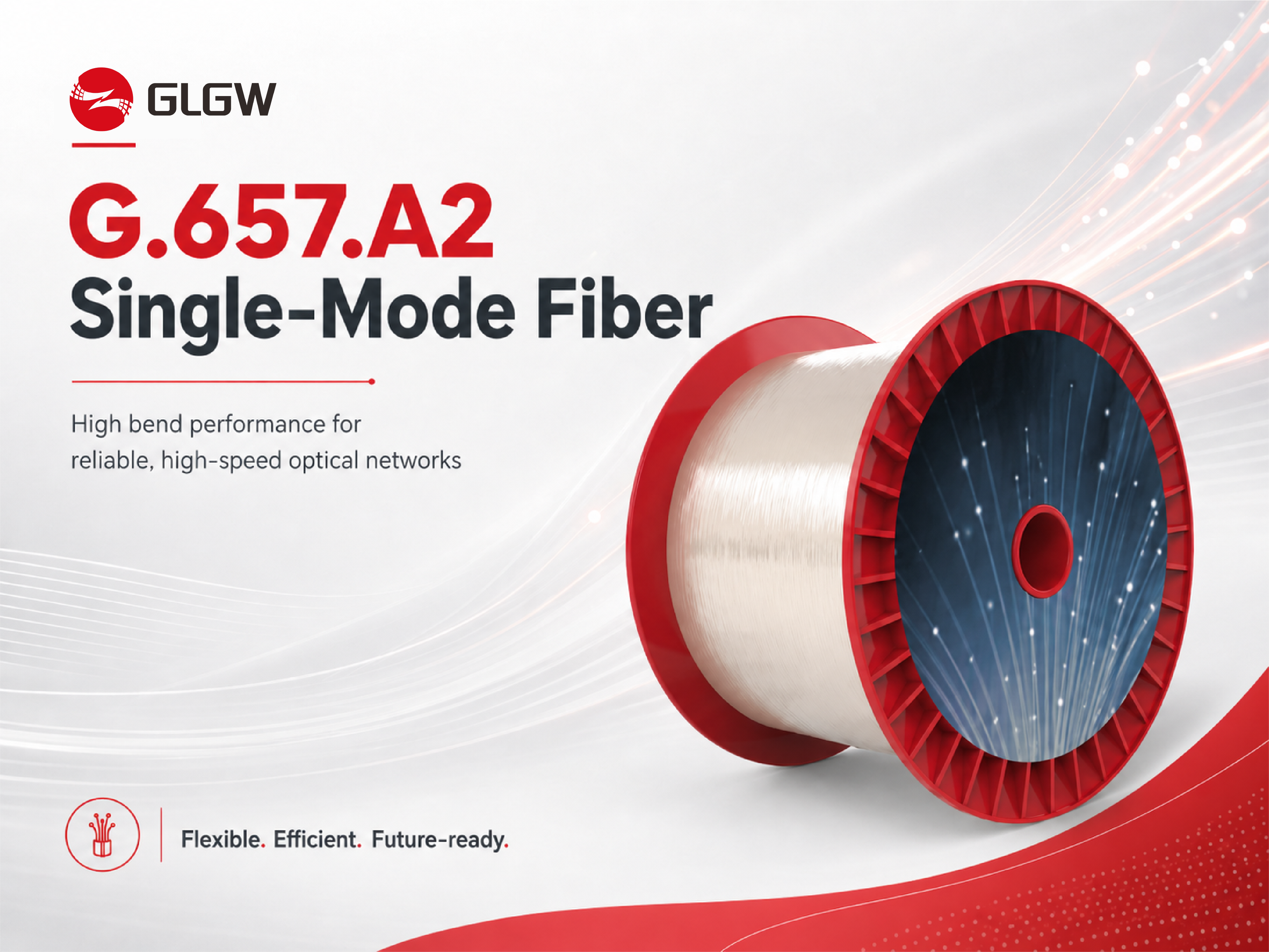
G.657.A2 Single-Mode Fiber for Reliable High-Speed Optical Networks

09

May

G.657.A2 Single-Mode Fiber for Reliable High-Speed Optical Networks

G.657.A2 single-mode fiber offers excellent bend performance, stable transmission, and flexible installation for FTTH, indoor cabling, access networks, and high-speed optical communication systems.
View More
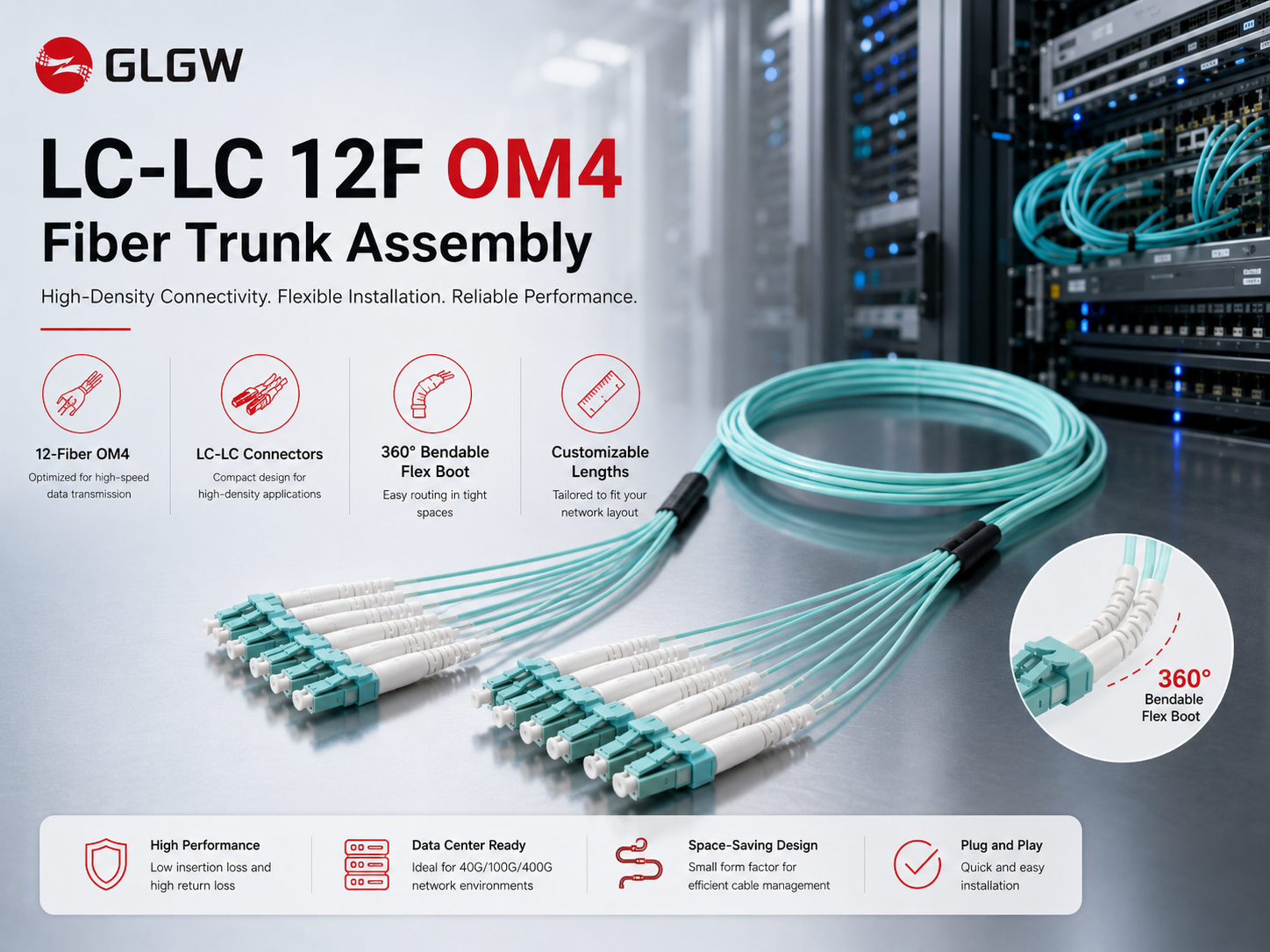
LC-LC 12F OM4 Fiber Trunk Assembly for High-Density Data Centers

21

May

LC-LC 12F OM4 Fiber Trunk Assembly for High-Density Data Centers

GLGW LC-LC 12F OM4 Fiber Trunk Assembly is designed for high-density data center connectivity, offering reliable performance, flexible installation, and clean cable management. With 12-fiber OM4 multimode fiber, LC-LC connectors, customizable lengths, and a 360° bendable flex boot, it provides an efficient solution for server racks, network cabinets, structured cabling systems, and modern data center infrastructure.
View More
Patch cord matching rules for communication projects.

11

Jul

Patch cord matching rules for communication projects.

Real World Field Experiences with Multi Floor Network Deployments Managing a sprawling multi-floor campus network installation a few years ago taught me that ignoring infrastructure details always leads to signal loss. We noticed severe intermitten...
View More
Bulk cable deployment for campus network construction.

13

Aug

Bulk cable deployment for campus network construction.

Deploying bulk fiber optic and structured copper cabling across a university campus, corporate park, or large institutional facility is vastly different from installing localized runs in a single server room or small office. Campus environments req...
View More

Customer Testimonials

Robert Miller

“The pre-loaded configuration saved our installation team considerable preparation time. The fiber interfaces were clearly organized, making rack installation and connection testing much more straightforward during our data center upgrade.”

Kevin Turner

“We needed a compact solution for a large number of backbone connections. The loaded panel gave us a clean connection layout and made cable identification easier during commissioning and later maintenance.”

Get a Free Quote

Our representative will contact you soon.
Email
Mobile/WhatsApp
Name
Company Name
Message
0/1000
Ready-to-Deploy Configuration

Ready-to-Deploy Configuration

A loaded fiber patch panel can simplify deployment by providing a prepared optical connection structure before installation. Depending on project requirements, compatible adapters, cassettes, splice modules, and cable management components can be selected and installed as part of the configuration. This reduces the amount of component assembly required at the installation site and helps maintain consistency across multiple racks or network locations. For data centers and telecom facilities, a defined layout can also make connection testing and labeling more straightforward. The final configuration should be matched to the required connector type, fiber capacity, and network architecture. This makes a loaded panel particularly useful for projects where installation efficiency and standardized fiber management are important considerations.
High-Density Fiber Management

High-Density Fiber Management

High-density connectivity requires more than simply fitting additional ports into a rack. Fiber cables must remain organized, protected, and accessible for testing or maintenance. A loaded patch panel provides a structured location for optical interfaces while supporting planned cable routing and fiber storage. Depending on the selected design, different connection densities can be accommodated within a compact rack footprint. Proper bend-radius management helps protect fiber performance, while clear labeling makes individual connections easier to trace. This is valuable in environments where technicians may need to work with many links simultaneously, such as data centers, telecom distribution rooms, and enterprise backbone networks. The configuration can be planned to balance connection density with practical maintenance access.
Scalable Network Connectivity

Scalable Network Connectivity

A loaded high-density patch panel can support network projects that require both immediate connectivity and room for future changes. The initial configuration can be selected according to current fiber counts, connector interfaces, and equipment requirements, while the overall rack layout can account for expected expansion. This is useful for data centers adding servers, telecom operators extending distribution networks, or enterprises upgrading backbone infrastructure. Organized patching makes new connections easier to identify and integrate without disrupting existing links. Future requirements should be considered during the initial planning stage, including additional fiber capacity, cable routing, and available rack space. With an appropriate configuration, the panel can provide a structured foundation for ongoing network growth and maintenance.

Get a Free Quote

Our representative will contact you soon.
Email
Mobile/WhatsApp
Name
Company Name
Message
0/1000