High Density Fiber Patch Panel Empty | Custom Rack-Mounted

All Categories
Flexible Empty Patch Panel for High-Density Fiber Networks

Flexible Empty Patch Panel for High-Density Fiber Networks

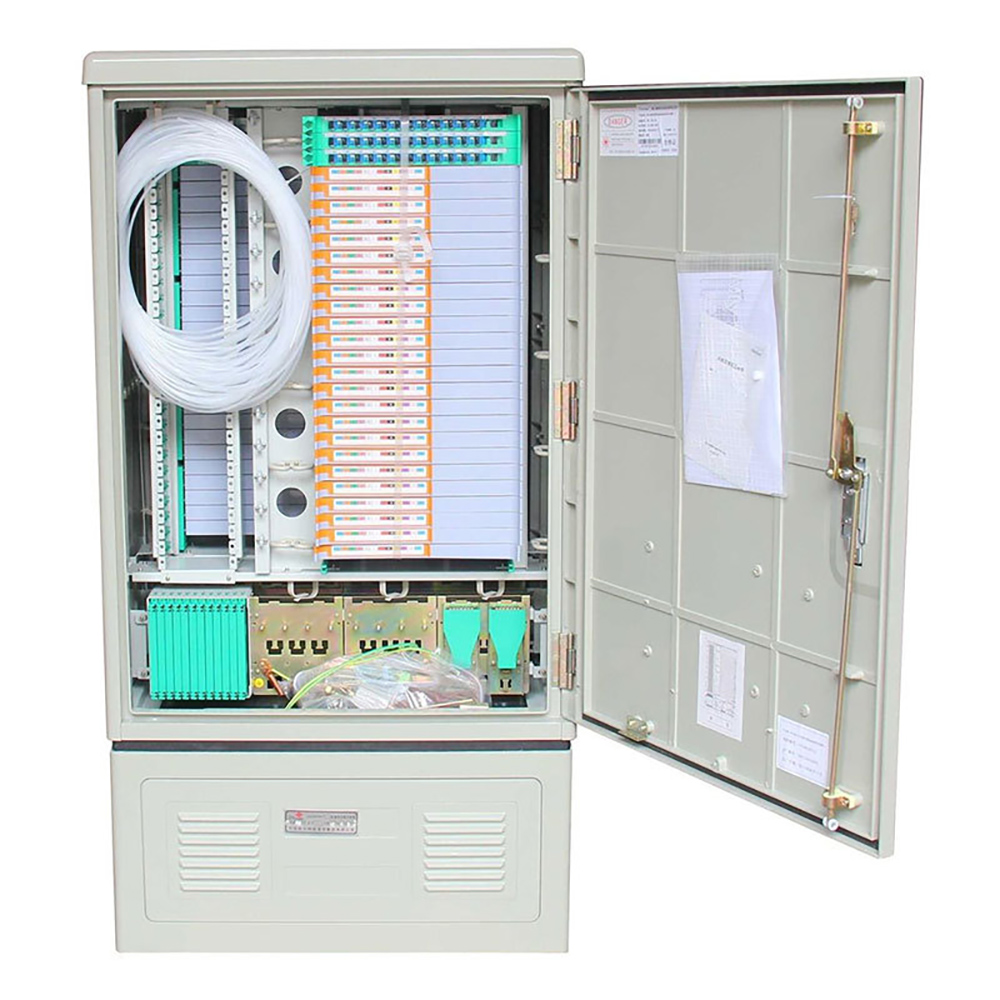
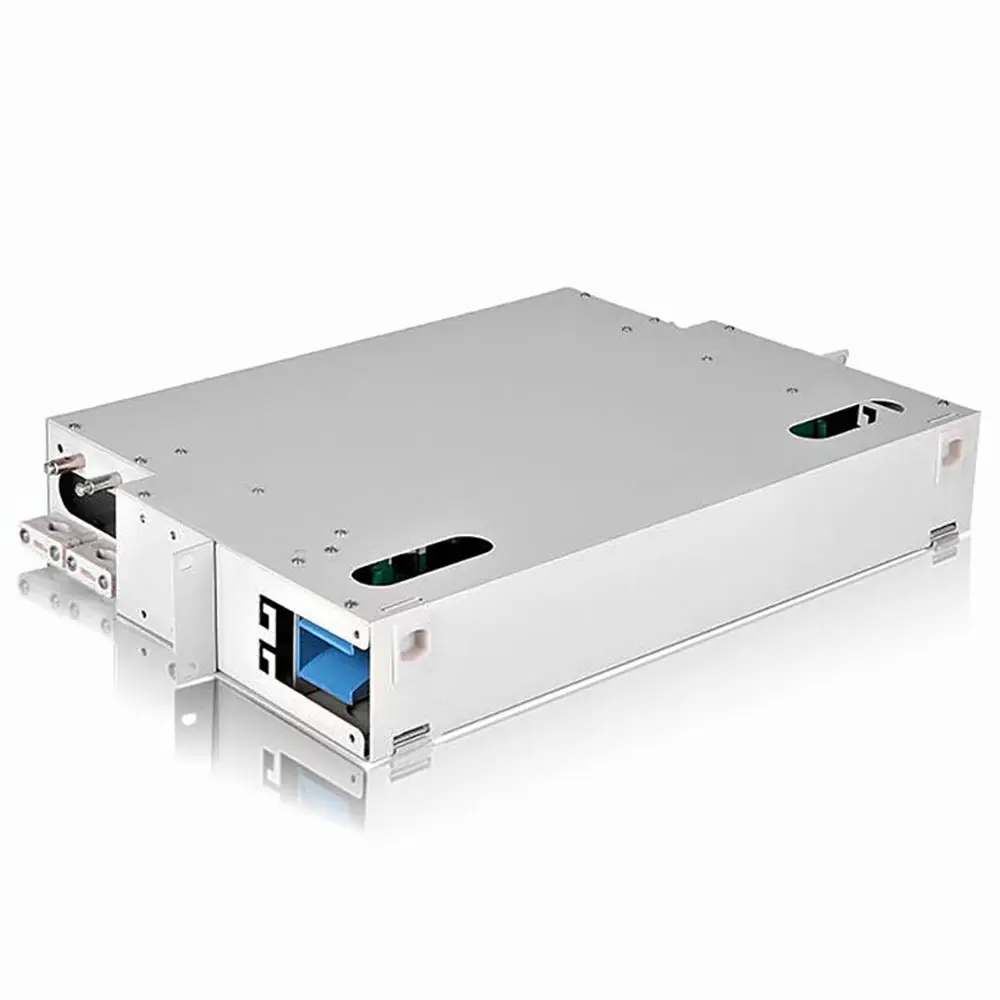
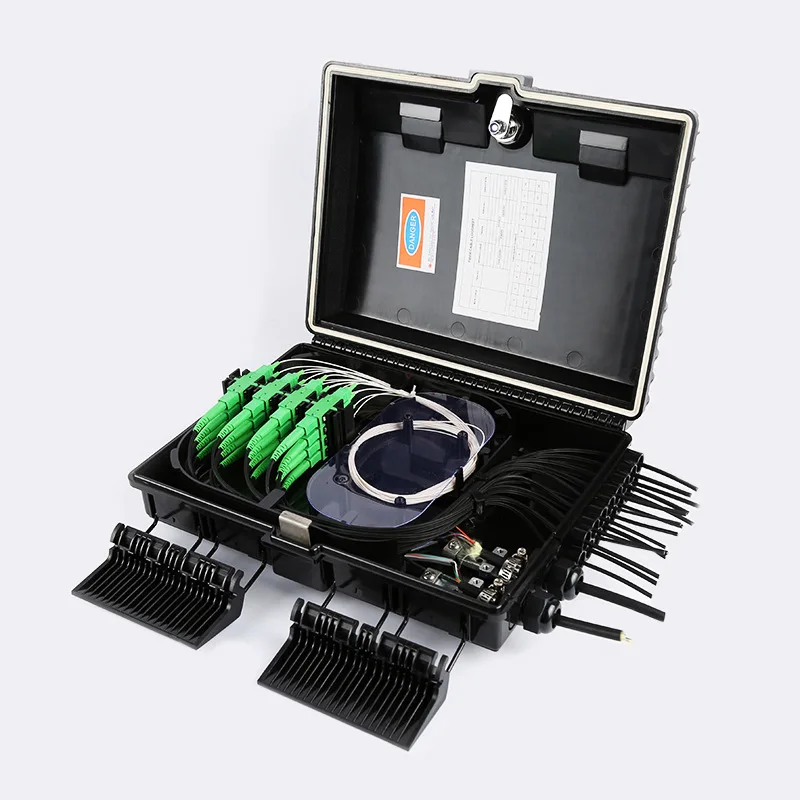
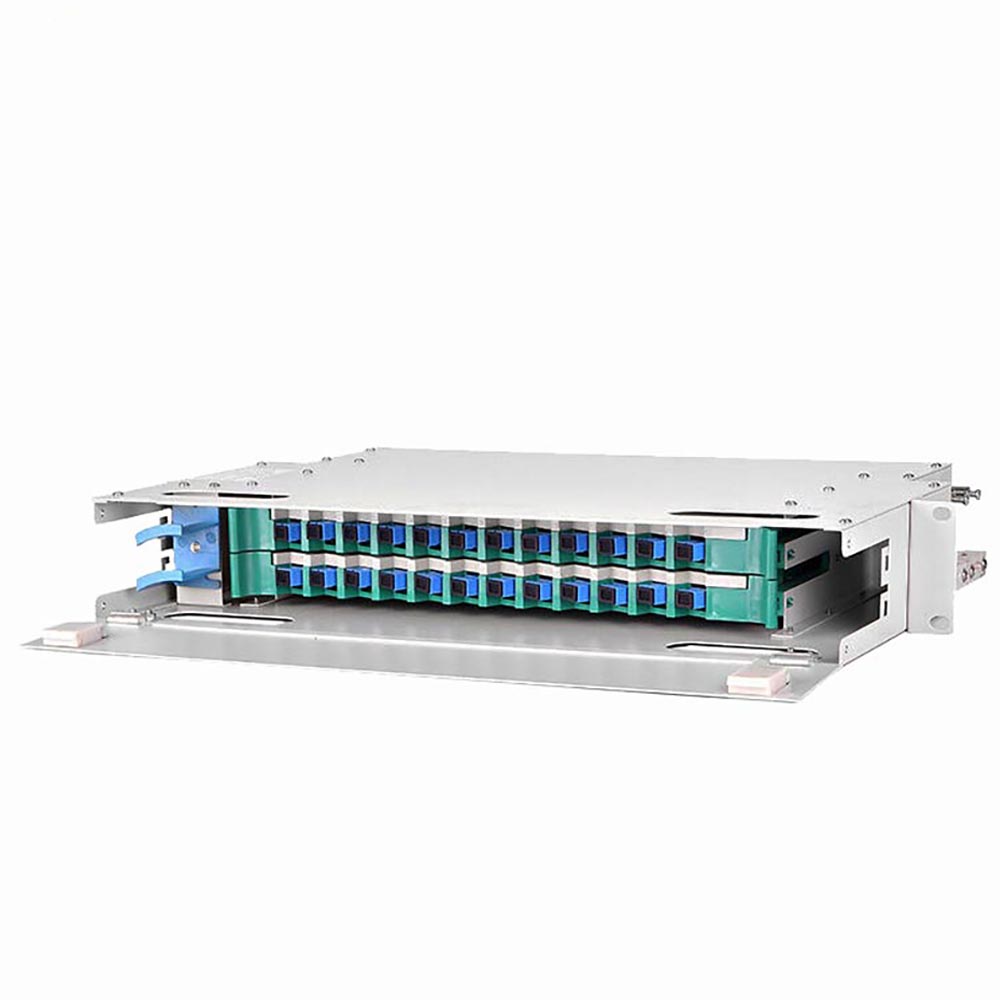
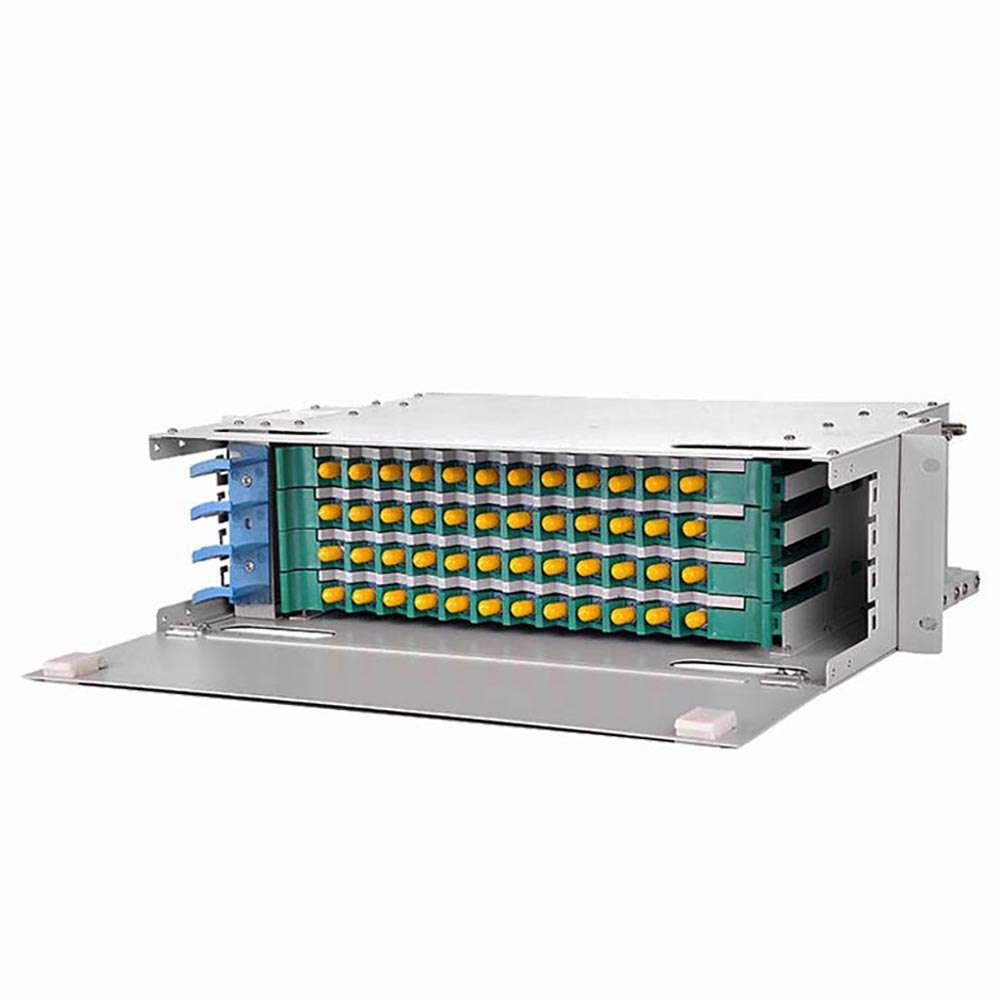
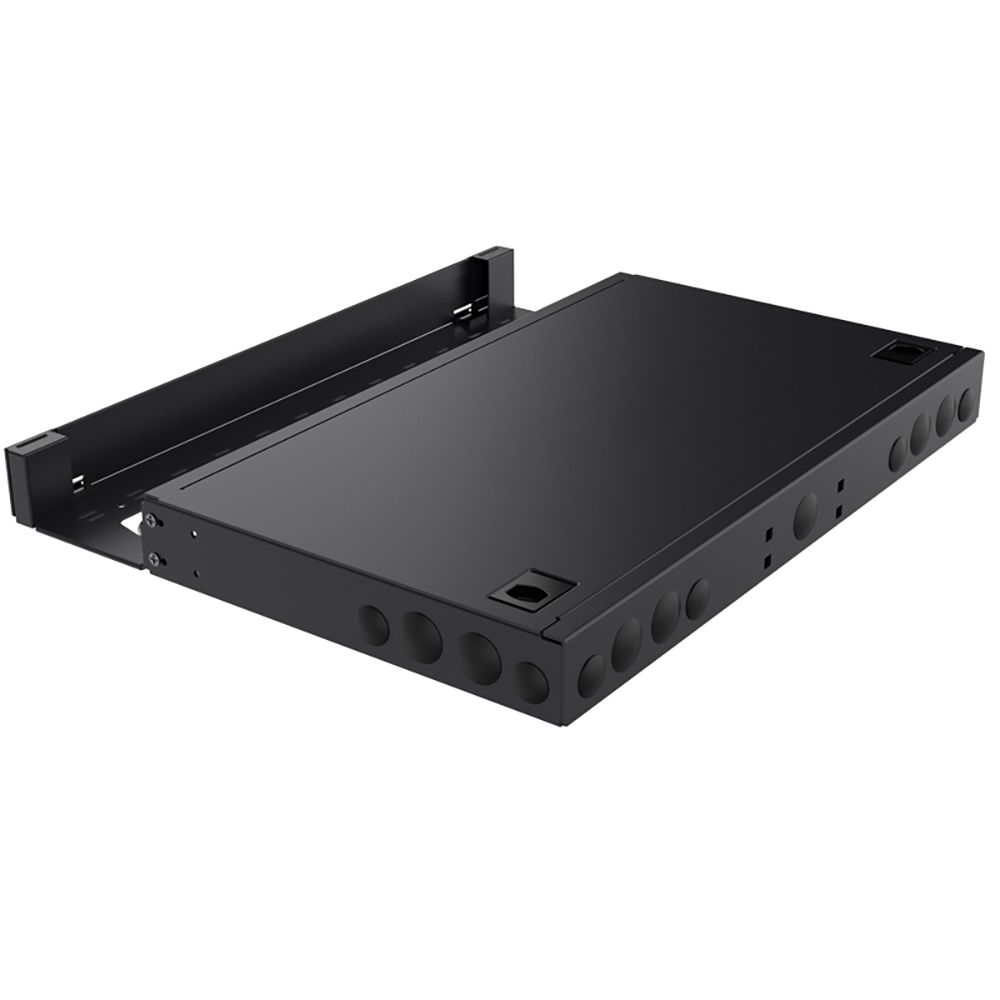
A high density fiber patch panel empty provides a flexible enclosure for building customized fiber connectivity systems in data centers, telecom rooms, enterprise networks, and backbone infrastructure. The empty configuration allows installers to select compatible adapter panels, fiber cassettes, splice modules, or other components according to project requirements. Its rack-mounted structure helps organize fiber connections while making better use of limited cabinet space. Cable routing and fiber storage can be arranged to maintain proper bend radius and simplify future maintenance. Depending on the required configuration, the panel can support different connector interfaces and fiber capacities. This approach is particularly useful for network upgrades where port requirements may change over time. It also helps standardize installation layouts and provides room for future expansion without replacing the entire enclosure.
Get A Quote

Case Study

High-Density Backbone Connectivity

A data center expanding its backbone network can use an empty high-density patch panel as a flexible foundation for additional fiber connections. Installers can populate the enclosure with suitable adapter panels or cassettes based on the required connector type and fiber count. For example, a project planning 96 or 144 fiber connections can organize patching within a compact rack space. Proper routing and labeling make cross-connects easier to identify during maintenance. The modular approach also allows additional components to be introduced as network demand grows, helping the infrastructure adapt without requiring a complete replacement of the existing rack-mounted enclosure.

Enterprise Network Upgrade

An enterprise upgrading its server room may need to add fiber connectivity while keeping the existing rack layout unchanged. An empty patch panel allows the installation team to select components that match the current optical infrastructure, including adapter interfaces, splice modules, or fiber cassettes. Connections can be arranged according to equipment locations and cable routes, reducing unnecessary cable movement. A structured layout also makes testing and troubleshooting more convenient. As additional switches, servers, or uplinks are introduced, the same panel can accommodate a revised configuration, providing a practical way to manage changing fiber requirements within a limited rack footprint.

Telecom Distribution Deployment

A telecom operator can use an empty high-density fiber patch panel when deploying a distribution point with changing port requirements. Instead of committing to a fixed configuration, the installer can select compatible modules after confirming connector type, fiber count, and network architecture. Fiber cables can be routed and stored inside the enclosure with attention to bend-radius requirements. This arrangement supports organized termination and patching between feeder and distribution fibers. For networks serving multiple sites or equipment zones, a modular panel also simplifies future changes because components can be added, rearranged, or replaced as subscriber and bandwidth requirements develop.

Related products

A high density fiber patch panel empty is designed as a configurable rack-mounted platform for organizing optical fiber connections. Unlike a pre-populated patch panel, the empty enclosure gives installers greater freedom to select adapter panels, fiber cassettes, splice modules, and other compatible components. This makes it suitable for data centers, telecom networks, enterprise server rooms, and backbone distribution systems where connector types or port requirements vary between projects. The enclosure provides a structured location for fiber termination, patching, cable routing, and fiber storage. Installers can plan the internal layout according to fiber count, equipment position, cable entry direction, and maintenance requirements. Depending on the network design, configurations can be prepared for different fiber capacities and connector interfaces. This modular approach is useful when infrastructure needs to expand gradually, allowing the same rack space to support future connectivity changes without redesigning the entire fiber management system.

Frequently Asked Questions

What is an empty high density fiber patch panel?

It is a rack-mounted fiber enclosure supplied without pre-installed optical modules. Installers can add compatible adapter panels, cassettes, splice units, or other components based on the network design. This provides greater flexibility when connector type, fiber count, and application requirements differ between projects.
An empty configuration allows the installer to customize the panel instead of using a fixed port arrangement. It can simplify procurement for projects with changing requirements and provide flexibility for future upgrades. Components can be selected according to fiber type, connector interface, capacity, and installation environment.
Depending on the enclosure design, compatible components may include adapter panels, fiber cassettes, splice modules, and cable management accessories. The exact component selection should be confirmed according to the panel structure, connector interface, fiber type, and required network configuration before installation.
It can be used in data centers, telecom rooms, enterprise networks, backbone infrastructure, and fiber distribution environments. It is particularly useful where rack space is limited and the required fiber configuration may change. Proper installation should consider cable routing, bend radius, labeling, and maintenance access.
Consider rack dimensions, available mounting space, fiber capacity, connector compatibility, module type, cable entry, bend-radius requirements, and future expansion plans. It is also important to confirm whether the selected adapters or cassettes are compatible with the enclosure before finalizing the configuration.

Related article

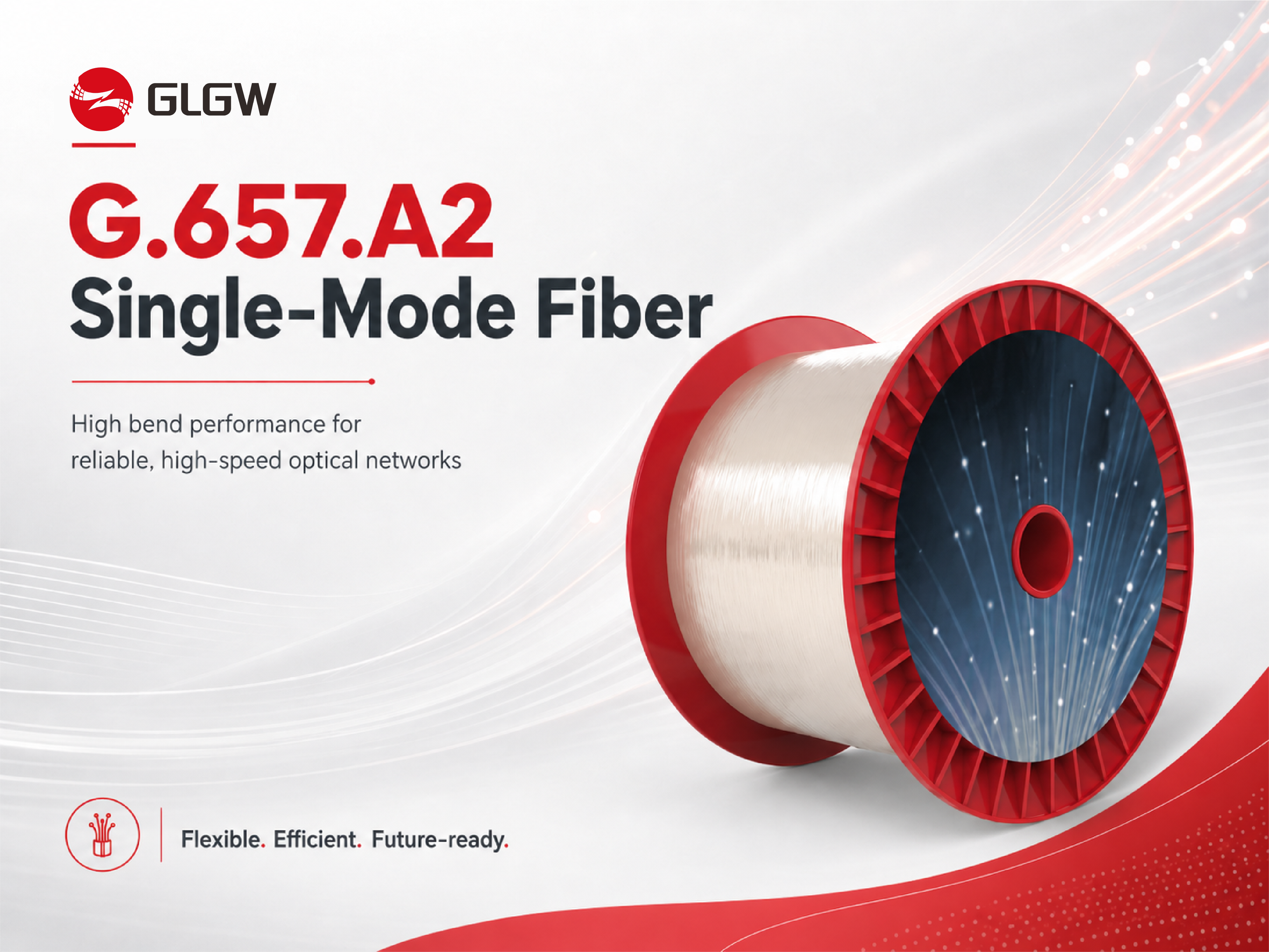
G.657.A2 Single-Mode Fiber for Reliable High-Speed Optical Networks

09

May

G.657.A2 Single-Mode Fiber for Reliable High-Speed Optical Networks

G.657.A2 single-mode fiber offers excellent bend performance, stable transmission, and flexible installation for FTTH, indoor cabling, access networks, and high-speed optical communication systems.
View More
Patch cord matching rules for communication projects.

11

Jul

Patch cord matching rules for communication projects.

Real World Field Experiences with Multi Floor Network Deployments Managing a sprawling multi-floor campus network installation a few years ago taught me that ignoring infrastructure details always leads to signal loss. We noticed severe intermitten...
View More
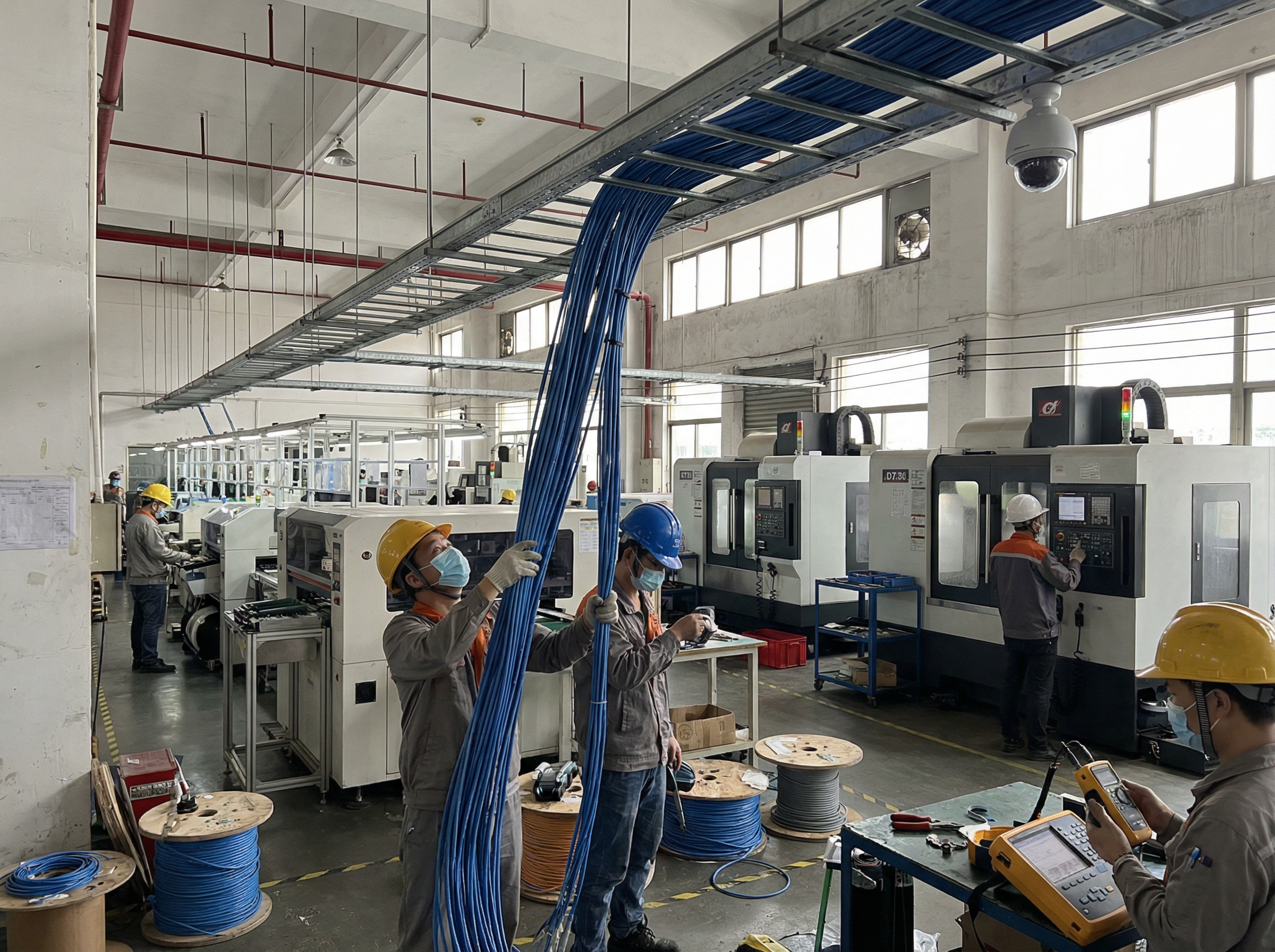
Bulk cable deployment for campus network construction.

13

Aug

Bulk cable deployment for campus network construction.

Deploying bulk fiber optic and structured copper cabling across a university campus, corporate park, or large institutional facility is vastly different from installing localized runs in a single server room or small office. Campus environments req...
View More
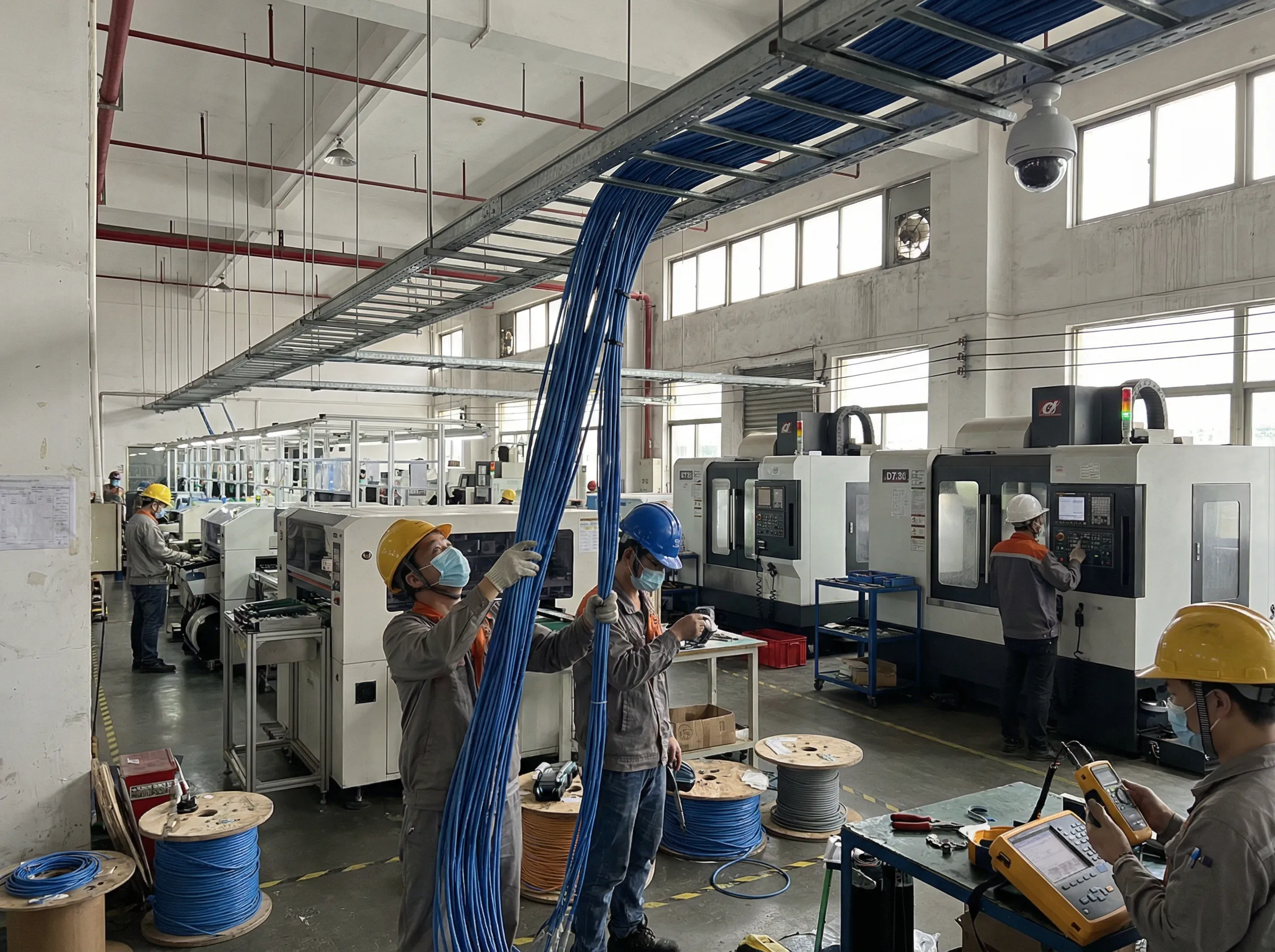
LAN Cable Quality Standards for Enterprise Local Area Networks.

17

Sep

LAN Cable Quality Standards for Enterprise Local Area Networks.

Enterprise LAN Cable Selection Guide: Categories, Shielding, Standards, and Performance Why Choosing the Right LAN Cable Matters for Enterprise Networks A reliable LAN cable is the foundation of modern enterprise network infrastructure. Although wi...
View More

Customer Testimonials

Michael Reed

“The empty configuration gave our team more freedom to match the panel with our existing adapters. Installation was organized, and we could reserve space for additional fiber connections during the next network expansion.”

Daniel Foster

“We used the panel for a server room upgrade and appreciated the flexible internal arrangement. The structured layout made cable identification and maintenance easier while keeping the rack installation compact.”

Get a Free Quote

Our representative will contact you soon.
Email
Mobile/WhatsApp
Name
Company Name
Message
0/1000
Customizable Fiber Connectivity

Customizable Fiber Connectivity

An empty patch panel gives network installers control over the final optical configuration. Instead of receiving a fixed combination of ports, users can select compatible adapter panels, cassettes, splice modules, and accessories according to the project architecture. This is useful when different deployments require different connector interfaces or fiber capacities. For example, a telecom installation may prioritize high fiber density, while an enterprise network may require a combination of patching and splicing functions. The configurable approach also allows installers to plan the panel around existing equipment and cable routes. By choosing components after confirming the network requirements, teams can create a more practical and consistent fiber management solution while keeping options open for future modifications.
Optimized Rack Space

Optimized Rack Space

High-density fiber infrastructure often needs to accommodate more connections without continuously increasing cabinet size. An empty high-density patch panel can help installers plan optical connections within a defined rack footprint. Internal cable routing can be arranged to keep patch cords organized and maintain appropriate fiber bend radius. Components can be positioned according to the required connection architecture, helping reduce unnecessary cable crossings and improving access during testing or maintenance. In a data center or telecom room, this structured arrangement can make better use of vertical rack space while keeping fiber connections identifiable. The final capacity depends on the selected modules and enclosure configuration, allowing each deployment to balance density, accessibility, and future expansion requirements.
Scalable Network Expansion

Scalable Network Expansion

Fiber networks frequently evolve as bandwidth demand, equipment count, and connection requirements increase. An empty patch panel provides a flexible starting point for installations that may require configuration changes over time. New compatible modules can be incorporated according to the enclosure design, while existing connections remain organized within the same rack-mounted structure. This can be valuable for phased data center upgrades, telecom distribution projects, and enterprise backbone deployments. A well-planned configuration should reserve suitable space for cable routing, labeling, and maintenance access rather than focusing only on maximum density. By considering future fiber counts and connector requirements during the initial installation, network teams can create infrastructure that is easier to modify as connectivity needs develop.

Get a Free Quote

Our representative will contact you soon.
Email
Mobile/WhatsApp
Name
Company Name
Message
0/1000