High Density Fiber Optic Patch Panels 4U | Scalable Rack Solutions

All Categories
4U Rack-Mount Design for High-Density Fiber Management

4U Rack-Mount Design for High-Density Fiber Management

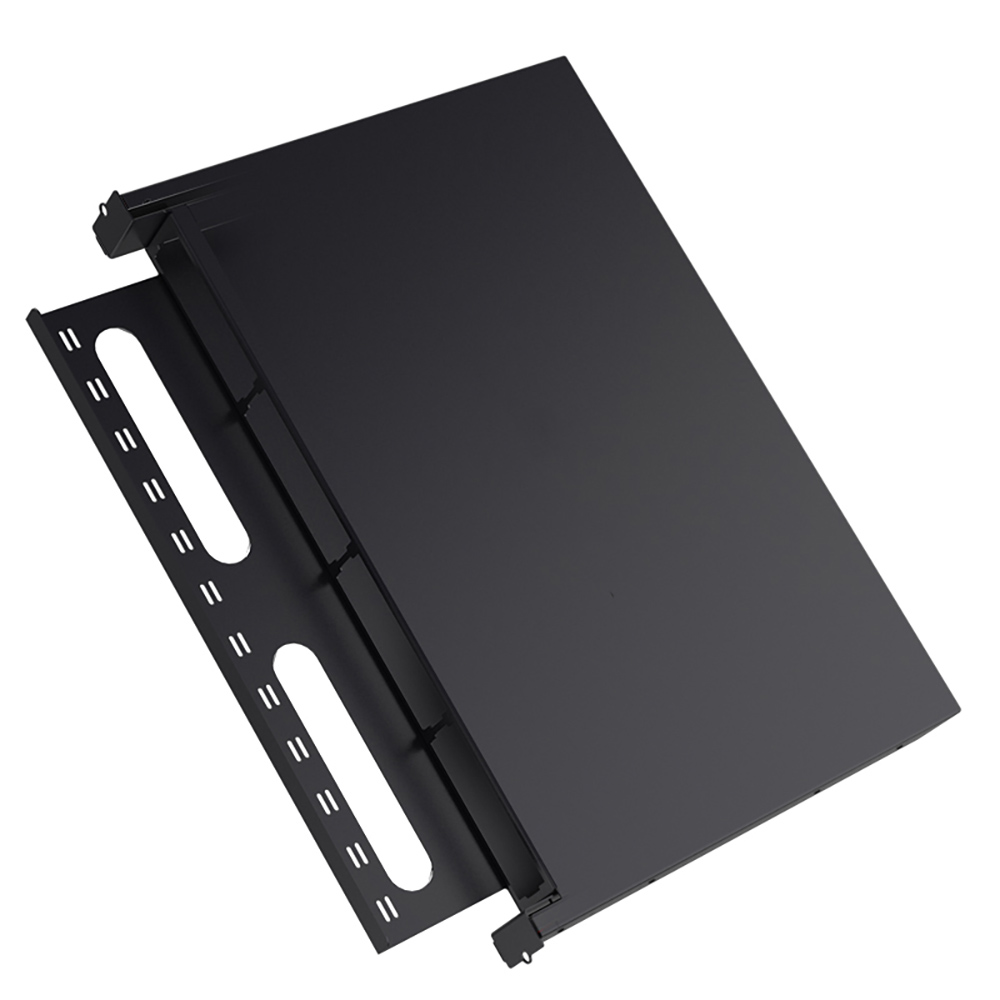
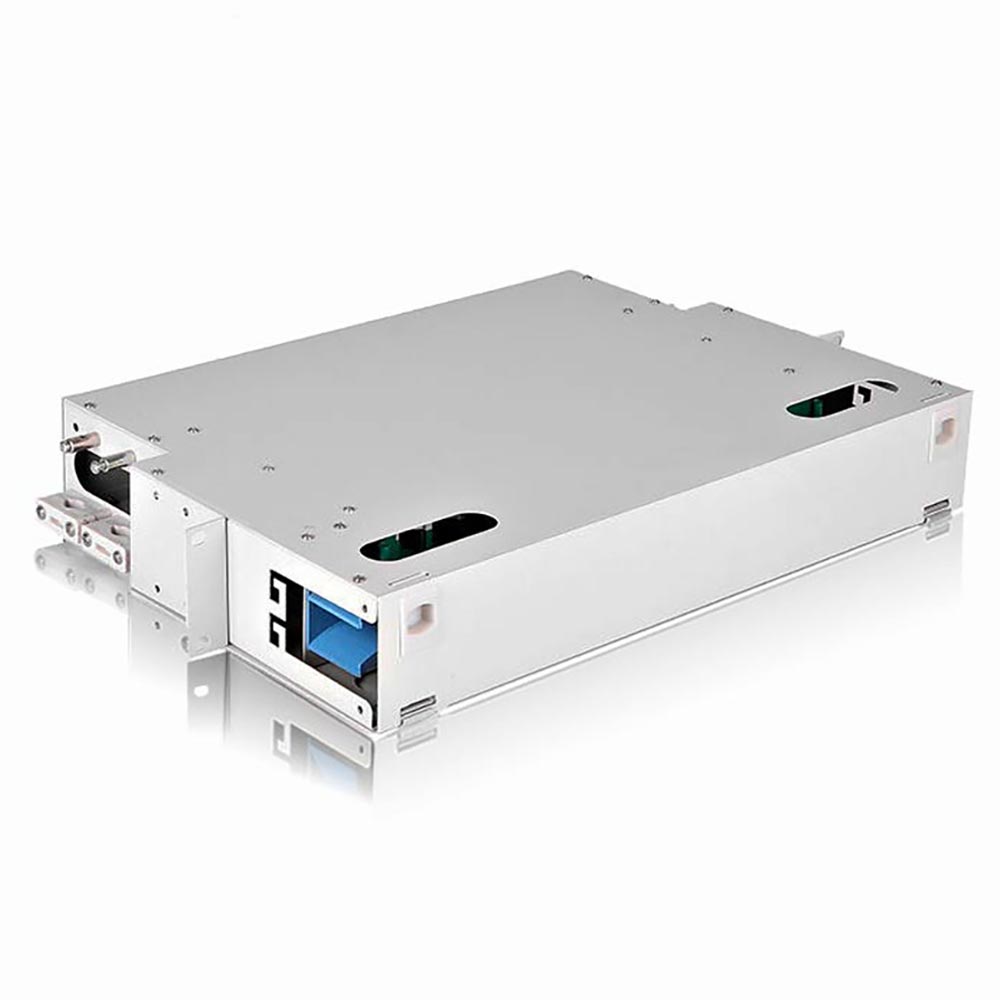
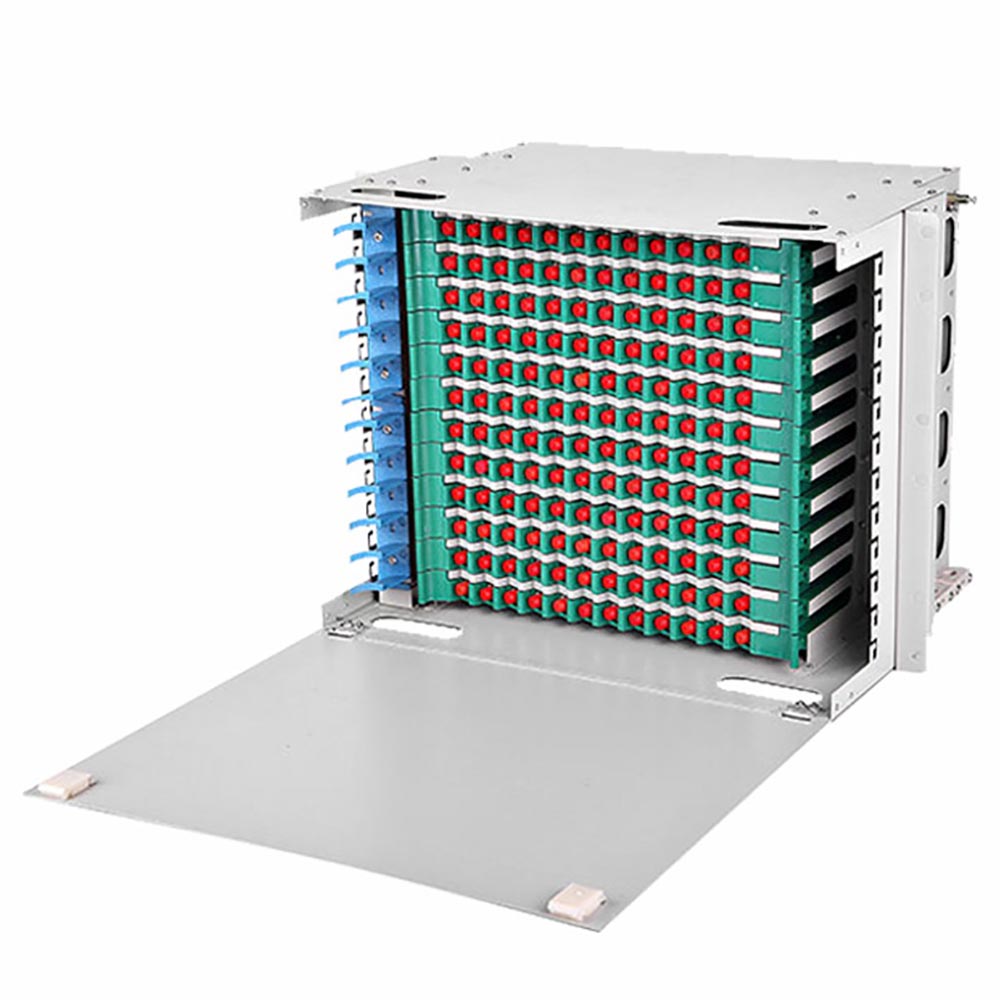
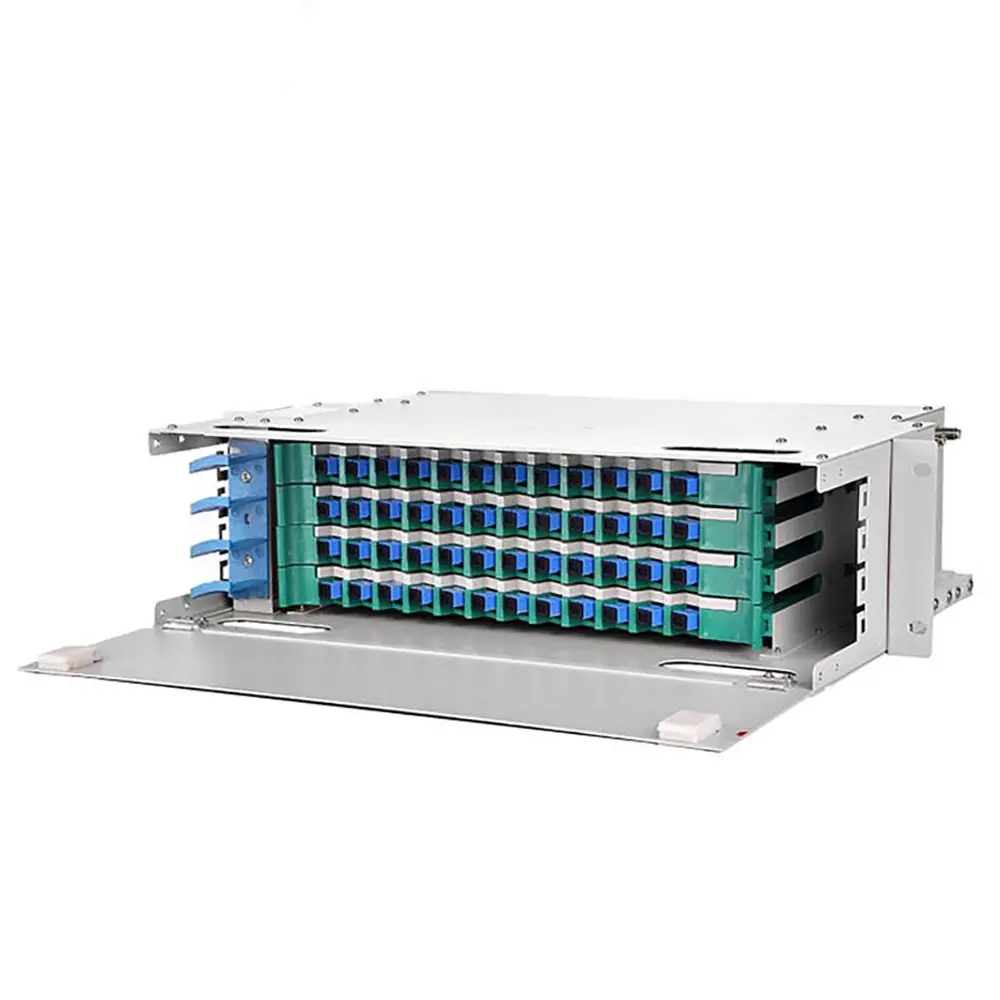
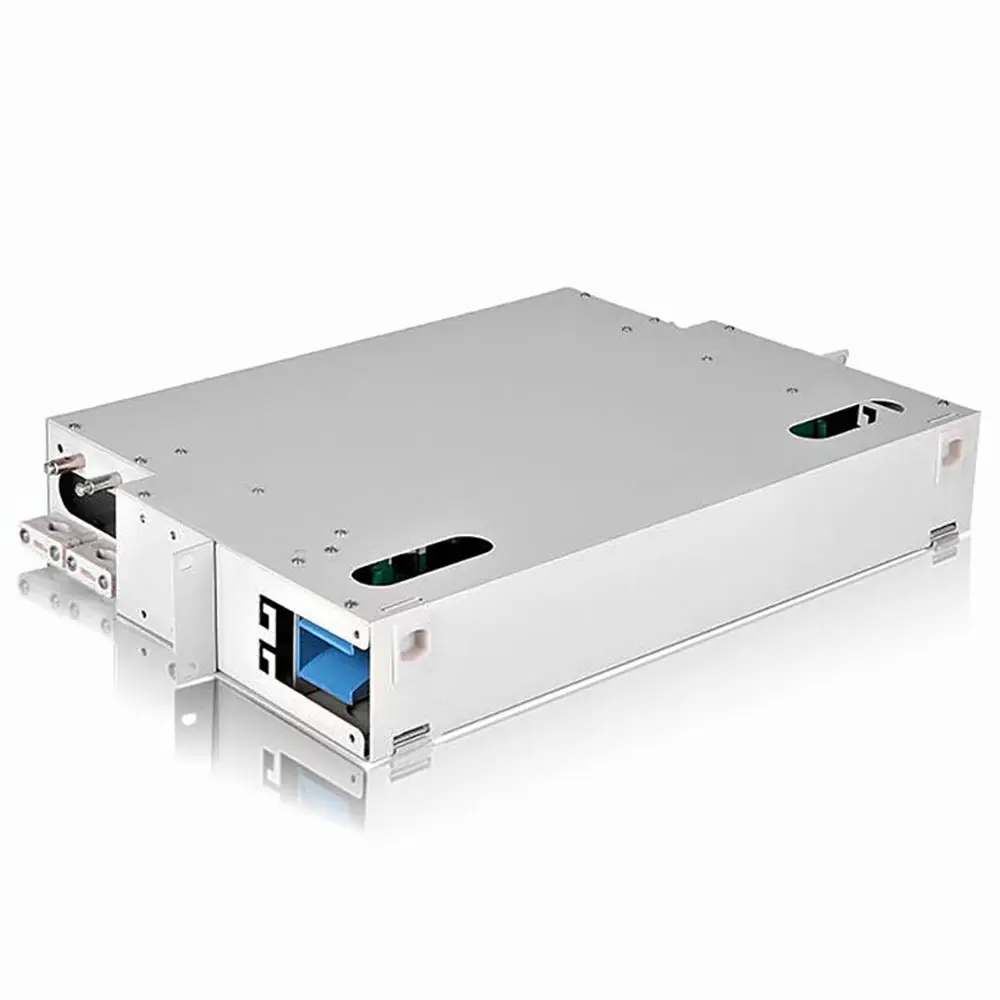
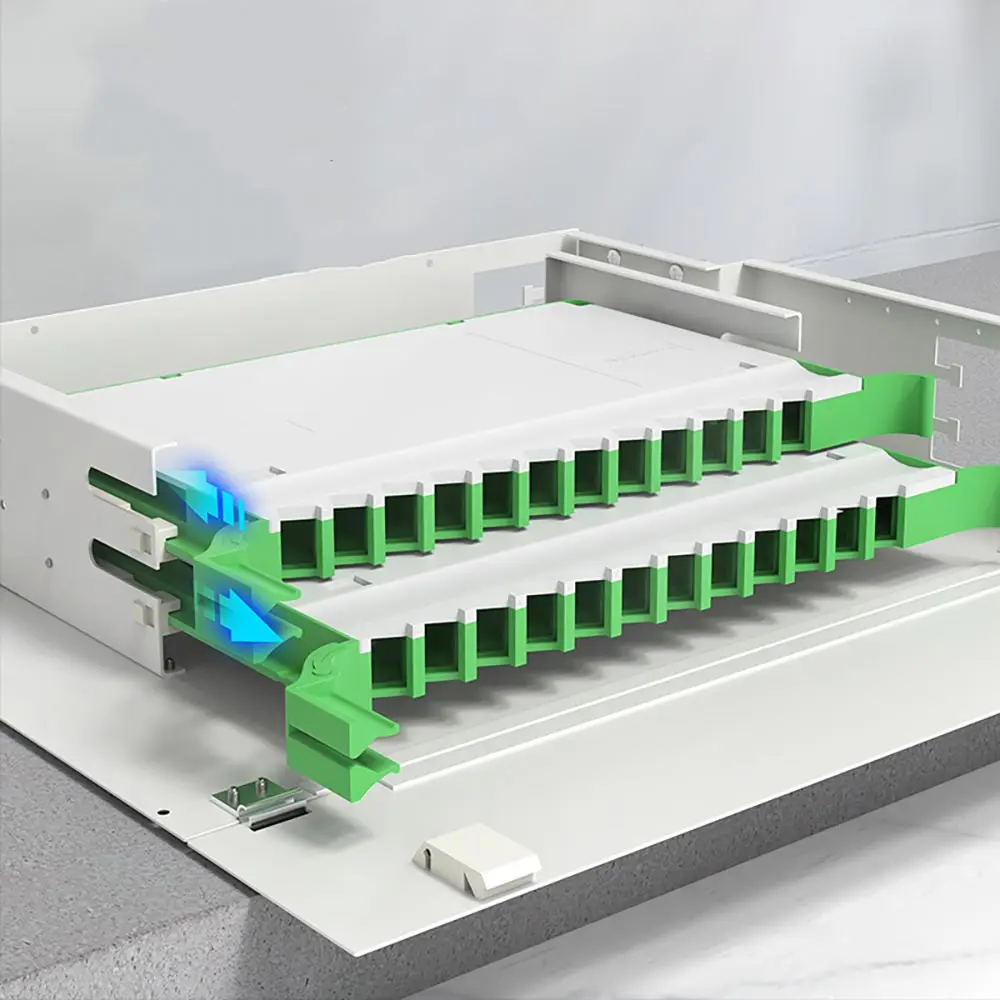
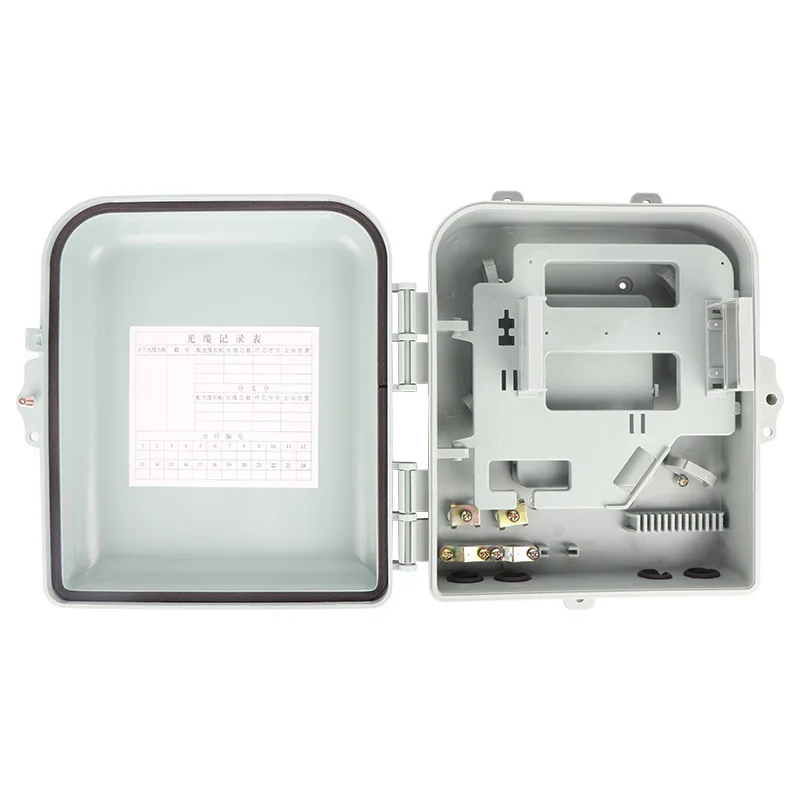
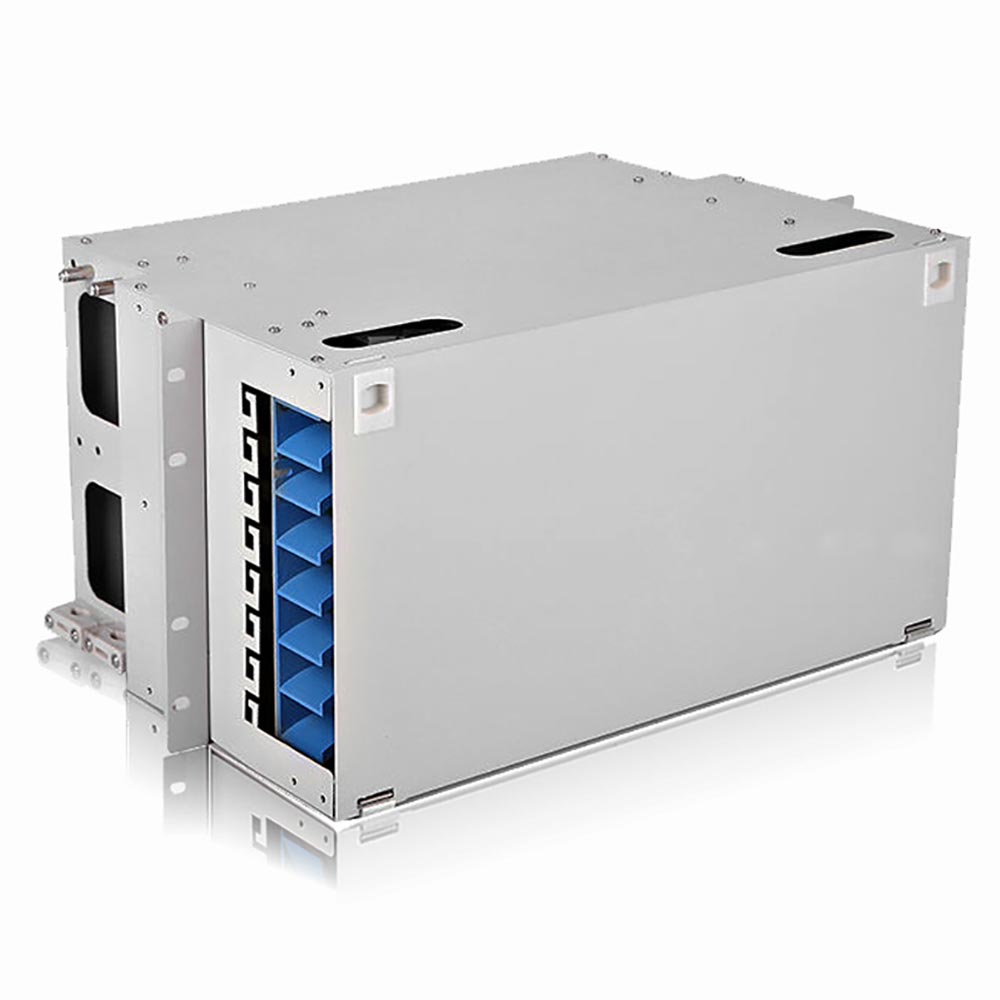
High density fiber optic patch panels 4U provide expanded rack space for organizing large numbers of optical connections in data centers, telecom facilities, enterprise networks, and backbone infrastructure. The 4U format offers more vertical installation space than compact patch panels, making it suitable for applications requiring greater fiber capacity, multiple connection groups, or additional cable management. Depending on the configuration, the panel can accommodate adapter panels, splice trays, fiber cassettes, and other compatible modules. Fiber connections can be arranged according to connector type, fiber count, and network architecture while maintaining structured routing and access. For example, a 4U installation can be planned around 96, 144, or higher fiber counts depending on the selected components and enclosure design.
Get A Quote

Case Study

Data Center Backbone Expansion

A growing data center may need to accommodate a large number of backbone fiber connections while maintaining an organized rack environment. A 4U fiber optic patch panel provides additional vertical space for arranging multiple adapter panels, cassettes, or splice modules. For example, a deployment handling 144 fiber connections can distribute connection groups across the available rack space for easier identification and maintenance. Structured cable routing helps technicians manage patch cords and maintain suitable bend-radius requirements. The larger format can also provide room for future additions, making it practical for data centers where fiber connectivity requirements are expected to increase as servers and network equipment are added.

Telecom Distribution Center

A telecom distribution center can use a 4U patch panel to centralize high-volume fiber termination, splicing, and patching. Feeder and distribution fibers can be organized into separate modules or connection areas according to the network architecture. A larger panel format provides more space for cable routing and fiber storage, helping technicians access individual connections during testing or maintenance. For example, multiple 48-fiber groups can be organized within the same rack-mounted structure depending on the selected configuration. This approach is useful for backbone and access networks where high fiber density must be combined with clear organization and room for future network expansion.

Enterprise Network Consolidation

An enterprise consolidating several fiber distribution points into a central server room can benefit from the additional capacity of a 4U patch panel. Different fiber groups can be assigned to dedicated adapter panels or cassette modules, creating a clearer connection structure between switches, servers, and backbone links. The available rack height also provides more room for routing and labeling compared with smaller enclosures. During maintenance, technicians can identify connection groups without working through an overly crowded patching area. As new equipment is introduced, available space can support additional fiber connections according to the panel configuration, helping the enterprise maintain a structured and expandable optical infrastructure.

Related products

High density fiber optic patch panels 4U are designed for network environments that require substantial optical connection capacity within a rack-mounted enclosure. The 4U format provides additional vertical space for organizing adapter panels, fiber cassettes, splice trays, and cable management components according to project requirements. It can be used in data centers, telecom distribution rooms, enterprise server rooms, cloud infrastructure, and backbone networks. Depending on the selected configuration, the panel can be arranged for different connector interfaces, fiber types, and connection capacities. Examples such as 96 or 144 fibers can be considered for planning purposes, while the actual capacity depends on the enclosure and installed modules. The expanded rack format can help separate connection groups, improve fiber routing, and provide more accessible maintenance space. When selecting a 4U panel, consider rack compatibility, fiber capacity, connector type, splice requirements, cable entry, bend radius, and expected future expansion.

Frequently Asked Questions

What is a 4U high density fiber optic patch panel?

A 4U high density fiber optic patch panel is a rack-mounted optical management enclosure occupying four rack units of vertical space. Its larger format can accommodate more fiber management components than smaller panels. Depending on the design, it may support adapter panels, cassettes, splice trays, and cable routing accessories.
A 4U format provides additional space for high-volume fiber connections, multiple modules, cable storage, and maintenance access. It can be useful when a compact panel does not provide enough capacity or when several fiber groups need to be organized within one rack location.
Fiber capacity depends on the enclosure design, adapter configuration, cassette type, and connector density. Depending on the selected components, configurations can be planned around 96, 144, or higher fiber counts. The actual capacity should be confirmed against the specific panel and module arrangement.
They are commonly used in data centers, telecom distribution facilities, enterprise networks, cloud infrastructure, and backbone fiber systems. The additional rack space is particularly useful for deployments requiring numerous optical connections, organized fiber storage, multiple modules, or greater access for maintenance.
Consider rack compatibility, required fiber capacity, connector interfaces, fiber type, cassette or splice requirements, cable entry, bend radius, and maintenance access. Future expansion should also be considered. The selected modules and accessories need to be compatible with the panel's internal structure.

Related article

Intelligent Cabling Solutions for Future Networks

21

May

Intelligent Cabling Solutions for Future Networks

View More
LC-LC 12F OM4 Fiber Trunk Assembly for High-Density Data Centers

21

May

LC-LC 12F OM4 Fiber Trunk Assembly for High-Density Data Centers

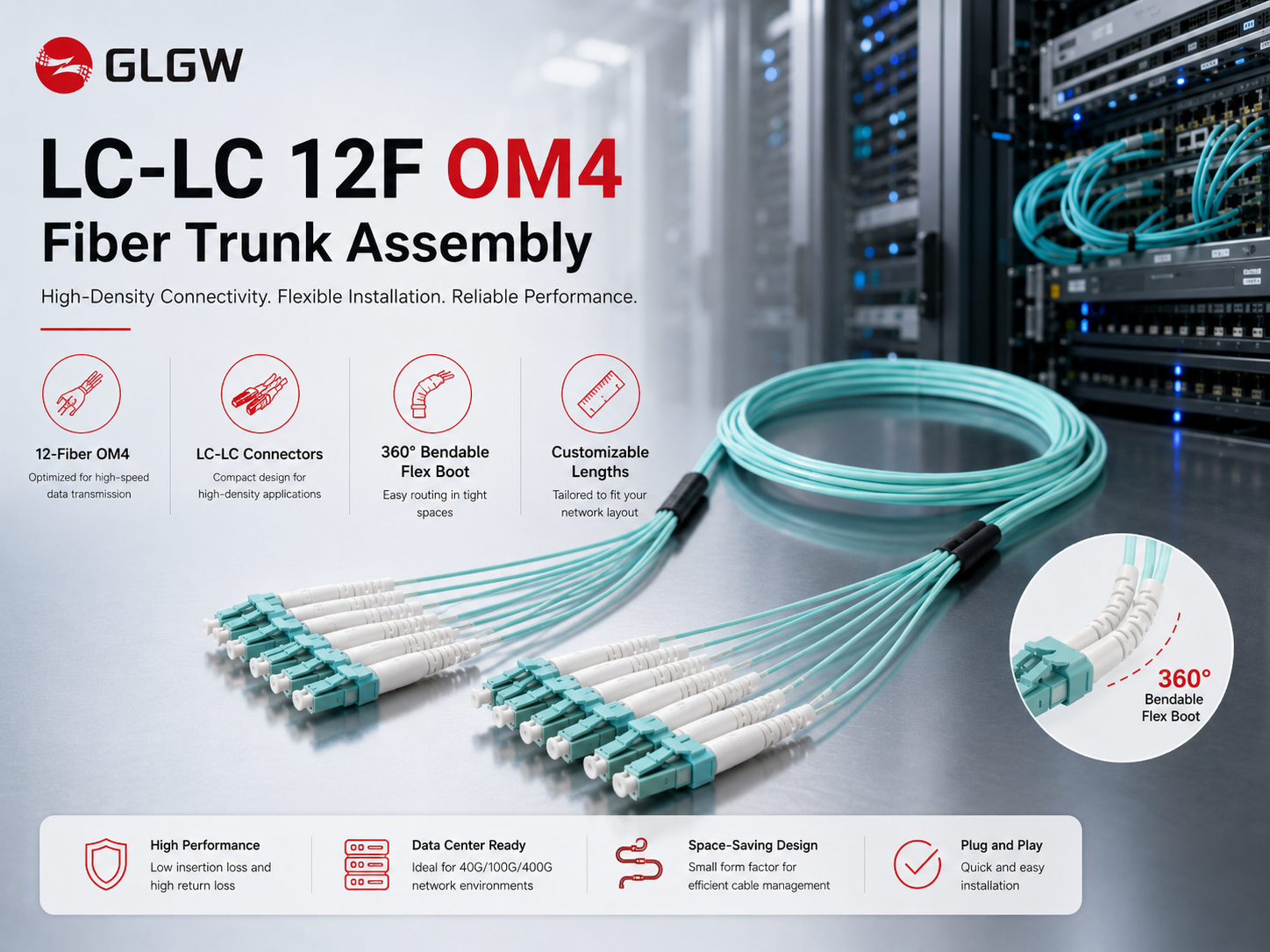
GLGW LC-LC 12F OM4 Fiber Trunk Assembly is designed for high-density data center connectivity, offering reliable performance, flexible installation, and clean cable management. With 12-fiber OM4 multimode fiber, LC-LC connectors, customizable lengths, and a 360° bendable flex boot, it provides an efficient solution for server racks, network cabinets, structured cabling systems, and modern data center infrastructure.
View More
Patch cord bending radius affects network performance.

17

Jun

Patch cord bending radius affects network performance.

Real-world cases showing the impact of improper bending on daily network operation Working in the structured cabling and network connectivity sector for over sixteen years, I have witnessed countless network faults traced back to unreasonable bend...
View More
Bulk cable deployment for campus network construction.

13

Aug

Bulk cable deployment for campus network construction.

Deploying bulk fiber optic and structured copper cabling across a university campus, corporate park, or large institutional facility is vastly different from installing localized runs in a single server room or small office. Campus environments req...
View More

Customer Testimonials

Steven Harris

“The 4U format gave our team enough space to organize several fiber groups without making the rack difficult to service. Cable routing and connection identification were much easier during installation and testing.”

Thomas Walker

“We needed more capacity than a standard compact panel could provide. The larger rack format gave us room for additional fiber management components while keeping the overall distribution layout organized.”

Get a Free Quote

Our representative will contact you soon.
Email
Mobile/WhatsApp
Name
Company Name
Message
0/1000
Expanded Fiber Capacity

Expanded Fiber Capacity

The 4U rack format provides additional vertical space for managing large-scale fiber connectivity. This makes it possible to organize multiple adapter panels, cassette modules, splice trays, and fiber storage areas within one enclosure, depending on the selected design. A project handling 96 or 144 fibers, for example, can divide connections into clearly defined groups to simplify identification and maintenance. The additional space can also reduce congestion around individual connection points by allowing more deliberate cable routing. This is particularly useful in data centers and telecom facilities where fiber counts continue to grow. The final capacity depends on the selected enclosure, connector density, and installed modules, so the configuration should be designed around actual network requirements rather than rack height alone.
Organized Cable Management

Organized Cable Management

High-density fiber systems require effective cable management to maintain accessibility and protect optical connections. A 4U patch panel provides additional room for routing patch cords, storing excess fiber, and separating different connection groups. Installers can arrange cables according to equipment location, fiber path, and connection type while maintaining appropriate bend-radius requirements. Clear labeling can further simplify testing and troubleshooting when many optical links share the same rack. The larger enclosure format is useful when a smaller panel would create a crowded working area. By combining connection density with dedicated space for routing and storage, the panel can provide a more manageable environment for technicians working on large fiber installations.
Scalable Rack Infrastructure

Scalable Rack Infrastructure

A 4U high-density fiber patch panel can provide a practical foundation for network infrastructure that is expected to expand over time. The larger rack footprint can accommodate multiple fiber management components and allow connection groups to be organized according to current network architecture. Future capacity can be considered when planning adapter interfaces, cassette positions, splice requirements, and cable routing. This is useful for data centers adding equipment, telecom operators expanding distribution networks, and enterprises consolidating fiber infrastructure. A well-planned 4U configuration can leave appropriate access for testing and maintenance while providing room for additional connectivity. The exact expansion potential depends on the enclosure design and available rack space.

Get a Free Quote

Our representative will contact you soon.
Email
Mobile/WhatsApp
Name
Company Name
Message
0/1000