Rack Cable Pass Through: Organize Cabling in Data Centers [2024]

All Categories
Organized Cable Routing for Network Racks

Organized Cable Routing for Network Racks

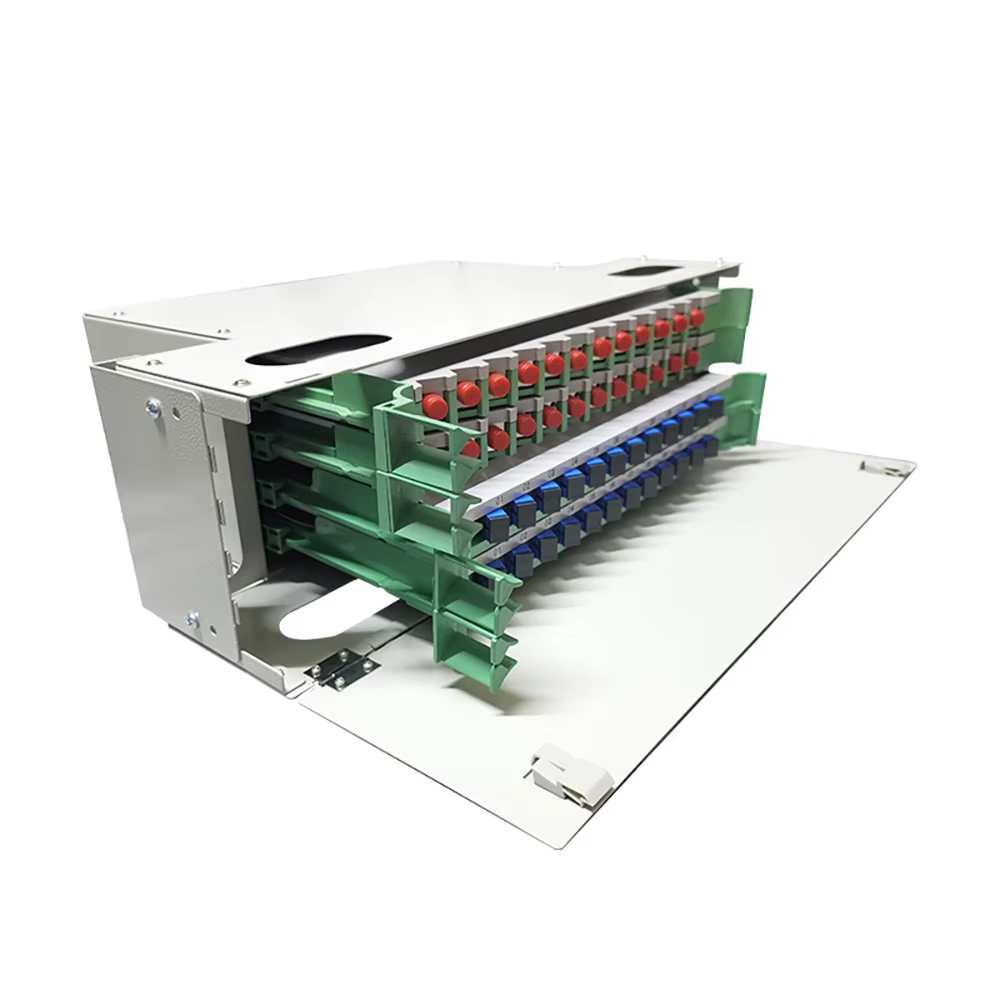
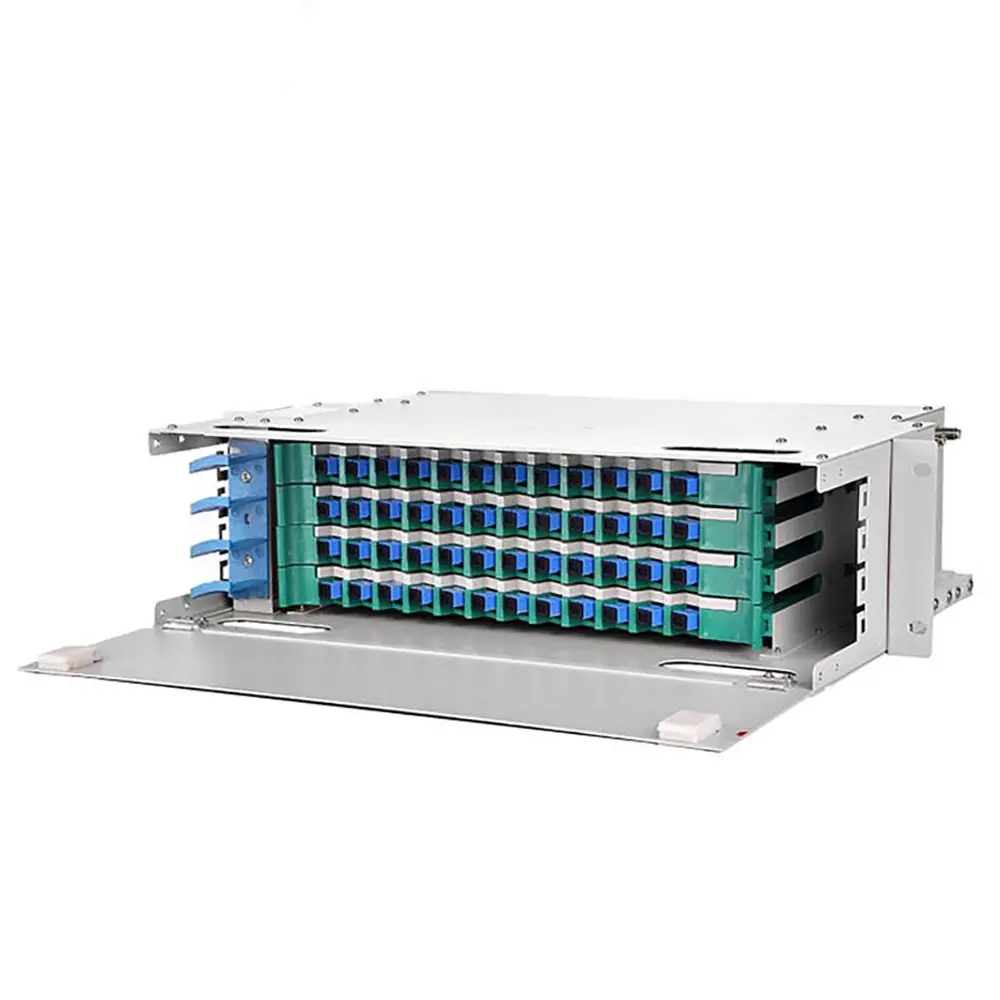
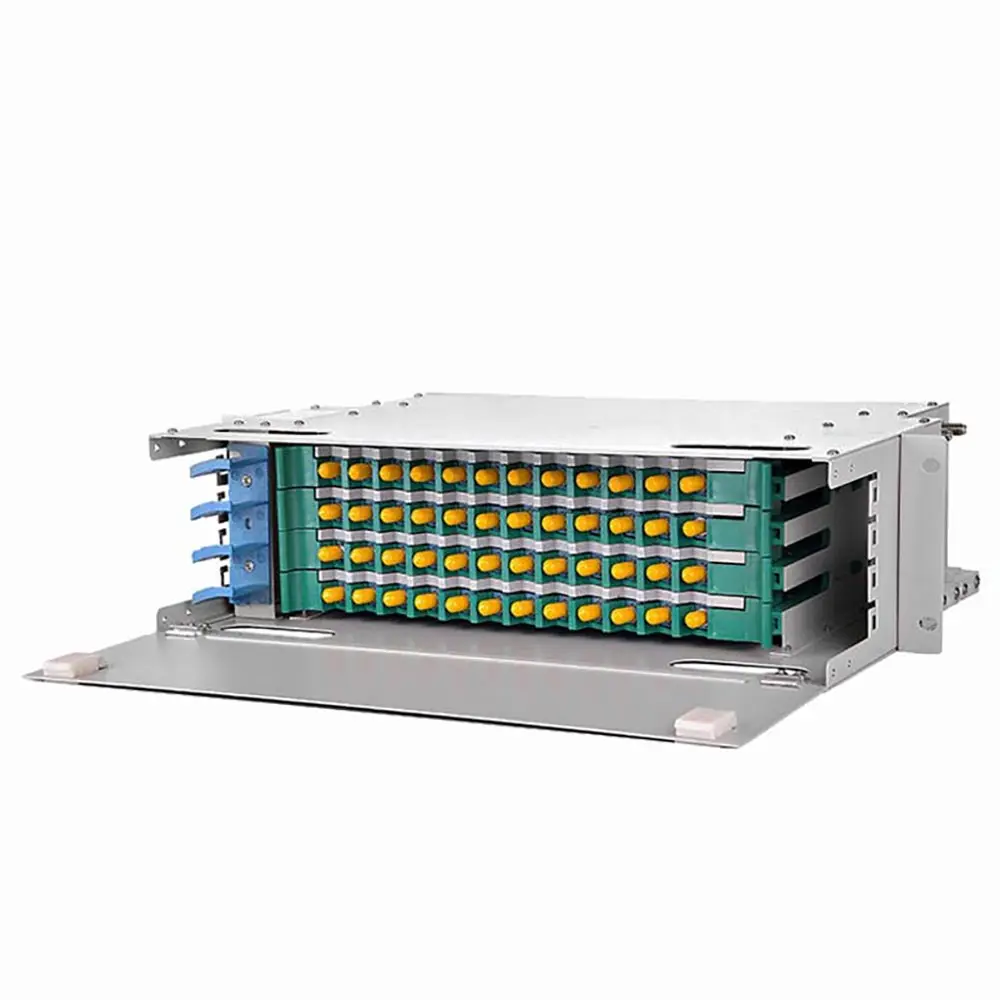
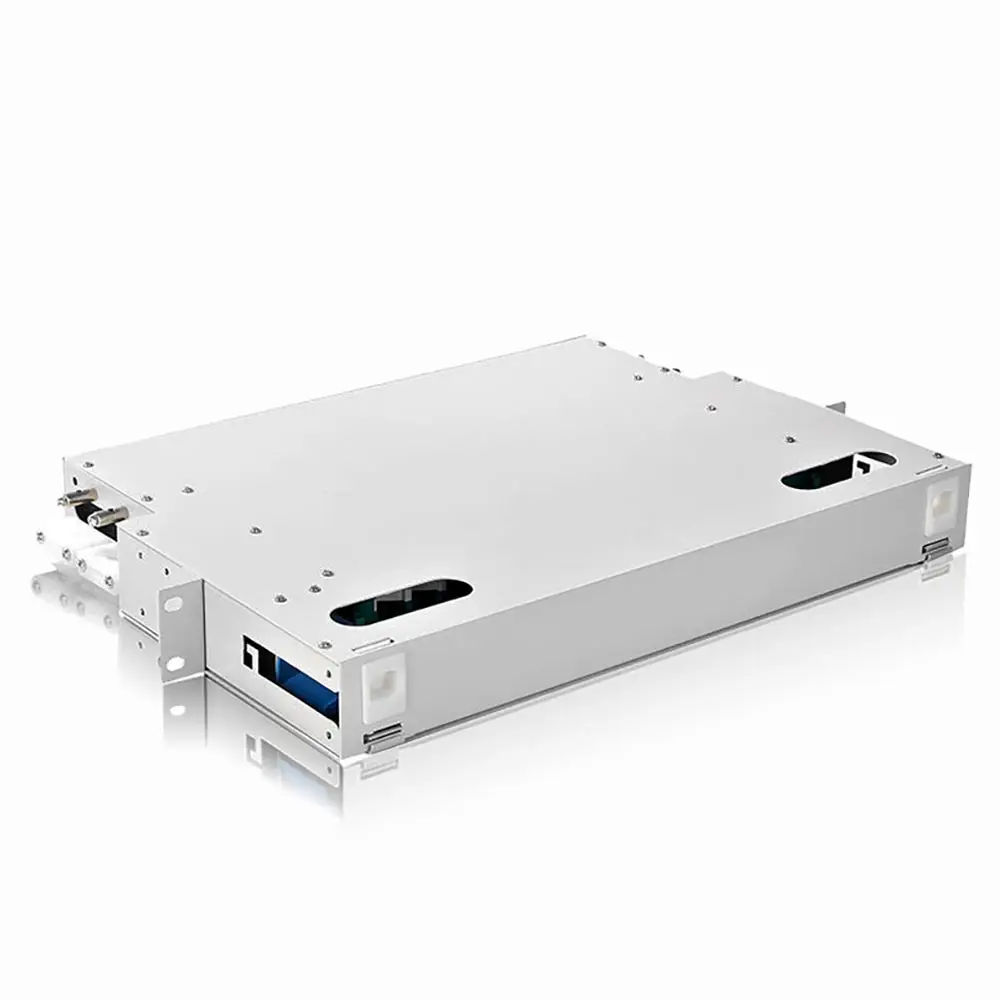
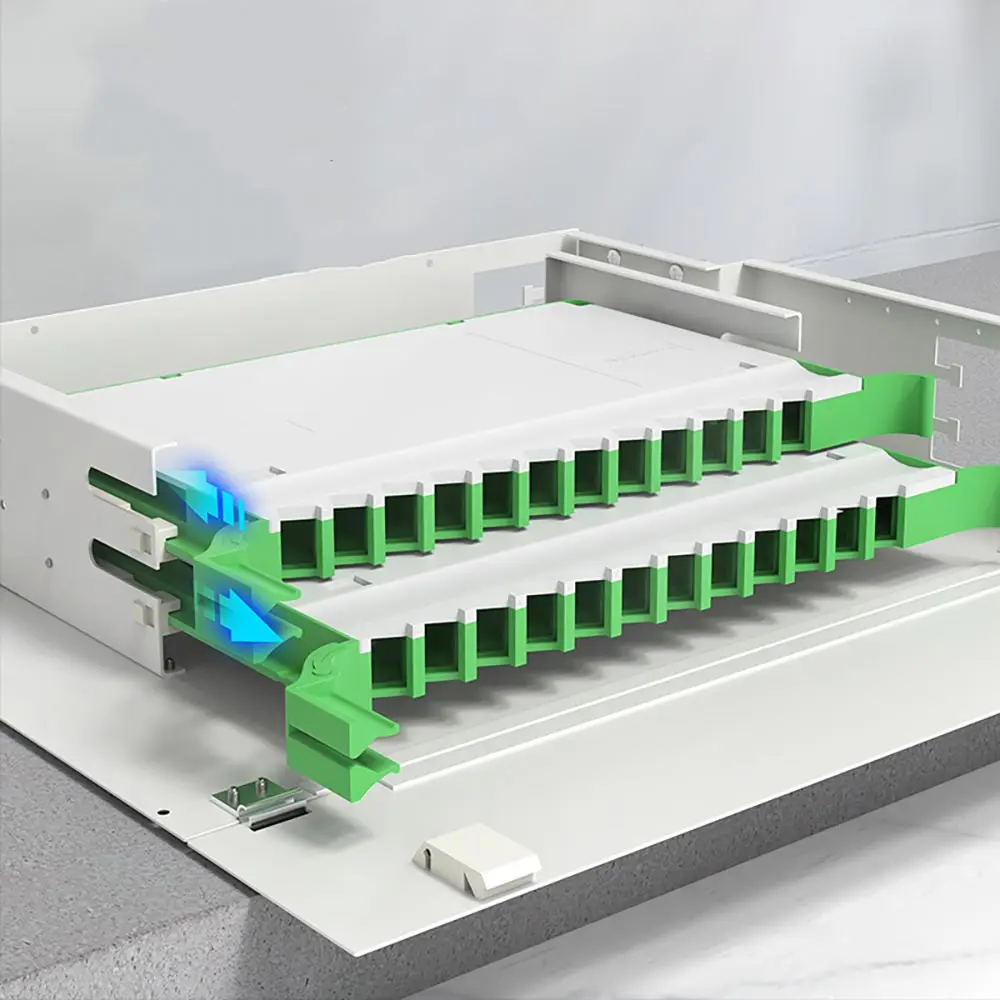
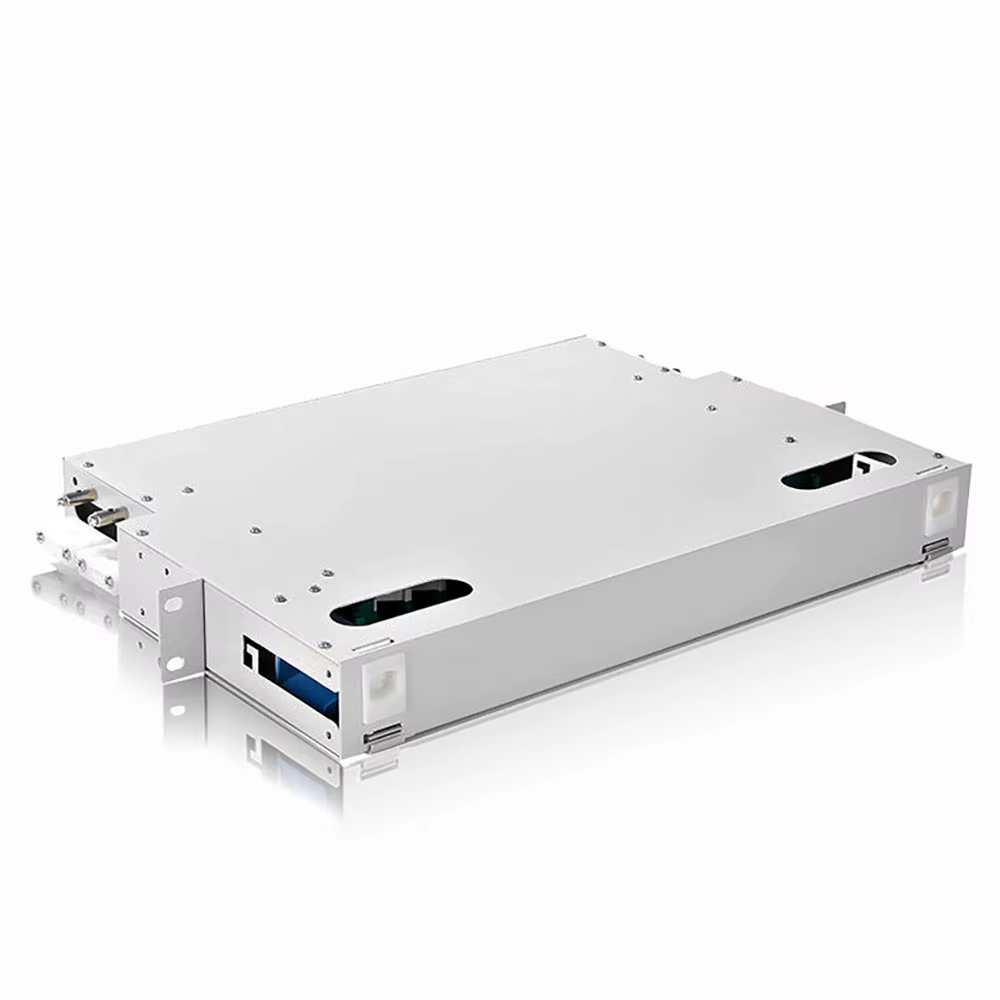
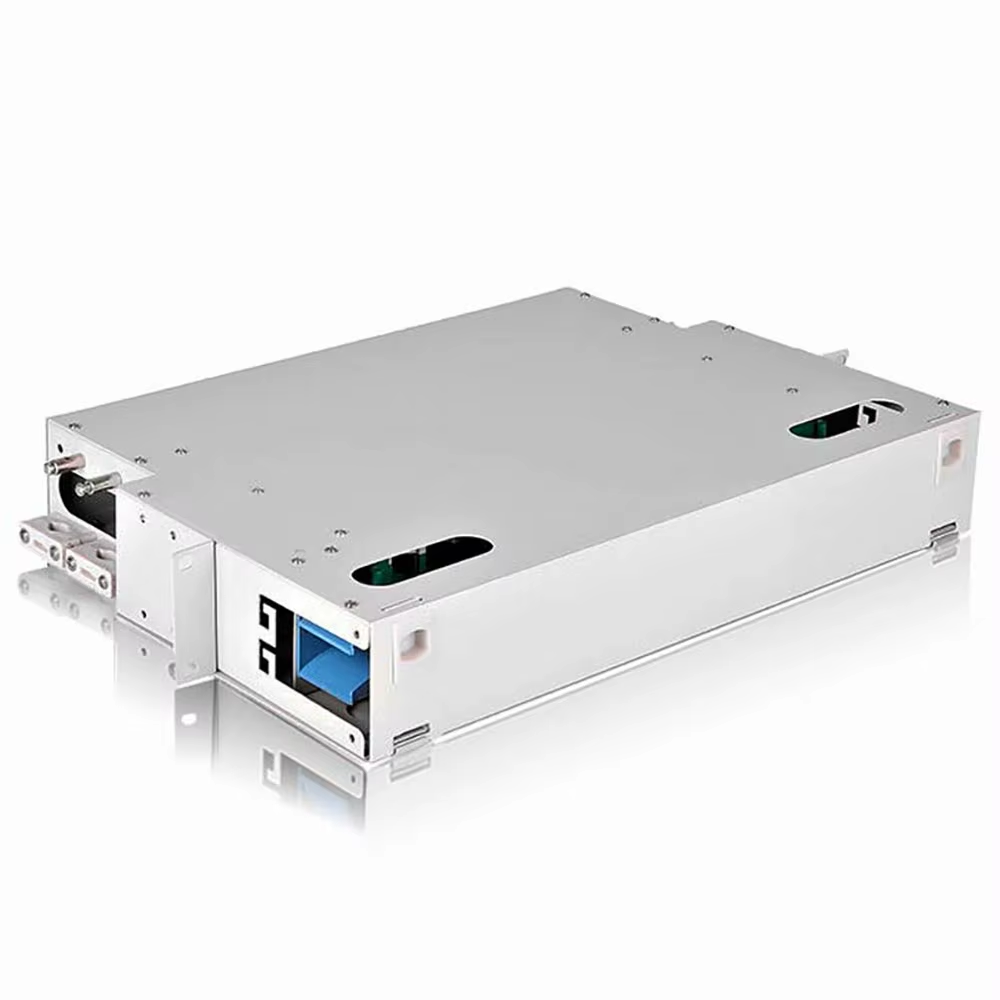
A rack cable pass through provides a dedicated opening for routing cables between different sections of a network rack or cabinet while maintaining a clean and organized installation. It helps guide patch cords, fiber optic cables, and power cables through structured pathways instead of allowing them to accumulate around equipment interfaces. Commonly used in data centers, telecom rooms, enterprise networks, and server cabinets, a rack cable pass through supports efficient cable organization without adding unnecessary complexity to the rack layout. By creating a defined routing point, it improves cable accessibility during maintenance, upgrades, and troubleshooting activities. The solution can also work alongside vertical and horizontal cable management systems to create a complete cabling infrastructure. Proper planning helps reduce congestion and supports future network expansion.
Get A Quote

Case Study

Data Center Rack Deployment

A data center was expanding its switching infrastructure and needed a more efficient method for routing cables between equipment groups. Rack cable pass through panels were installed at strategic positions within the cabinets to create dedicated pathways for patch cords and fiber connections. This arrangement reduced cable congestion around switch ports and improved accessibility for technicians performing maintenance tasks. The structured routing design also simplified cable tracing during troubleshooting procedures. As additional equipment was introduced, the existing pass through locations provided convenient expansion points for new connections. The installation helped maintain a cleaner rack appearance and supported more efficient cable management throughout the data center environment.

Enterprise Server Room Upgrade

An enterprise organization upgraded its server room with new patch panels, switches, and storage equipment. Existing cable routing methods were creating crowded areas around equipment interfaces, making future modifications difficult. Rack cable pass through solutions were integrated into the cabinet design to establish clear cable entry and exit points. Technicians could guide cables through organized pathways and connect devices without excessive cable overlap. The improved structure reduced maintenance time and made it easier to identify individual connections. Additional routing space was reserved for future equipment installations. This approach provided a scalable and practical cable management solution for the growing network environment.

Telecom Network Expansion

A telecom facility required a structured method for routing large volumes of fiber and copper cabling between network equipment. Rack cable pass through panels were deployed to separate cable pathways and improve overall rack organization. The installation team created dedicated routes for different cable groups, helping reduce congestion and simplify maintenance activities. Technicians could quickly access and identify connections during network modifications or service procedures. The design also supported future network growth by preserving available routing capacity. This solution proved effective in maintaining an organized infrastructure while accommodating increasing cable density across multiple equipment cabinets within the telecommunications facility.

Related products

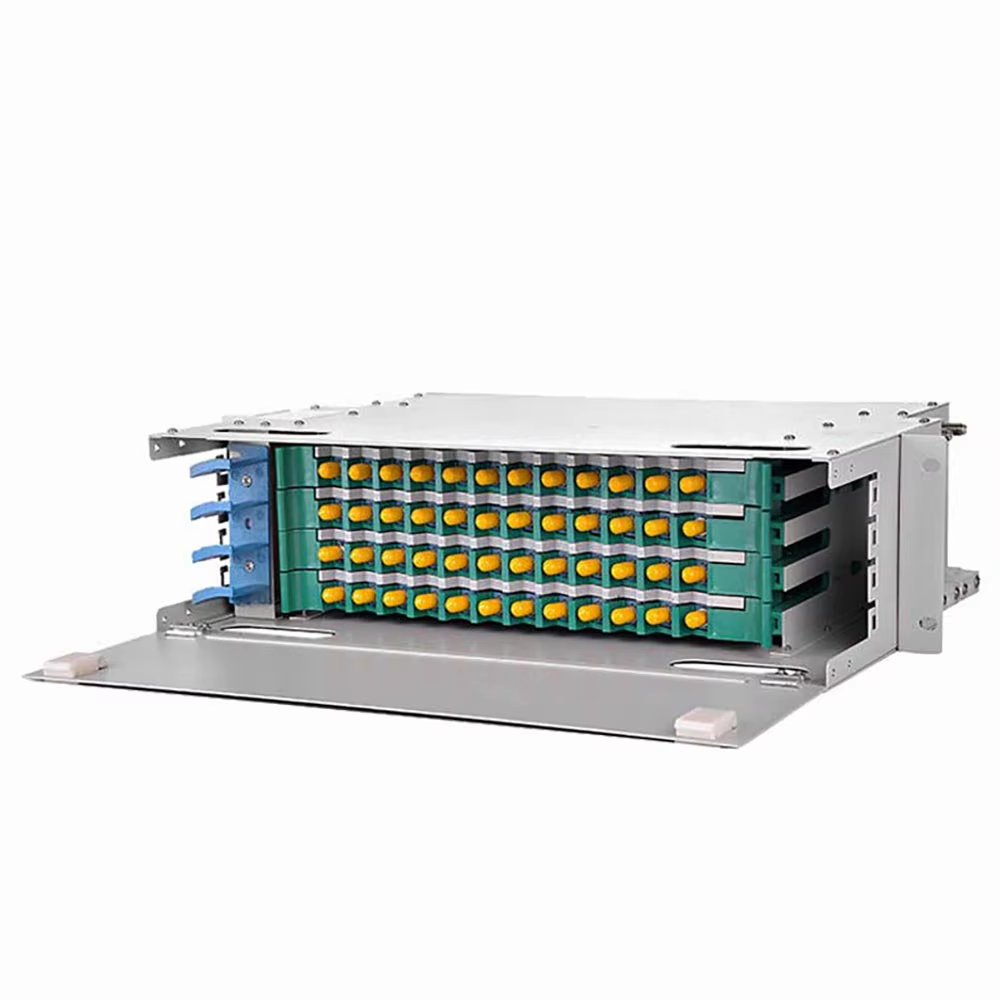
A rack cable pass through is designed to provide organized cable routing within network racks and cabinets. Installed in a standard rack position, it creates a designated pathway that allows cables to move between rack sections while supporting structured cable management practices. The solution can accommodate Ethernet patch cords, fiber optic cables, power cables, and other communication wiring depending on the installation requirements. It is widely used in data centers, telecom rooms, server rooms, enterprise networks, and structured cabling systems where cable organization is critical for operational efficiency. By reducing cable congestion around active equipment, a rack cable pass through improves accessibility and simplifies maintenance procedures. It can also complement vertical and horizontal cable management systems to create a more comprehensive infrastructure design. Proper integration supports both current operational requirements and future expansion plans.

Frequently Asked Questions

What is a rack cable pass through?

A rack cable pass through is a cable management component that provides an organized opening for routing cables between sections of a network rack or cabinet. It helps maintain structured cable pathways and improves accessibility around equipment connections.
Depending on the design, it can support Ethernet cables, fiber optic cables, patch cords, power cables, and other communication wiring. Cable size, quantity, and routing requirements should be considered when selecting the appropriate solution.
They are commonly used in data centers, telecom rooms, enterprise server rooms, network cabinets, and structured cabling installations. They are particularly useful in environments with high cable density and frequent infrastructure changes.
It creates dedicated cable routing points that reduce congestion around equipment interfaces. Organized pathways make cables easier to identify, trace, and maintain, helping technicians perform upgrades and troubleshooting more efficiently.
Consider rack dimensions, cable volume, cable types, routing direction, and compatibility with existing cable management systems. The selected design should support both current cabling needs and anticipated future network growth.

Related article

G.657.A2 Single-Mode Fiber for Reliable High-Speed Optical Networks

09

May

G.657.A2 Single-Mode Fiber for Reliable High-Speed Optical Networks

G.657.A2 single-mode fiber offers excellent bend performance, stable transmission, and flexible installation for FTTH, indoor cabling, access networks, and high-speed optical communication systems.
View More
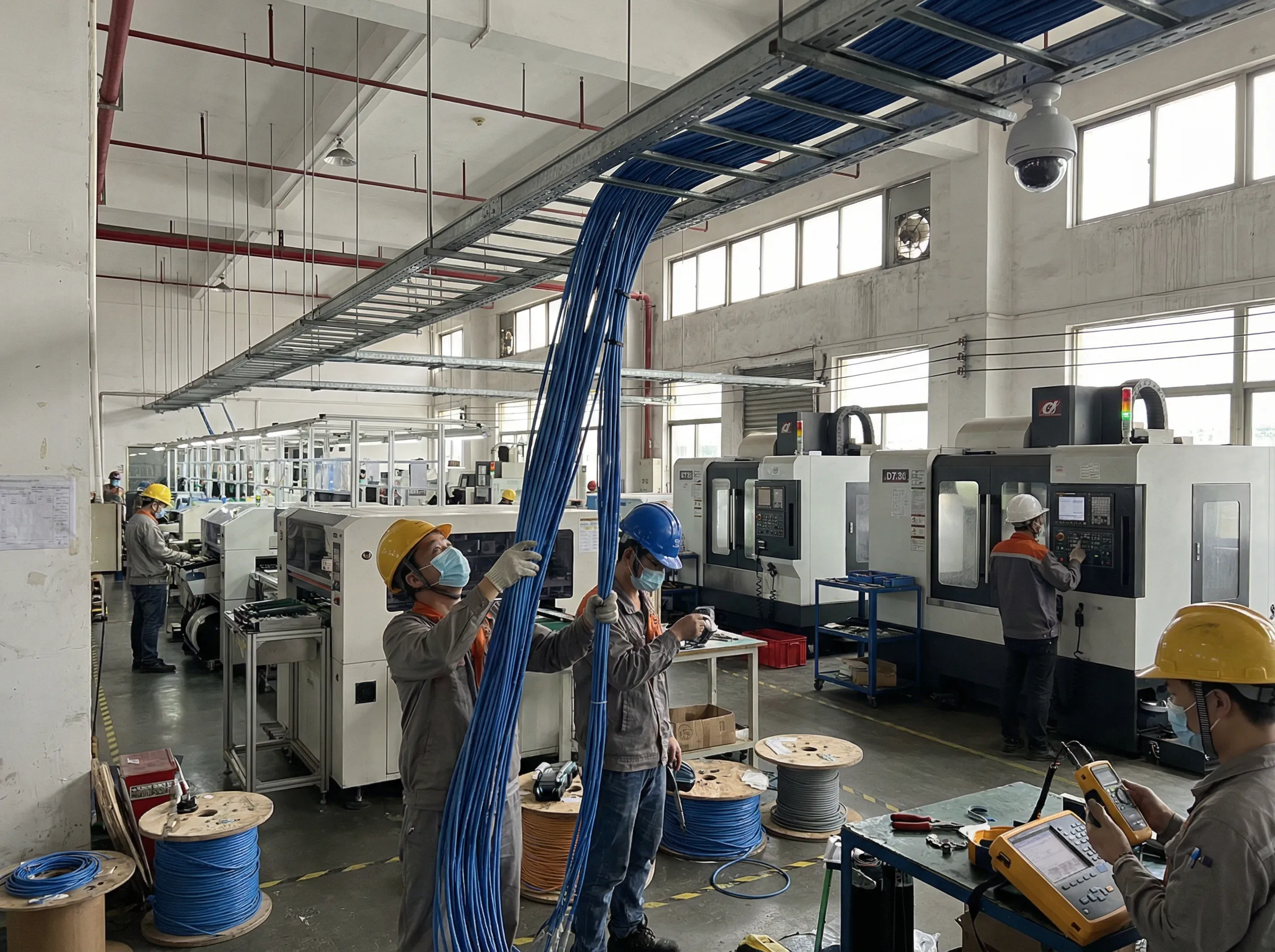
Bulk cable deployment for campus network construction.

13

Aug

Bulk cable deployment for campus network construction.

Deploying bulk fiber optic and structured copper cabling across a university campus, corporate park, or large institutional facility is vastly different from installing localized runs in a single server room or small office. Campus environments req...
View More
What Is the Difference Between LAN Cable and WAN Cable?

01

Sep

What Is the Difference Between LAN Cable and WAN Cable?

Understanding LAN Cable: Types, Standards, Performance, and How to Choose the Right Cable What Is a LAN Cable and Why Is It Important for Modern Networks? A LAN cable is a physical network cable used to connect computers, servers, switches, routers...
View More
MPO connector material affects signal transmission.

22

Sep

MPO connector material affects signal transmission.

MPO Connector Guide: Materials, Performance, and Selection for High-Density Fiber Networks What Is an MPO Connector and Why Is It Important? An MPO connector (Multi-fiber Push On connector) is a high-density fiber optic connector designed to connec...
View More

Customer Testimonials

David Wilson

The rack cable pass through improved the appearance of our cabinets and made cable routing significantly easier. Technicians can now access connections quickly without working through crowded cable bundles.

Kevin Brooks

We installed pass through panels across several network racks during an upgrade project. The organized pathways simplified maintenance and provided additional routing capacity for future equipment installations.

Get a Free Quote

Our representative will contact you soon.
Email
Mobile/WhatsApp
Name
Company Name
Message
0/1000
Improved Cable Accessibility

Improved Cable Accessibility

A rack cable pass through helps create a more accessible rack environment by providing designated cable routing points between equipment sections. Instead of allowing cables to spread across active equipment areas, installers can guide them through structured openings that maintain a cleaner layout. This organization improves visibility around switches, patch panels, and servers while making maintenance procedures more efficient. Technicians can identify and trace individual cable routes with less effort, reducing the time required for troubleshooting and upgrades. The approach is particularly beneficial in high-density network environments where cable management plays a critical role in operational efficiency and long-term infrastructure maintenance.
Flexible Infrastructure Integration

Flexible Infrastructure Integration

Rack cable pass through solutions can be integrated into a wide variety of rack and cabinet configurations. They work alongside vertical and horizontal cable management systems to create comprehensive routing structures that support different cabling requirements. Whether handling fiber optic connections, Ethernet patch cords, or power cables, the pass through design provides flexibility for changing network layouts. Installers can position routing points according to equipment placement and operational requirements, helping maintain consistent cable organization throughout the rack. This flexibility supports both initial installations and ongoing infrastructure modifications, making rack cable pass through panels valuable components in modern network environments.
Supports Scalable Network Growth

Supports Scalable Network Growth

As network infrastructure expands, additional cables and equipment can place significant demands on existing rack layouts. A rack cable pass through helps address this challenge by establishing organized routing pathways that can accommodate future growth. New connections can be integrated into existing cable management structures rather than creating uncontrolled cable bundles. This approach simplifies expansion projects and helps preserve accessibility around active equipment. By planning cable routing capacity during the initial installation, organizations can reduce future maintenance complexity and support more efficient infrastructure development. The result is a scalable and manageable cabling environment that remains organized as network requirements continue to evolve.

Get a Free Quote

Our representative will contact you soon.
Email
Mobile/WhatsApp
Name
Company Name
Message
0/1000