Two-Phase Direct to Chip Cooling: AI & HPC Thermal Solution

All Categories
Advanced Two-Phase Thermal Management for AI and HPC

Advanced Two-Phase Thermal Management for AI and HPC

Two phase direct to chip cooling is a liquid cooling approach that uses a phase change to remove heat directly from high-power processors. Instead of keeping the coolant entirely in a liquid state, the working fluid absorbs heat at the chip interface and changes phase, typically from liquid to vapor. The vapor then travels through the cooling circuit before condensing and returning for reuse. This architecture can provide efficient heat transfer for CPUs, GPUs, and accelerators operating under demanding workloads. A system may include specialized cold plates or evaporators, condensers, pumps, reservoirs, manifolds, tubing, controls, and monitoring components. It is particularly relevant to AI, HPC, data centers, and other high-density computing environments with substantial and concentrated thermal loads.
Get A Quote

Case Study

AI Accelerator Thermal Management

An AI infrastructure project required a cooling method for accelerator systems operating with high and continuously varying thermal loads. A two phase direct to chip cooling architecture was considered to transfer heat directly from the processor into a phase-change cooling loop. The cooling module was designed around the accelerator package and connected to the vapor and liquid circulation paths. Condensation equipment returned the working fluid to the cooling circuit after heat absorption. System planning considered thermal load, operating pressure, fluid properties, condenser capacity, and equipment layout. This approach provided a dedicated chip-level heat-transfer path for high-density accelerator hardware where conventional air cooling presented increasing thermal-management challenges.

HPC Processor Cooling

A high-performance computing platform was evaluating liquid cooling for processors running extended computational workloads. Two phase direct to chip cooling was integrated into selected computing nodes to transfer heat through evaporation and condensation rather than relying exclusively on single-phase liquid circulation. The cooling design incorporated chip-level thermal interfaces, fluid distribution components, and a condenser connected to the broader heat-rejection infrastructure. Engineers evaluated operating pressure, fluid compatibility, heat flux, and vapor management during system planning. Multiple processors could be connected to a shared cooling architecture depending on the required capacity. The configuration offered a specialized approach for managing concentrated processor heat in dense HPC environments.

High-Density Data Center Deployment

A data center was preparing for higher rack densities driven by AI and accelerated computing workloads. A two phase direct to chip cooling solution was evaluated for selected high-power servers while conventional air cooling remained available for lower-density equipment. The system transferred heat at the processor level and used condensation equipment to return the working fluid for continued operation. Rack-level integration included organized fluid connections, monitoring points, and service access. The deployment was planned around processor thermal loads, rack density, facility heat rejection, and cooling loop requirements. This phased strategy allowed the facility to evaluate two-phase cooling for demanding racks without immediately converting its entire infrastructure.

Related products

A two phase direct to chip cooling system uses phase-change heat transfer to remove thermal energy directly from CPUs, GPUs, or other high-power semiconductor devices. A working fluid absorbs heat at the chip-level cooling interface and transitions from liquid to vapor. The vapor then moves toward a condenser, where heat is rejected and the fluid returns to the cooling circuit. Depending on the architecture, the system may include evaporators or specialized cold plates, condensers, reservoirs, manifolds, pumps, control valves, sensors, and monitoring equipment. System design should consider heat flux, operating pressure, fluid characteristics, thermal load, condensation capacity, flow behavior, materials compatibility, and maintenance requirements. This technology can be considered for AI servers, HPC systems, data centers, and other high-density computing applications.

Frequently Asked Questions

What is two phase direct to chip cooling?

Two phase direct to chip cooling uses a working fluid that changes from liquid to vapor while absorbing heat directly from a processor. The vapor is then condensed back into liquid and returned through the cooling circuit. This phase-change process provides a chip-level heat-transfer mechanism for high-density computing applications.
A cooling fluid reaches an evaporating interface positioned near the CPU, GPU, or accelerator. Heat from the processor causes the fluid to change phase and form vapor. The vapor travels to a condenser where heat is rejected, allowing the fluid to return to liquid form and continue through the cooling cycle.
Depending on the design, components can include chip-level evaporators or cold plates, condensers, reservoirs, manifolds, pumps, valves, tubing, sensors, and control equipment. The architecture varies according to the working fluid, operating pressure, processor thermal load, rack configuration, and facility heat-rejection requirements.
Two-phase cooling can be considered for high-power GPU and accelerator systems when the cooling architecture is properly matched to the processor and working fluid. Important design factors include heat flux, operating pressure, fluid compatibility, vapor management, condenser capacity, and system safety. Application-specific engineering is required for reliable deployment.
Key considerations include processor thermal load, heat flux, working-fluid properties, operating pressure, evaporator design, condenser capacity, materials compatibility, fluid containment, monitoring, and maintenance requirements. The cooling system should also be evaluated against rack density and facility heat-rejection infrastructure to ensure that the complete thermal architecture is appropriately sized.

Related article

Fiber Optic Patch Panel: High-Density Modular Rack-Mount Solution for Reliable Network Management

21

May

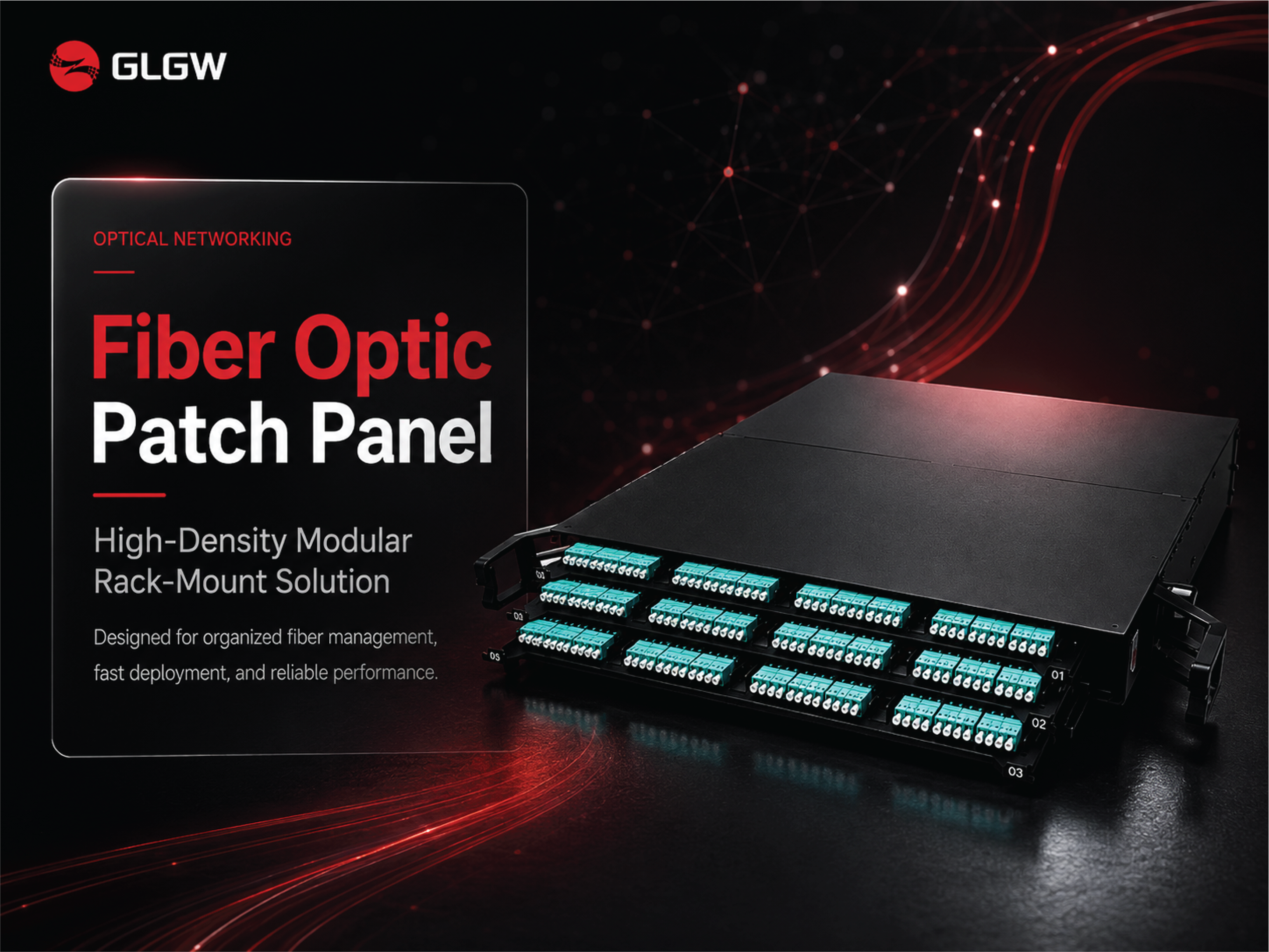
Fiber Optic Patch Panel: High-Density Modular Rack-Mount Solution for Reliable Network Management

Discover how a high-density fiber optic patch panel improves cable organization, network reliability, scalability, and maintenance for data centers, telecom, FTTX, and enterprise networks.
View More
How to maintain patch cord for stable connection?

15

Jun

How to maintain patch cord for stable connection?

Daily visual inspection and routine troubleshooting of patch cord For anyone managing office networks, data centers or large-scale communication systems, patch cord maintenance is never a trivial task. Over my sixteen years working in the global s...
View More
How to classify data cables by usage scenarios?

14

Jul

How to classify data cables by usage scenarios?

Real World Field Experiences with Multi Environment Network Deployments During a comprehensive network migration for a financial headquarters last spring, our deployment crew encountered major connectivity dropouts across different operational floo...
View More
What Connector Types for Ethernet Patch Cable?

18

Jul

What Connector Types for Ethernet Patch Cable?

Real World Field Challenges with Commercial Network Overhauls During a massive network overhaul for an e-commerce fulfillment hub last year, my deployment team faced an unexpected wave of packet drops and intermittent link drops across the main pac...
View More

Customer Testimonials

Jason Miller

The two-phase cooling concept gave our engineering team a direct approach for managing concentrated accelerator heat. The chip-level architecture was particularly useful during our high-density server evaluation.

Kevin Foster

We evaluated two-phase cooling for HPC processors and found the phase-change architecture interesting for high heat-flux applications. System integration and monitoring were key parts of our design process.

Get a Free Quote

Our representative will contact you soon.
Email
Mobile/WhatsApp
Name
Company Name
Message
0/1000
Phase-Change Heat Transfer

Phase-Change Heat Transfer

Two phase direct to chip cooling uses evaporation and condensation to transfer heat from a processor into a controlled cooling system. At the chip-level interface, the working fluid absorbs thermal energy and changes from liquid to vapor. Because phase change can transport substantial heat through the cooling circuit, the architecture is relevant to processors with concentrated thermal loads. The resulting vapor travels toward a condenser, where heat is rejected and the fluid returns to liquid form. System performance depends on working-fluid properties, operating pressure, heat flux, evaporator structure, and condenser capacity. This creates a fundamentally different thermal-management approach from conventional single-phase liquid cooling, where the coolant remains in the liquid state throughout the primary heat-transfer process.
Direct Cooling for High Heat Flux

Direct Cooling for High Heat Flux

High-performance CPUs, GPUs, and accelerators can generate concentrated heat at the processor package, making the chip-to-coolant interface an important part of the cooling architecture. Two phase direct to chip cooling addresses this requirement by positioning the phase-change interface close to the primary heat source. The evaporating fluid absorbs heat and produces vapor, while the condenser removes that thermal energy from the working fluid. System design must account for heat flux distribution, pressure conditions, fluid properties, surface characteristics, and vapor movement. These factors influence the selection of evaporator geometry and condensation equipment. When properly engineered, the architecture can provide a targeted cooling path for demanding AI and HPC workloads.
Scalable High-Density Computing

Scalable High-Density Computing

As AI and HPC systems introduce increasingly powerful processors, data center operators are evaluating cooling architectures capable of supporting higher rack-level thermal densities. Two phase direct to chip cooling can be integrated into selected high-performance servers or designed as part of a larger facility cooling strategy. Multiple chip-level cooling modules can connect to shared condensation and heat-rejection infrastructure according to the required system architecture. This allows cooling capacity to be planned around processor count, heat load, rack density, and operating conditions. A phased deployment can also allow facilities to apply two-phase technology to specialized high-density equipment while conventional air or single-phase liquid cooling remains in use elsewhere, supporting gradual infrastructure development.

Get a Free Quote

Our representative will contact you soon.
Email
Mobile/WhatsApp
Name
Company Name
Message
0/1000