Outdoor ODF Cabinet: Rugged Fiber Distribution for FTTH & Telecom

All Categories
Advantages of Outdoor ODF Cabinet

Advantages of Outdoor ODF Cabinet

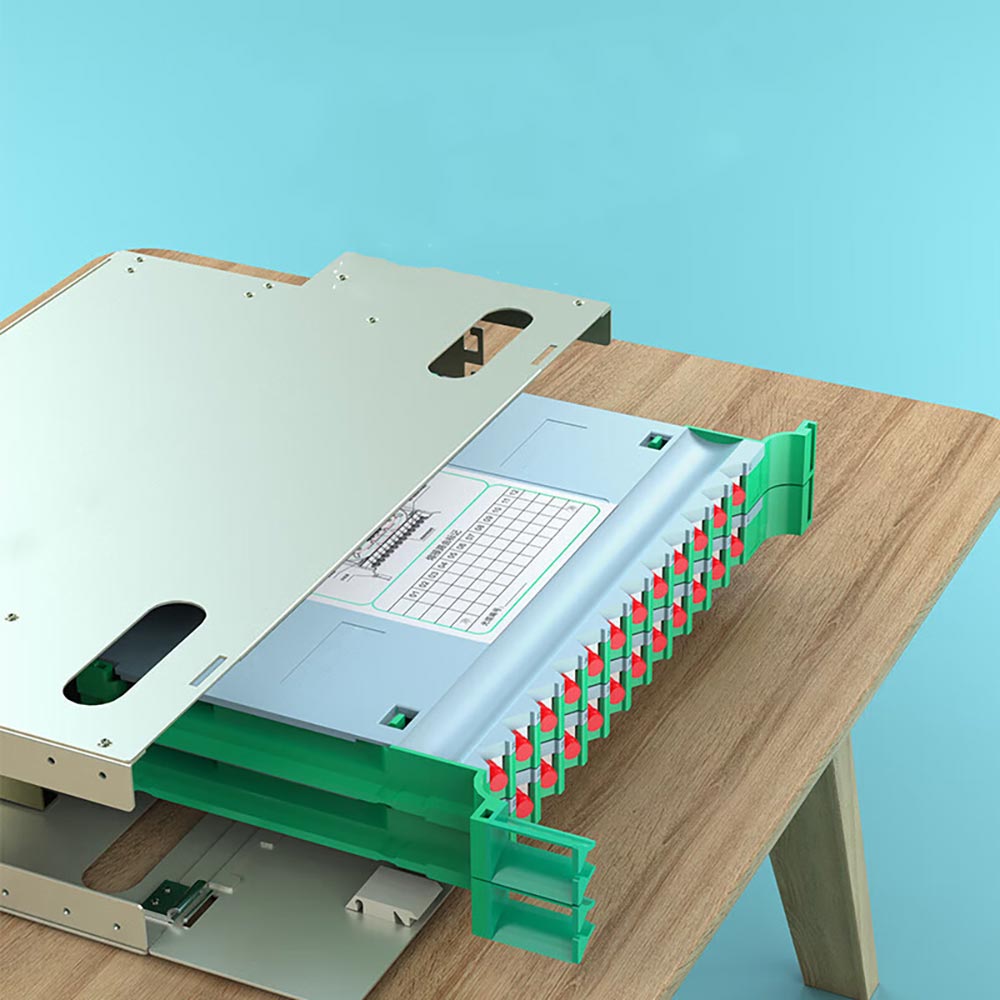
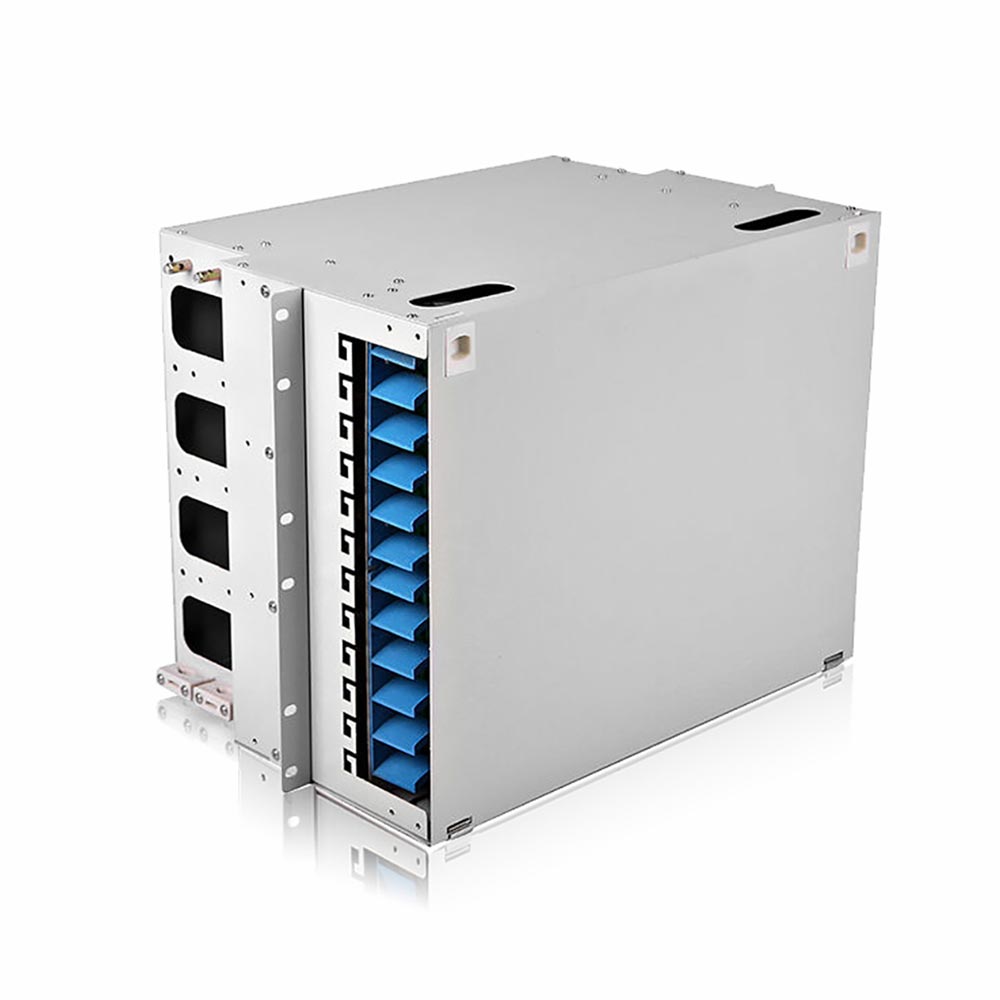
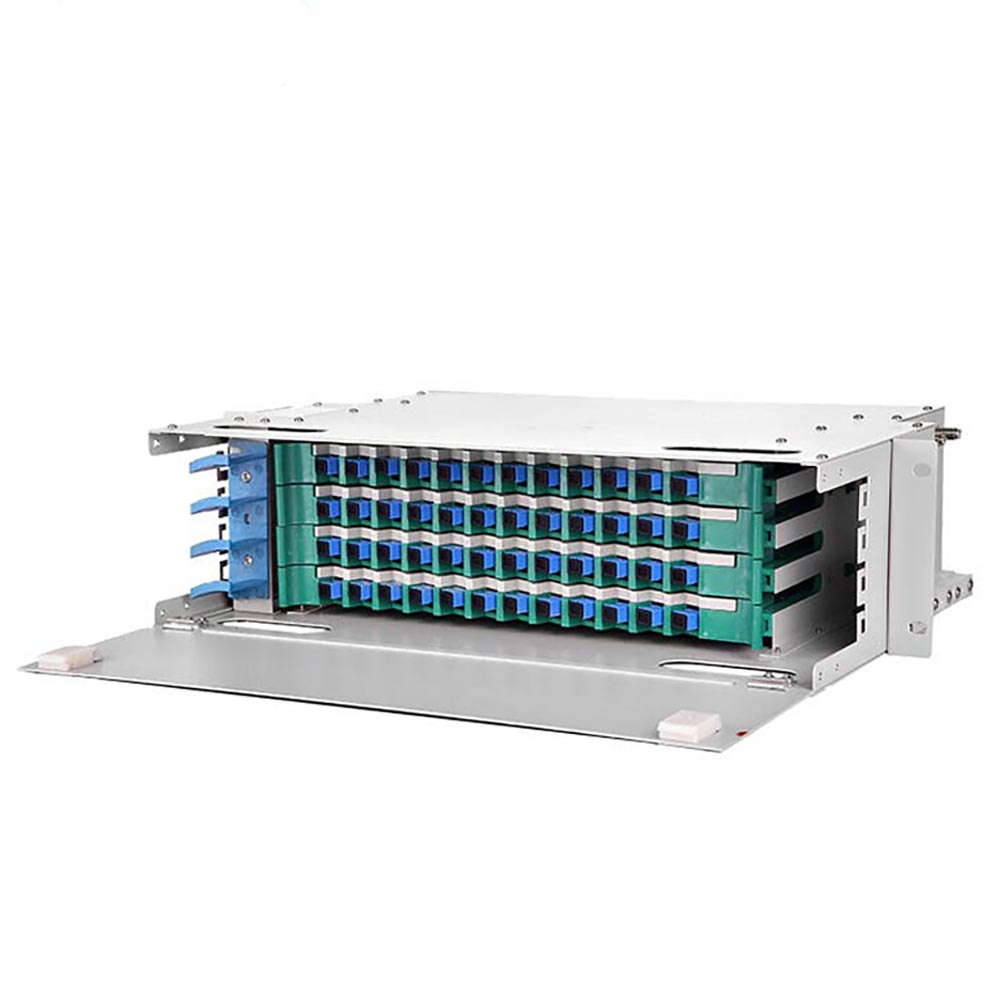
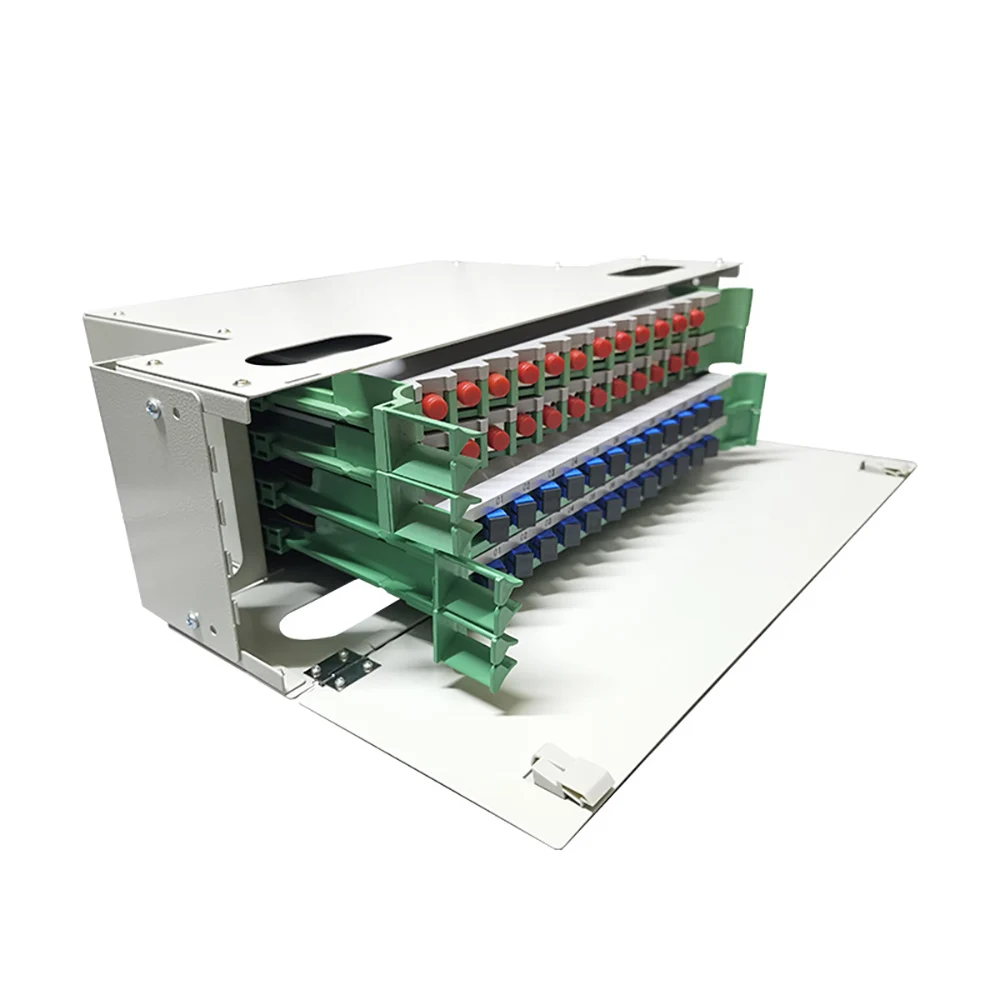
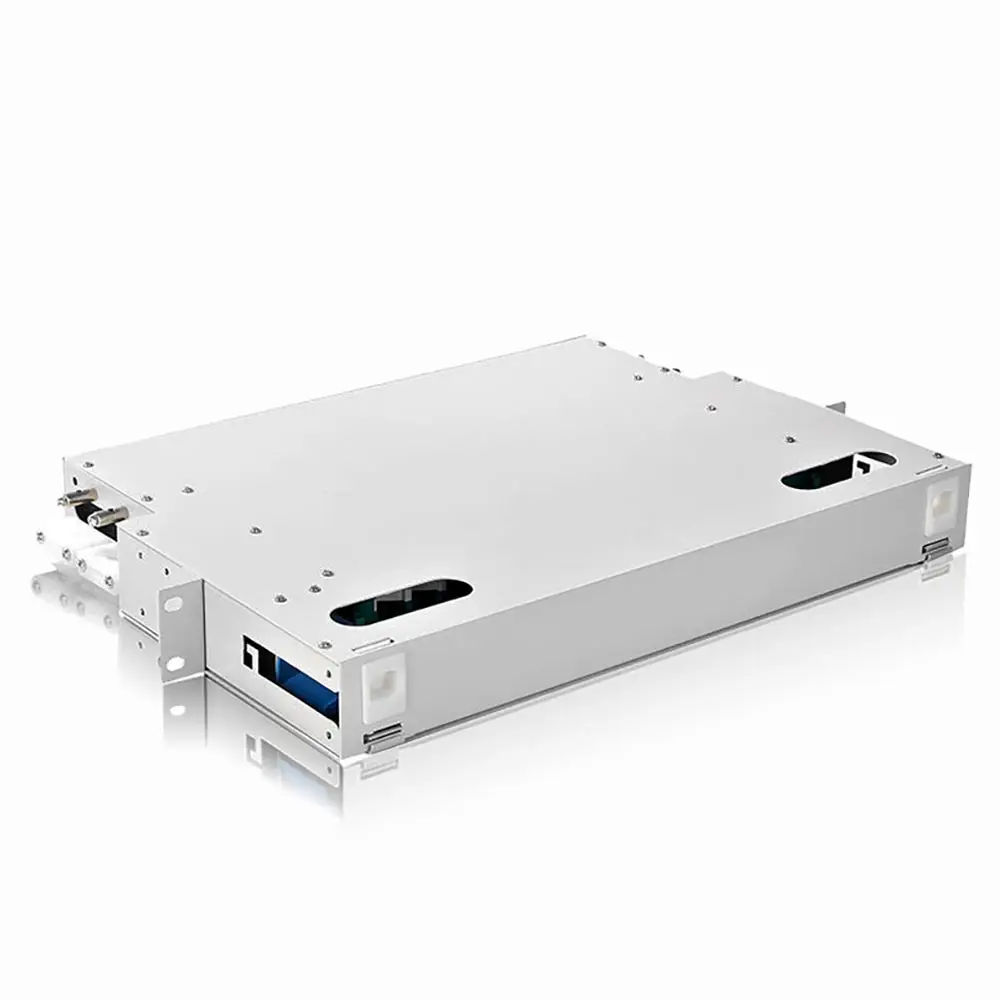
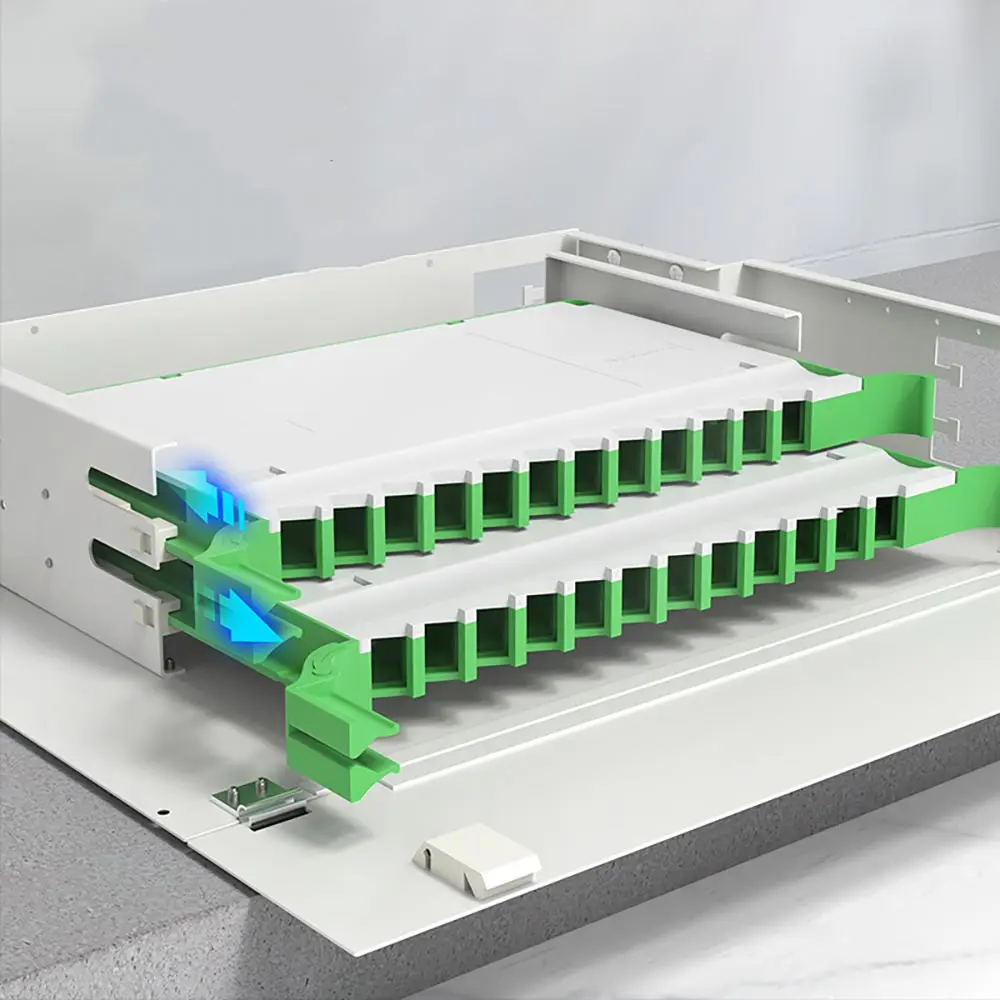
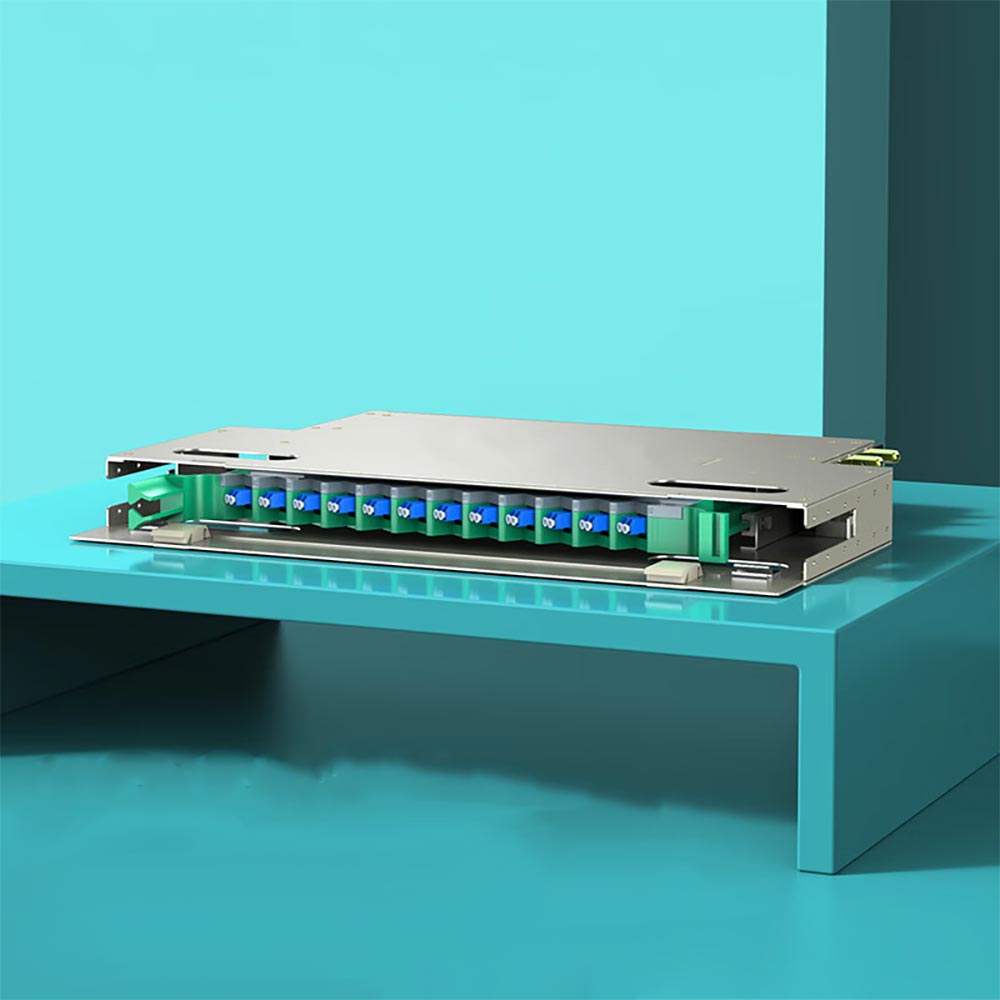
An outdoor ODF cabinet provides a protected and organized environment for fiber termination, splicing, patching, and distribution in outdoor communication networks. It can be configured for FTTH deployments, telecom access networks, fiber backbone connections, and outdoor network infrastructure where equipment must operate outside controlled indoor environments. Depending on the project, the cabinet can accommodate fiber splice trays, adapter panels, patching components, cable management systems, and other optical accessories. A suitable enclosure helps protect fiber connections from environmental exposure while keeping cable routing structured and accessible for technicians. Cabinet size, sealing structure, mounting method, fiber capacity, and internal layout can be selected according to installation requirements. This makes outdoor ODF cabinets practical for network operators and system integrators managing distributed fiber infrastructure.
Get A Quote

Case Study

FTTH Outdoor Distribution

An FTTH network can use an outdoor ODF cabinet as a centralized point for feeder fiber termination, splicing, and distribution. In a residential access project, the cabinet can organize incoming backbone cables and outgoing distribution fibers while providing protected access for technicians. For example, a cabinet serving several distribution routes can be configured with splice trays and adapter panels according to the required fiber count. Clear cable routing helps technicians identify individual connections during installation and maintenance. The enclosure can also be designed around the local installation environment, including pole-mounted, wall-mounted, or ground-mounted deployment requirements.

Telecom Fiber Network

Telecommunication operators can deploy outdoor ODF cabinets at access points where backbone and distribution fiber cables need to be terminated and managed outside a building. A properly arranged cabinet can separate incoming cables, splice areas, and patching connections to simplify network maintenance. For example, a regional fiber node may use an ODF cabinet to connect feeder cables with multiple downstream routes. Internal cable management helps reduce unnecessary fiber movement while providing technicians with a structured working area. Cabinet configuration can be selected according to fiber capacity, environmental conditions, mounting requirements, and future network expansion plans.

Outdoor Fiber Infrastructure

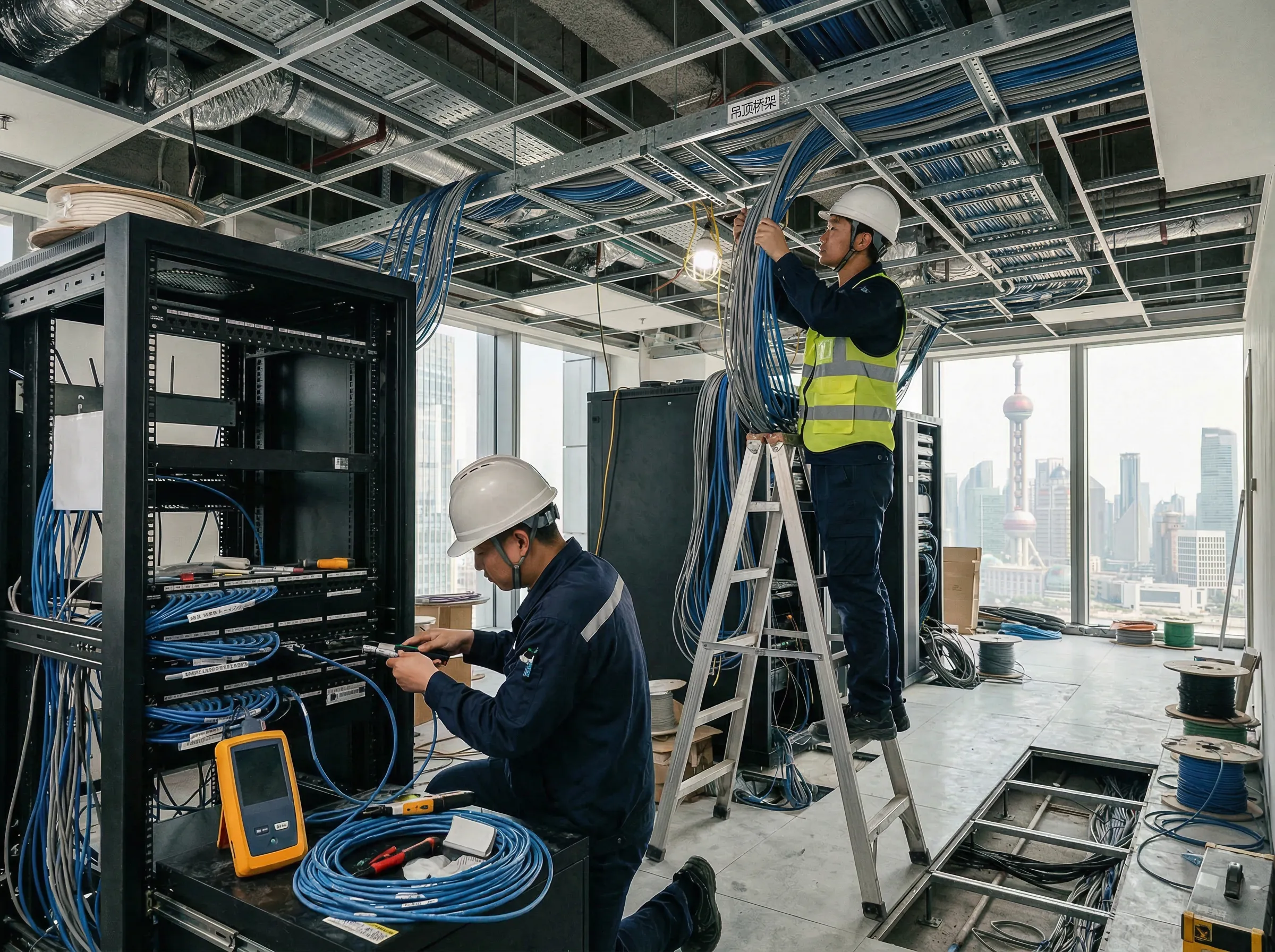
Outdoor fiber infrastructure often requires durable enclosures that can protect optical components while maintaining practical service access. An outdoor ODF cabinet can be positioned near roads, campuses, industrial facilities, or remote communication sites to manage fiber connections close to the network endpoint. Depending on the deployment, the cabinet can accommodate splice trays, adapters, patching modules, and cable storage. For a project with multiple fiber routes, organized internal routing can make troubleshooting and connection changes easier. Engineers should consider enclosure protection, cable entry design, installation location, fiber capacity, and maintenance access when planning the cabinet configuration.

Related products

An outdoor ODF cabinet is designed to provide structured protection and management for optical fiber connections in outdoor environments. It can be used for fiber termination, splicing, patching, and distribution in FTTH networks, telecom access systems, backbone infrastructure, campuses, industrial sites, and other outdoor communication applications. The cabinet can be configured with fiber splice trays, adapter panels, cable management components, and storage areas according to project requirements. When selecting an outdoor ODF cabinet, engineers should evaluate fiber capacity, enclosure dimensions, environmental protection, cable entry configuration, mounting method, splice requirements, and maintenance access. The internal layout should provide sufficient space for proper fiber routing and bend-radius management. Depending on the deployment, the cabinet may be adapted for pole, wall, or ground installation. A well-planned configuration helps keep optical connections organized while providing technicians with practical access for testing, maintenance, and network expansion.

Frequently Asked Questions

What is an outdoor ODF cabinet?

An outdoor ODF cabinet is an enclosure used to terminate, splice, patch, and distribute optical fibers outside buildings. It provides an organized space for fiber management and can be configured with splice trays, adapter panels, cable routing components, and other optical accessories according to the network design and installation environment.
Outdoor ODF cabinets can be used in FTTH networks, telecom access systems, fiber backbone infrastructure, campuses, industrial sites, and remote communication locations. They are suitable where optical connections need to be managed outside controlled indoor spaces. The cabinet configuration can be selected according to fiber capacity and installation conditions.
Installation depends on the cabinet design and project environment. Outdoor ODF cabinets can be configured for pole-mounted, wall-mounted, or ground-mounted applications. Before installation, engineers should consider cable entry, foundation or mounting structure, service clearance, fiber routing, environmental exposure, and access requirements to ensure practical long-term operation.
Important factors include fiber capacity, cabinet dimensions, environmental protection, cable entry design, splice tray configuration, adapter type, mounting method, and maintenance access. Engineers should also consider the installation location and future expansion requirements. The selected cabinet should provide sufficient internal space for organized fiber routing and component management.
Yes, an outdoor ODF cabinet can support FTTH infrastructure by providing a protected point for feeder fiber termination, splicing, patching, and distribution. It can be configured according to the fiber count and connection architecture. Proper internal routing and labeling can also make downstream maintenance and network expansion easier.

Related article

2026 Trends: Smart AI Needs Better Cables for Big Computer Buildings and Homes

08

May

2026 Trends: Smart AI Needs Better Cables for Big Computer Buildings and Homes

View More
LC-LC 12F OM4 Fiber Trunk Assembly for High-Density Data Centers

21

May

LC-LC 12F OM4 Fiber Trunk Assembly for High-Density Data Centers

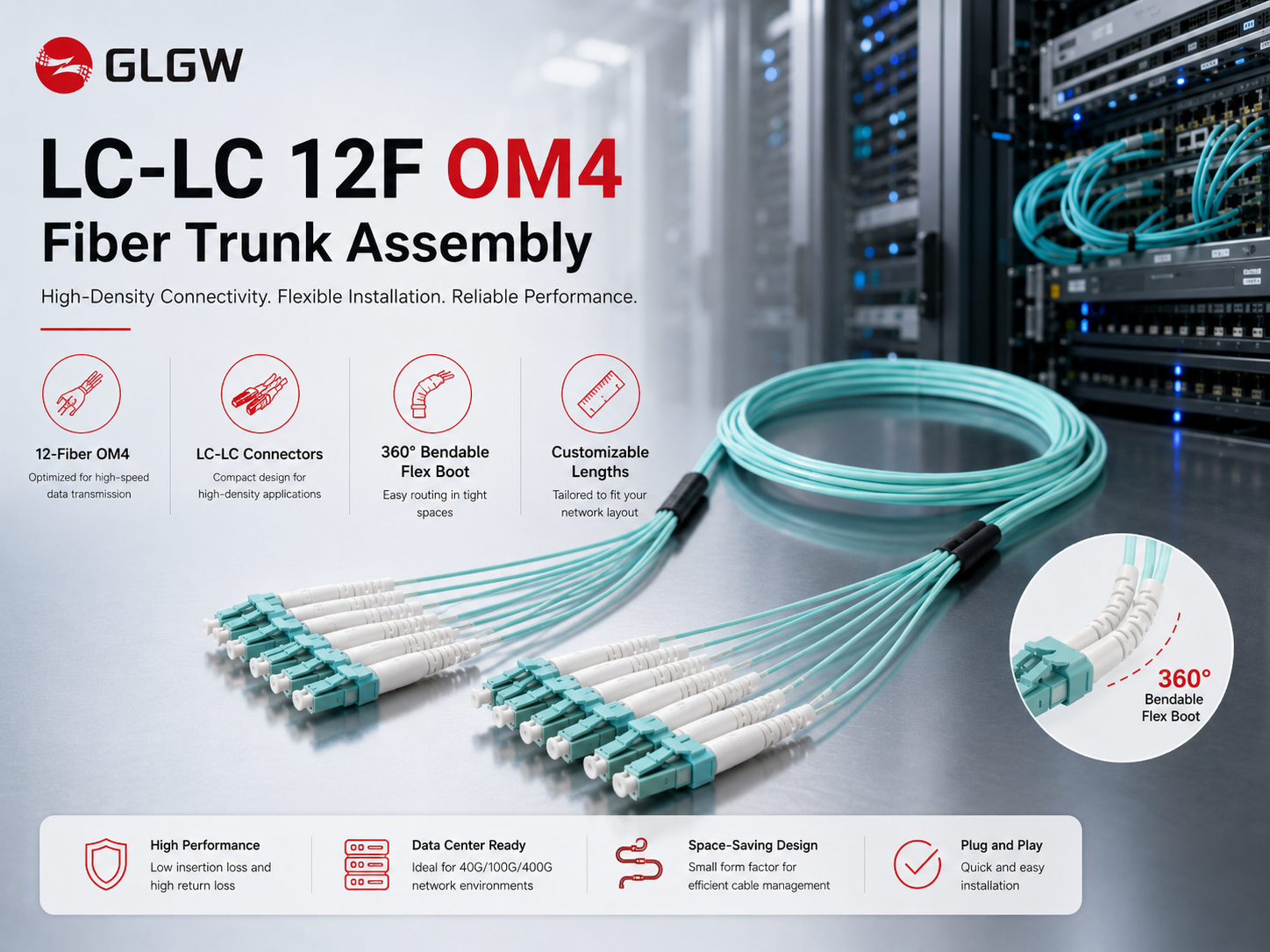
GLGW LC-LC 12F OM4 Fiber Trunk Assembly is designed for high-density data center connectivity, offering reliable performance, flexible installation, and clean cable management. With 12-fiber OM4 multimode fiber, LC-LC connectors, customizable lengths, and a 360° bendable flex boot, it provides an efficient solution for server racks, network cabinets, structured cabling systems, and modern data center infrastructure.
View More
How to classify data cables by usage scenarios?

14

Jul

How to classify data cables by usage scenarios?

Real World Field Experiences with Multi Environment Network Deployments During a comprehensive network migration for a financial headquarters last spring, our deployment crew encountered major connectivity dropouts across different operational floo...
View More
What Connector Types for Ethernet Patch Cable?

18

Jul

What Connector Types for Ethernet Patch Cable?

Real World Field Challenges with Commercial Network Overhauls During a massive network overhaul for an e-commerce fulfillment hub last year, my deployment team faced an unexpected wave of packet drops and intermittent link drops across the main pac...
View More

Customer Testimonials

James Wilson

The cabinet provided a practical enclosure for our outdoor fiber distribution point. The internal layout made splice management and cable routing easier for technicians during installation and service work.

David Miller

We used the cabinet in an FTTH expansion project and appreciated the accessible fiber management space. Installation teams could organize feeder and distribution fibers without overcrowding the enclosure.

Get a Free Quote

Our representative will contact you soon.
Email
Mobile/WhatsApp
Name
Company Name
Message
0/1000
Protected Fiber Management

Protected Fiber Management

An outdoor ODF cabinet creates a structured environment for managing optical connections outside buildings. Fiber splice trays, adapter panels, patching components, and cable routing accessories can be arranged inside the enclosure according to project requirements. This organization helps separate incoming and outgoing fibers while providing technicians with practical access during installation and maintenance. Outdoor deployment can expose fiber infrastructure to changing environmental conditions, so enclosure construction and protection requirements should be considered during system planning. By combining protected component placement with organized cable routing, the cabinet can support cleaner installations and more manageable fiber infrastructure across FTTH, telecom, and other outdoor communication networks.
Flexible Installation Configurations

Flexible Installation Configurations

Outdoor ODF cabinets can be designed around different installation environments and mounting requirements. Depending on the project, configurations may support pole-mounted, wall-mounted, or ground-mounted deployment. Engineers can evaluate available space, cable approach, maintenance clearance, foundation conditions, and network routing before selecting the appropriate installation structure. Internal components can also be arranged according to fiber capacity and connection requirements. For example, an access network cabinet may require a different internal layout from a backbone distribution cabinet with higher fiber density. This flexibility allows the enclosure and optical management system to be planned together, helping create a practical installation for different outdoor fiber network scenarios.
Scalable Fiber Distribution

Scalable Fiber Distribution

An outdoor ODF cabinet can provide a centralized location for organizing feeder, distribution, and backbone fiber connections. The internal configuration can be selected according to current fiber requirements while considering potential network expansion. Splice trays, adapter panels, cable storage, and routing features can be combined to create a structured fiber management system. For an FTTH deployment, the cabinet can connect incoming feeder cables with multiple downstream distribution routes. In a telecom network, it can provide a service point between backbone infrastructure and access networks. Clear labeling and organized routing can make future connection changes easier while helping technicians locate and maintain individual fiber paths.

Get a Free Quote

Our representative will contact you soon.
Email
Mobile/WhatsApp
Name
Company Name
Message
0/1000