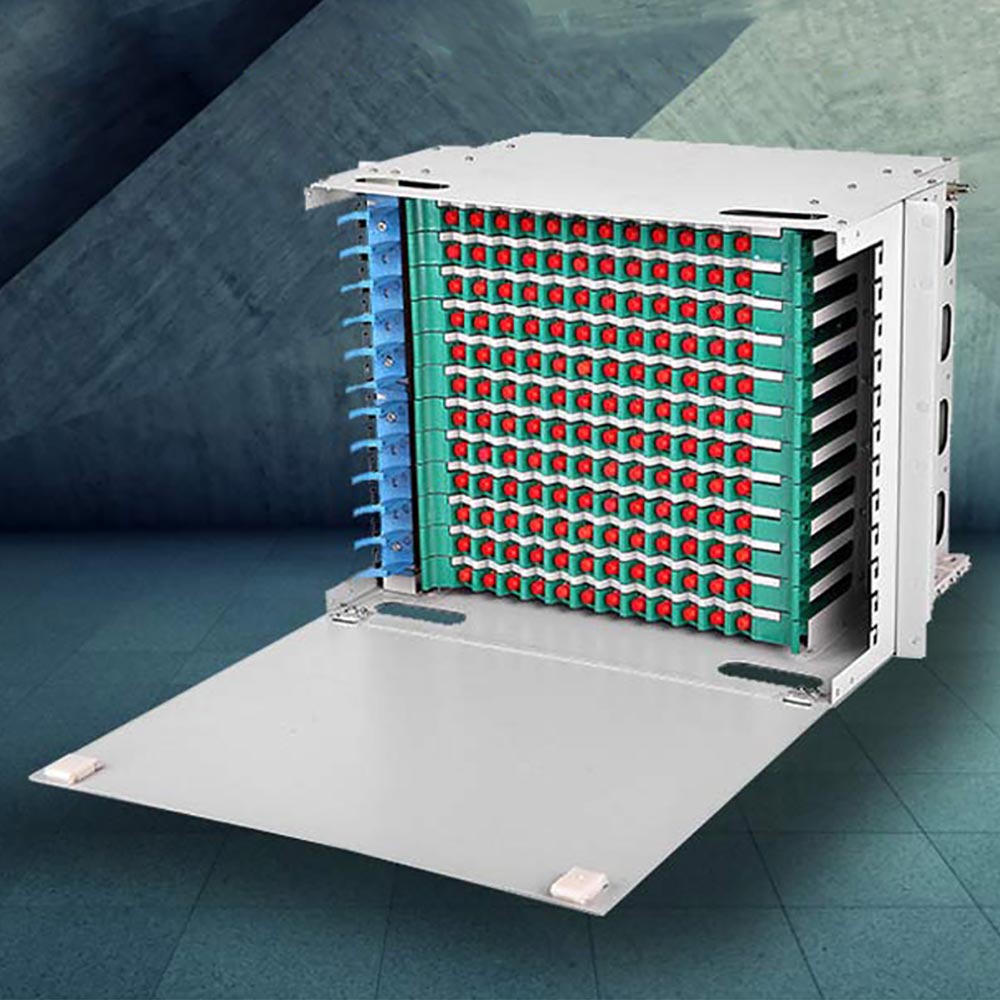
ODF 144 Port: High-Density Fiber Distribution Solution

All Categories
Advantages of ODF 144 Port

Advantages of ODF 144 Port

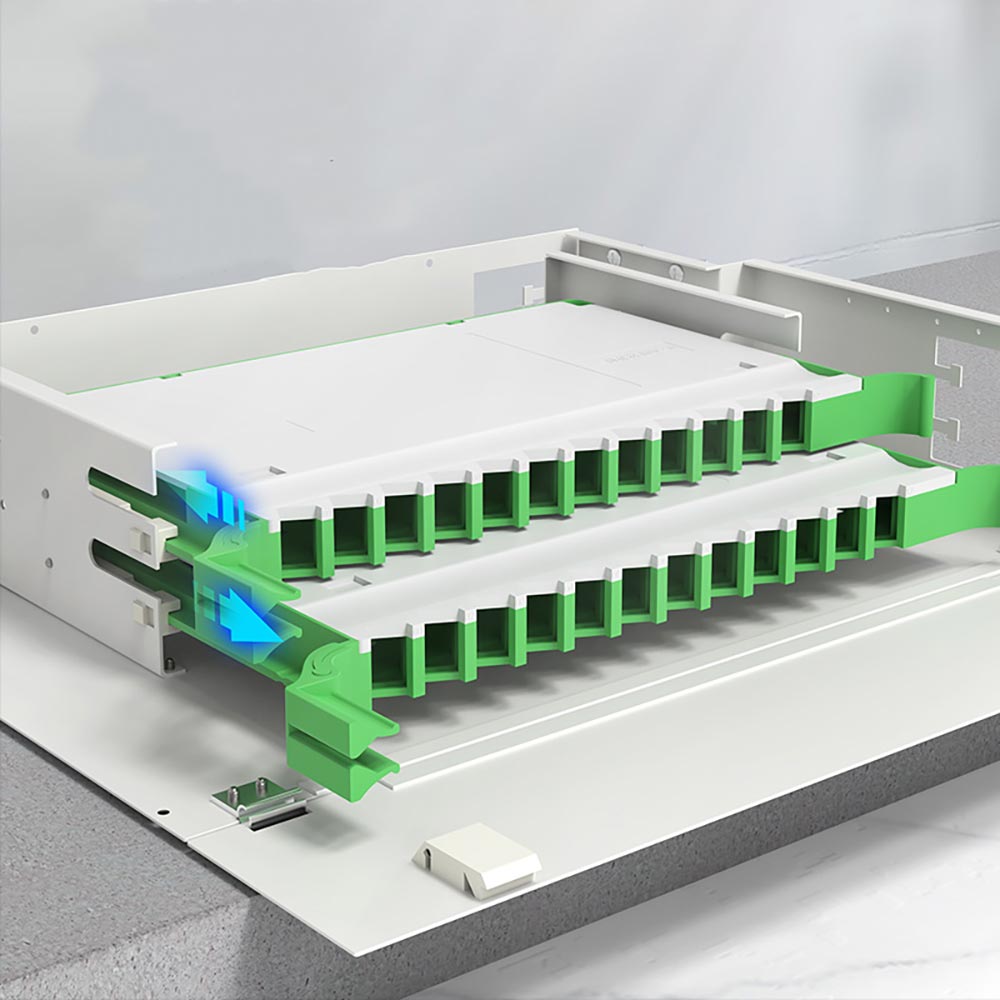
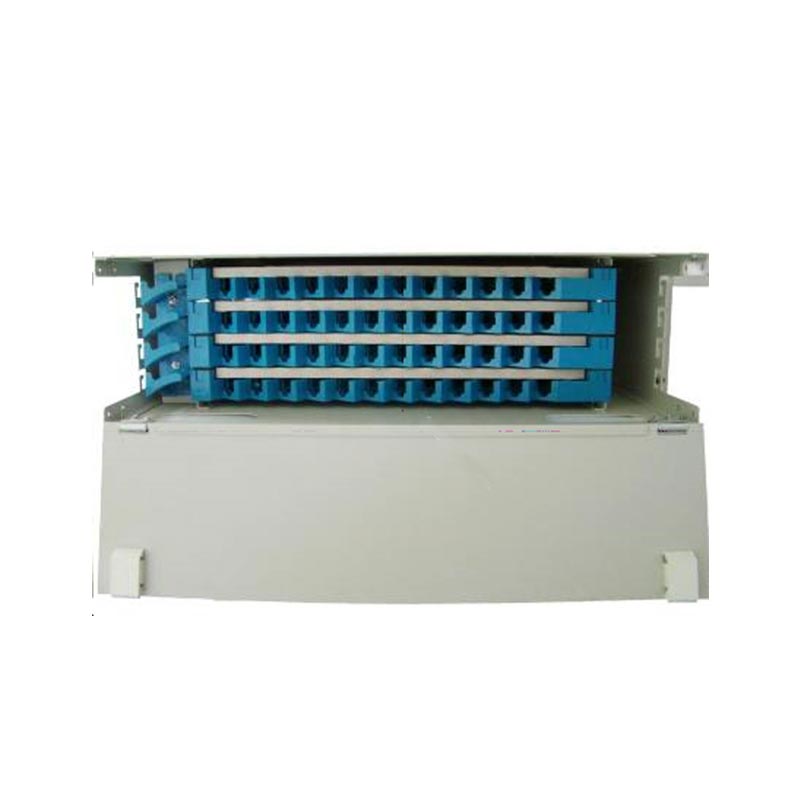
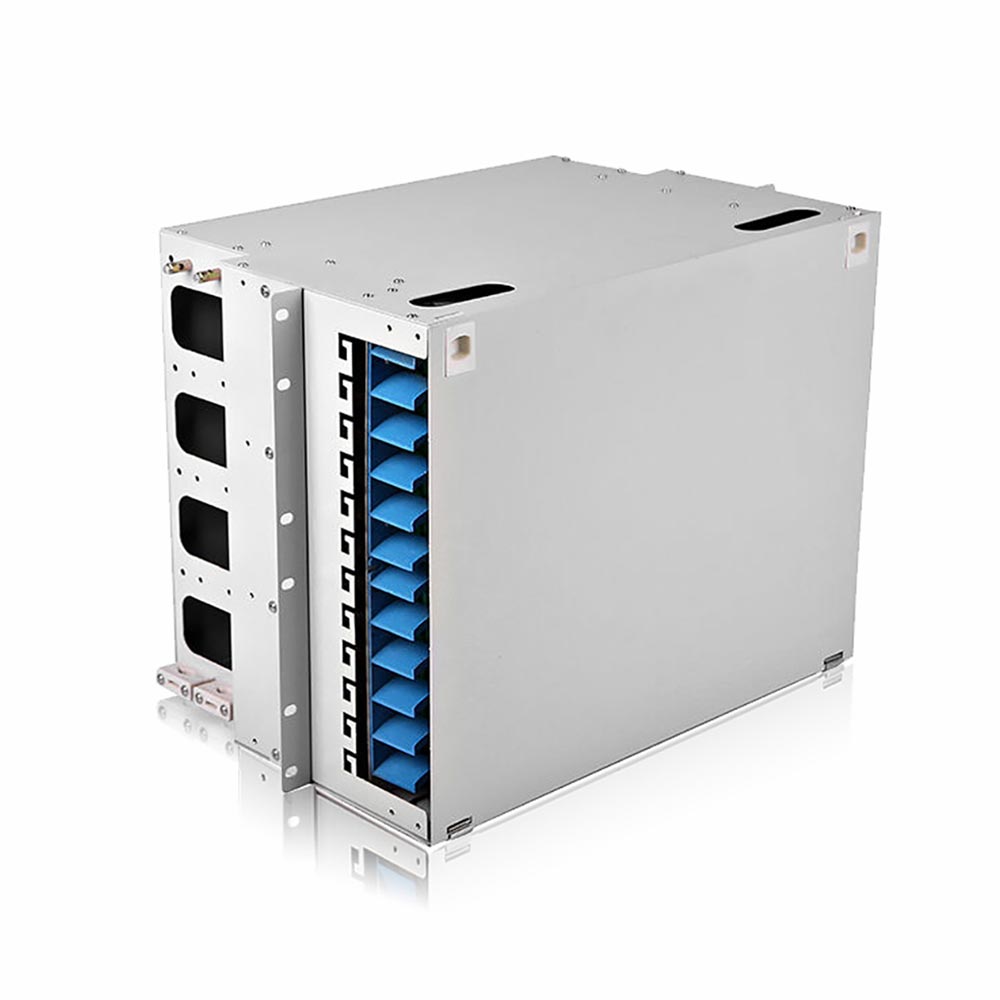
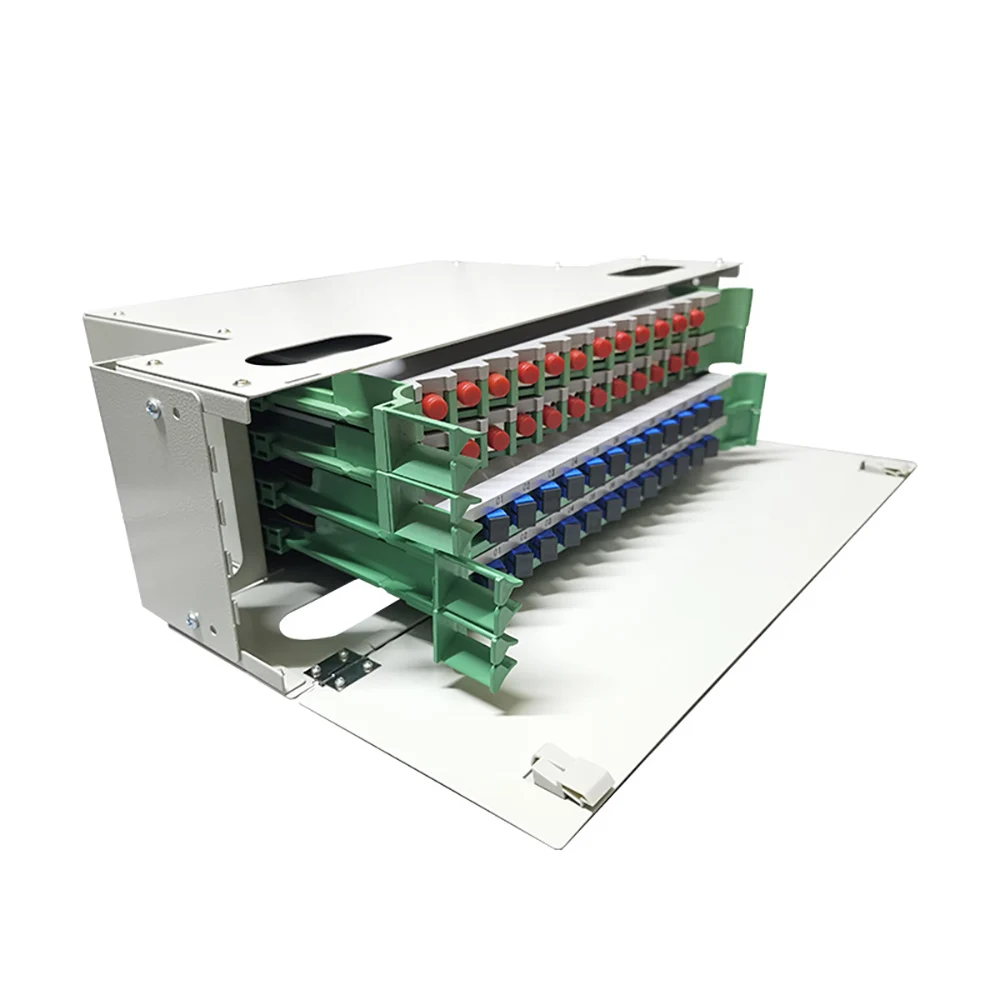
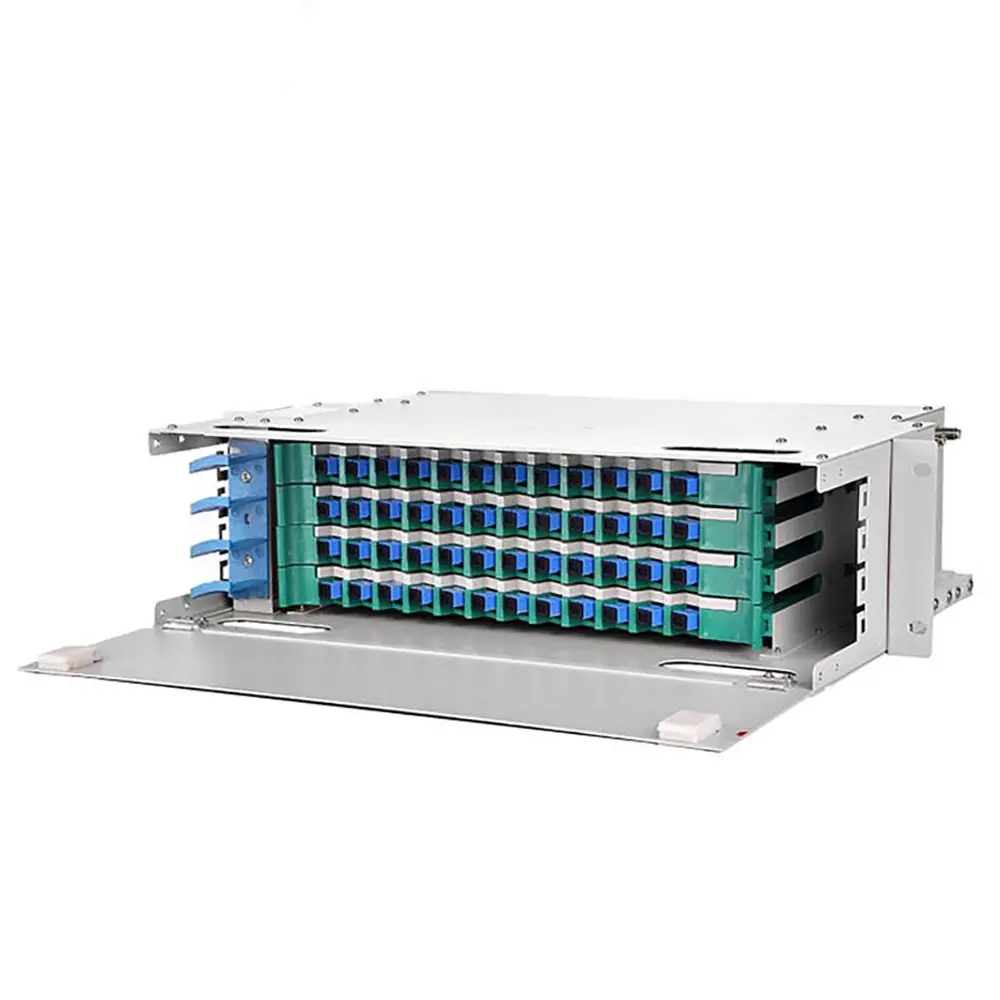
An ODF 144 port provides a high-density platform for terminating, organizing, splicing, and distributing optical fibers in data centers, telecom facilities, FTTH networks, and backbone infrastructure. With up to 144 connection positions in a configured application, it can help consolidate a large number of fiber links within a structured rack or cabinet environment. The internal arrangement can be adapted with adapter panels, splice trays, cable routing features, and fiber storage according to project requirements. A well-organized 144-port ODF can make port identification, testing, troubleshooting, and maintenance more manageable as network density increases. When selecting a configuration, engineers should consider fiber type, adapter interface, mounting dimensions, splice capacity, cable entry direction, bend-radius requirements, and future expansion. This supports efficient fiber infrastructure planning for high-density deployments.
Get A Quote

Case Study

Data Center Fiber Management

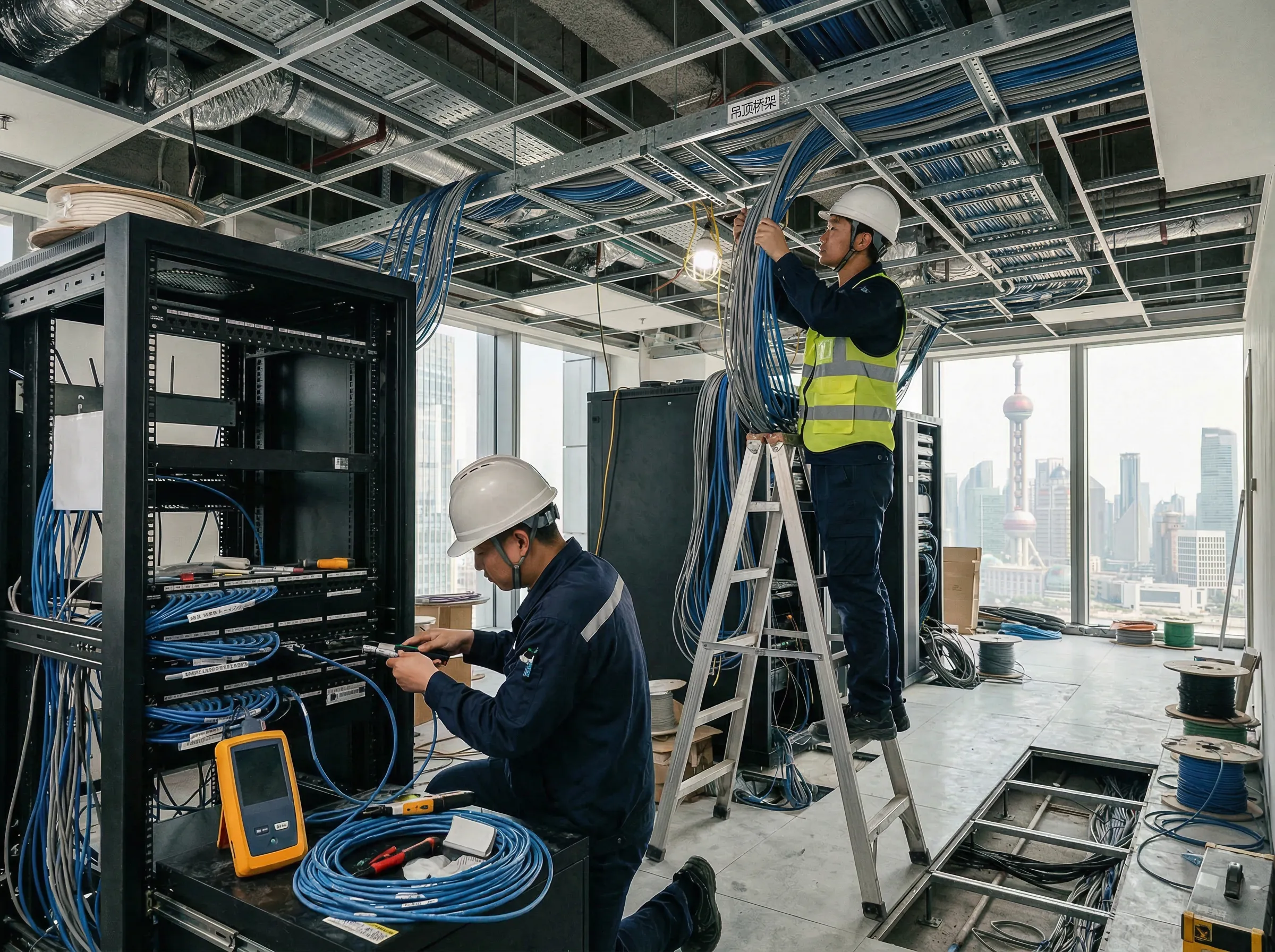
A high-density data center can use an ODF 144 port to consolidate multiple fiber connections between backbone cables, switches, patching systems, and equipment racks. For example, a centralized optical distribution area can organize up to 144 configured connection points while maintaining structured cable routing. Separate patching and splice areas can help technicians identify individual links during testing or maintenance. The high port capacity is useful when cabinet space needs to be used efficiently without installing multiple smaller termination units. Engineers can configure the ODF according to fiber type, adapter interface, rack dimensions, and the expected connection architecture of the data center.

Telecom Backbone Network

Telecom backbone networks often require centralized fiber termination points capable of handling large numbers of optical connections. An ODF 144 port can provide a structured interface for feeder cables, backbone fibers, and downstream distribution links. A network node handling several fiber routes can use organized splice and patching sections to simplify connection management. Technicians can access individual ports for testing or service changes without disturbing the entire fiber installation. Depending on the deployment, the ODF can be configured for different adapter types, cable entry arrangements, and fiber management layouts. This makes the 144-port format suitable for high-density communication infrastructure.

FTTH Distribution Hub

An FTTH distribution hub can use an ODF 144 port to organize feeder and distribution fibers in a centralized communication cabinet. For example, multiple incoming feeder cables can be routed to dedicated splice and termination areas before connecting to downstream distribution networks. A 144-port configuration provides substantial connection capacity while keeping fiber management within a defined enclosure footprint. Clear port labeling and structured routing can help installation teams identify service paths during testing and expansion. The final ODF configuration should consider fiber count, adapter requirements, splice capacity, cable routing, installation space, and expected future connections.

Related products

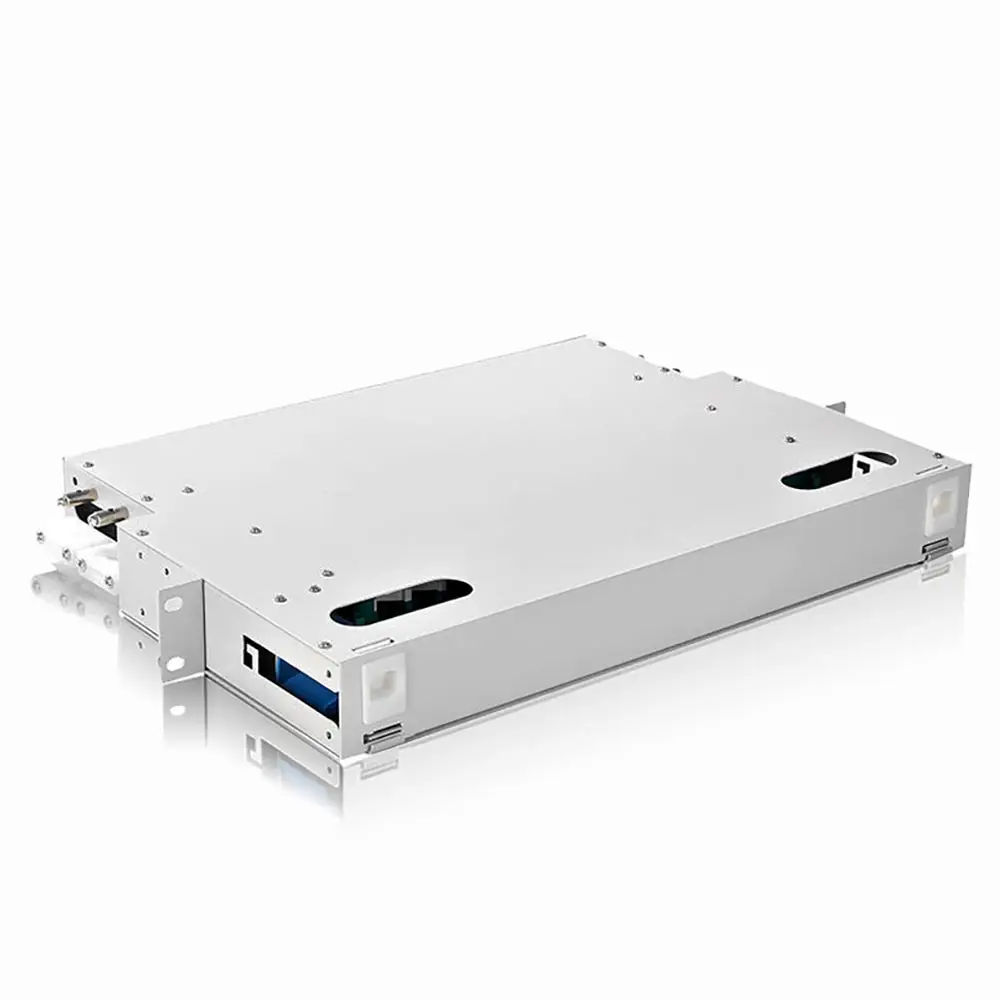
An ODF 144 port is a high-density optical distribution frame designed to organize a large number of fiber termination and patching connections within a structured installation. It can be used in data centers, telecom exchanges, backbone networks, FTTH distribution hubs, and enterprise communication infrastructure. Depending on the design, the ODF can incorporate adapter panels, splice trays, cable routing systems, and fiber storage areas to support different network architectures. When choosing a 144-port ODF, engineers should evaluate fiber type, adapter interface, rack or cabinet dimensions, splice requirements, cable entry direction, fiber management structure, and maintenance access. High-density installations require careful attention to bend radius and cable routing so that individual fibers remain organized and accessible. A properly configured ODF can provide centralized management for large fiber deployments while leaving a structured path for testing, troubleshooting, and future network expansion.

Frequently Asked Questions

What is an ODF 144 port?

An ODF 144 port is an optical distribution frame designed to provide up to 144 configured fiber connection positions. It can be used for fiber termination, patching, splicing, and distribution in high-density network environments. The actual configuration can vary according to adapter type, fiber architecture, and project requirements.
A 144-port ODF can be used in data centers, telecom exchanges, backbone networks, FTTH hubs, enterprise communication rooms, and other high-density fiber installations. It is particularly useful where many optical connections need to be organized within a structured rack or cabinet while maintaining access for testing and maintenance.
Yes, a suitable ODF 144 port configuration can incorporate splice trays or other splice management components. The required arrangement depends on the fiber count, cable construction, termination method, and network architecture. Engineers should confirm the available splice capacity and internal routing structure when specifying an ODF for a particular project.
Selection should consider fiber type, adapter interface, port configuration, mounting dimensions, splice capacity, cable entry, bend-radius management, and maintenance access. Engineers should also evaluate current connection requirements and expected expansion. A suitable ODF should provide enough internal space for organized fiber routing and practical access to individual connections.
A high-density ODF can consolidate many optical connections within a structured cabinet or rack footprint. It helps organize patching, termination, and fiber routing while providing technicians with defined access points for testing and maintenance. This can be useful for data centers, telecom facilities, FTTH hubs, and backbone networks.

Related article

Intelligent Cabling Solutions for Future Networks

21

May

Intelligent Cabling Solutions for Future Networks

View More
How to classify data cables by usage scenarios?

14

Jul

How to classify data cables by usage scenarios?

Real World Field Experiences with Multi Environment Network Deployments During a comprehensive network migration for a financial headquarters last spring, our deployment crew encountered major connectivity dropouts across different operational floo...
View More
What Connector Types for Ethernet Patch Cable?

18

Jul

What Connector Types for Ethernet Patch Cable?

Real World Field Challenges with Commercial Network Overhauls During a massive network overhaul for an e-commerce fulfillment hub last year, my deployment team faced an unexpected wave of packet drops and intermittent link drops across the main pac...
View More
MPO connector material affects signal transmission.

22

Sep

MPO connector material affects signal transmission.

MPO Connector Guide: Materials, Performance, and Selection for High-Density Fiber Networks What Is an MPO Connector and Why Is It Important? An MPO connector (Multi-fiber Push On connector) is a high-density fiber optic connector designed to connec...
View More

Customer Testimonials

Thomas Reed

The 144-port format helped us consolidate a large fiber distribution section into one organized installation. Port labeling and cable routing made routine testing considerably easier for our technicians.

Andrew Lee

We integrated the ODF into a backbone upgrade and gained a structured way to manage multiple fiber routes. The layout also provided practical access for future connection changes.

Get a Free Quote

Our representative will contact you soon.
Email
Mobile/WhatsApp
Name
Company Name
Message
0/1000
High-Density Connection Capacity

High-Density Connection Capacity

The ODF 144 port is designed for network environments where a large number of fiber connections must be organized within a controlled cabinet or rack space. A 144-port configuration can consolidate termination and patching requirements while reducing the need for multiple smaller distribution units. Depending on the application, adapter panels, splice trays, and cable management components can be arranged to match the network architecture. High-density fiber installations require careful planning of routing paths, bend radius, and port identification. With a structured internal layout, technicians can access individual connections more efficiently while maintaining an organized environment for testing, maintenance, and future network expansion.
Organized Fiber Routing

Organized Fiber Routing

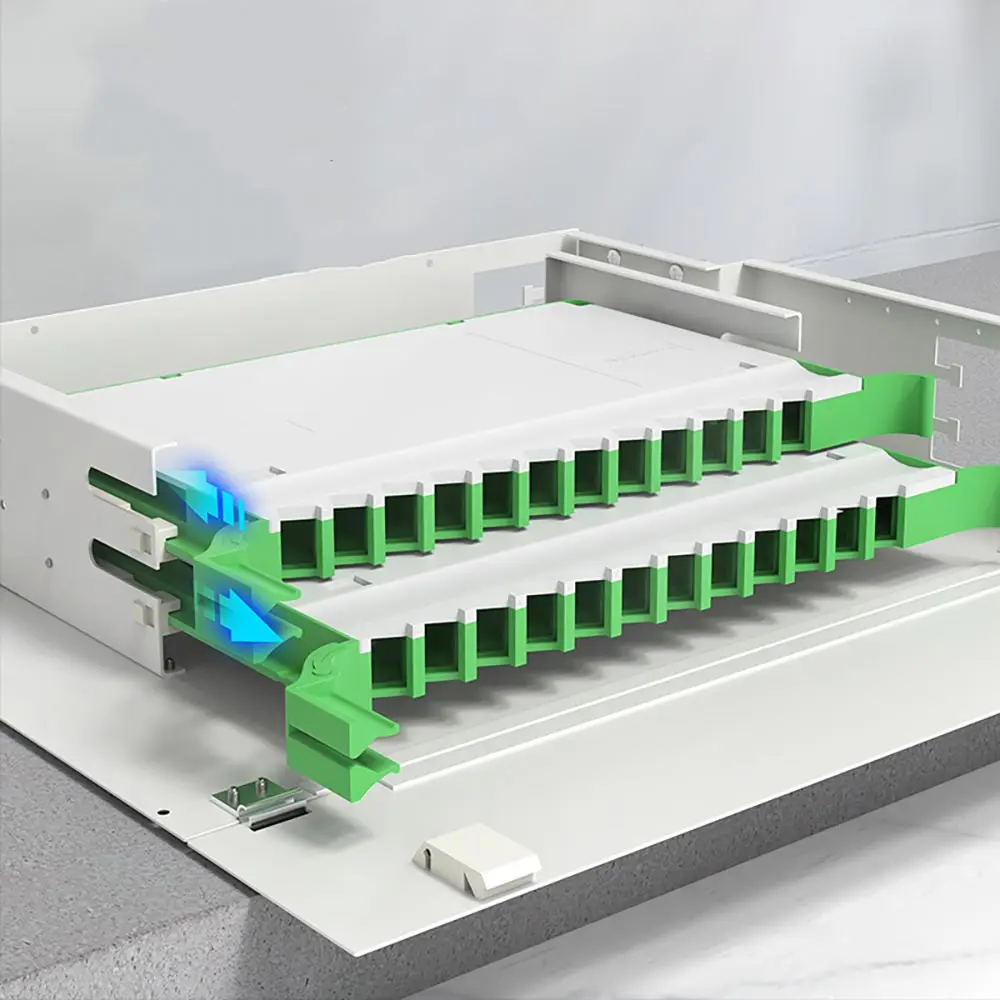
Effective fiber routing becomes increasingly important as connection density increases. An ODF 144 port can provide dedicated areas for cable entry, splicing, patching, and fiber storage according to the selected configuration. Separating these functions helps reduce cable congestion and makes individual optical paths easier to identify. Engineers can plan routing based on fiber type, installation direction, adapter arrangement, and required maintenance access. In a data center or telecom facility, clear organization can simplify troubleshooting when a specific link needs to be tested or changed. Proper routing also helps protect fibers from excessive bending and unnecessary movement during routine service activities.
Flexible Network Integration

Flexible Network Integration

A 144-port ODF can be integrated into different fiber network architectures, including backbone, FTTH, data center, and enterprise communication systems. Its internal configuration can be adapted according to adapter interfaces, splice requirements, cable entry methods, and rack dimensions. In a backbone network, it can organize feeder and distribution fibers at a centralized node. In a data center, it can provide a structured connection point between fiber trunks and equipment-side patching. This flexibility allows network designers to configure the optical distribution frame around the specific installation rather than relying on a single fixed layout. Future expansion requirements can also be considered during initial configuration.

Get a Free Quote

Our representative will contact you soon.
Email
Mobile/WhatsApp
Name
Company Name
Message
0/1000