Optical Termination Box: 16-Core FTTH Enclosure IP65

All Categories
Reliable Optical Termination Box for Organized Fiber Splicing, Patching, and Network Access

Reliable Optical Termination Box for Organized Fiber Splicing, Patching, and Network Access

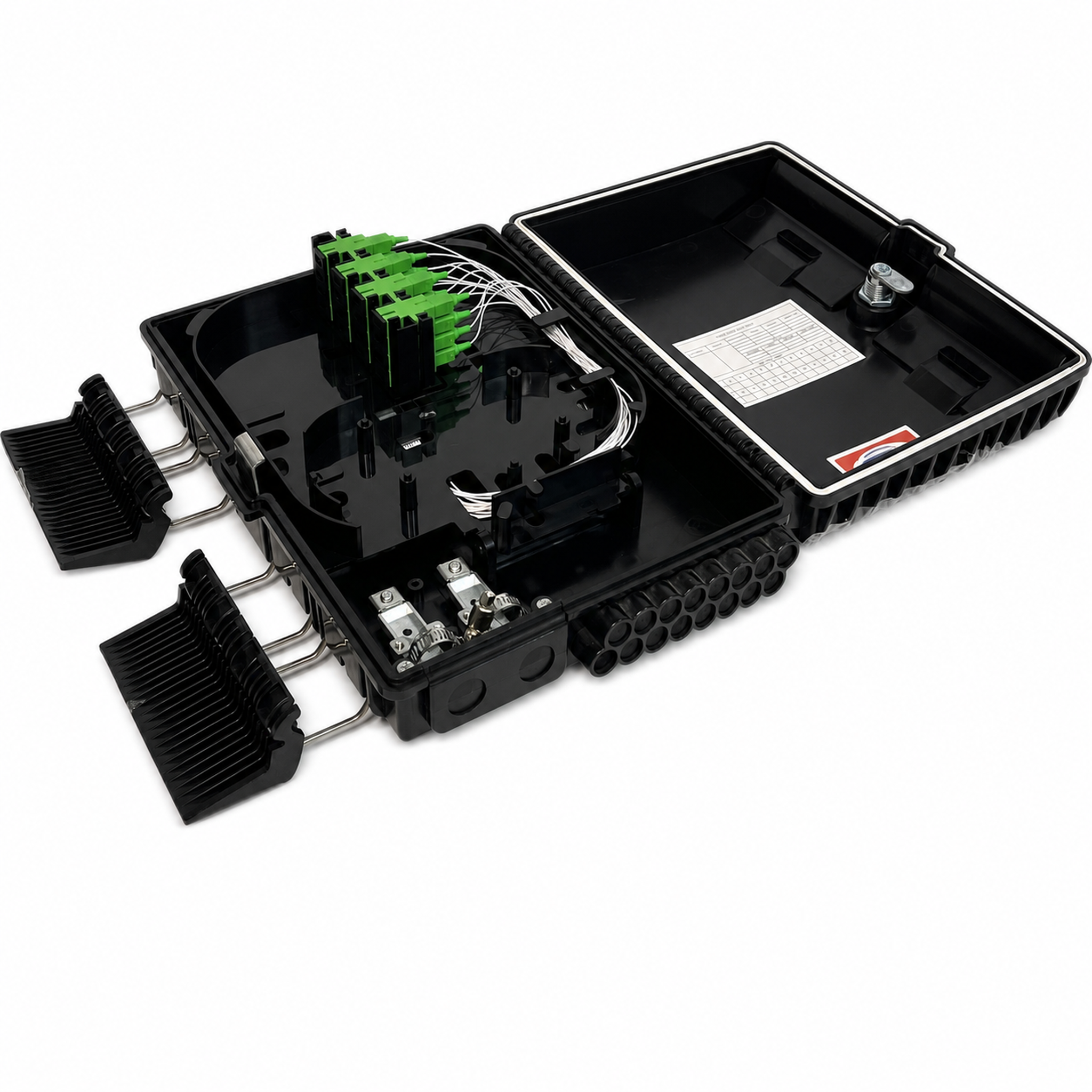
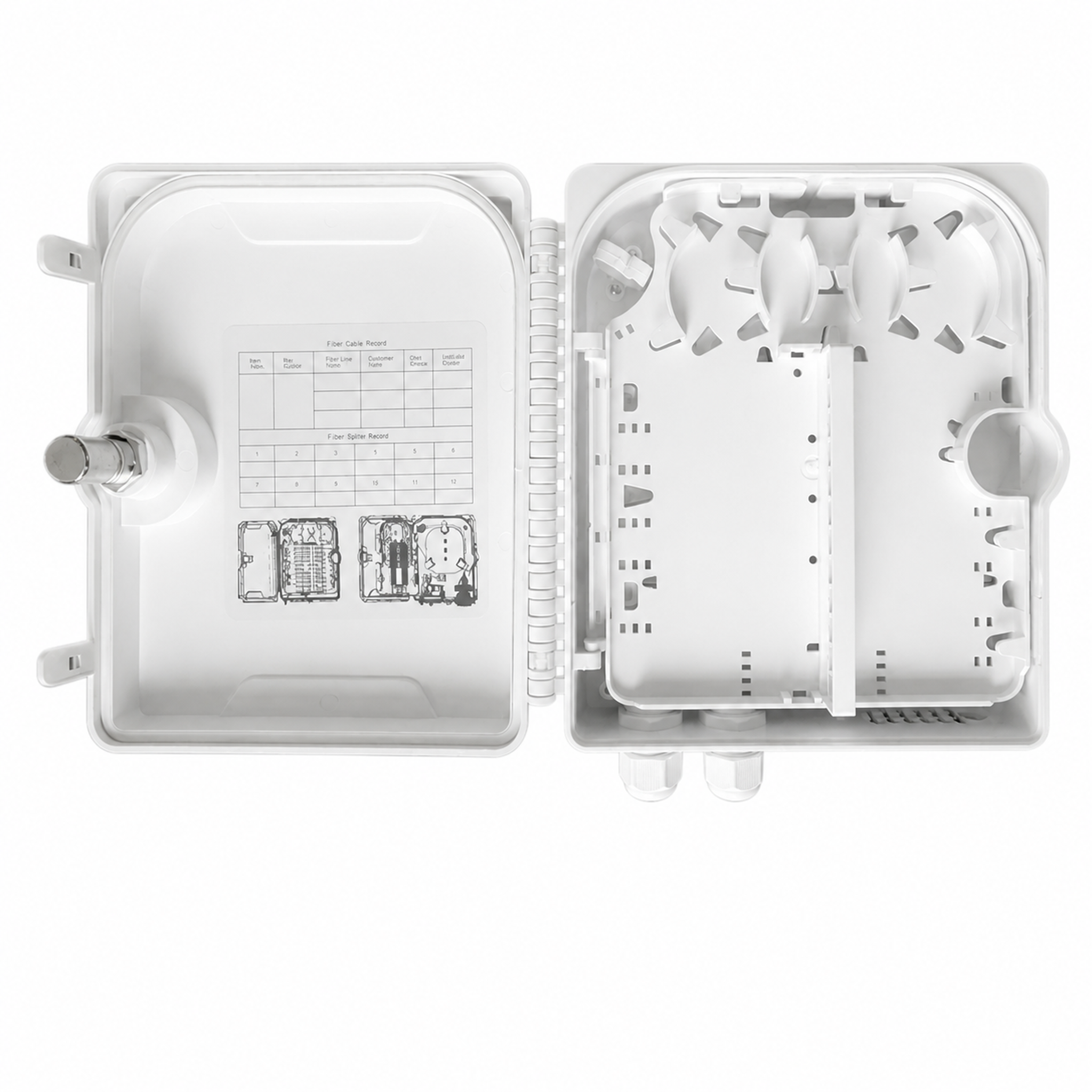
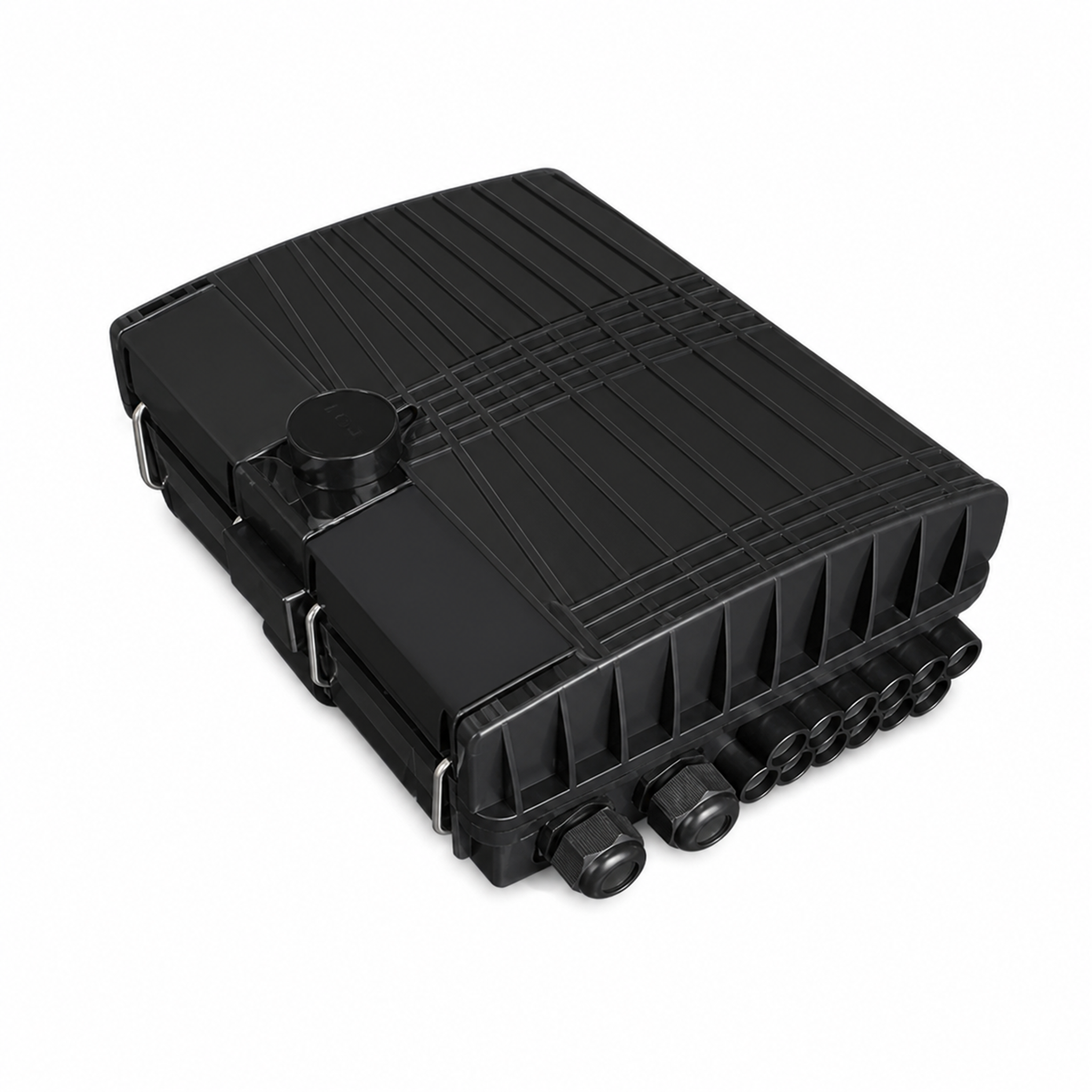
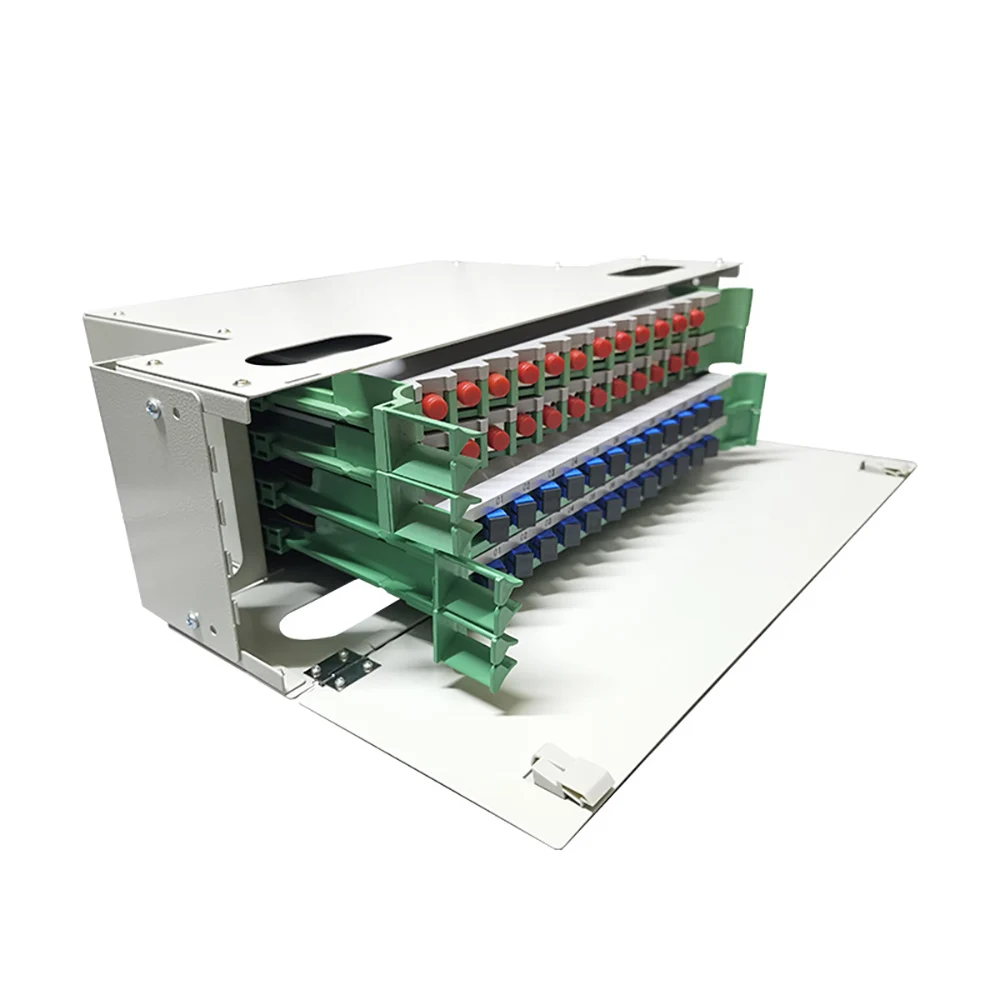
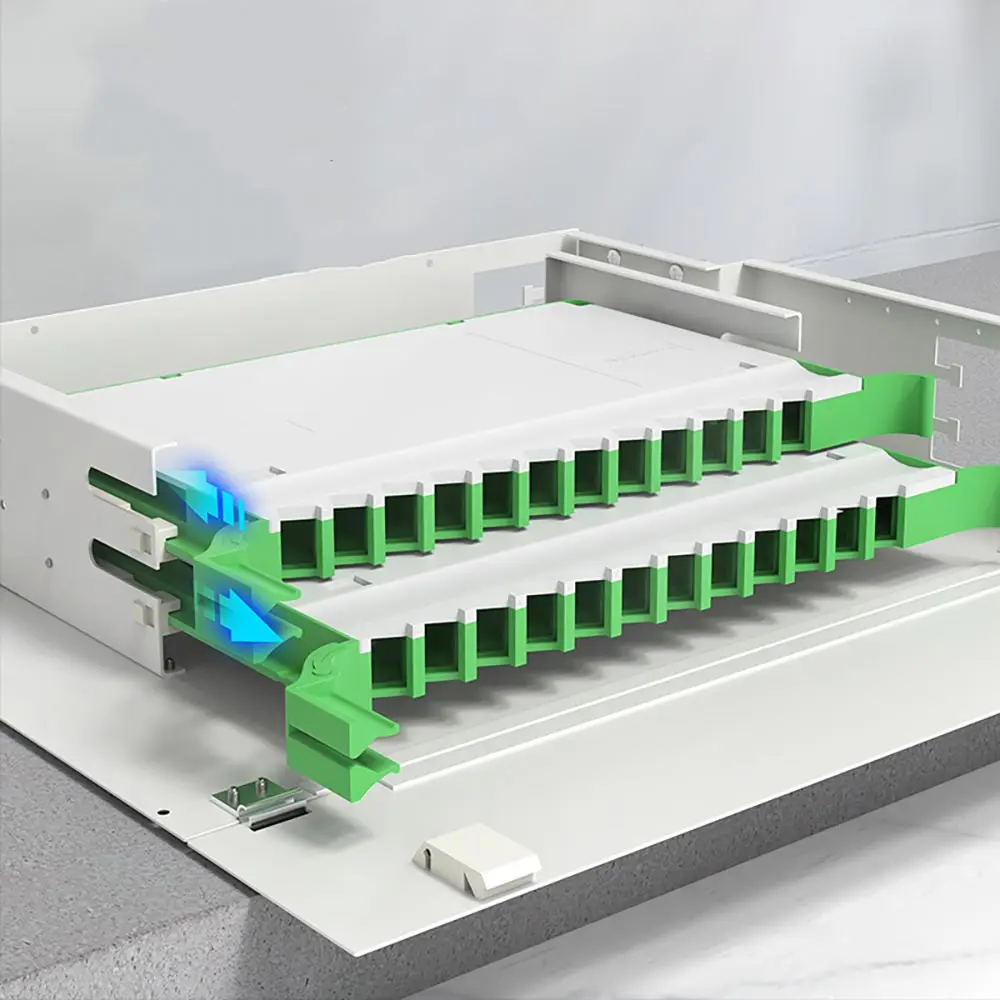
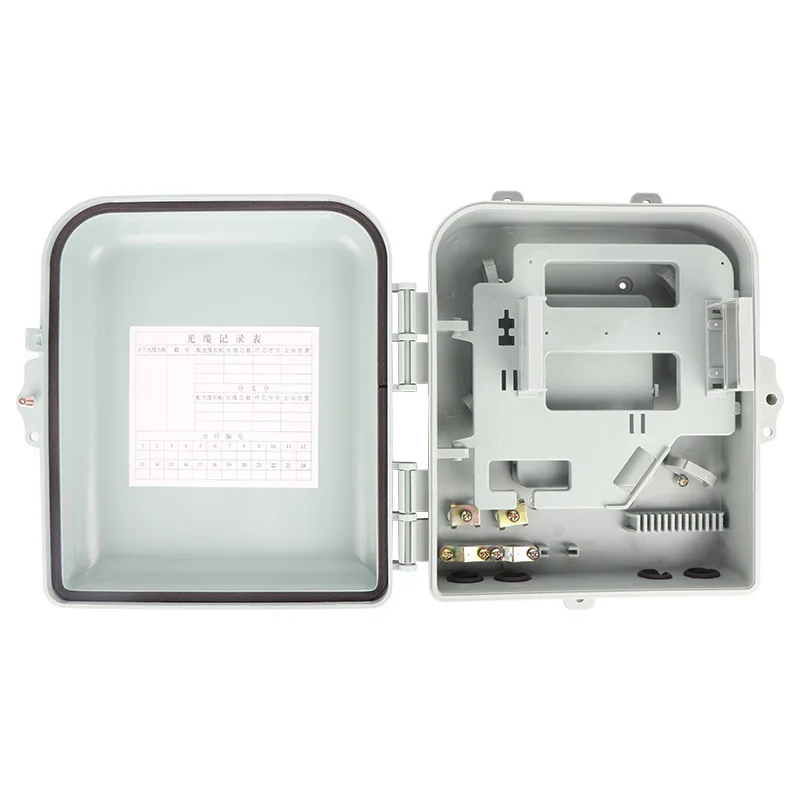
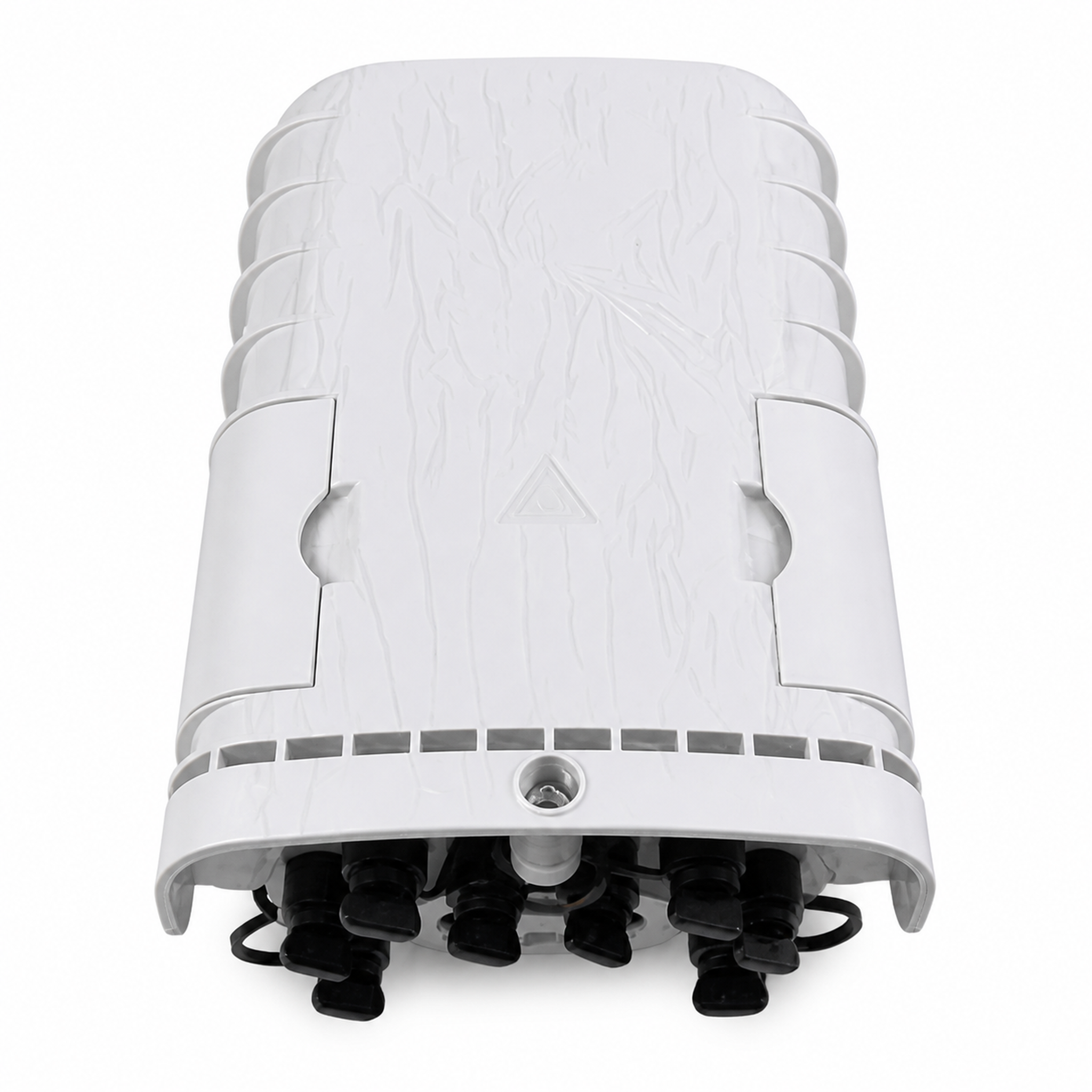
An optical termination box provides a compact and organized solution for terminating, splicing, and managing fiber optic cables in access and communication networks. It helps protect fiber connections while keeping cable routing and termination points easy to identify during installation or maintenance. Depending on project requirements, the box can be configured for different fiber counts, adapter types, splice capacities, and mounting methods. Its compact structure makes it suitable for telecom rooms, FTTH access points, building distribution systems, and other locations where installation space is limited. By keeping incoming and outgoing fibers properly organized, an optical termination box can reduce cable congestion and simplify connection management. It also provides a practical foundation for network expansion when additional fiber connections are required.
Get A Quote

Case Study

FTTH Fiber Termination

In FTTH networks, an optical termination box provides a practical point for connecting feeder and distribution fibers before services are delivered to different users or areas. The box can accommodate fiber splicing, adapter connections, and organized cable routing according to the network design. For residential buildings, offices, and multi-unit properties, installers can select a suitable capacity based on the number of required fiber connections. A structured termination point makes individual fibers easier to identify during installation, testing, and maintenance. When additional subscribers are connected, available capacity can support network expansion without requiring a completely new distribution point. This makes the optical termination box useful for organized and accessible fiber management in last-mile communication infrastructure.

Building Fiber Distribution

Modern commercial and residential buildings often require compact fiber distribution solutions that can be installed in communication rooms, corridors, equipment areas, or other designated network locations. An optical termination box can provide a centralized point for fiber termination and splicing while keeping connections organized within a compact enclosure. Installers can select configurations according to fiber count, connector requirements, and mounting conditions. Proper cable routing helps technicians trace individual connections when performing testing or maintenance. For building network upgrades, the termination box can also provide a structured point for adding new fiber links. Its compact design makes it suitable for projects where efficient use of installation space and convenient fiber access are both important considerations.

Telecom Access Network

Telecom access networks require reliable fiber termination points between distribution cables and downstream network equipment or subscriber connections. An optical termination box can organize these connections while providing dedicated space for fiber splicing, adapter installation, and cable management. Depending on the project, different fiber capacities and connection arrangements can be selected to match the network architecture. A well-organized termination area allows technicians to identify circuits more easily and perform routine maintenance with less disruption to surrounding connections. For access network deployments, the box can also provide a practical transition point between different cable sections. This structured approach supports efficient fiber deployment and helps simplify future connection changes as service coverage expands.

Related products

An optical termination box is designed to provide an organized connection point for fiber optic cables in FTTH, telecom, building, and enterprise communication networks. It can accommodate fiber termination, splicing, adapter connections, and cable routing within a compact enclosure, helping installers maintain a clear and manageable fiber layout. The appropriate configuration can be selected according to fiber capacity, connector type, splice requirements, cable entry method, and mounting location. For access networks with limited installation space, a compact termination box can provide convenient fiber management without requiring a larger distribution cabinet. Proper internal routing also helps technicians identify and maintain individual connections during network testing, troubleshooting, or expansion. By combining fiber protection, organized termination, and accessible connection management, an optical termination box provides a practical solution for structured optical fiber deployment across different communication environments.

Frequently Asked Questions

What is an optical termination box?

An optical termination box is an enclosure used to terminate, splice, connect, and organize fiber optic cables. It provides a structured location for managing optical connections and helps protect fiber routing while making individual connections easier to access during installation, testing, and maintenance.
Optical termination boxes are commonly used in FTTH networks, telecom access systems, building fiber networks, enterprise communication infrastructure, and equipment rooms. They are particularly useful where a compact and organized fiber termination point is required between incoming and outgoing optical cables.
Consider the required fiber capacity, splice count, adapter or connector type, cable diameter, cable entry arrangement, mounting method, and available installation space. Future expansion should also be considered when selecting capacity so additional fiber connections can be accommodated when network requirements increase.
Yes. Many optical termination box configurations provide space for fiber splicing and splice management. The required configuration depends on the number of fibers, splice capacity, cable structure, and network design. Selecting sufficient internal space helps keep spliced fibers organized and accessible.
An optical termination box helps centralize fiber connections, organize cable routing, protect termination points, and simplify maintenance. Its compact structure can also save installation space in access networks, buildings, and communication rooms while providing a practical connection point for future network expansion.

Related article

The Core of Data Centre Infrastructure – A Professional Analysis of GLGW Network Cabinets

21

May

The Core of Data Centre Infrastructure – A Professional Analysis of GLGW Network Cabinets

View More
UTP LAN Cable Application for Office Local Networks.

04

Aug

UTP LAN Cable Application for Office Local Networks.

Implementing a structured Unshielded Twisted Pair (UTP) Local Area Network (LAN) cabling infrastructure is the cornerstone of any modern commercial workspace. While wireless technologies (Wi-Fi) provide mobility, high-density office environments wi...
View More
What Is the Difference Between LAN Cable and WAN Cable?

01

Sep

What Is the Difference Between LAN Cable and WAN Cable?

Understanding LAN Cable: Types, Standards, Performance, and How to Choose the Right Cable What Is a LAN Cable and Why Is It Important for Modern Networks? A LAN cable is a physical network cable used to connect computers, servers, switches, routers...
View More
MPO connector material affects signal transmission.

22

Sep

MPO connector material affects signal transmission.

MPO Connector Guide: Materials, Performance, and Selection for High-Density Fiber Networks What Is an MPO Connector and Why Is It Important? An MPO connector (Multi-fiber Push On connector) is a high-density fiber optic connector designed to connec...
View More

Customer Testimonials

FTTH Installer

“The compact termination box made our FTTH installation cleaner and easier to manage, especially when organizing multiple subscriber fiber connections in limited spaces.”

Telecom Engineer

“Fiber connections were easier to identify during testing and maintenance, helping our technicians work more efficiently without disturbing surrounding cable routes.”

Get a Free Quote

Our representative will contact you soon.
Email
Mobile/WhatsApp
Name
Company Name
Message
0/1000
Compact Fiber Termination

Compact Fiber Termination

An optical termination box provides a compact solution for fiber termination and connection management where installation space is limited. By integrating termination, splicing, adapter connections, and cable routing into a structured enclosure, it helps installers maintain a cleaner fiber layout. This is particularly useful in FTTH access points, building communication areas, telecom rooms, and other locations where a full-size distribution cabinet may not be necessary. The compact structure also makes individual connections easier to locate during testing and maintenance. Depending on the network design, different fiber capacities and connection configurations can be selected. This allows the termination box to provide practical fiber management while making efficient use of available installation space.
Organized Splicing and Cable Routing

Organized Splicing and Cable Routing

Proper fiber routing is important for maintaining an efficient and serviceable optical network. An optical termination box provides a dedicated space for organizing incoming cables, splice points, adapters, and outgoing fiber connections. This structured arrangement helps reduce cable congestion and makes individual fiber paths easier to identify. During installation, technicians can manage connections according to the network layout and label circuits for future maintenance. When troubleshooting is required, accessible fiber routing can help reduce the time needed to locate specific connections. By keeping spliced and terminated fibers within a defined enclosure, the box supports cleaner installation practices and provides a more manageable fiber connection point for access and distribution networks.
Flexible Network Deployment

Flexible Network Deployment

Optical termination boxes can be incorporated into different network architectures according to fiber capacity, connector requirements, and installation conditions. They can serve as termination points in FTTH deployments, building fiber networks, telecom access systems, and enterprise communication infrastructure. Configuration flexibility allows project teams to select suitable fiber counts, splice arrangements, adapter types, and mounting methods for specific applications. Planning additional capacity can also make future network expansion easier when more users or fiber links need to be connected. With a structured and accessible termination point, technicians can perform installation, testing, maintenance, and connection changes more efficiently. This flexibility makes optical termination boxes suitable for both new deployments and ongoing network upgrades.

Get a Free Quote

Our representative will contact you soon.
Email
Mobile/WhatsApp
Name
Company Name
Message
0/1000