High Density Fiber Patch Panel for Data Centers | 144-Port Solutions

All Categories
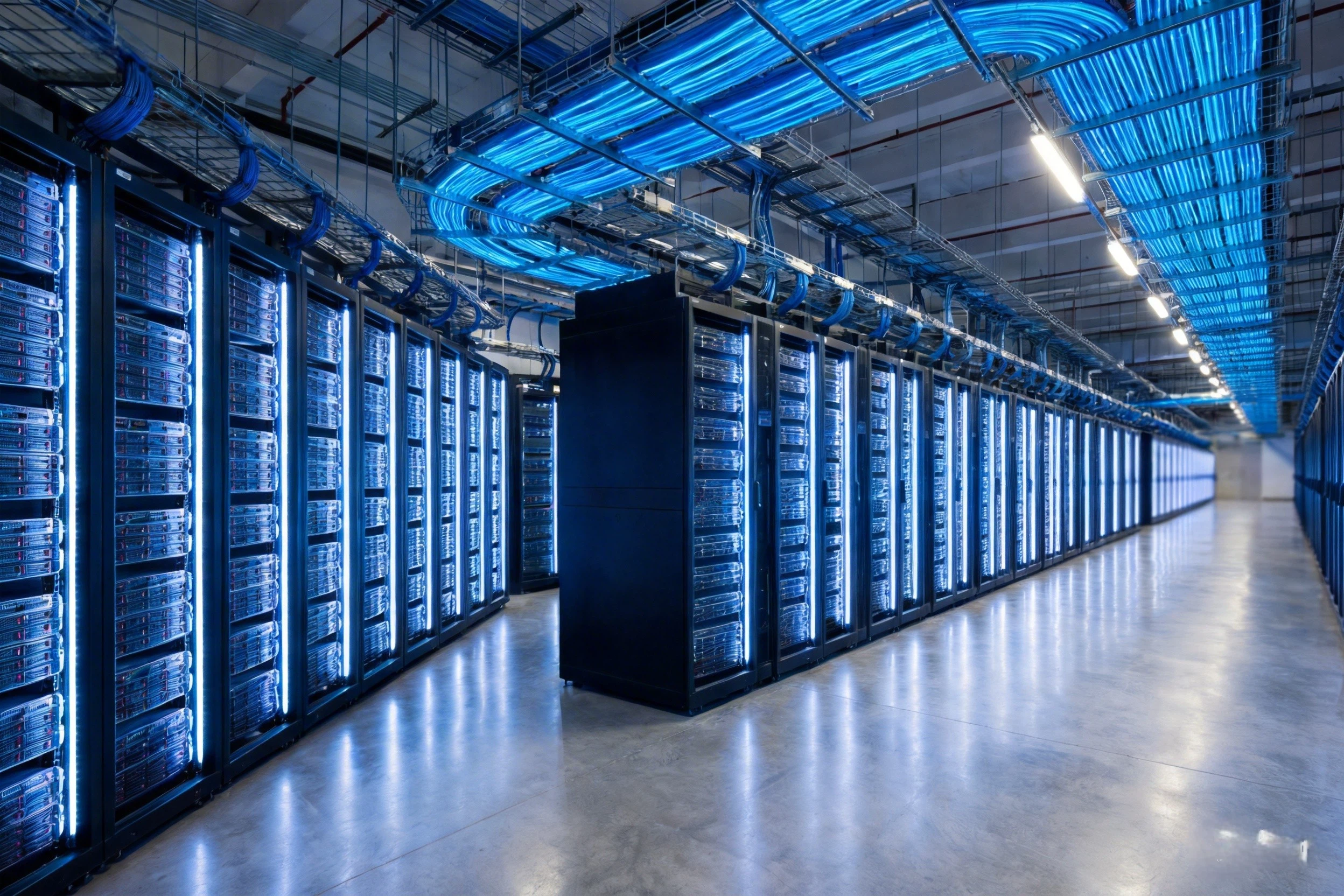
High-Density Fiber Management for Modern Data Centers

High-Density Fiber Management for Modern Data Centers

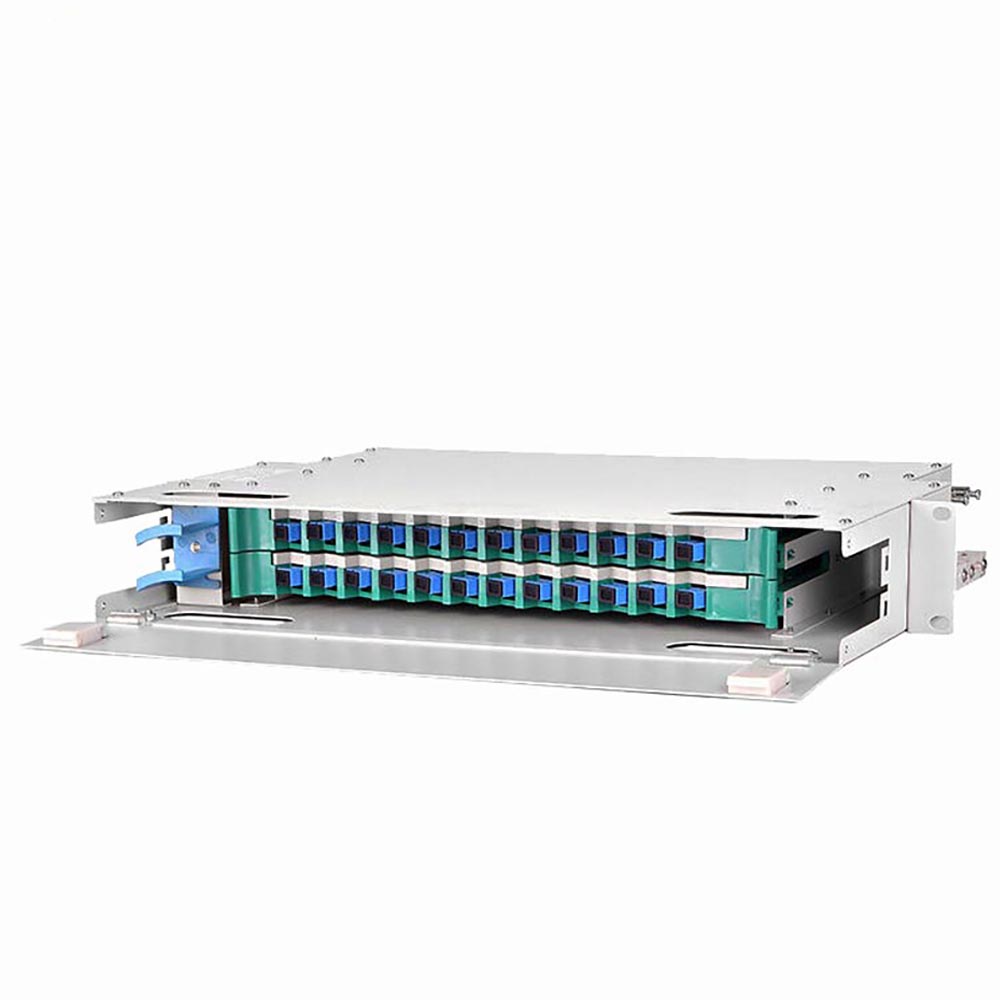
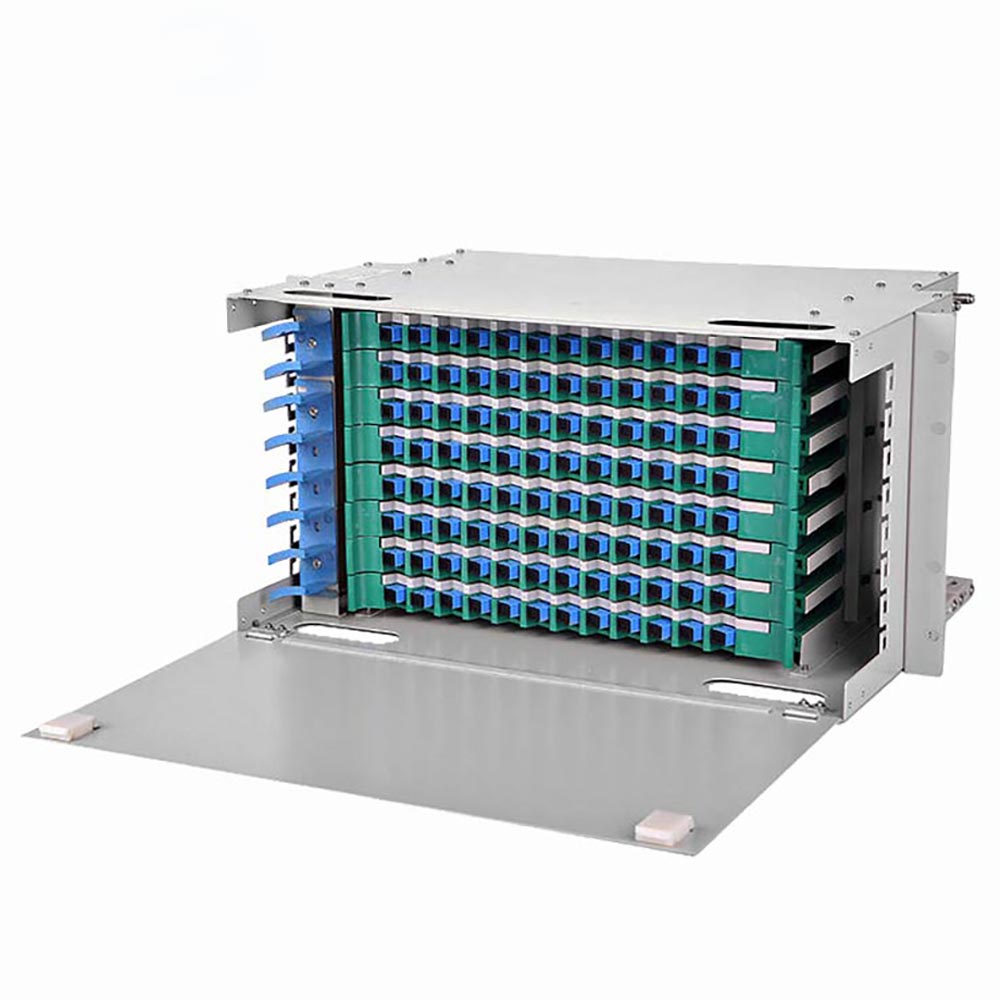
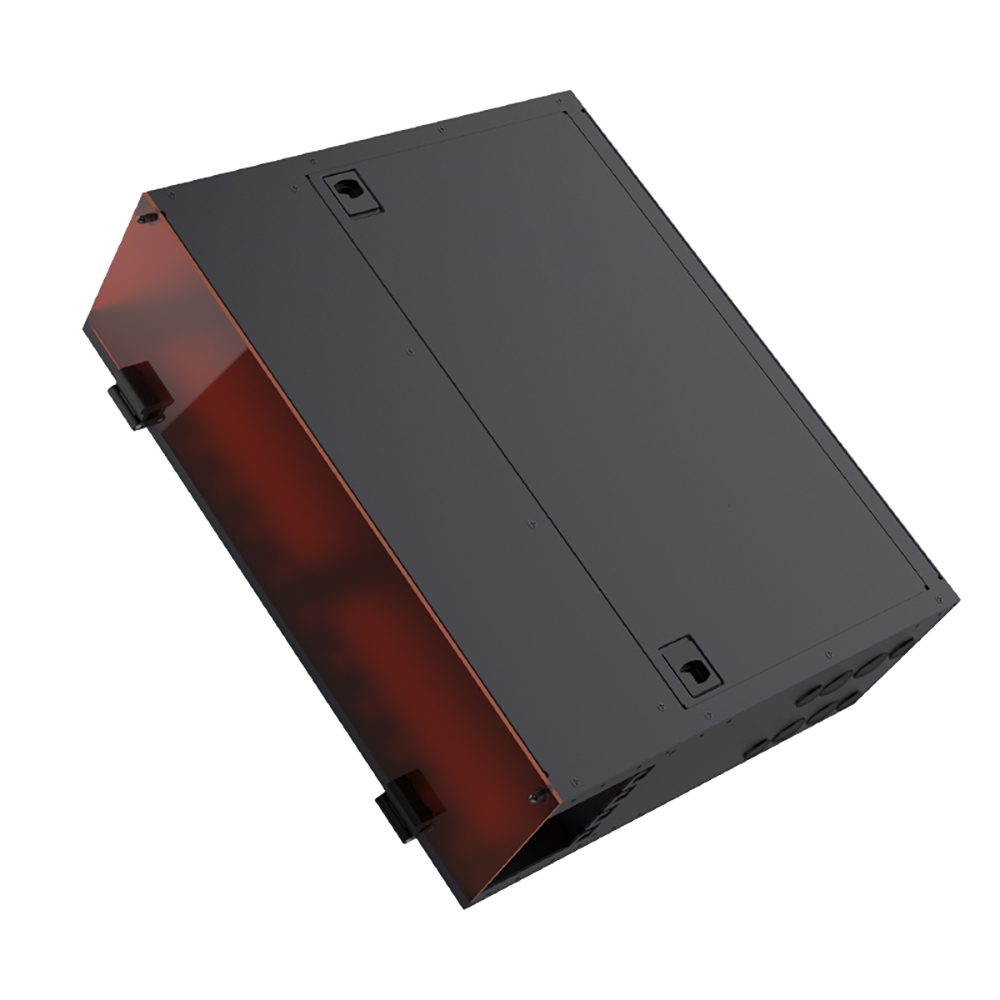
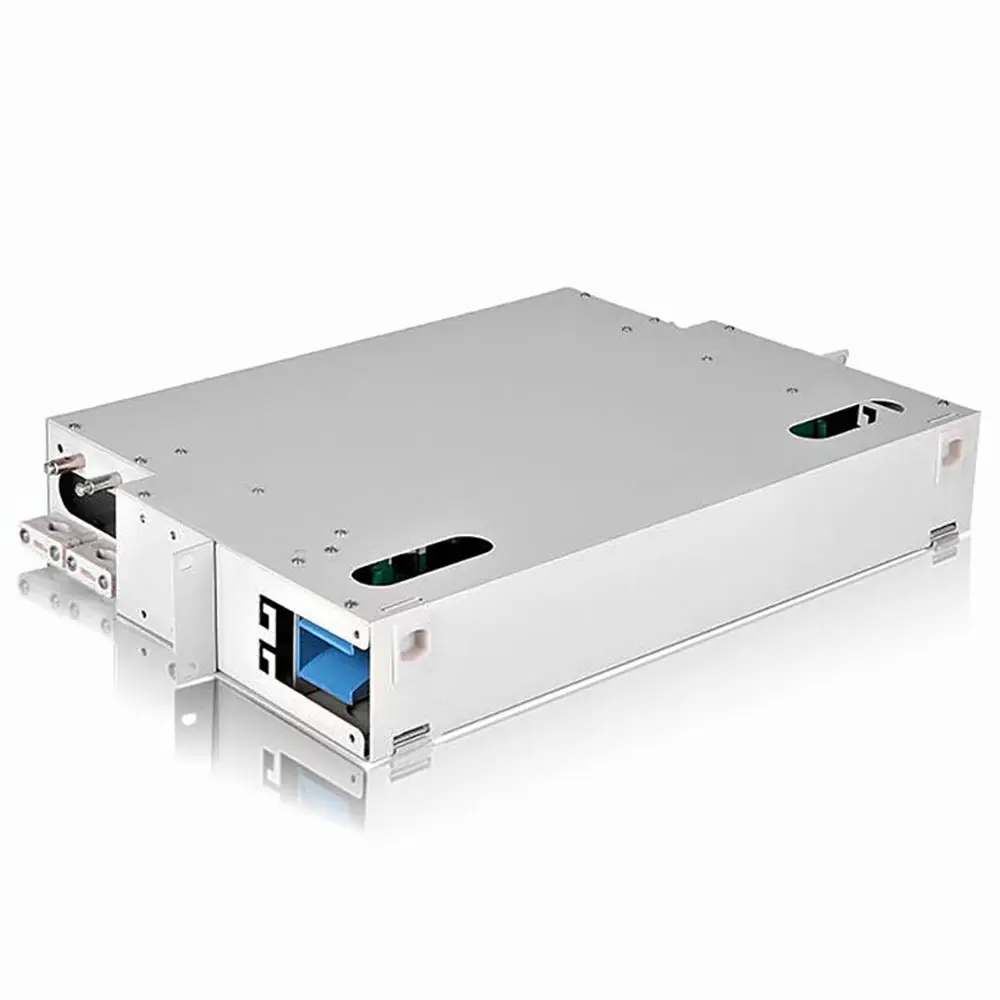
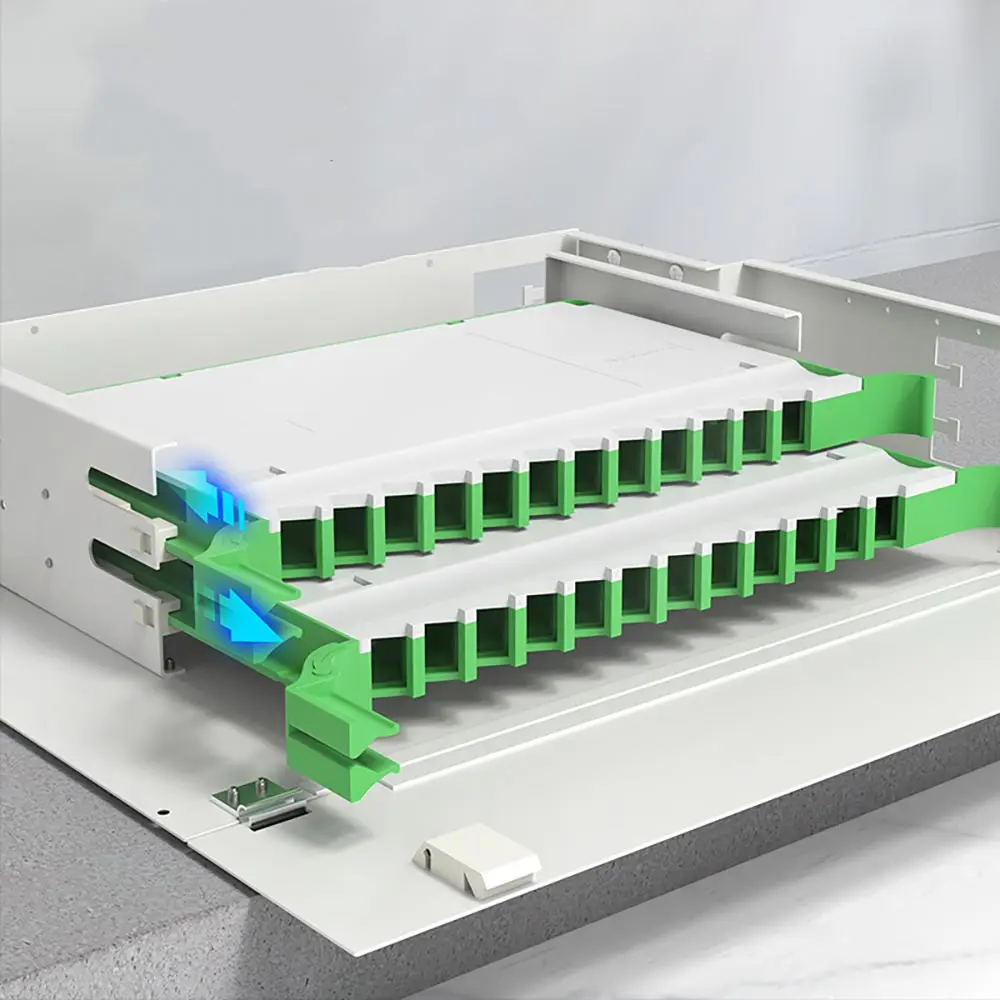
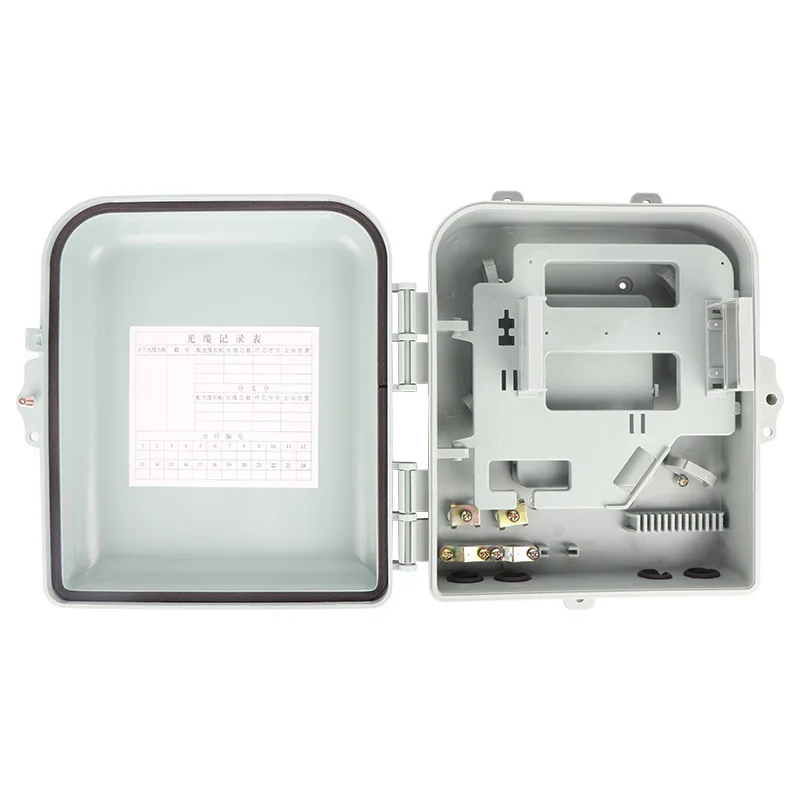
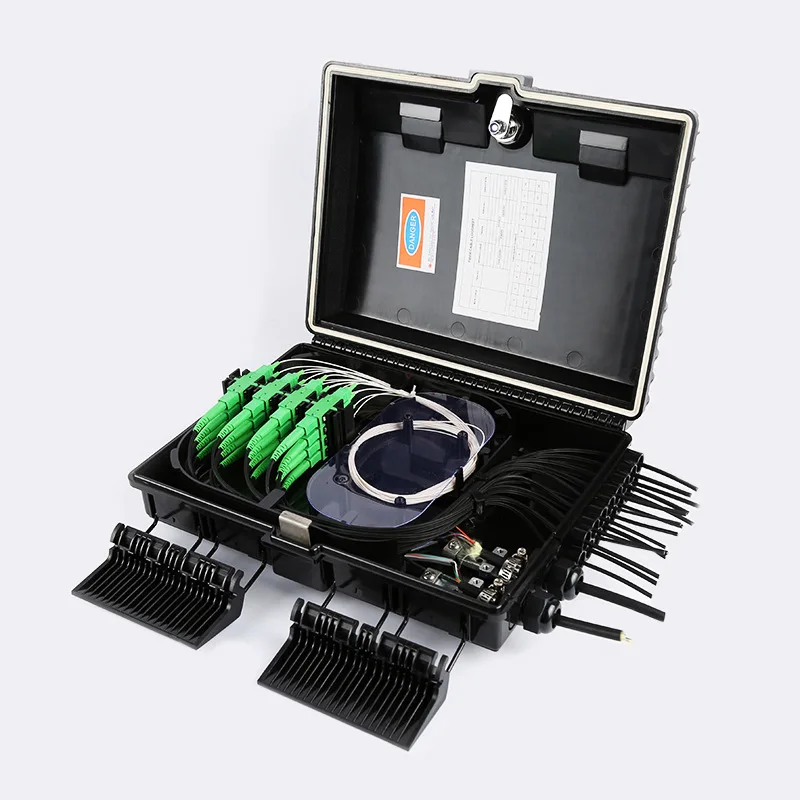
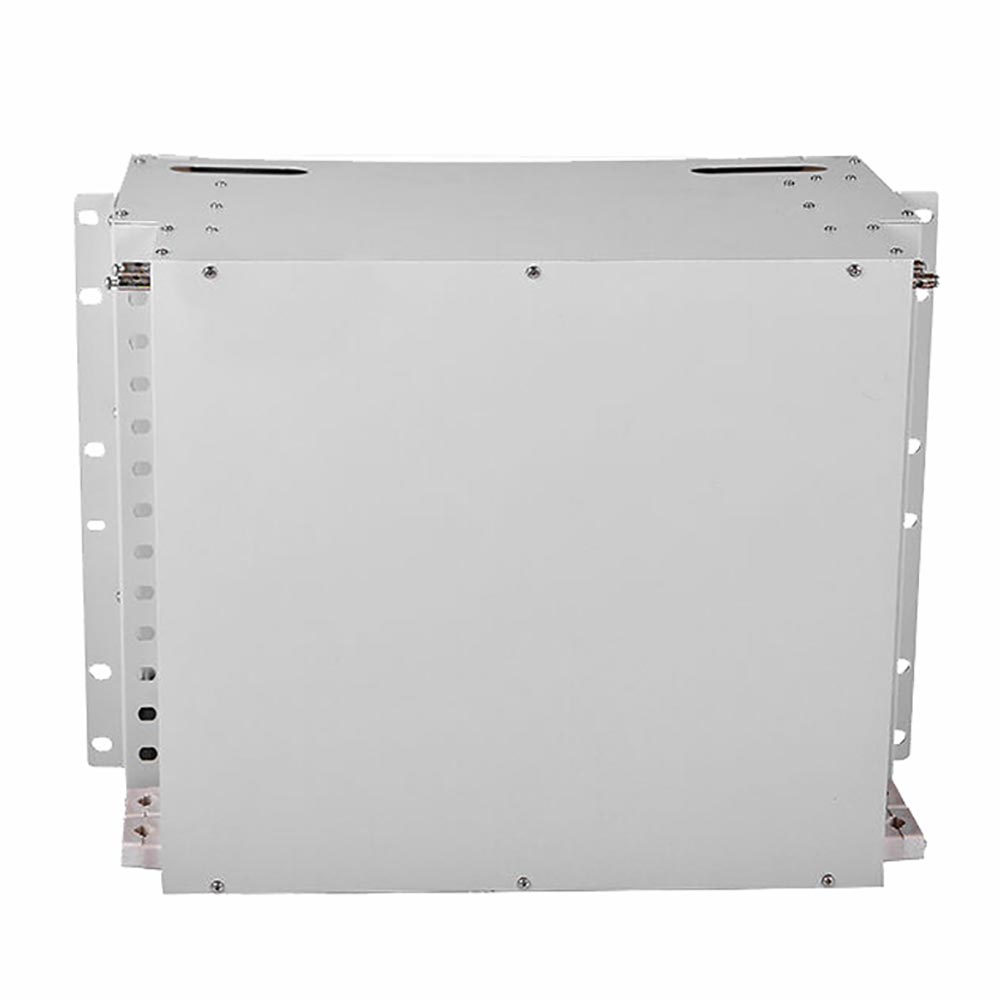
A high density fiber patch panel data center solution helps maximize fiber connectivity while conserving valuable rack space. It can be configured with high port counts, adapter panels, splice modules, and organized cable management for backbone, distribution, and cross-connect applications. For example, a data center handling 144 fiber connections can consolidate multiple optical links within a compact rack-mounted area. Structured routing helps control bend radius and keeps patch cords accessible for installation and maintenance. Depending on network architecture, configurations can support single-mode or multimode fiber and various connector interfaces. High-density deployment is especially useful where rack space is limited and fiber demand continues to grow. Proper selection should consider port density, rack dimensions, fiber type, connector compatibility, cable routing, and future expansion requirements.
Get A Quote

Case Study

Data Center Backbone Deployment

A data center required a compact fiber termination solution for approximately 144 backbone fiber connections. A high density fiber patch panel was configured to organize adapter interfaces and patch cords within limited rack space. The structured layout separated backbone links from downstream connections and provided clearer access for technicians. Fiber routing was planned around appropriate bend radius and cable management requirements to reduce congestion behind the panel. The installation also reserved capacity for future connections as network demand increased. By consolidating a large number of optical interfaces into a dedicated rack-mounted panel, the data center team created a more organized cross-connect environment for backbone expansion and routine maintenance.

Enterprise Data Center Upgrade

An enterprise data center upgraded its fiber infrastructure to support additional servers, storage systems, and network switches. The project required more optical ports without significantly increasing rack occupancy. A high-density fiber patch panel was installed to centralize patching and provide structured connections between equipment rows. The initial configuration supported 96 fiber connections, while additional capacity was considered for future expansion. Technicians benefited from organized adapter placement and accessible patch cords during service work. Selection focused on rack compatibility, fiber type, connector interface, cable routing, and port density. The resulting arrangement provided a practical foundation for expanding optical connectivity within the existing data center footprint.

Cloud Infrastructure Cross-Connect

A cloud infrastructure facility needed to manage increasing fiber connections between network cabinets and core switching equipment. A high-density patch panel provided a centralized cross-connect point for multiple optical links. The configuration was planned around 120 fiber connections, with cable routing designed to maintain organization across a busy rack environment. Technicians could identify patching paths more efficiently and access individual connections during network changes. The panel also helped reduce the need for multiple low-density termination units occupying additional rack positions. By combining high port density with structured fiber management, the deployment supported scalable optical connectivity for a growing cloud data center environment.

Related products

A high density fiber patch panel data center solution provides a compact platform for terminating, patching, and organizing large numbers of optical connections. Depending on project requirements, the panel can accommodate different port densities, adapter interfaces, splice modules, and fiber management features. It can support backbone, cross-connect, distribution, and equipment-to-equipment connections within data center racks. For example, a 96- or 144-fiber deployment can consolidate numerous optical interfaces into a structured rack-mounted area, helping preserve valuable rack space. Selection should consider single-mode or multimode fiber, connector type, port capacity, rack dimensions, patch cord routing, bend radius, and maintenance access. A well-designed panel allows technicians to identify connections more efficiently and make network changes without unnecessary disruption. For data centers expanding cloud, storage, AI, and enterprise infrastructure, high-density fiber management can provide a scalable connection platform while keeping rack environments organized.

Frequently Asked Questions

What is a high density fiber patch panel?

A high density fiber patch panel is a rack-mounted optical management unit designed to accommodate many fiber connections within limited space. It can provide adapter interfaces, patching, fiber routing, and optional splicing functions for backbone, cross-connect, and distribution applications in data centers.
High-density panels help increase the number of fiber connections available within a limited rack footprint. For example, a 144-fiber configuration can consolidate numerous optical interfaces into a structured area, helping reduce rack congestion while keeping patching and maintenance more organized.
Depending on configuration, a high-density patch panel can support single-mode or multimode fiber. Connector interfaces, adapter types, port count, and internal management components should be selected according to the optical equipment and network architecture used in the specific data center.
Consider required port density, fiber type, connector interface, rack dimensions, patch cord routing, bend radius, splice requirements, and maintenance access. Future expansion should also be considered. A panel with appropriate capacity can reduce the need for early replacement as fiber connectivity grows.
Yes. High-density panels can provide centralized optical connectivity for expanding backbone, server, storage, and cross-connect networks. Configurations can be planned with additional ports or internal capacity, allowing data center operators to accommodate new fiber connections while maintaining organized rack infrastructure.

Related article

Intelligent Cabling Solutions for Future Networks

21

May

Intelligent Cabling Solutions for Future Networks

View More
G.657.A2 Single-Mode Fiber for Reliable High-Speed Optical Networks

09

May

G.657.A2 Single-Mode Fiber for Reliable High-Speed Optical Networks

G.657.A2 single-mode fiber offers excellent bend performance, stable transmission, and flexible installation for FTTH, indoor cabling, access networks, and high-speed optical communication systems.
View More
Patch cord bending radius affects network performance.

17

Jun

Patch cord bending radius affects network performance.

Real-world cases showing the impact of improper bending on daily network operation Working in the structured cabling and network connectivity sector for over sixteen years, I have witnessed countless network faults traced back to unreasonable bend...
View More
What Connector Types for Ethernet Patch Cable?

18

Jul

What Connector Types for Ethernet Patch Cable?

Real World Field Challenges with Commercial Network Overhauls During a massive network overhaul for an e-commerce fulfillment hub last year, my deployment team faced an unexpected wave of packet drops and intermittent link drops across the main pac...
View More

Customer Testimonials

Brian Wilson

Our data center consolidated 144 fiber connections into a structured rack area. The panel reduced congestion and made patching paths easier for technicians to identify during network changes.

Eric Johnson

We installed a 96-fiber configuration during our network upgrade. The compact arrangement saved rack space while improving access to individual optical connections during maintenance.

Get a Free Quote

Our representative will contact you soon.
Email
Mobile/WhatsApp
Name
Company Name
Message
0/1000
Maximum Fiber Density

Maximum Fiber Density

A high density fiber patch panel helps data centers accommodate large numbers of optical connections within a controlled rack footprint. Depending on the configuration, panels can be designed around 96, 120, 144, or other fiber capacities to match project requirements. High port density is particularly useful in backbone and cross-connect areas where multiple optical links converge within a limited space. Adapter interfaces and internal fiber routing can be arranged to provide clearer patching paths while maintaining suitable bend-radius control. This organization can reduce rack congestion compared with deploying numerous lower-density termination units. For growing cloud, enterprise, storage, and AI infrastructure, selecting appropriate port capacity allows operators to increase fiber connectivity without unnecessarily consuming additional rack positions.
Organized Patching and Maintenance

Organized Patching and Maintenance

Data center fiber infrastructure requires clear patching paths so technicians can install, trace, and service optical connections efficiently. A high-density patch panel can provide structured adapter placement, cable routing, and fiber storage within a dedicated rack-mounted enclosure. In a deployment with more than 100 fiber connections, organized routing becomes increasingly important for preventing congestion and accidental interference with neighboring patch cords. The panel layout can be planned around connector type, fiber polarity, cable entry direction, and maintenance access. Technicians can then identify individual links more systematically during upgrades or troubleshooting. Depending on network architecture, the same approach can support backbone, distribution, server, storage, and cross-connect applications while keeping high-volume optical connectivity easier to manage.
Scalable Data Center Connectivity

Scalable Data Center Connectivity

As data centers add servers, storage, cloud platforms, and high-performance computing equipment, fiber connection requirements can grow rapidly. A high-density fiber patch panel provides a scalable point for organizing these expanding optical links. For example, a rack initially requiring 96 connections may later need 144 or more as additional equipment is deployed. Planning for spare ports and appropriate internal space can reduce future infrastructure disruption. Engineers should evaluate fiber type, connector interfaces, port density, rack compatibility, patch cord length, bend radius, and maintenance clearance before selecting the configuration. By centralizing optical termination and patching, high-density panels can support network expansion while preserving valuable rack space and maintaining a structured data center connectivity environment.

Get a Free Quote

Our representative will contact you soon.
Email
Mobile/WhatsApp
Name
Company Name
Message
0/1000