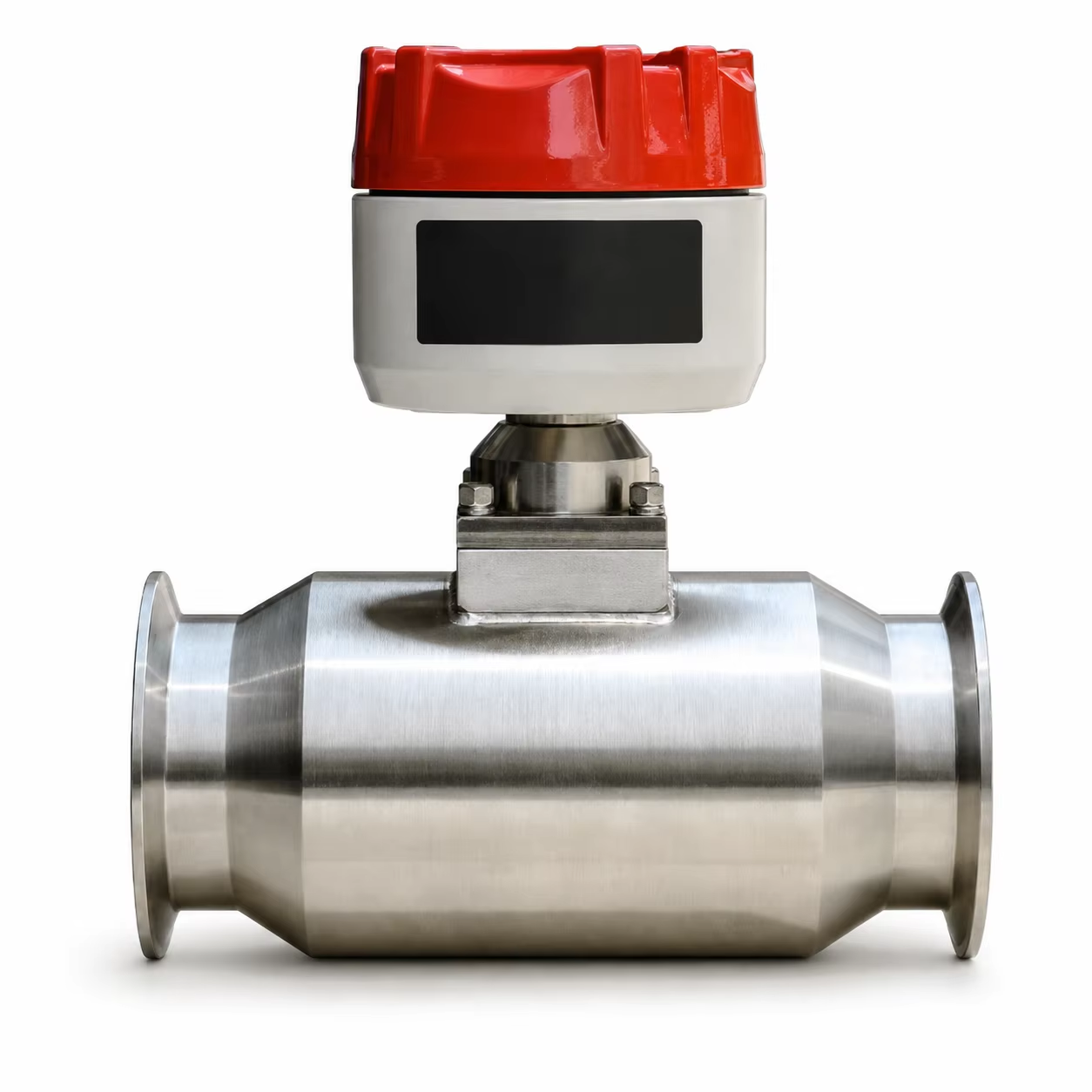
Two-Phase Cooling Manifold: Precision Liquid/Vapor Distribution for AI & HPC

All Categories
Controlled Two-Phase Coolant Distribution for High-Heat-Flux Applications

Controlled Two-Phase Coolant Distribution for High-Heat-Flux Applications

A two phase cooling manifold distributes working fluid across multiple cooling branches in a phase-change thermal management system. It can connect evaporators, cold plates, condensers, pumps, reservoirs, and other loop components while helping maintain consistent flow throughout the cooling circuit. During operation, the working fluid absorbs heat and changes phase, while the manifold manages the distribution and collection paths for vapor and liquid. Depending on system requirements, the manifold can be configured with multiple ports, isolation valves, sensors, fittings, and dedicated liquid or vapor channels. Design considerations include thermal load, flow rate, operating pressure, fluid properties, temperature range, pressure drop, connection size, and branch count. Two-phase cooling manifolds can support AI accelerators, HPC processors, data center equipment, power electronics, and other applications requiring efficient heat removal from high-density components.
Get A Quote

Case Study

AI Accelerator Cooling

An AI computing platform required a two-phase cooling architecture for high-power accelerator modules. A two phase cooling manifold was used to distribute working fluid across multiple cooling branches connected to processor-level evaporators. The manifold provided defined liquid supply and vapor return paths while accommodating several accelerator cooling circuits. Engineers considered thermal load, working-fluid properties, operating pressure, flow requirements, branch count, pressure drop, and connection configuration during system design. Sensors and isolation components could be integrated where monitoring or maintenance access was required. The resulting distribution structure provided an organized interface between the evaporators and the rest of the two-phase cooling loop, supporting consistent fluid management across multiple high-density accelerator modules.

HPC Two-Phase Cooling

An HPC system was designed around phase-change cooling to manage heat generated by high-performance processors and accelerators. A two phase cooling manifold connected several evaporator assemblies to a shared cooling circuit, distributing liquid working fluid and collecting vapor after heat absorption. System planning considered processor thermal loads, fluid flow, operating pressure, vapor and liquid path requirements, pressure drop, and condenser capacity. The manifold could be configured with multiple branch connections to match the number and arrangement of cooling modules. Additional valves, sensors, and service connections could be included according to project requirements. This architecture provided a structured fluid distribution network for HPC equipment where high heat flux and compact cooling layouts were important design considerations.

Data Center Phase-Change Cooling

A high-density data center was evaluating two-phase cooling for servers with increasing processor power. The cooling system used a manifold to distribute working fluid to multiple evaporator or cold plate assemblies and collect the resulting vapor for condensation. Engineers evaluated server thermal load, coolant properties, operating pressure, flow distribution, branch configuration, condenser capacity, and available installation space. The manifold could include separate liquid supply and vapor return connections to maintain an organized two-phase flow path. Isolation valves and monitoring points could support maintenance and system observation. This approach allowed several liquid-cooled servers or modules to share a common distribution architecture while providing a scalable foundation for future high-density computing deployments.

Related products

A two phase cooling manifold is designed to distribute and collect working fluid within phase-change cooling systems. Unlike a conventional single-phase manifold, it may manage separate liquid supply and vapor return paths as the working fluid changes phase while absorbing heat. The manifold can connect multiple evaporators, cold plates, condensers, pumps, reservoirs, and other loop components. Depending on the application, it may be configured with multiple ports, valves, sensors, fittings, and service connections. Key design parameters include thermal load, working-fluid properties, operating pressure, liquid and vapor flow rates, pressure drop, temperature range, branch count, connection dimensions, and material compatibility. Two-phase manifolds can be applied to AI accelerators, HPC processors, high-density data centers, power electronics, and other thermal systems where phase-change cooling is being considered for concentrated heat loads. A properly configured manifold helps organize the cooling loop and accommodate multiple parallel cooling branches.

Frequently Asked Questions

What is a two phase cooling manifold?

A two phase cooling manifold distributes and collects working fluid in a phase-change cooling system. It can manage liquid supply and vapor return paths between multiple evaporators or cold plates and the condenser or other loop components. The manifold can be configured for different branch counts, flow rates, pressures, and connection requirements.
The manifold distributes liquid working fluid to individual cooling branches where heat causes the fluid to change phase. Vapor generated during heat absorption is then collected through a return path and routed toward the condensation section. The manifold architecture depends on flow distribution, pressure conditions, working-fluid properties, and system geometry.
Yes. A two-phase manifold can be integrated with cooling systems for AI GPUs and other high-power accelerators. It can distribute working fluid to multiple evaporators while collecting vapor from the cooling branches. System design should account for GPU thermal load, fluid properties, operating pressure, flow requirements, and condenser capacity.
The manifold can connect to evaporators, cold plates, condensers, pumps, reservoirs, valves, sensors, hoses, and other fluid-handling components. The exact arrangement depends on whether the system uses separate liquid and vapor paths, the number of cooling branches, working-fluid properties, pressure requirements, and available installation space.
Important factors include total thermal load, liquid and vapor flow rates, operating pressure, pressure drop, working-fluid compatibility, temperature range, branch count, port configuration, material selection, sealing requirements, and available space. Designers should also consider flow balancing, service access, monitoring requirements, and compatibility with connected evaporators and condensers.

Related article

LC-LC 12F OM4 Fiber Trunk Assembly for High-Density Data Centers

21

May

LC-LC 12F OM4 Fiber Trunk Assembly for High-Density Data Centers

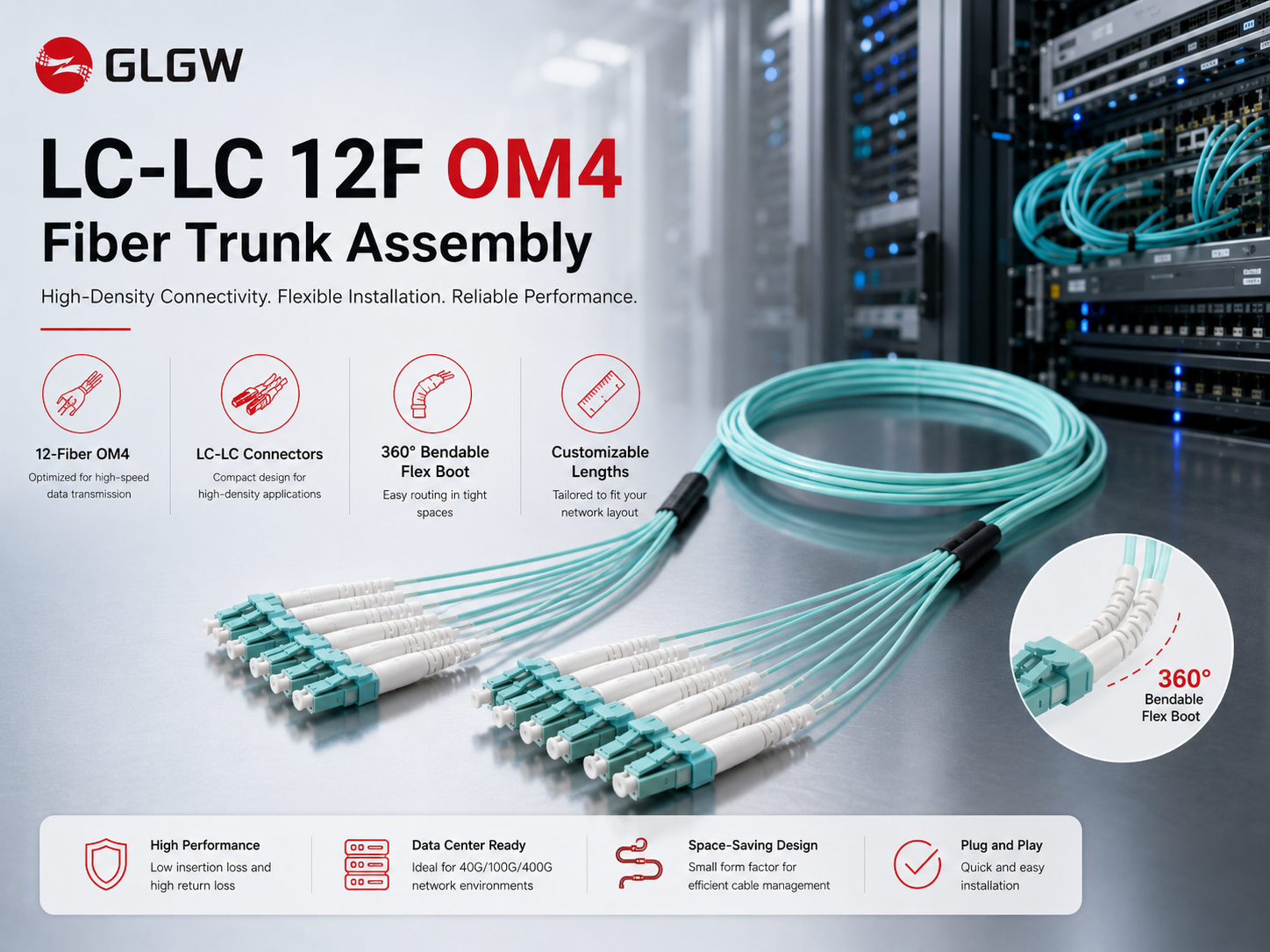
GLGW LC-LC 12F OM4 Fiber Trunk Assembly is designed for high-density data center connectivity, offering reliable performance, flexible installation, and clean cable management. With 12-fiber OM4 multimode fiber, LC-LC connectors, customizable lengths, and a 360° bendable flex boot, it provides an efficient solution for server racks, network cabinets, structured cabling systems, and modern data center infrastructure.
View More
What Connector Types for Ethernet Patch Cable?

18

Jul

What Connector Types for Ethernet Patch Cable?

Real World Field Challenges with Commercial Network Overhauls During a massive network overhaul for an e-commerce fulfillment hub last year, my deployment team faced an unexpected wave of packet drops and intermittent link drops across the main pac...
View More
Shielded structure improves anti-interference of data cables.

11

Sep

Shielded structure improves anti-interference of data cables.

Shielded Data Cable Explained: How It Prevents EMI and Improves Network Reliability What Is a Shielded Data Cable? A shielded data cable is a type of network cable designed with an additional conductive layer around the internal wires to protect da...
View More
MPO connector material affects signal transmission.

22

Sep

MPO connector material affects signal transmission.

MPO Connector Guide: Materials, Performance, and Selection for High-Density Fiber Networks What Is an MPO Connector and Why Is It Important? An MPO connector (Multi-fiber Push On connector) is a high-density fiber optic connector designed to connec...
View More

Customer Testimonials

Daniel Foster

The manifold provided an organized connection between several evaporators and our shared two-phase cooling loop. The separate supply and return paths simplified the overall system layout.

Kevin Morgan

We used a multi-port manifold for accelerator cooling and connected several parallel branches. The configurable layout helped our engineering team adapt the cooling circuit to the available rack space.

Get a Free Quote

Our representative will contact you soon.
Email
Mobile/WhatsApp
Name
Company Name
Message
0/1000
Liquid and Vapor Flow Management

Liquid and Vapor Flow Management

A two phase cooling manifold helps organize fluid movement in systems where the working fluid changes between liquid and vapor during heat absorption. The manifold can provide dedicated liquid supply connections to multiple evaporators while collecting vapor through a separate return path. Flow distribution depends on system pressure, branch resistance, working-fluid properties, thermal load, and manifold geometry. Ports can be arranged according to the cooling module layout, while valves and sensors may be incorporated for isolation and monitoring. Proper design should account for both liquid and vapor behavior across the operating range. This architecture is useful for AI accelerators, HPC processors, data center cooling systems, and other applications where phase-change heat transfer is considered for high-density thermal loads.
Multi-Branch Cooling Integration

Multi-Branch Cooling Integration

A two phase cooling manifold can connect multiple evaporators or cooling modules to a shared phase-change cooling loop. Instead of designing an independent circuit for every processor, a multi-port manifold can organize parallel cooling branches within a centralized distribution structure. Each branch can be configured around the thermal load and flow requirements of the connected device. Design parameters may include port size, branch count, pressure drop, operating pressure, working-fluid compatibility, and connection type. Isolation valves and service ports can provide practical maintenance options, while temperature or pressure sensors can support system monitoring. This modular architecture can be applied to multi-GPU servers, HPC clusters, data center racks, and other equipment with multiple concentrated heat sources.
High-Density Thermal Management

High-Density Thermal Management

Two-phase cooling manifolds can support thermal management strategies for equipment with concentrated heat generation. By distributing working fluid directly to multiple evaporators and collecting vapor through dedicated return paths, the manifold becomes an important connection point within the cooling loop. System design can be matched to total thermal load, heat flux, fluid properties, flow conditions, operating pressure, condenser capacity, and available installation space. Materials and sealing methods should also be compatible with the selected working fluid and operating environment. For AI and HPC applications, the manifold can be designed around multiple processor cooling branches and integrated with pumps, condensers, reservoirs, valves, and monitoring components. This creates a structured foundation for scalable phase-change cooling infrastructure.

Get a Free Quote

Our representative will contact you soon.
Email
Mobile/WhatsApp
Name
Company Name
Message
0/1000