Cooling Distribution Unit: Scalable Liquid Cooling for AI Data Centers

All Categories
Controlled Cooling Fluid Distribution for High-Density Infrastructure

Controlled Cooling Fluid Distribution for High-Density Infrastructure

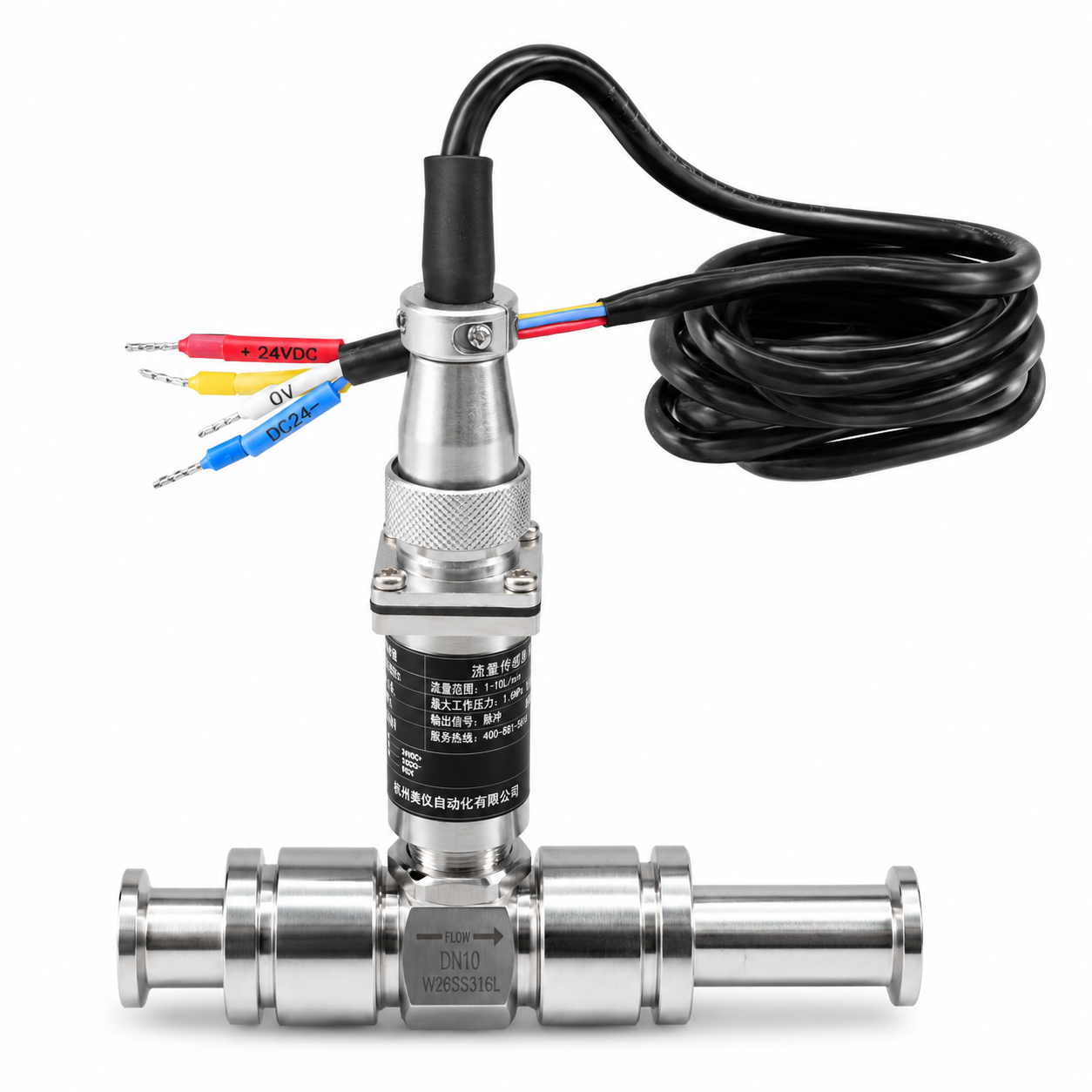
A cooling distribution unit is a key component in liquid cooling infrastructure, managing the circulation and distribution of cooling fluid between facility cooling equipment and heat-generating IT systems. It can support direct-to-chip cooling, rear-door heat exchangers, high-density server racks, and other liquid-based thermal management architectures. A CDU can incorporate pumps, heat exchangers, monitoring sensors, controls, valves, and fluid connections according to system requirements. Its design helps separate or coordinate facility-side and technology-side cooling loops while providing greater control over temperature, pressure, and flow conditions. Selection should consider cooling capacity, flow rate, supply temperature, pressure requirements, redundancy, rack density, control functions, and future expansion. Properly configured, a cooling distribution unit provides a structured interface between data center infrastructure and liquid-cooled computing equipment.
Get A Quote

Case Study

High-Density AI Data Center

An AI data center was deploying high-density servers with liquid cooling requirements that exceeded the practical capacity of conventional room-level air systems. Engineers integrated a cooling distribution unit between the facility cooling infrastructure and server-side liquid loops. The CDU was planned around required cooling capacity, flow rate, supply temperature, pressure, and expected rack density. Integrated monitoring provided visibility into fluid conditions and circulation performance. The architecture also allowed multiple server racks to connect to a centralized distribution system while maintaining controlled cooling parameters. This approach created a structured thermal interface for high-density computing and provided a foundation for additional liquid-cooled racks during future expansion.

Enterprise Data Center Upgrade

An enterprise data center needed to introduce liquid cooling to selected racks without replacing its existing cooling infrastructure. A cooling distribution unit was installed to coordinate facility-side cooling with the secondary liquid loop serving high-performance servers. Engineers evaluated rack heat loads, flow requirements, connection layouts, and available installation space before configuring the system. Temperature and pressure sensors provided operational data for the facility team. The modular arrangement allowed liquid cooling to be deployed in stages as additional high-performance equipment was introduced. This enabled the data center to develop its liquid cooling capacity progressively while maintaining compatibility with the broader thermal management infrastructure.

High-Performance Computing Facility

A research computing facility required centralized liquid distribution for multiple high-performance server clusters. Engineers used a cooling distribution unit to manage the flow of cooling liquid between facility heat rejection equipment and individual computing loops. The system was planned according to total thermal load, flow requirements, supply and return temperatures, and expected expansion. Pumping and heat exchange functions were coordinated with monitoring controls to maintain suitable operating conditions. Multiple connection points supported different computing zones, allowing the facility to organize cooling capacity according to equipment requirements. The architecture provided a scalable thermal management platform for intensive computational workloads and future infrastructure growth.

Related products

A cooling distribution unit, commonly called a CDU, manages the transfer and distribution of cooling fluid within a liquid cooling system. In data centers, it can connect facility-side cooling infrastructure with secondary loops serving liquid-cooled servers, AI systems, or high-performance computing equipment. A CDU may incorporate pumps, heat exchangers, valves, sensors, filters, controls, and supply and return connections. Its configuration depends on required cooling capacity, flow rate, temperature range, pressure, rack density, and facility architecture. By controlling the conditions of the liquid supplied to IT equipment, the unit can help create a more organized and manageable cooling environment. CDUs can be designed for individual racks, multiple racks, or larger computing zones depending on project requirements. Monitoring functions may track temperature, pressure, flow, and operating status. Proper system planning also considers redundancy, maintenance access, connection standards, and future expansion capacity.

Frequently Asked Questions

What is a cooling distribution unit?

A cooling distribution unit manages cooling fluid between facility infrastructure and liquid-cooled IT equipment. It can contain pumps, heat exchangers, sensors, valves, and control components that regulate temperature, pressure, and flow within the connected cooling loops.
A CDU provides a controlled interface between facility cooling infrastructure and IT-side liquid loops. It helps distribute cooling fluid to high-density servers while managing operating conditions such as flow rate, supply temperature, pressure, and return temperature.
CDUs are commonly used in AI data centers, high-performance computing facilities, cloud infrastructure, enterprise server rooms, and other environments deploying direct-to-chip or other liquid cooling technologies for high-density computing equipment.
Consider cooling capacity, flow rate, supply and return temperatures, pressure requirements, rack density, connection configuration, control functions, redundancy, installation space, and future expansion. The CDU should be matched to both facility and IT-side cooling requirements.
Yes. Depending on its configuration and cooling capacity, a CDU can distribute cooling fluid to multiple racks or computing zones. The system should be sized according to total thermal load, flow demand, connection requirements, and planned expansion.

Related article

2026 Trends: Smart AI Needs Better Cables for Big Computer Buildings and Homes

08

May

2026 Trends: Smart AI Needs Better Cables for Big Computer Buildings and Homes

View More
Intelligent Cabling Solutions for Future Networks

21

May

Intelligent Cabling Solutions for Future Networks

View More
How to insert MPO connectors correctly?

07

Jul

How to insert MPO connectors correctly?

Real World Field Experiences with High Density Fiber Networks When managing an emergency data center migration last winter, my engineering team ran into an unexpected drop in performance on our main 40G trunk lines. After spending hours checking so...
View More
Patch cord matching rules for communication projects.

11

Jul

Patch cord matching rules for communication projects.

Real World Field Experiences with Multi Floor Network Deployments Managing a sprawling multi-floor campus network installation a few years ago taught me that ignoring infrastructure details always leads to signal loss. We noticed severe intermitten...
View More

Customer Testimonials

Mark Thompson

The cooling distribution unit helped us connect liquid-cooled server racks with our existing facility infrastructure. Flow and temperature monitoring gave our team better visibility during high-load operation.

Daniel Harris

We deployed a CDU for a high-density computing zone and appreciated the organized supply and return connections. The modular design also gave us room for additional rack capacity.

Get a Free Quote

Our representative will contact you soon.
Email
Mobile/WhatsApp
Name
Company Name
Message
0/1000
Controlled Fluid Management

Controlled Fluid Management

A cooling distribution unit provides centralized management of cooling fluid within a liquid cooling architecture. It can regulate circulation between facility-side infrastructure and IT-side cooling loops while monitoring important operating parameters. Depending on the system design, the CDU may include pumps, heat exchangers, valves, sensors, filters, and control components. Engineers can configure the unit according to cooling capacity, flow rate, supply temperature, return temperature, and pressure requirements. This makes the CDU an important interface for direct-to-chip and other liquid cooling systems. By organizing supply and return circuits through a dedicated distribution point, the architecture can provide greater visibility and control over thermal management conditions across connected computing equipment.
High-Density Cooling Support

High-Density Cooling Support

As AI servers and high-performance computing equipment generate greater heat loads, data centers need cooling infrastructure that can support higher rack densities. A cooling distribution unit can distribute liquid cooling capacity to multiple high-performance systems while coordinating supply and return conditions. Engineers can plan CDU capacity according to current thermal loads, rack configuration, flow requirements, and expected expansion. The system may support multiple cooling zones depending on its design and connection architecture. Monitoring temperature, pressure, and flow provides operational information for facility teams. When integrated with compatible pumps, heat exchangers, manifolds, and piping, a CDU can provide a structured thermal management platform for demanding computing environments.
Scalable Cooling Infrastructure

Scalable Cooling Infrastructure

A cooling distribution unit can form the central connection point for scalable liquid cooling infrastructure. Facilities can plan the CDU around present cooling requirements while reserving capacity for additional servers, racks, or computing zones. Depending on the project, expansion may involve additional distribution connections, cooling capacity, pumping capability, or supporting heat exchange equipment. Modular planning can also simplify phased deployment when liquid cooling is introduced gradually into an existing data center. Engineers should evaluate redundancy, maintenance access, control systems, and facility-side cooling capacity during system design. With appropriate sizing and infrastructure planning, the CDU can support the transition toward increasingly dense liquid-cooled computing environments.

Get a Free Quote

Our representative will contact you soon.
Email
Mobile/WhatsApp
Name
Company Name
Message
0/1000