Rack Level Coolant Distribution Unit: Centralized AI/HPC Cooling

All Categories
Centralized Coolant Management at Rack Level

Centralized Coolant Management at Rack Level

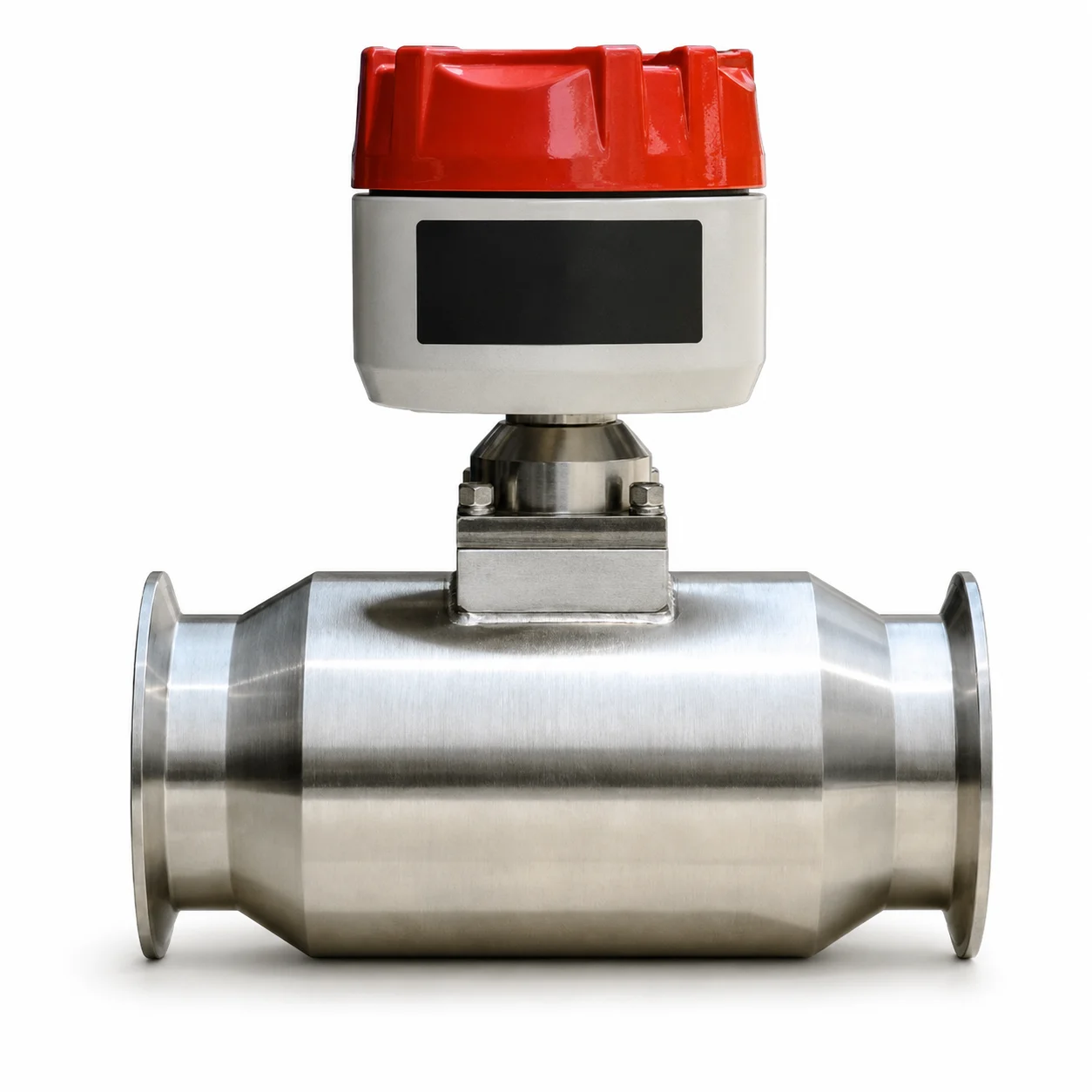
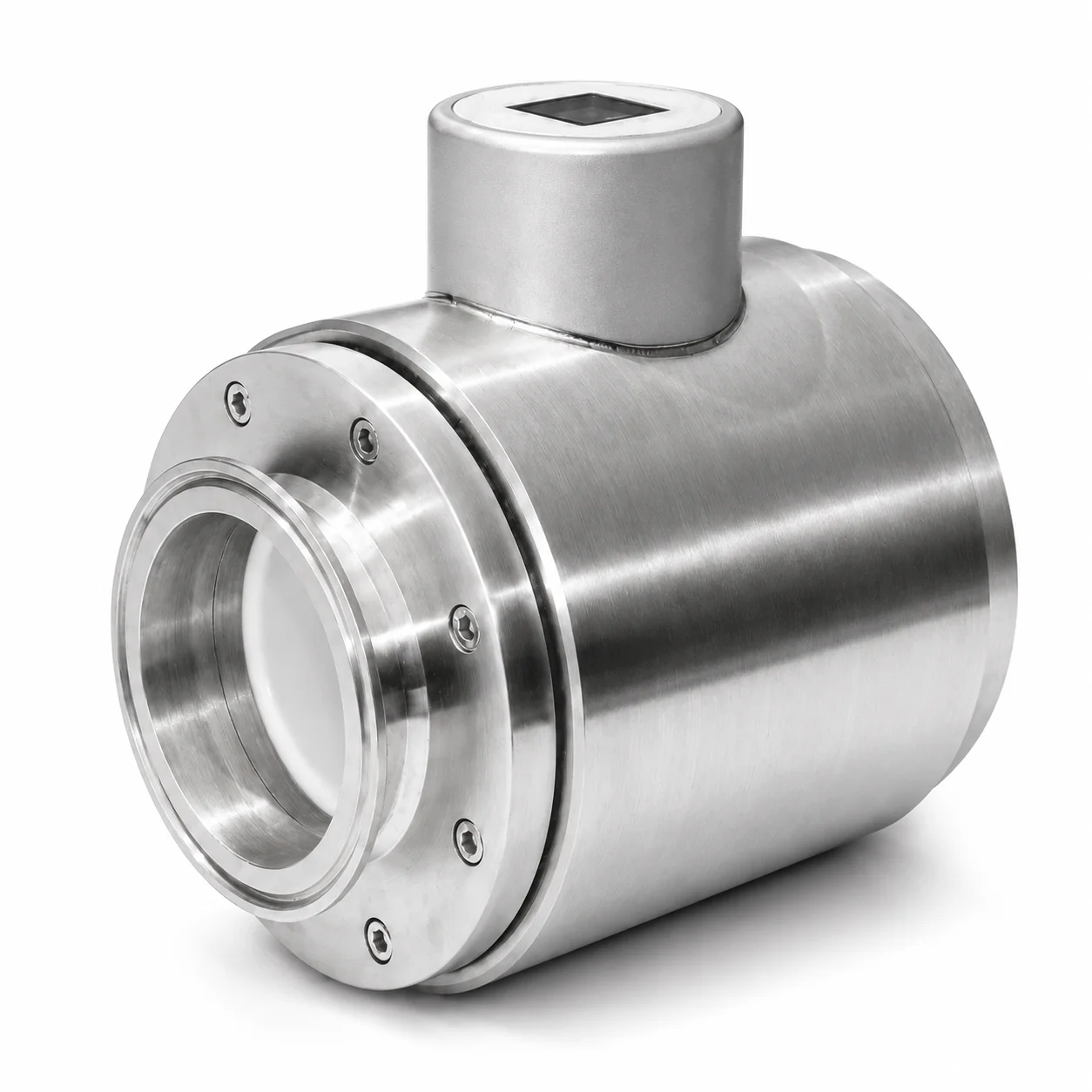
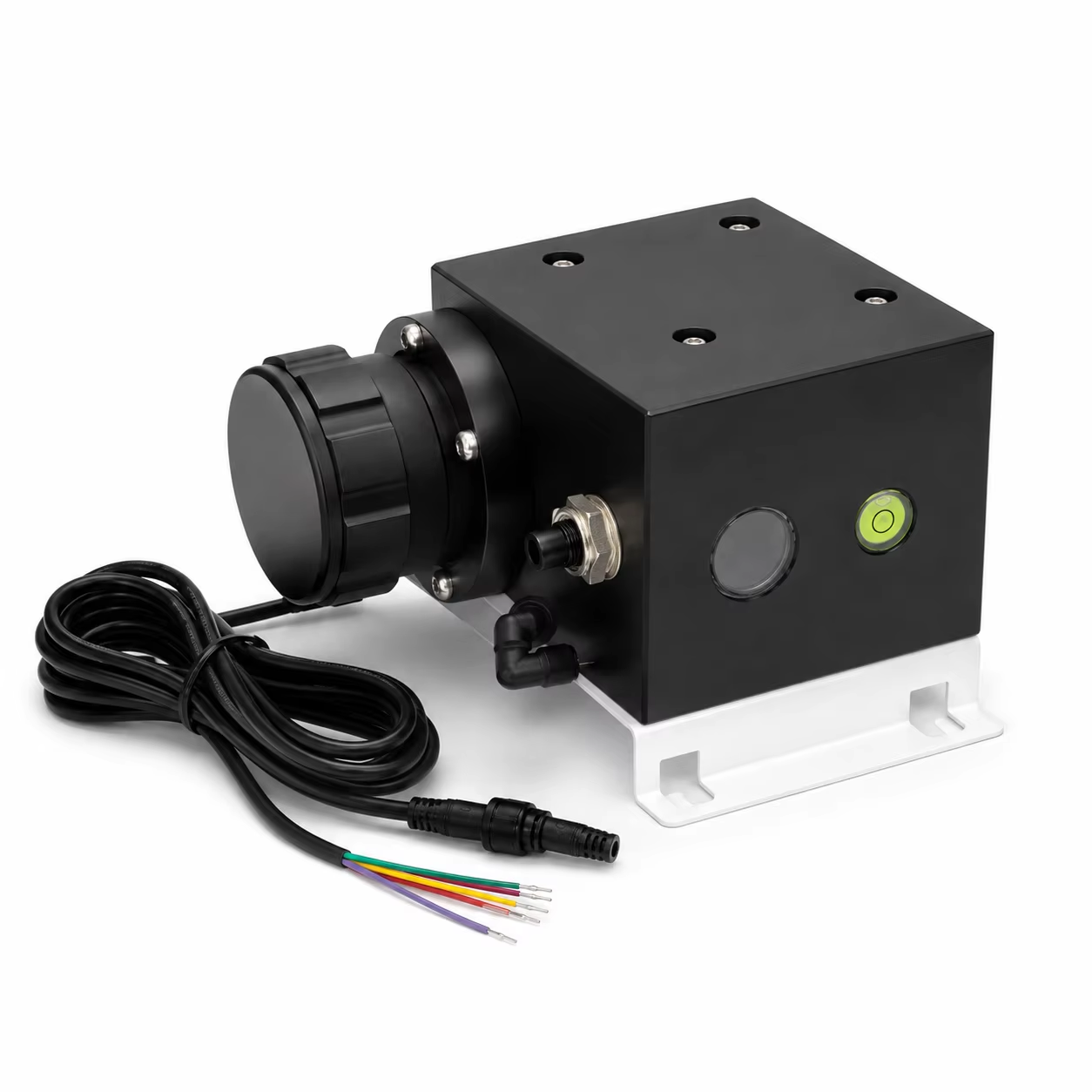
A rack level coolant distribution unit provides a centralized interface for managing liquid cooling within high-density server racks. It can distribute coolant between facility-side infrastructure and multiple server-level cooling loops, supporting CPUs, GPUs, and accelerators through cold plates, manifolds, hoses, and quick disconnects. Depending on the cooling architecture, the unit can incorporate pumps, heat exchangers, valves, sensors, filtration, and control components to manage temperature, pressure, and flow. System configuration can be matched to rack thermal load, coolant type, supply and return temperatures, flow requirements, pressure drop, and available rack space. Rack level coolant distribution units are suitable for AI infrastructure, HPC clusters, cloud computing, telecom equipment, and enterprise data centers adopting direct-to-chip or other liquid cooling architectures.
Get A Quote

Case Study

GPU Cluster Coolant Distribution

An AI computing facility needed a structured method for distributing coolant across several GPU servers within the same rack. A rack level coolant distribution unit was positioned between the facility cooling loop and server-side liquid circuits. The system connected GPU cold plates through rack manifolds, hoses, and quick disconnect couplings, allowing coolant to reach multiple accelerators from a centralized distribution point. Design considerations included total rack thermal load, required coolant flow, supply and return temperatures, operating pressure, and connection layout. The rack-level architecture helped organize liquid connections and service access while providing a scalable foundation for adding compatible GPU servers as the computing workload and rack density increased.

HPC Server Cooling

A high-performance computing installation required centralized liquid distribution for multiple processor-heavy servers operating in a single rack. The rack level coolant distribution unit managed coolant delivery between the facility loop and individual server cold plates. Manifolds divided the flow among CPU and accelerator cooling circuits, while sensors could monitor temperature, pressure, and flow conditions. Engineers considered processor heat load, coolant compatibility, flow requirements, pressure drop, and available installation space when developing the configuration. Centralizing these connections reduced the need for separate facility-side interfaces for every server and created a more organized rack architecture. The system could also accommodate additional liquid-cooled nodes as the HPC environment expanded.

High-Density Data Center Upgrade

A data center was preparing to deploy higher-power computing equipment while retaining existing facility infrastructure where practical. Rack level coolant distribution units were introduced in selected high-density racks to provide localized liquid cooling management. Each unit connected to server cold plates through manifolds, hoses, and quick disconnects, while the facility-side connection supplied and returned coolant through a controlled loop. Deployment planning evaluated rack heat density, coolant capacity, supply and return temperatures, pressure limits, pipe routing, and maintenance clearance. This rack-by-rack approach allowed liquid cooling to be introduced progressively instead of requiring a facility-wide conversion. Additional racks could be equipped with compatible distribution units as AI and HPC workloads expanded.

Related products

A rack level coolant distribution unit is designed to organize and manage liquid cooling connections for high-density server racks. The unit can serve as an interface between facility cooling infrastructure and server-level liquid loops, distributing coolant to CPU and GPU cold plates through manifolds, hoses, and quick disconnect couplings. Depending on system requirements, it may incorporate pumps, heat exchangers, valves, sensors, filtration, control equipment, and supply and return manifolds. Key parameters include rack thermal load, coolant flow rate, operating pressure, supply and return temperatures, fluid compatibility, connection size, physical dimensions, and monitoring requirements. Rack level coolant distribution units can support AI servers, HPC systems, cloud platforms, telecom equipment, and enterprise data centers. By consolidating coolant management at the rack, the architecture provides a structured way to connect multiple liquid-cooled servers while supporting maintenance, monitoring, and future capacity expansion.

Frequently Asked Questions

What is a rack level coolant distribution unit?

A rack level coolant distribution unit manages liquid cooling connections within a server rack. It can connect facility-side coolant infrastructure with multiple server-level cooling loops and distribute liquid to CPU, GPU, or accelerator cold plates through manifolds, hoses, and quick disconnect couplings.
The main purpose is to centralize coolant distribution and control close to the IT equipment. Depending on the configuration, the CDU can manage flow, temperature, pressure, heat exchange, and monitoring while providing supply and return connections for several liquid-cooled servers installed within the same rack.
Yes. Rack level coolant distribution units can be configured for AI and HPC racks containing multiple GPU servers. The CDU distributes coolant through rack manifolds to individual GPU cold plates. Sizing should consider total rack thermal load, coolant flow, pressure, temperature requirements, and the number of liquid-cooled servers.
The unit can connect with server cold plates, manifolds, hoses, quick disconnects, pumps, heat exchangers, and facility cooling infrastructure. Depending on the design, sensors, valves, filtration, and control systems may also be included. The final component arrangement depends on the rack architecture and cooling requirements.
Sizing should consider total rack heat load, required coolant flow, supply and return temperatures, operating pressure, coolant properties, heat rejection capacity, and connection requirements. The number and type of liquid-cooled servers should also be evaluated, along with available rack space and anticipated future expansion.

Related article

Intelligent Power Distribution, Precision Metering – An In-Depth Look at the GLGW PDU Series

21

May

Intelligent Power Distribution, Precision Metering – An In-Depth Look at the GLGW PDU Series

View More
Fiber Optic Patch Panel: High-Density Modular Rack-Mount Solution for Reliable Network Management

21

May

Fiber Optic Patch Panel: High-Density Modular Rack-Mount Solution for Reliable Network Management

Discover how a high-density fiber optic patch panel improves cable organization, network reliability, scalability, and maintenance for data centers, telecom, FTTX, and enterprise networks.
View More
High-Flex Ethernet Patch Cable for Data Center Connections.

18

Aug

High-Flex Ethernet Patch Cable for Data Center Connections.

High-density data center environments present severe mechanical and spatial challenges for network cabling. As rack densities increase with switch port counts climbing to 48 or 64 ports per rack unit (RU), traditional thick, rigid copper patch cord...
View More
Fiber Cable Tensile Strength for Aerial Installation.

24

Aug

Fiber Cable Tensile Strength for Aerial Installation.

Deploying optical fiber cables in aerial spans across long distances—such as utility poles over valleys, mountain ridges, and expansive rural infrastructure—exposes the cable assembly to continuous mechanical, gravitational, and environ...
View More

Customer Testimonials

Jason Miller

The rack-level CDU provided a centralized connection point for our GPU servers. It helped organize coolant distribution and made the liquid cooling architecture easier to manage during installation.

Peter Evans

We used the CDU for multiple HPC nodes in one rack. The manifold arrangement simplified server connections and gave our team clearer access to coolant monitoring points.

Get a Free Quote

Our representative will contact you soon.
Email
Mobile/WhatsApp
Name
Company Name
Message
0/1000
Centralized Rack Distribution

Centralized Rack Distribution

A rack level coolant distribution unit centralizes liquid cooling management close to the servers that generate heat. Instead of connecting every server independently to distant cooling equipment, the rack-level unit can provide common supply and return interfaces for multiple liquid-cooled nodes. Manifolds distribute coolant from the main circuit toward individual CPU or GPU cold plates, while monitoring components can track temperature, pressure, and flow. Depending on the architecture, the unit may also integrate pumps, heat exchangers, valves, and filtration. Configuration can be matched to rack thermal load, coolant type, flow requirements, and available installation space. This centralized approach helps create an organized liquid cooling structure for dense AI, HPC, and enterprise server environments.
Direct-to-Chip Integration

Direct-to-Chip Integration

Rack level coolant distribution units can serve as an important connection point for direct-to-chip cooling systems. Server CPUs and GPUs can use dedicated cold plates connected to rack manifolds through hoses and quick disconnect couplings. The CDU then manages coolant delivery between the rack equipment and the facility-side cooling infrastructure. Depending on requirements, the system can incorporate pumps, heat exchangers, sensors, valves, and control components. Design considerations include supply and return temperature, coolant flow, pressure drop, fluid compatibility, and connection configuration. This architecture provides a practical way to organize multiple processor cooling loops within a rack while maintaining defined service connections for installation, maintenance, and future equipment replacement.
Scalable High-Density Rack Cooling

Scalable High-Density Rack Cooling

AI and HPC workloads can significantly increase the thermal load of individual server racks. A rack level coolant distribution unit provides a scalable architecture for managing these higher-density environments without treating every server as an isolated cooling system. The rack can be designed around its current server population and expanded as additional liquid-cooled equipment is installed. Planning can consider rack heat load, CDU capacity, coolant flow, facility-side heat rejection, pipe routing, supply and return temperatures, and service clearance. Standardized manifolds, hoses, and quick disconnects can simplify connections across compatible servers. This rack-by-rack approach supports phased liquid cooling deployment in new or existing data centers while maintaining flexibility for future computing density increases.

Get a Free Quote

Our representative will contact you soon.
Email
Mobile/WhatsApp
Name
Company Name
Message
0/1000