High Density Fiber Optic Patch Panels: Maximize Rack Space & Scalability

All Categories
Flexible High-Density Fiber Management for Modern Networks

Flexible High-Density Fiber Management for Modern Networks

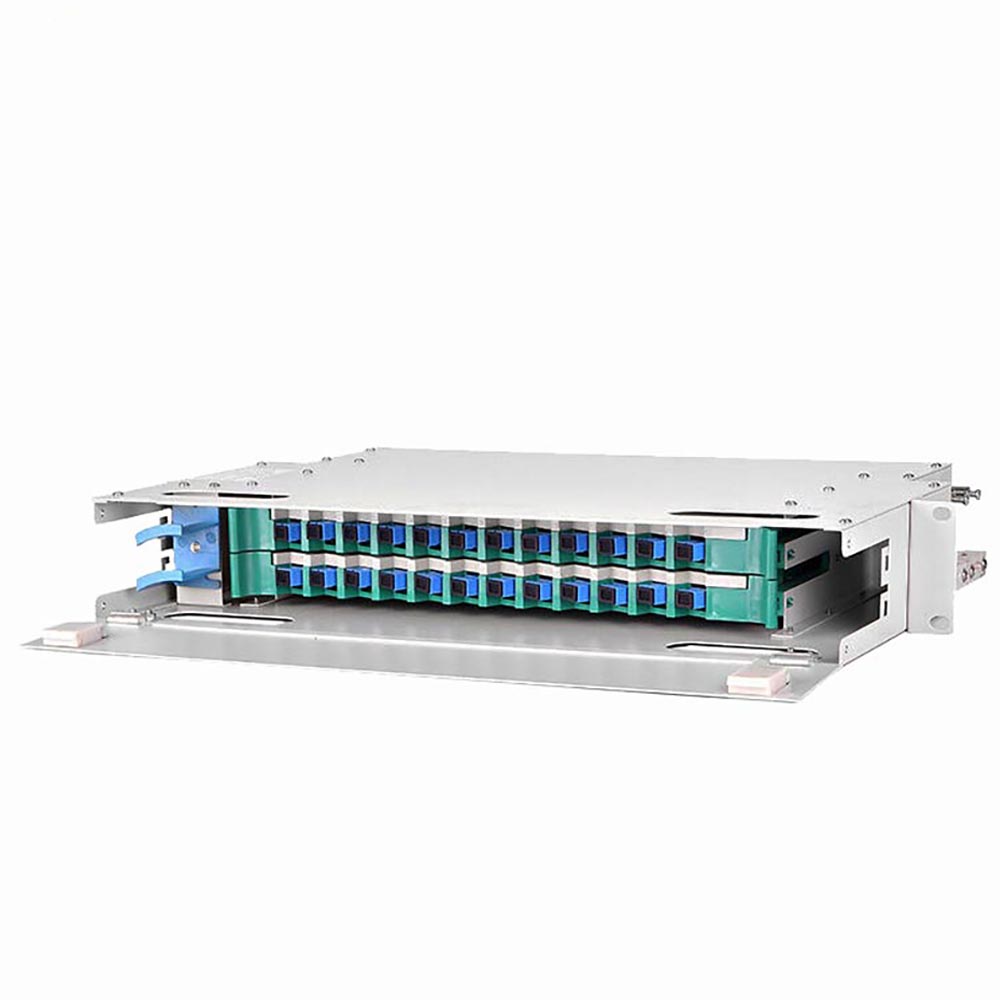
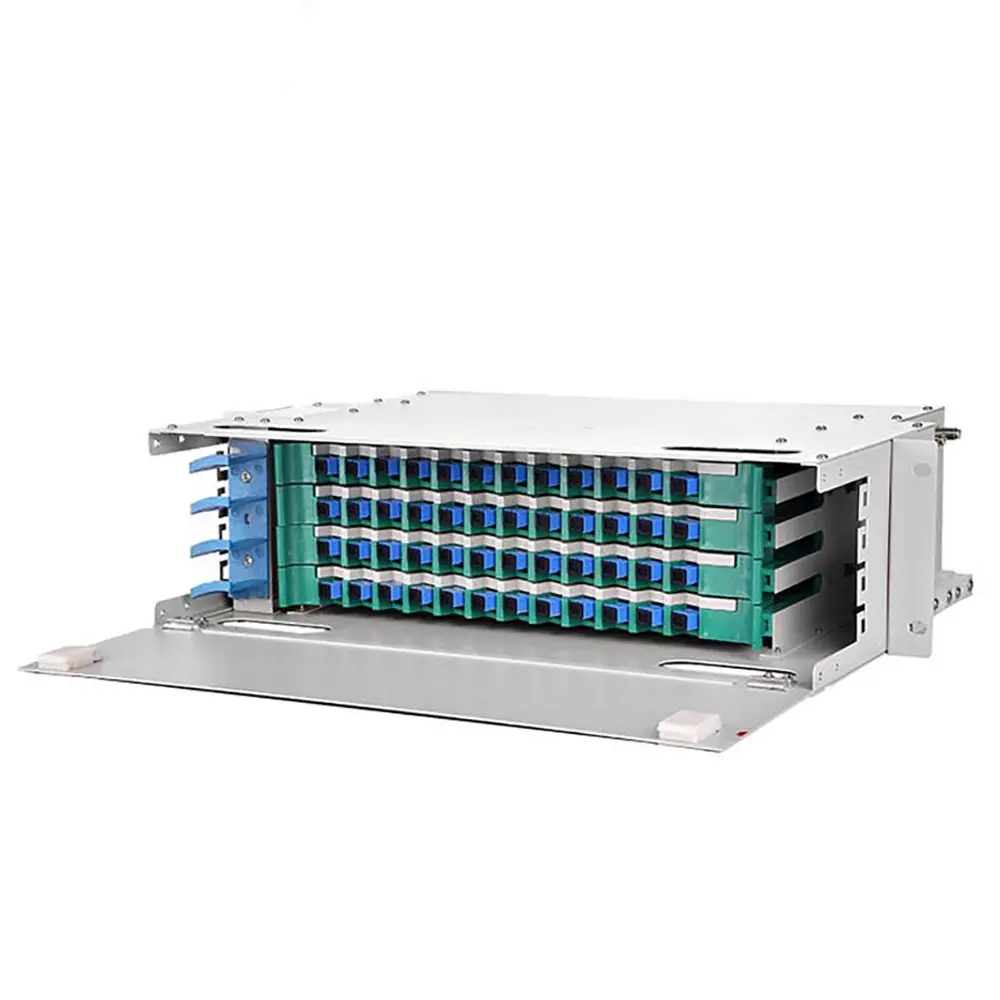
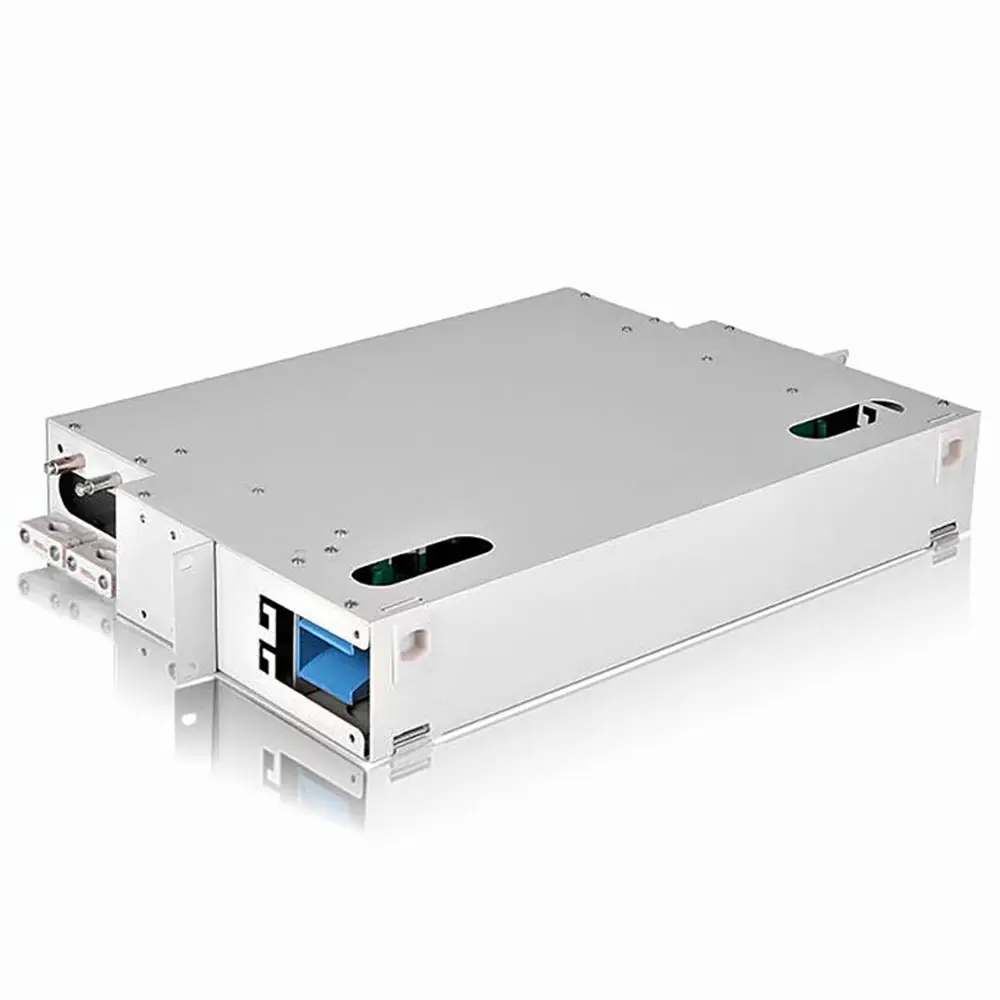
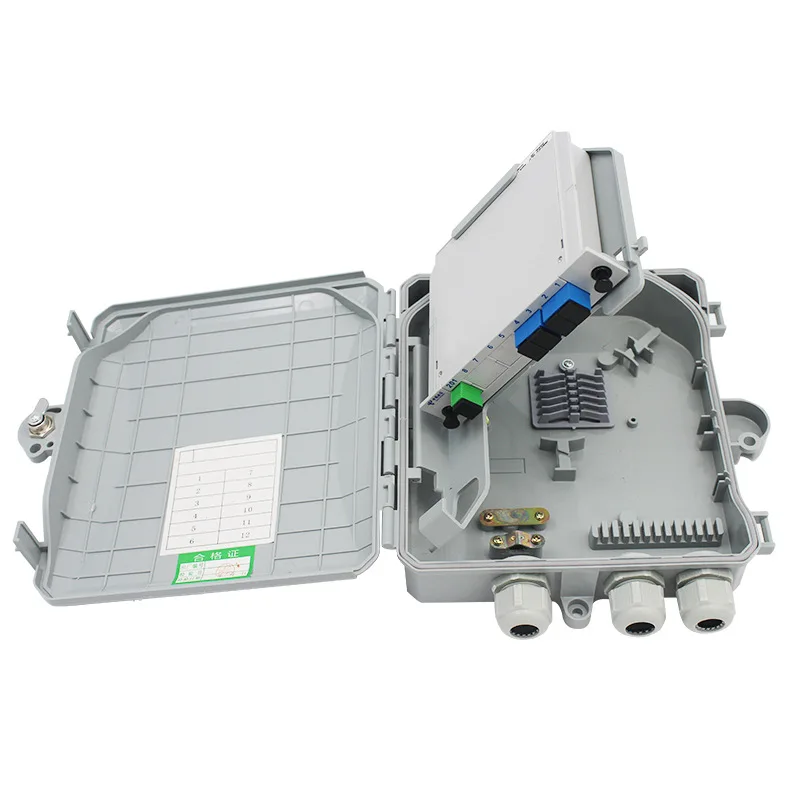
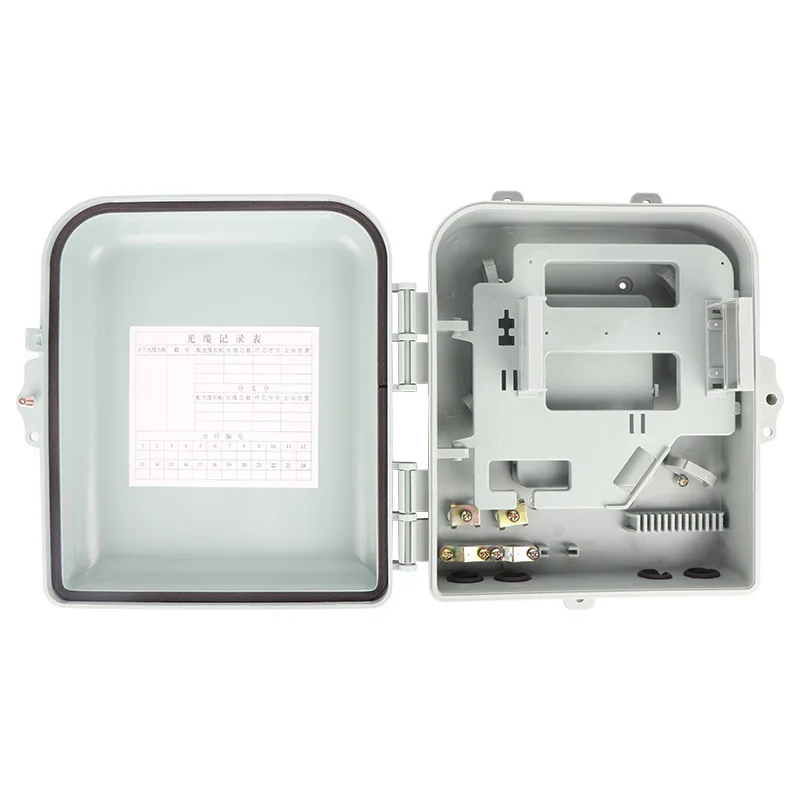
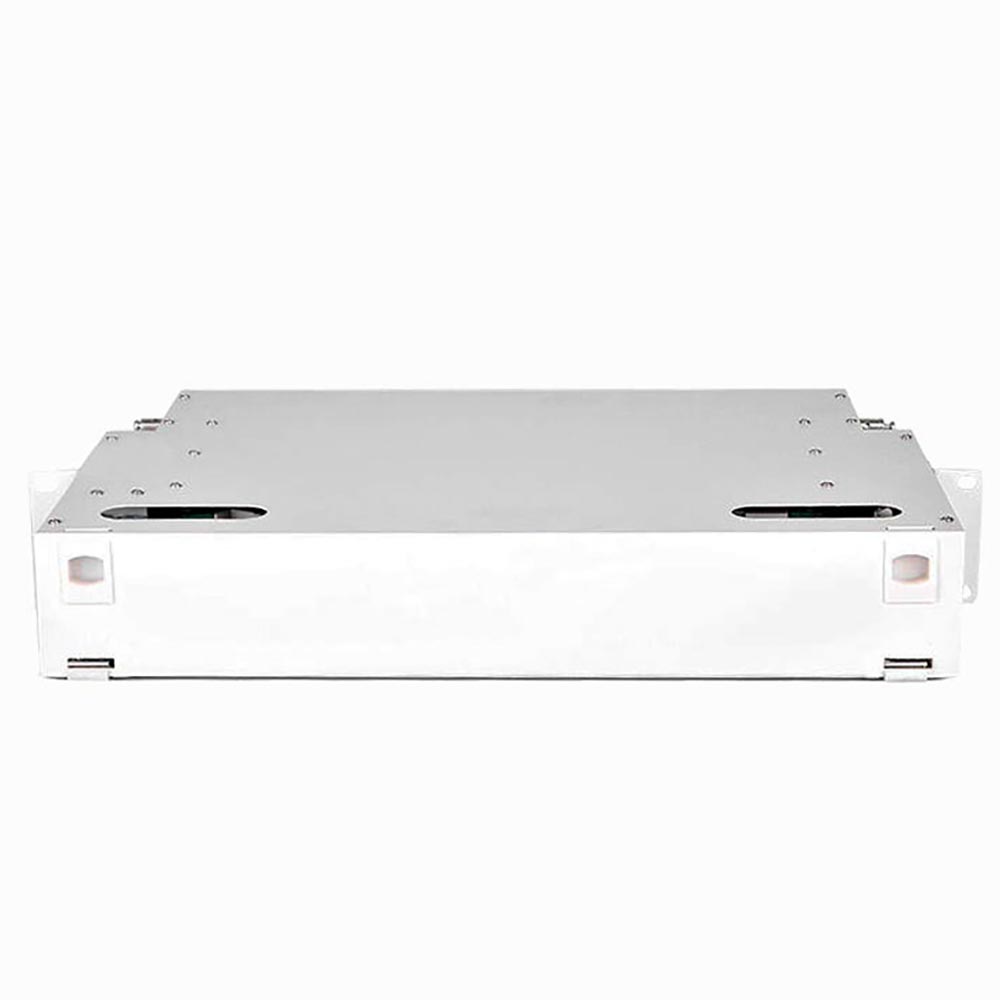
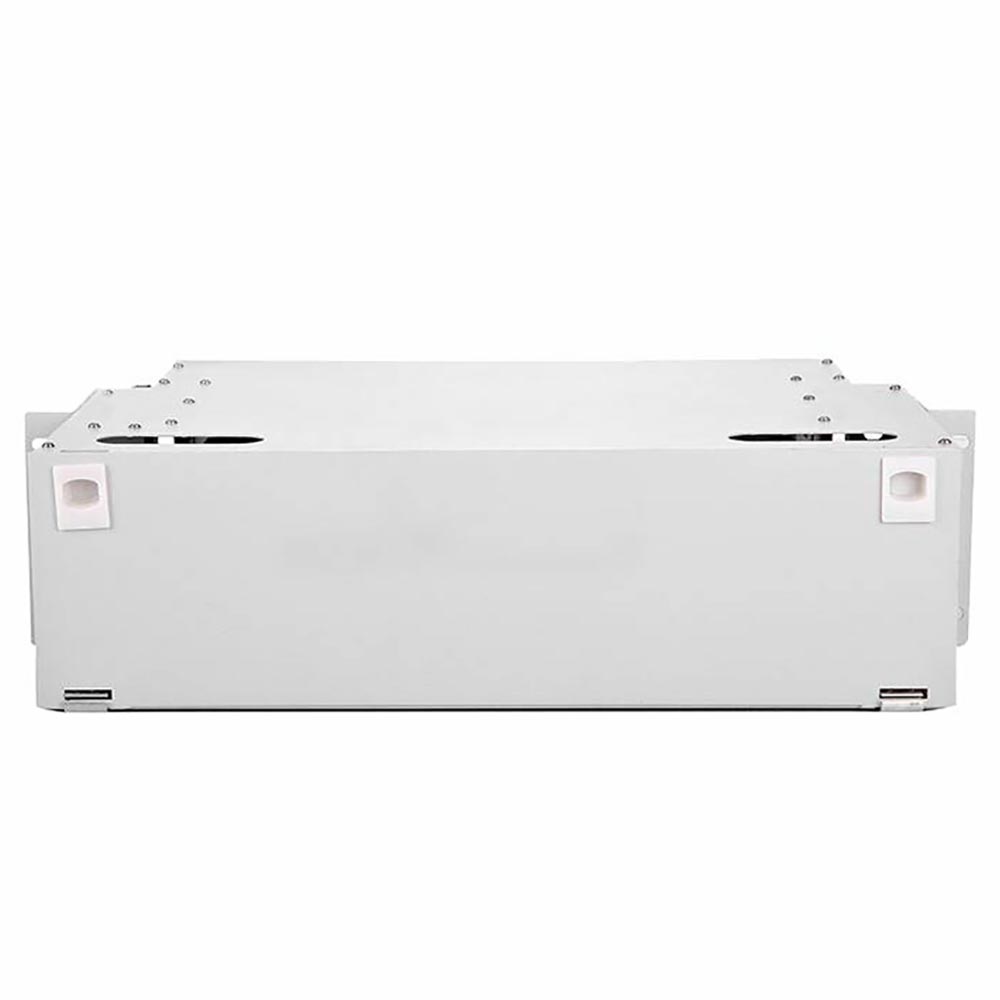
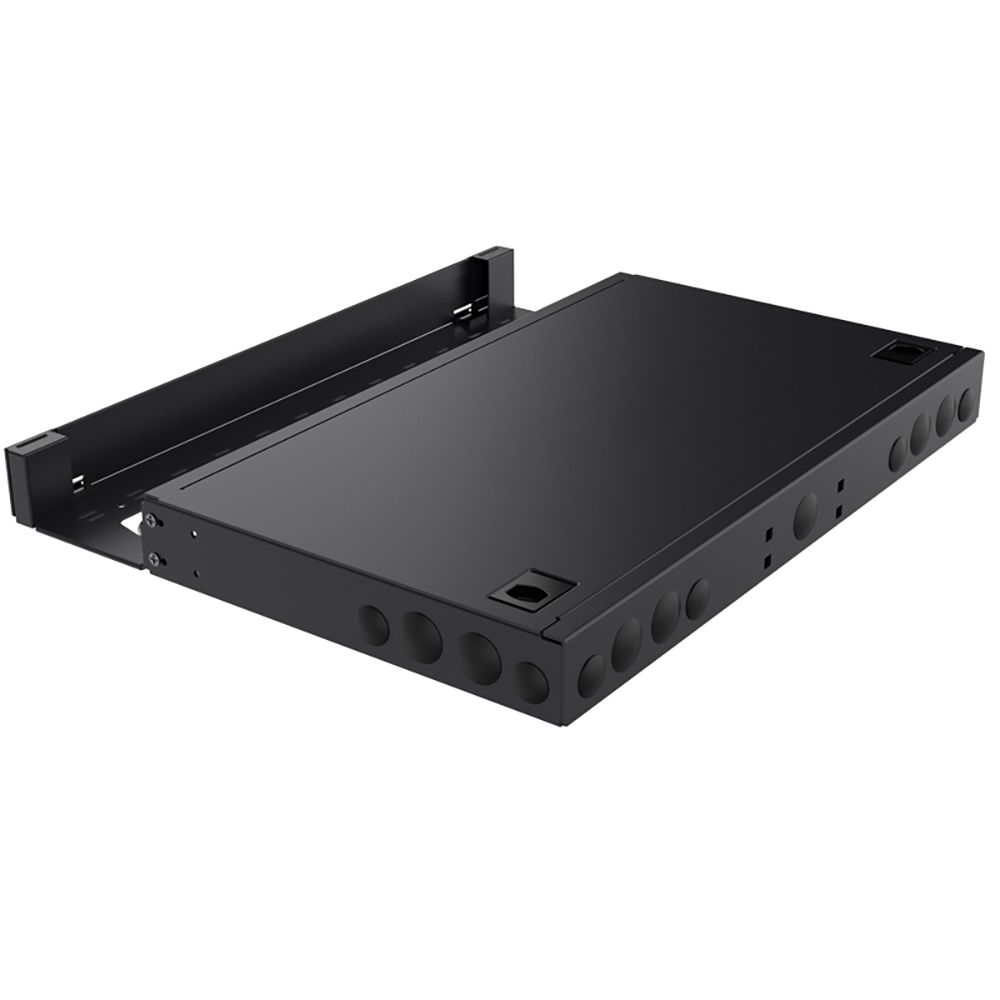
High density fiber optic patch panels provide an organized way to manage large numbers of fiber connections while making efficient use of rack space. They can be configured with different adapter panels, fiber cassettes, splice modules, and cable management options to suit specific network architectures. For data centers, telecom facilities, enterprise networks, and backbone infrastructure, a well-designed panel helps separate incoming and outgoing fibers, maintain proper bend radius, and simplify testing or maintenance. Depending on the project, configurations can support different fiber counts and connector interfaces, including LC, SC, or MPO. Their modular structure also makes future expansion easier, allowing network operators to add or rearrange connections without redesigning the entire fiber distribution system.
Get A Quote

Case Study

Data Center Backbone Expansion

A data center upgrading its backbone network may need to accommodate hundreds of fiber connections within limited rack space. High density fiber optic patch panels can centralize patching and termination while keeping cables clearly organized. A configurable setup with adapter modules, splice storage, and front-access cable management can simplify connection changes during deployment. For example, a project can use multiple panels to separate backbone, interconnect, and equipment-side fibers. This structure helps technicians identify ports faster, reduce unnecessary cable movement, and maintain an orderly rack environment as additional servers and switches are introduced. The modular design also provides a practical foundation for future fiber expansion.

Telecom Fiber Distribution

Telecom operators often manage feeder, distribution, and backbone fibers across centralized facilities. High density fiber optic patch panels can provide a structured termination point where these fiber routes can be patched, tested, and maintained. A configuration may combine splice trays, adapter panels, and organized cable entry to keep individual fibers protected during routine work. For a regional network expansion, several panels can be installed across racks to divide different service areas or fiber routes. This approach helps technicians trace connections more efficiently while preserving rack organization. As subscriber or backbone requirements increase, additional modules or panels can be introduced without changing the complete distribution architecture.

Enterprise Network Upgrade

An enterprise moving from copper-heavy infrastructure to fiber connectivity may require a compact and organized termination solution. High density fiber optic patch panels can consolidate connections between network switches, server rooms, and building distribution points. For example, an enterprise campus can use separate adapter groups for different floors or network zones, making patching easier to identify and maintain. Proper cable routing helps protect fiber from excessive bending and accidental movement during equipment changes. The panel can also support future port additions as the organization expands. This structured approach gives IT teams clearer fiber management while helping reduce the complexity associated with large numbers of individual optical connections.

Related products

High density fiber optic patch panels are designed for applications where many optical connections must be managed within a structured rack or cabinet environment. The configuration can include adapter panels, splice trays, fiber cassettes, MPO modules, and front-access cable management depending on the required network architecture. Common deployment scenarios include data centers, telecom distribution rooms, enterprise networks, FTTH infrastructure, and backbone systems. Fiber capacity can be configured according to project requirements, with 48, 96, 144, or other port arrangements available as illustrative configurations. A suitable panel should consider connector type, fiber count, rack height, cable entry direction, bend-radius protection, and future expansion requirements. Modular construction can also make maintenance and network changes more manageable over the equipment lifecycle.

Frequently Asked Questions

What are high density fiber optic patch panels?

High density fiber optic patch panels organize a large number of optical terminations within a compact rack-mounted enclosure. They can contain adapter panels, splice trays, cassettes, or modular fiber components, helping technicians manage patching, termination, routing, and maintenance in data center and telecom environments.
Fiber capacity depends on the enclosure size, connector interface, module design, and configuration. Illustrative options can include 48, 96, or 144 fibers, while higher-density configurations may also be possible. The required capacity should be selected according to current connections and planned network expansion.
Depending on the configuration, high density fiber optic patch panels can accommodate interfaces such as LC, SC, or MPO. Modular designs may allow different adapter panels or cassette types to be installed. Connector selection should match the transceivers, patch cords, and fiber distribution architecture used in the network.
They are commonly used in data centers, telecom facilities, enterprise server rooms, backbone networks, FTTH distribution systems, and other structured fiber environments. They are particularly useful where large numbers of optical connections must be terminated, patched, protected, and maintained within limited rack space.
Consider fiber count, connector type, rack height, mounting method, splice requirements, cable entry, bend-radius protection, and available rack space. It is also important to consider future expansion and maintenance access. A modular configuration can provide more flexibility when network requirements are expected to change.

Related article

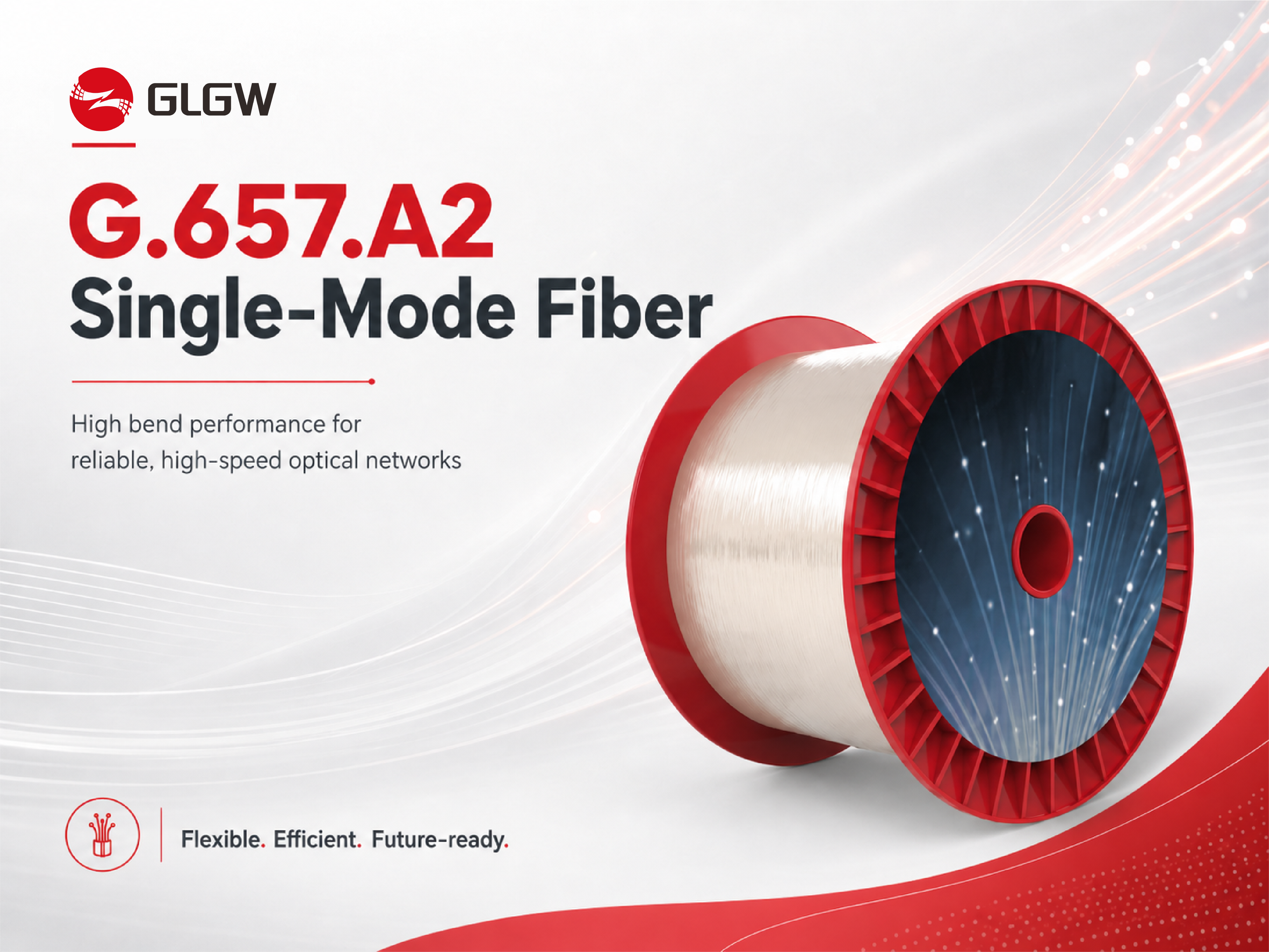
G.657.A2 Single-Mode Fiber for Reliable High-Speed Optical Networks

09

May

G.657.A2 Single-Mode Fiber for Reliable High-Speed Optical Networks

G.657.A2 single-mode fiber offers excellent bend performance, stable transmission, and flexible installation for FTTH, indoor cabling, access networks, and high-speed optical communication systems.
View More
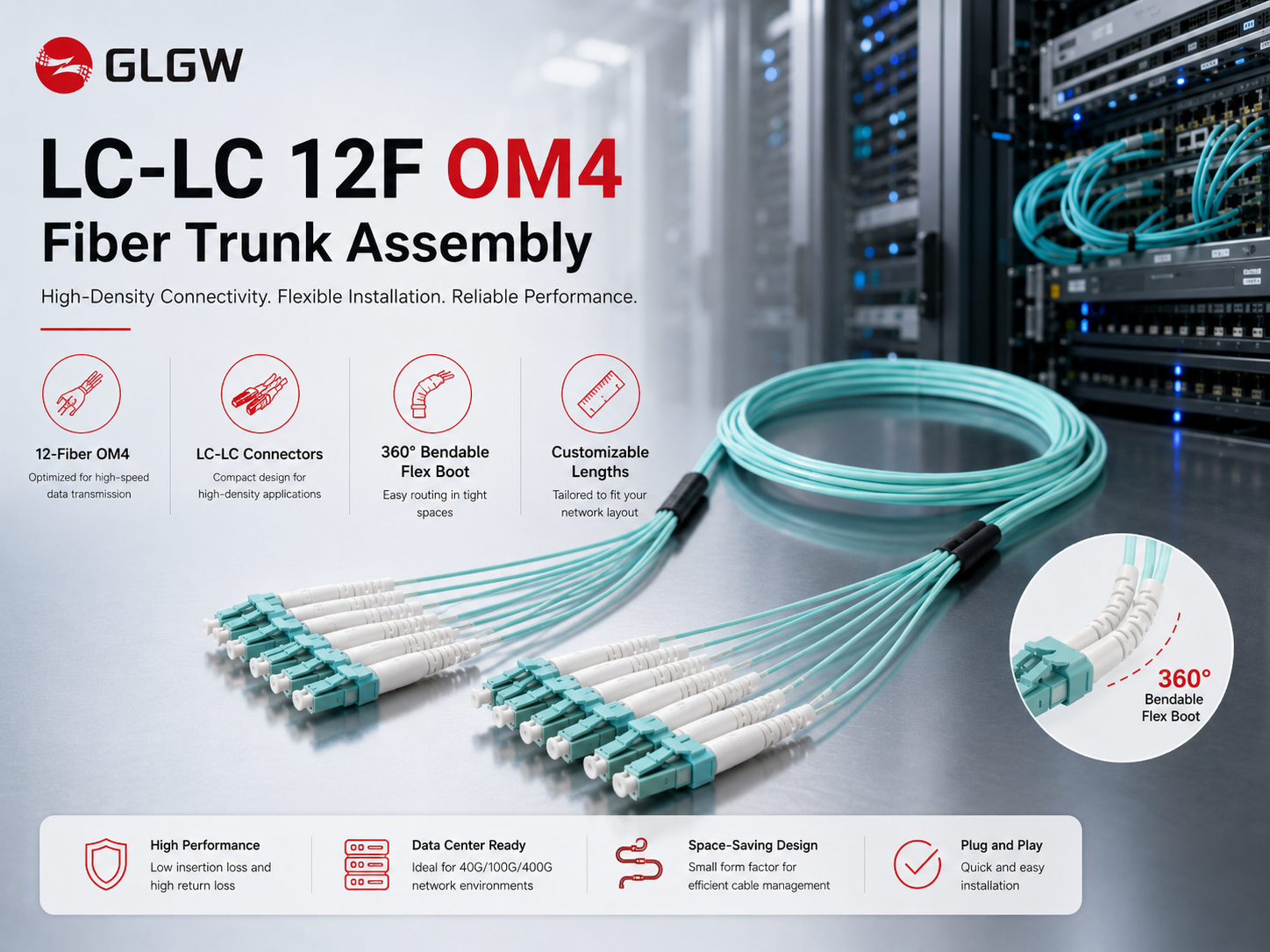
LC-LC 12F OM4 Fiber Trunk Assembly for High-Density Data Centers

21

May

LC-LC 12F OM4 Fiber Trunk Assembly for High-Density Data Centers

GLGW LC-LC 12F OM4 Fiber Trunk Assembly is designed for high-density data center connectivity, offering reliable performance, flexible installation, and clean cable management. With 12-fiber OM4 multimode fiber, LC-LC connectors, customizable lengths, and a 360° bendable flex boot, it provides an efficient solution for server racks, network cabinets, structured cabling systems, and modern data center infrastructure.
View More
What Connector Types for Ethernet Patch Cable?

18

Jul

What Connector Types for Ethernet Patch Cable?

Real World Field Challenges with Commercial Network Overhauls During a massive network overhaul for an e-commerce fulfillment hub last year, my deployment team faced an unexpected wave of packet drops and intermittent link drops across the main pac...
View More
LAN Cable Quality Standards for Enterprise Local Area Networks.

17

Sep

LAN Cable Quality Standards for Enterprise Local Area Networks.

Enterprise LAN Cable Selection Guide: Categories, Shielding, Standards, and Performance Why Choosing the Right LAN Cable Matters for Enterprise Networks A reliable LAN cable is the foundation of modern enterprise network infrastructure. Although wi...
View More

Customer Testimonials

Michael Turner

The panel helped us consolidate a large number of fiber connections into a cleaner rack layout. Port identification and routine patching became easier after the network expansion.

David Collins

We needed a structured solution for a telecom distribution project. The modular configuration made fiber routing more manageable and gave our technicians better access during maintenance.

Get a Free Quote

Our representative will contact you soon.
Email
Mobile/WhatsApp
Name
Company Name
Message
0/1000
High-Density Fiber Connectivity

High-Density Fiber Connectivity

High density fiber optic patch panels are suitable for network environments where rack space and port organization are important considerations. Their architecture can consolidate numerous optical connections into a structured enclosure rather than distributing individual termination points across multiple locations. Depending on project requirements, the panel can incorporate LC, SC, MPO, or other compatible interfaces. Adapter panels and modular cassettes can be arranged to separate network segments, equipment connections, or backbone fibers. This makes port identification easier during installation and maintenance. For data centers and telecom facilities handling significant fiber volumes, a centralized high-density arrangement can also provide a clearer connection structure while leaving room for additional modules as network requirements develop.
Structured Fiber Cable Management

Structured Fiber Cable Management

Managing fiber routing is an important part of maintaining reliable optical infrastructure. High density fiber optic patch panels can provide dedicated areas for cable entry, slack storage, patching, and fiber protection. Proper routing helps maintain the recommended bend radius and reduces unnecessary movement around adapters or splice points. Front-access designs can also make testing, cleaning, and connection changes more convenient for technicians. In a large enterprise or telecom installation, organized cable management can make individual fibers easier to trace when troubleshooting or replacing equipment. The exact cable-management structure can be selected according to rack layout, fiber direction, connector type, and the number of active connections required by the project.
Scalable Network Expansion

Scalable Network Expansion

Network infrastructure rarely remains unchanged, so a scalable fiber distribution design can simplify future upgrades. High density fiber optic patch panels can be configured with modular components that allow additional connections or different interface arrangements to be introduced as requirements evolve. A data center, for example, may initially deploy a limited number of fiber ports and later add additional servers, switches, or interconnects. Using a structured panel allows new connections to be incorporated without completely rebuilding the existing fiber distribution area. Depending on the installation, panels can also be combined across multiple rack units to increase overall capacity. This modular approach supports phased network deployment while keeping fiber connectivity organized throughout the expansion process.

Get a Free Quote

Our representative will contact you soon.
Email
Mobile/WhatsApp
Name
Company Name
Message
0/1000