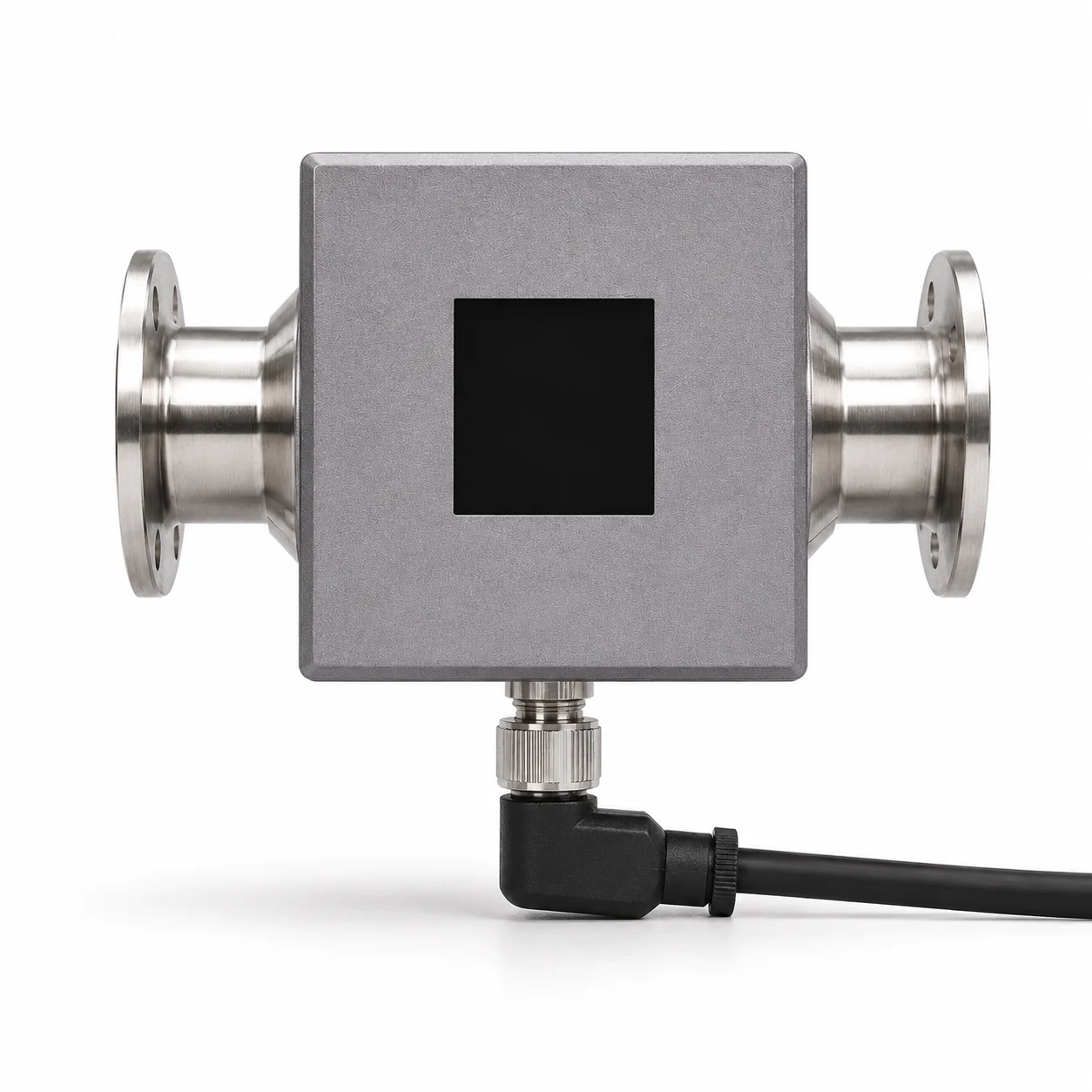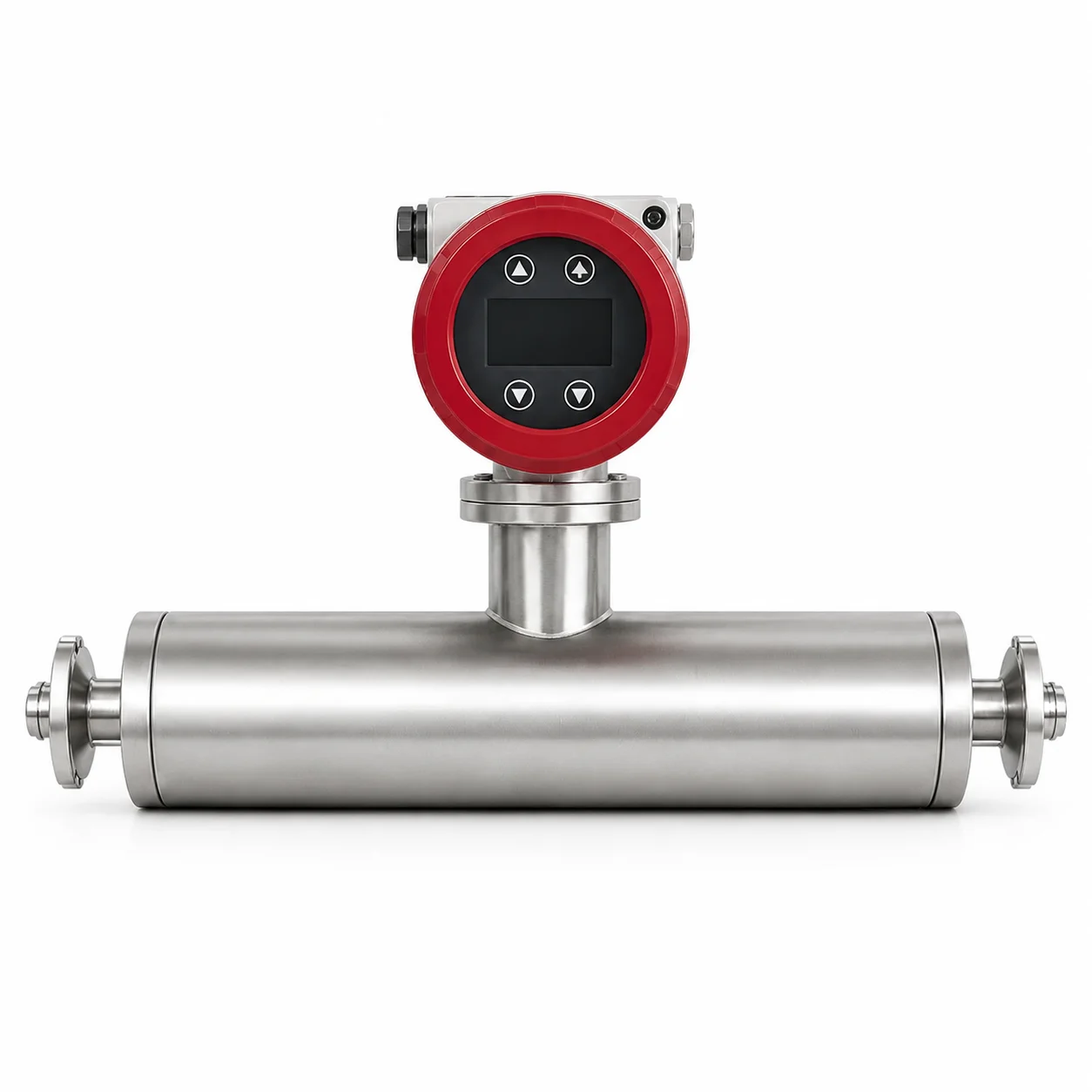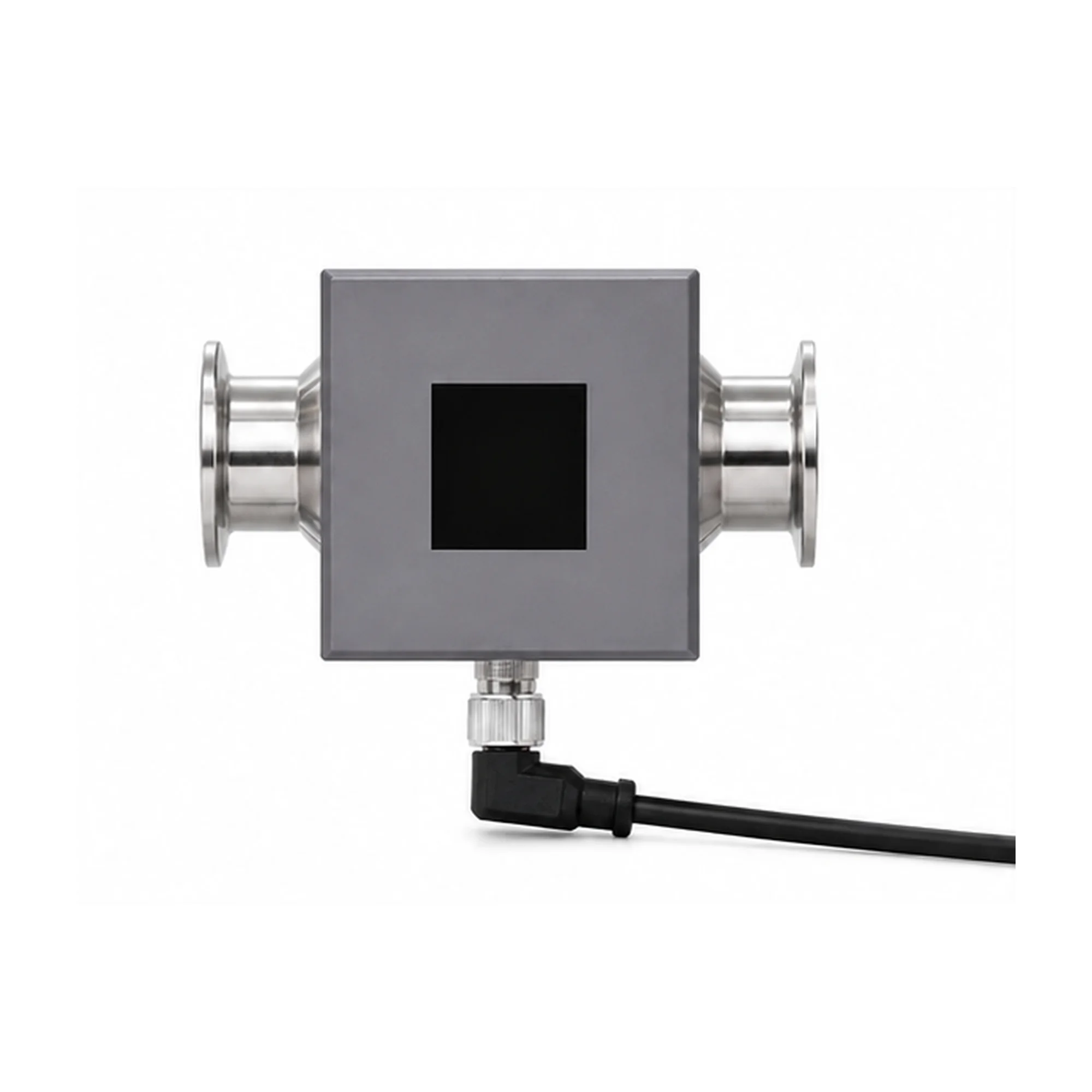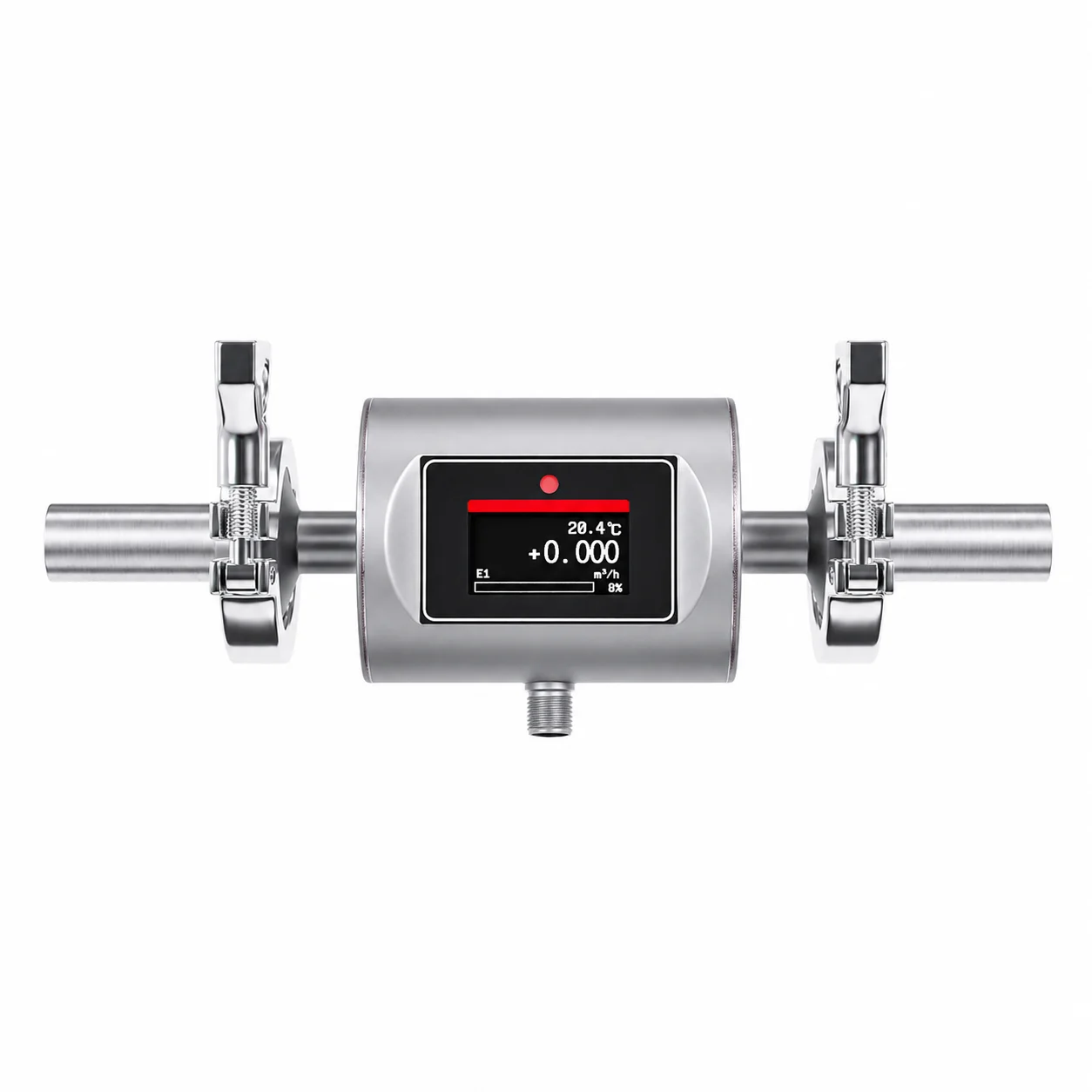
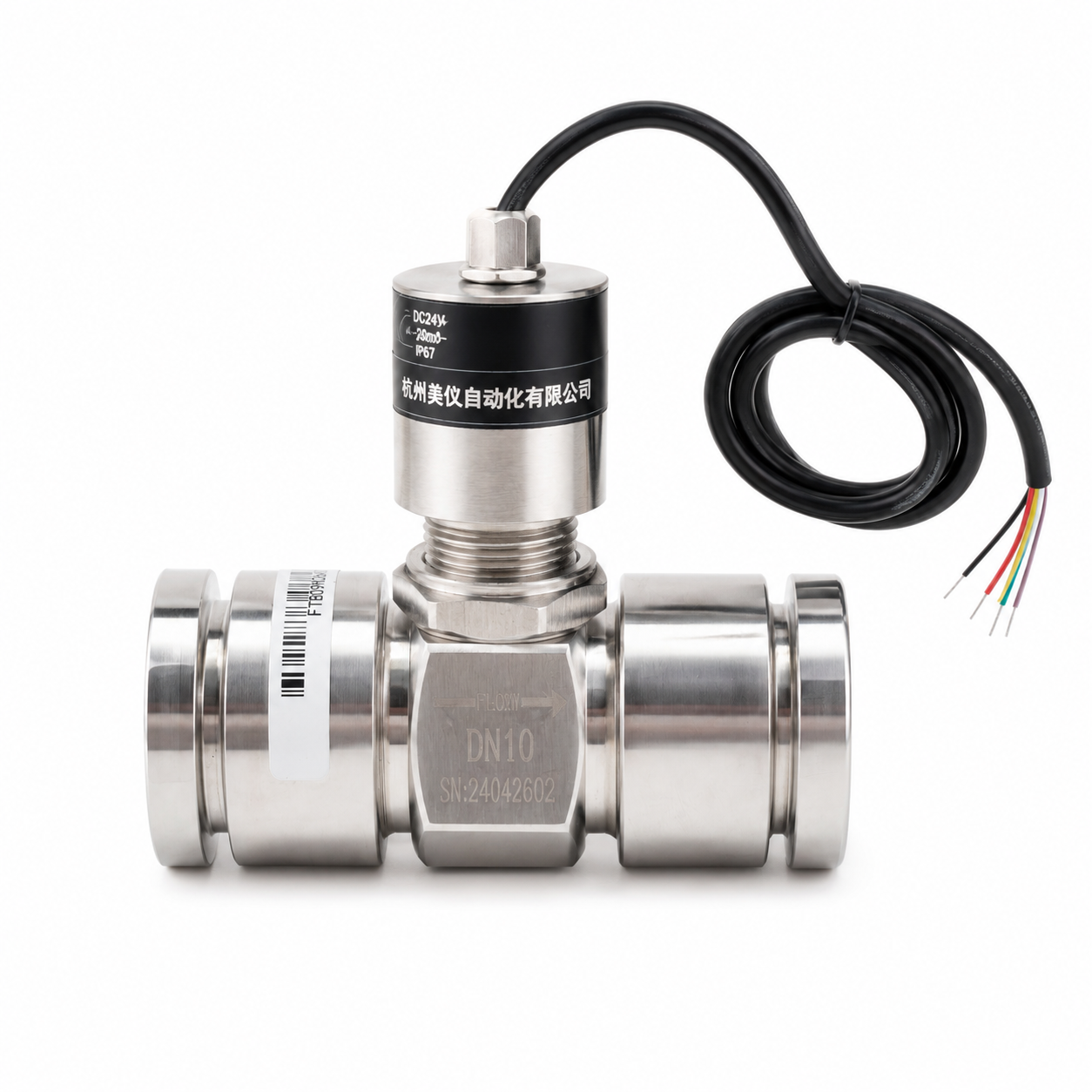
Liquid cooling fluid is a key medium used in systems that remove heat directly from high-temperature electronic or industrial components. Depending on the application, it may circulate through cold plates, heat exchangers, cooling loops, or immersion systems to transfer thermal energy away from heat-generating equipment. Common applications include data centers, high-performance computing, industrial electronics, power equipment, and specialized thermal management systems. When selecting a fluid, engineers should evaluate thermal performance, viscosity, electrical characteristics, operating temperature range, material compatibility, stability, and maintenance requirements. The cooling system design should also account for pump performance, flow rate, filtration, seals, tubing, and heat exchanger compatibility. Proper monitoring and fluid maintenance can help maintain consistent thermal performance over time. For high-density computing environments, a well-designed liquid cooling system can provide a practical method of managing concentrated heat loads.
08
May
21
May
25
Jun
11
Jul
Copyright © 2026 by Ningbo GLGW Nova Materials Technology Co., Ltd. - Privacy policy
 EN
EN