
Fiber Optic Splice Closure: IP65 Protection & Scalable Splicing

All Categories
Protect and Organize Fiber Splices

Protect and Organize Fiber Splices

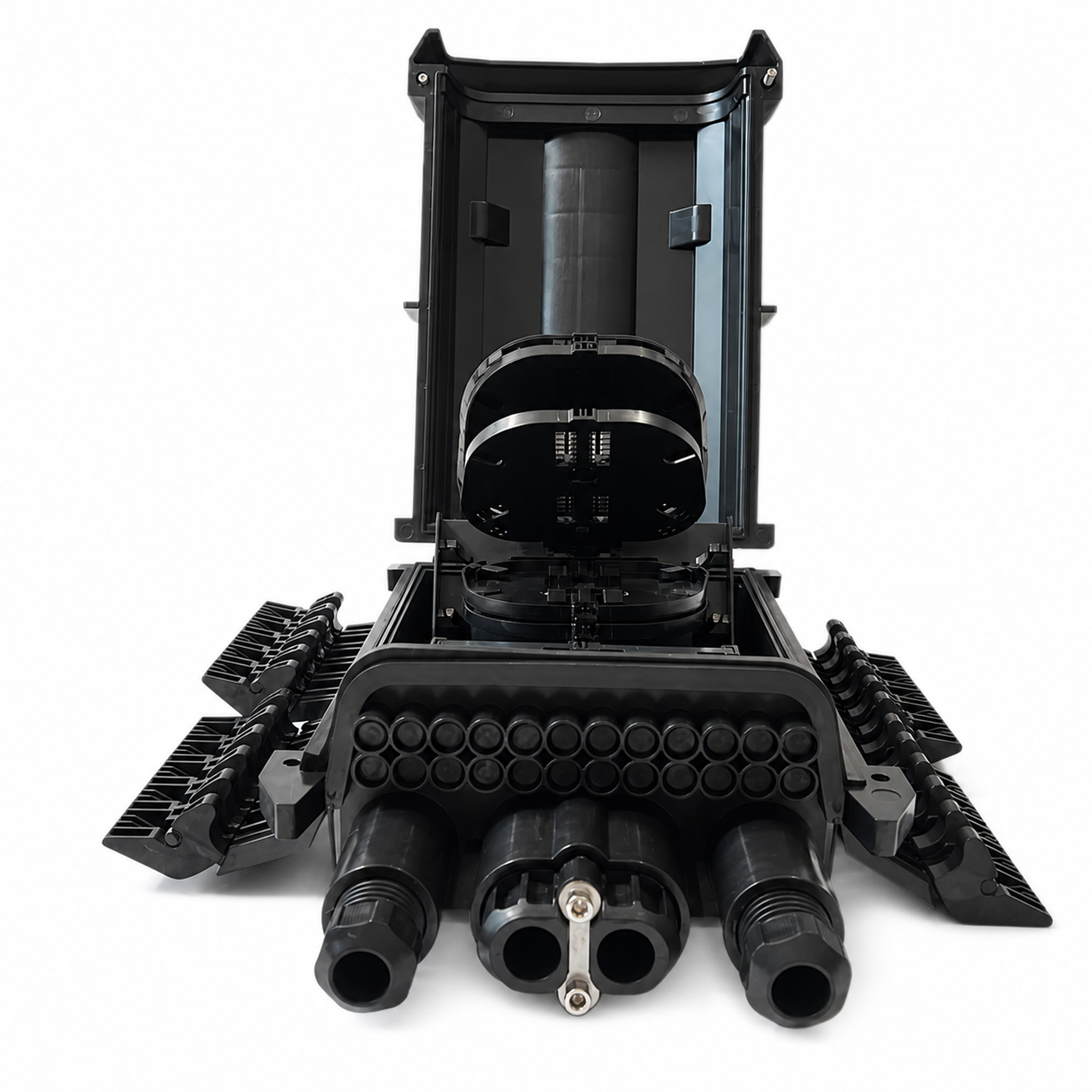
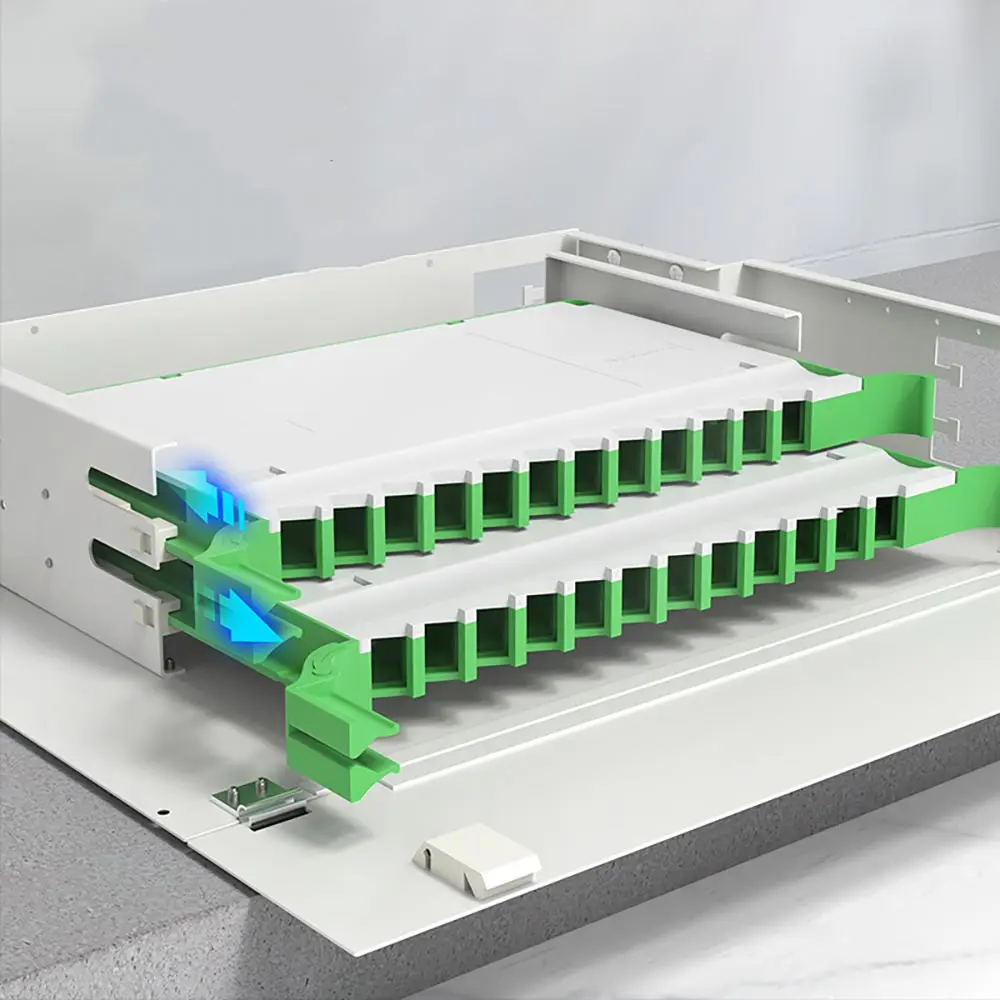
A fiber optic splice closure provides a dedicated enclosure for protecting and organizing optical fiber splices in access, distribution, and backbone networks. It helps keep splice trays, fiber loops, and cable entry points arranged while reducing exposure to moisture, dust, impact, and other environmental conditions. The closure can be configured around different fiber counts, cable diameters, splice quantities, and installation requirements. It is suitable for aerial, underground, direct-buried, and outdoor applications across FTTH, FTTx, broadband, metropolitan, and long-distance fiber networks. Organized internal routing makes installation and maintenance more efficient by allowing technicians to access individual splice areas without unnecessarily disturbing adjacent fibers. Capacity planning can also reserve working space for future connections as network requirements increase.
Get A Quote

Case Study

FTTH Distribution Deployment

A broadband contractor needed protected splice points for an expanding FTTH distribution network serving residential areas. Fiber optic splice closures were positioned at selected outdoor connection points to organize feeder and distribution fiber splicing. Internal splice trays provided dedicated locations for individual connections, while cable entry arrangements helped maintain controlled fiber routing. The installation team considered fiber count, cable diameter, and future subscriber growth when planning each closure. This approach created cleaner access points for testing and maintenance while reducing unnecessary handling of active fibers. The solution is suitable for contractors and network operators managing phased FTTH deployments across multiple neighborhoods.

Underground Fiber Infrastructure

An underground communications project required protected splice locations along several fiber cable routes. The selected fiber optic splice closures provided enclosed working areas for organizing splice trays and cable loops below ground. Cable entry and sealing arrangements were planned according to the installation environment and cable dimensions. Technicians could access individual splice sections during maintenance without reorganizing the complete cable route. The configuration also allowed the project team to consider additional fiber connections for later network expansion. This type of deployment is suitable for municipal broadband, utility communication systems, metropolitan networks, and other underground fiber infrastructure requiring structured and protected splice management.

Backbone Fiber Connection

A regional backbone network required reliable splice points where long-distance fiber cables were joined between distribution locations. Fiber optic splice closures were incorporated into selected route sections to protect and organize the connections. The internal arrangement was planned around the number of fibers, splice quantity, cable diameter, and available maintenance space. Fiber loops were routed carefully to reduce unnecessary bending and simplify future service work. Technicians could inspect specific splice areas without disturbing unrelated connections inside the enclosure. This configuration is suitable for metropolitan and backbone networks where multiple cable routes converge and long-term access to fiber connections is an important consideration.

Related products

A fiber optic splice closure is used to protect and organize optical fiber splices where two or more cables are connected along a network route. It provides a controlled space for splice trays, fiber loops, cable entry points, and sealing components, helping maintain orderly fiber routing during installation and maintenance. Depending on the project, the closure can be applied to aerial, underground, direct-buried, or outdoor installations. Common applications include FTTH, FTTx, broadband access, metropolitan networks, utility communication, and backbone infrastructure. When selecting a closure, project teams should consider fiber count, cable diameter, splice capacity, installation method, environmental conditions, and maintenance access. A properly planned internal layout can reduce unnecessary fiber handling and make individual splice connections easier to identify. For growing networks, additional working space can also be considered so future fiber connections can be added without significantly disrupting existing installations.

Frequently Asked Questions

What is a fiber optic splice closure?

A fiber optic splice closure is an enclosure used to protect and organize optical fiber splices where cables are joined. It provides space for splice trays, fiber loops, cable entries, and sealing components while helping protect connections from environmental exposure and mechanical stress.
They can be installed in aerial, underground, direct-buried, and outdoor fiber networks. Typical applications include FTTH, FTTx, broadband access, metropolitan communication, utility networks, and backbone infrastructure where protected fiber splicing is required.
Capacity depends on the closure configuration, splice tray arrangement, fiber type, and cable requirements. Project teams should determine the required fiber count and splice quantity before selection, while also considering working space for installation and future expansion.
Consider fiber count, cable diameter, splice capacity, installation method, environmental conditions, mounting requirements, and maintenance access. Future network growth should also be considered so the enclosure provides practical working space for additional connections.
Yes. Fiber optic splice closures are commonly suitable for FTTH infrastructure where feeder, distribution, or branch fibers need to be joined and protected. They can help organize outdoor splice points and provide easier access for testing, maintenance, and expansion.

Related article

2026 Trends: Smart AI Needs Better Cables for Big Computer Buildings and Homes

08

May

2026 Trends: Smart AI Needs Better Cables for Big Computer Buildings and Homes

View More
How to classify data cables by usage scenarios?

14

Jul

How to classify data cables by usage scenarios?

Real World Field Experiences with Multi Environment Network Deployments During a comprehensive network migration for a financial headquarters last spring, our deployment crew encountered major connectivity dropouts across different operational floo...
View More
What Connector Types for Ethernet Patch Cable?

18

Jul

What Connector Types for Ethernet Patch Cable?

Real World Field Challenges with Commercial Network Overhauls During a massive network overhaul for an e-commerce fulfillment hub last year, my deployment team faced an unexpected wave of packet drops and intermittent link drops across the main pac...
View More
Fiber Cable Tensile Strength for Aerial Installation.

24

Aug

Fiber Cable Tensile Strength for Aerial Installation.

Deploying optical fiber cables in aerial spans across long distances—such as utility poles over valleys, mountain ridges, and expansive rural infrastructure—exposes the cable assembly to continuous mechanical, gravitational, and environ...
View More

Customer Testimonials

Mark Thompson

“The splice closure helped our installation team keep multiple fiber connections organized in one protected enclosure. The internal layout made routine maintenance easier and reduced unnecessary handling during service work.”

Robert Davis

“We selected the closure for an outdoor broadband project and found the cable routing practical for installation. It provided useful working space for splice management and later network expansion.”

Get a Free Quote

Our representative will contact you soon.
Email
Mobile/WhatsApp
Name
Company Name
Message
0/1000
Structured Fiber Splicing

Structured Fiber Splicing

A fiber optic splice closure creates a dedicated working environment for organizing fiber splices, trays, loops, and cable entries. Keeping these components in a structured arrangement helps technicians identify individual connections during installation, testing, and maintenance. Proper routing can also minimize unnecessary fiber movement and reduce the risk of disturbing nearby splice points during service work. The internal configuration can be planned around the required fiber count, splice quantity, cable diameter, and available working space. This is particularly useful in access and distribution networks where multiple cables may converge at a single connection point. Organized splice management supports cleaner installations and more efficient future maintenance.
Outdoor Splice Protection

Outdoor Splice Protection

Fiber optic splice closures provide an enclosed location for fiber connections used in outdoor and demanding network environments. Depending on the project, they can be installed on aerial routes, underground cable systems, direct-buried infrastructure, or other outdoor communication paths. Cable entry and sealing arrangements help create a protected internal space around the splice area. This makes the closure suitable for FTTH, FTTx, broadband, metropolitan, utility, and backbone applications. Selection should account for installation conditions, cable dimensions, fiber capacity, and maintenance requirements. A properly configured enclosure helps keep sensitive splice connections organized while providing technicians with controlled access when inspection, testing, or repairs are required.
Scalable Fiber Capacity

Scalable Fiber Capacity

Network capacity requirements can change as new subscribers, buildings, distribution routes, or backbone connections are added. A fiber optic splice closure can be planned according to current splice requirements while considering additional working space for future connections. Project teams can evaluate fiber count, cable diameter, splice tray arrangement, and cable entry needs before installation. This capacity planning approach can make future network modifications more manageable and reduce unnecessary disruption to existing connections. It is especially useful for phased FTTH and broadband deployments where infrastructure expands over time. By maintaining organized fiber routing and sufficient working space, the closure can support practical network development across different deployment stages.

Get a Free Quote

Our representative will contact you soon.
Email
Mobile/WhatsApp
Name
Company Name
Message
0/1000