Fiber Splice Closure: IP65 Outdoor & Underground Solutions

All Categories
Reliable Splice Closure Solutions for Fiber Network Infrastructure

Reliable Splice Closure Solutions for Fiber Network Infrastructure

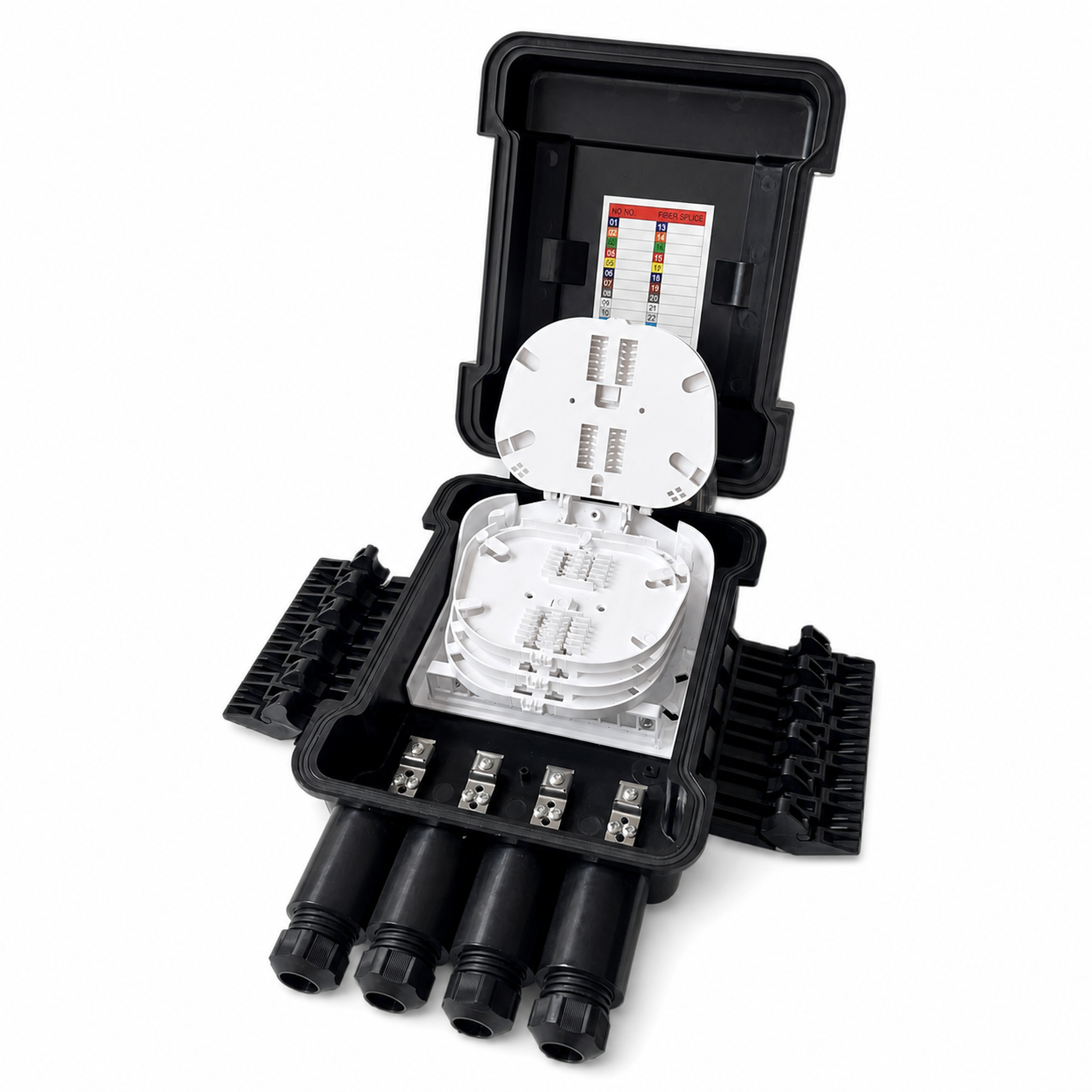
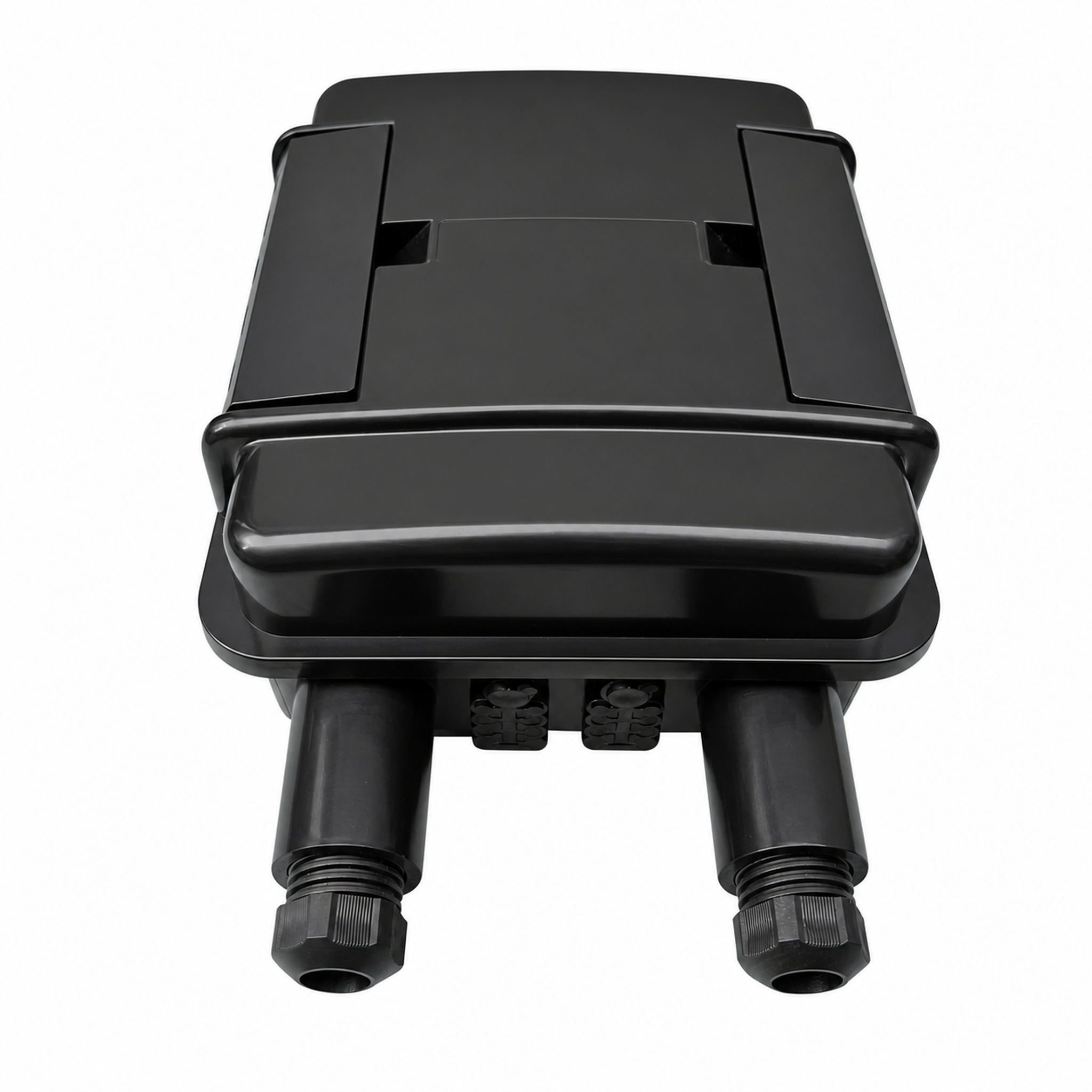
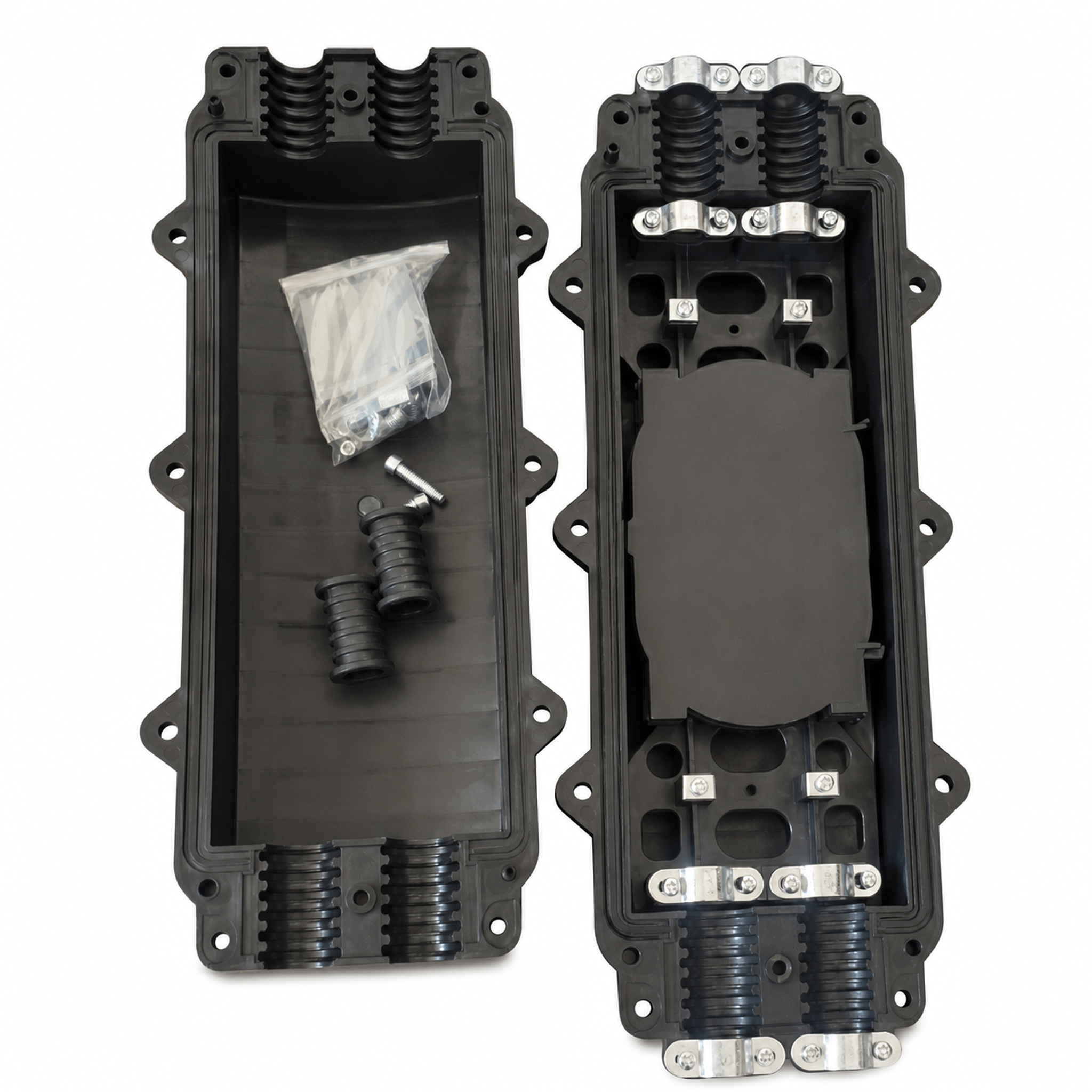
A splice closure provides a protected and organized enclosure for joining and managing optical fiber cables in telecom and broadband networks. It helps protect splice points from moisture, dust, mechanical stress, and changing environmental conditions while keeping fiber routing structured. Depending on the configuration, a splice closure can accommodate splice trays, cable entry ports, sealing components, and fiber management accessories. It can be used for aerial, underground, direct-buried, and outdoor installations across FTTH, FTTx, broadband, metropolitan fiber, and telecom backbone networks. Fiber count, cable diameter, splice capacity, and installation method can be considered when selecting a suitable configuration. With accessible splice management and organized cable routing, a splice closure supports efficient installation, testing, maintenance, repair, and future expansion of optical fiber infrastructure.
Get A Quote

Case Study

FTTH Fiber Splicing

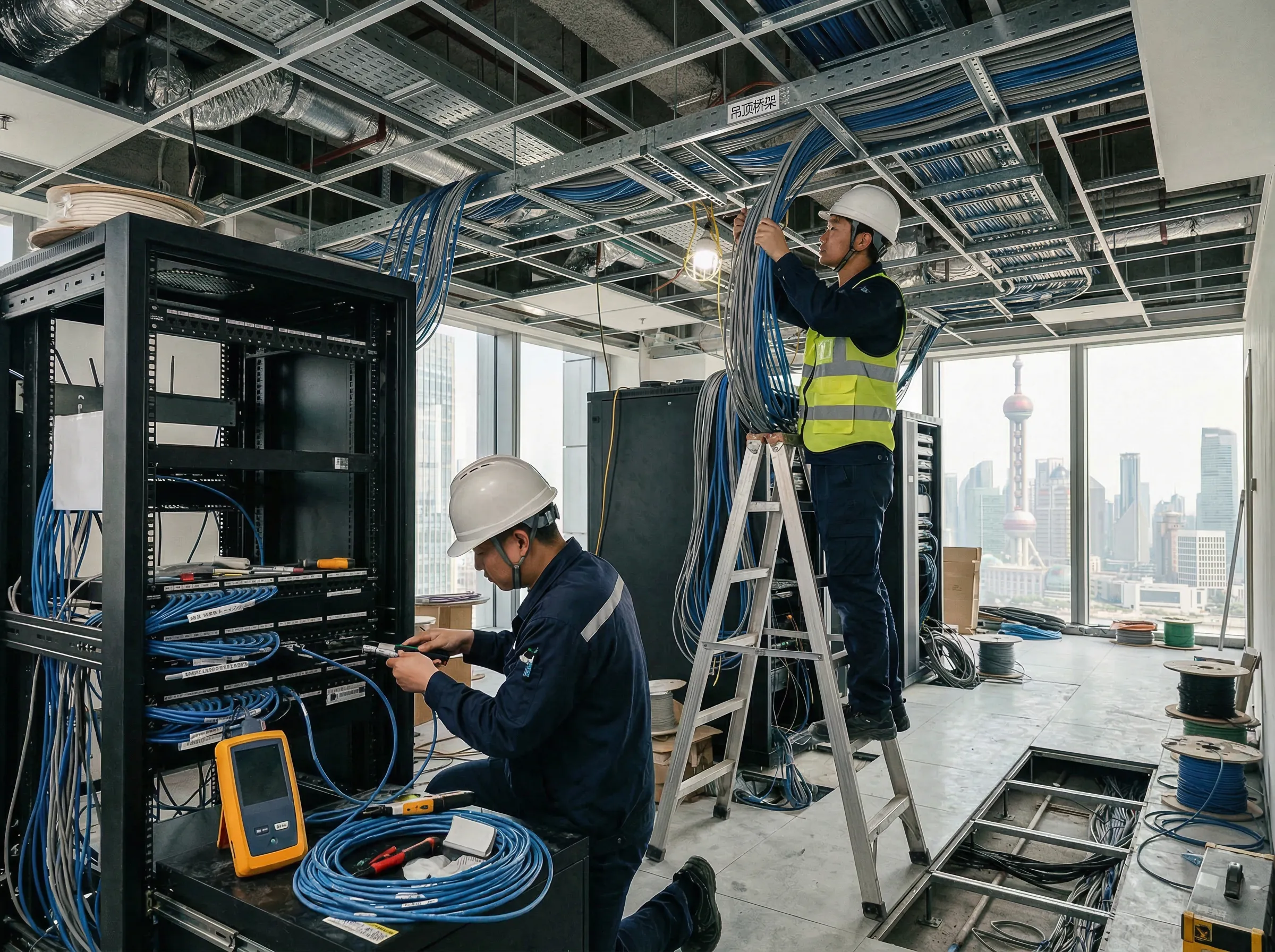
An FTTH project required a protected connection point for joining feeder and distribution cables serving multiple residential areas. A splice closure was installed to organize splice trays and protect fiber connections from outdoor exposure. Dedicated cable entry positions helped separate different routes, while the internal layout kept splice groups accessible for testing and maintenance. The selected configuration provided sufficient space for current connections and allowed additional capacity for future branches. By centralizing the fiber joints inside a structured enclosure, technicians could perform routine service work without unnecessarily disturbing other cable paths. This application suited residential broadband, FTTH access networks, and phased fiber deployment projects.

Underground Telecom Network

A telecom operator needed to protect fiber splice points where several underground cable sections were connected. A splice closure was installed at a planned access location to provide organized space for splice trays, cable entries, and fiber routing. The protected enclosure helped limit exposure to moisture and underground contamination while keeping individual fiber groups separated. The configuration was selected according to the required splice capacity and included room for future cable additions. Technicians could access the splice area during testing and repairs without replacing the complete enclosure. This solution was suitable for underground broadband, metropolitan fiber, and telecom backbone infrastructure with multiple cable routes.

Outdoor Fiber Distribution

An outdoor fiber network needed a practical enclosure for joining cable sections along a distribution route. A splice closure was configured with organized splice trays and cable entry points to maintain clear fiber routing and protect connection areas from rain, dust, and other external conditions. The installation connected several distribution branches while preserving internal space for future fiber additions. Technicians could access individual splice groups during inspection and maintenance without disturbing unrelated connections. This arrangement helped simplify cable management along the route and provided a centralized point for fiber joint protection. It is suitable for outdoor FTTH, rural broadband, telecom distribution, and communication infrastructure projects.

Related products

A splice closure is designed to protect and organize optical fiber connections where cable sections are joined or spliced. It provides a dedicated internal environment for splice trays, cable entry ports, sealing components, and fiber routing accessories, helping maintain structured management of individual fiber groups. Depending on the project, a splice closure can be configured for aerial, underground, direct-buried, or other outdoor installations. Fiber count, cable diameter, splice capacity, and cable entry requirements can be considered during selection. In FTTH and broadband networks, it can connect feeder and distribution cables at strategic access points. For metropolitan and telecom backbone systems, it provides protected management for critical cable joints. Organized internal routing also makes fiber identification, testing, inspection, repair, and future network expansion more practical for technicians.

Frequently Asked Questions

What is a splice closure used for?

A splice closure is used to protect and organize fiber cable joints where two or more optical cables are connected or spliced. It provides space for splice trays and cable routing while helping shield sensitive connections from moisture, dust, mechanical stress, and environmental exposure.
Splice closures can be used in aerial, underground, direct-buried, and outdoor fiber networks. Common applications include FTTH, FTTx, broadband access, metropolitan fiber, rural communication, and telecom backbone infrastructure where cable joints require structured and protected management.
Depending on the configuration, a splice closure may include splice trays, cable entry ports, sealing components, fiber routing accessories, and cable fixation structures. The internal arrangement can be selected according to fiber count, cable diameter, splice capacity, and specific installation requirements.
Selection should consider fiber count, splice capacity, cable diameter, cable entry quantity, installation method, and environmental conditions. The closure should also provide adequate internal routing space to maintain fiber bend control and allow technicians to access splice trays during testing and maintenance.
Yes, a suitable splice closure can provide additional splice capacity or internal space for future fiber connections. Planning expansion requirements during initial deployment allows new cable branches to be added more efficiently and can reduce the need to replace the complete enclosure later.

Related article

Looking for Reliable PDU & Fibre Optic Cable Suppliers in China? Visit GLGW at the Global Sources Hong Kong Show (Booth 9B43)

08

May

Looking for Reliable PDU & Fibre Optic Cable Suppliers in China? Visit GLGW at the Global Sources Hong Kong Show (Booth 9B43)

View More
Intelligent Cabling Solutions for Future Networks

21

May

Intelligent Cabling Solutions for Future Networks

View More
How to classify data cables by usage scenarios?

14

Jul

How to classify data cables by usage scenarios?

Real World Field Experiences with Multi Environment Network Deployments During a comprehensive network migration for a financial headquarters last spring, our deployment crew encountered major connectivity dropouts across different operational floo...
View More
High durability patch cord for industrial network systems.

07

Sep

High durability patch cord for industrial network systems.

Industrial Patch Cord Explained: Construction, Durability, and Selection Guide for Harsh Environments What Is an Industrial Patch Cord and Why Is It Different from Standard Network Cables? An industrial patch cord is a specially designed Ethernet c...
View More

Customer Testimonials

David Wilson

“The splice closure gave our team a clean way to organize fiber joints. The splice trays were accessible, and the structured cable routing made testing and maintenance more efficient.”

Andrew Smith

“We used the closure for an outdoor fiber route with multiple cable sections. The internal organization helped our technicians identify splice groups and manage additional connections.”

Get a Free Quote

Our representative will contact you soon.
Email
Mobile/WhatsApp
Name
Company Name
Message
0/1000
Organized Fiber Splicing

Organized Fiber Splicing

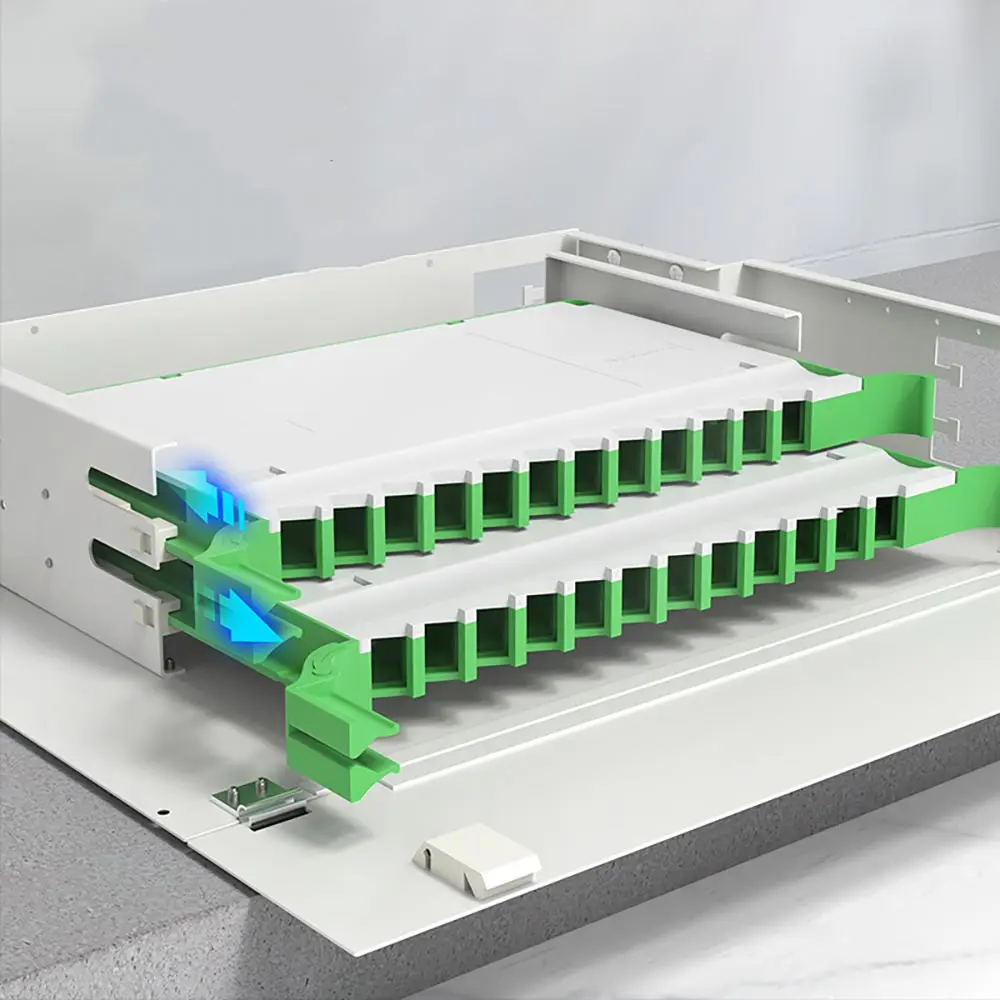
A splice closure provides a dedicated structure for organizing fiber connections where multiple cable sections meet. Splice trays help separate individual fiber groups, while cable entry and fixation components maintain controlled routing inside the enclosure. This organization is useful for FTTH, broadband, and telecom networks where feeder and distribution cables converge at specific jointing points. The closure can be configured according to fiber count, cable diameter, splice capacity, and cable entry requirements. Keeping splice areas organized makes individual connections easier to identify during testing and maintenance. It also reduces unnecessary fiber movement when technicians work on specific splice groups, supporting cleaner installations and more manageable network infrastructure.
Suitable for Multiple Installation Environments

Suitable for Multiple Installation Environments

Splice closures can be adapted to different fiber network installation environments, including aerial, underground, direct-buried, and outdoor applications. In aerial deployments, they provide protected locations for joining cable sections along communication routes. Underground configurations can be positioned at access points where feeder and distribution cables converge. The enclosure helps maintain structured cable routing while protecting splice areas from environmental exposure. Typical applications include FTTH, rural broadband, metropolitan fiber, campus networks, and telecom backbone infrastructure. Selection can be based on cable size, fiber count, splice capacity, and installation method. This flexibility allows contractors to use suitable splice management solutions across different network architectures and deployment conditions.
Maintenance-Friendly and Expandable Design

Maintenance-Friendly and Expandable Design

Long-term fiber networks require splice closures that can accommodate maintenance as well as future expansion. An appropriately configured closure can provide additional splice capacity or internal routing space for new fiber connections. This is useful for FTTH and broadband networks where service coverage grows progressively. Organized splice trays allow technicians to identify existing fiber groups more easily, while structured cable entry helps introduce additional cables with less disruption. During testing or repairs, accessible splice areas can reduce the time needed to locate specific connections. By combining protected fiber joint management with expandable internal space, a splice closure can support phased deployment, routine maintenance, and future network upgrades.

Get a Free Quote

Our representative will contact you soon.
Email
Mobile/WhatsApp
Name
Company Name
Message
0/1000