Data Rack Cabinet Solutions for Scalable Network Infrastructure

All Categories
Scalable Data Rack Cabinet Solutions for Organized Network Infrastructure

Scalable Data Rack Cabinet Solutions for Organized Network Infrastructure

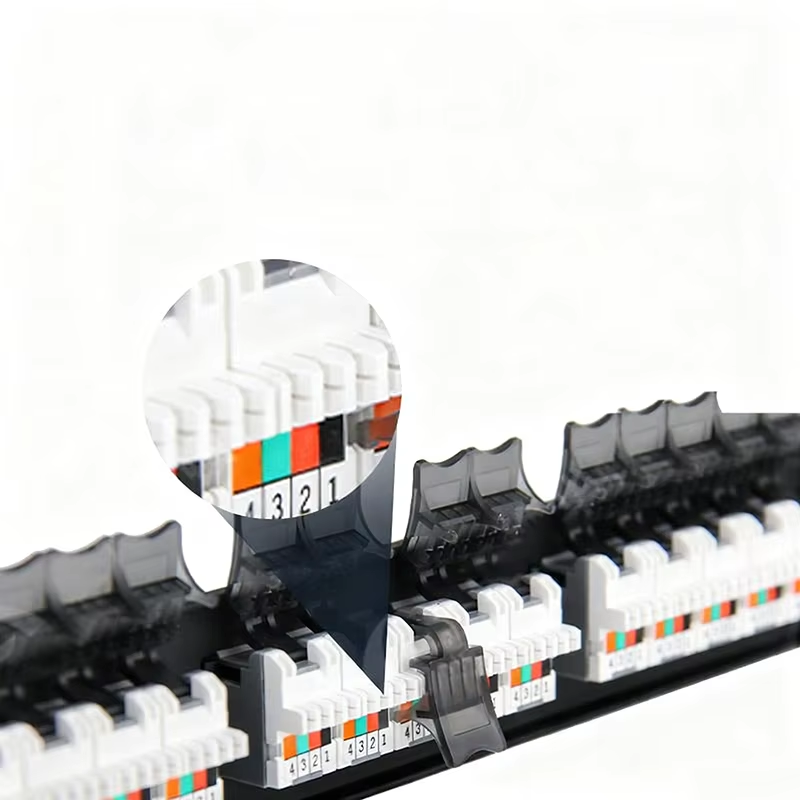
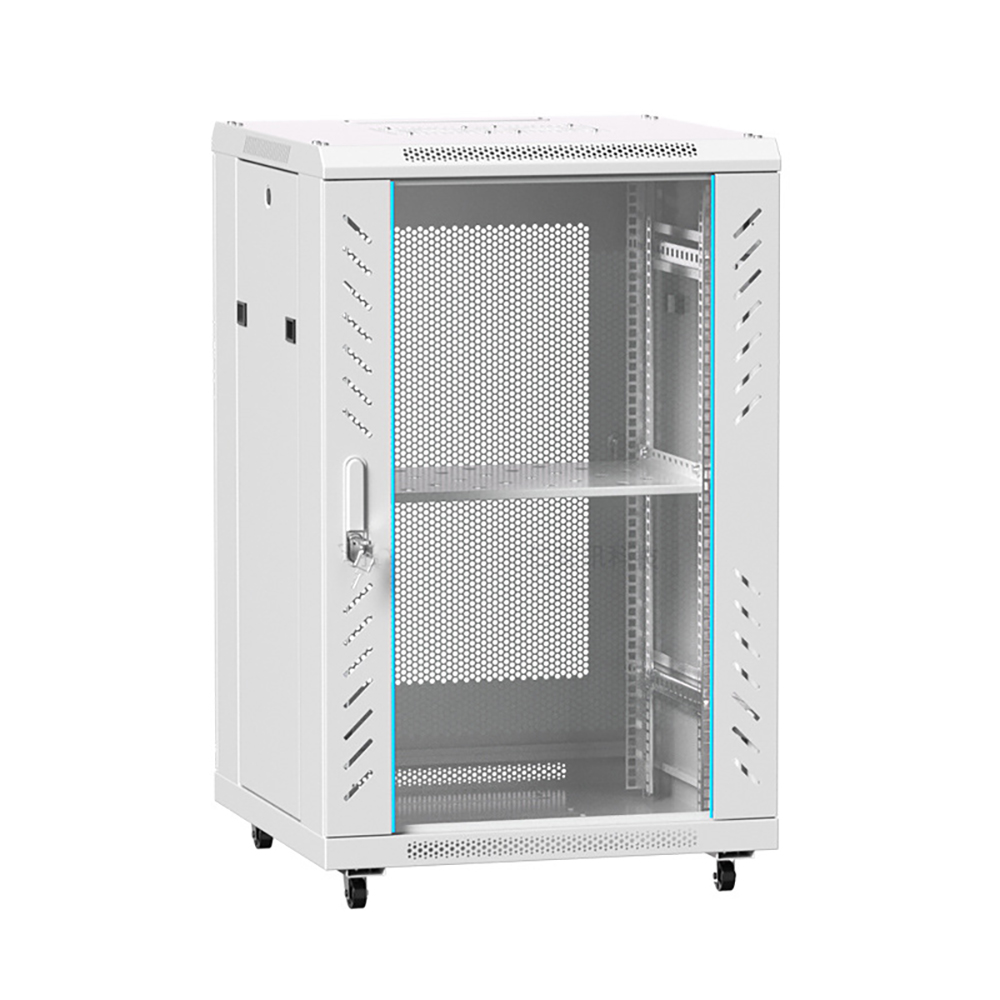
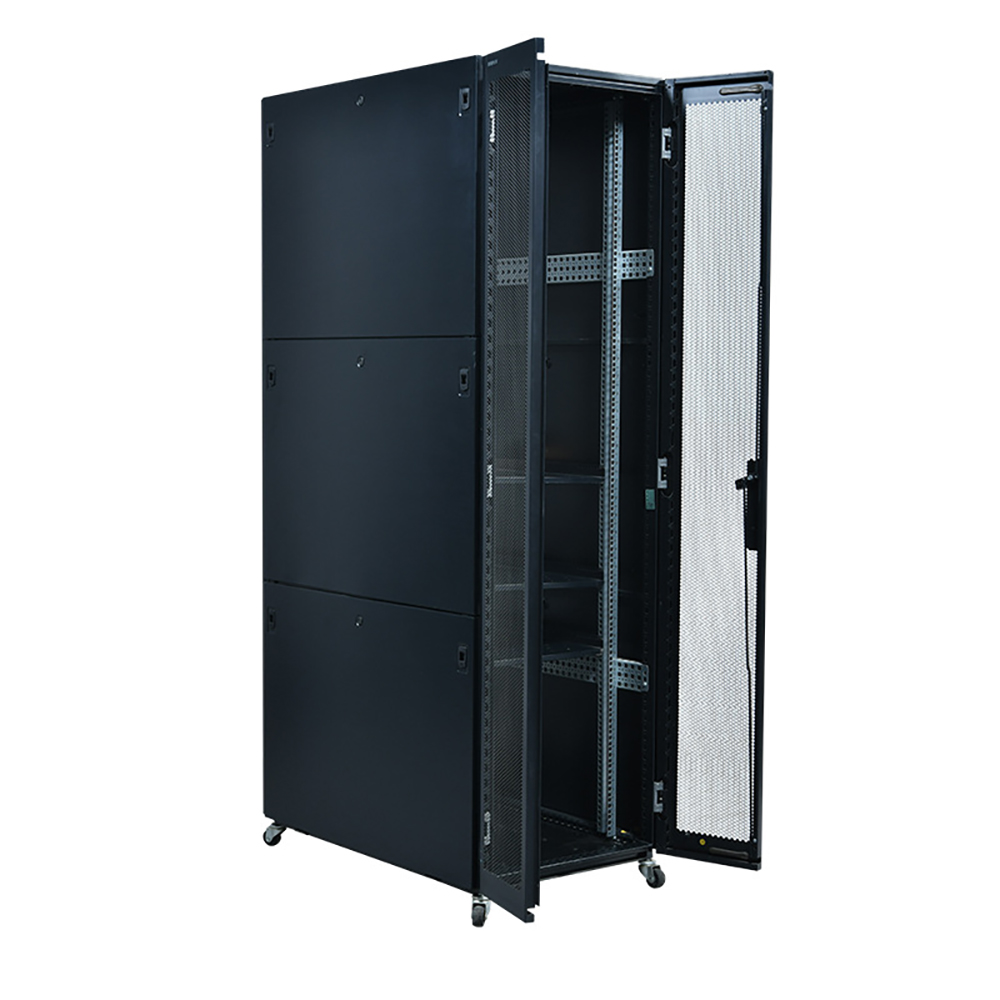
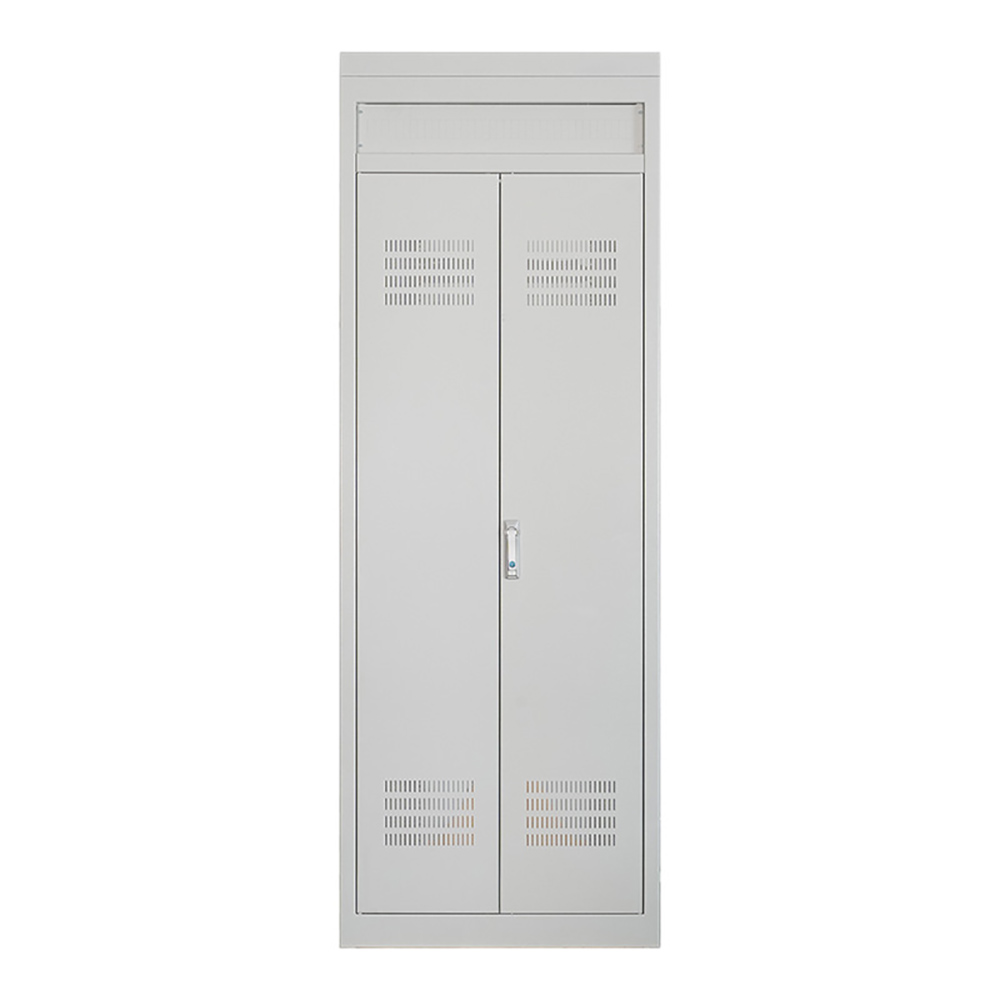
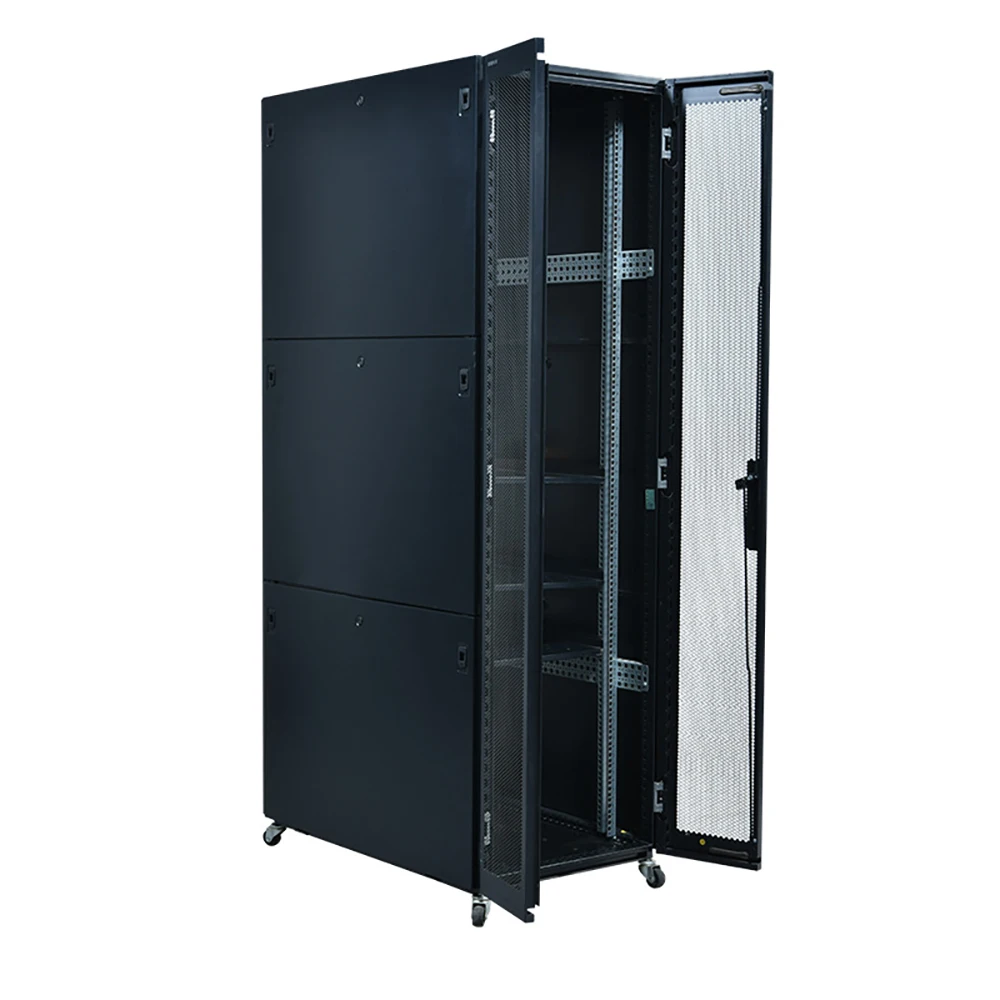
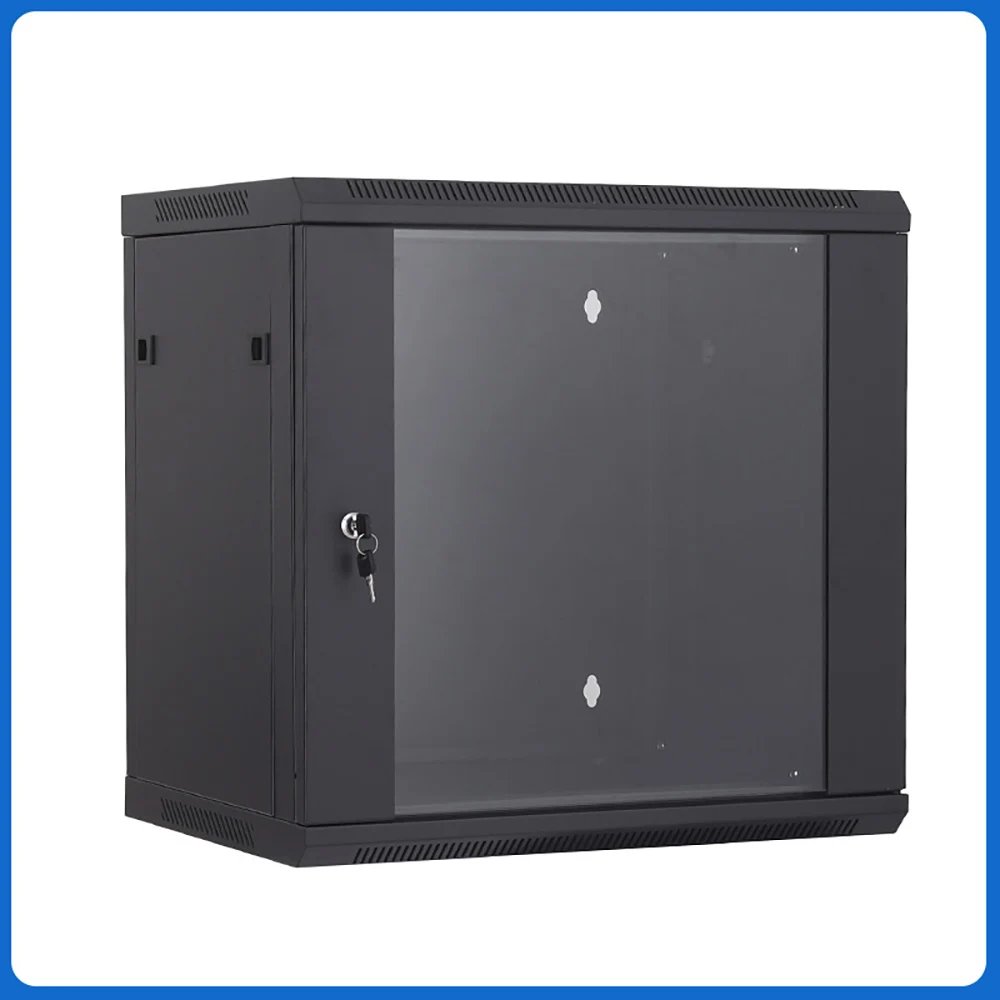
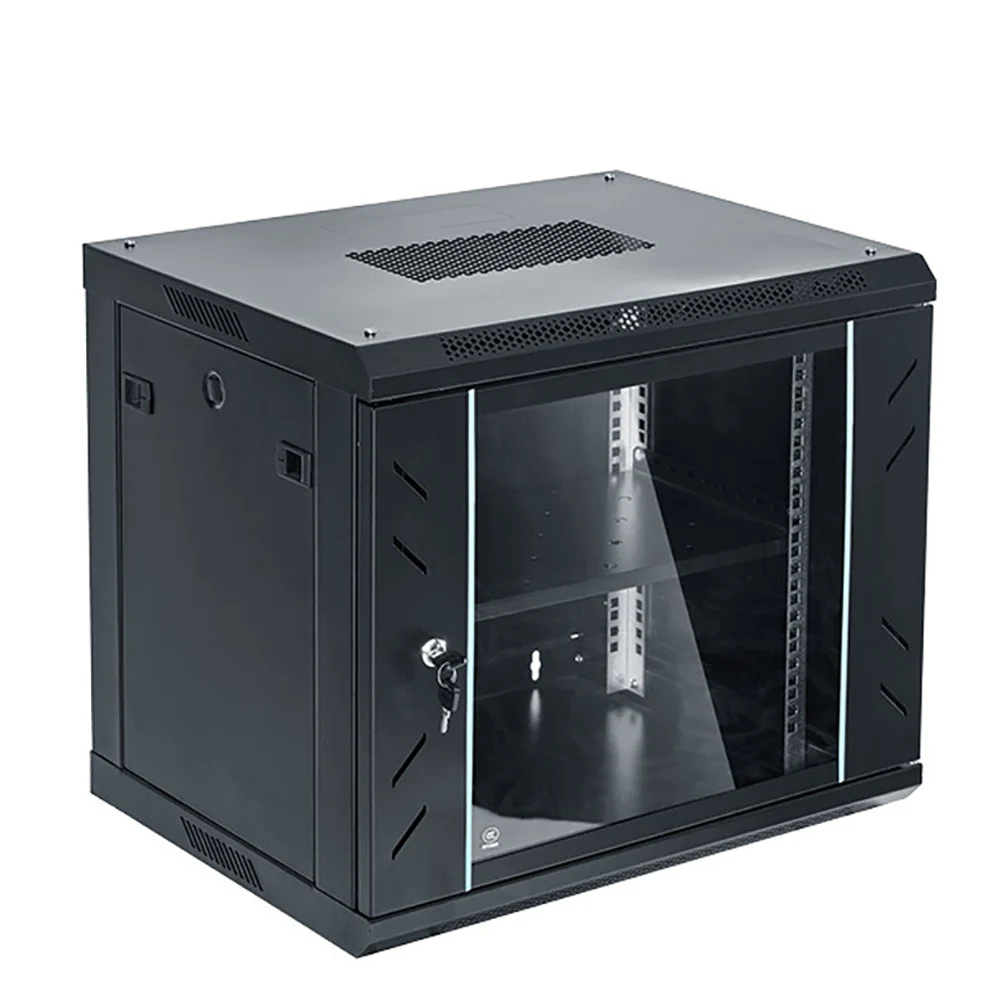
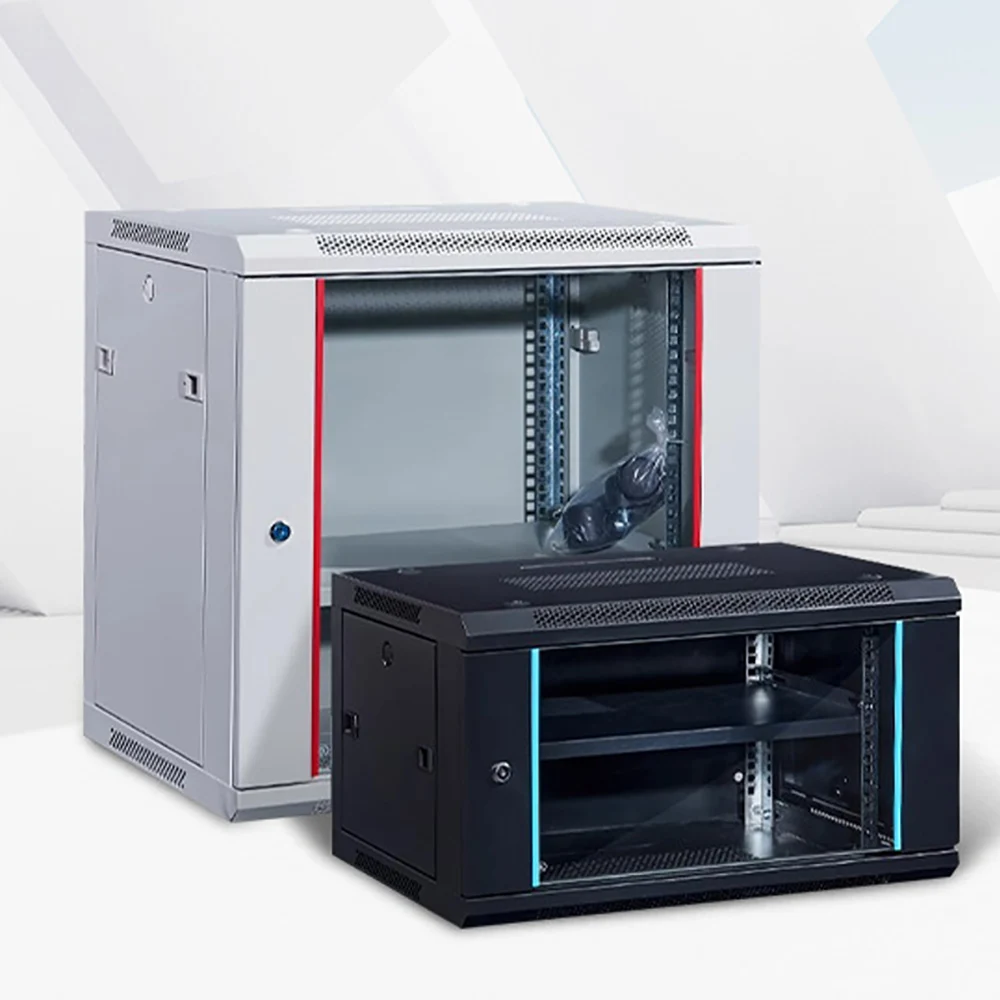
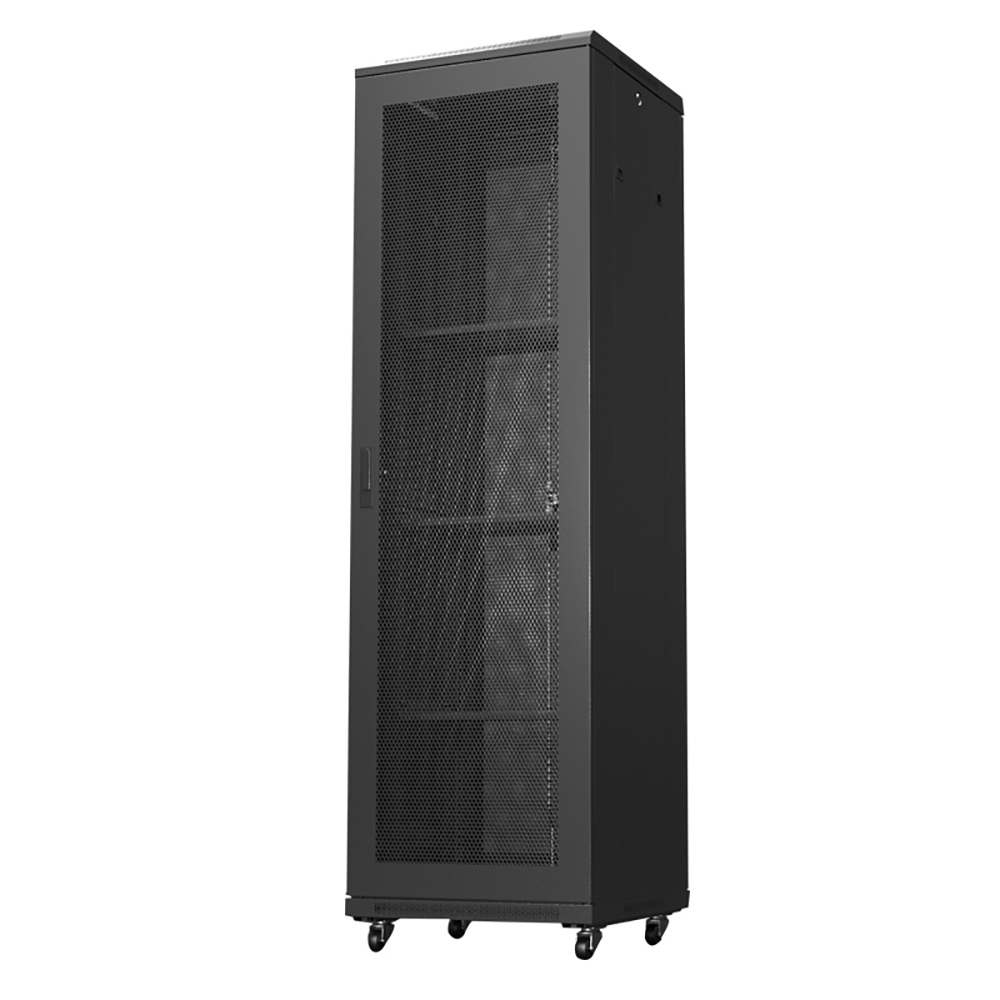
A data rack cabinet provides a structured enclosure for servers, switches, patch panels, fiber equipment, PDUs, and network accessories. GLGW develops network infrastructure solutions for data centers, enterprise rooms, telecommunications facilities, industrial sites, and campus networks. With more than 16 years of industry experience, 5,000+ manufacturing partners, and over 1,000 service professionals, GLGW supports projects requiring coordinated equipment and connectivity planning. A properly configured data rack cabinet can improve equipment organization, cable routing, maintenance access, and future expansion. GLGW’s data center portfolio also addresses high-density connectivity requirements supporting 40G, 100G, and 400G network migration. This makes rack infrastructure an important component for organizations building scalable environments where equipment density and connectivity requirements continue to increase.
Get A Quote

Case Study

Enterprise Data Rack Cabinet Deployment

Enterprise network rooms need organized infrastructure that can accommodate active equipment, structured cabling, and future upgrades. A data rack cabinet creates a defined environment for mounting servers, switches, patch panels, fiber distribution equipment, and power components. GLGW supports structured cabling solutions for enterprise applications where reliable equipment organization and accessible connections are essential. Standardized cabinet infrastructure can also simplify maintenance because technicians can identify equipment and cable pathways more efficiently. GLGW reports serving nearly 200,000 corporate clients and supporting network infrastructure projects across multiple industries. For enterprise customers, integrating the data rack cabinet with fiber optic, copper, and power distribution products can provide a coordinated approach to network room planning while maintaining room for additional equipment as business requirements evolve.

Data Rack Cabinet Infrastructure for Data Centers

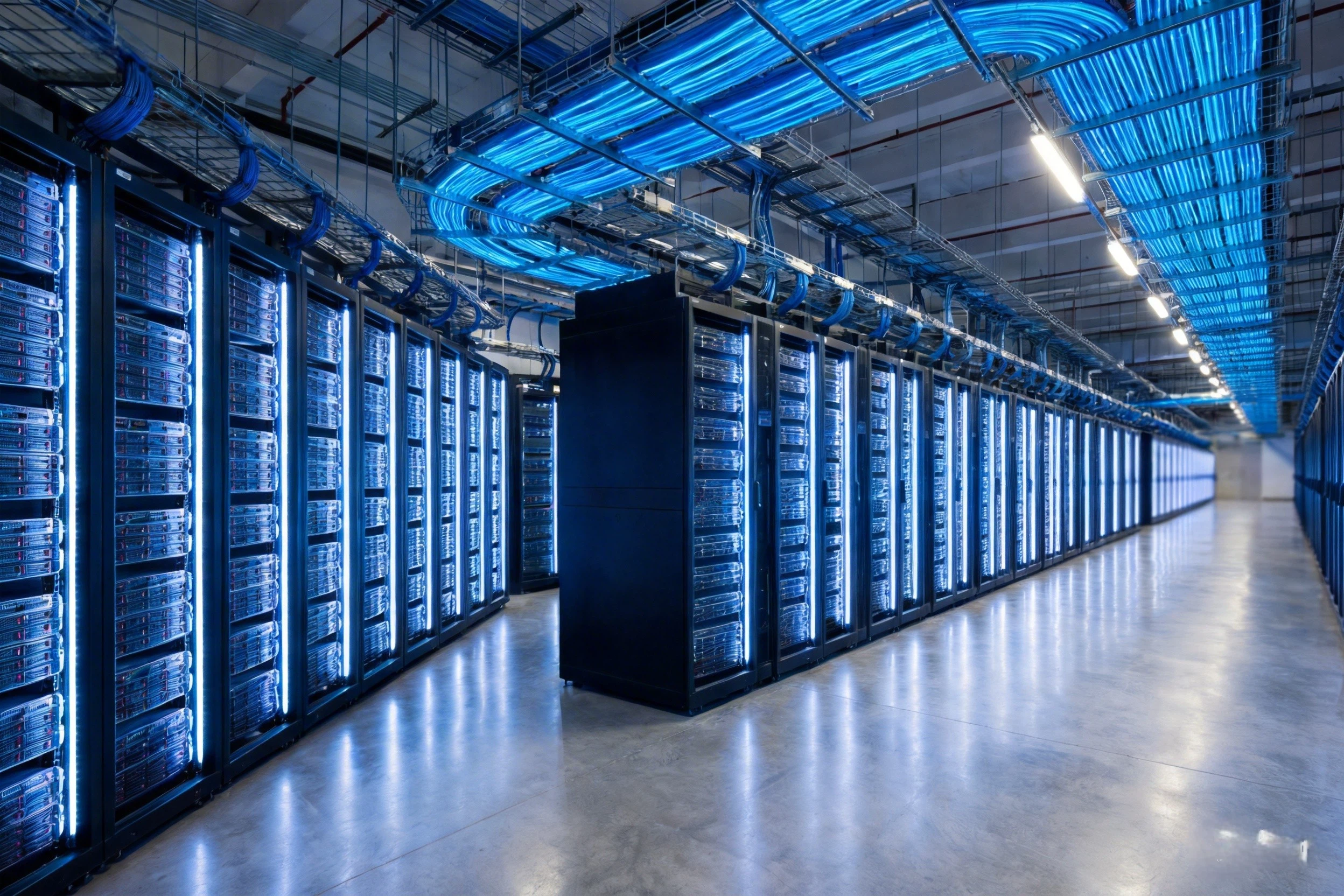
Data centers require rack infrastructure that supports equipment density, cable organization, power management, and efficient maintenance. A data rack cabinet can accommodate servers, network switches, fiber panels, patch panels, and power distribution components within a structured enclosure. GLGW’s data center solutions include network cabinets and server racks alongside fiber optic distribution, data cables, and related connectivity products. The company highlights infrastructure supporting migration to 40G, 100G, and 400G networks, where cable density can increase significantly as bandwidth requirements grow. A carefully planned cabinet layout helps technicians access connections and equipment while keeping expansion options available. This makes data rack cabinet infrastructure suitable for enterprise data centers, telecommunications facilities, colocation environments, and other high-density network installations.

Data Rack Cabinet Solutions for Campus Networks

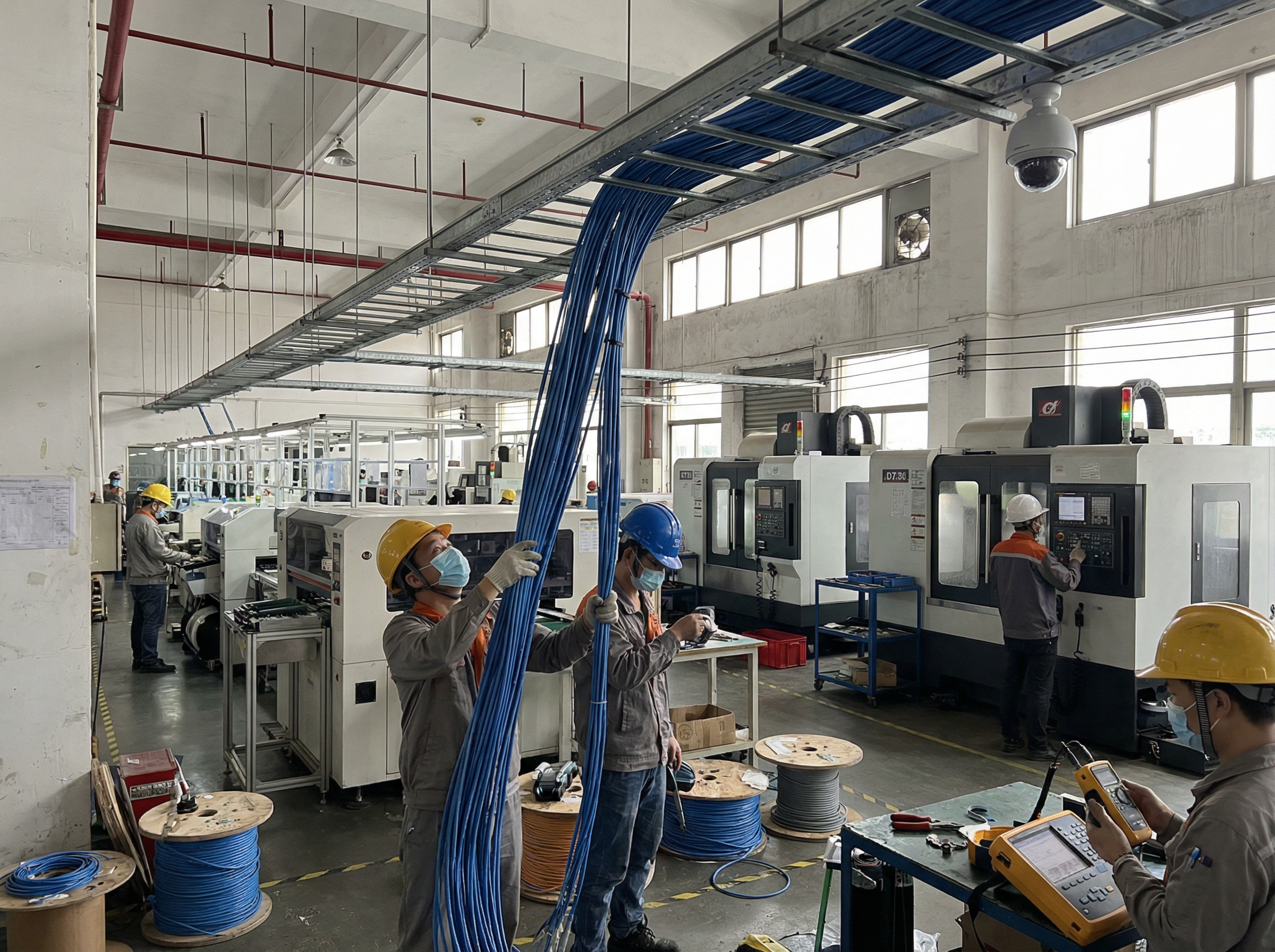
Campus and industrial networks often involve multiple equipment rooms connecting hundreds or thousands of network endpoints. A data rack cabinet can provide a consistent infrastructure platform for switches, patch panels, fiber distribution units, and other rack-mounted components. GLGW has supported projects including an 800-point LAN and CCTV upgrade for an electronics manufacturing facility and a 3,500-point technology park campus network. These project scales demonstrate the importance of organized rack infrastructure when multiple buildings and communication areas must be coordinated. A standardized cabinet approach can simplify installation, equipment identification, cable management, and phased expansion. For campus environments, combining data rack cabinets with structured cabling and fiber distribution helps establish a consistent infrastructure architecture across different network zones.

Related products

GLGW provides data rack cabinet and network infrastructure solutions for data centers, enterprise network rooms, telecommunications facilities, industrial sites, and campus environments. A data rack cabinet can organize servers, switches, patch panels, fiber optic distribution equipment, PDUs, and cable management components within a structured enclosure. GLGW’s broader portfolio includes network cabinets, server racks, fiber optic products, copper connectivity, data cables, and power distribution solutions, allowing rack infrastructure to be integrated with the wider network architecture. The company states that it has more than 16 years of industry experience and works with 5,000+ manufacturing partners, 80+ business units, and 15 supply chain companies. Its data center solutions focus on scalable, high-density connectivity environments, including infrastructure supporting 40G, 100G, and 400G migration. This approach helps customers develop rack systems around current equipment requirements while maintaining practical options for future capacity, connectivity upgrades, and network expansion.

Frequently Asked Questions

What equipment can a data rack cabinet accommodate?

A data rack cabinet can accommodate servers, Ethernet switches, patch panels, fiber optic distribution equipment, PDUs, cable management accessories, and other compatible rack-mounted hardware. The correct configuration depends on equipment dimensions, rack height, depth, weight, power requirements, cooling conditions, and future expansion plans. Proper planning helps maintain safe and accessible equipment installation.
Data rack cabinets are commonly installed in data centers, enterprise server rooms, telecommunications facilities, industrial sites, hospitals, educational campuses, technology parks, and colocation environments. They provide a structured location for network and computing equipment while helping organizations manage cables, power connections, equipment access, and future expansion within a defined infrastructure space.
A data rack cabinet creates a defined pathway for organizing network cables between switches, patch panels, servers, and fiber equipment. Proper routing reduces unnecessary congestion and improves visibility during maintenance. For high-density installations, structured cable management is particularly important because increasing numbers of fiber and copper connections can make troubleshooting and equipment replacement more complex.
Yes. Data rack cabinets can house high-speed switches, fiber distribution equipment, patch panels, and other components used in modern network environments. GLGW supports data center infrastructure designed for migration toward 40G, 100G, and 400G connectivity. High-speed deployments require appropriate cable routing, equipment spacing, power planning, cooling, and maintenance access.
Selection should consider equipment dimensions, rack height, cabinet depth, weight capacity, ventilation, power distribution, cable density, security, and available installation space. Future expansion should also be included in the planning process. For larger projects, coordinate cabinet selection with fiber distribution, copper cabling, power systems, and overall structured network architecture.

Related article

The Core of Data Centre Infrastructure – A Professional Analysis of GLGW Network Cabinets

21

May

The Core of Data Centre Infrastructure – A Professional Analysis of GLGW Network Cabinets

View More
Patch cord bending radius affects network performance.

17

Jun

Patch cord bending radius affects network performance.

Real-world cases showing the impact of improper bending on daily network operation Working in the structured cabling and network connectivity sector for over sixteen years, I have witnessed countless network faults traced back to unreasonable bend...
View More
Patch cord matching rules for communication projects.

11

Jul

Patch cord matching rules for communication projects.

Real World Field Experiences with Multi Floor Network Deployments Managing a sprawling multi-floor campus network installation a few years ago taught me that ignoring infrastructure details always leads to signal loss. We noticed severe intermitten...
View More
What Connector Types for Ethernet Patch Cable?

18

Jul

What Connector Types for Ethernet Patch Cable?

Real World Field Challenges with Commercial Network Overhauls During a massive network overhaul for an e-commerce fulfillment hub last year, my deployment team faced an unexpected wave of packet drops and intermittent link drops across the main pac...
View More

Customer Testimonials

Thomas Carter

Our data rack cabinet consolidated switches, patch panels, and fiber equipment into one structured installation. Technicians gained easier access to network connections, while spare rack capacity allowed additional equipment to be introduced during the following expansion phase.

Andrew Parker

The cabinet layout helped our technicians organize network equipment and cable pathways more efficiently. After installation, routine maintenance became easier, and the team added new connectivity hardware without rebuilding the existing rack infrastructure.

Get a Free Quote

Our representative will contact you soon.
Email
Mobile/WhatsApp
Name
Company Name
Message
0/1000
Structured High-Density Equipment Management

Structured High-Density Equipment Management

A data rack cabinet provides a practical framework for organizing equipment as network density increases. Servers, switches, patch panels, fiber distribution units, PDUs, and cable management components can be arranged within a defined enclosure according to equipment height, depth, power, and connectivity requirements. GLGW’s data center portfolio includes network cabinets and server racks alongside fiber optic distribution, copper connectivity, data cables, and power-related infrastructure. This integrated product structure supports customers building complete network environments rather than selecting cabinet equipment in isolation. For enterprise and data center applications, organized rack layouts can improve equipment visibility and service access while helping technicians manage increasingly complex connections. A scalable cabinet strategy also provides a foundation for future equipment additions and network upgrades.
Infrastructure Ready for Network Expansion

Infrastructure Ready for Network Expansion

Modern network infrastructure must accommodate growing bandwidth requirements while maintaining manageable equipment layouts. A data rack cabinet can support the structured installation of switches, servers, fiber panels, patch panels, and power equipment as networks expand. GLGW’s data center solutions address high-density connectivity environments and support infrastructure migration toward 40G, 100G, and 400G network architectures. In these applications, organized cabinet layouts become increasingly important because higher-speed equipment can introduce more connections and greater cable density. Combining data rack cabinets with structured cabling and fiber distribution allows customers to plan equipment placement and cable pathways together. This approach is suitable for enterprise data centers, telecommunications rooms, colocation facilities, and campus network environments requiring scalable infrastructure.
Global Resources for Complete Network Projects

Global Resources for Complete Network Projects

Data rack cabinet projects frequently require supporting products and coordinated technical services beyond the cabinet itself. GLGW reports a global network involving 5,000+ manufacturing partners, 80+ business units, 15 supply chain companies, and more than 1,000 service professionals. The company also states that it serves nearly 200,000 corporate clients worldwide. This infrastructure can support projects requiring network cabinets, server racks, fiber distribution, copper connectivity, data cables, and power solutions. GLGW highlights projects such as an 800-point LAN and CCTV upgrade and a 3,500-point technology park campus network. These applications show how rack infrastructure can be incorporated into larger structured cabling projects involving multiple network areas, equipment rooms, and phased deployment requirements.

Get a Free Quote

Our representative will contact you soon.
Email
Mobile/WhatsApp
Name
Company Name
Message
0/1000