Data Center Racks: 42U High-Density Solutions for Scalable Infrastructure

All Categories
High-Density Equipment Organization for Modern Data Centers

High-Density Equipment Organization for Modern Data Centers

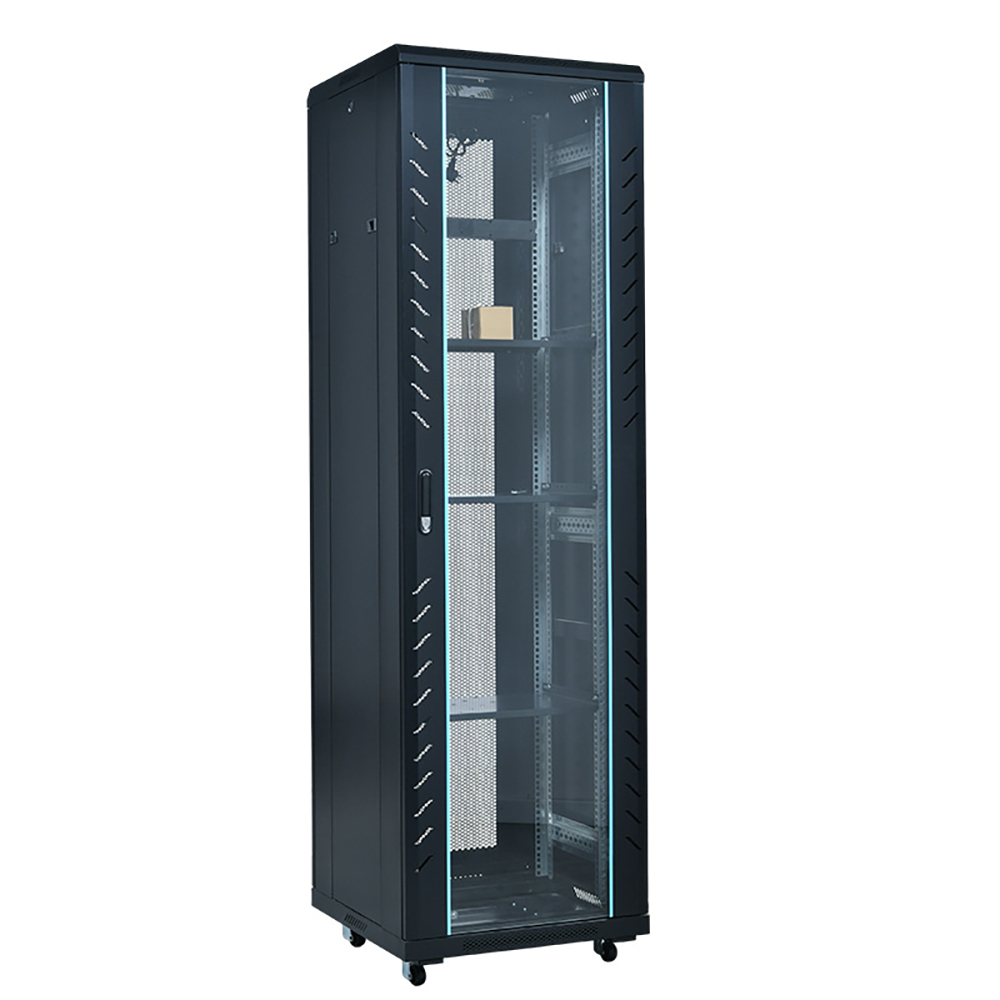
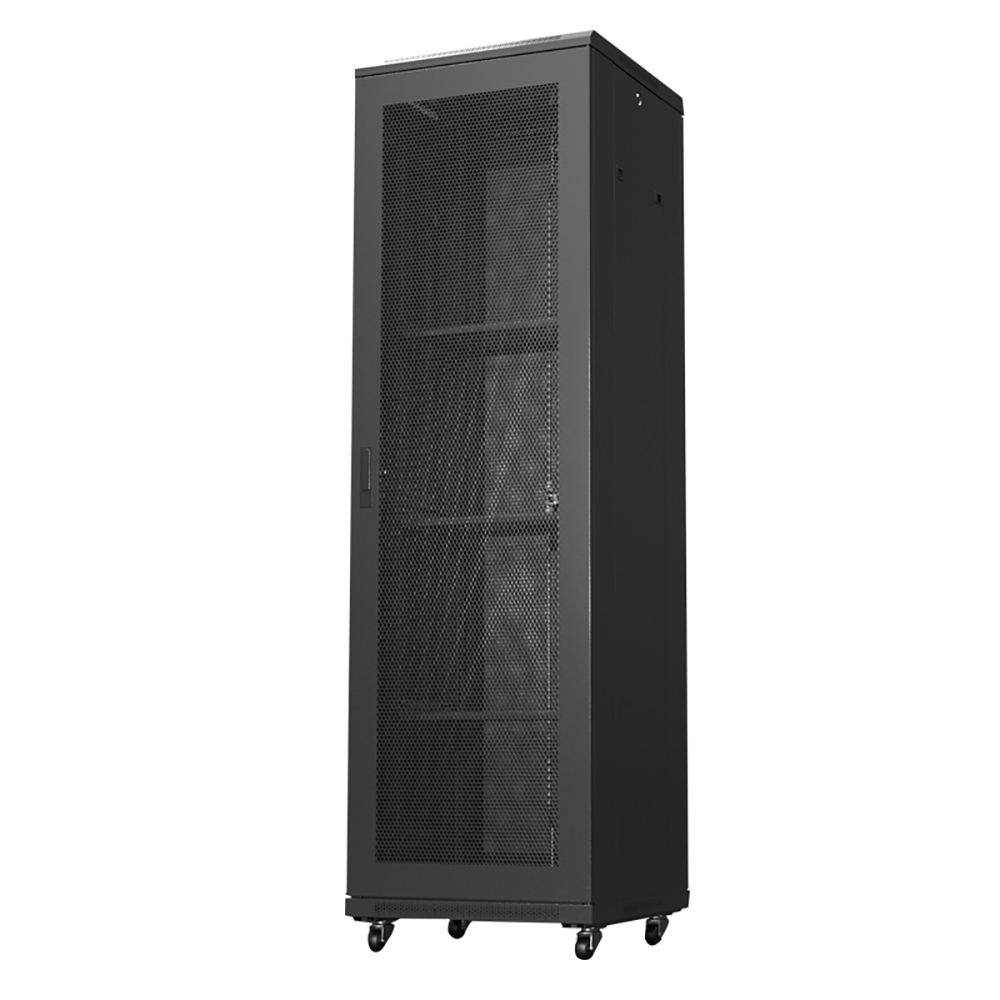
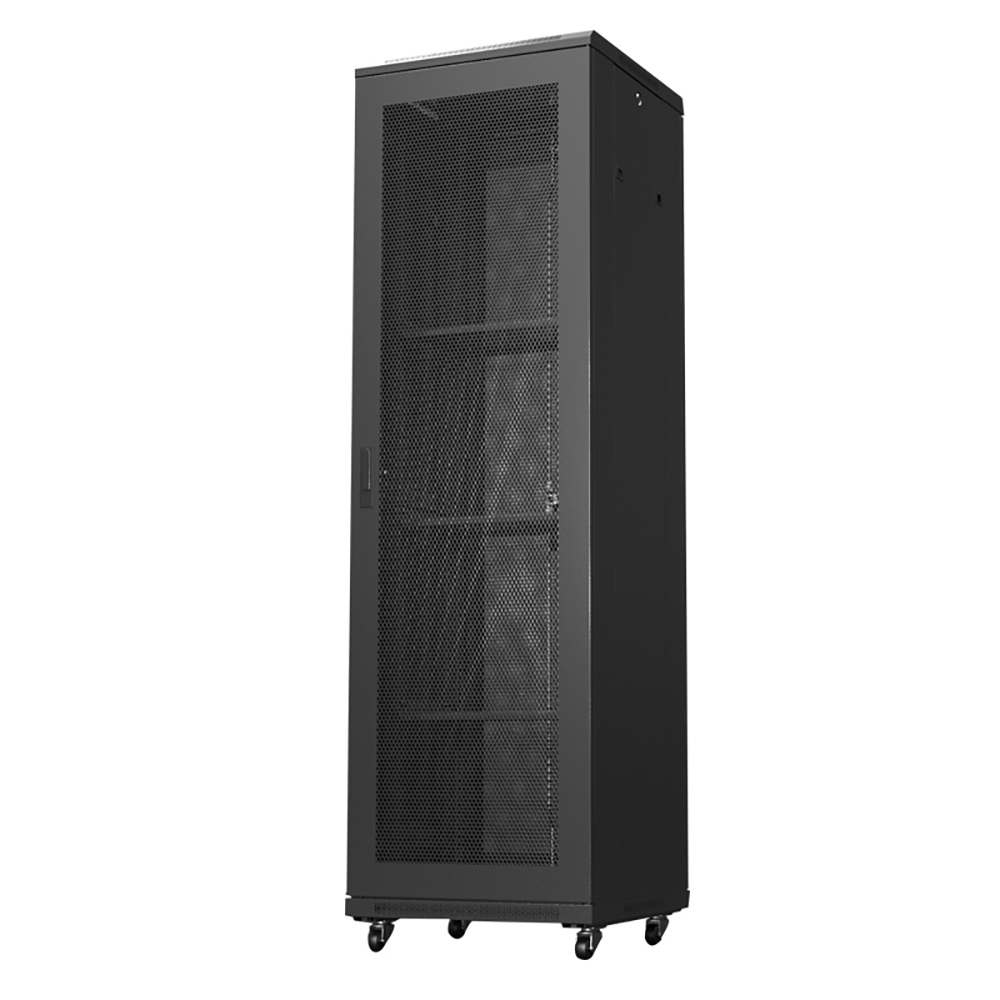
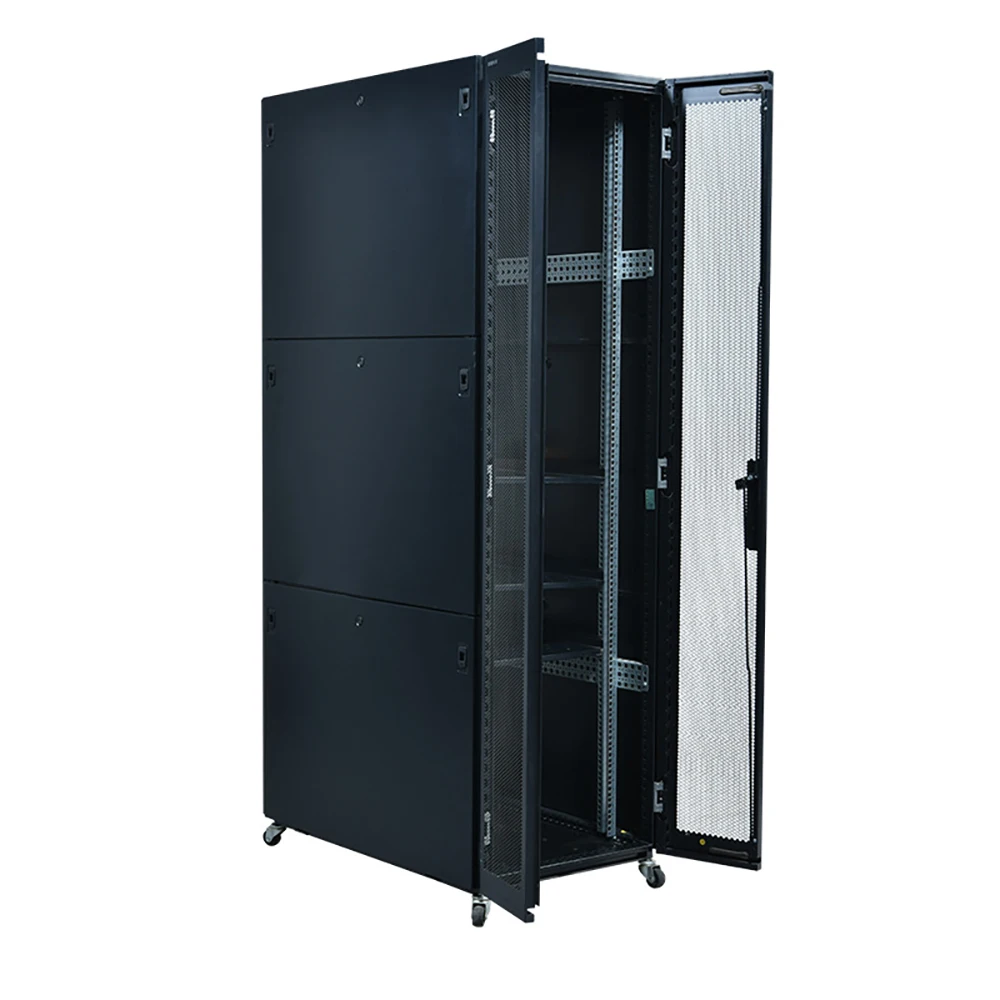
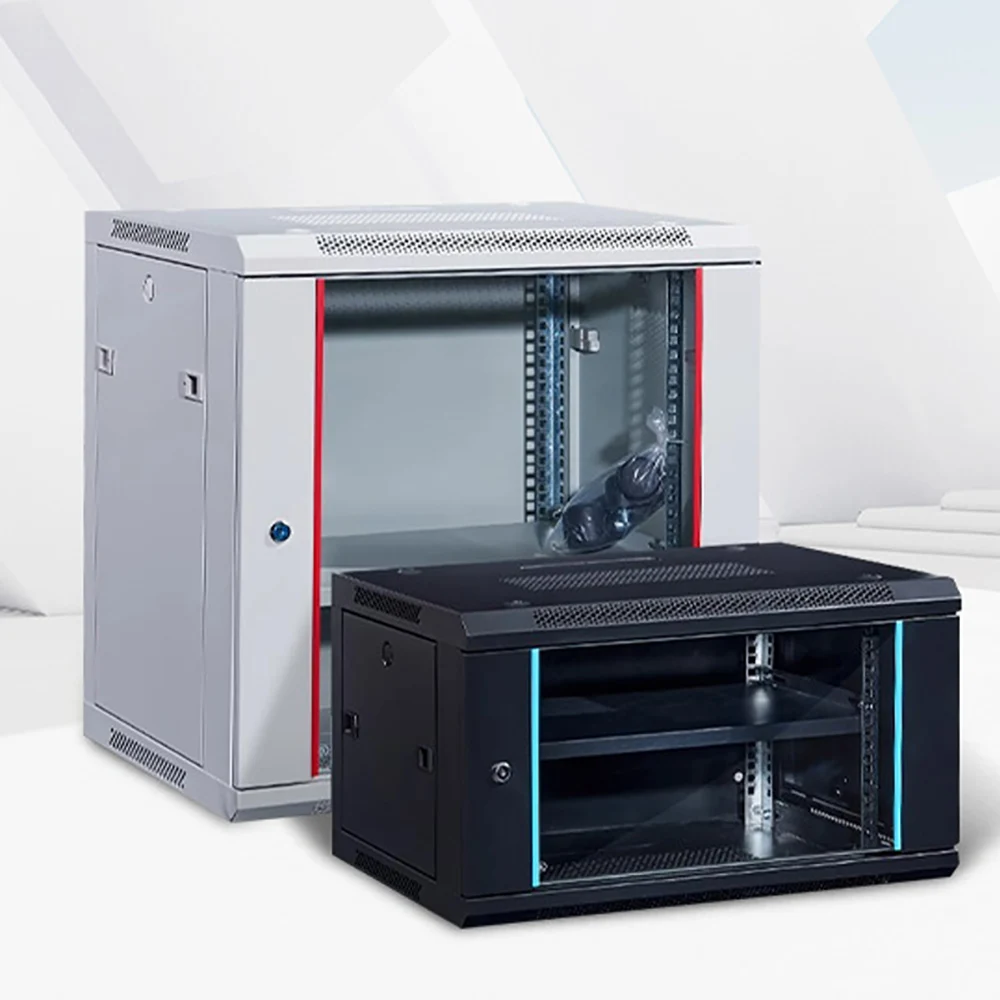
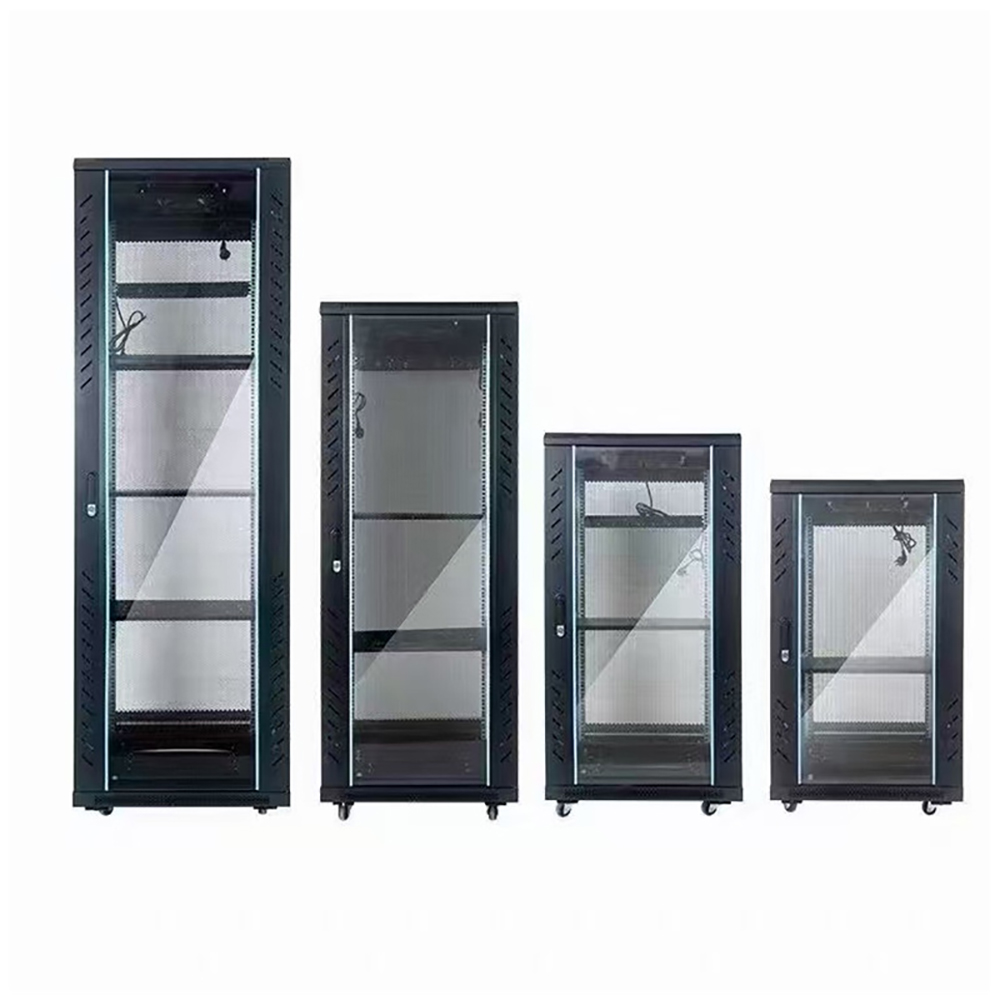
Data Center Racks provide structured mounting space for servers, switches, storage systems, patch panels, PDUs, and other critical infrastructure. Their standardized rack format helps data centers organize equipment vertically while maintaining defined service areas and cable routes. For example, a growing facility can deploy 42U racks for server and network equipment while reserving available rack positions for future expansion. Consistent rack layouts also help technicians identify equipment more quickly during maintenance and upgrades. Data Center Racks are suitable for enterprise facilities, colocation environments, network operations centers, and telecommunications rooms where equipment density and organization are important. By selecting appropriate rack height, depth, and configuration, operators can create a scalable infrastructure platform that supports changing computing and networking requirements.
Get A Quote

Case Study

Enterprise Data Center Expansion

An enterprise data center needed additional capacity for servers, switches, storage equipment, and power distribution hardware. Data Center Racks provided standardized mounting positions for more than 20 rack-mounted devices while maintaining consistent equipment organization. The facility selected 42U configurations to maximize vertical capacity without changing its established floor layout. Technicians arranged equipment according to function and maintained structured cable paths between network and power components. Several rack positions remained available for future hardware, allowing the company to expand in phases rather than redesigning the entire room. The deployment created a repeatable rack architecture that supported current computing requirements while providing additional capacity for future infrastructure growth and equipment upgrades.

Colocation Facility Deployment

A colocation provider required flexible rack capacity for multiple customers using different combinations of servers, switches, storage devices, and network hardware. Data Center Racks offered standardized mounting space that could be configured for individual customer requirements while preserving a consistent cabinet footprint. A 42U rack format provided sufficient vertical capacity for phased equipment installation, allowing customers to add hardware as their infrastructure requirements developed. Technicians could organize equipment according to designated rack positions and maintain clearer service access around each deployment. The standardized approach also simplified infrastructure planning across multiple rack rows. This configuration helped the facility manage diverse equipment requirements while maintaining an organized and scalable environment for ongoing customer deployments.

Network Operations Center Upgrade

A network operations center was upgrading its infrastructure and needed additional rack space for switches, servers, patch panels, and power equipment. Data Center Racks provided a standardized platform for organizing the new hardware within the existing technical area. The project used multiple rack positions to separate network and computing equipment while leaving space for future additions. Technicians could access installed devices more systematically during configuration and maintenance work. Cable management provisions also helped maintain clearer connections between switches, patch panels, and power components. By applying a consistent rack arrangement across the upgraded area, the operations team created a more structured equipment environment. The resulting layout supported current network requirements and provided room for phased infrastructure expansion.

Related products

GLGW Network provides Data Center Racks for enterprise data centers, colocation facilities, telecommunications rooms, network operations centers, and professional IT environments. The racks are designed to support servers, switches, storage systems, patch panels, PDUs, and other rack-mounted infrastructure. Configurations such as 42U provide substantial vertical capacity for phased equipment deployment, while different depths allow users to match rack dimensions with hardware requirements. A standardized rack layout can help operators organize computing and network equipment according to function, simplify service access, and maintain consistent infrastructure documentation. For example, a growing data center can initially populate essential rack positions and reserve additional space for future servers or network switches. GLGW Network focuses on practical rack structures and flexible configurations that support equipment expansion, organized cable management, and long-term infrastructure planning across demanding professional network environments.

Frequently Asked Questions

What equipment can Data Center Racks accommodate?

Data Center Racks can accommodate rack-mounted servers, switches, storage systems, patch panels, PDUs, routers, and other compatible infrastructure equipment. The appropriate configuration depends on rack height, depth, equipment dimensions, mounting requirements, and future expansion plans. Users should confirm hardware specifications and required rack units before selecting a rack for their data center.
A 42U rack provides substantial vertical mounting capacity while maintaining a standardized rack footprint. This allows operators to install multiple servers, switches, storage devices, and network components within one structure. Available rack positions can also be reserved for future equipment, making 42U configurations practical for phased data center expansion and infrastructure upgrades.
Rack configurations are available with different depths to accommodate varying server, storage, and network hardware dimensions. Before selecting a rack, users should measure equipment depth and allow sufficient space for cables, power connections, and service access. Matching rack dimensions to actual hardware requirements helps create a more practical installation.
Data Center Racks can provide additional rack positions for future servers, switches, storage equipment, and power components. Businesses can install essential equipment first and expand progressively as computing requirements increase. Planning sufficient rack capacity during the initial deployment can reduce structural changes and help maintain a consistent infrastructure layout.
Data Center Racks are commonly installed in enterprise data centers, colocation facilities, telecommunications rooms, network operations centers, and IT equipment rooms. They are suitable for high-density environments requiring organized rack mounting. Selection should consider rack height, equipment depth, floor space, cable management, service access, power requirements, and future infrastructure growth.

Related article

The Core of Data Centre Infrastructure – A Professional Analysis of GLGW Network Cabinets

21

May

The Core of Data Centre Infrastructure – A Professional Analysis of GLGW Network Cabinets

View More
Patch cord bending radius affects network performance.

17

Jun

Patch cord bending radius affects network performance.

Real-world cases showing the impact of improper bending on daily network operation Working in the structured cabling and network connectivity sector for over sixteen years, I have witnessed countless network faults traced back to unreasonable bend...
View More
Patch cord matching rules for communication projects.

11

Jul

Patch cord matching rules for communication projects.

Real World Field Experiences with Multi Floor Network Deployments Managing a sprawling multi-floor campus network installation a few years ago taught me that ignoring infrastructure details always leads to signal loss. We noticed severe intermitten...
View More
What Connector Types for Ethernet Patch Cable?

18

Jul

What Connector Types for Ethernet Patch Cable?

Real World Field Challenges with Commercial Network Overhauls During a massive network overhaul for an e-commerce fulfillment hub last year, my deployment team faced an unexpected wave of packet drops and intermittent link drops across the main pac...
View More

Customer Testimonials

Matthew Clark

Our expansion used 42U racks for more than 20 server and network devices. The standardized layout helped technicians organize equipment by function while preserving additional rack positions for future infrastructure upgrades.

Andrew Collins

We deployed multiple 42U racks for customer equipment and maintained consistent rack organization across the facility. The standardized mounting positions simplified installation planning and provided room for phased equipment additions as customer requirements changed.

Get a Free Quote

Our representative will contact you soon.
Email
Mobile/WhatsApp
Name
Company Name
Message
0/1000
High-Density Rack Capacity for Data Centers

High-Density Rack Capacity for Data Centers

Data Center Racks provide substantial vertical mounting capacity for servers, switches, storage systems, patch panels, and power equipment. A 42U configuration, for example, can accommodate numerous rack-mounted devices while maintaining a standardized floor footprint. This makes it practical for enterprise data centers and colocation facilities where equipment density continues to increase. Operators can install essential hardware first and reserve unused rack positions for later additions, supporting phased infrastructure deployment. Defined rack positions also make equipment placement easier to document and maintain across multiple rack rows. By using vertical space efficiently, Data Center Racks help create an organized equipment environment that can support current computing requirements while leaving room for future servers, network devices, and storage expansion.
Standardized Rack Organization for Easier Maintenance

Standardized Rack Organization for Easier Maintenance

Consistent equipment organization is important when data centers contain multiple racks and large numbers of interconnected devices. Data Center Racks provide standardized mounting positions that allow operators to arrange servers, switches, patch panels, and power components according to a defined infrastructure plan. For example, a facility with several rack rows can use consistent equipment positioning to help technicians identify hardware more quickly during service work. Organized cable routing can further improve visibility around network connections and power components. Standardized layouts also support clearer infrastructure documentation when new equipment is introduced. This structured approach can make maintenance procedures more repeatable and help data center teams manage complex hardware environments more systematically as infrastructure requirements develop.
Scalable Rack Architecture for Future Growth

Scalable Rack Architecture for Future Growth

Data center infrastructure often changes as organizations add computing resources, storage capacity, and network equipment. Data Center Racks with sufficient available space allow operators to expand without immediately changing the physical rack architecture. A facility can initially populate selected rack positions with servers and switches while reserving capacity for future hardware. For example, a growing enterprise may add storage systems or additional network switches during later deployment phases without replacing the existing rack structure. Selecting appropriate rack height and depth at the beginning also helps accommodate future equipment requirements. This scalable approach supports long-term infrastructure planning while maintaining consistent rack organization across data center floors, network operations centers, and colocation environments.

Get a Free Quote

Our representative will contact you soon.
Email
Mobile/WhatsApp
Name
Company Name
Message
0/1000